It was time for a mini road trip to Greece. And what better opportunity than the three-day Carnival? The idea was on the table, everything was arranged and… we left! Destination Galaxidi and the surrounding areas, which we had read that during these days had various customs. Some childhood memories along with scattered images from old holidays woke up in the mind.
With Galaxidi as our base, we took a "dive" into the history, customs and mores of our place, and all of this in three days, which, by the way, were enough to "absorb" the beauties of our small country!

Amfissa
Although it is not one of the must-see destinations, Amfissa is a surprising town as it has some special elements that you cannot overlook. It is located on the edge of the largest continuous olive grove in Greece and has a number of attractions that even we were unaware of!
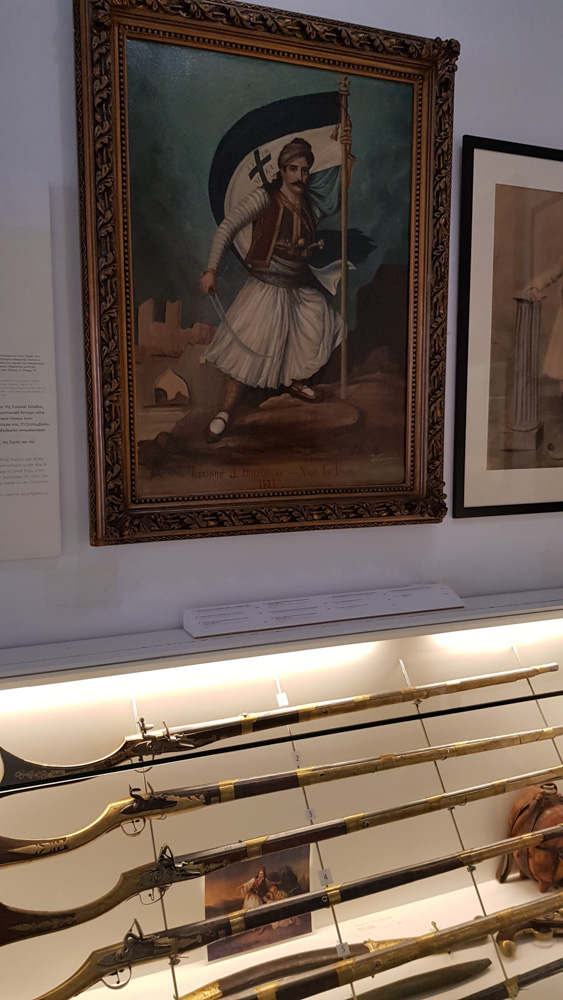
In the city you can see: Salona Castle or Castle of Oria, located at the top of the preserved Harmaina district where the old tanneries were located, the Museum of the Greek Revolution, in the residence of the chieftain Panourgias, the listed buildings around the Kechagia Square and especially the Town hall and Big Cafe (scenes from the film “The Troupe” by Angelopoulos were filmed there).

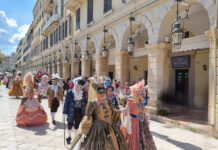
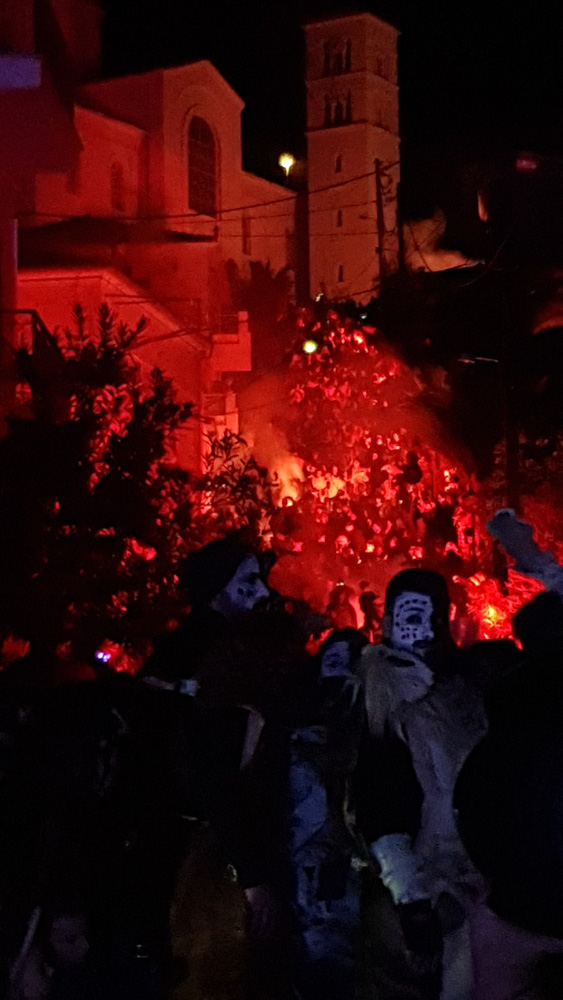
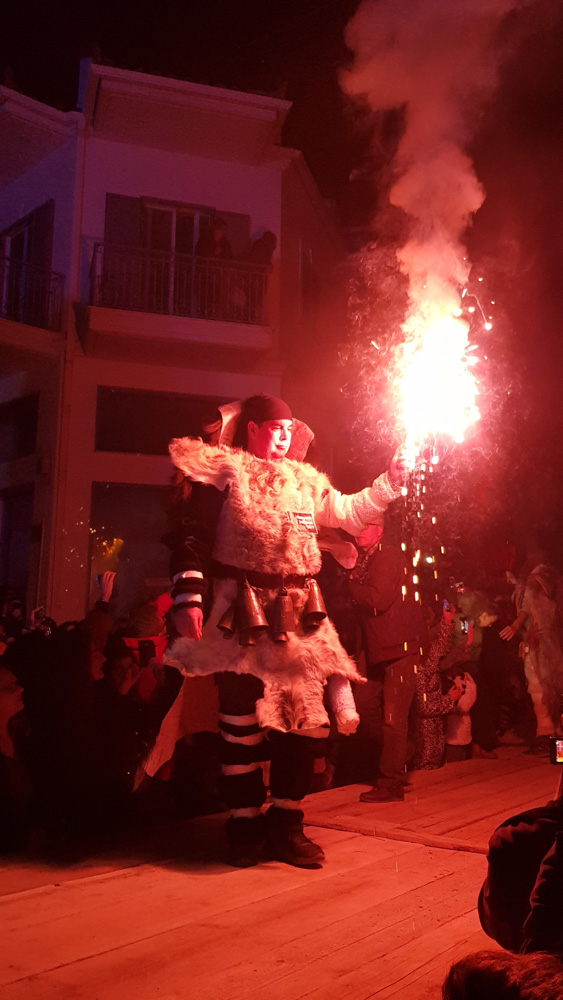
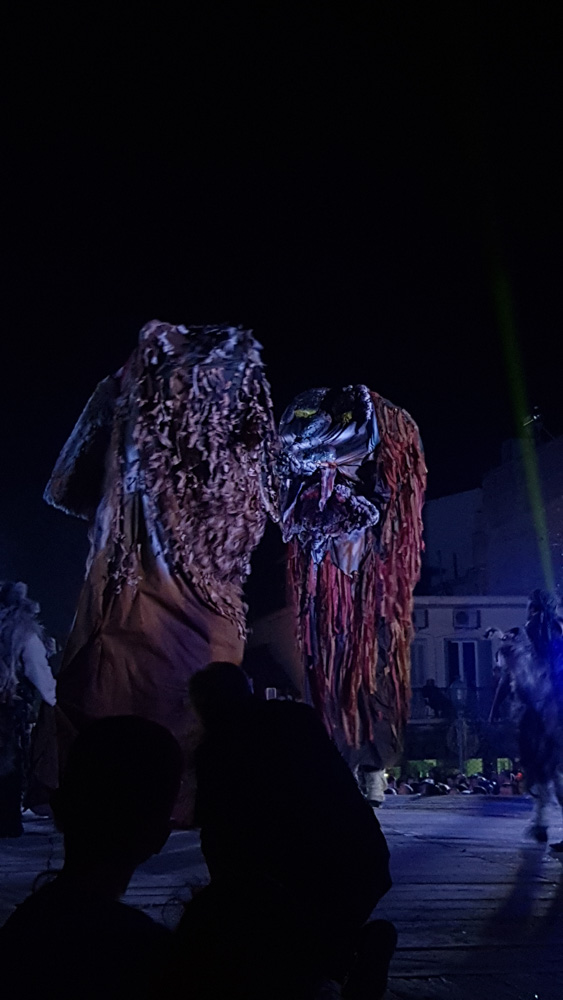
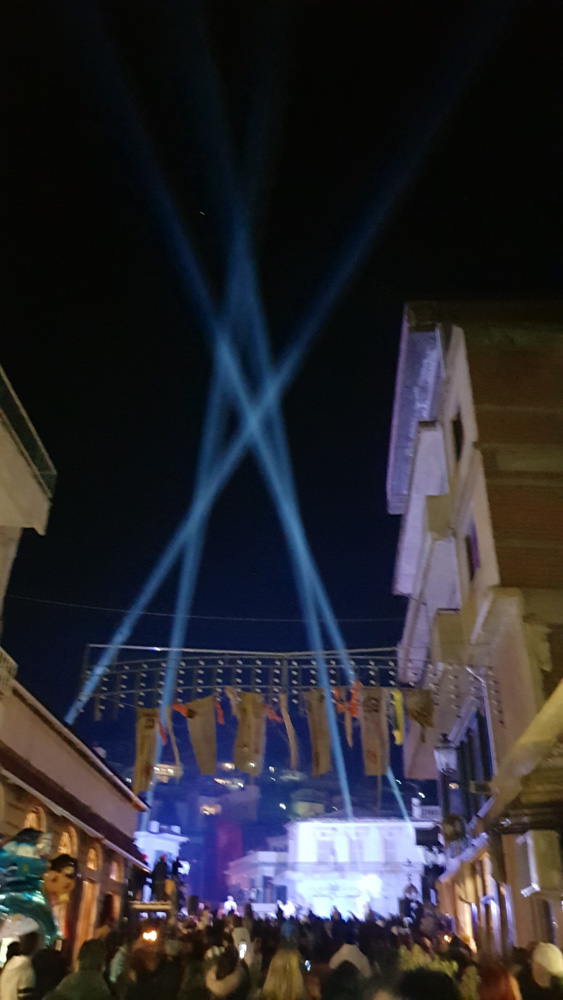
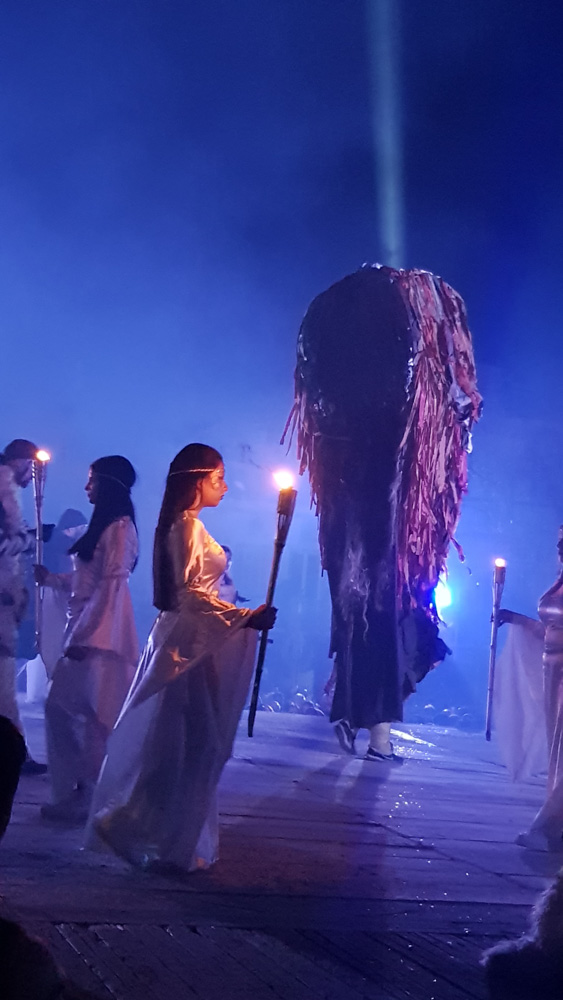
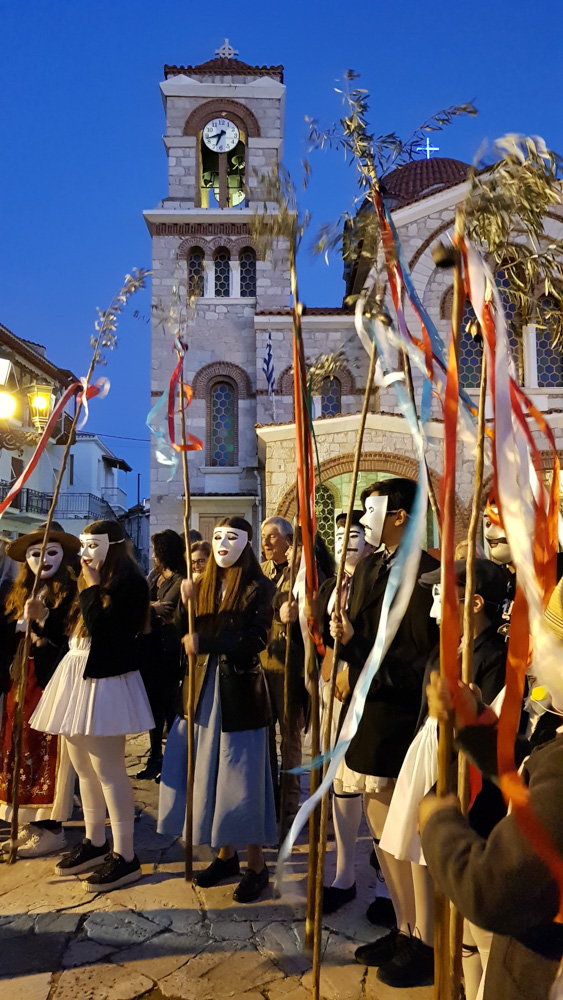
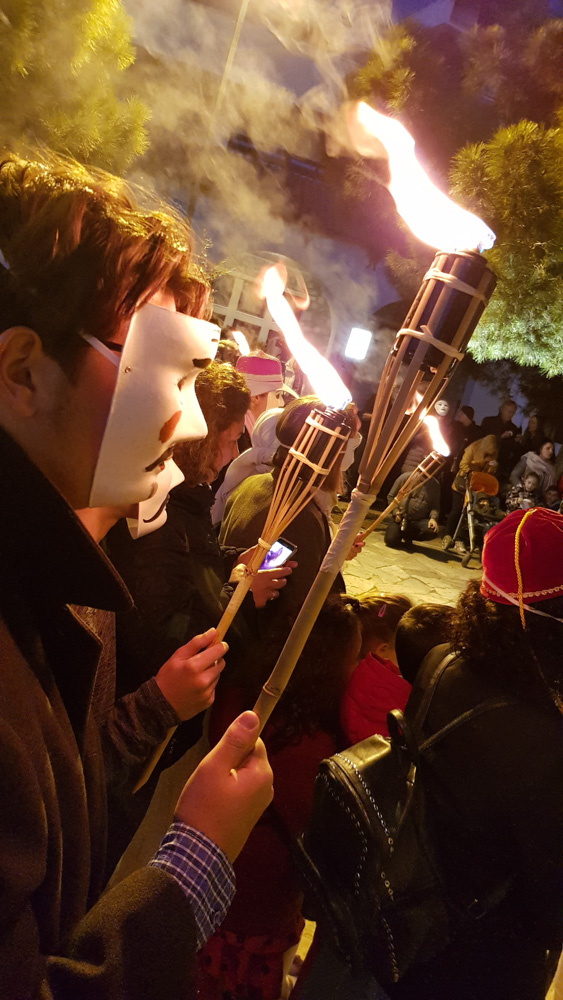
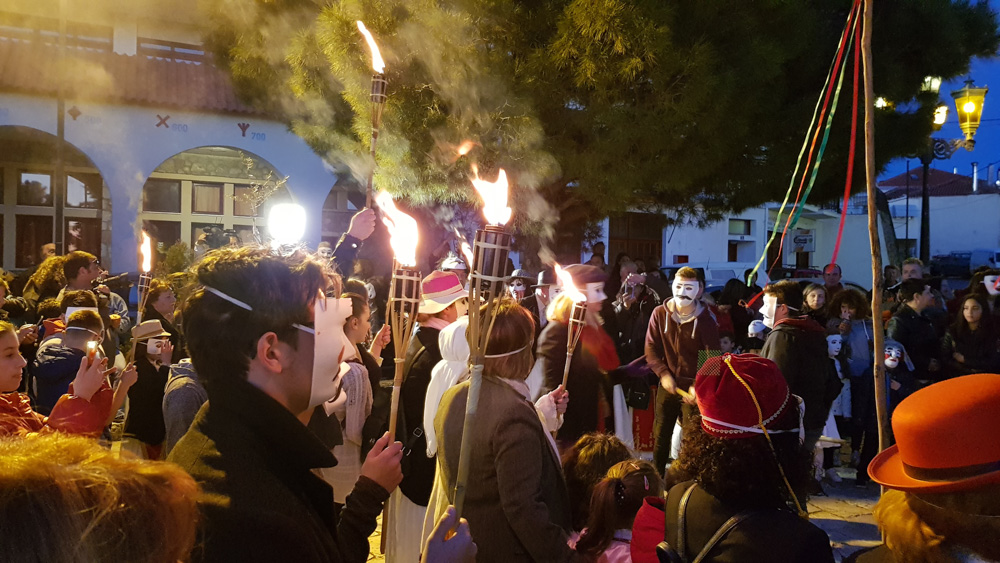
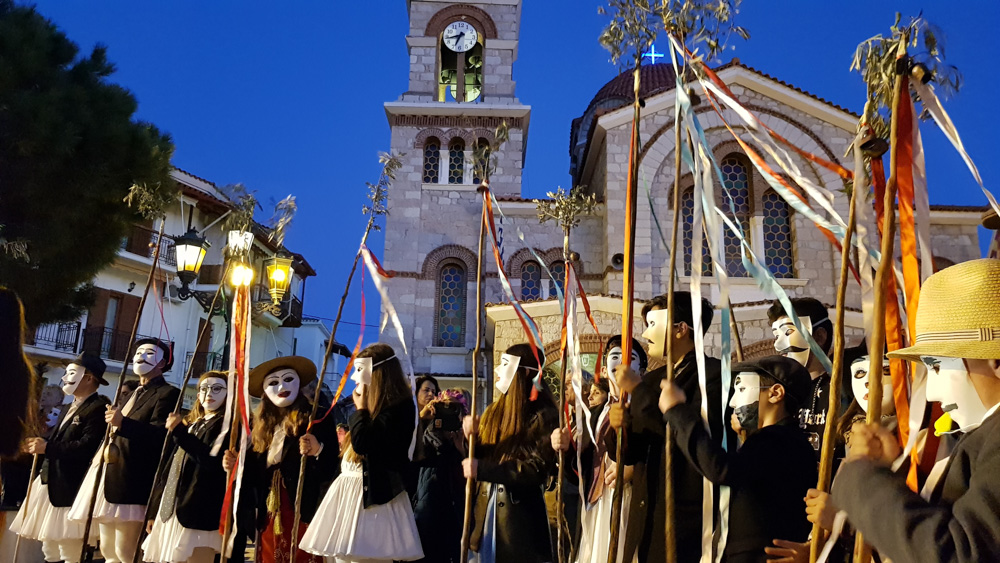
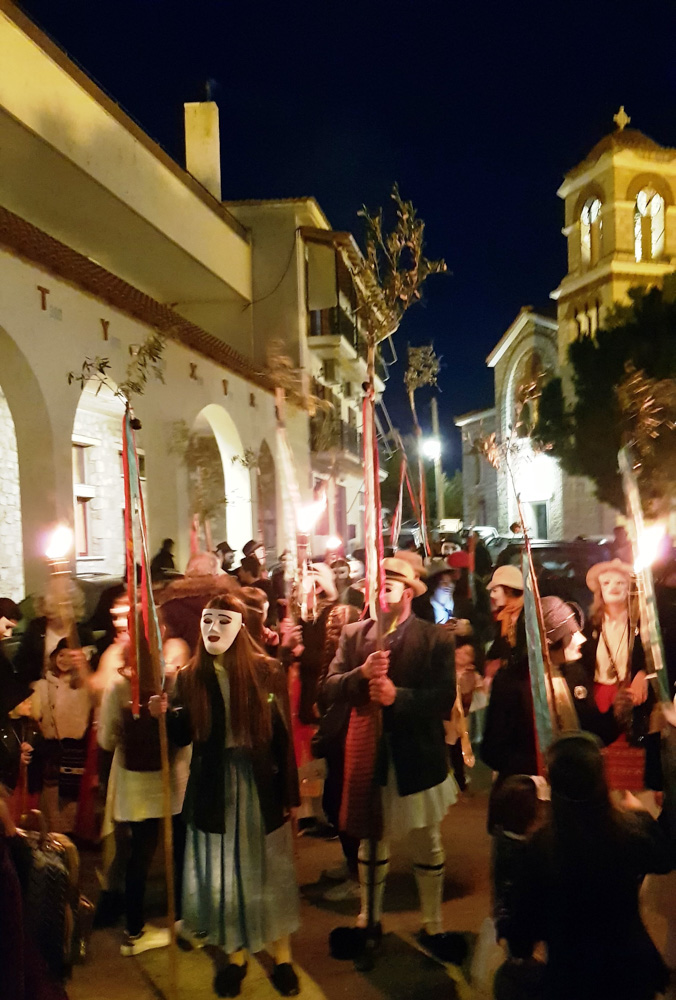
What makes Amfissa stand out, however, is the event that takes place on Saturday night, before Carnival Sunday. It is the "Element of Charmaine» or «Night of the Elements" which brings to life the love story of Kostantis and Lenio. In Kechagia Square the lights go out and deafening sounds are heard from the Harmaina neighborhood and three Spirits come to confront each other. Hundreds of people dressed in animal furs, fairies, straw men and black men, accompany the spirits and dance until they finally fall to the sound of the flutes, bells and chants, exorcising evil, as the custom requires.
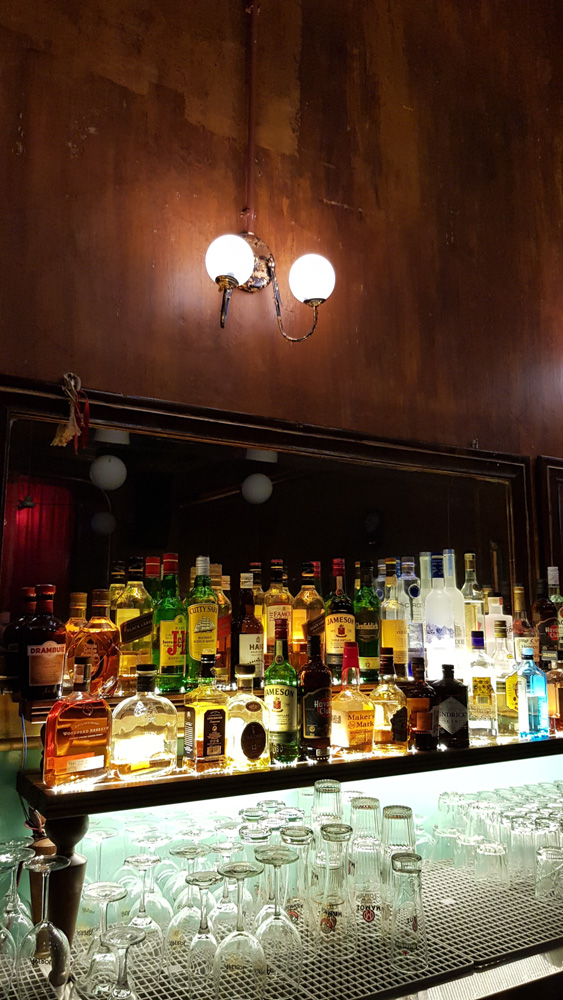
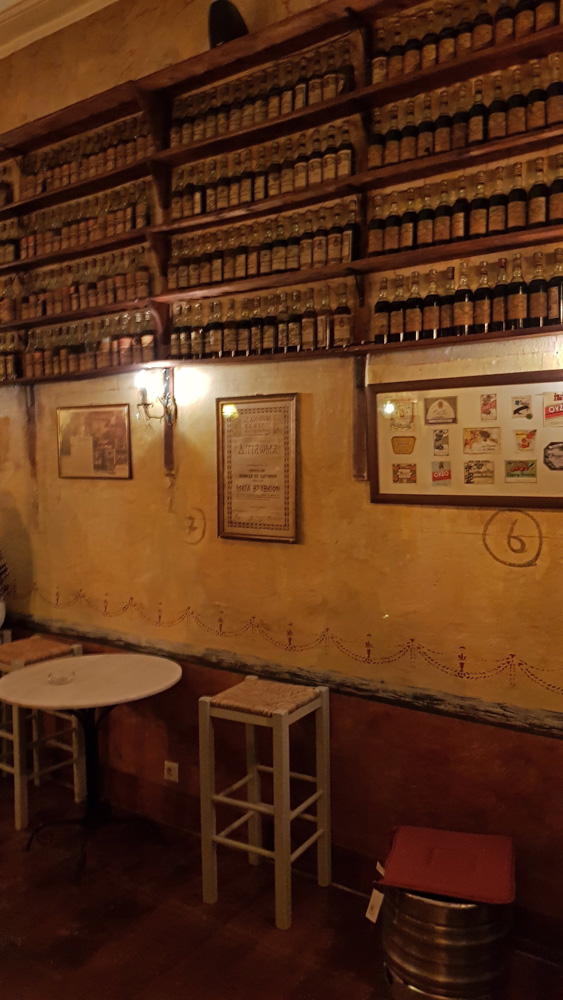
When the custom is complete and everyone leaves the square, have a drink at “Megalo Kafeneio 1929” and “Paliopopoleio”. You will feel as if you have suddenly been transported to the beginning of the century! For food, we recommend “Elladografia” and “Aristogefesis”, where meat dishes take pride of place.
Delphi
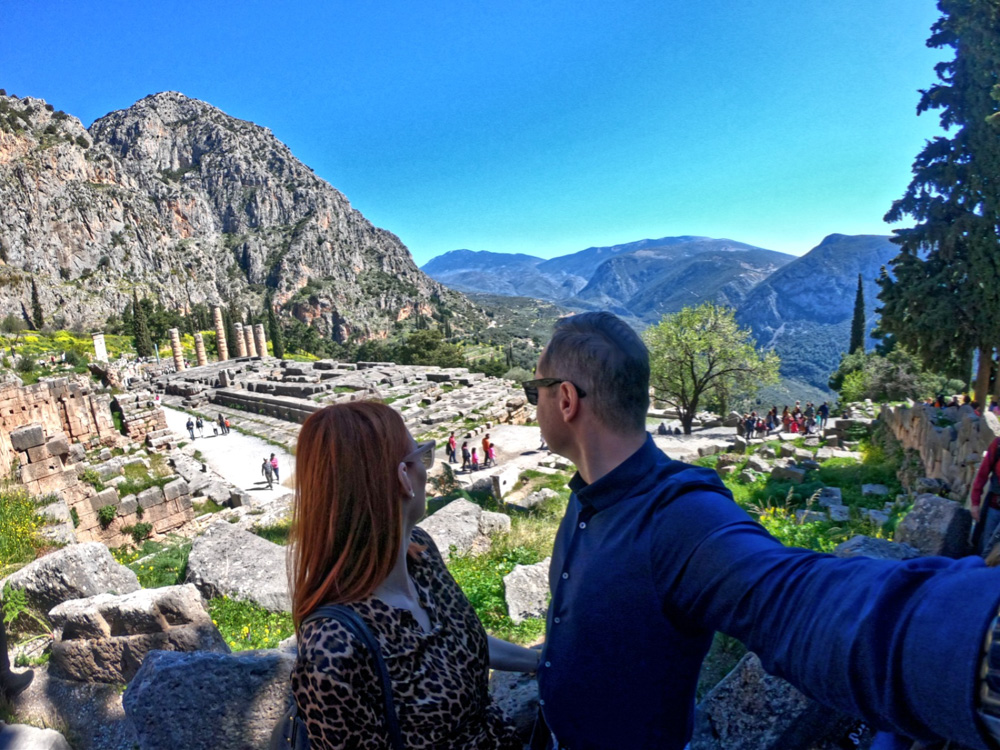
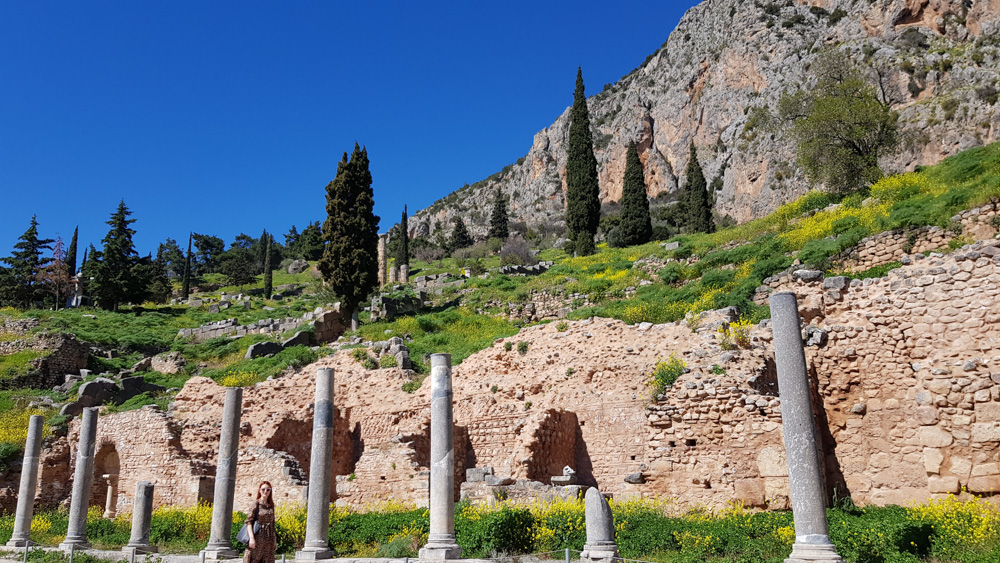
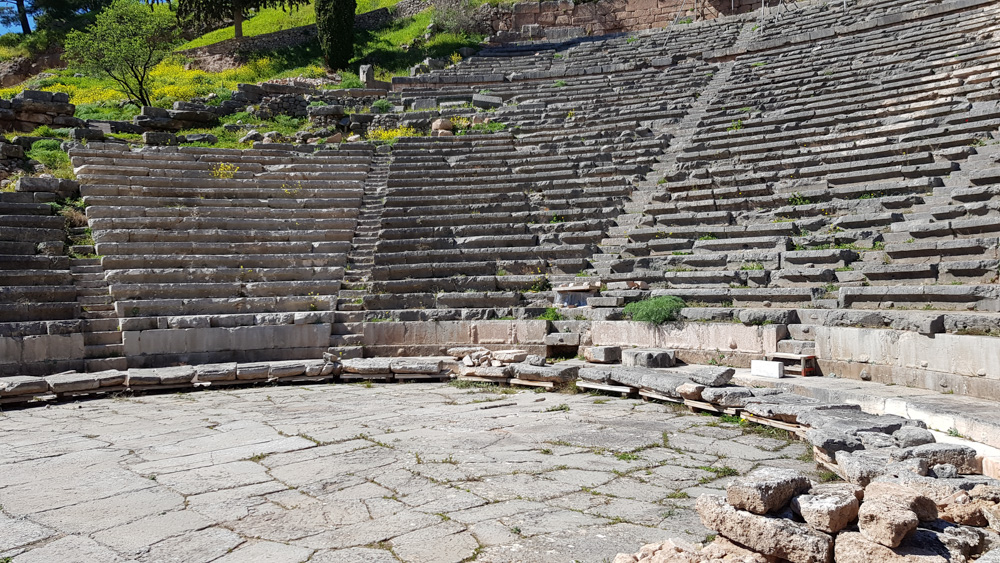
The navel of the Earth with the most important oracle of ancient times! Legend has it that Zeus released two eagles, one to the West and one to the East, and they met at Delphi. The archaeological site is a UNESCO World Heritage Site. There you will see the Temple of Apollo, the Ancient Theater of Delphi, the Treasury of the Athenians, the Sacred Way, the Dome of Athena Pronaia, etc.

After wandering around the archaeological site, don't forget to visit the Archaeological Museum of Delphi (single ticket 6 euros). This is one of the most important museums in Greece, where a multitude of exceptional architectural sculptures, statues and works are exhibited, most notably the Sphinx, the statues of Cleovis and Vitton, the Daughters of Ionia and of course the Iniochos. Tip: To see the museum and the archaeological site, estimate that you will need at least three hours. Bring a hat and water. You will need them even if it is not yet summer.
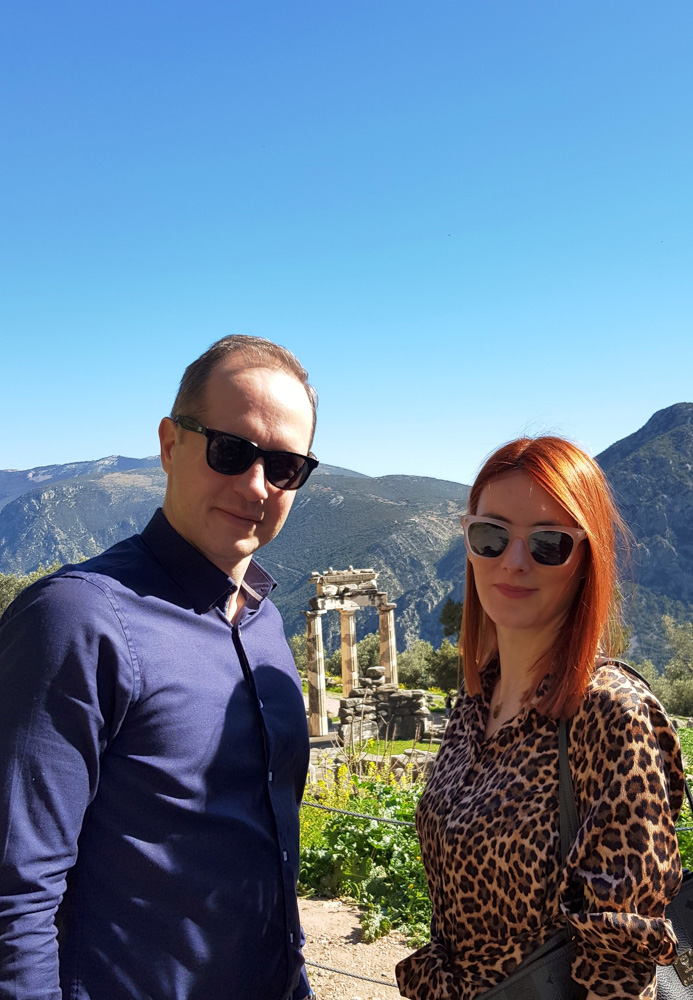
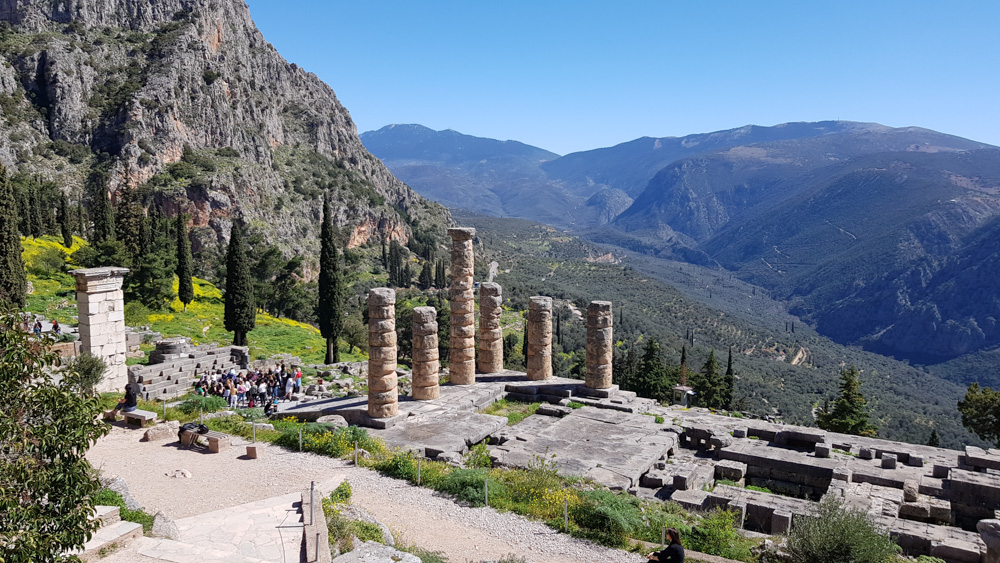
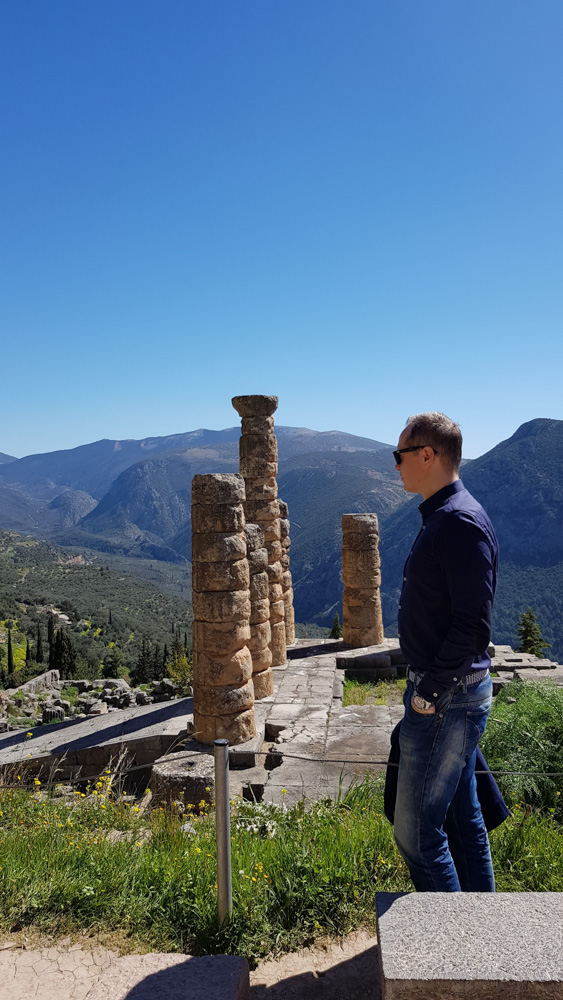
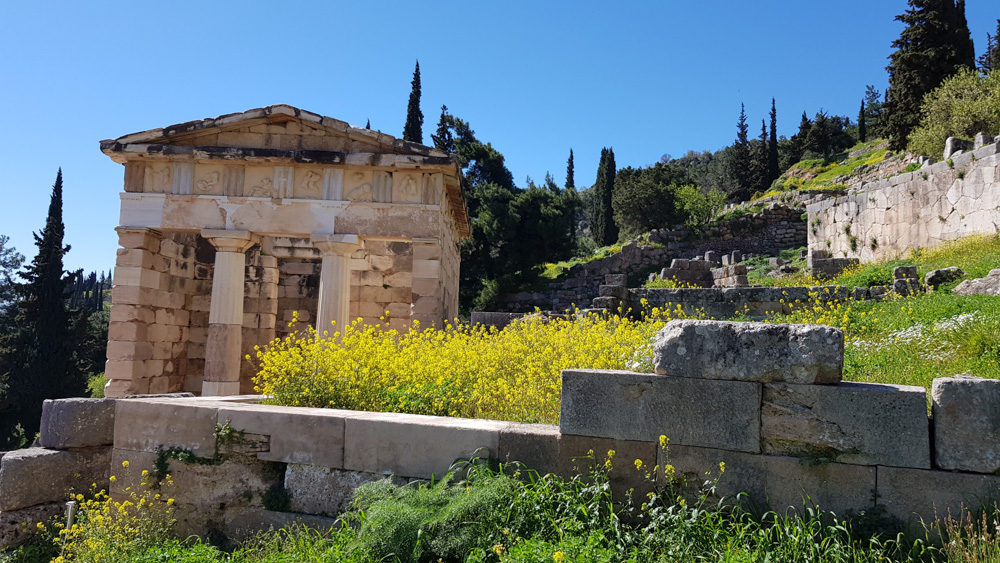
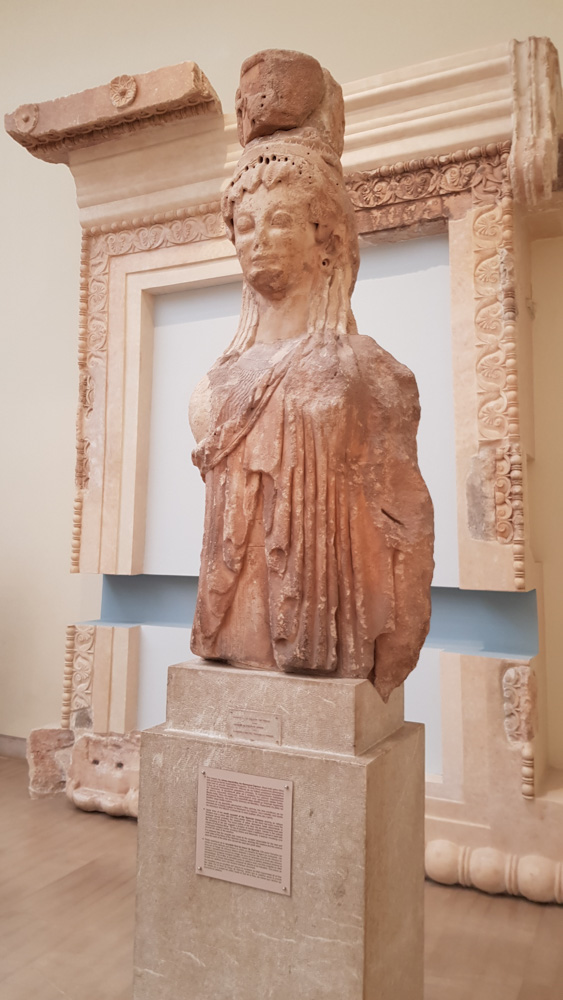
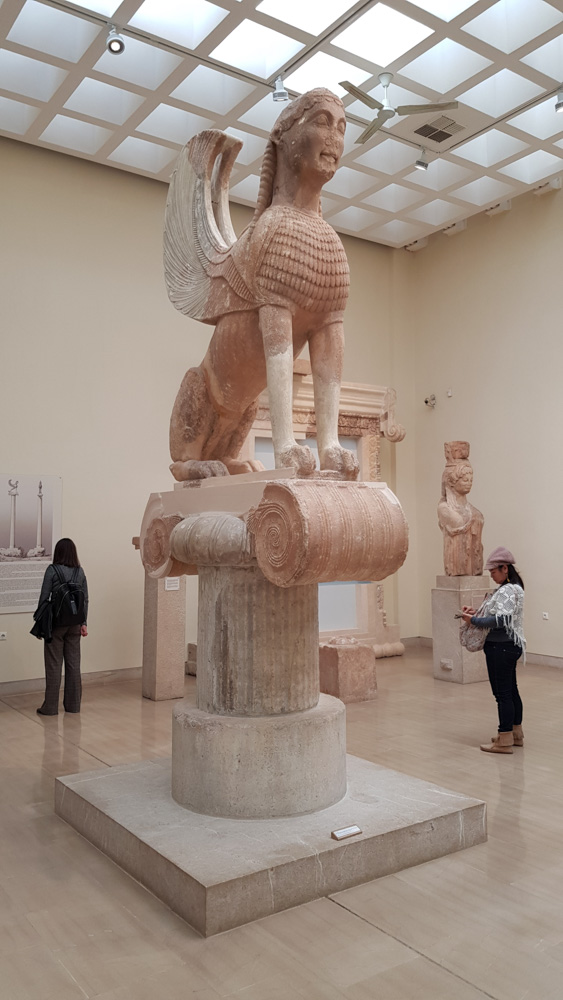
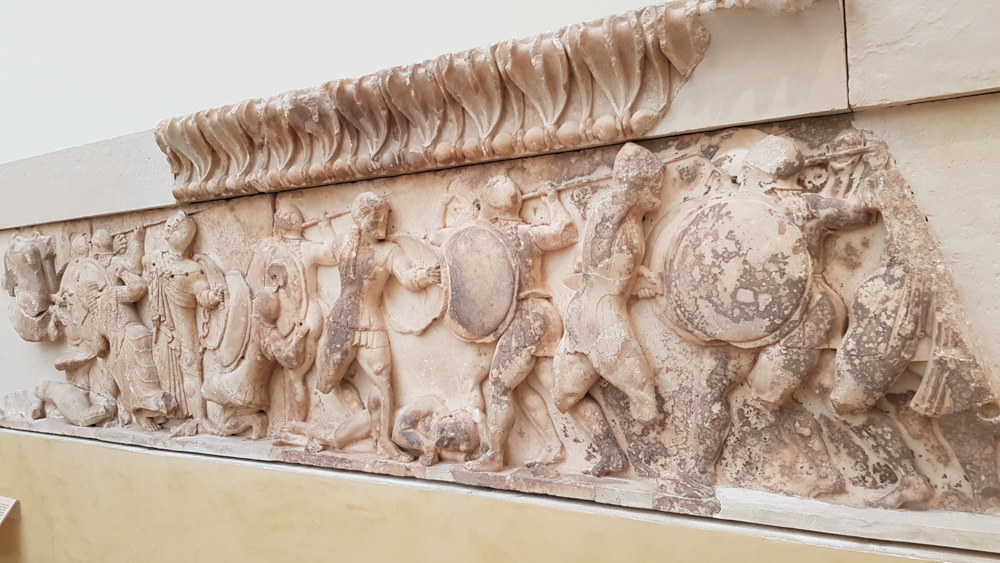
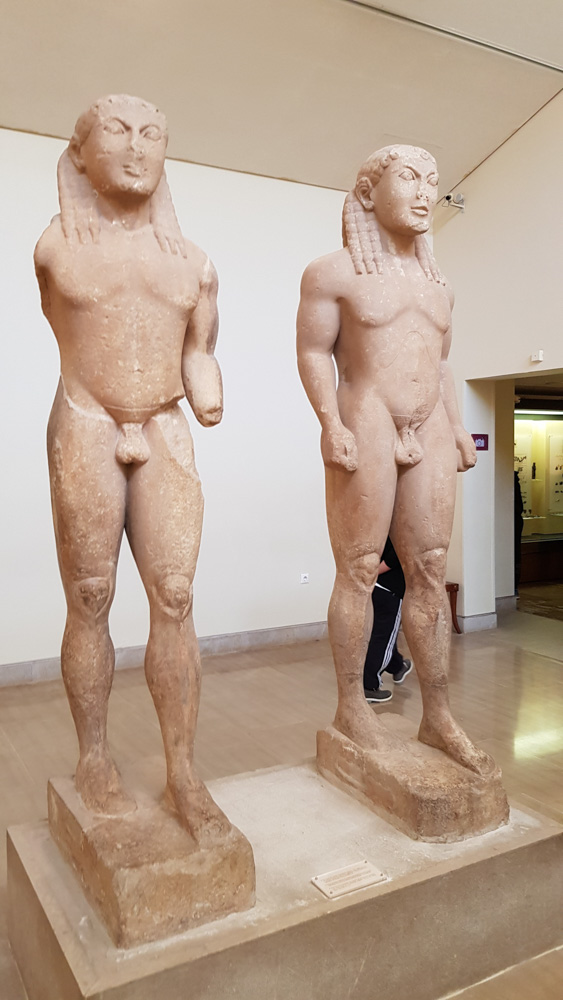
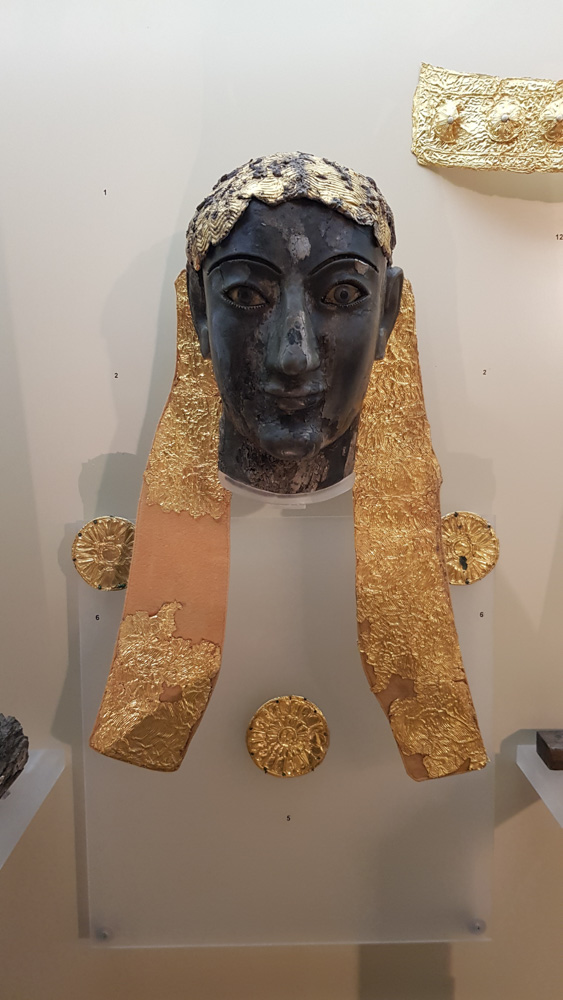
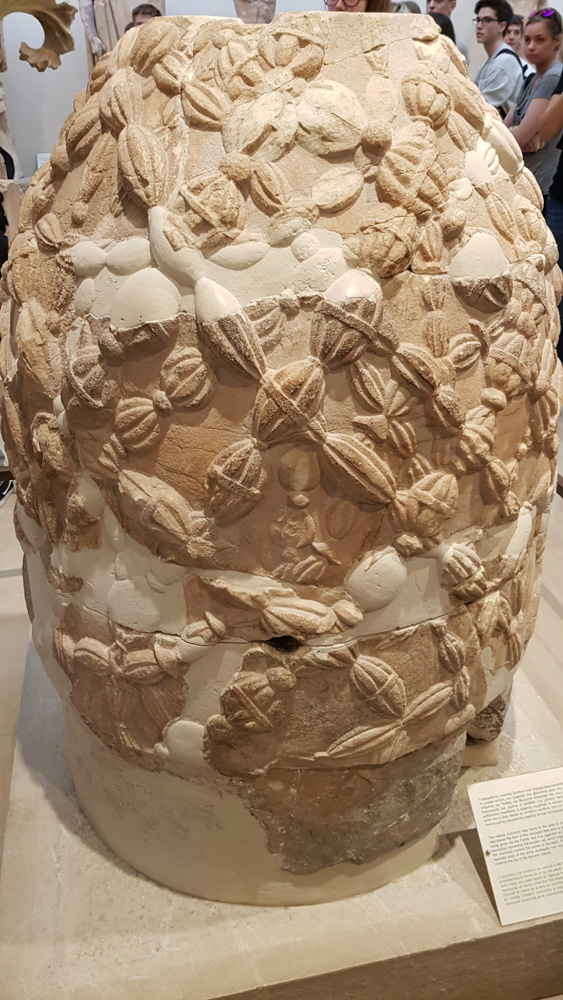
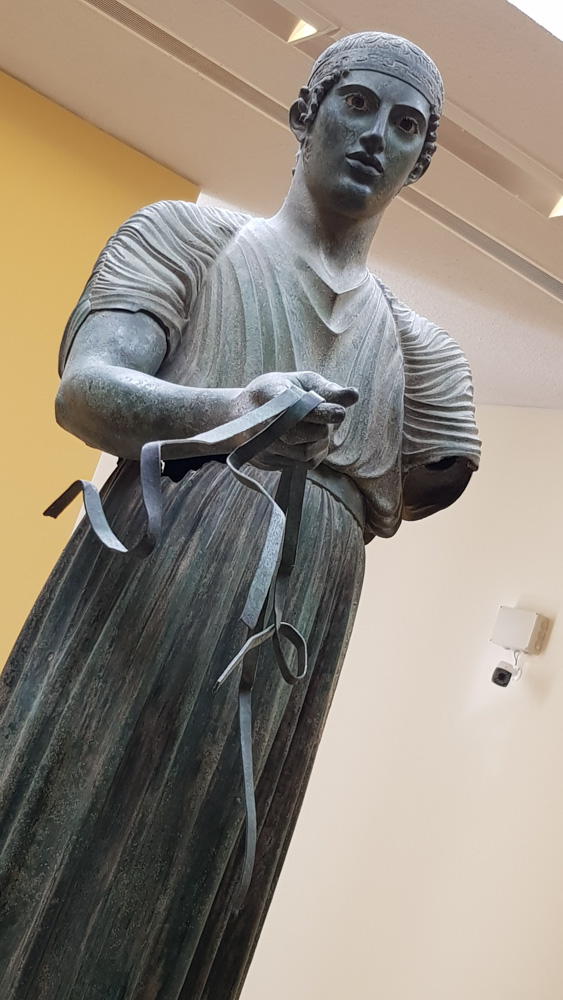
In Delphi it is still worth visiting Delphic Festival Museum, which is housed in the house of the leading poet Angelos Sikelianos, while from many parts of the settlement it is worth stopping and enjoying the "Delphi landscape" and the view of the Corinthian Gulf and the Peloponnese.
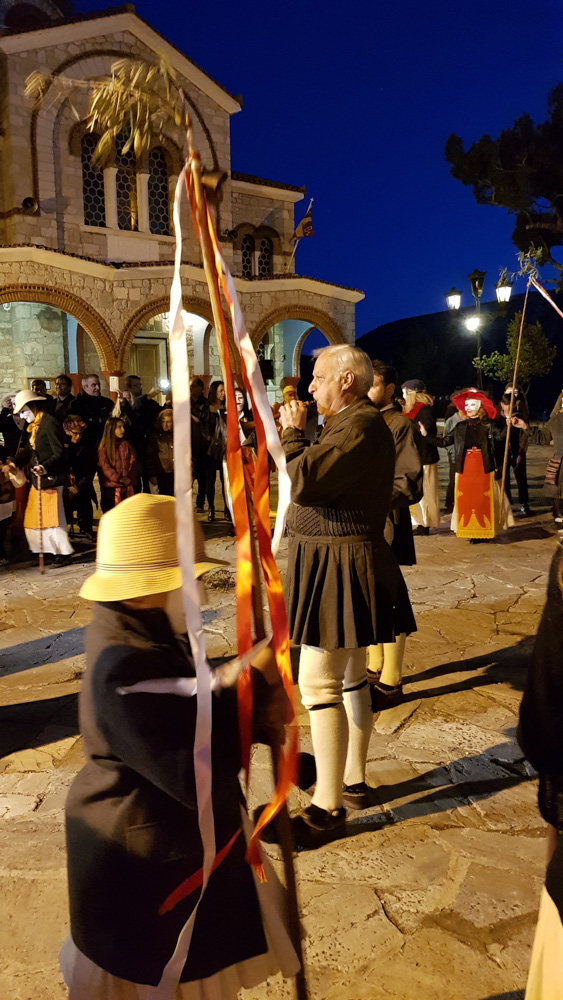
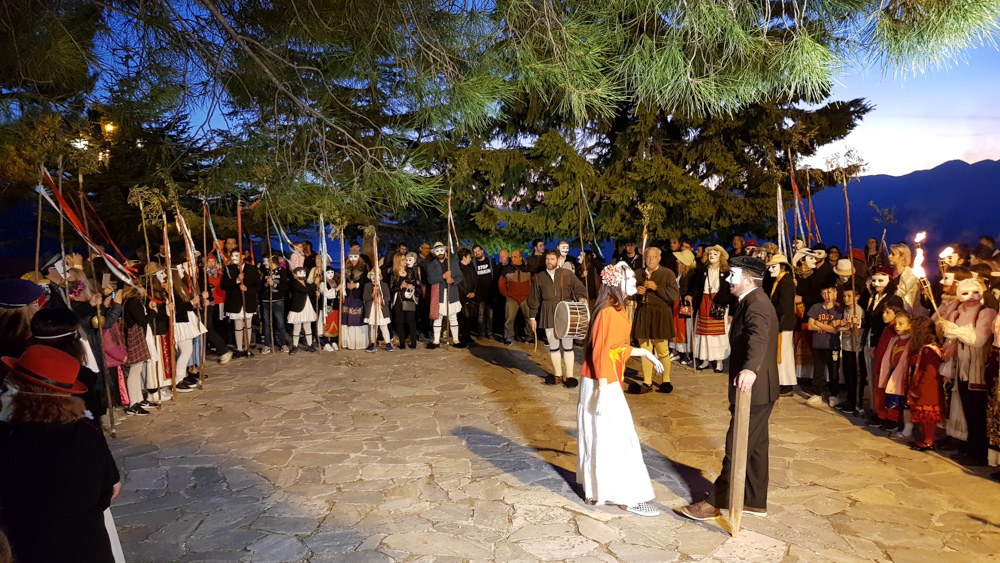
On Carnival Sunday at six in the afternoon, the custom of "The Archontohoriates and Gavoyiannos". This is an event with elements of Dionysian festivals, local folklore and local social development. The participants in this modern Dionysian troupe wear old traditional costumes and tsarouchia from the waist down, which represent their origins and roots, and a jacket and hat on top, wanting to satirize the rapid mutation of society.
After observing the custom, Delphi has a multitude of taverns and restaurants with local delicacies. We recommend "Our Home" where you will try local rooster with noodles and goat kapama.
Galaxidi
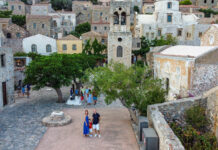
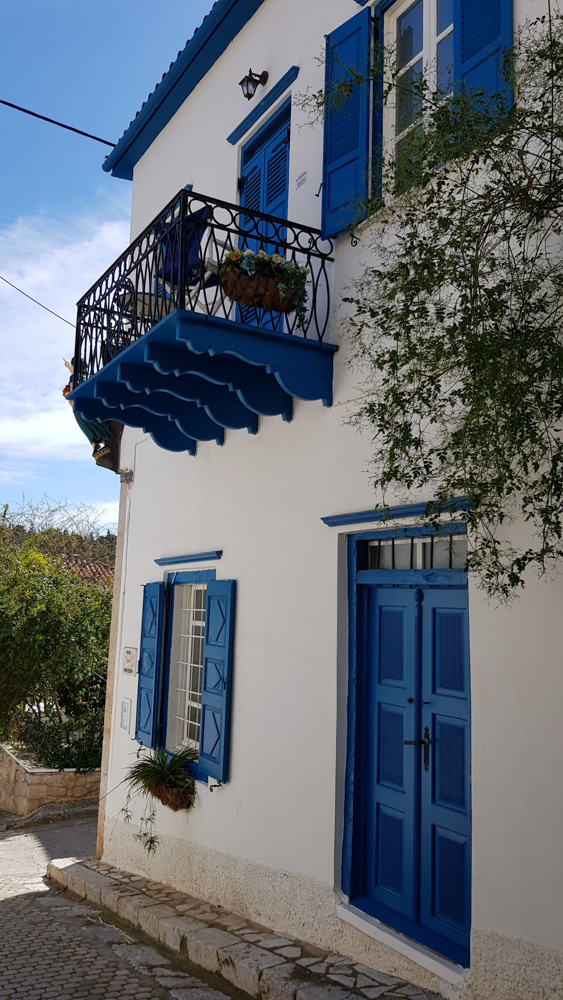
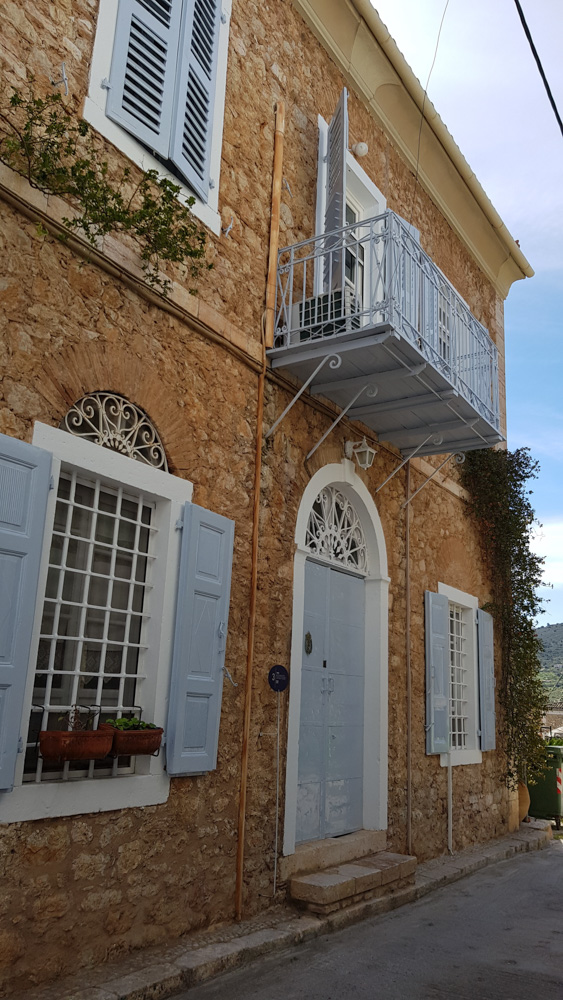
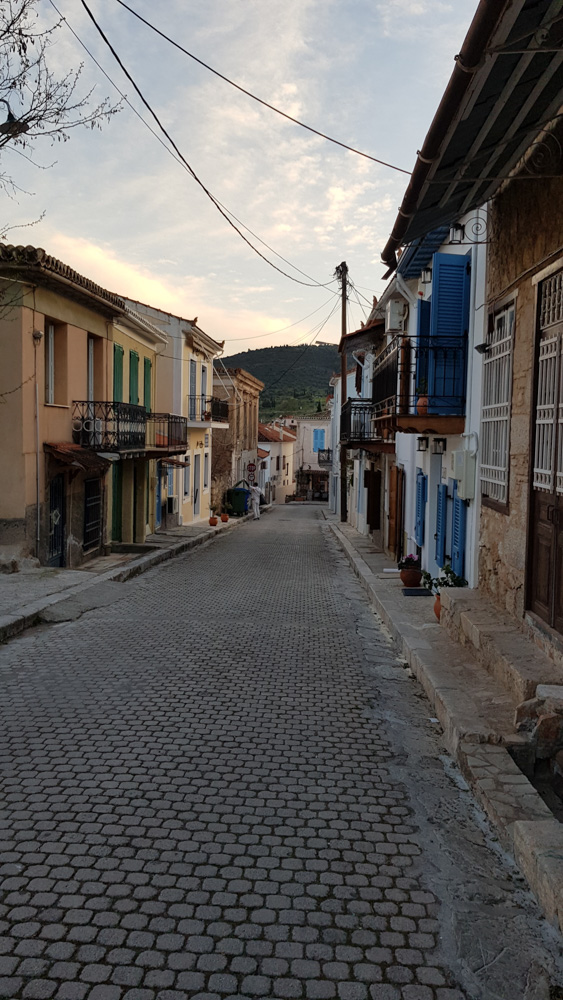
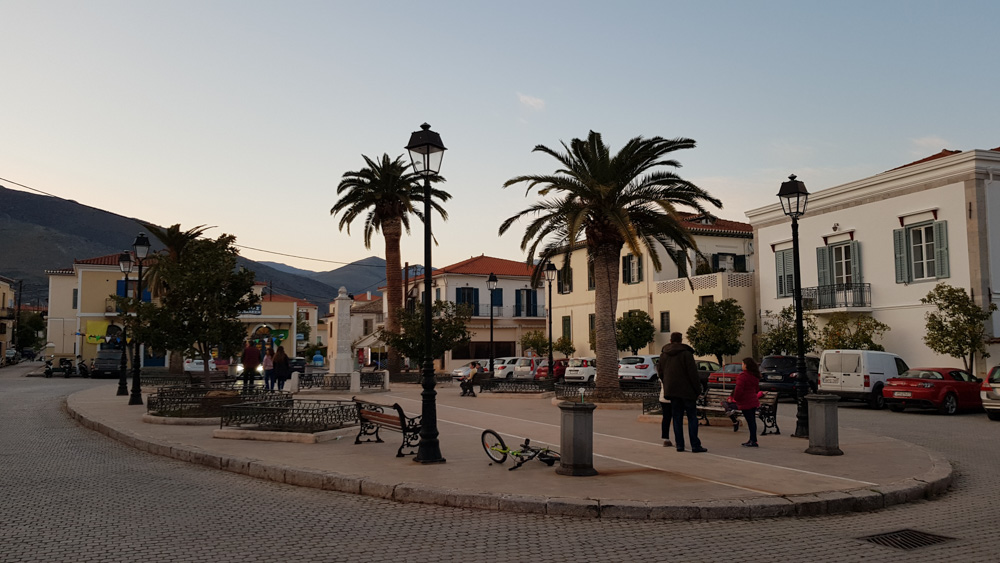
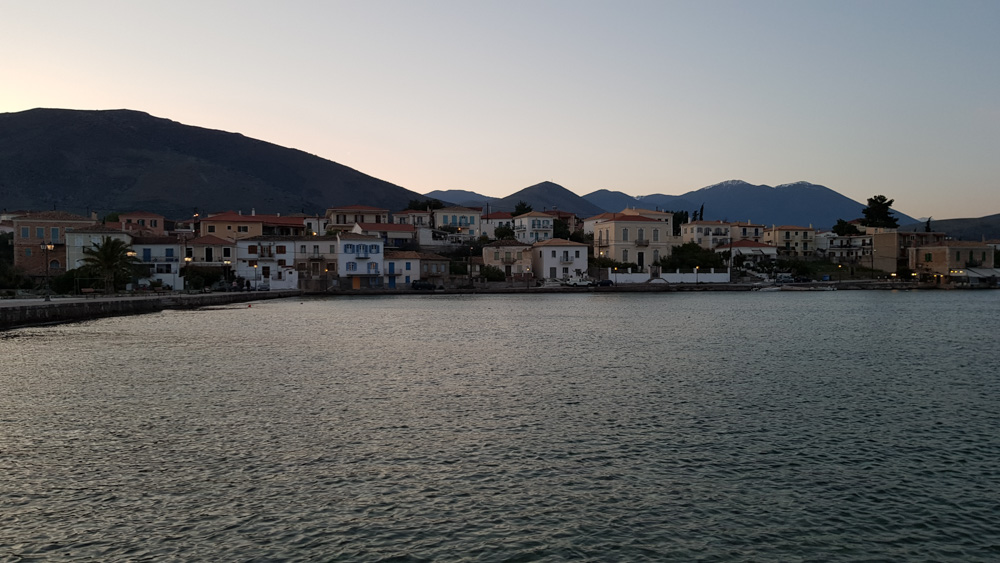
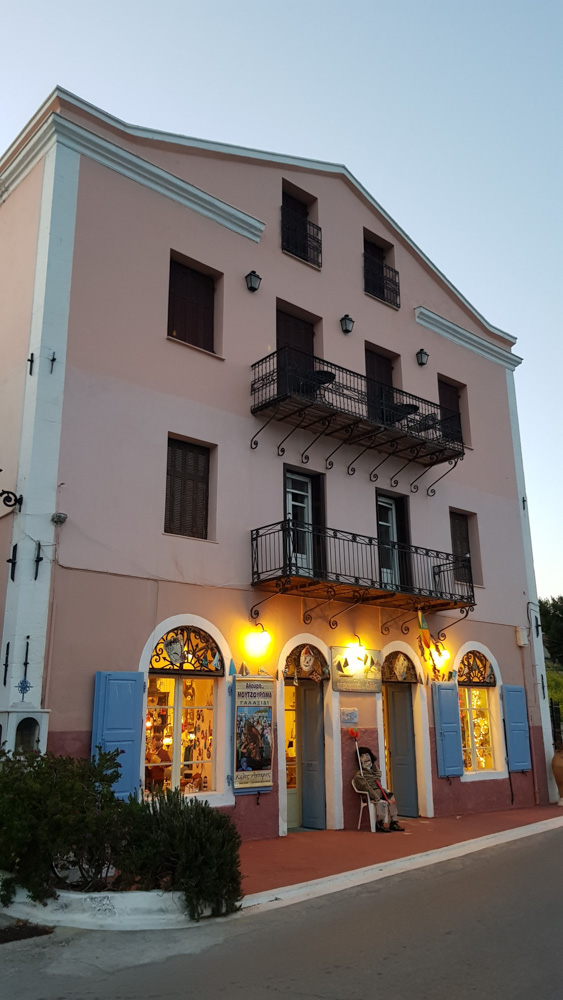
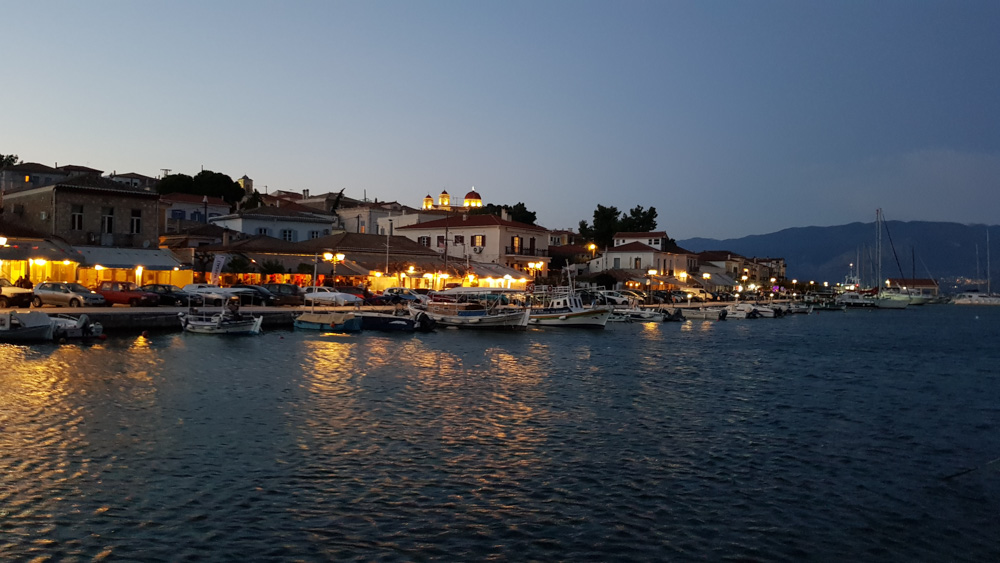
The so-called "Roumeli Island» leaves no one unmoved! The traditional architecture of the once thriving maritime state with the charming atmosphere of the past fascinates you. The settlement has been classified as a protected area since 1967, which has had a beneficial effect on preserving the old neoclassical houses and not erecting a single modern building or apartment building. Galaxidi shows the way to how all the historical towns of our country should have remained, which would have given a different substance to its tourism.

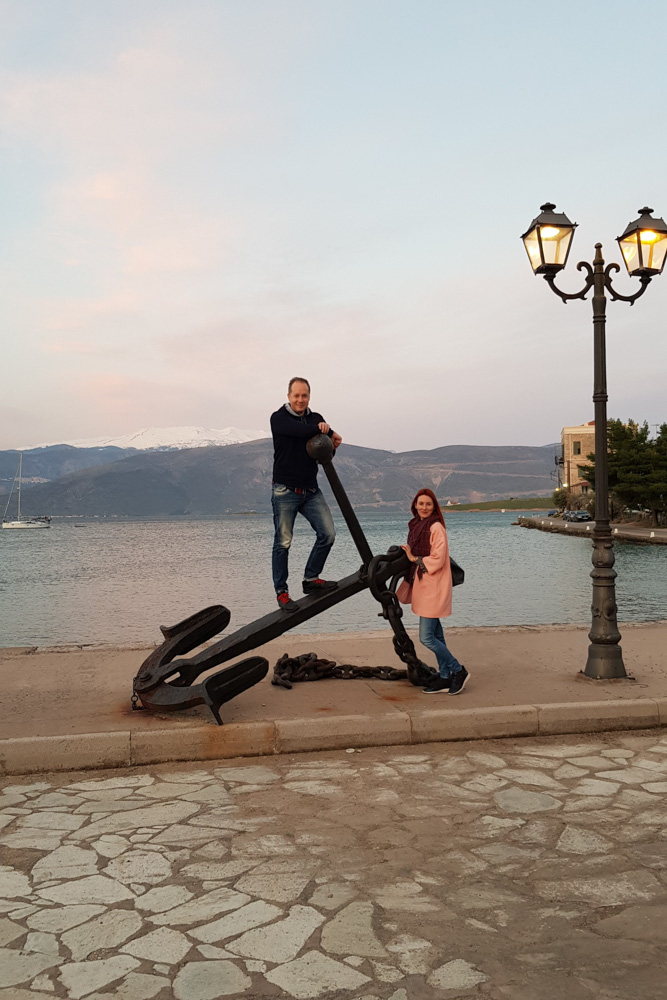
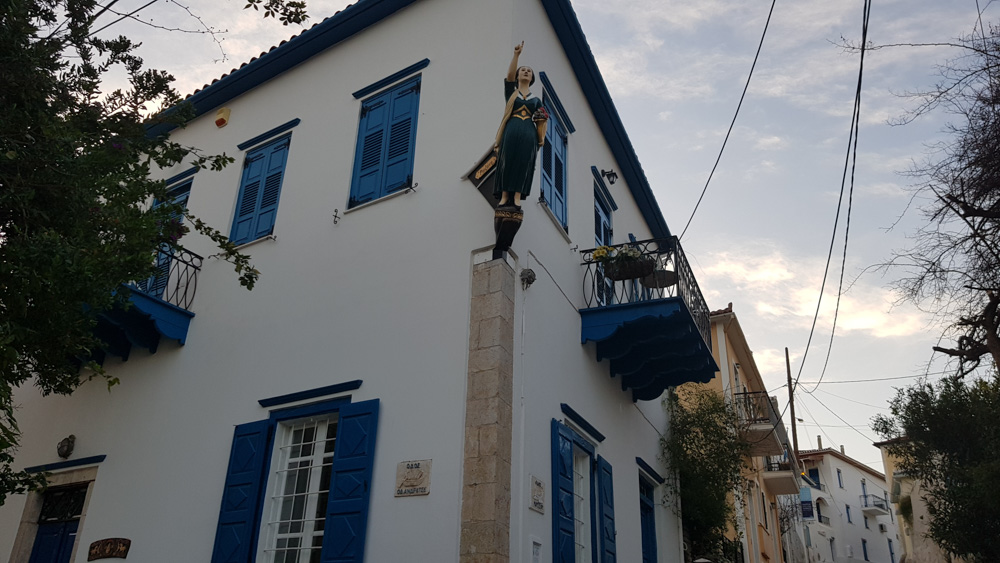
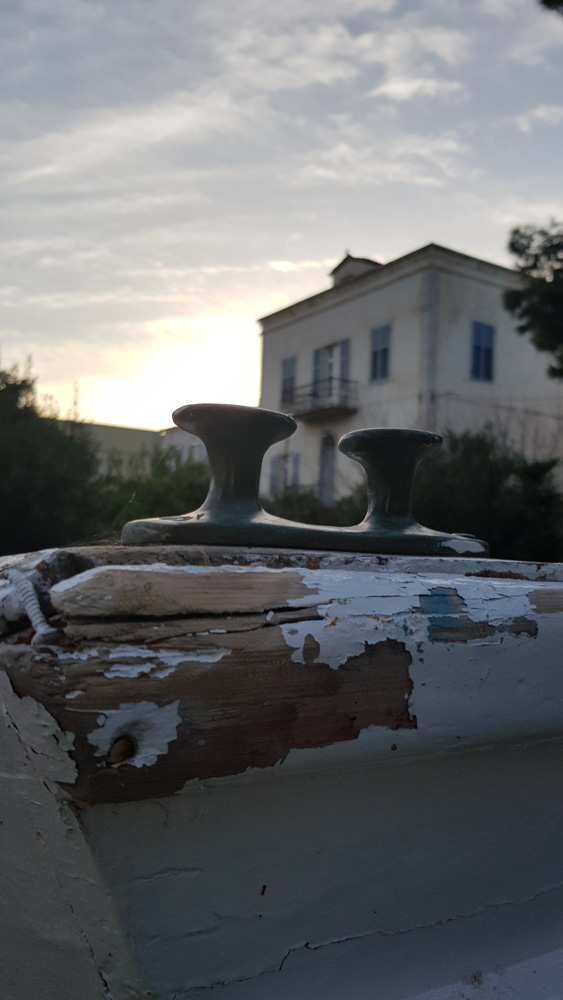
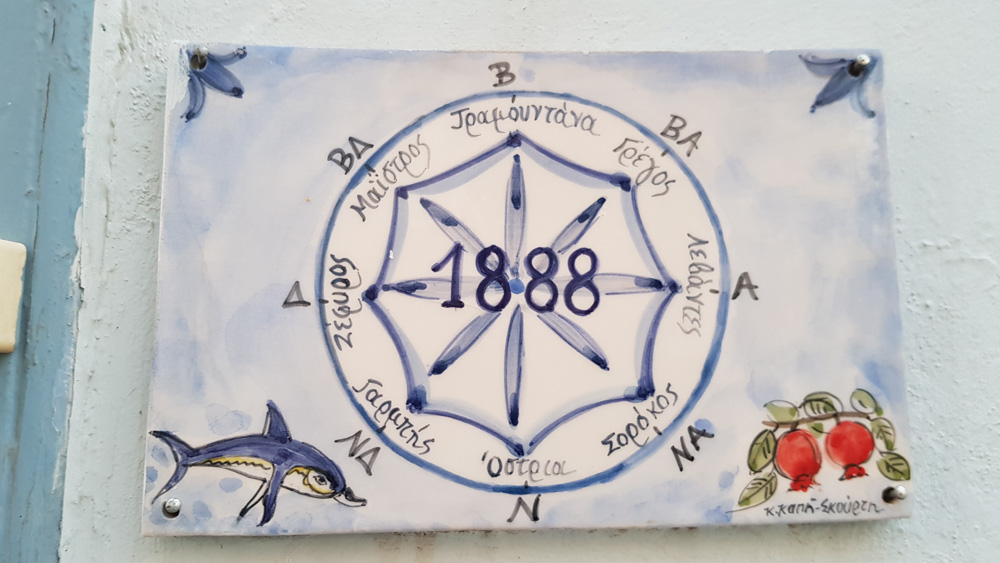
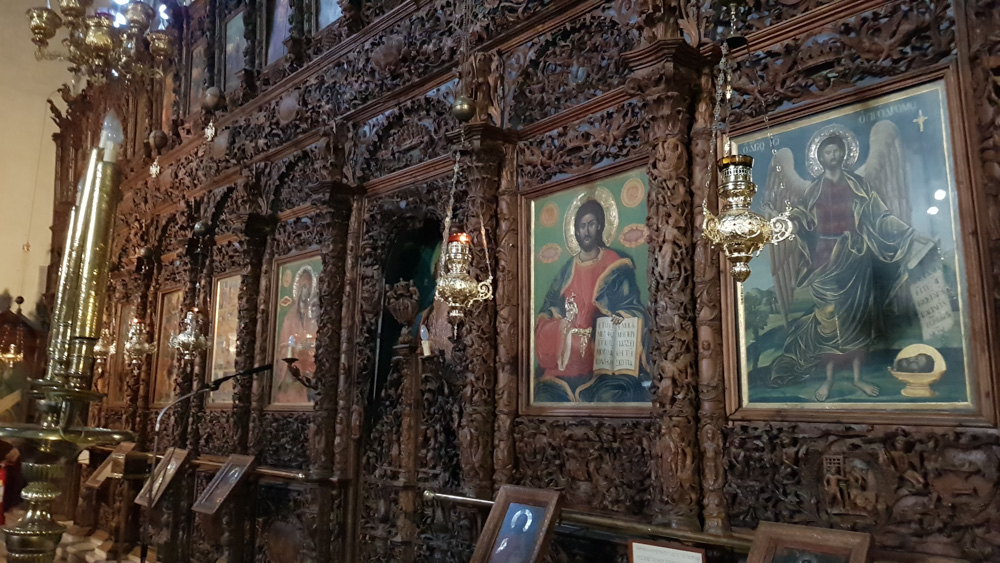
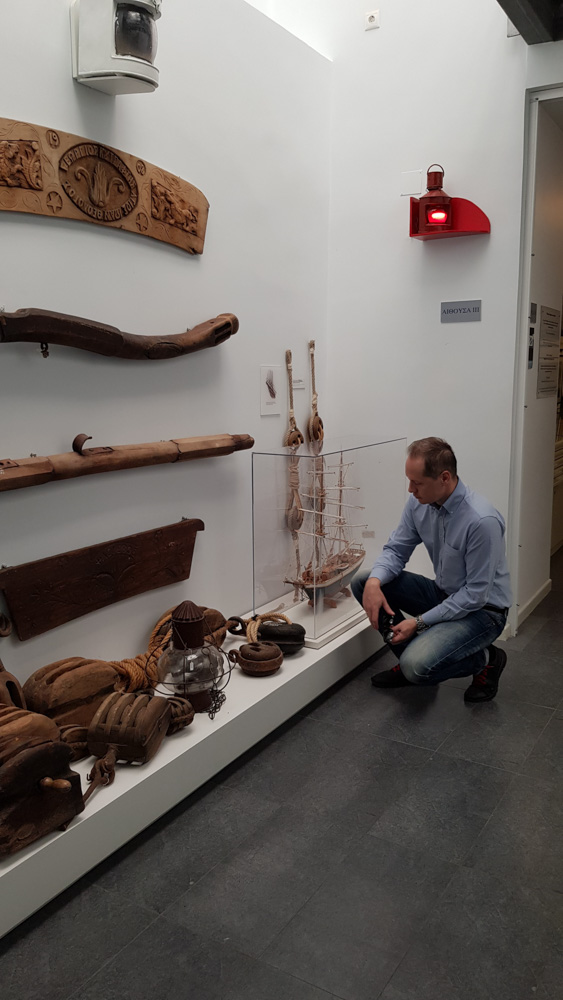
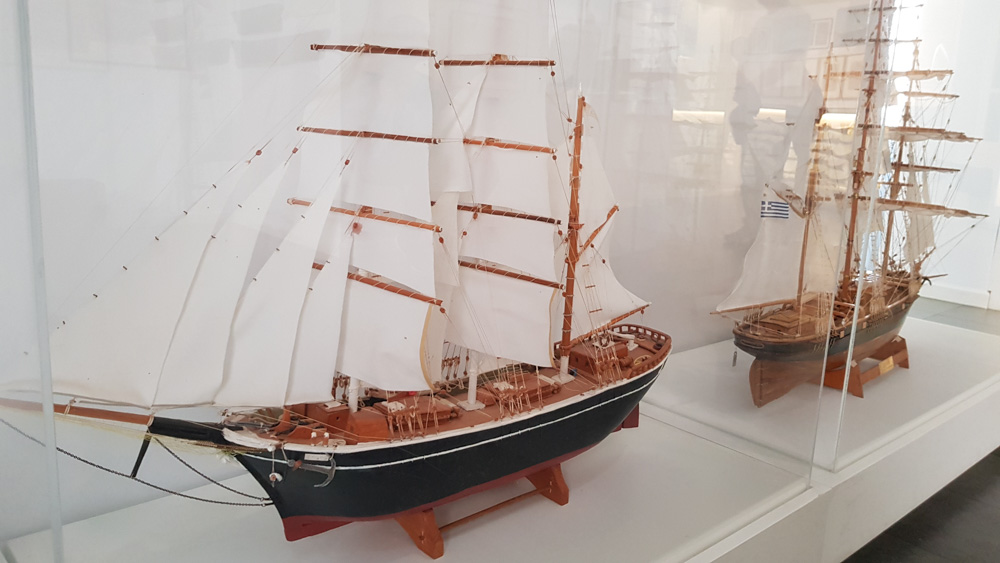
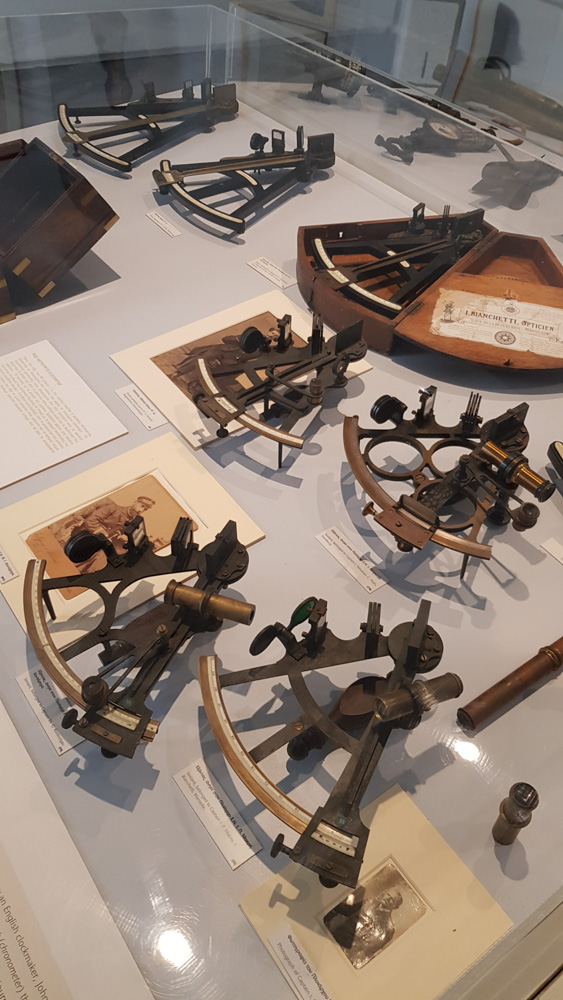
Wander through the narrow alleys of the settlement and admire the Captain's Houses decorated with prows and ship bells on the doors. Climb the cobblestone streets to find yourself in church of St. Nicholas with the two bell towers and the carved wooden iconostasis. The Naval - Historical Museum of Galaxidi is a gem! It is perhaps one of the best of its kind in the country and you must visit it. Take a stroll through the two natural harbors of the settlement and walk to the Pera Panta Grove, where the monument to the Navy Woman dominates.
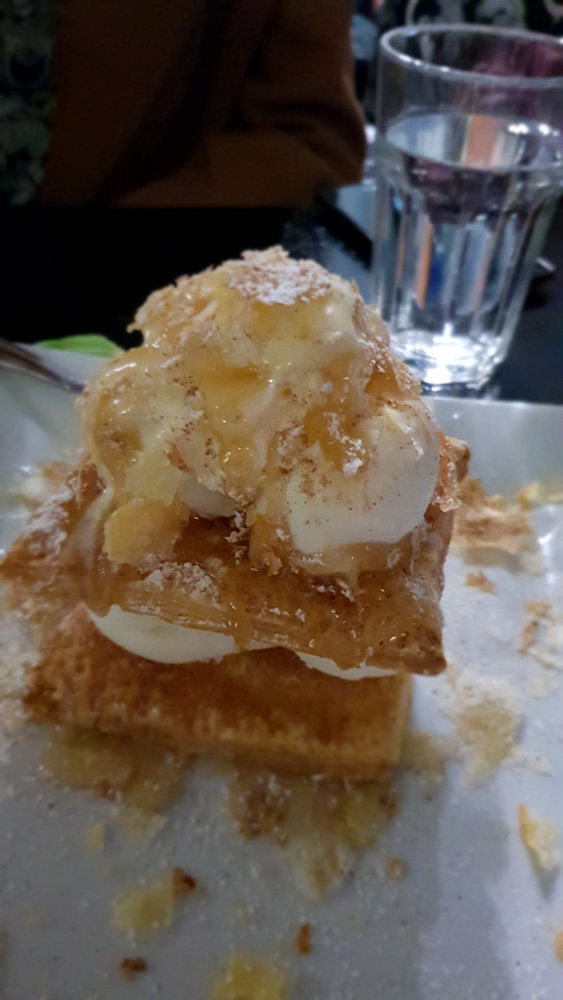
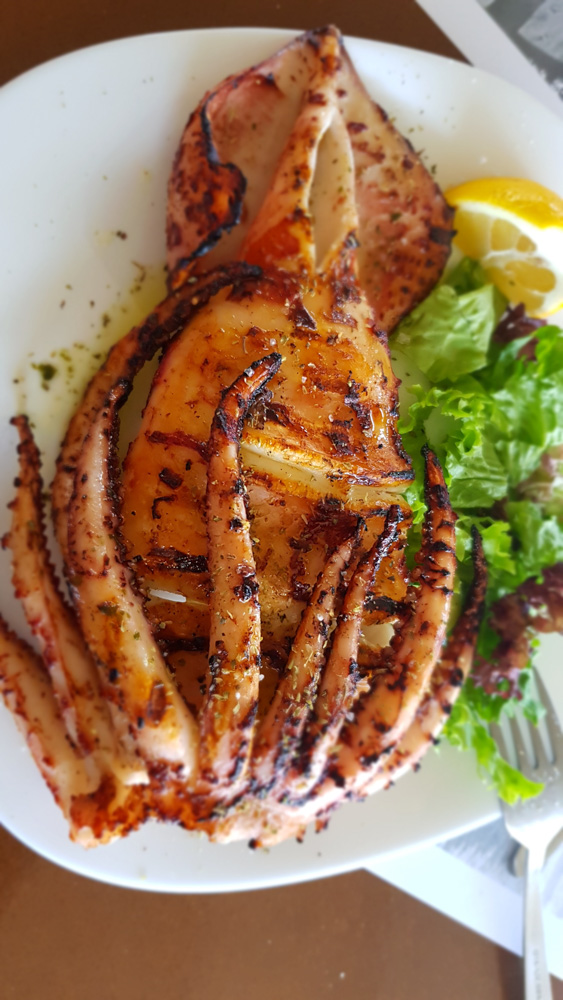
You will taste well-cooked fish at "Zygos" and "Maritsa", while at "Aeolis" you will drink your coffee with a view of the Corinthian Gulf and Mount Parnassos, while tasting a unique mille-feuille!
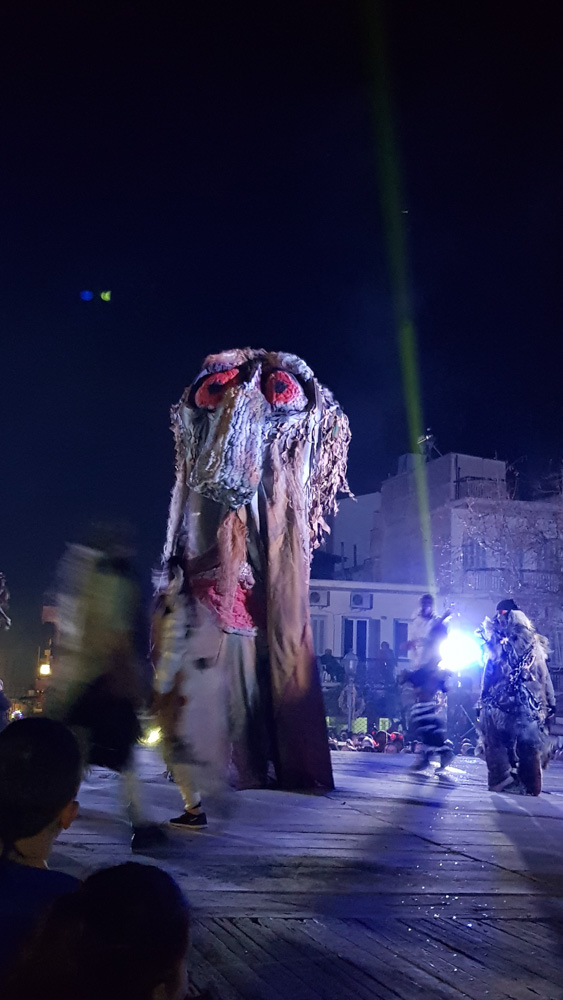
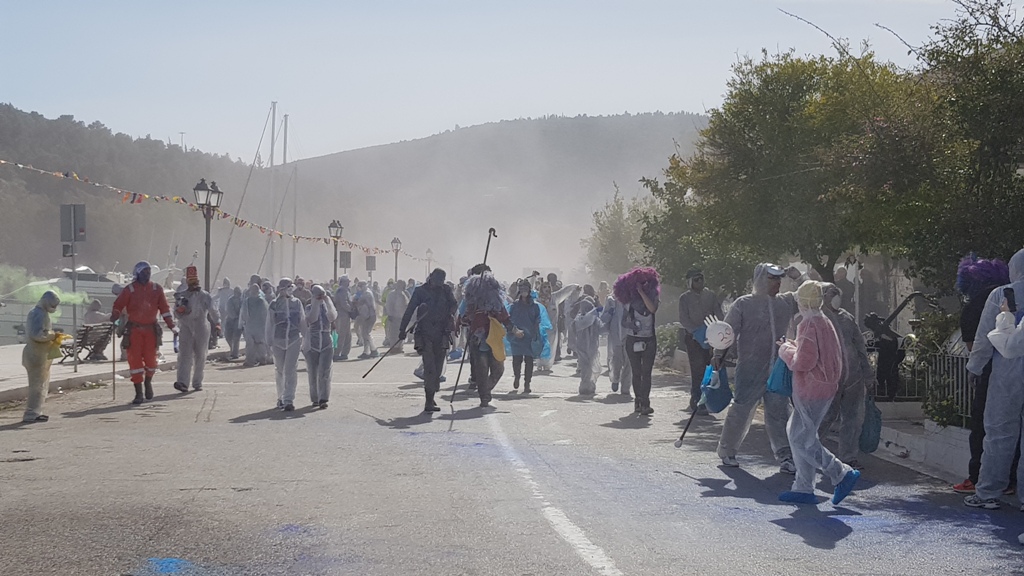
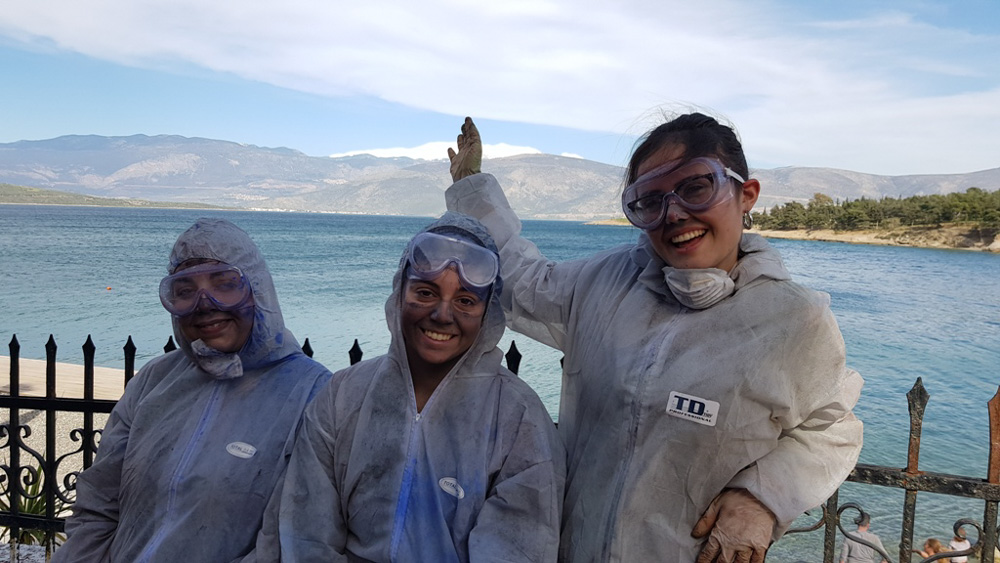
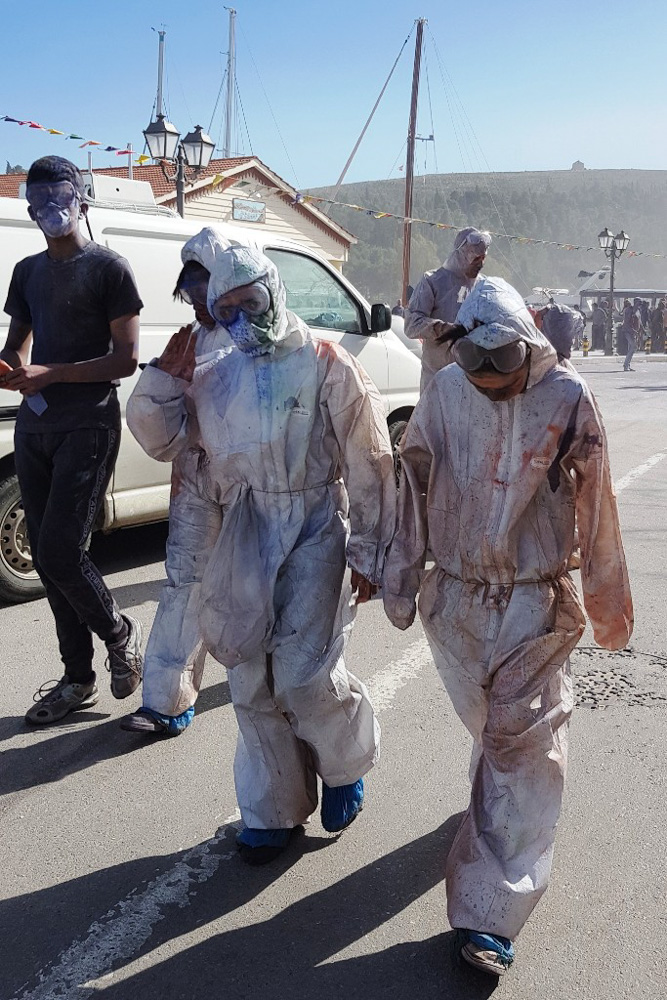
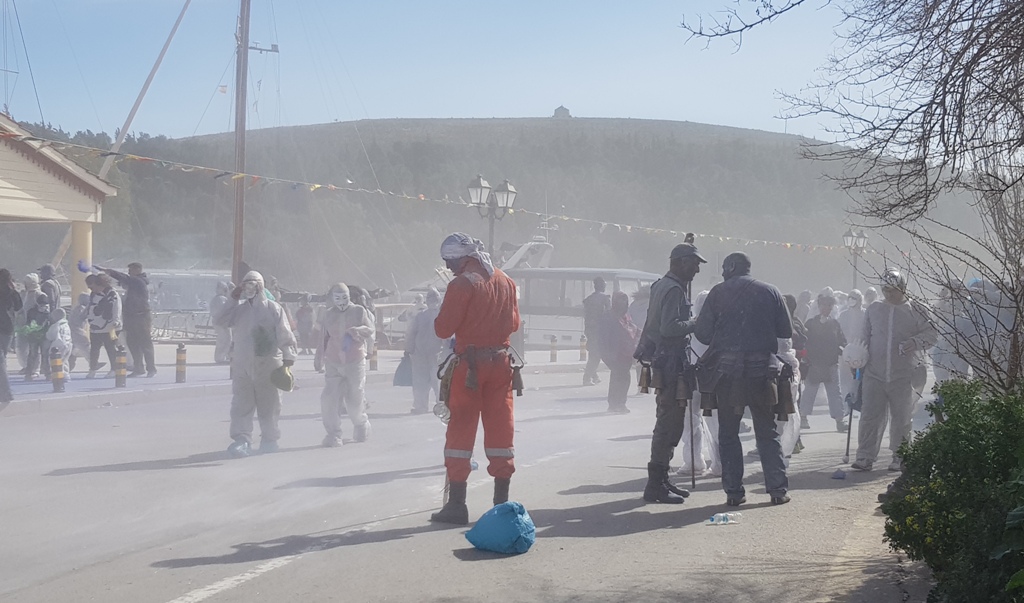
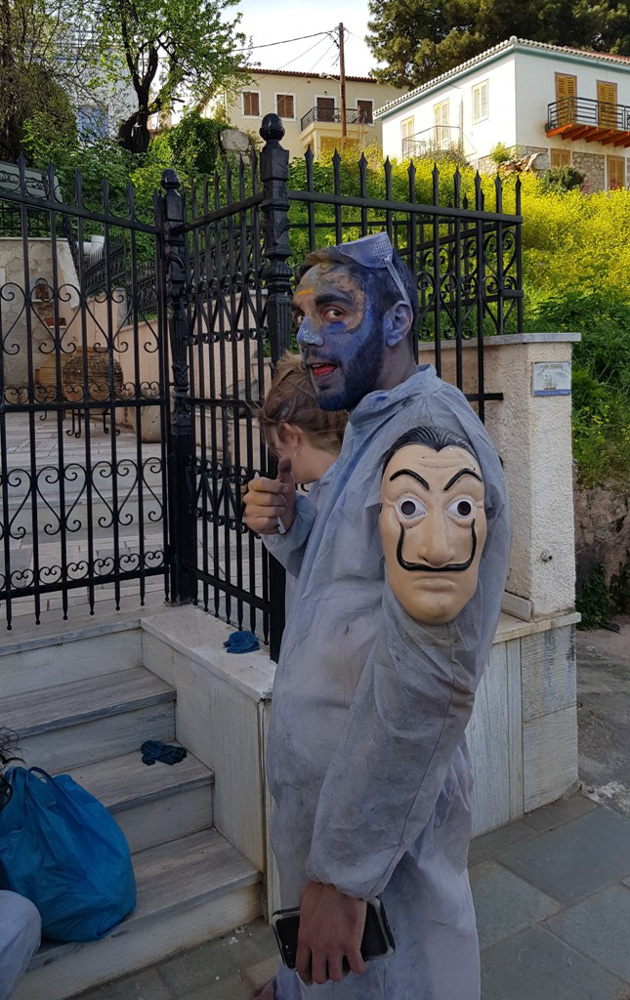
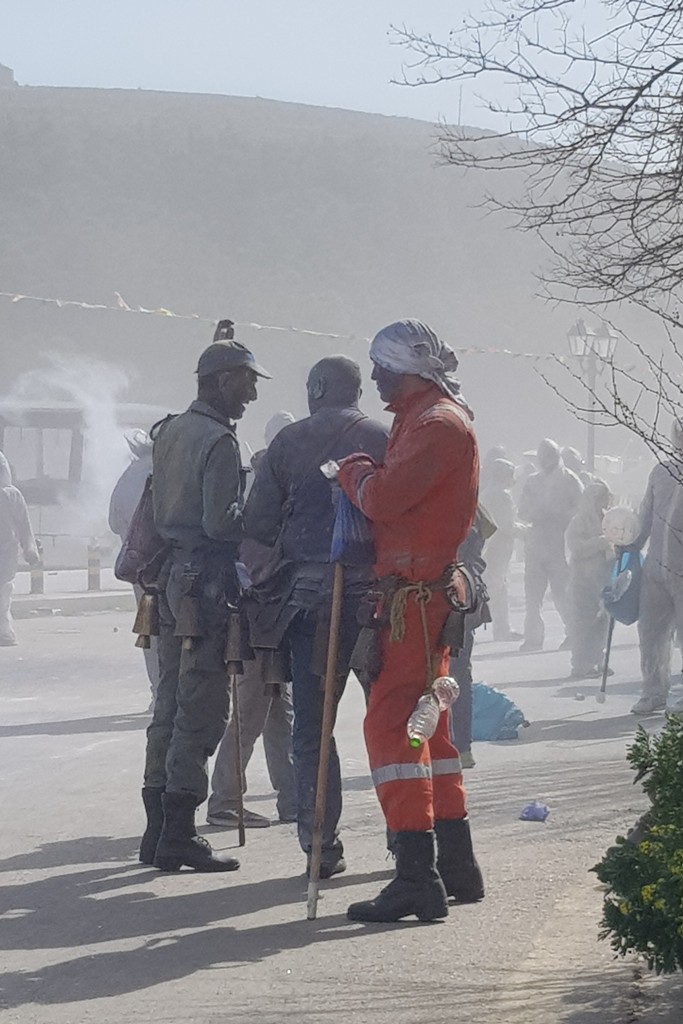
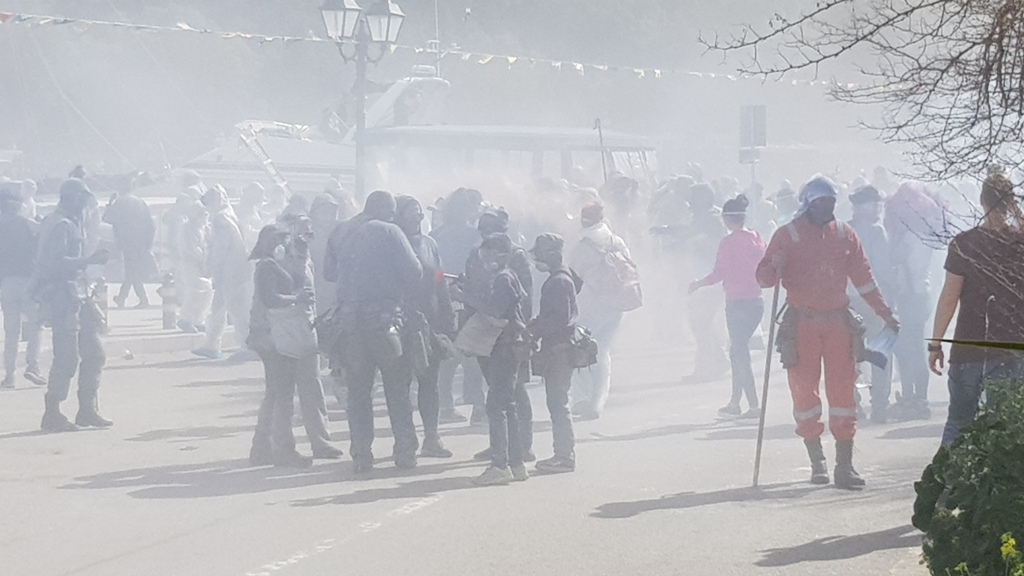
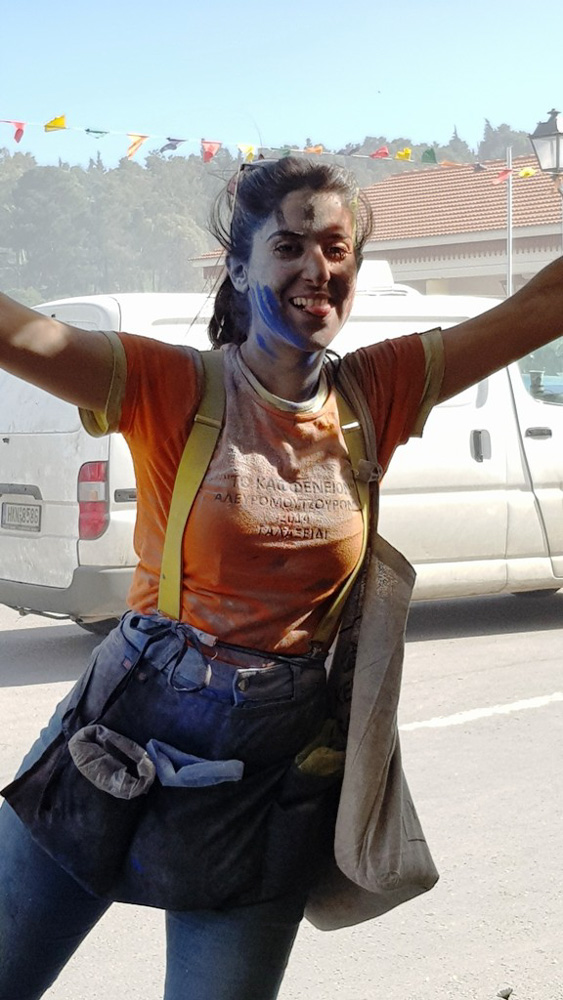
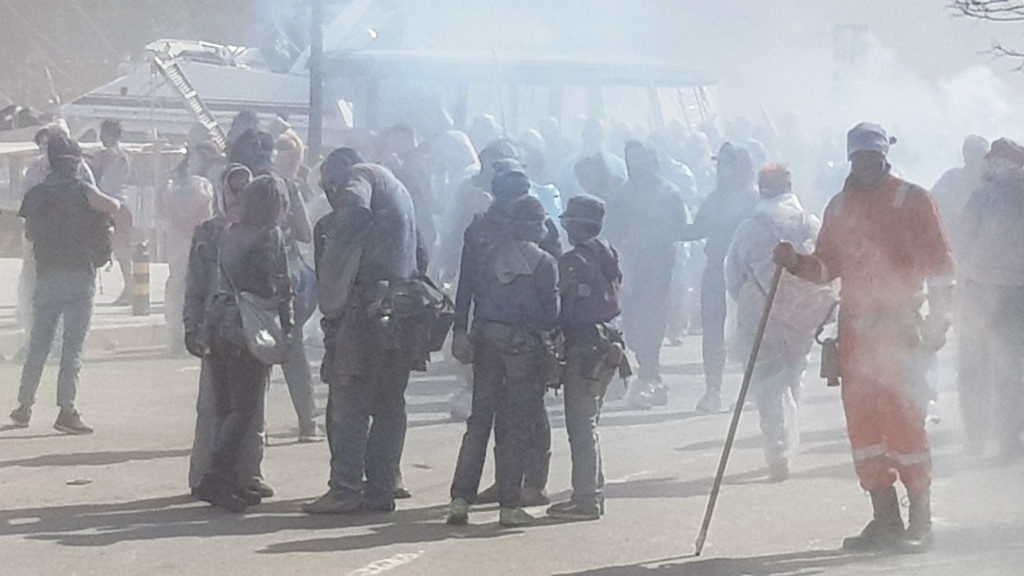
On Clean Monday, the well-known custom of Flour smudge. Bell-bearers and masked people of all ages transform into a colorful puzzle, dancing non-stop on the waterfront of Galaxidi. The custom has its roots in the Ottoman Empire and has continued unabated since then. For those who want to see it without participating, they can take a seat on the opposite side of the harbor where they will be protected.
The only thing for sure is that even if you don't travel to Galaxidi and the wider area during the three-day Carnival, it is worth spending any three-day in these beautiful parts of our country, full of history, colors and nostalgia from bygone eras.