Mexico?????? Well, what are you going to do there? There's so much crime, they'll rob you, they'll kidnap you, you won't like it at all...
We heard this and many more from friends and acquaintances when we announced our decision to travel to Mexico! The truth is that it is a vast country in which there are certainly areas that are not particularly friendly to travelers. However, the places we explored, the Riviera Maya and the peninsula of Yucatan are considered among the safest, with millions of tourists flocking every year, mainly from the USA.

Why Mexico?
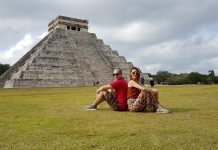
Our goal was to spend 2 weeks somewhere warm during the winter. Somewhere where we could enjoy exotic beaches and swim carefree on tropical shores. However, because we are adventurous people, we did not want to "stay" all day in an all-inclusive hotel or in a place without activities and attractions. Mexico, therefore, combined everything we were looking for as it has wonderful beaches with warm waters that you can swim in, it has a particularly remarkable history and archaeological sites due to the Mayans, it has excellent cuisine, unique theme parks, tropical islands, underground caves, picturesque cities with colonial architecture, etc.

When to go?
The climate in the Yucatan Peninsula is tropical. The temperature is constant all year round with the only difference being that from December to June is the dry season (this does not mean that you will not encounter occasional showers), while from July to November is the rainy season. We traveled during the Christmas-New Year holidays and encountered ideal conditions with temperatures just above 30 degrees, with little humidity (not to the point of discomfort) and 1-2 days during which some half-hour showers made their appearance but then the hot sun always appeared.

Travel information
For Mexico, no need. visa. On the plane we were given a form which we filled out and with which we could remain in the country for 180 days. This form was stamped at the airport control and we returned it upon our departure and back to the airport. Vaccines they are not needed for Mexico. The only thing you need to keep in mind is that the water is not drinkable and you will only use bottled water (to keep your head clear even for brushing your teeth). The currency The country's currency is the peso, which, however, has the same symbol as the dollar, so be careful. Although the cards are accepted in some stores, it is a good idea to have euros with you which you can exchange there (we found the best exchange rate at exchange offices on the street and not at banks or at the airport).

Movement
There is generally a reliable and frequent public transport network through the company ADO and taxis are relatively cheap. However, to be completely independent and not waste time, rent a car through Kayak, as we did, and for about $20 a day (including insurance) you have your own means of transportation. Don't be afraid of driving. On the road you will feel like you are in Greece, except that they respect pedestrians at crosswalks.
Where to stay?
We don't have any special suggestions as in such a developed tourist area there are plenty of accommodations for all budgets. The only advice we have to give you is to stay, if possible, in front of the sea to enjoy the crystal clear waters of the Caribbean. Make sure, if you stay in a hotel, that it has a European-American breakfast because Mexicans have very special flavors in their breakfast that may surprise you. We tried them all on this roadtrip! Hotels, Airbnb, and even a Hacienda (a colonial-style residence), which was perhaps the most beautiful accommodation of our trip. The Hacienda we stayed in was the Casa San Roque in the center of Valladolid and we highly recommend it.

Cost of living
The cost of living would not be described as low or particularly high. Two people in a good restaurant for a meal with drinks will pay around 25-30 euros, while burritos and tacos in street food will cost 2-3 euros. As for accommodation, for a decent hotel the cost is 50-60 euros per night and for a five-star accommodation by the sea from 150 euros and up. During holidays, of course, prices rise sharply.
Visit to Cenotes
In Mexico, you will come across a unique natural formation called cenotes. They are openings in the ground or the bottom of a body of water through which water passes. They were created by time and rain falling on the porous limestone soil of the area. The lighter fresh water stays on top and the denser seawater that flows from the Caribbean stays on the bottom. There are over 5,000 of them on the Yucatan Peninsula and it is worth taking some time to explore some of them. Each one is different, while their name comes from the word "cenote", which in the Mayan language means "cave with water" and was a sacred place for them and the residence of the rain god Chaak. For the Mayans, they were considered sacred places where they went to purify themselves before visiting the sacred pyramids.

What's worth seeing?
On the Roadtrip we did, we wanted to see all sides of Mexico. Both the tourist areas and the hinterland. Undoubtedly, in a country of 130 million people, you will encounter many differences in people's daily lives. From absolute luxury and huge 5-star hotel complexes to slums and poverty. The last part, if you move to the tourist areas, you can avoid it. Wherever we moved, however, we felt safe and experienced the friendly treatment of the residents.

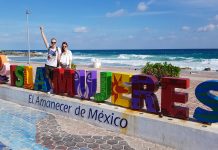
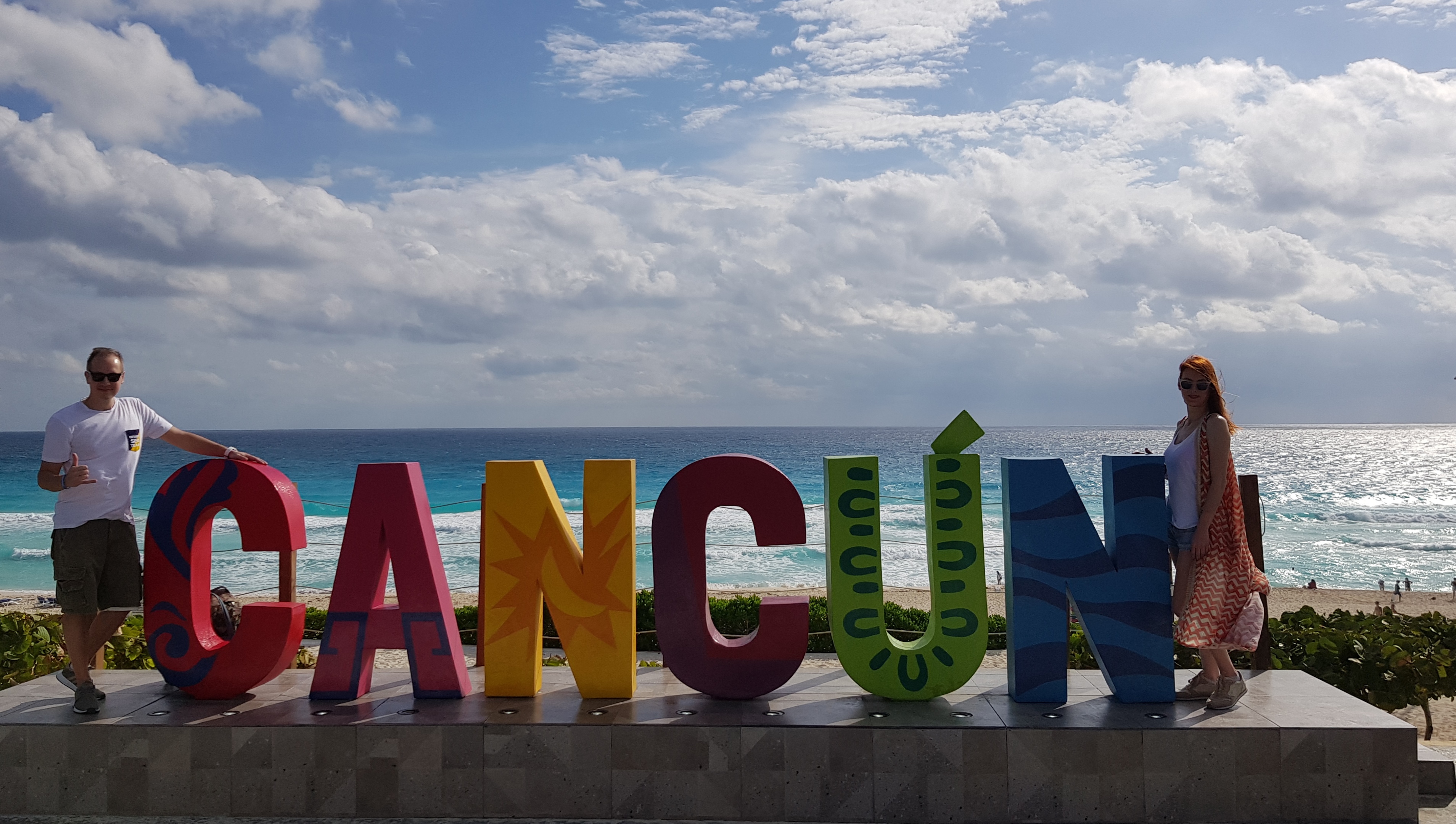
So, after a lot of searching and adding and removing destinations, our program was structured as follows: 2 nights in Cancun where we landed, 4 in Playa del Carmen, 2 in Tulum, one in Valladolid, 2 in Merida and another one in Cancun from where we departed.
In the article you will find here, we present to you in detail what we saw on the beautiful beaches of the Caribbean and you will understand why you should put Mexico in your immediate plans! Vamos!!!