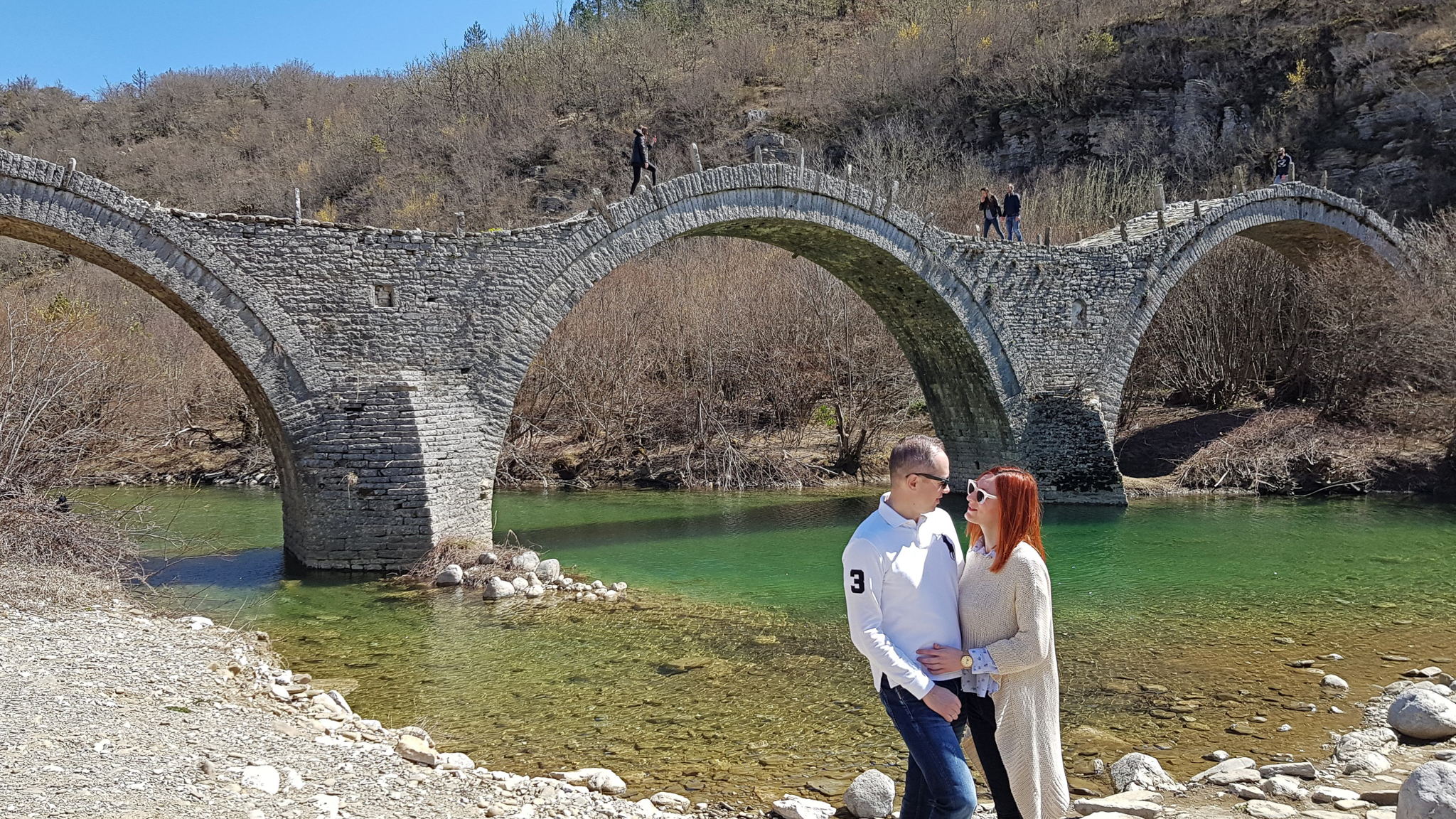
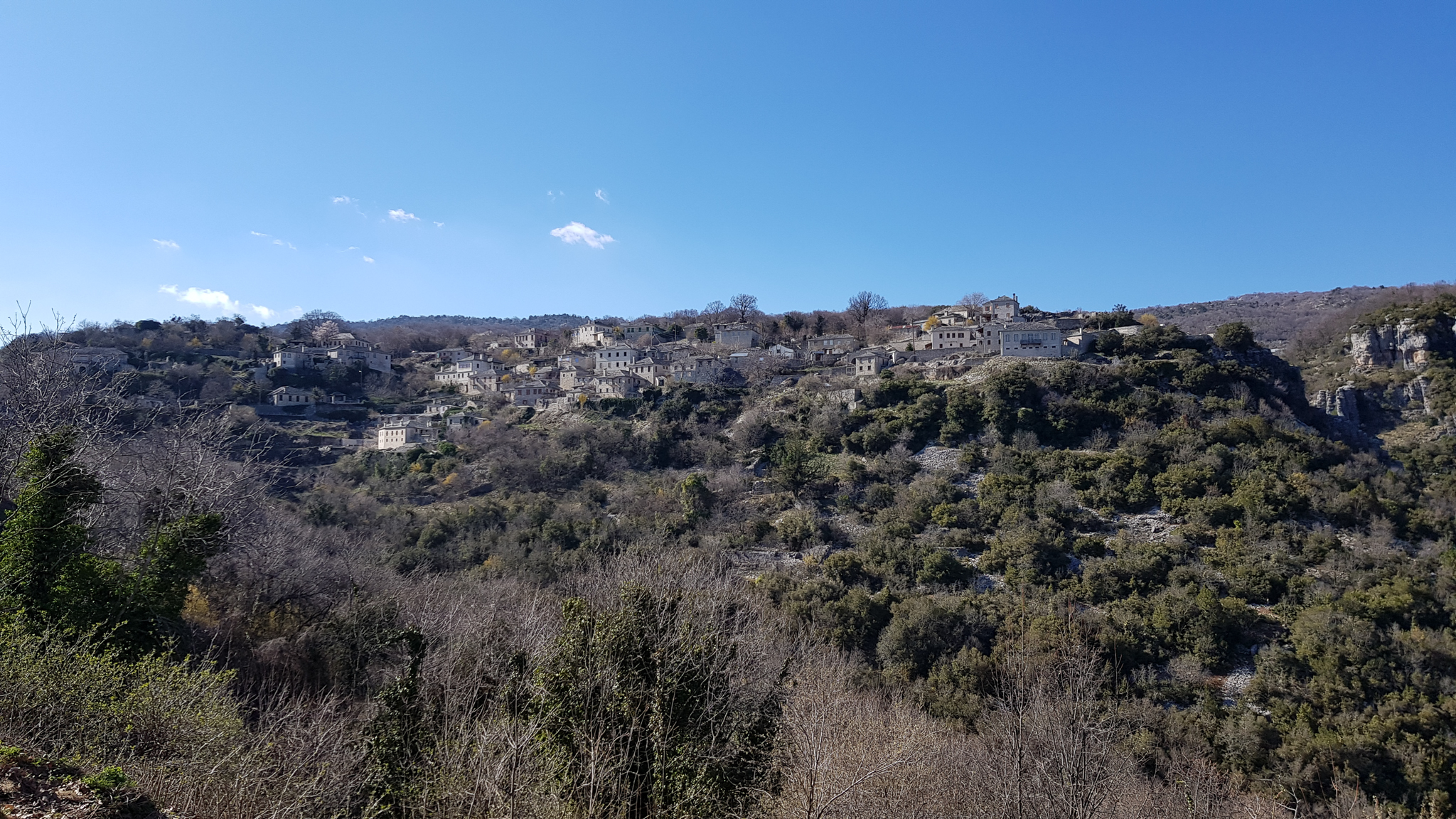
Villages of craftsmen, of carved stone, of old mansions. Smells of burnt wood in the fireplace, of the pot with the trahanas and the wild flowers of Pindos. All this mixed up under the accompaniment of sounds from the rustling of leaves, the chirping of birds, the light echo of the Voidomatis that reach your ears like an Epirus lament. These are the Zagorochoria. This is how we left them when we visited them many years ago, this is how we met them again. “Everything around changes and everything remains the same”. In Zagori, the only thing that changes is the seasons. The hospitality of the people, the good food, the unparalleled natural landscapes and the folk architecture are stable values that time passes by.
As soon as you think about going to Zagorochoria, some questions immediately arise: Where is it best to stay, which villages should I visit, what program should I follow, where are the points of interest, etc. Because, as always, we have researched them in detail, we present them to you in a logical order.

Where to stay?
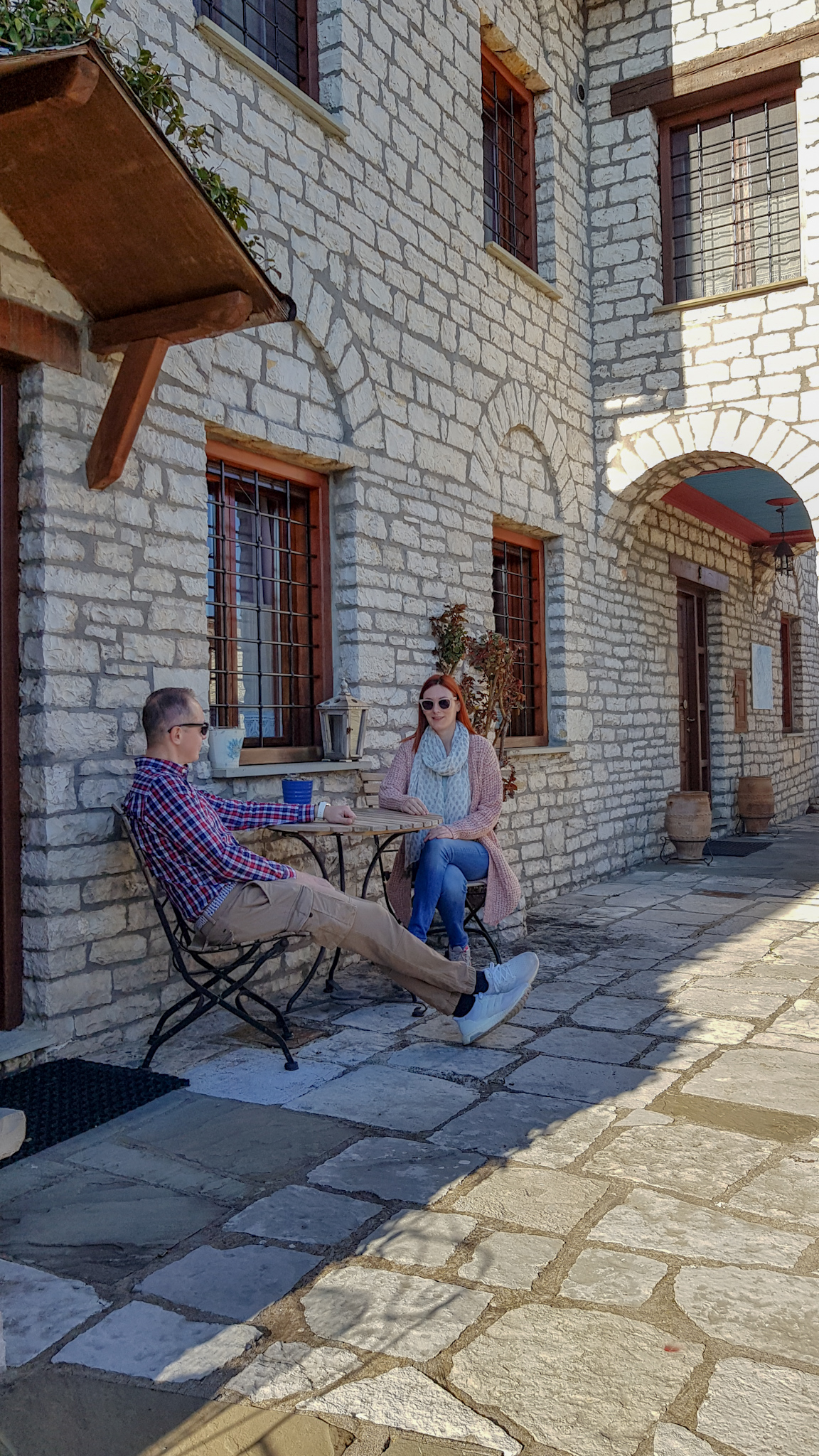
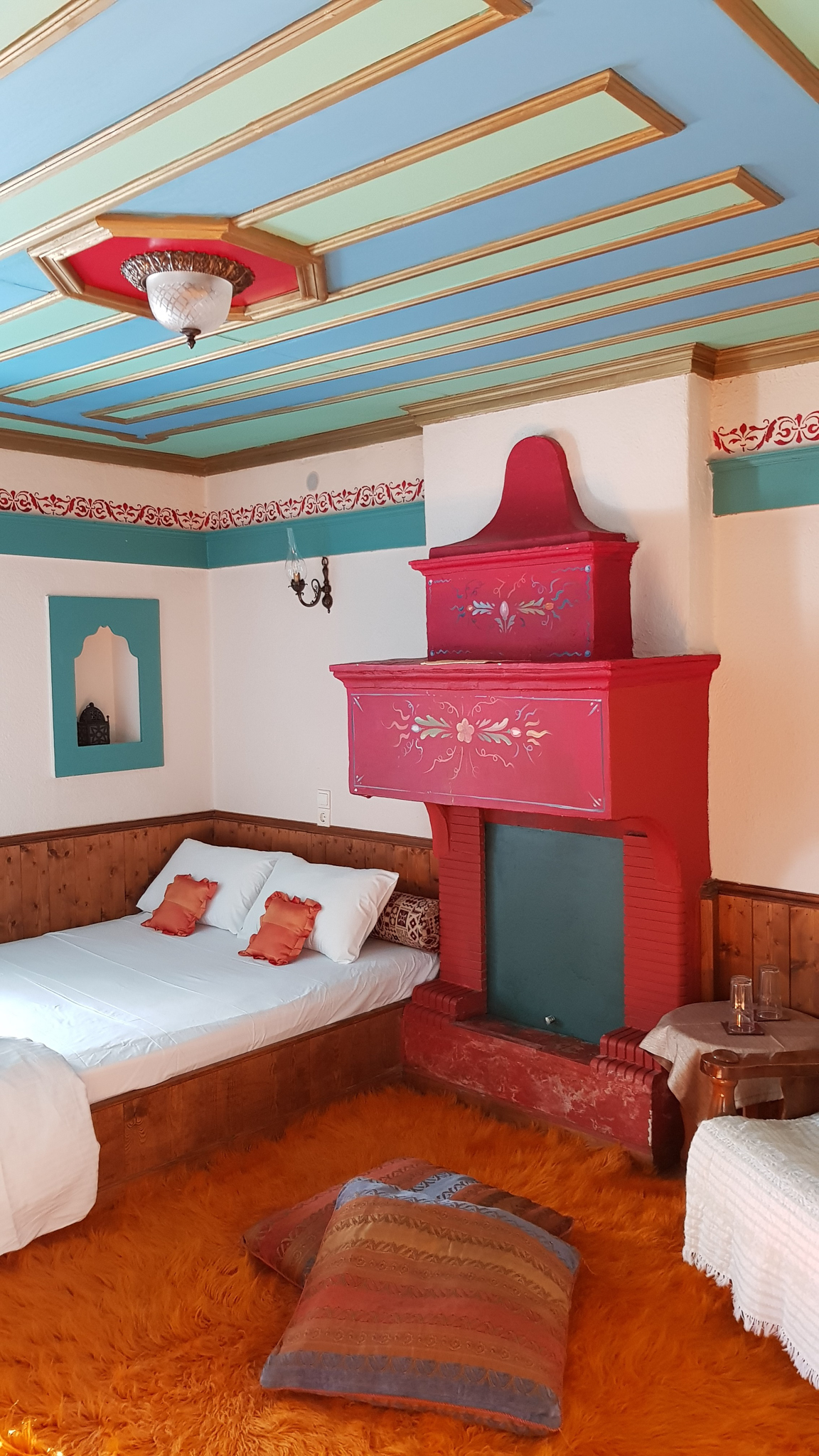
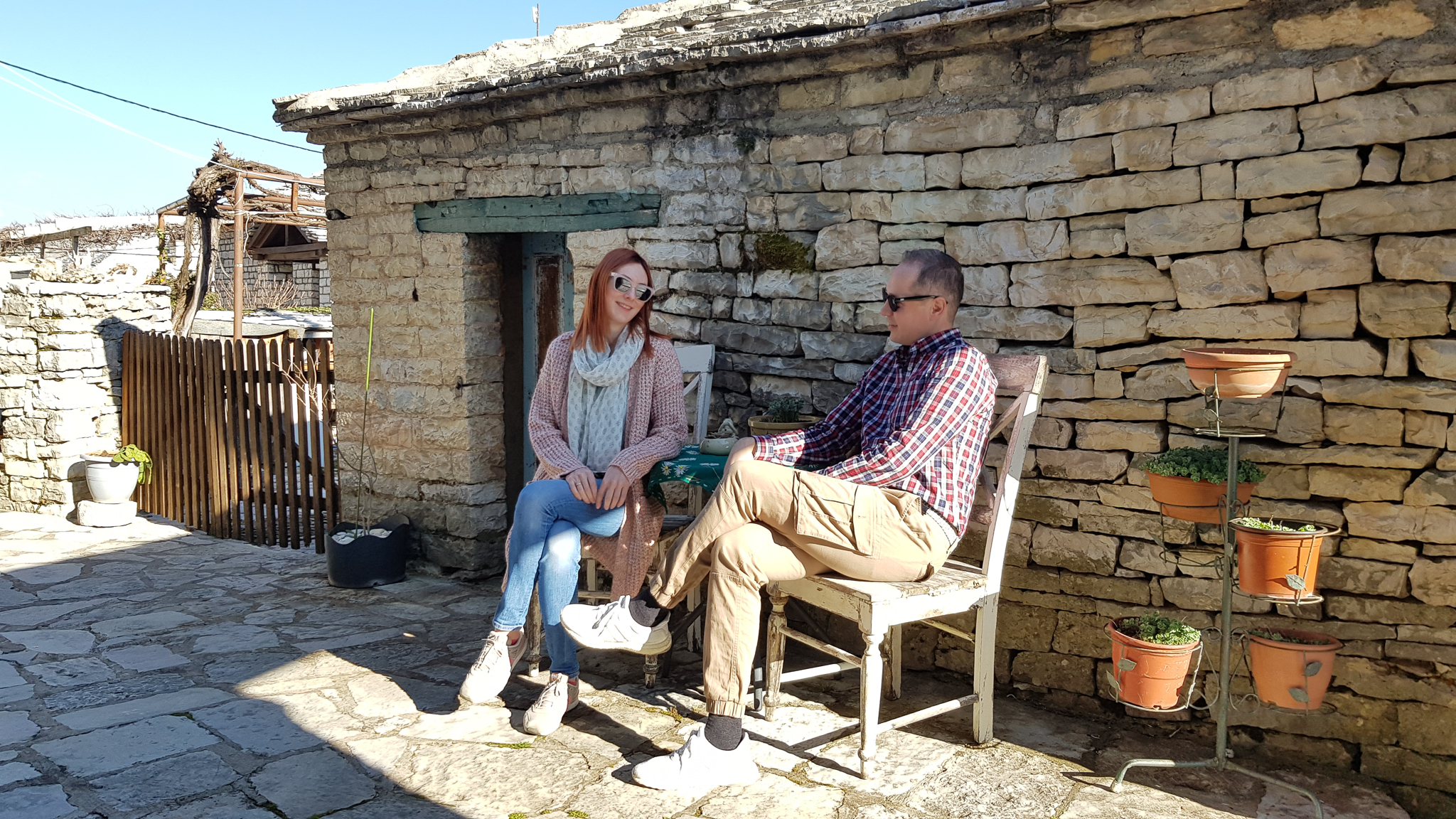
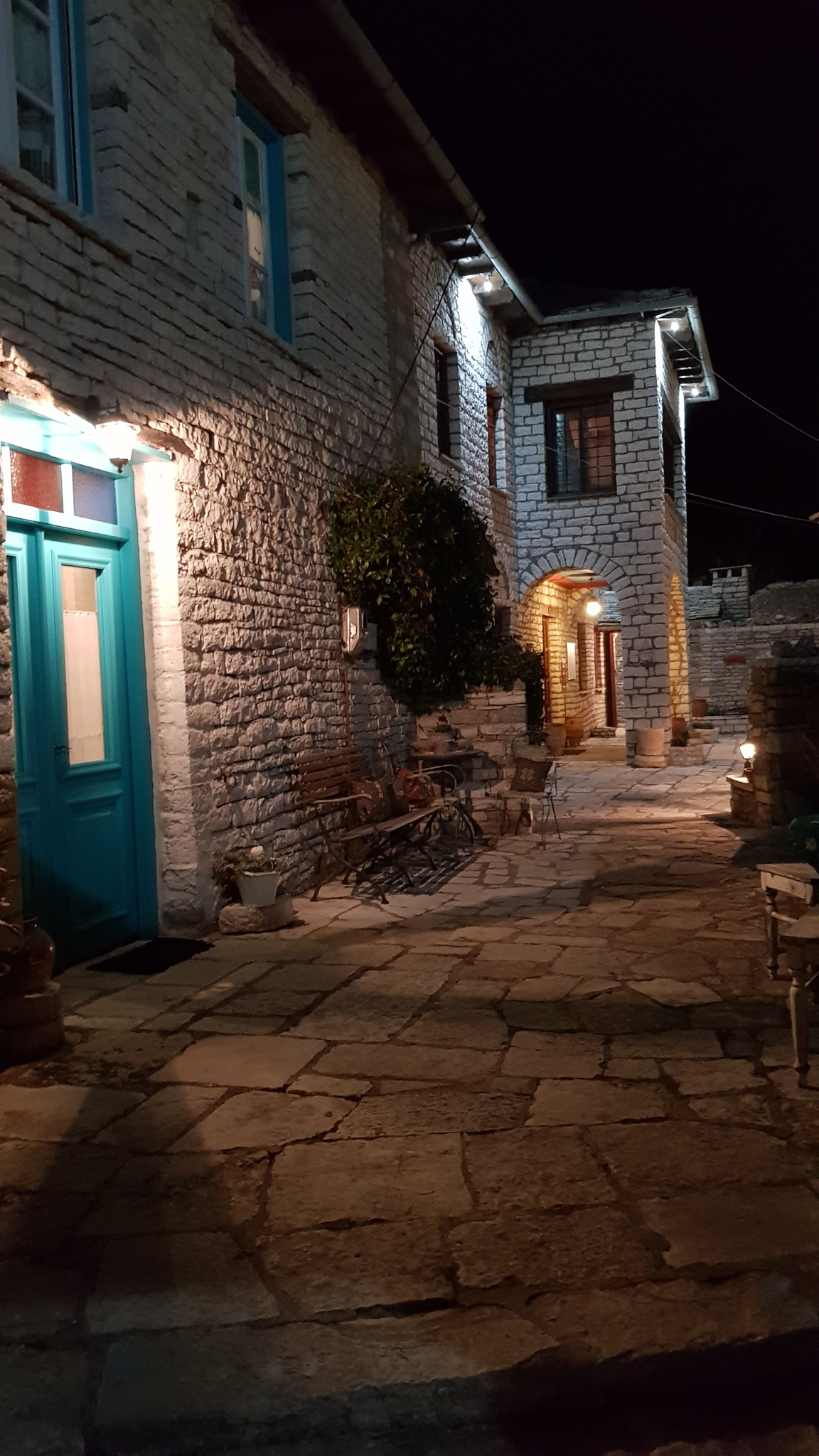
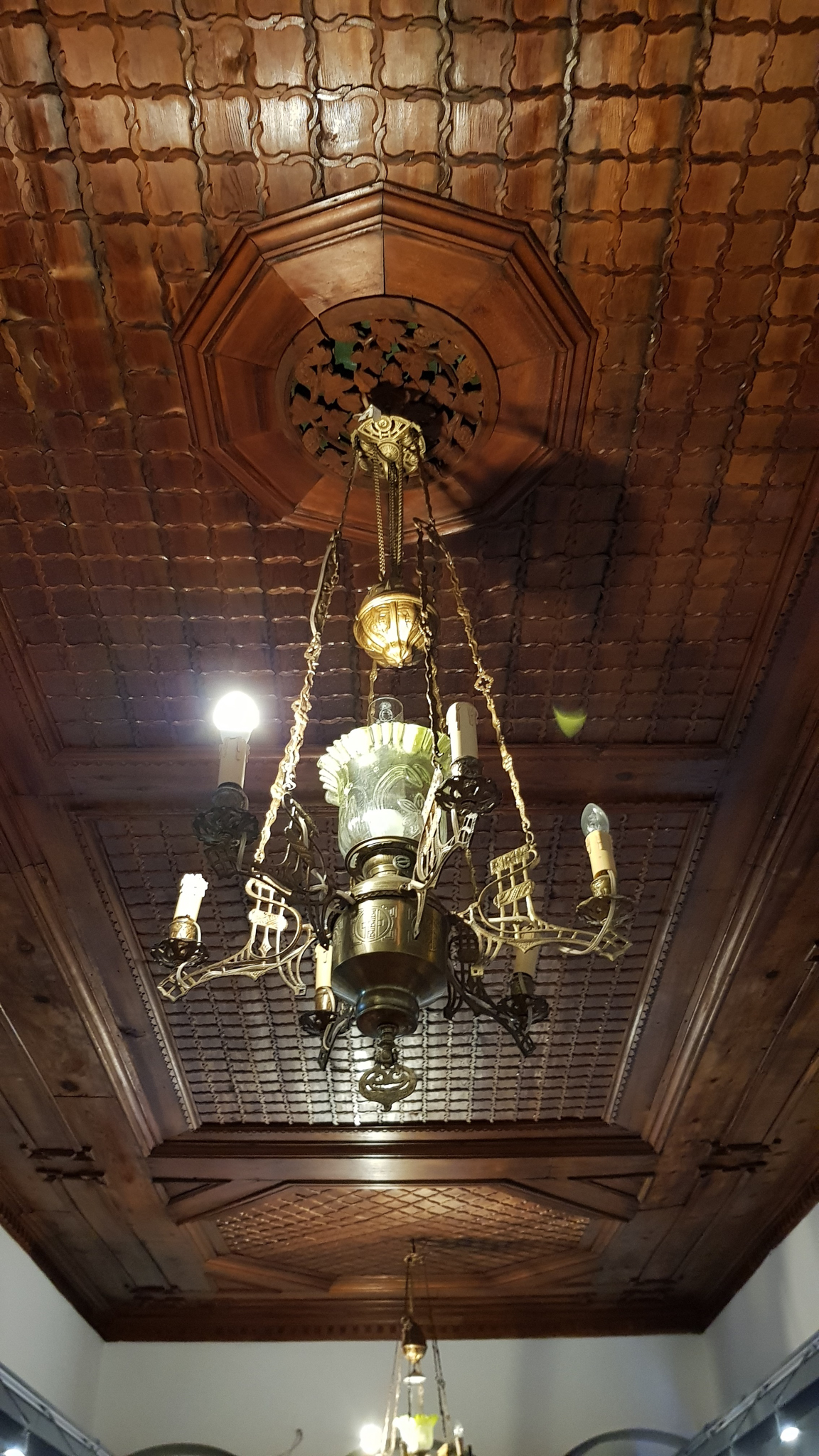
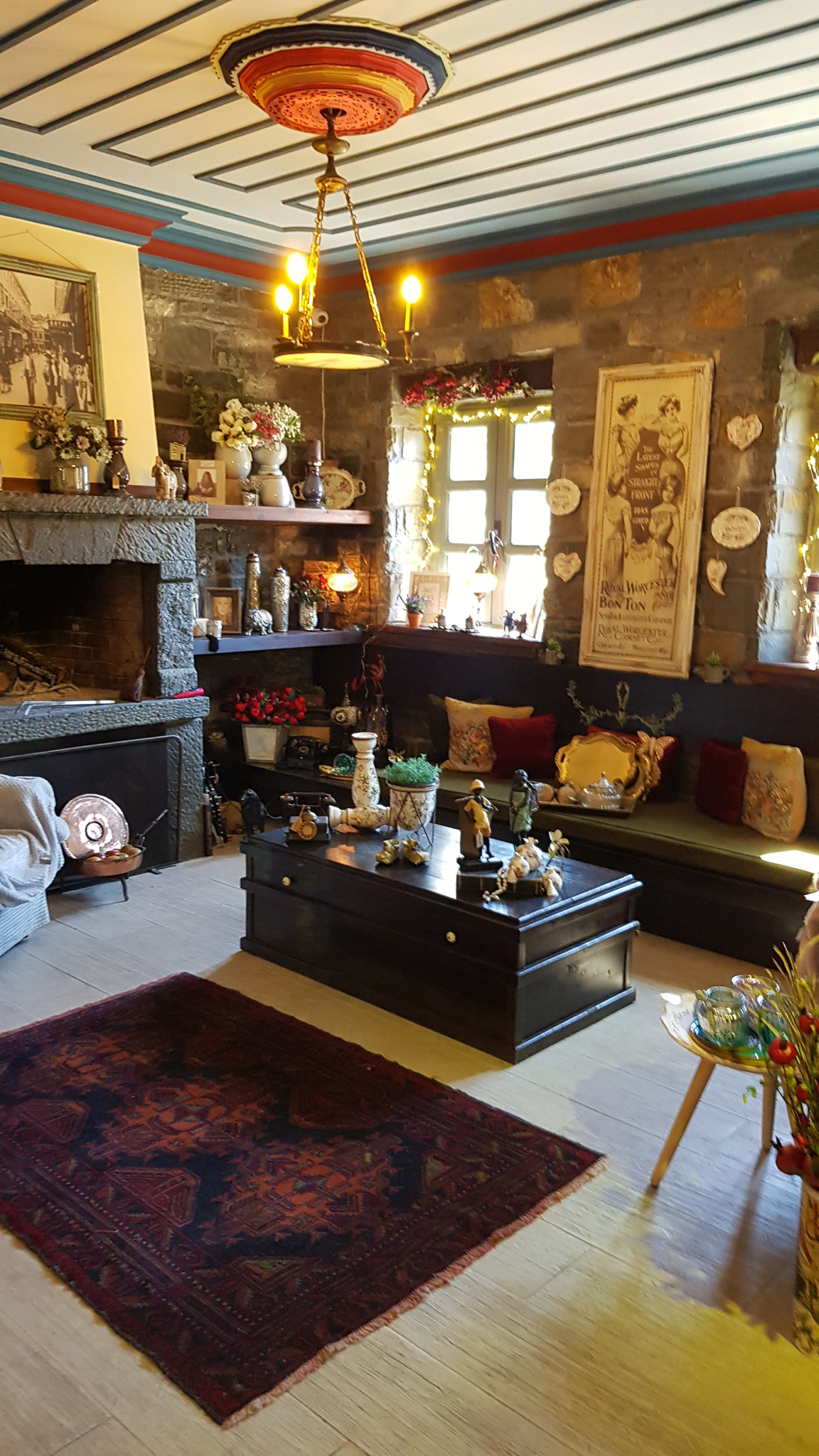
Think of the Zagori villages as forming a “horseshoe”. In order to see as many villages as possible, you should stay at the base of the “horseshoe”. So if you have three days to spare and want to return, the best place, in our opinion, is to stay at Monodendri or the Vitsa. You will be in a central location with access to all the villages. We stayed at Monodendri in Vikos Hotel, a beautiful space that came from the union of old mansions and we experienced true traditional hospitality.
If you choose to stay at Small or the Big Papigo, as well as from the opposite side the Tsepelovo, You will necessarily only be able to travel in those areas. The road network is in good condition, but it is full of twists and turns and the distances seem even further.
If you are going for a weekend with the intention of relaxing without driving long distances, then choose the Big Papigo for the landscape and the unique view it offers you.
What to see
1or day
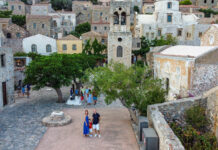
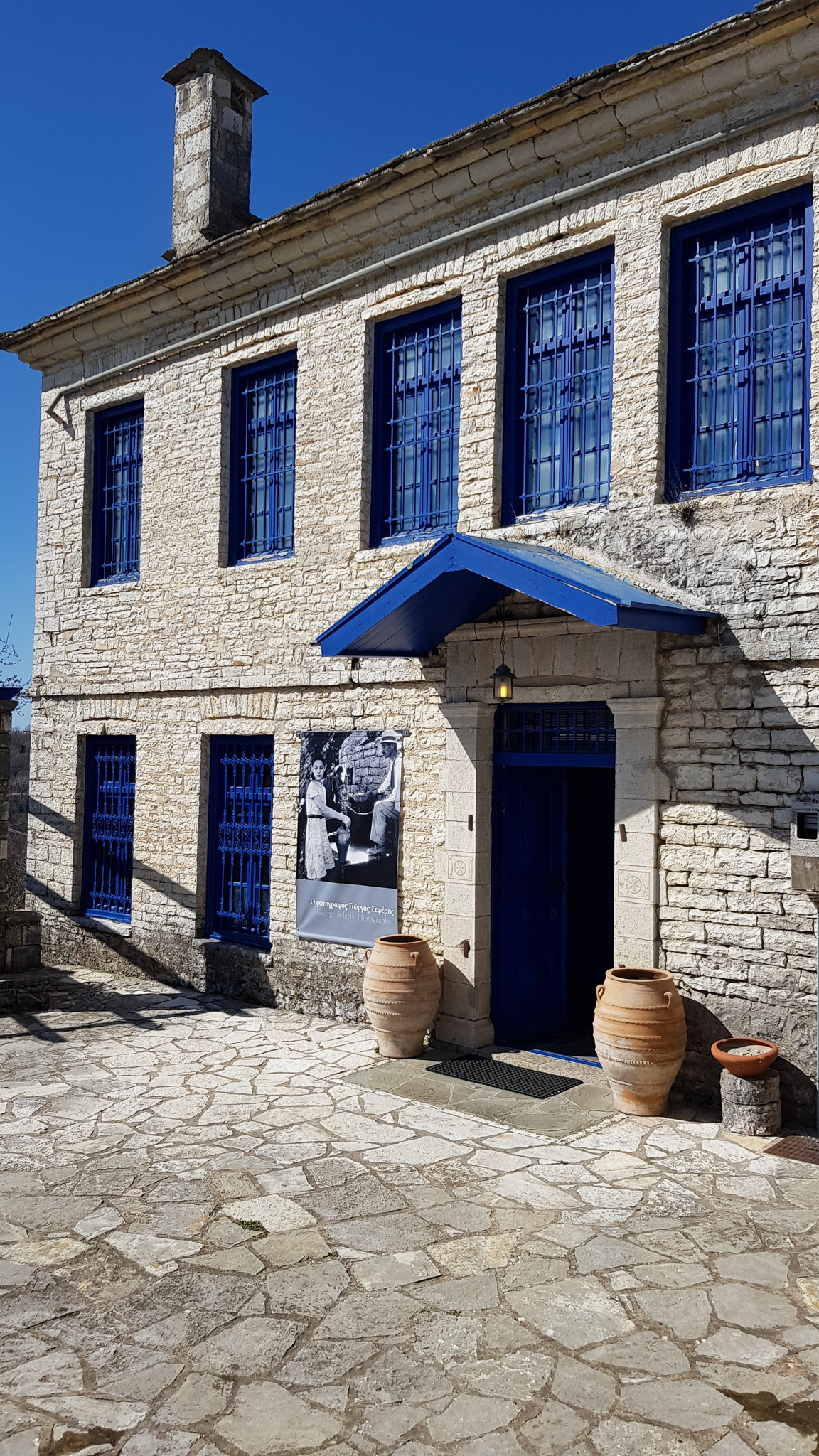
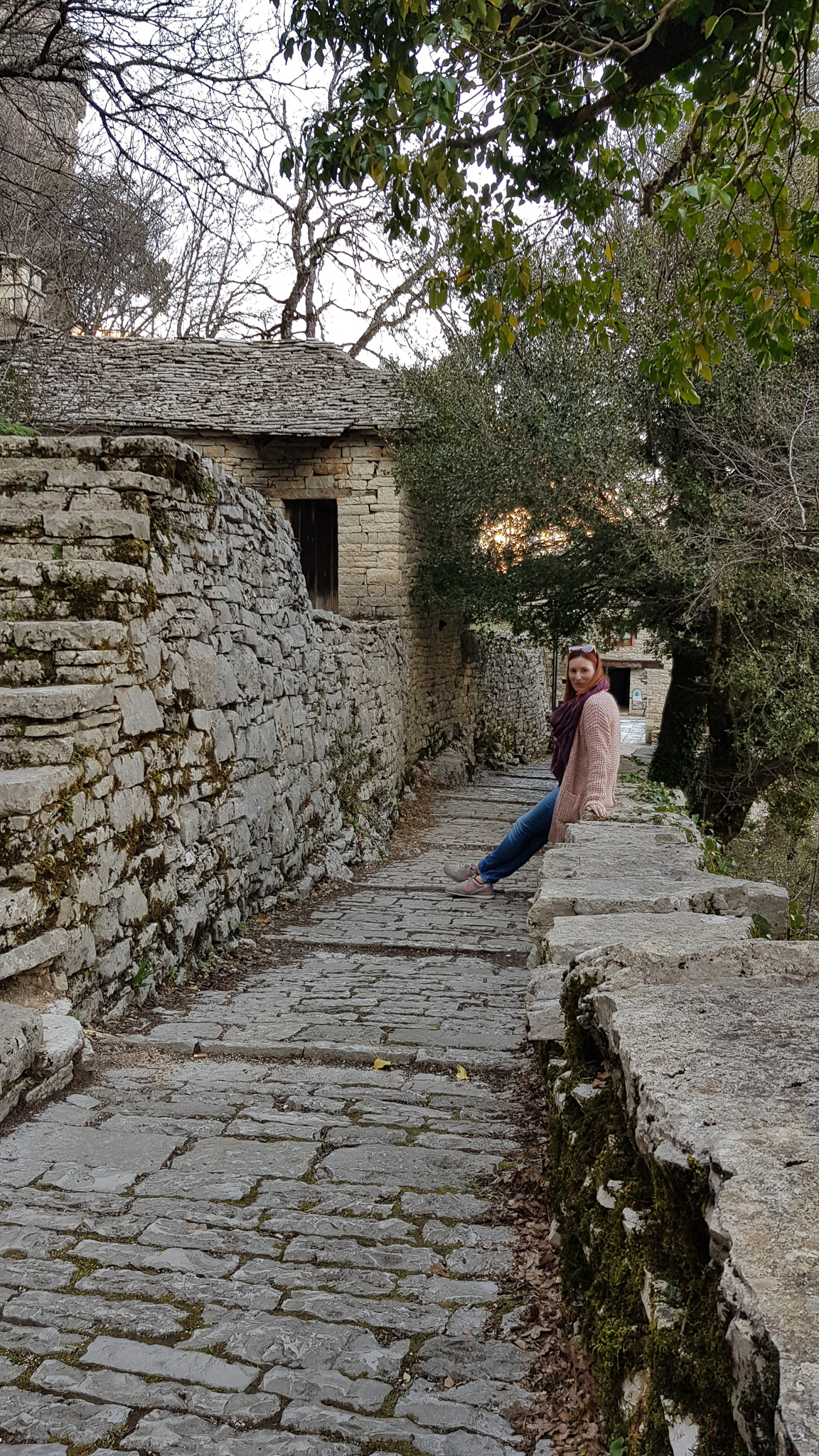
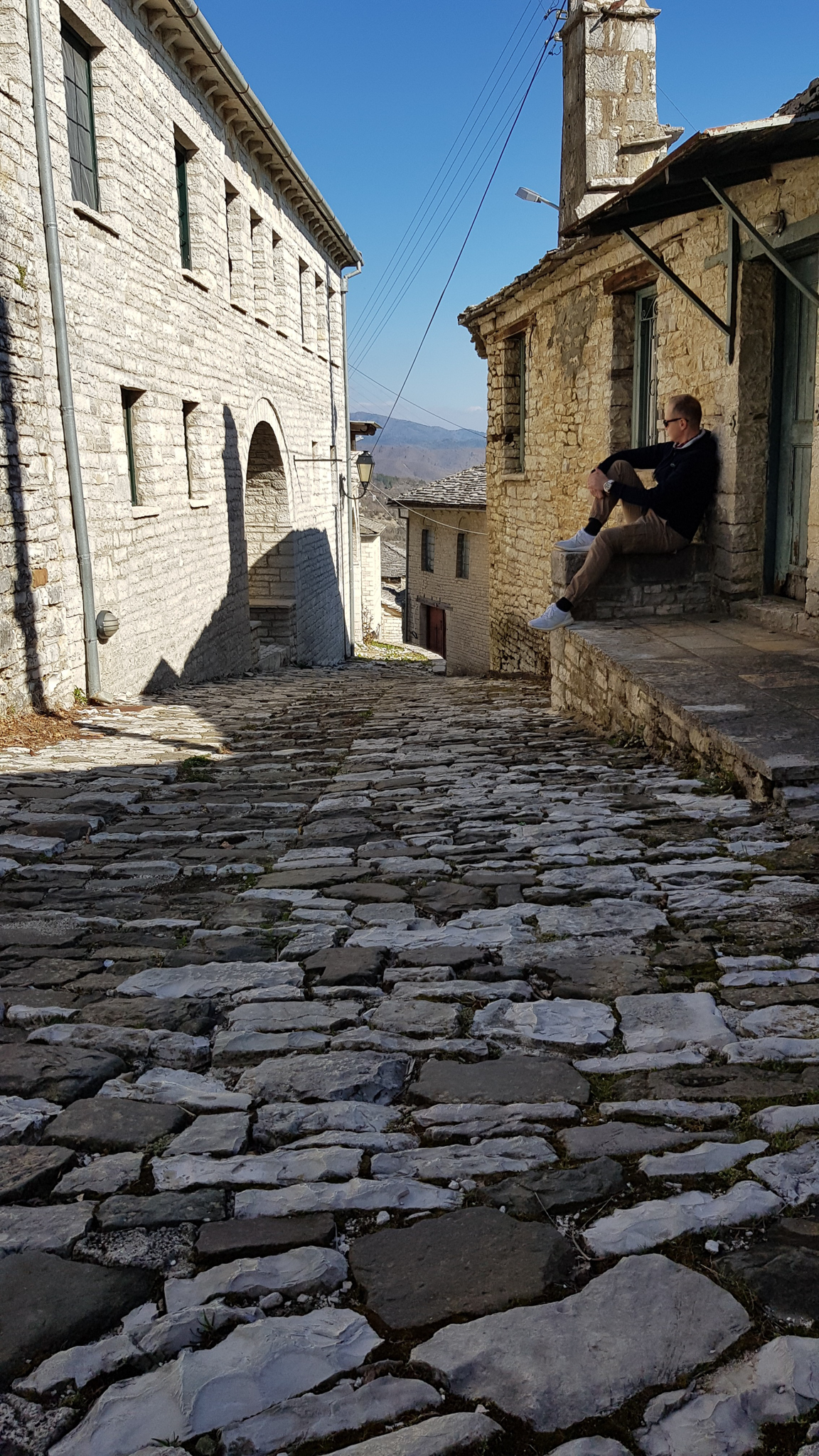
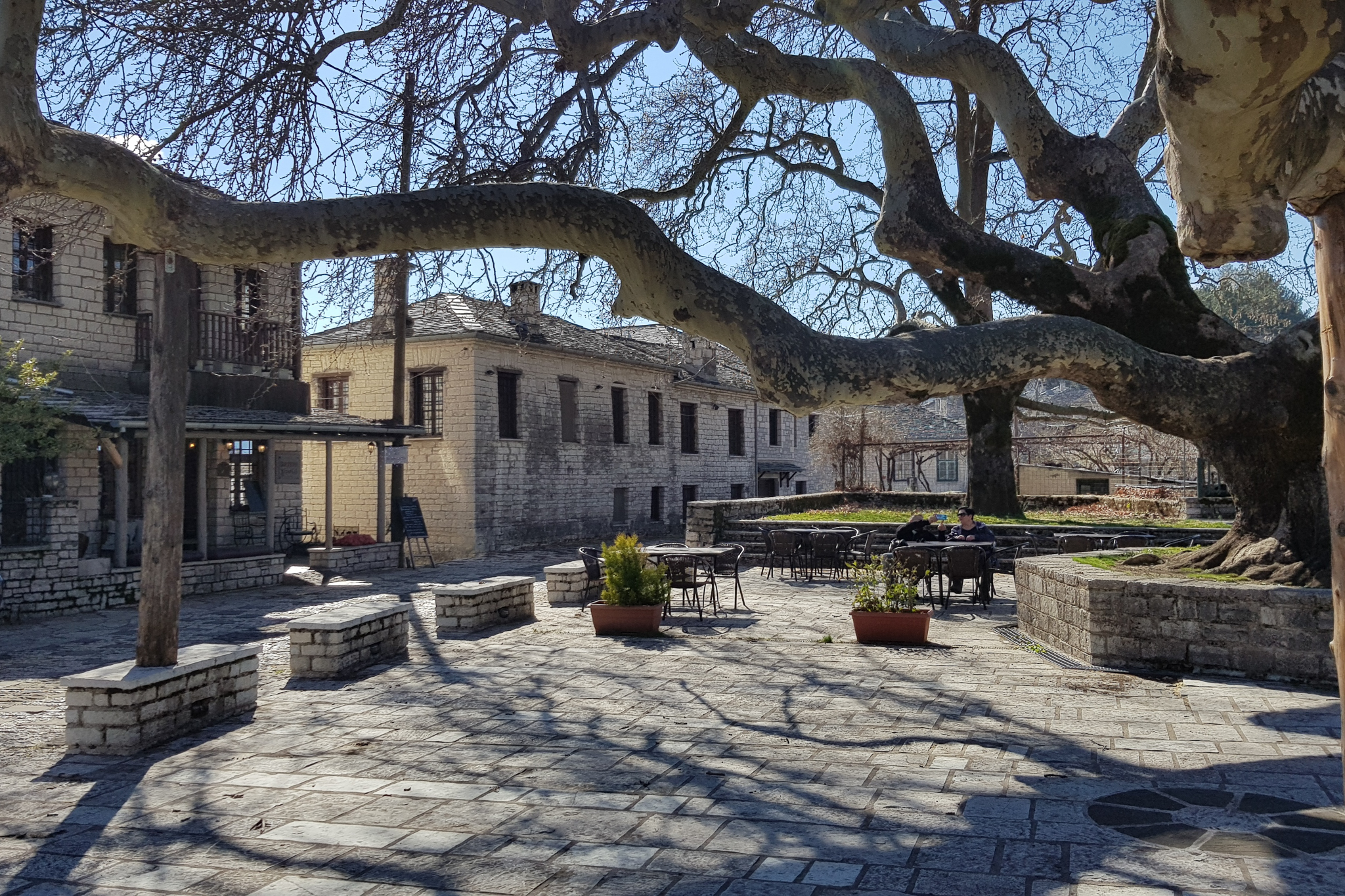
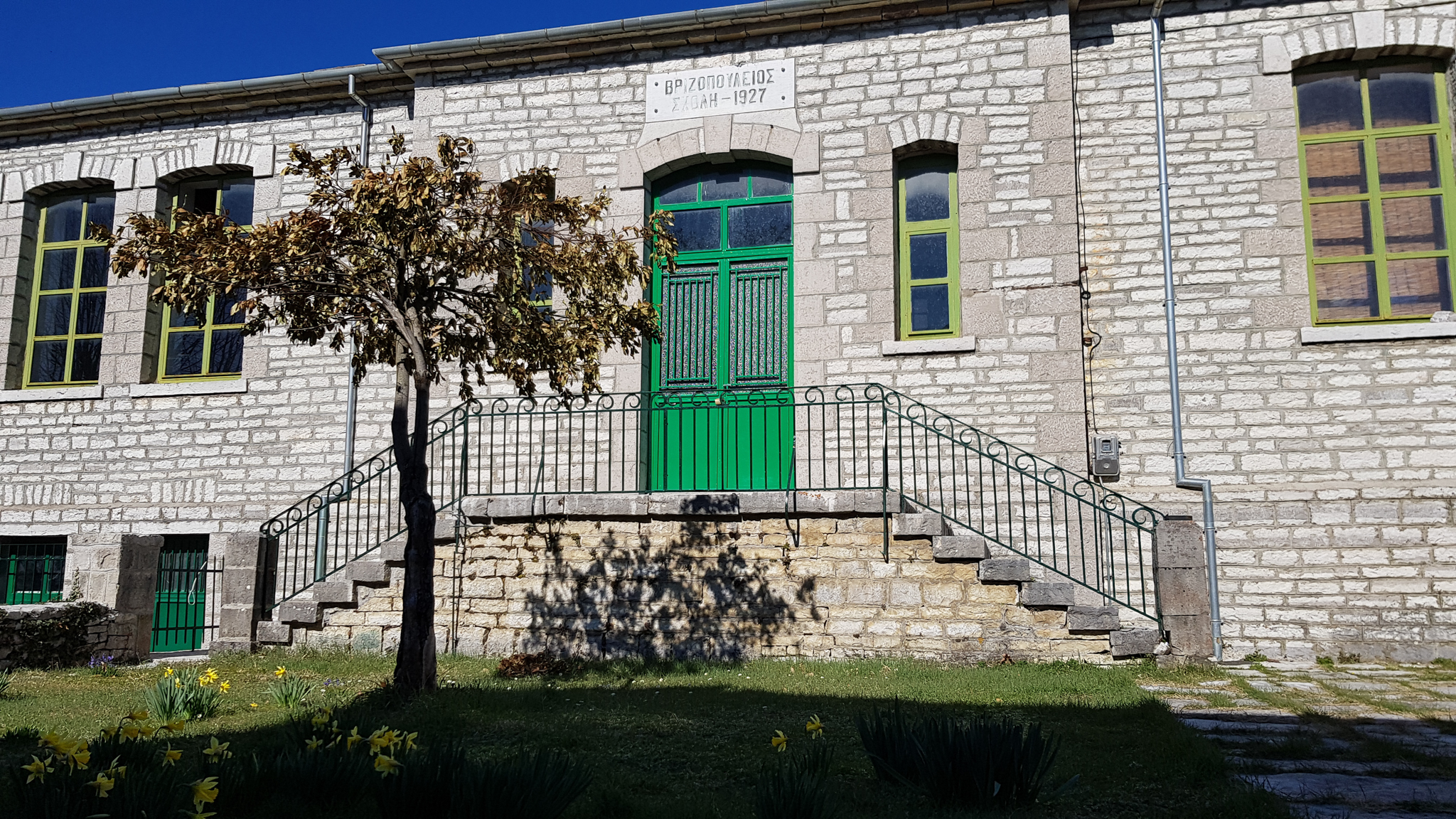
You will probably arrive around noon after a fairly long journey. Spend your first day exploring the beautiful Monodendri, walking through its stone alleys. You will visit the Primary school which is housed in the house of the Rizaris brothers, Rizario Handicraft School in the square and the Rizario Exhibition Center which will always have a remarkable photography exhibition (open 9:00-16:00). We managed to find the exhibition "The Photographer George Seferis" which lasts until July.
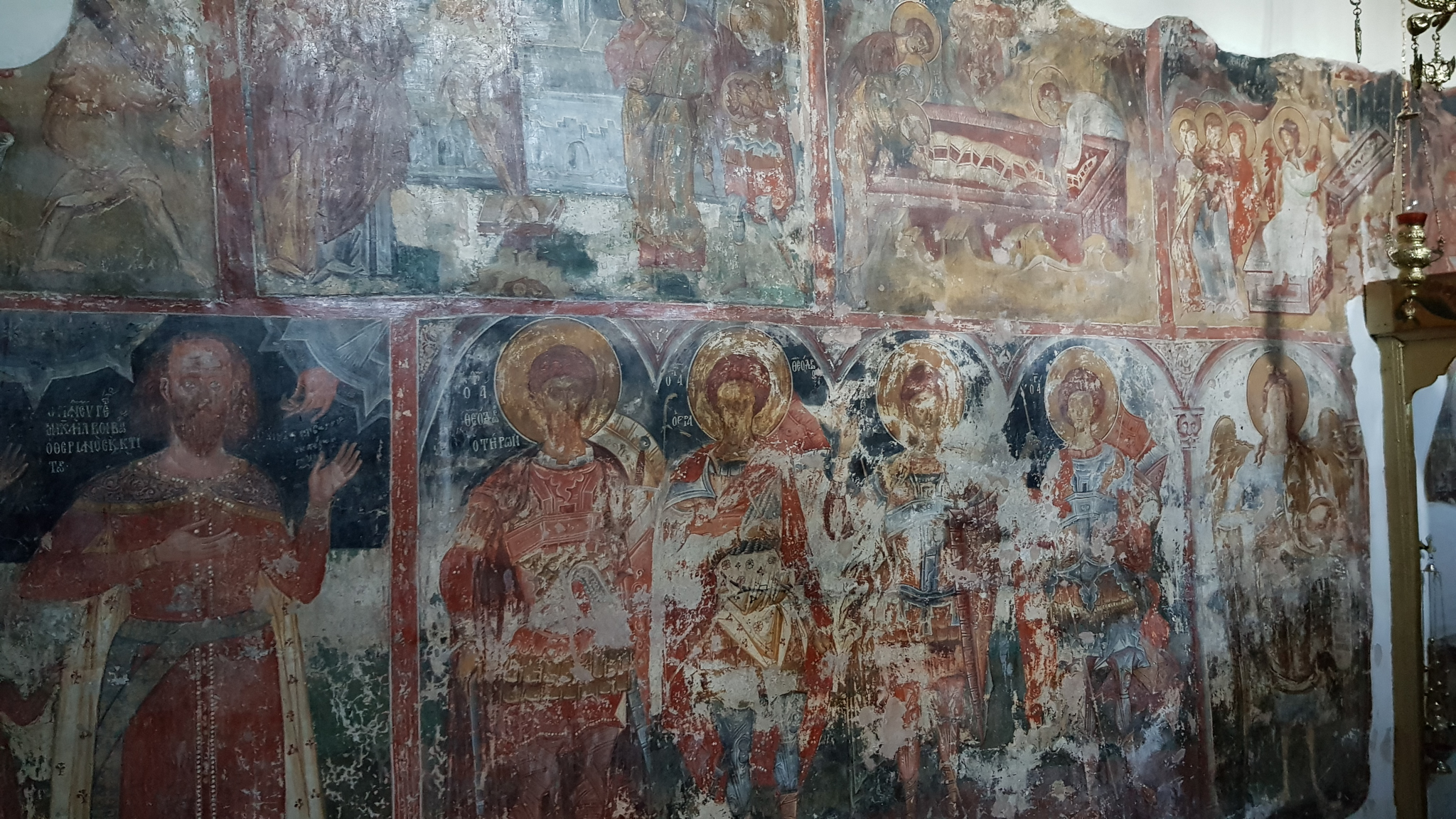
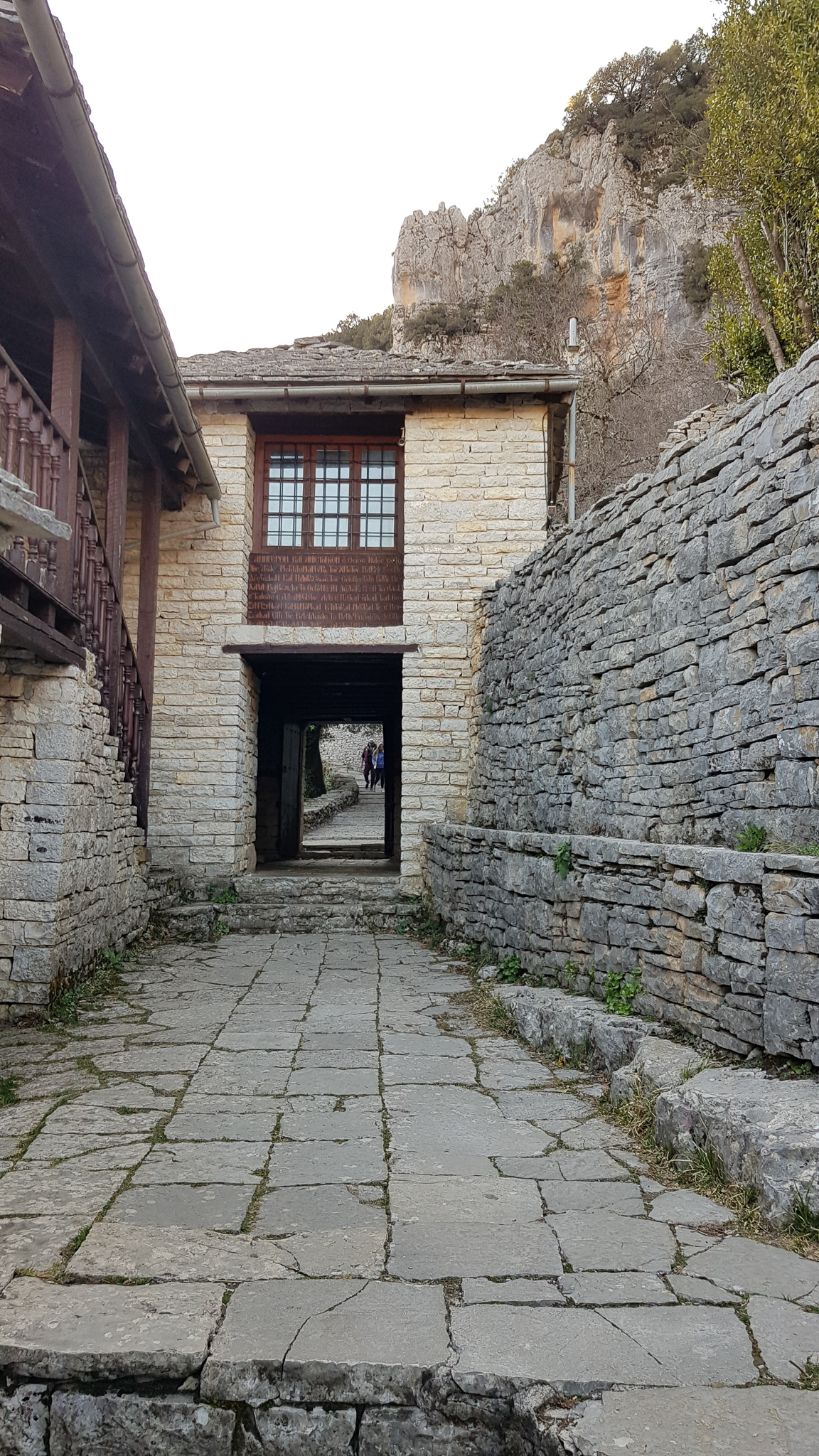
Walk to the monastery-fortress of St. Paraskevi (10 minutes on a well-paved cobblestone road). This is the oldest monastery built in 1412 on the edge of the Vikos gorge. You will get a first idea of the imposing gorge.
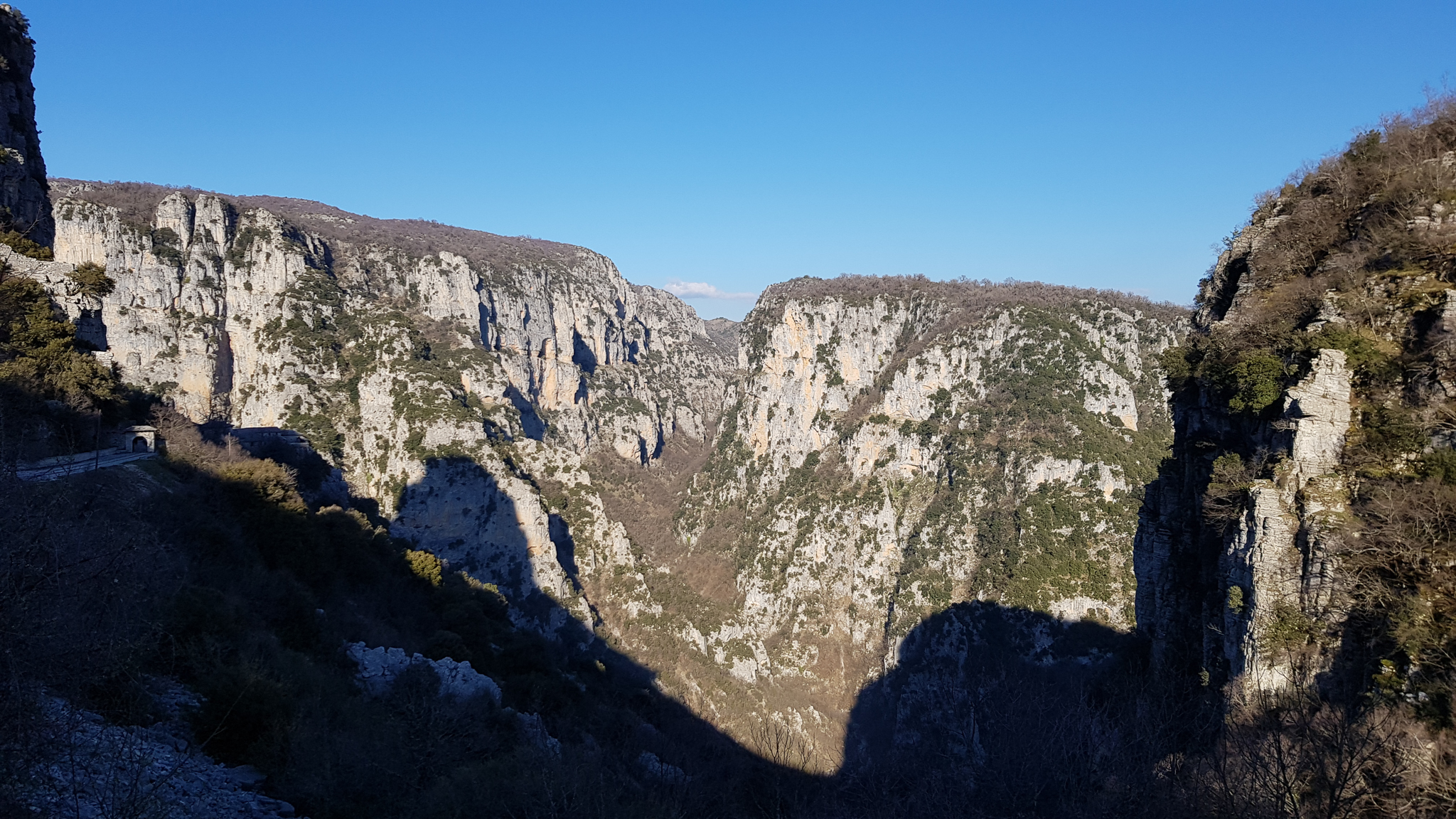
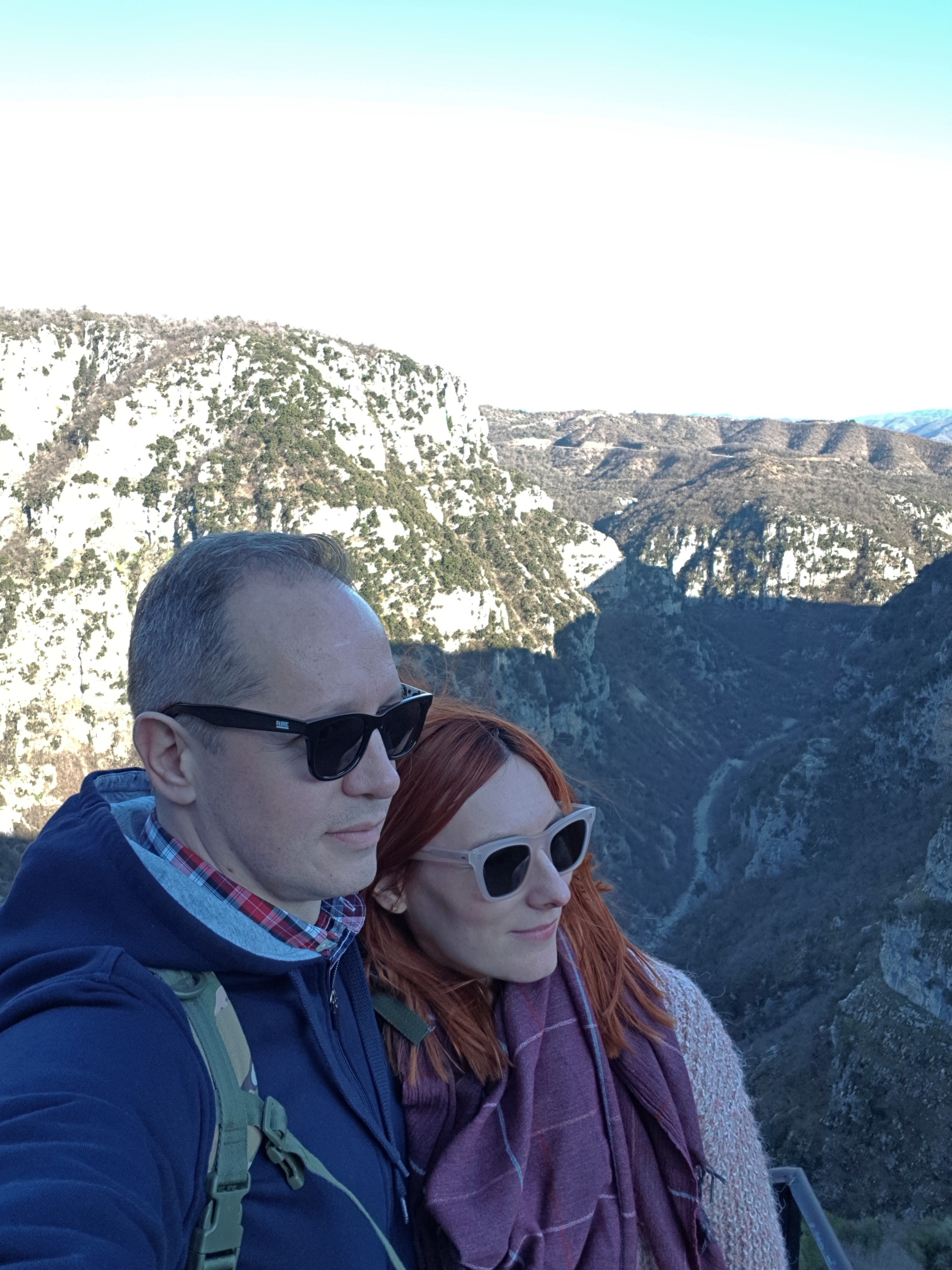
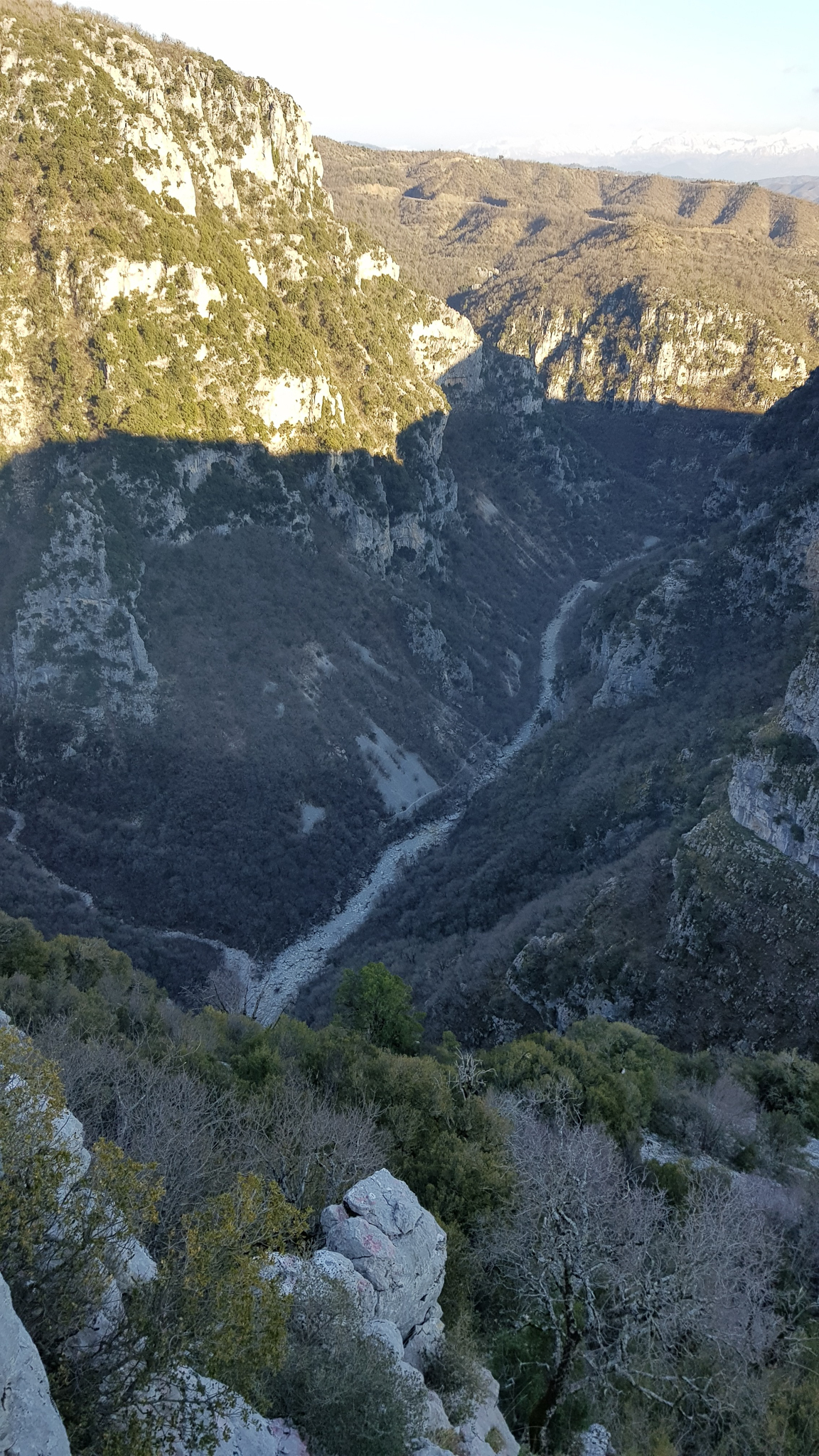
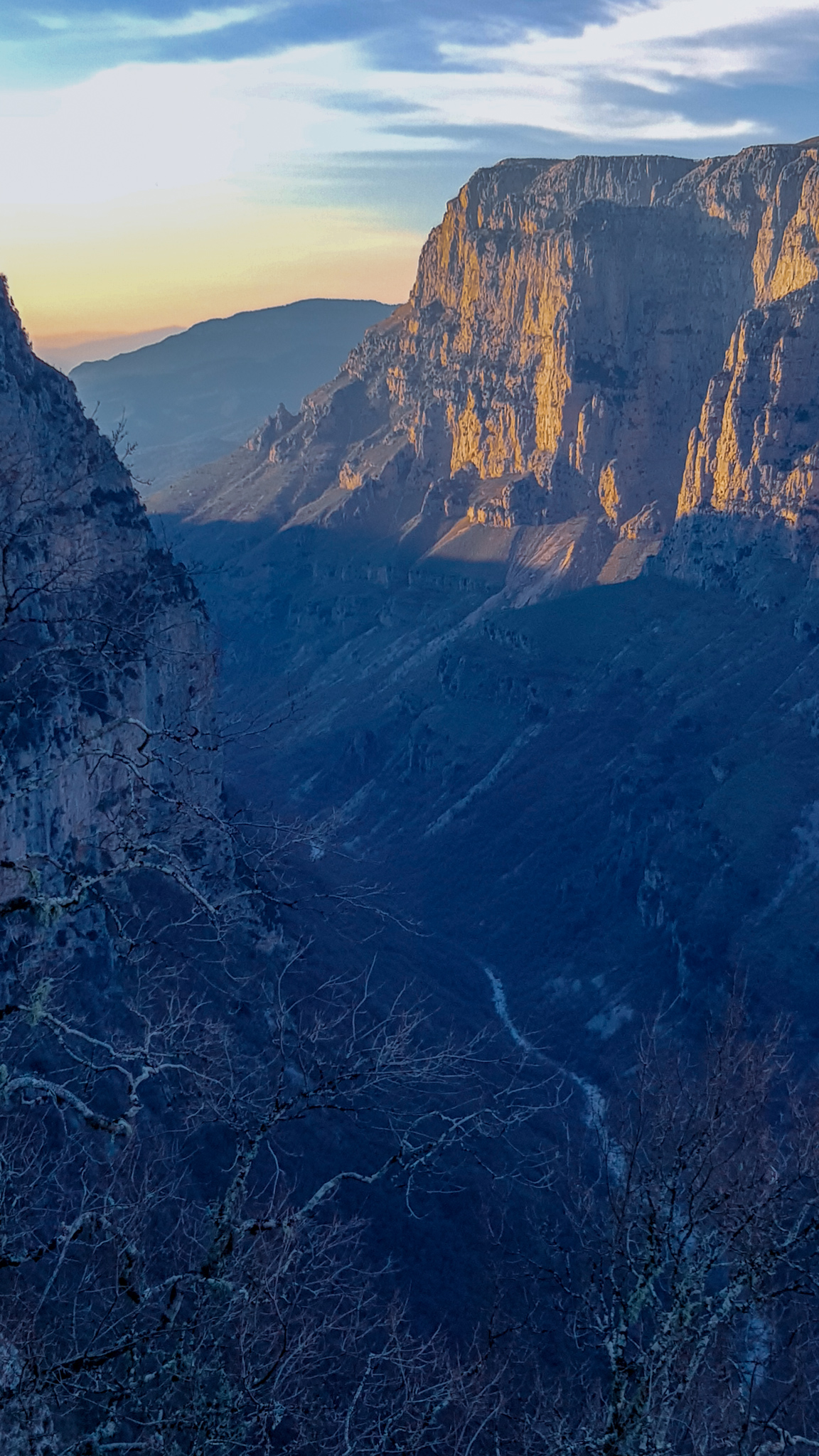
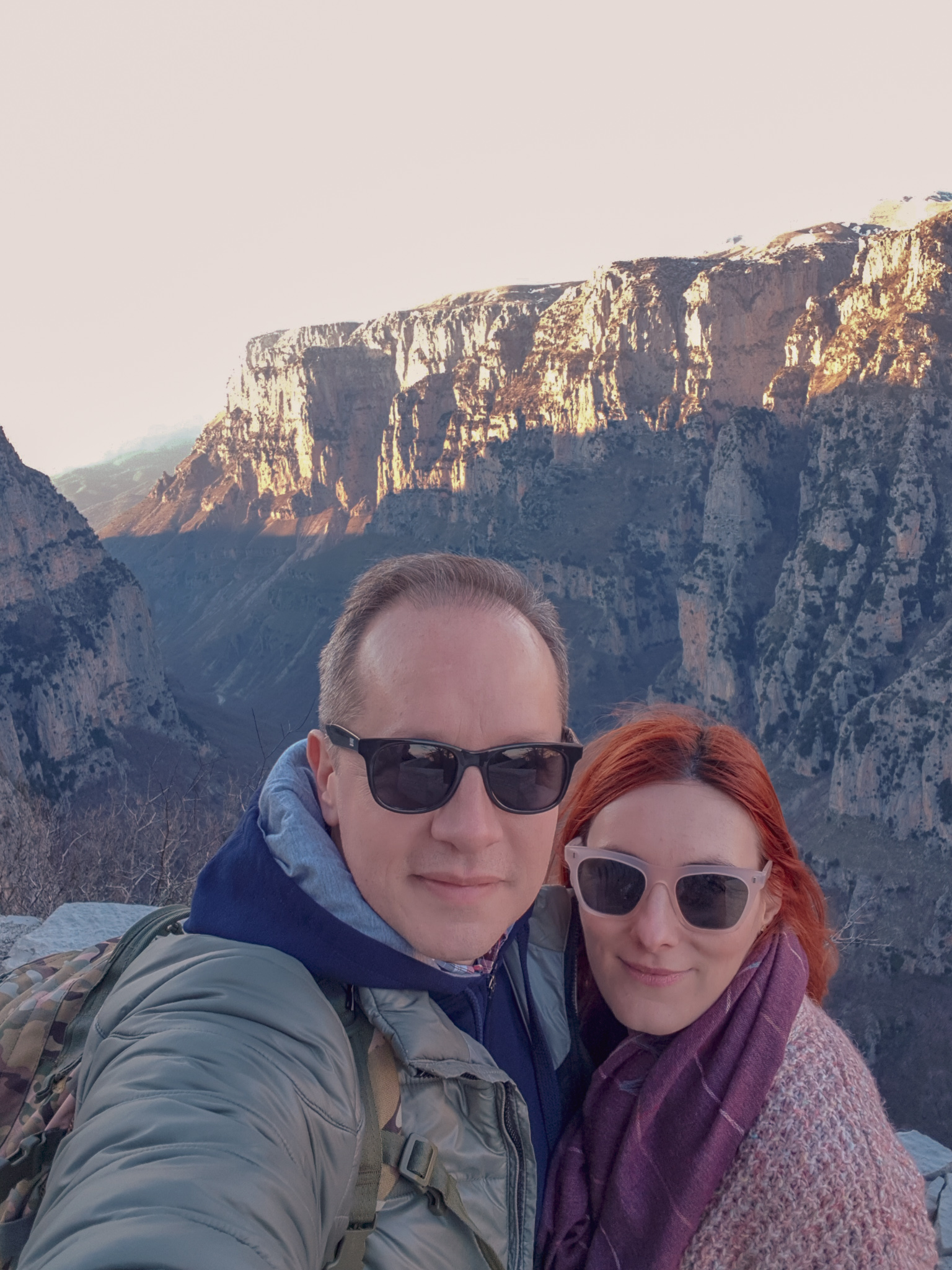
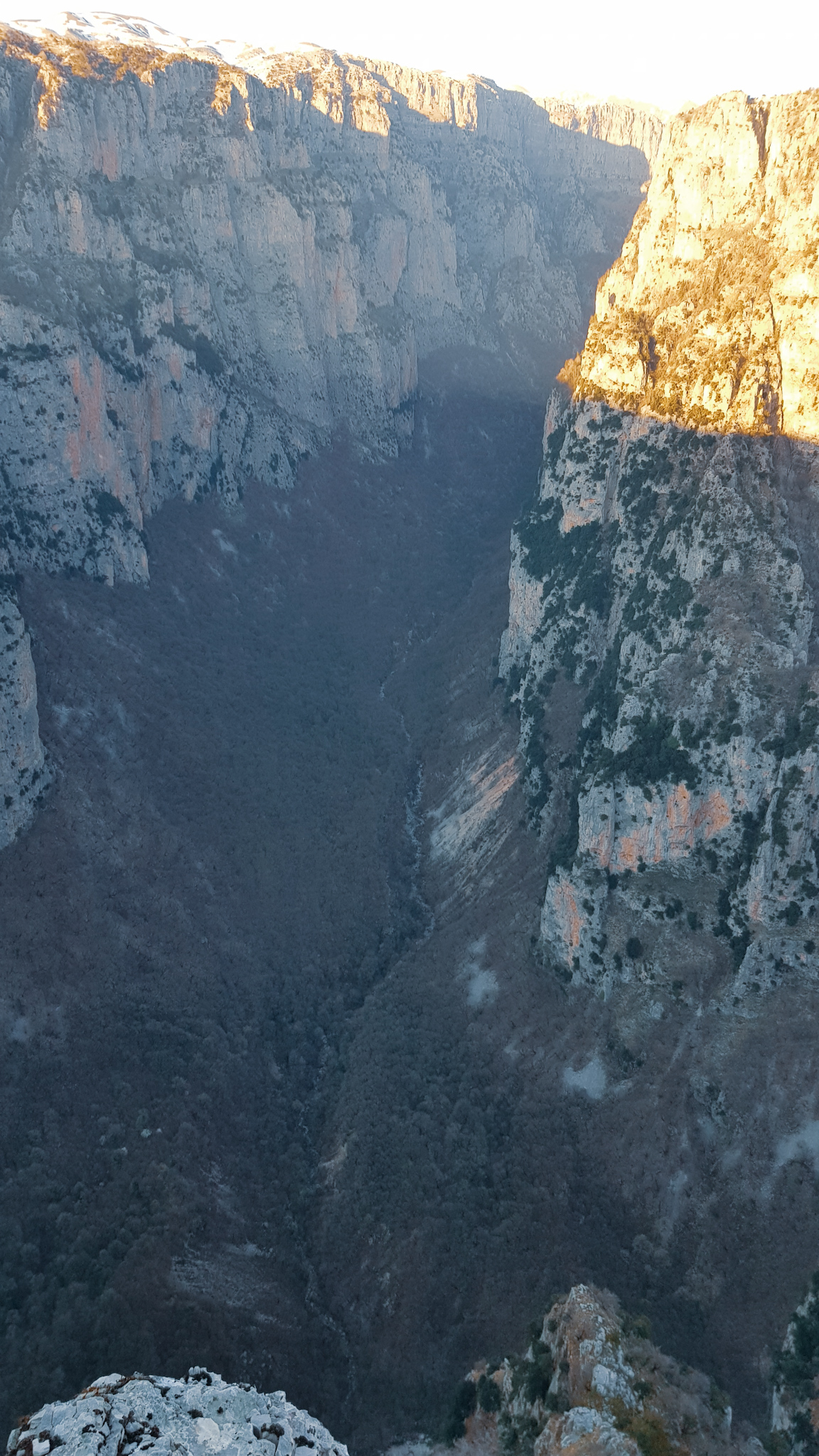
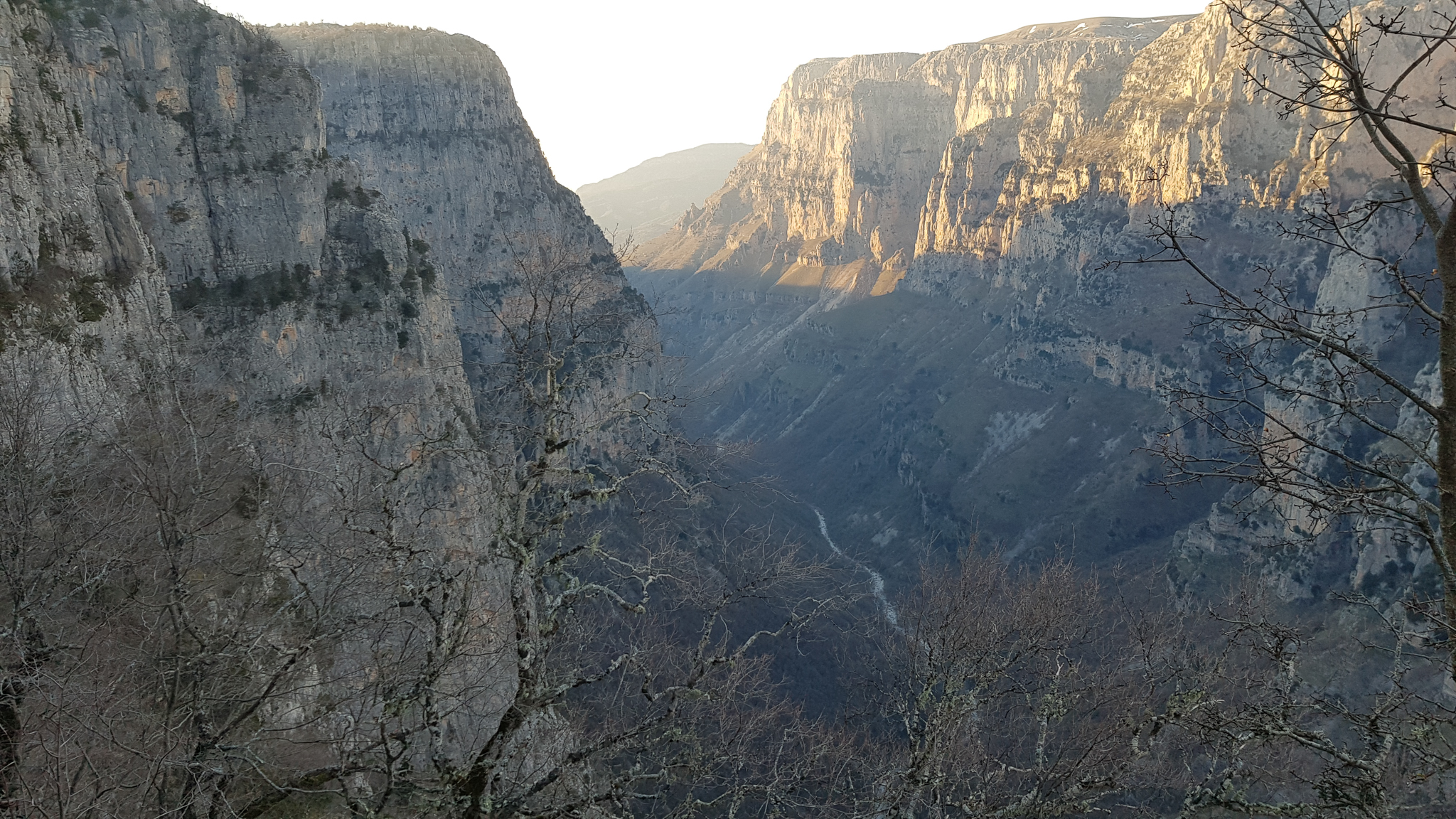
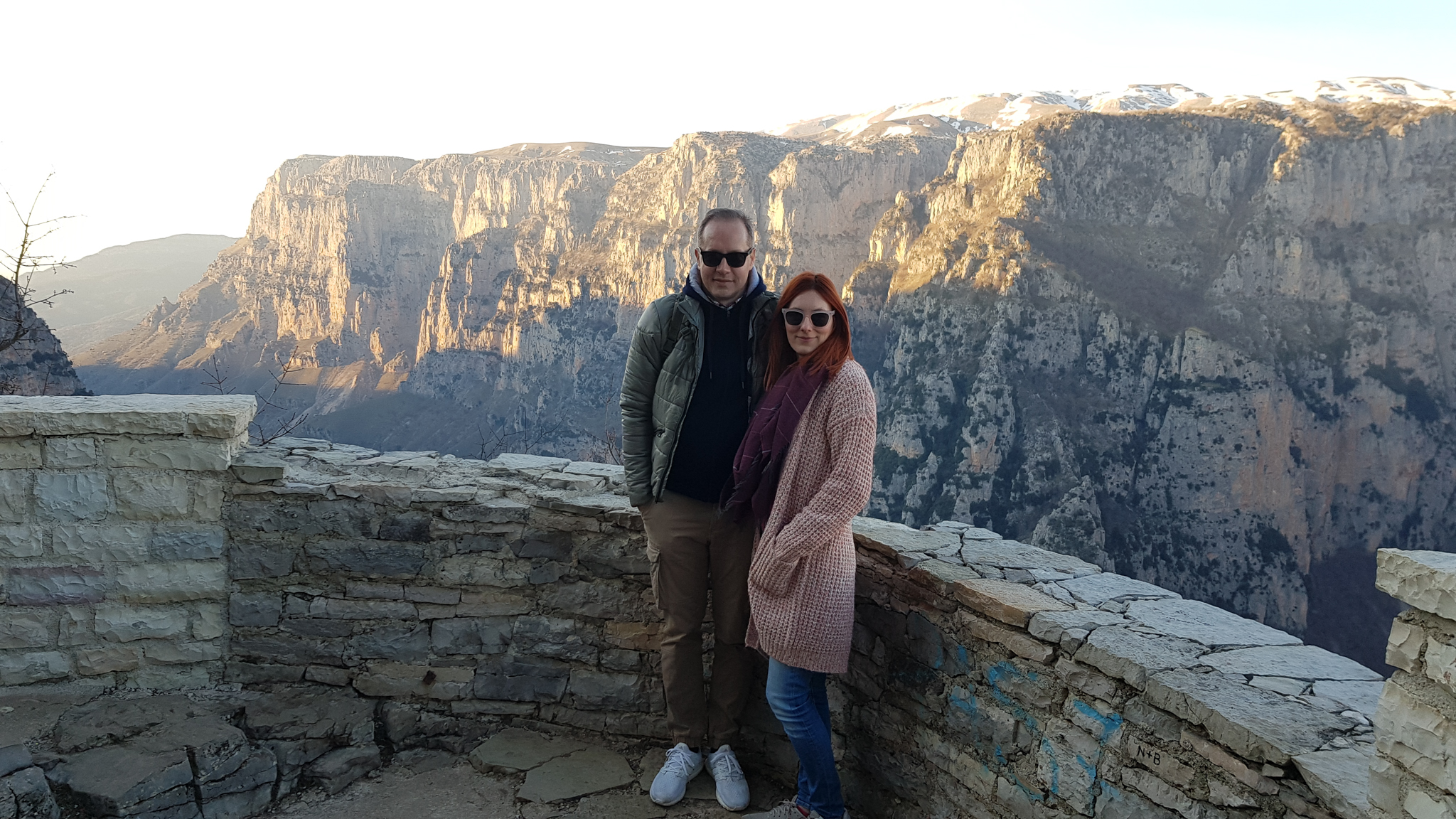
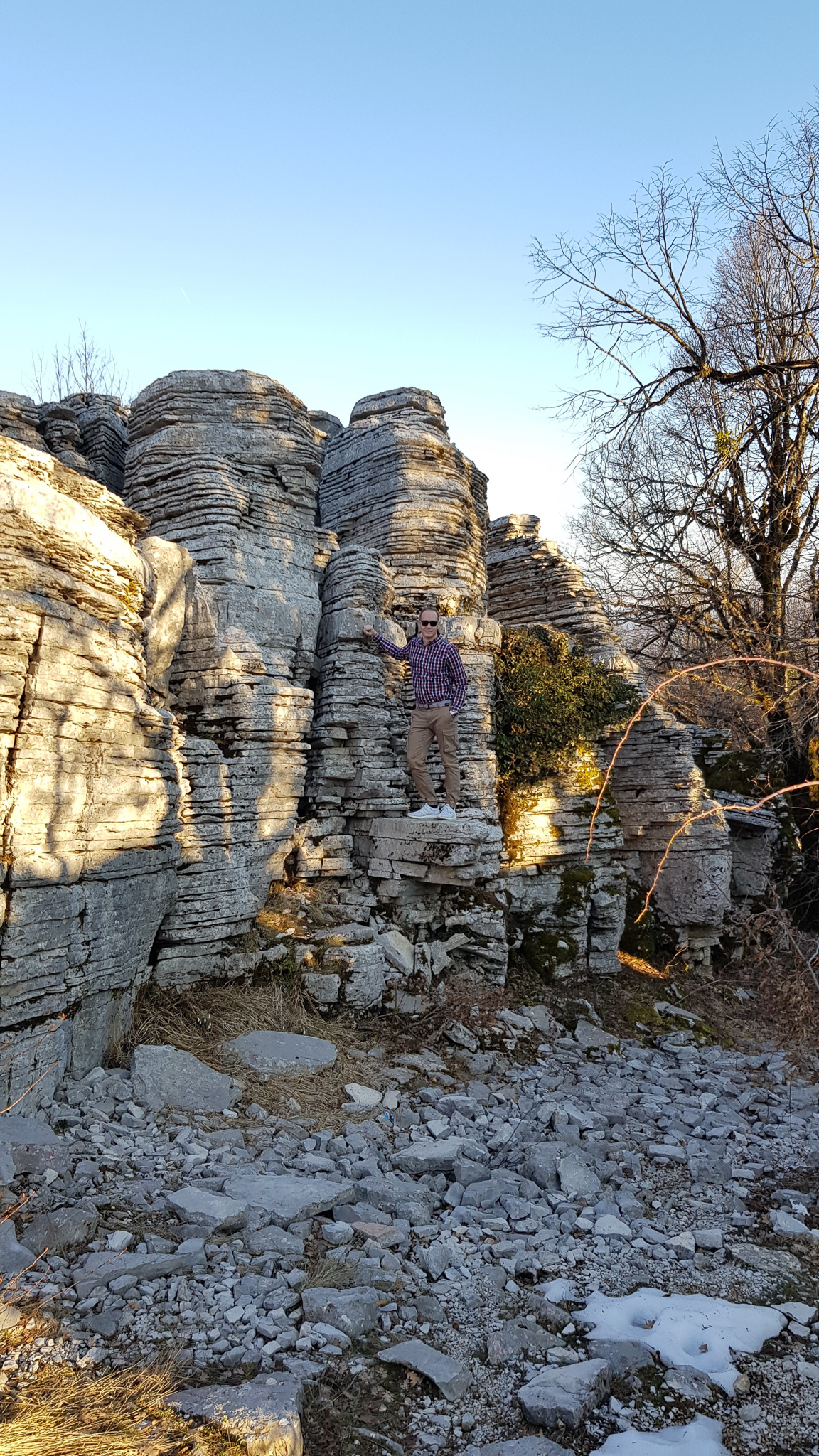
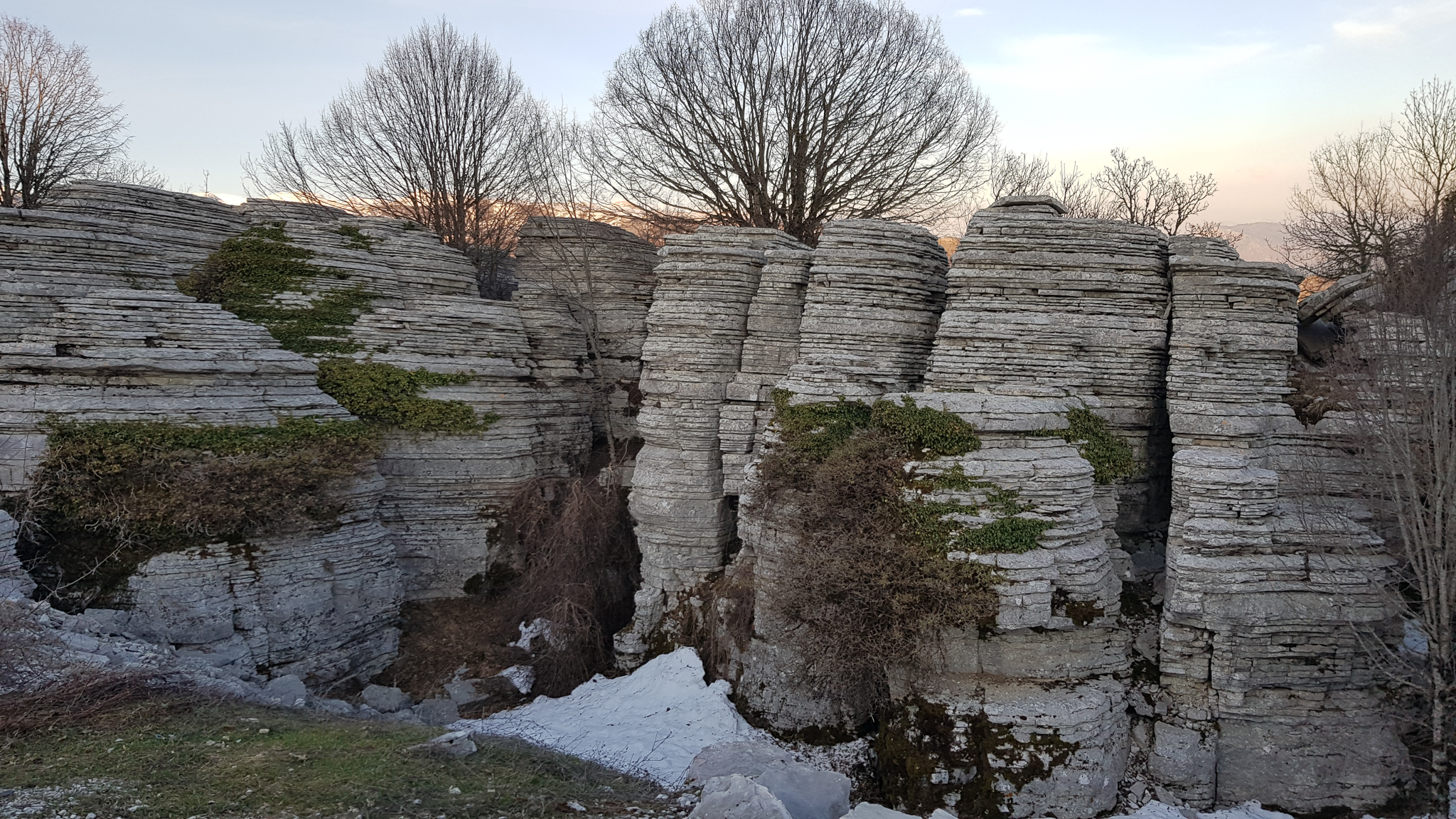
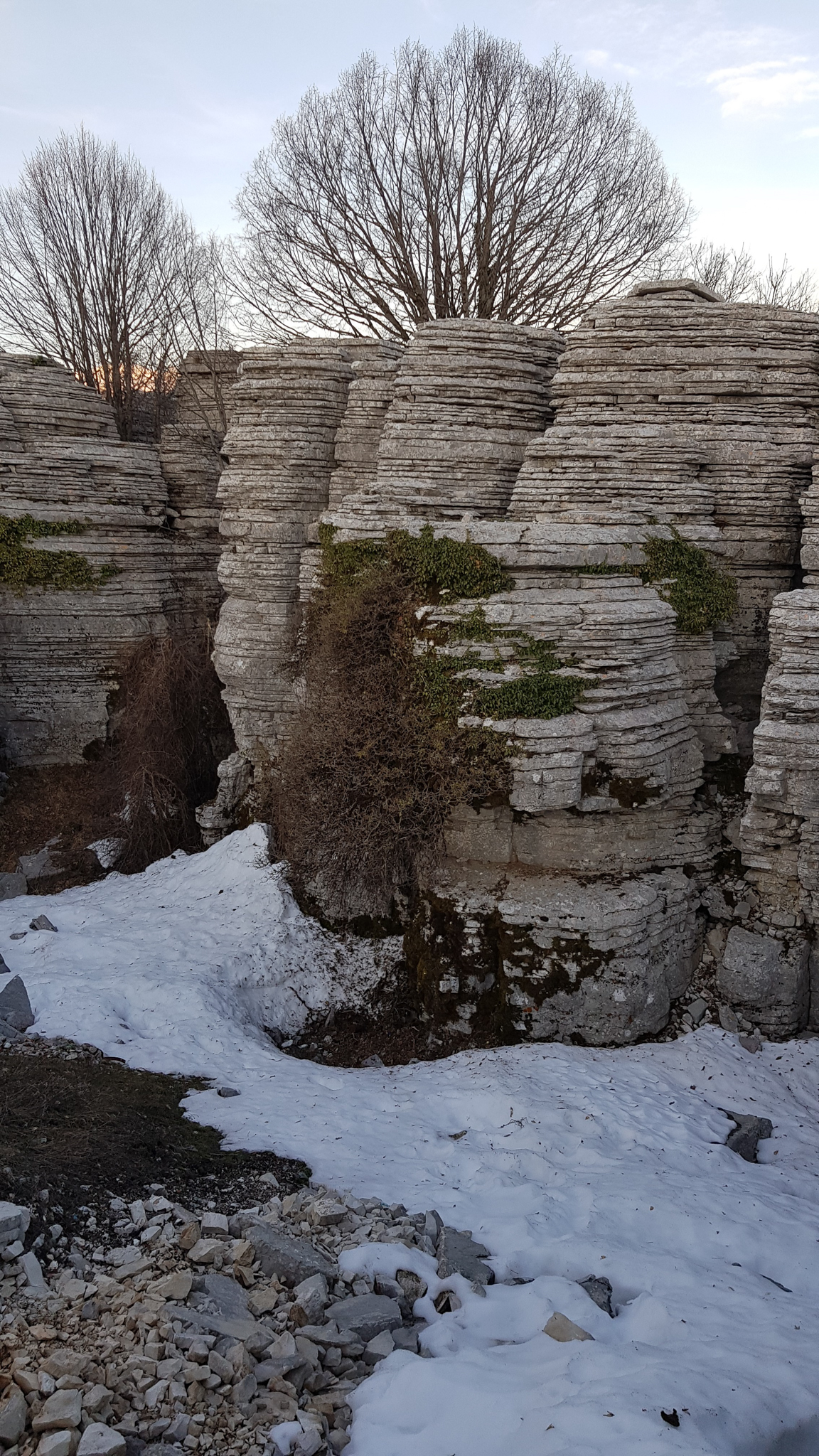
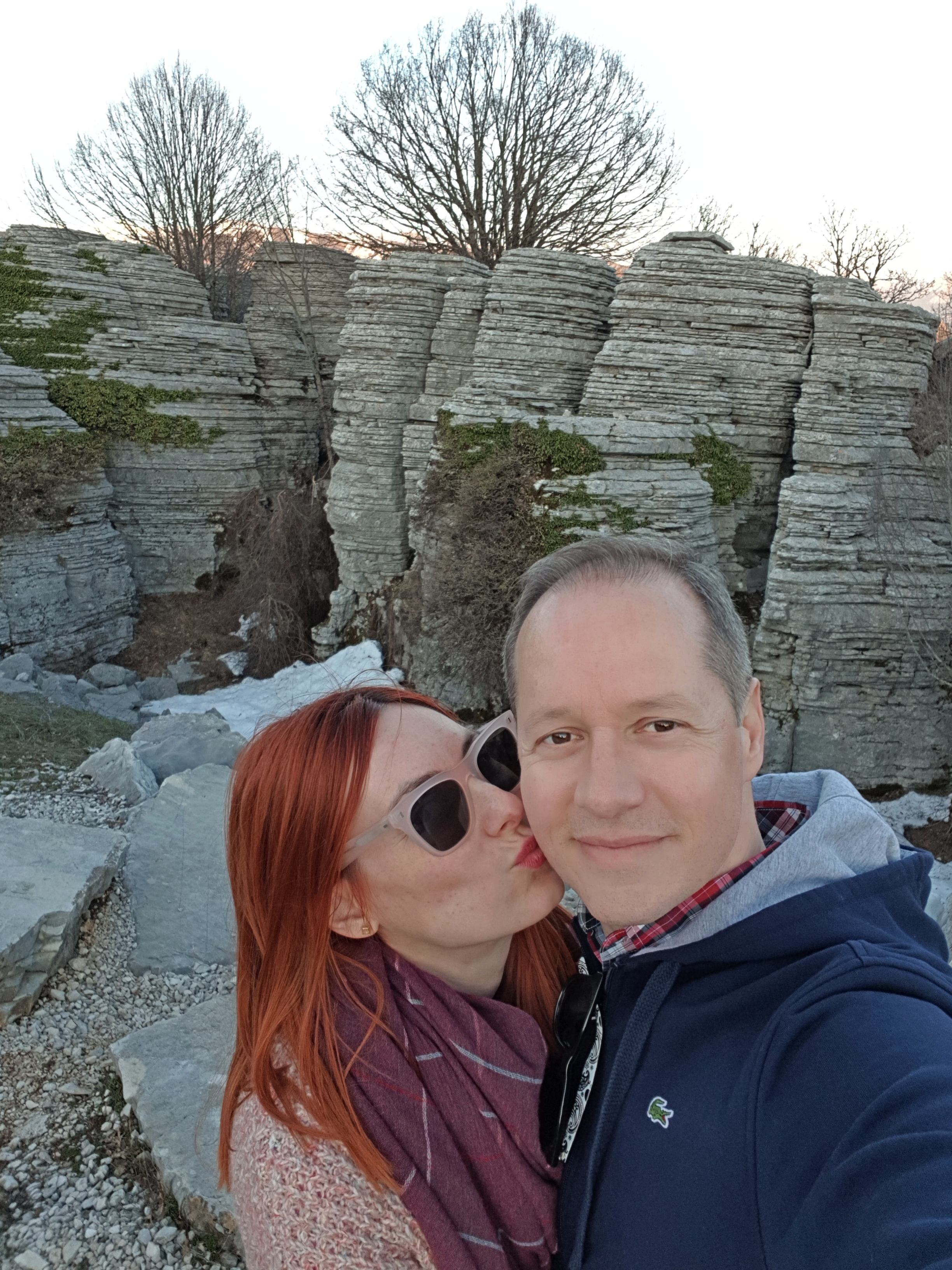
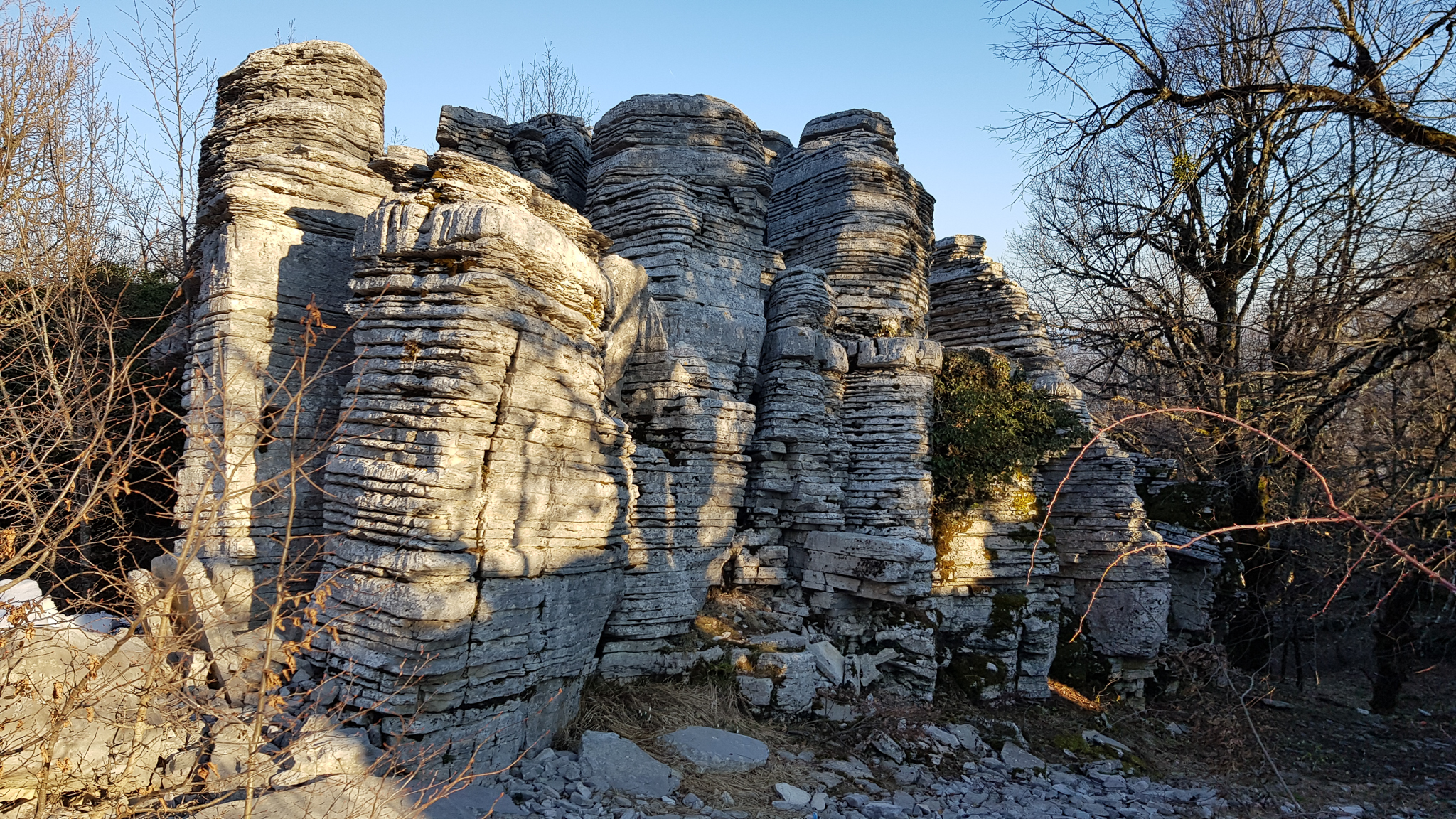
Then take your car and follow the route (5 km) to "Stone Forest». You will encounter impressive limestone formations on the road, ranging in age from 35 to 160 million years! Continuing another 2 kilometers by car, you will reach the Oxya locationThere you will be confronted with the majesty of Vikos! Since 2005 it has been in the Guinness Book of World Records as the canyon with the smallest opening, just 1100 meters at its narrowest point, and with the greatest depth, approximately 1000 meters. You will truly be speechless!
End your day by walking along its cobblestone streets. Vitsas and with dinner at "Kanela kai Aryfalo". Alternatively, we recommend "Pita tis Kikitsa" in Monodendri, only if it has grilled food, though.
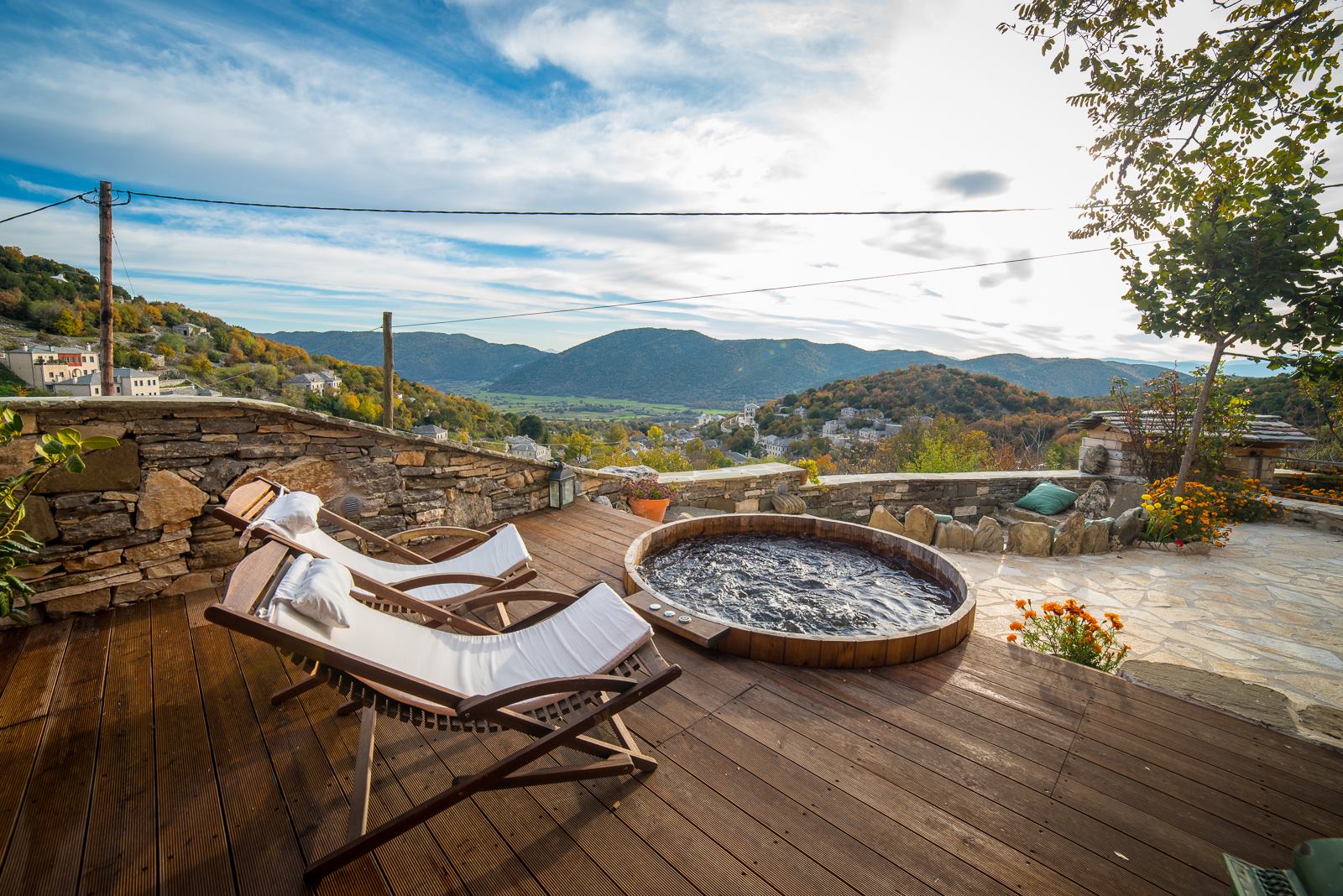
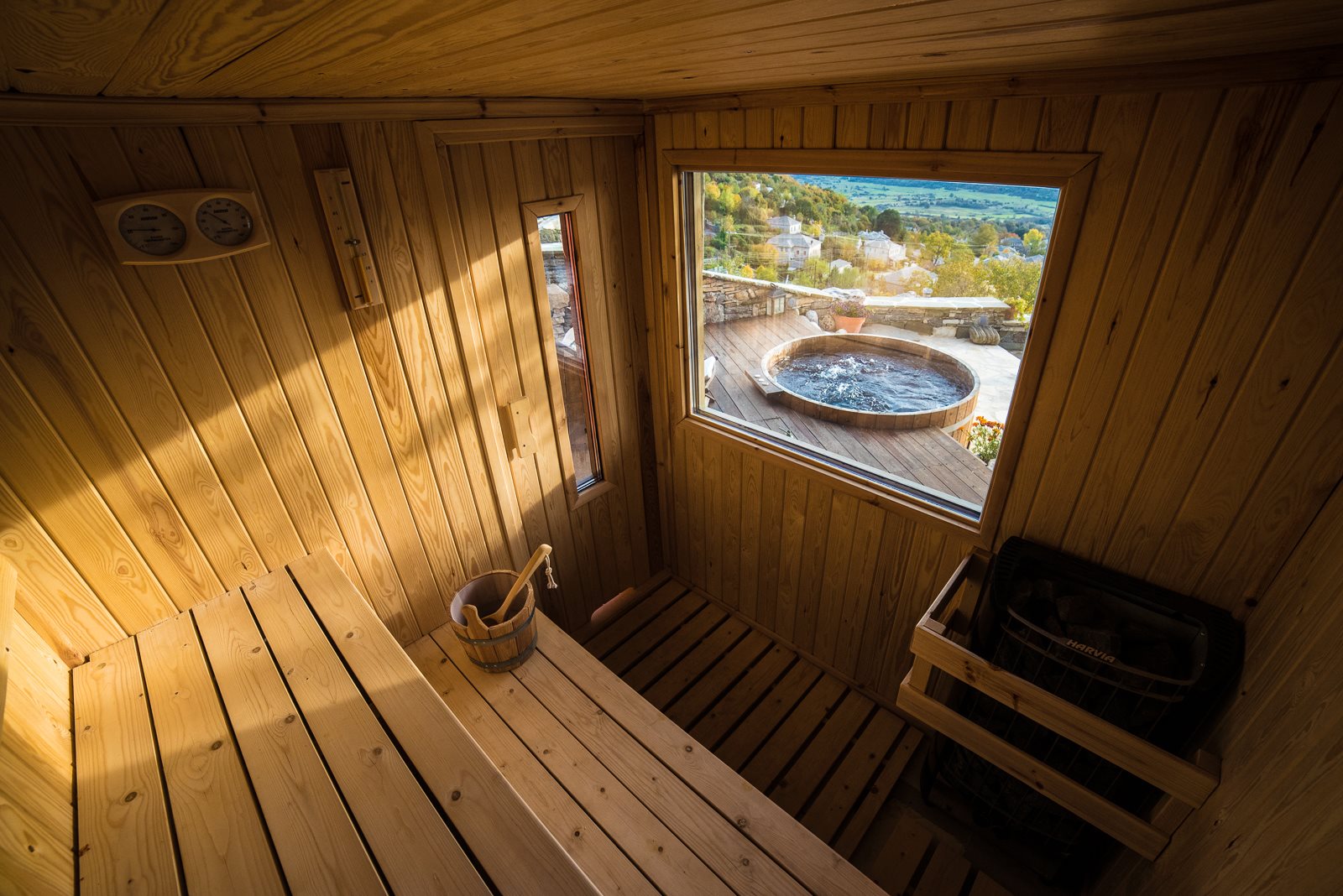
If you want to rejuvenate and relax while enjoying the endless view of the nature of Zagori, the Primoula Country Hotel and Spa in the Upper Plains is an excellent choice, with its Spa available to the general public.
2or day
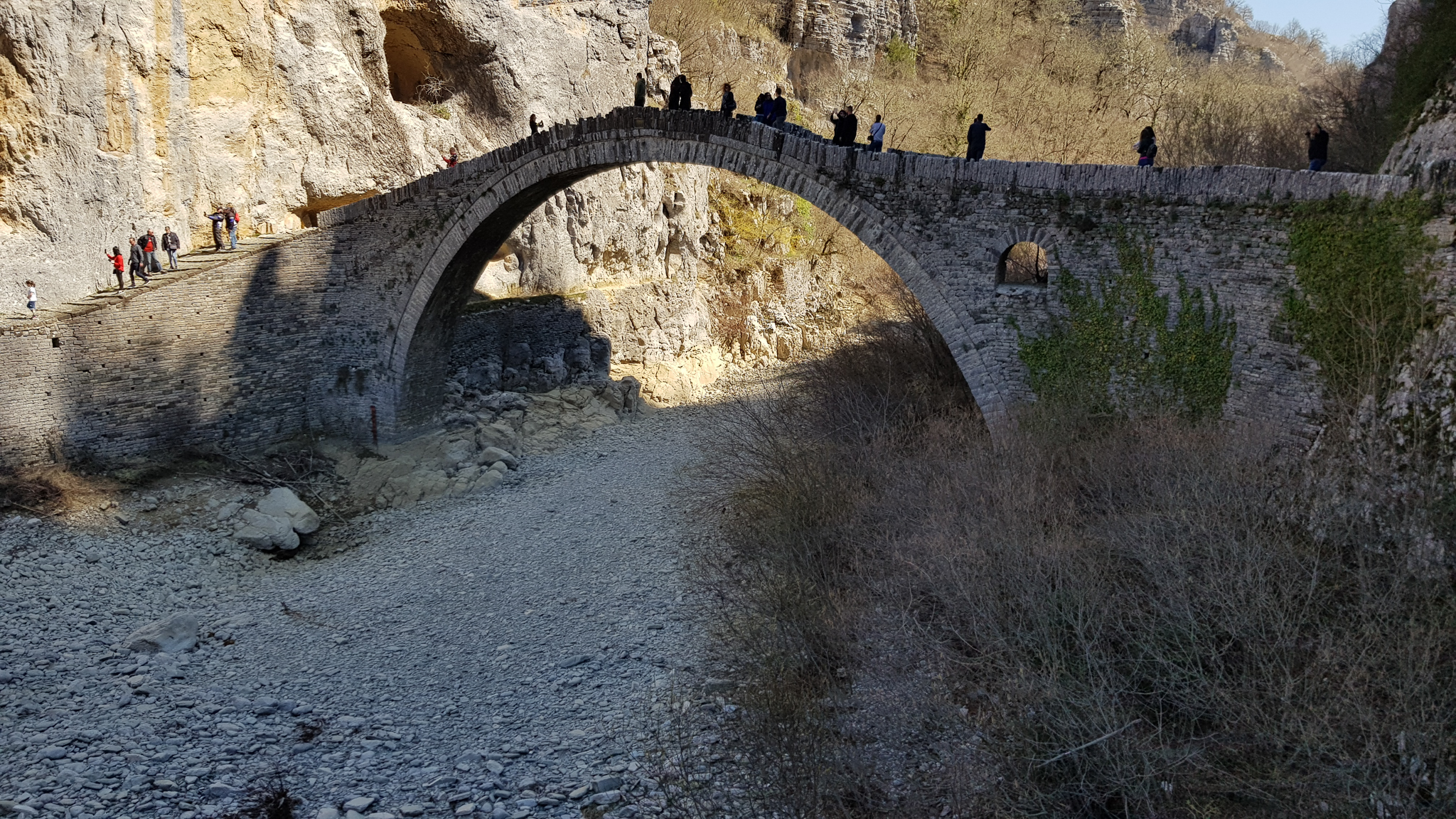
Your day will have several routes, so start with a good breakfast. Try local pies and the local flour pie that is famous in Zagorochoria. Follow the route to the village with your car Gardens to meet the famous stone bridges. They are all located on your way and there are signs and information boards everywhere.
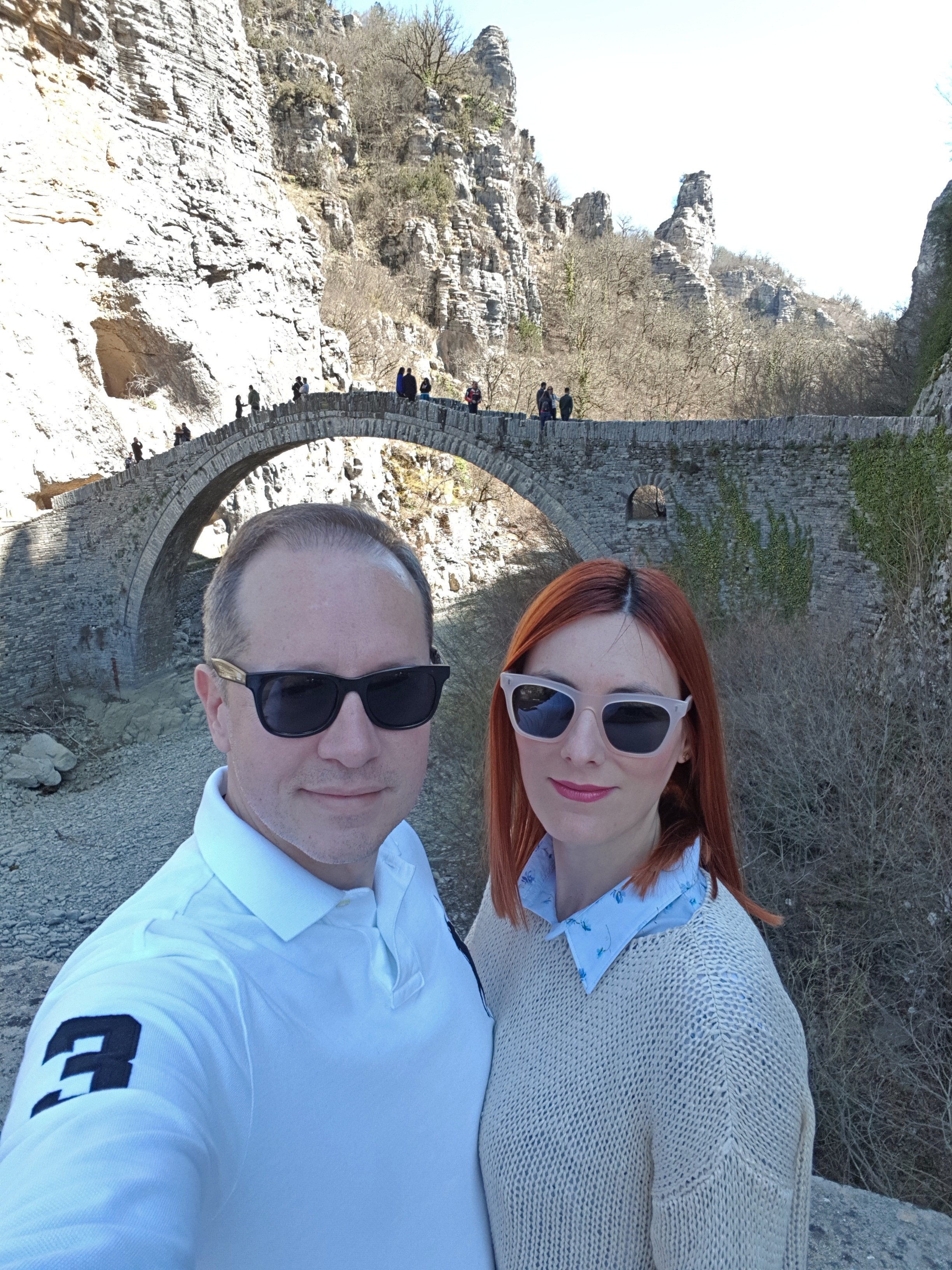
You will see its single-arch bridges in turn. Captain Bear and his Rooster, the three-arched Tile (or else Kalogeriko), the single-arched Lazaridis and immediately after them Gardens are the two arches of Milos and his single-arched PetsioniThey all have something special, while they are accompanied by various myths and beliefs about their construction.
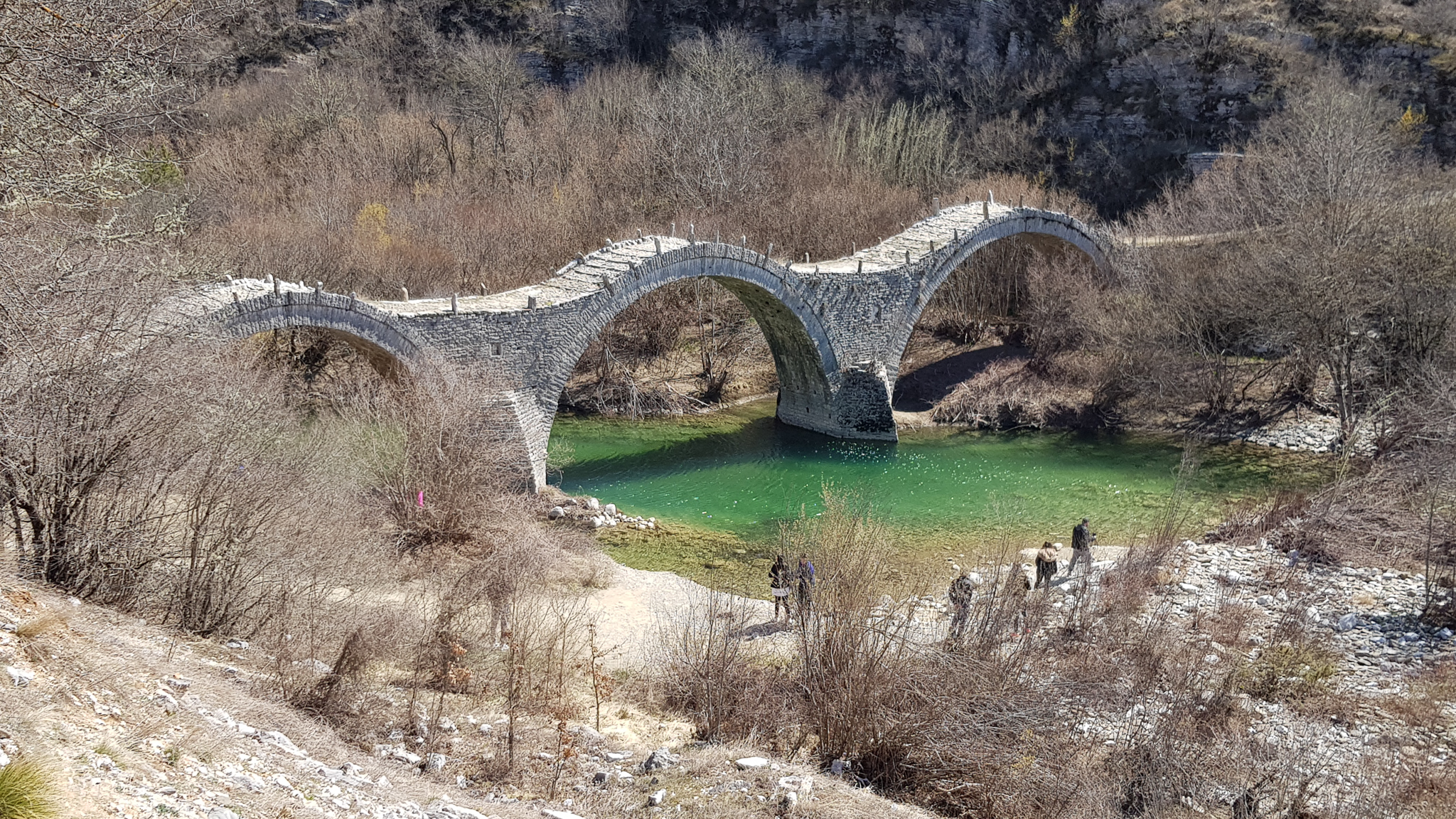
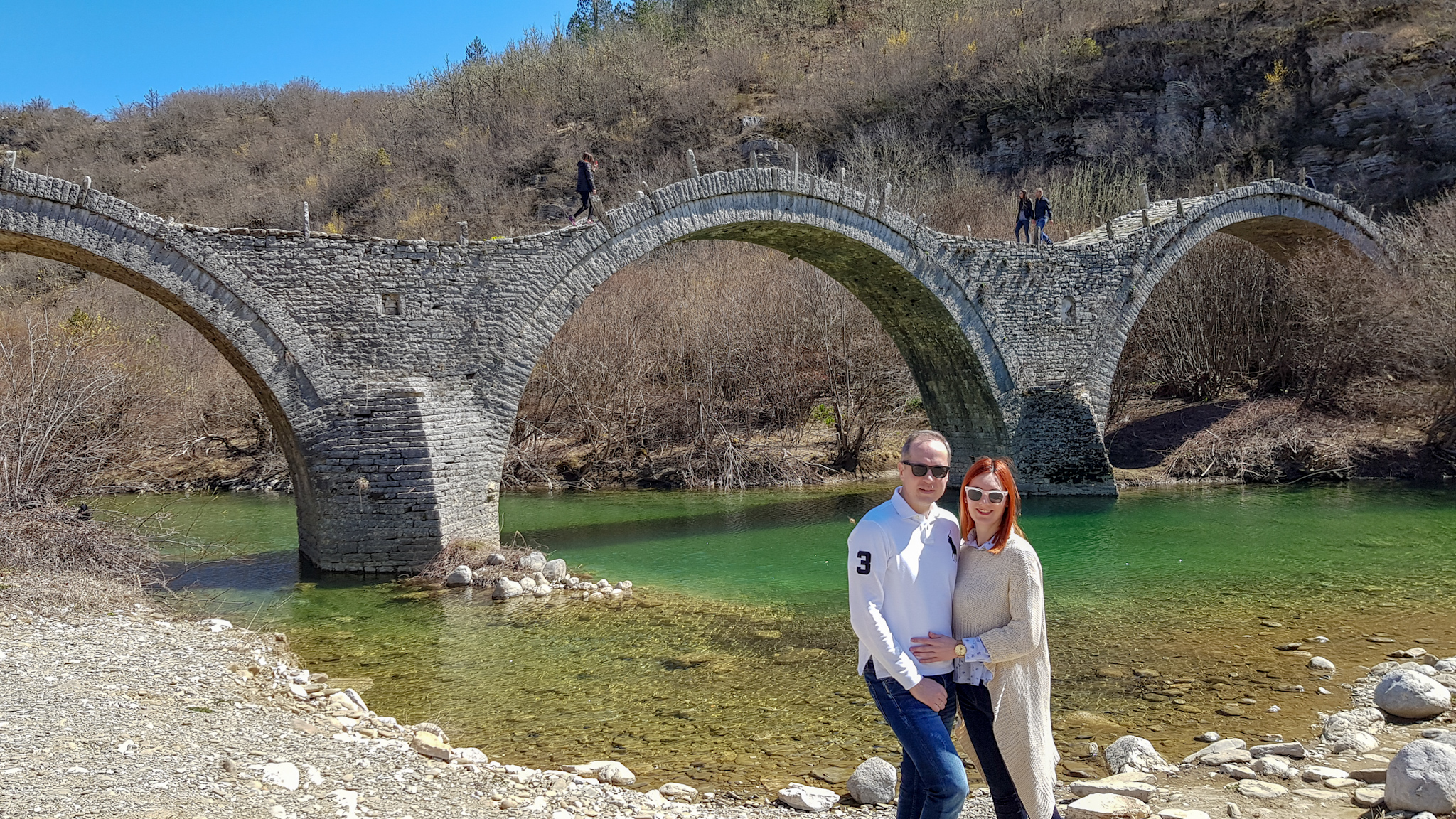
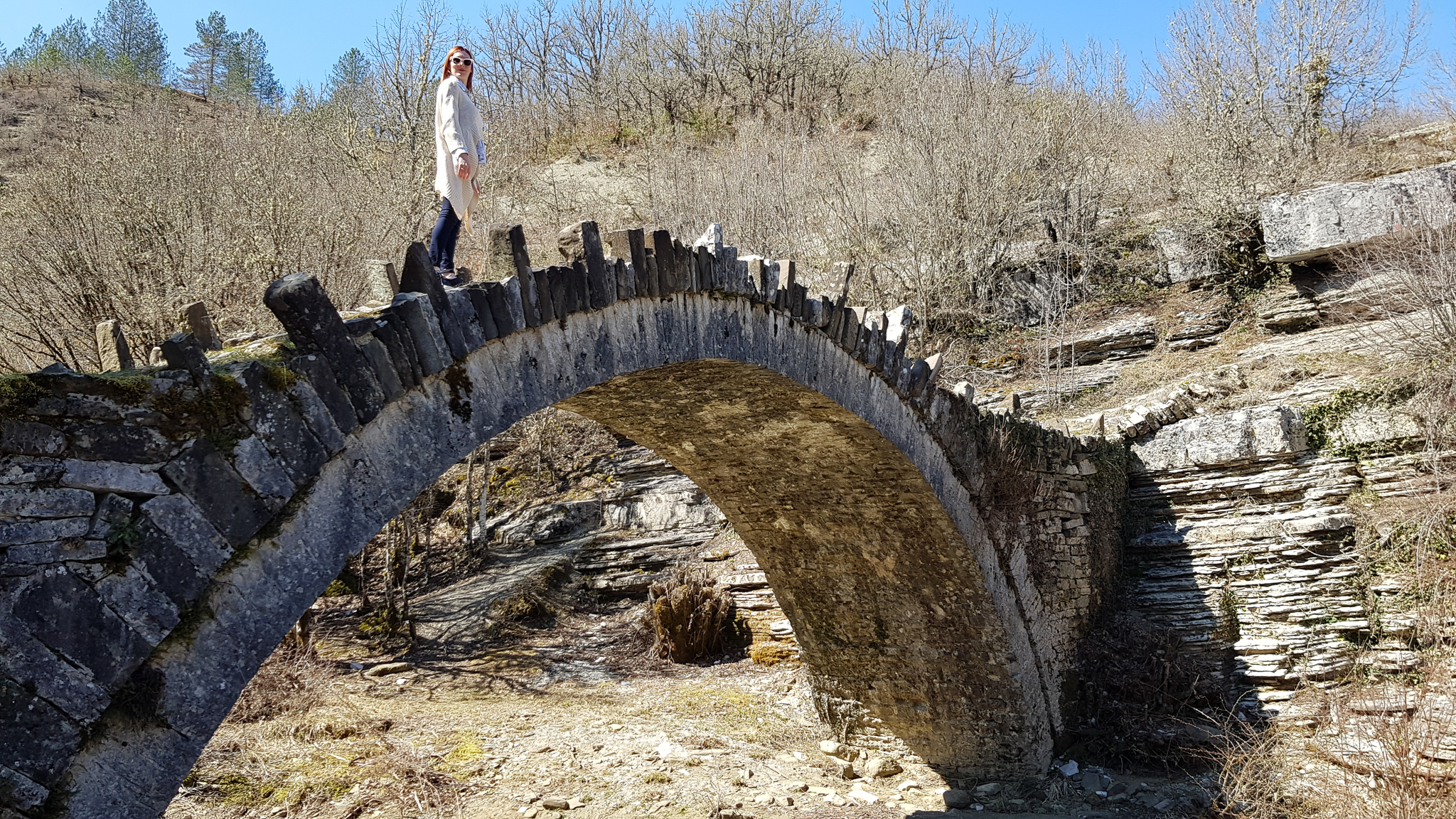
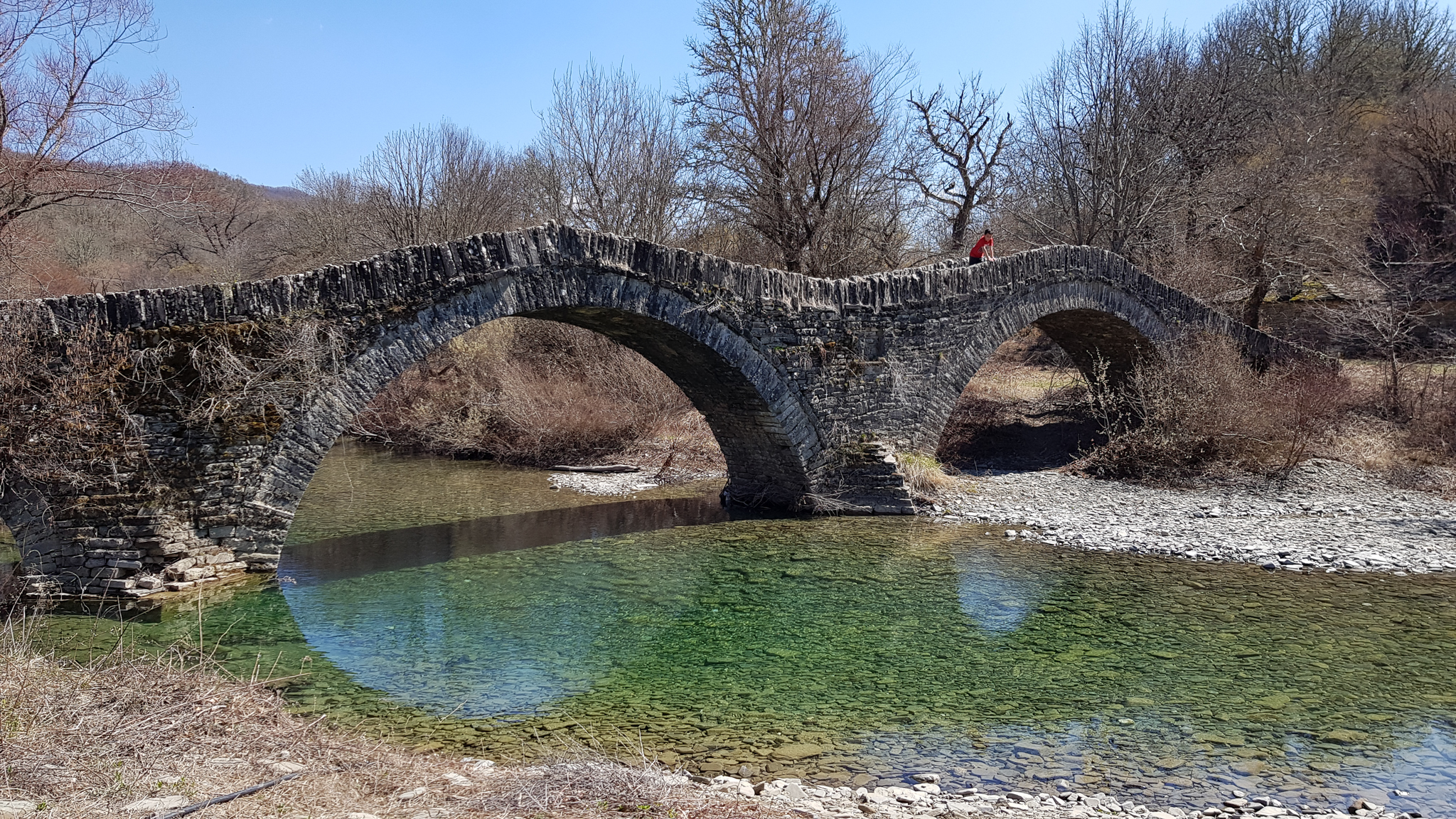
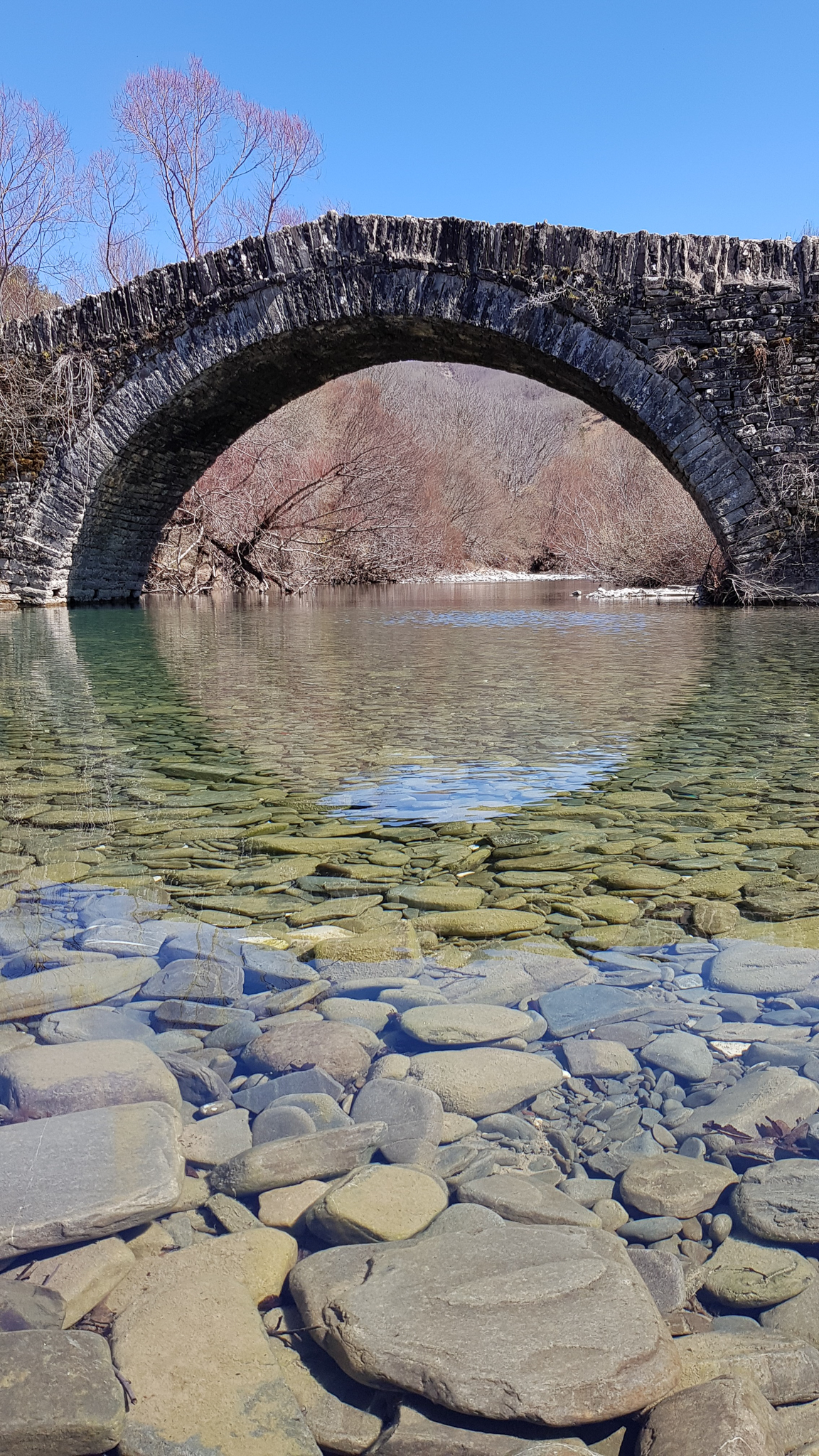
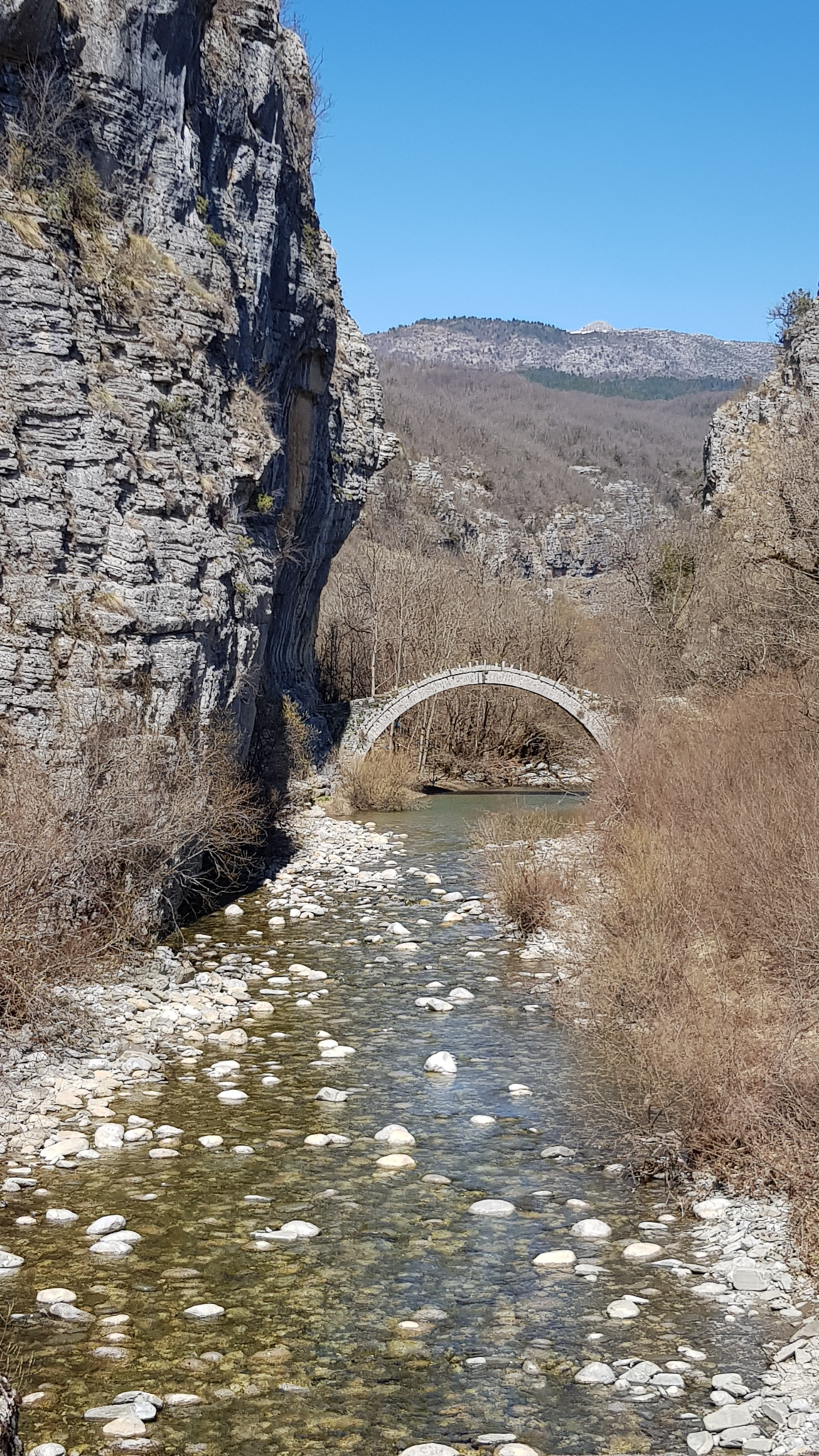
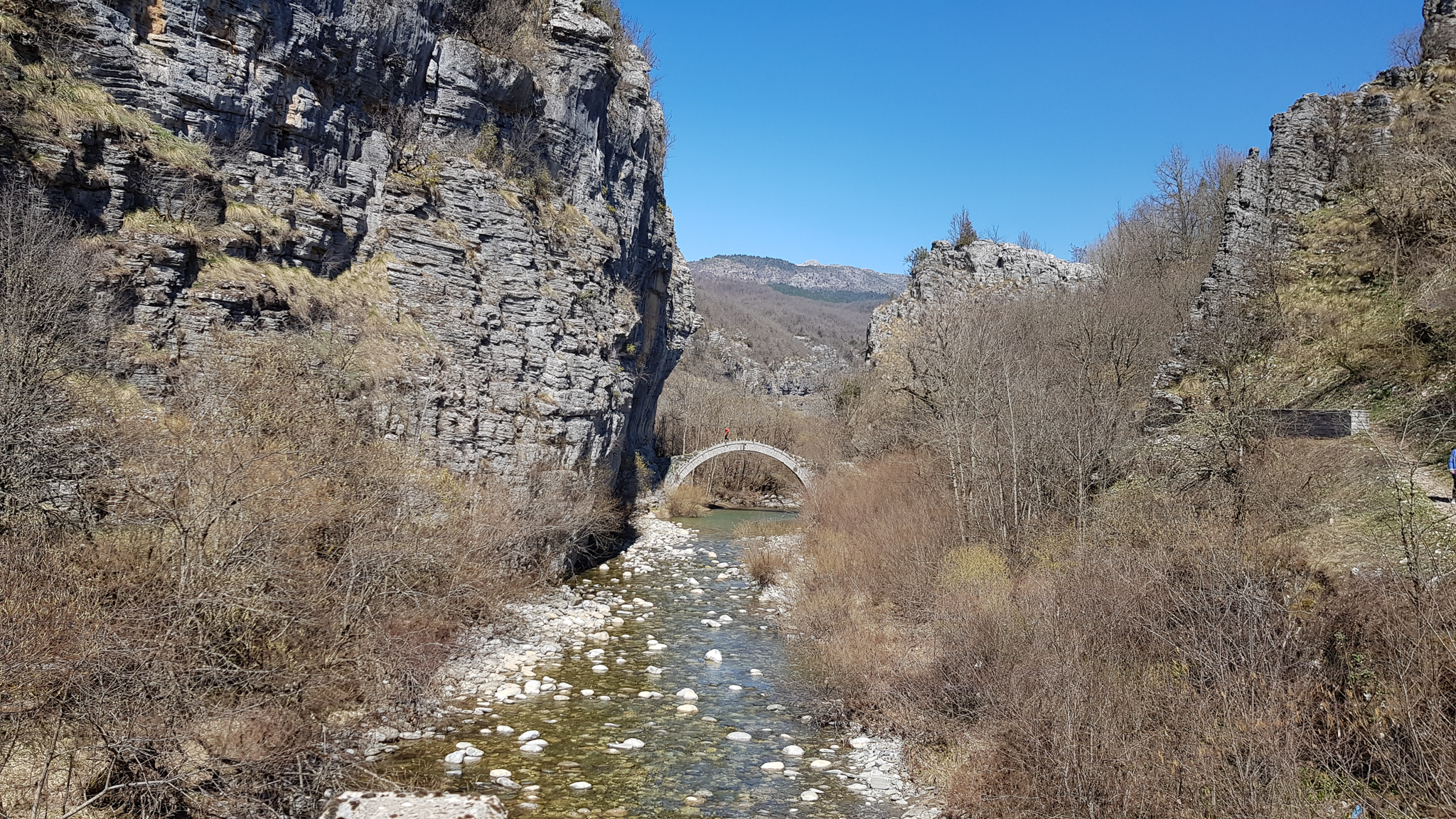
Then take the road to TsepelovoOn the way and shortly after Kapesovo you turn towards Vradeto and you will see the sign Skala VradetosThere you will stop and gaze upon a stone path (staircase) on the opposite hill that connected Vradeto with Kapesovo until the 1970s! If you want to walk it, you will need over 1 hour to cover the 1200 steps and the path.

From there there are two alternatives: The first is to go by car to Vradeto park it at the end of the village and continue on foot along a passable path, about half an hour, to the location BeloiThere you will see the Vikos Gorge from another side. The gorge is crossed by the Voidomatis, the cleanest river in Europe!

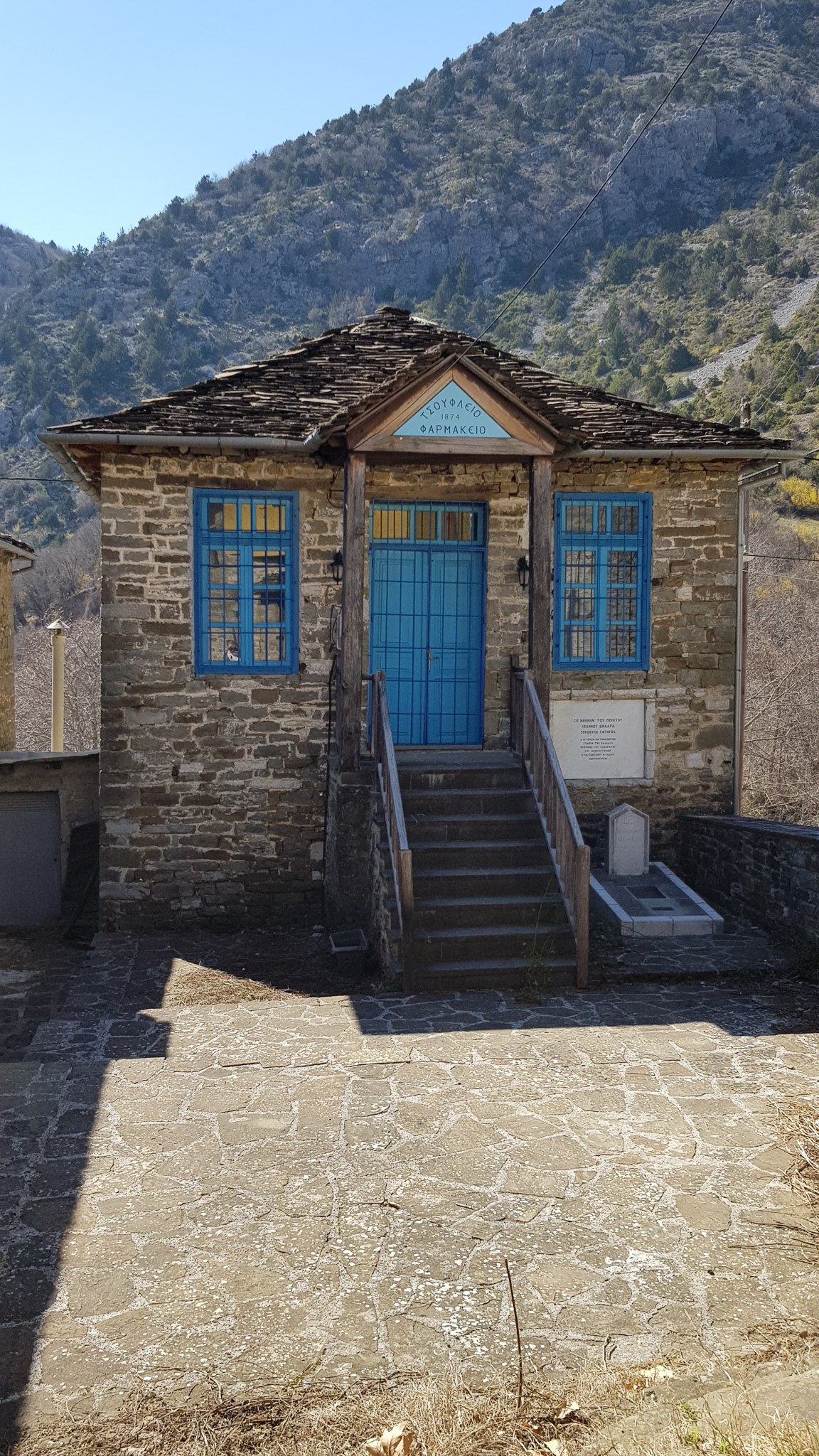
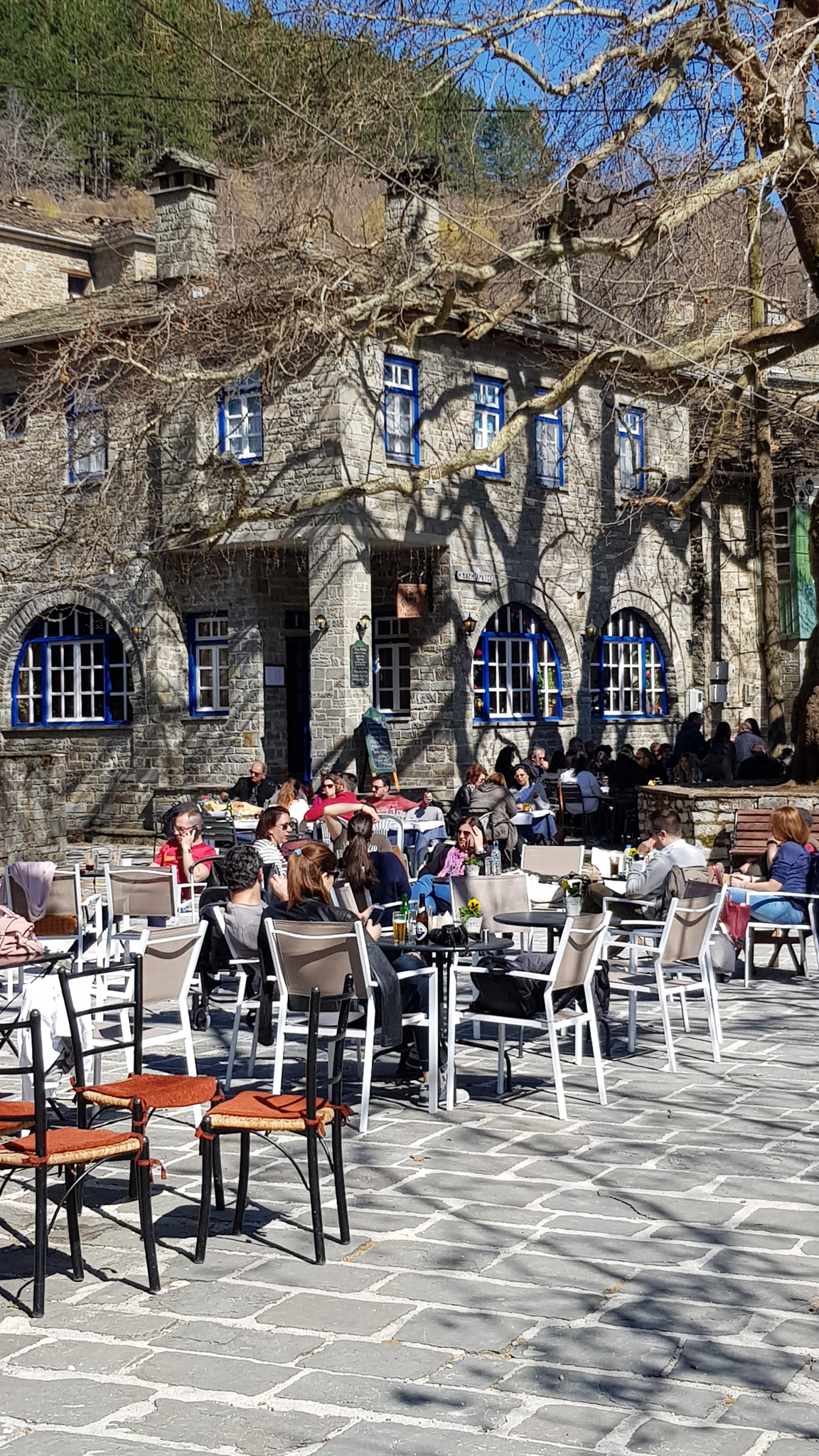
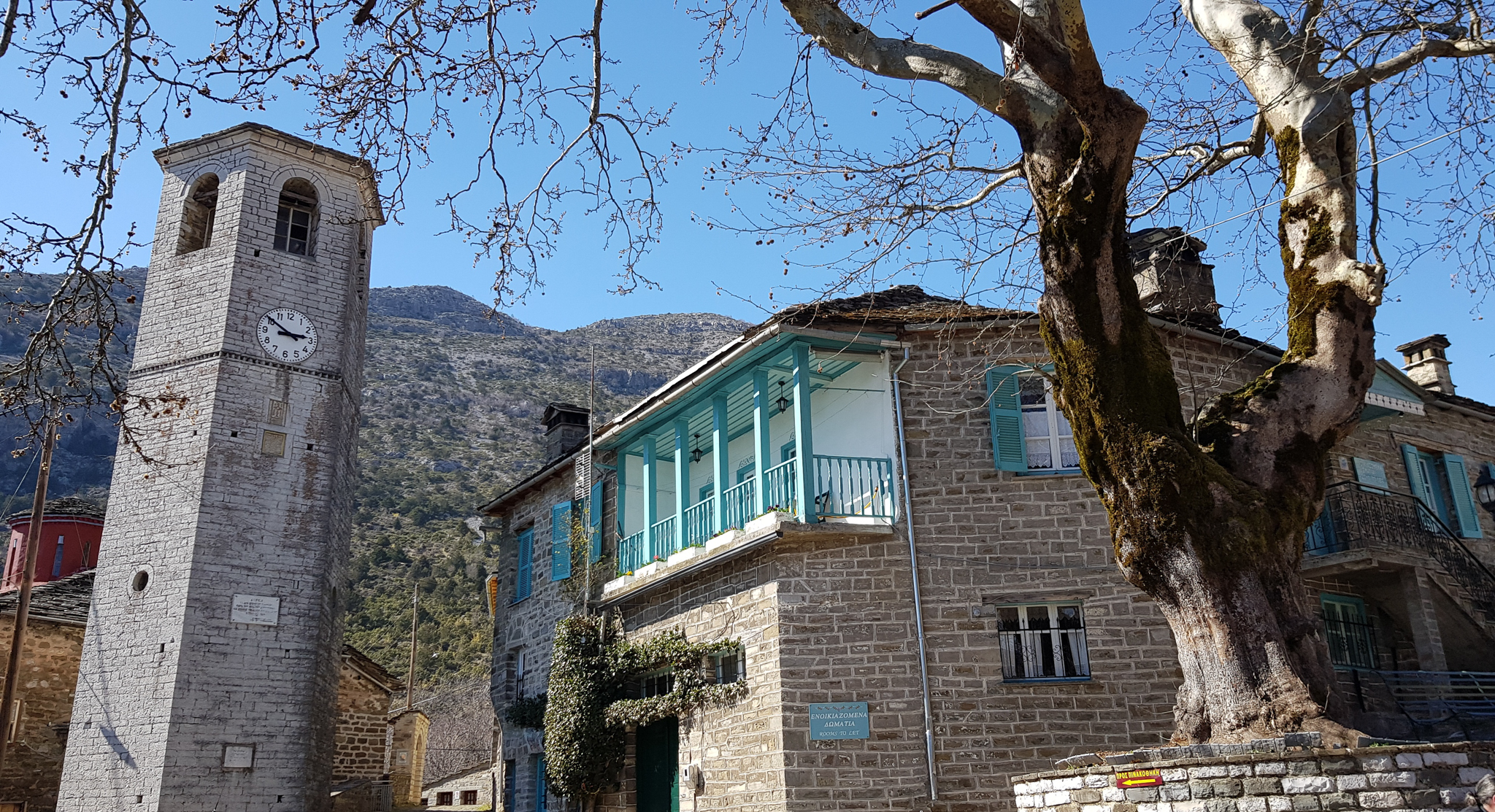
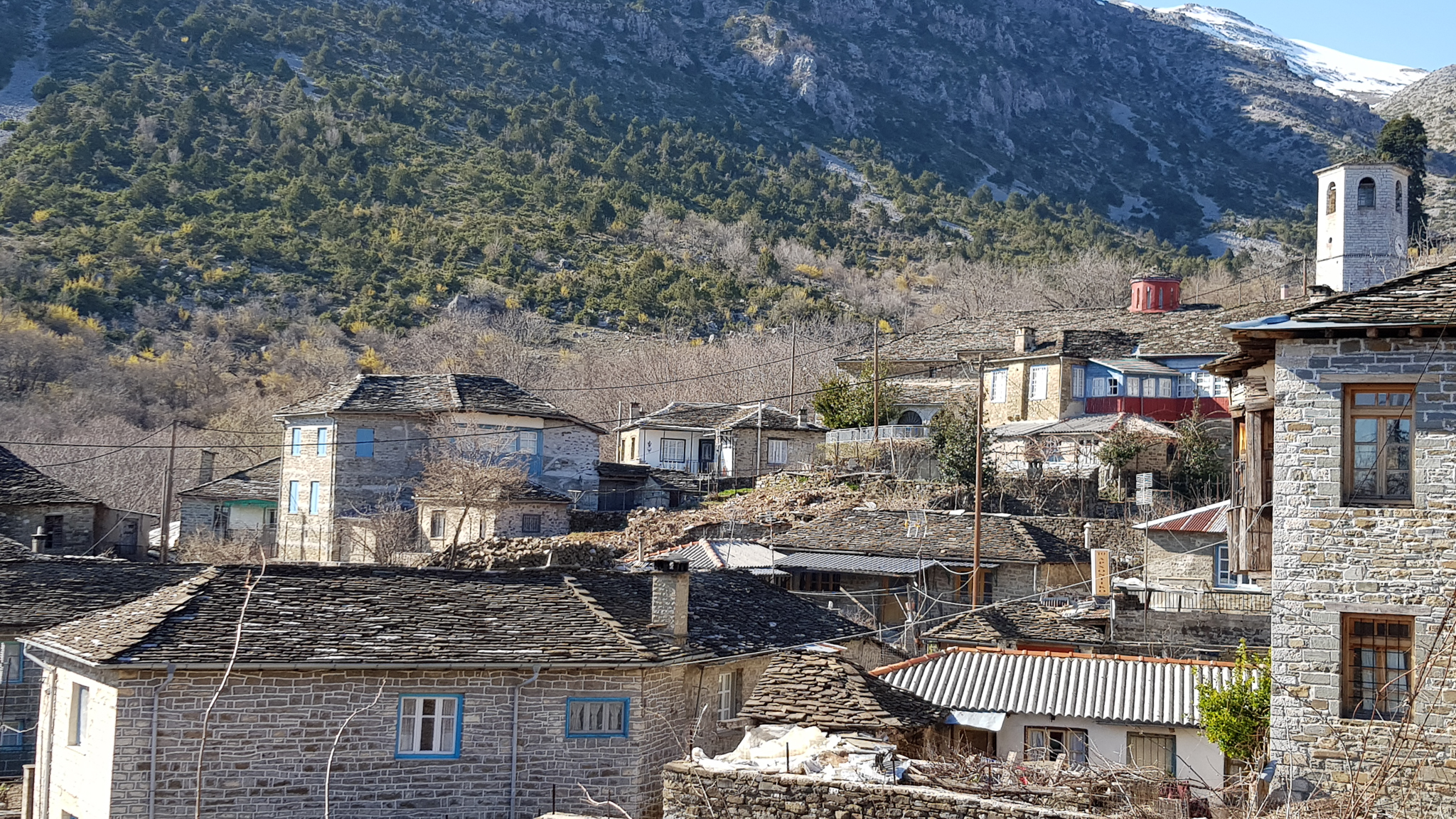
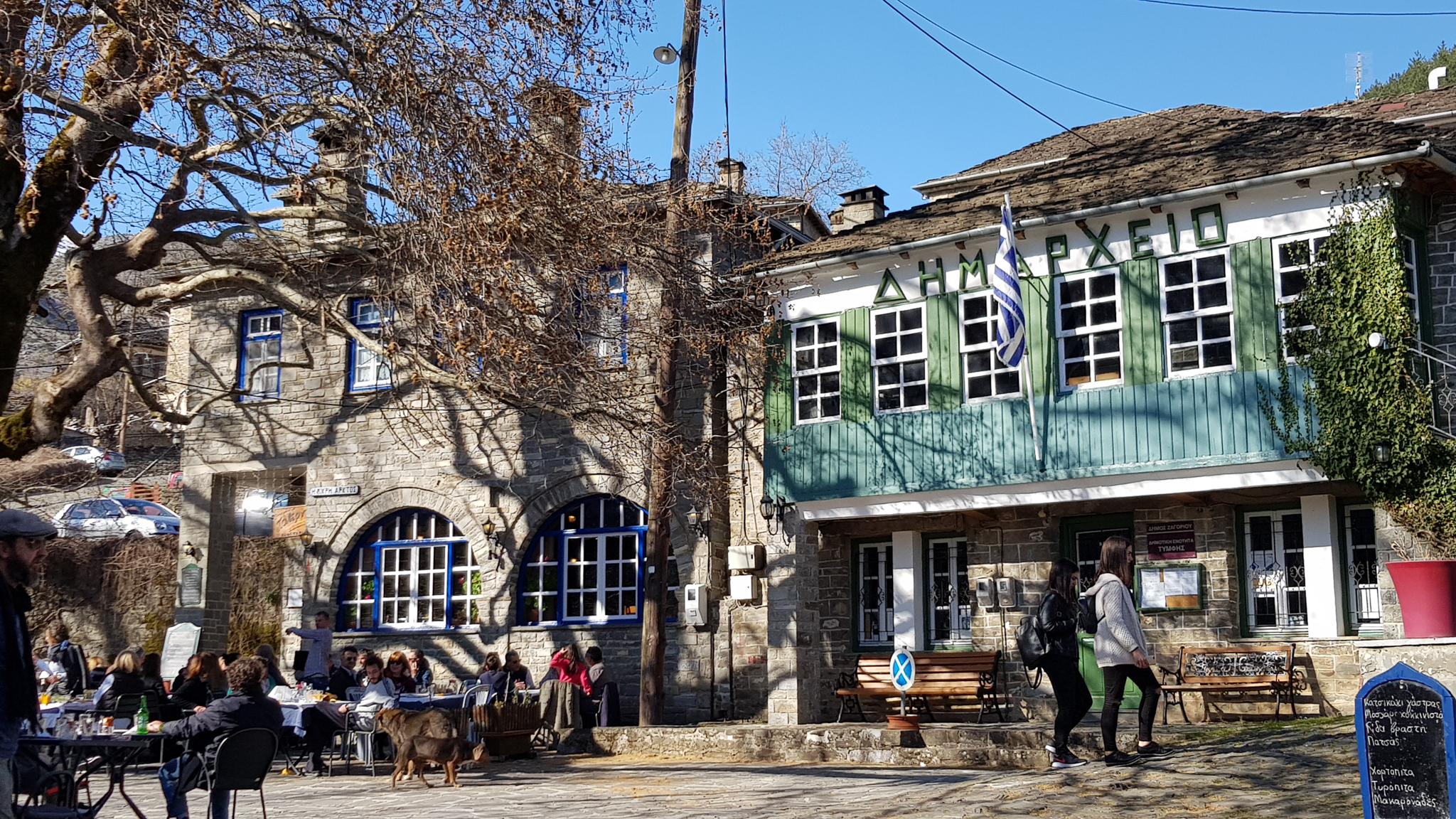
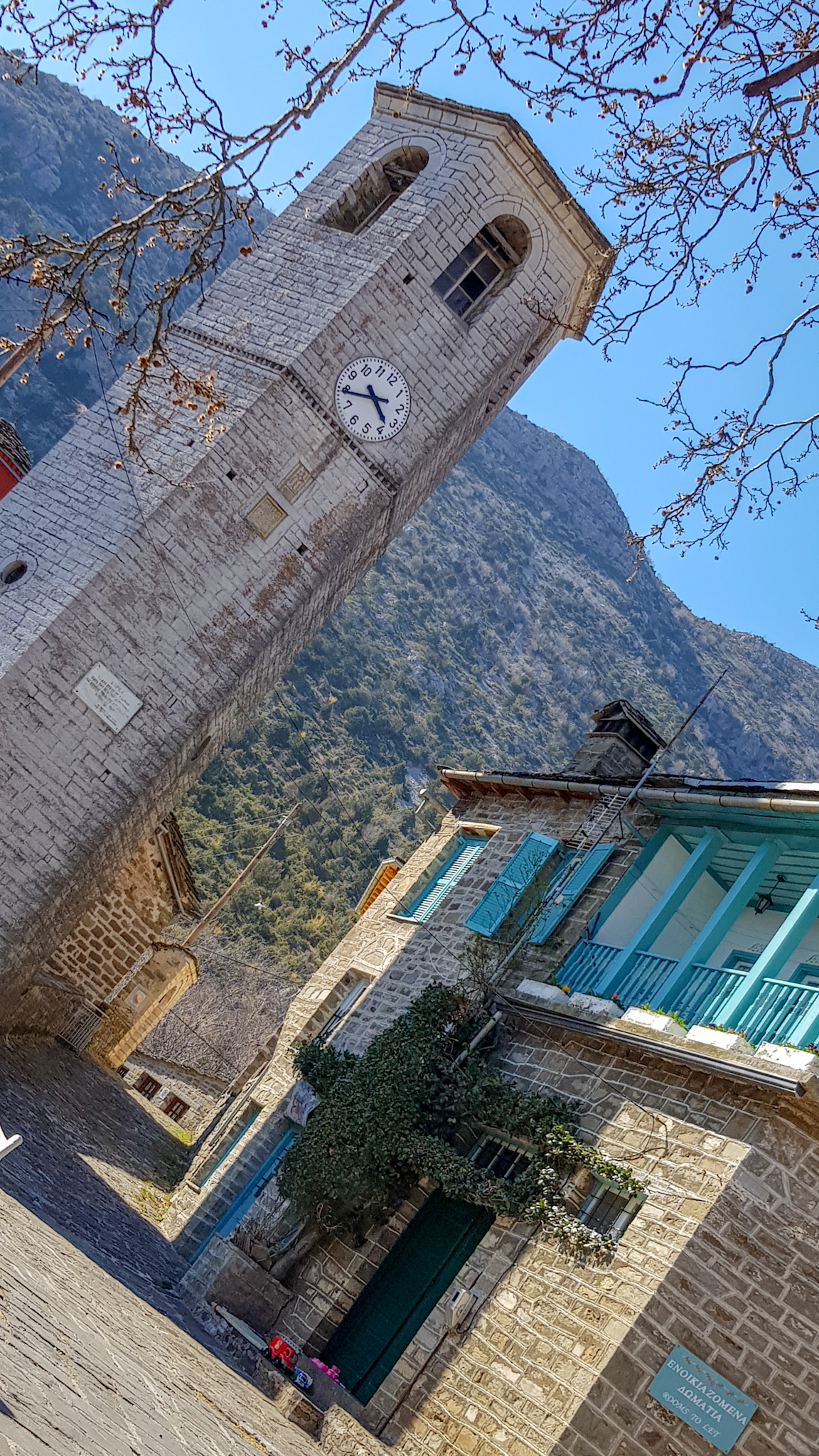
The other alternative is to continue for Tsepelovo. Tsepelovo is the largest and most populous village of Zagori. Here you will walk to admire the traditional stone architecture in combination with the natural landscape. Enjoy your coffee and local traditional products in the beautiful village square. Nearby is the church of Agios Nikolaos, which was renovated in 1753 and its hagiographies are the work of the famous Kapesovite hagiographers. Right behind the church is the Tsouflio pharmacy, founded in 1874 by the national benefactor Anastasios Tsouflis, as well as the tomb of the poet Ioannis Vilaras.
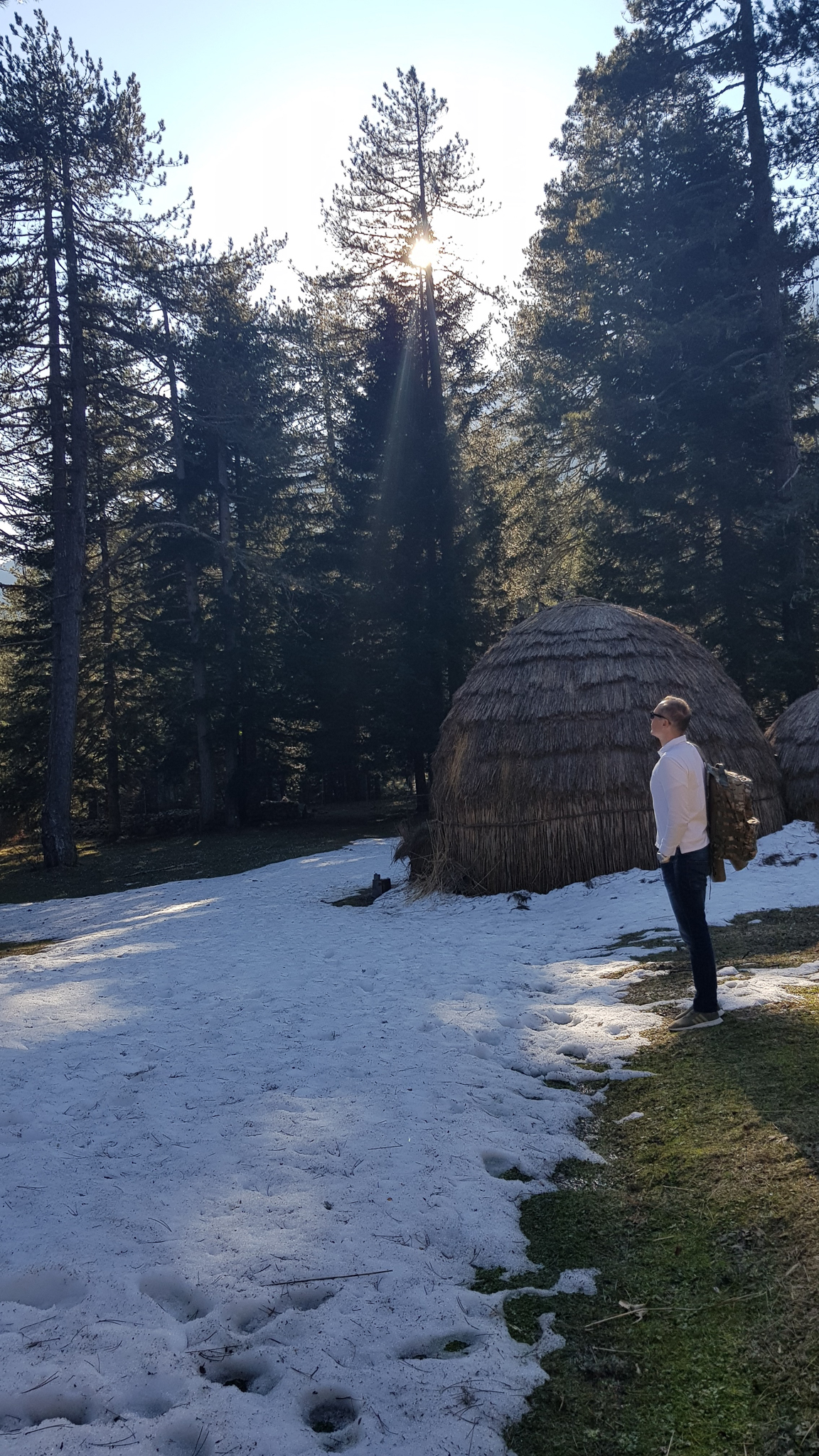
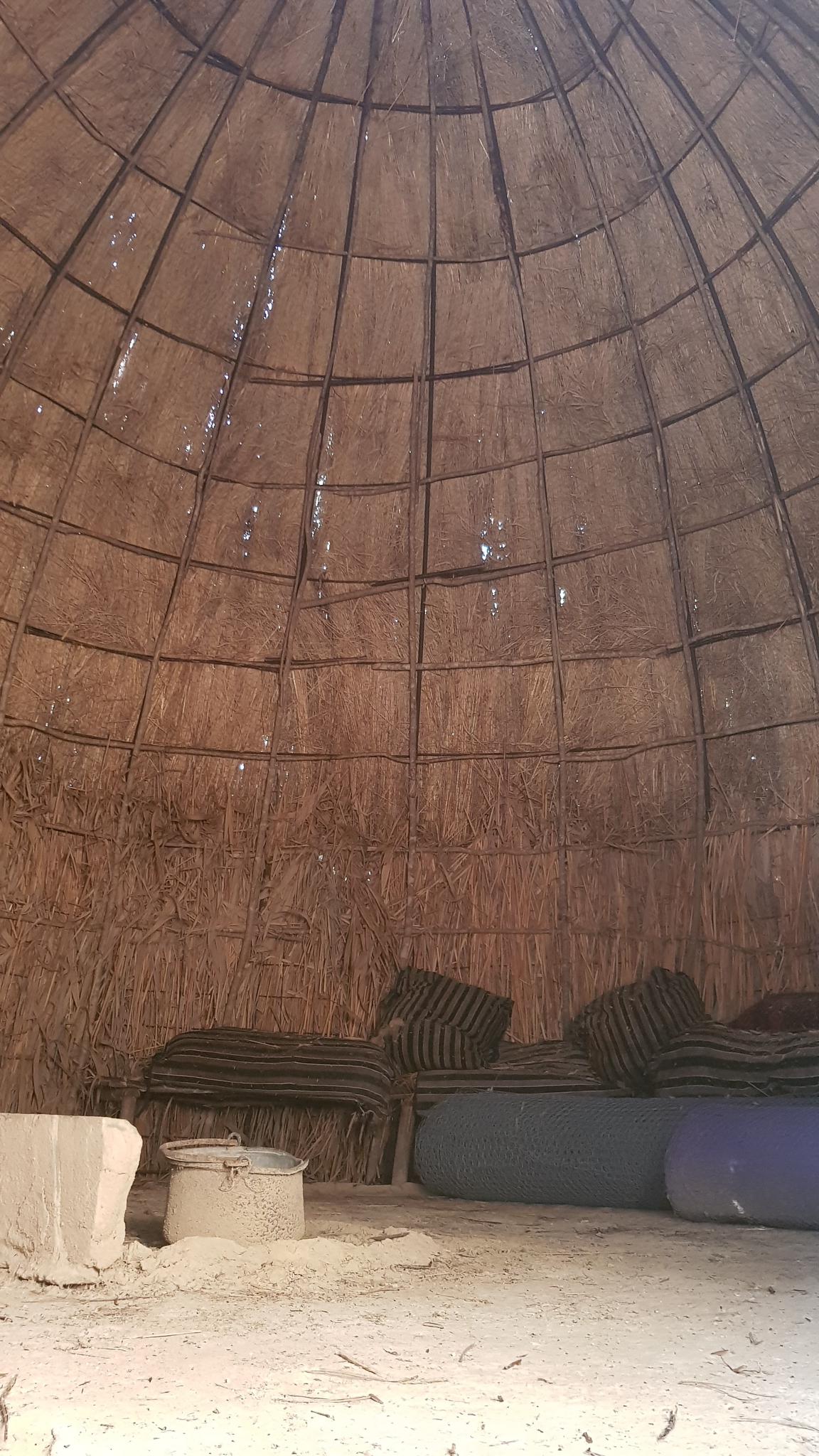
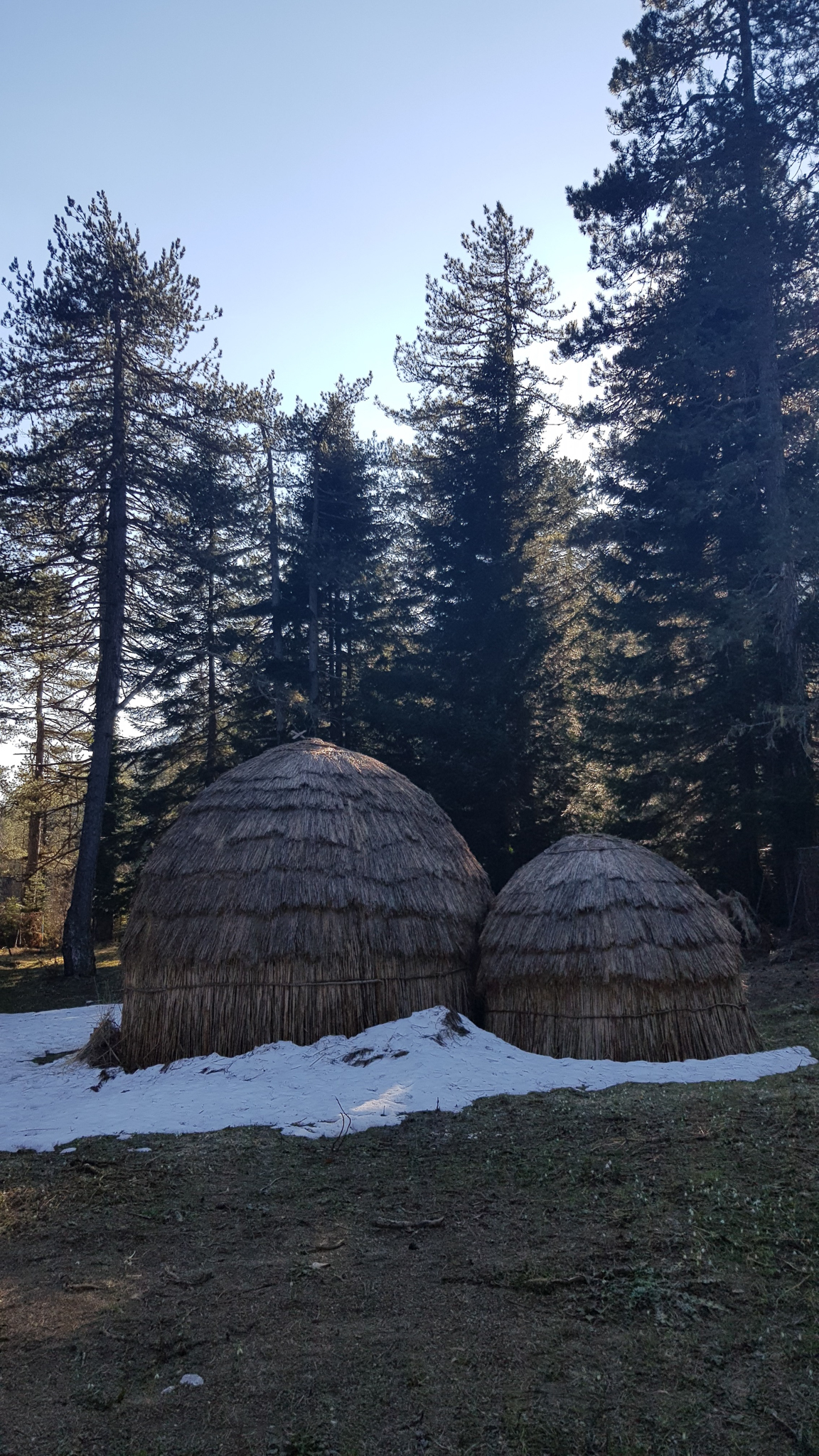
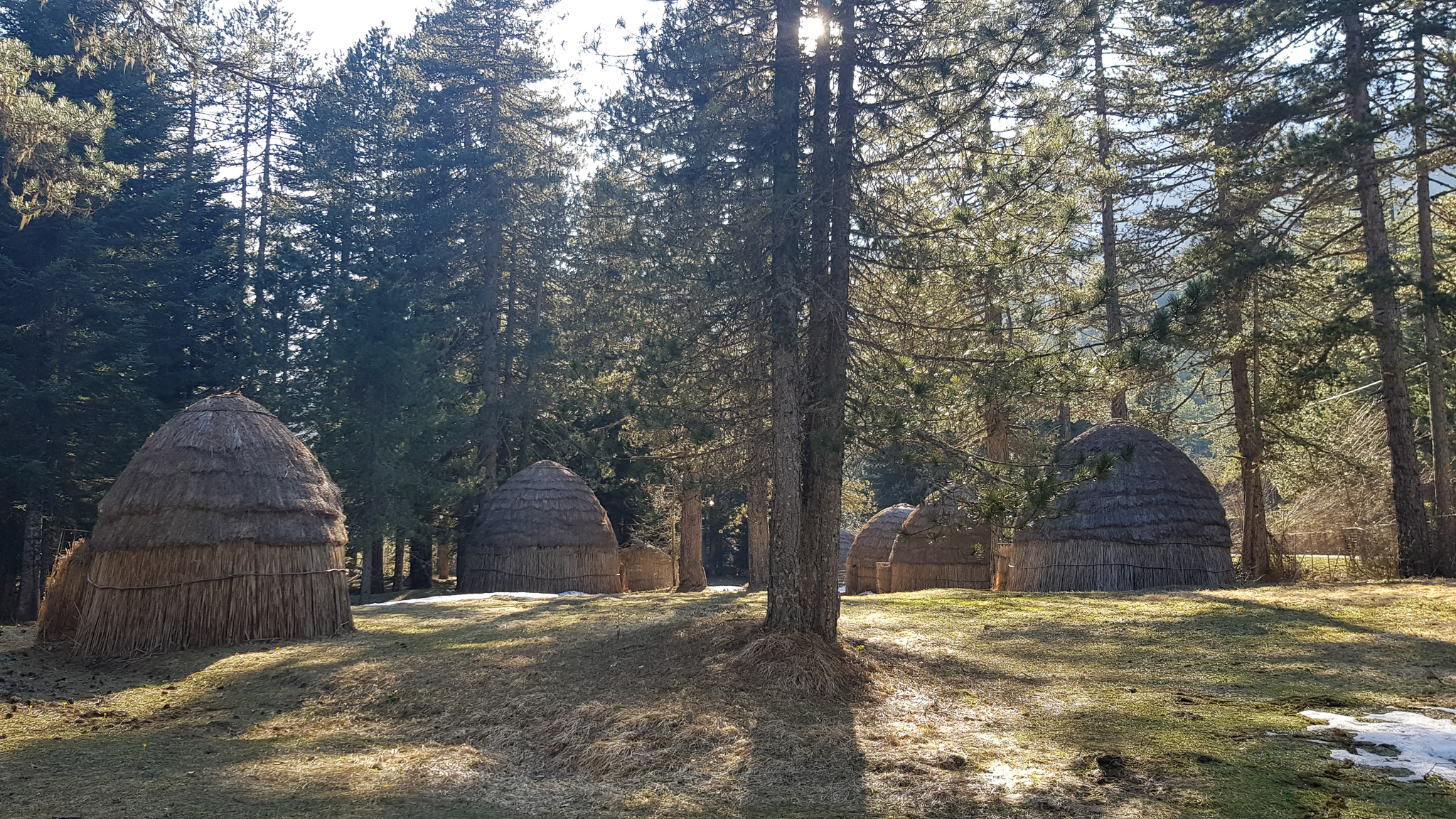
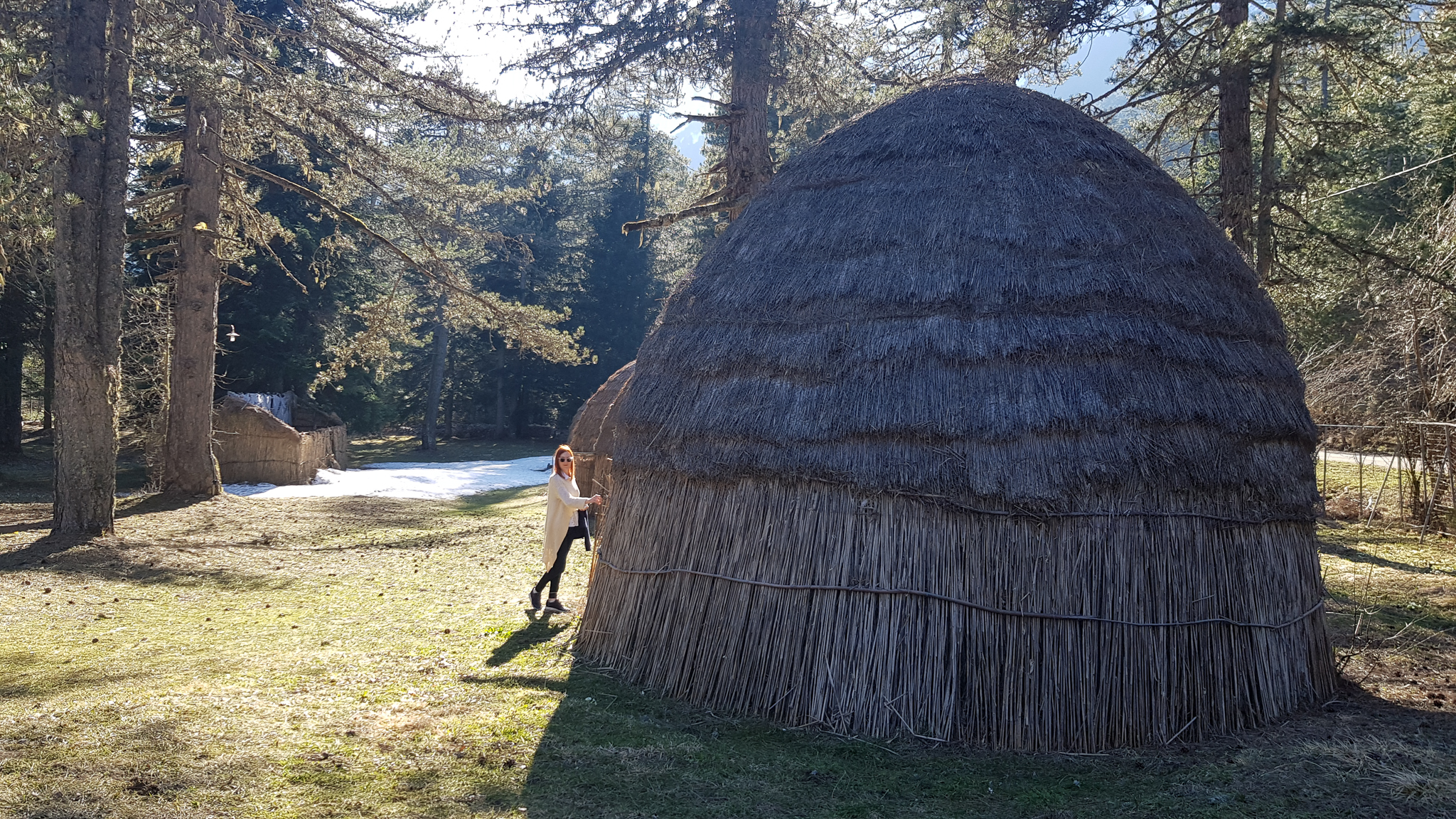
A 20-minute drive from Tsepelovo is the Gyftokampos area and the Sarakatsani SheepfoldIn an area full of fir trees, pine trees and running water, seven huts - houses of Sarakatsanai livestock breeders operate as a museum space and represent the old way of life of the nomadic livestock breeders. The area is undoubtedly worth your visit, while a tavern - refreshment bar operates in the area.
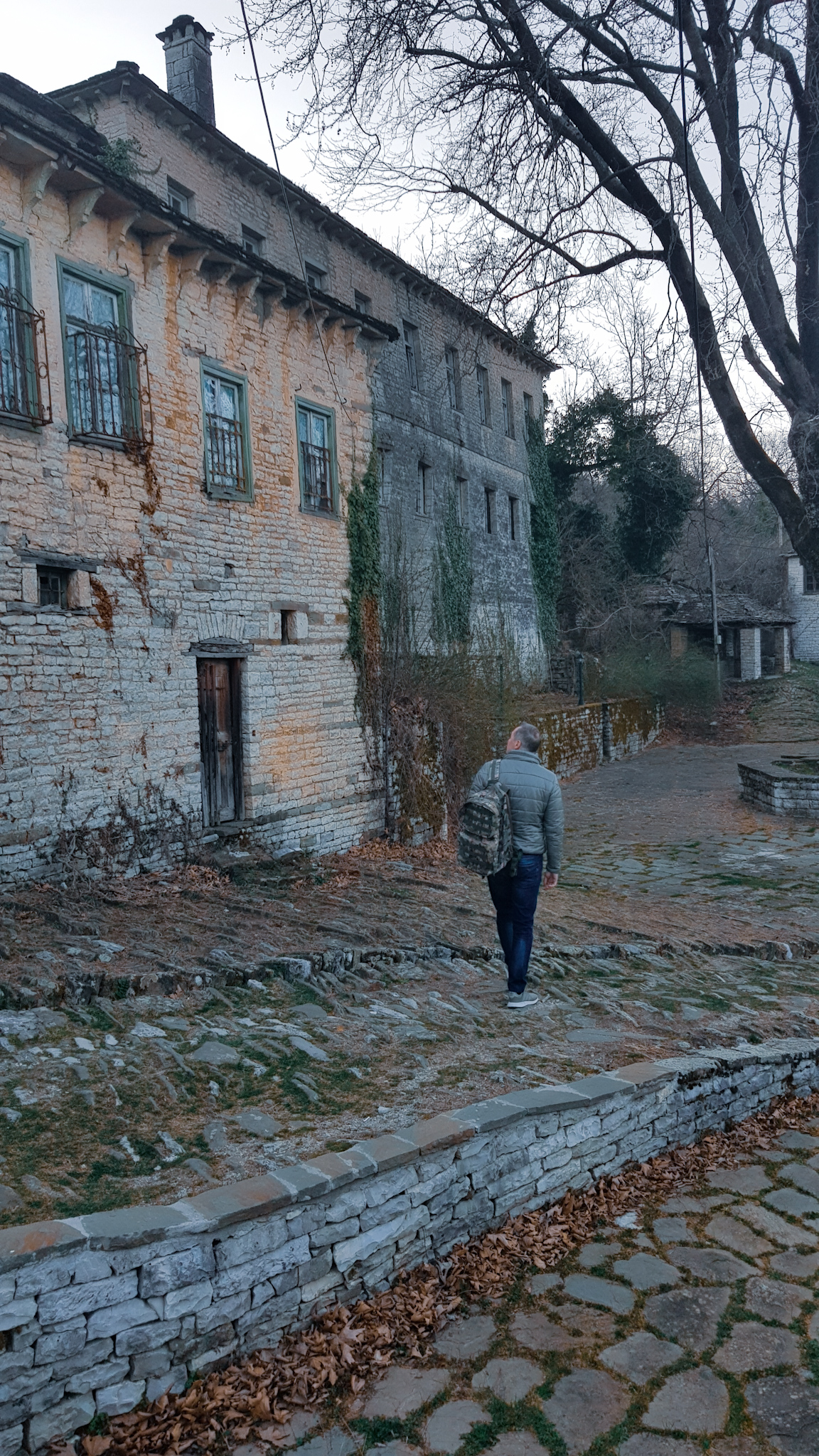
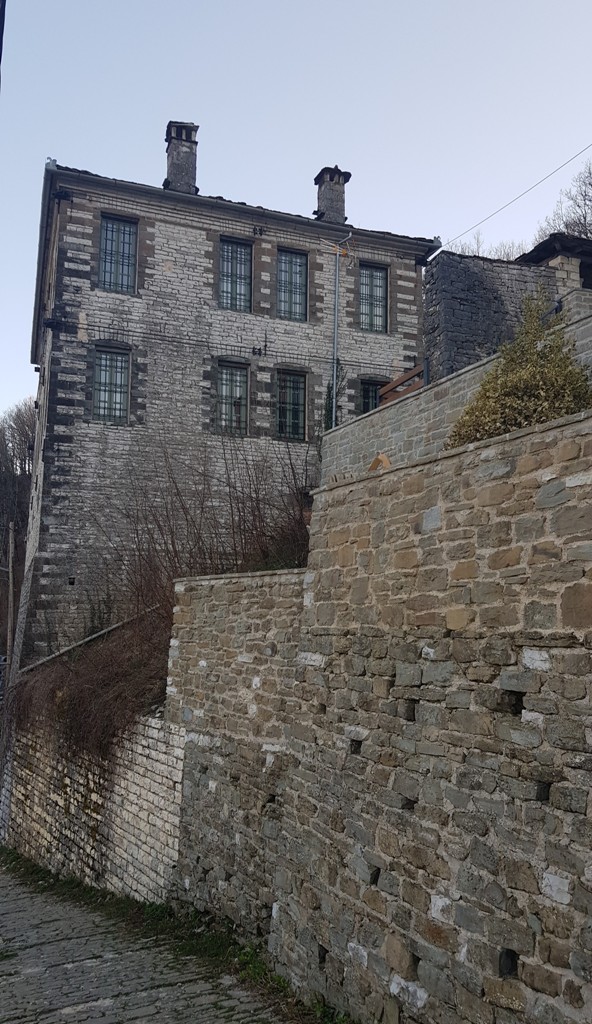
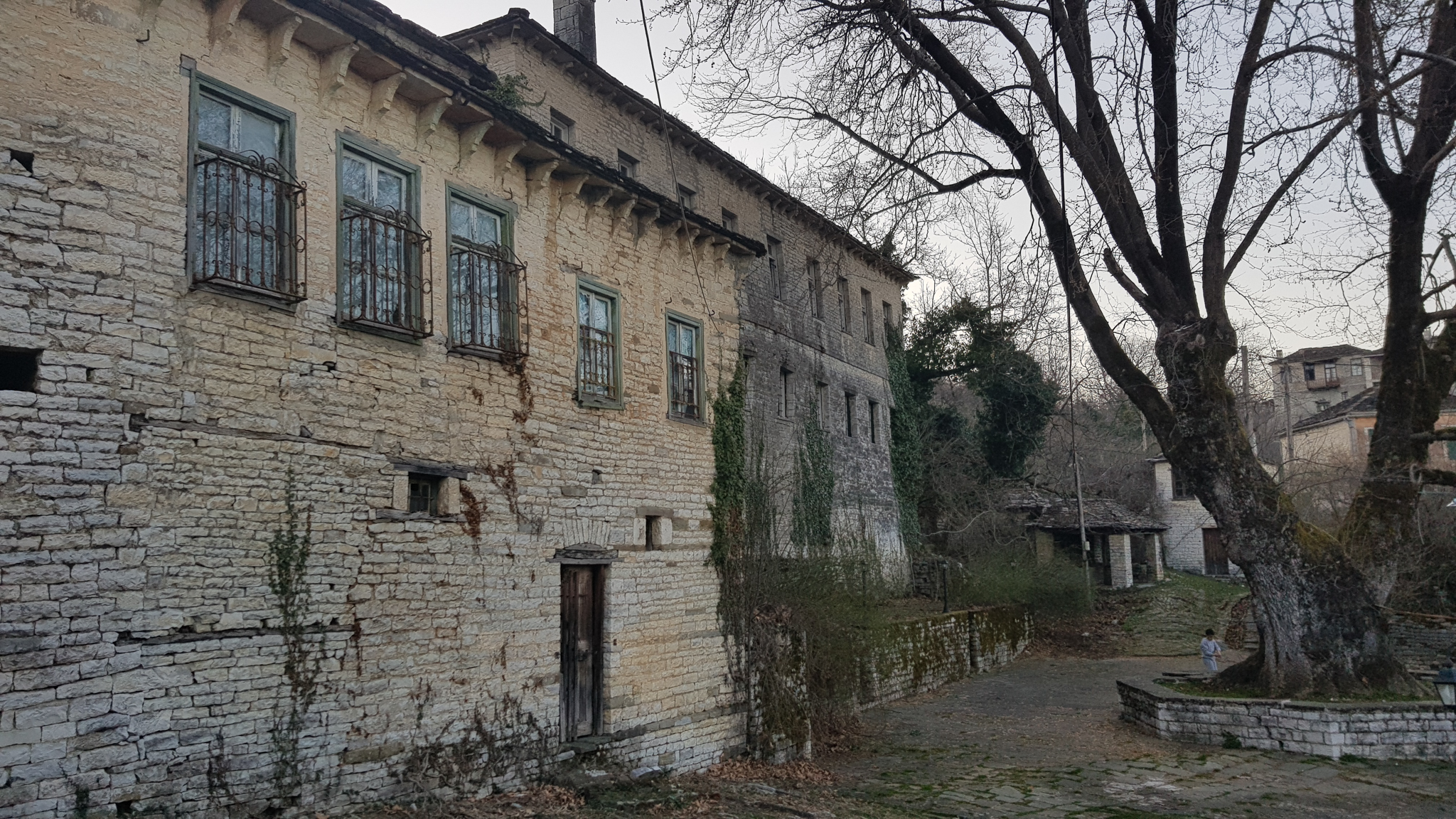
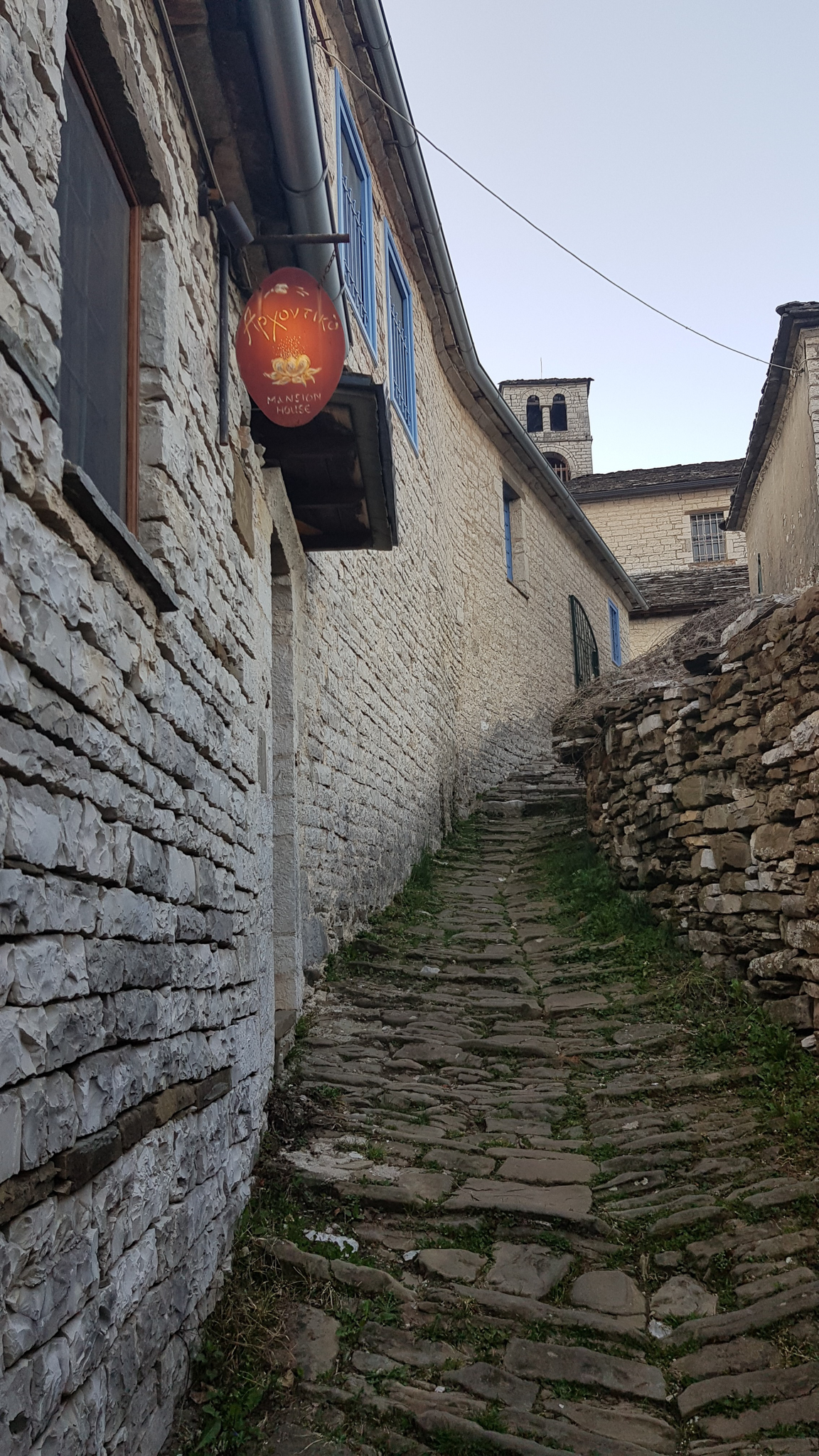
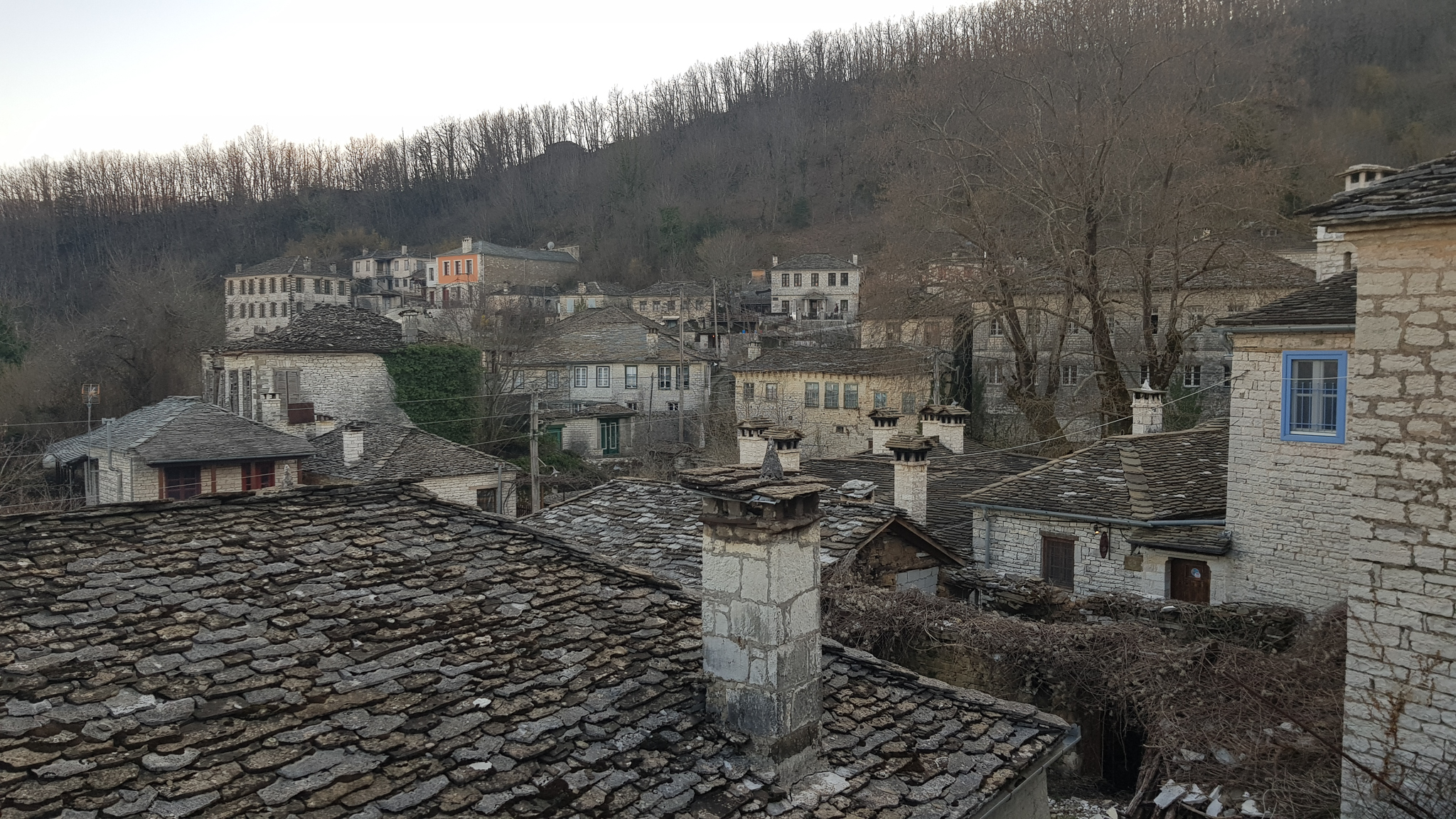
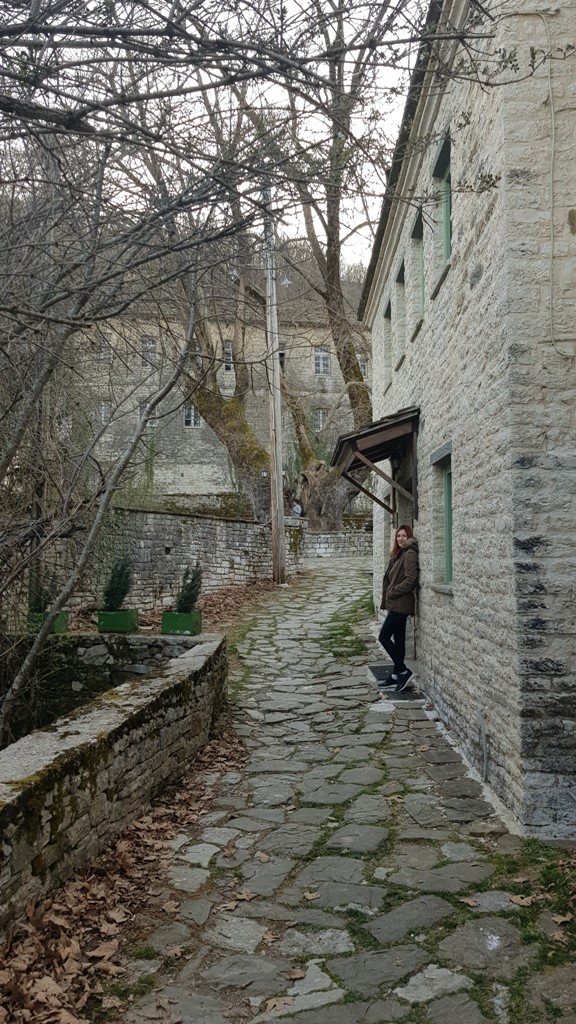
Last stop of the day on your way back Dilofo. This was perhaps our favorite village in Zagori. Cars are not allowed in the village, which has allowed it to retain its authentic identity. We suggest you “get lost” in its well-preserved cobblestone streets, see the Markopoulos mansion (the tallest building in Zagori villages) and the other stone-built “diamonds” of the village, which is a listed settlement according to the Ministry of Culture. For your dinner, you will choose the excellent tavern “Stone of Takis". We have no words to describe the delicacies we tasted, the local, well-selected ingredients and the flavors that danced on our palates!
3or day
Today, the most famous villages of the region are in order. Aristi is located on the borders of the Vikos - Aoos National Park and is the entrance to the core of the Park. Beyond the walk in the village, you will stop at the Aristi bridge, from which a route begins for rafting on the Voidomatis River but also a wonderful walk in the plane tree forest next to the river.

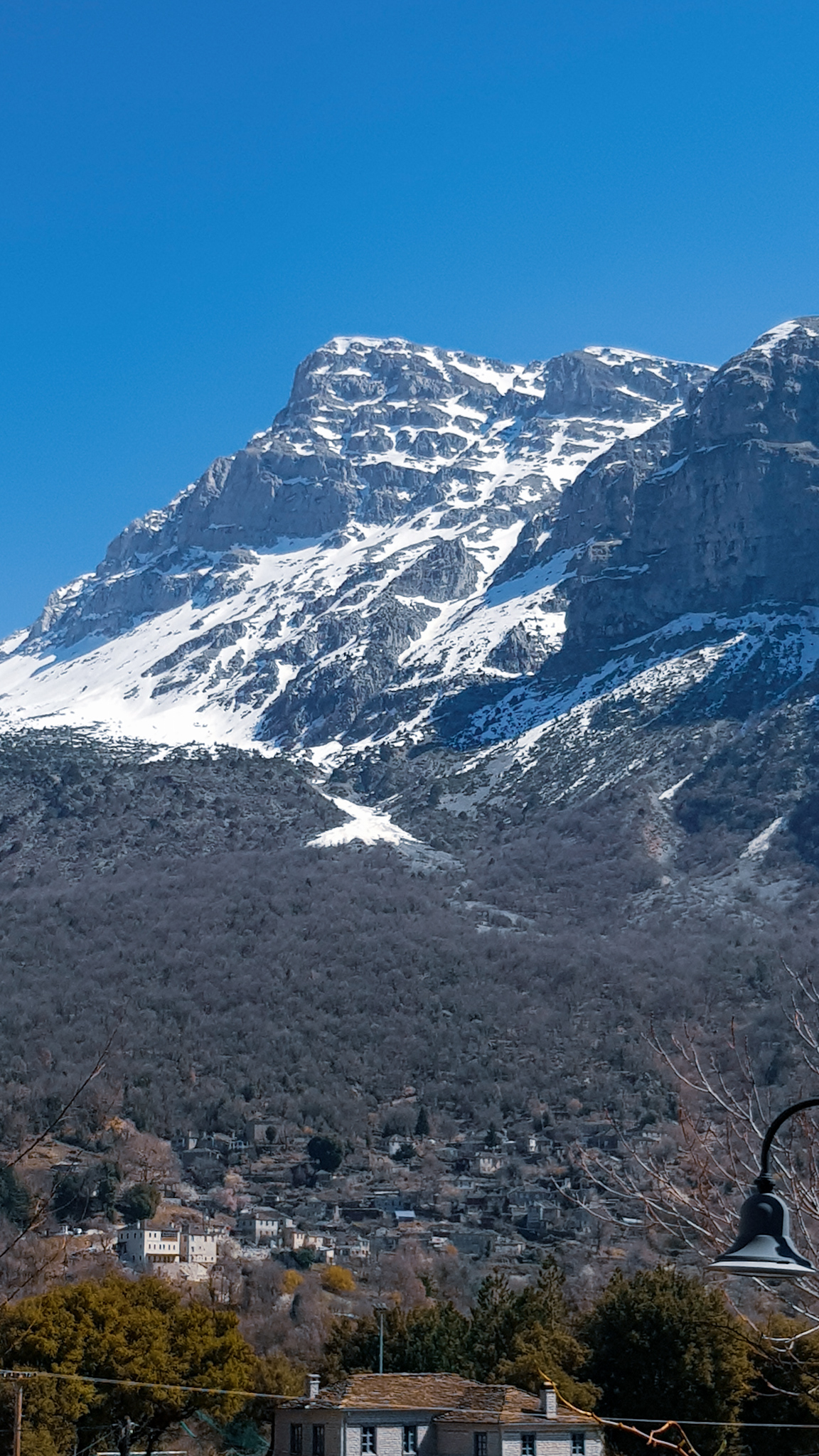
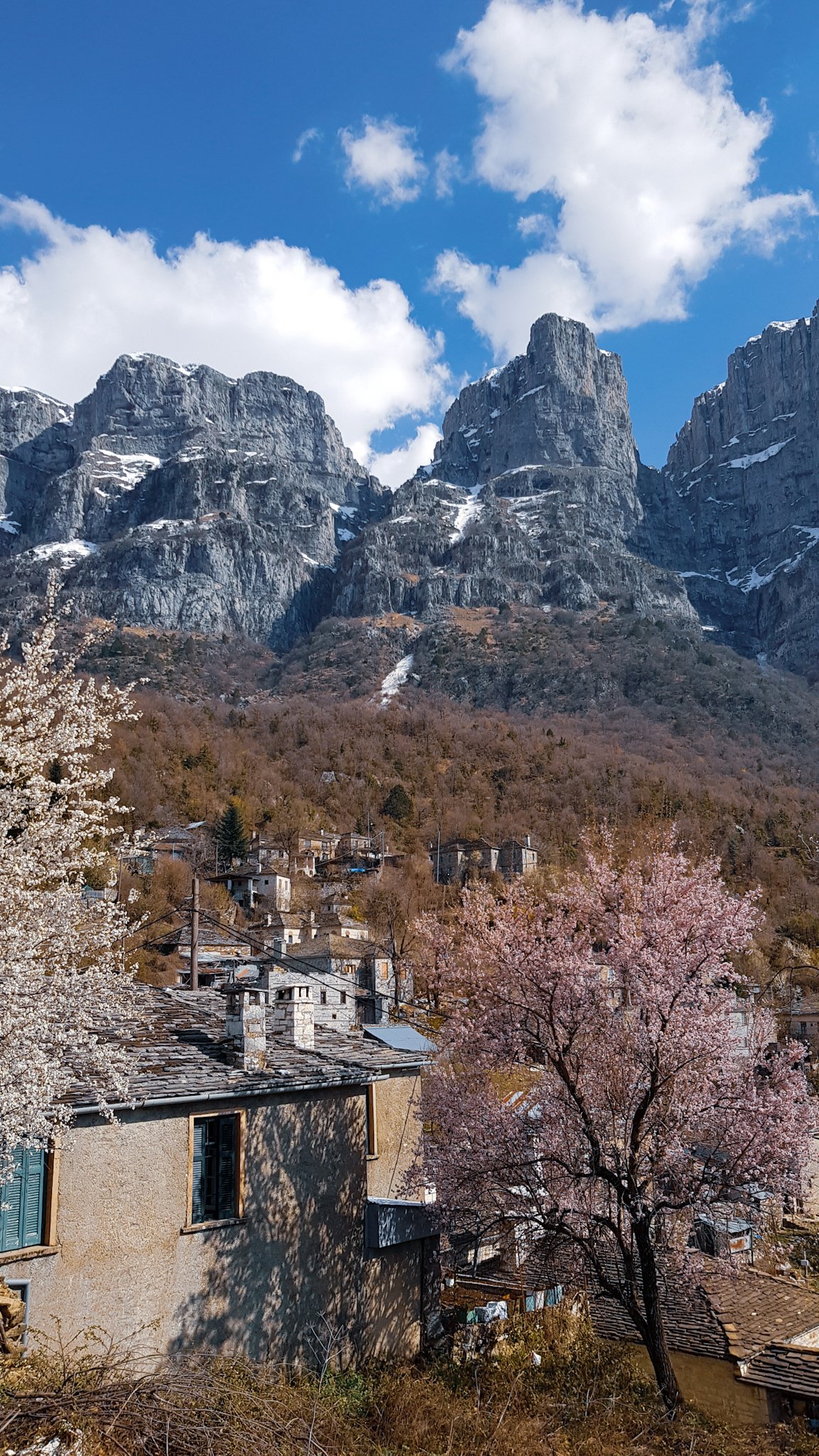
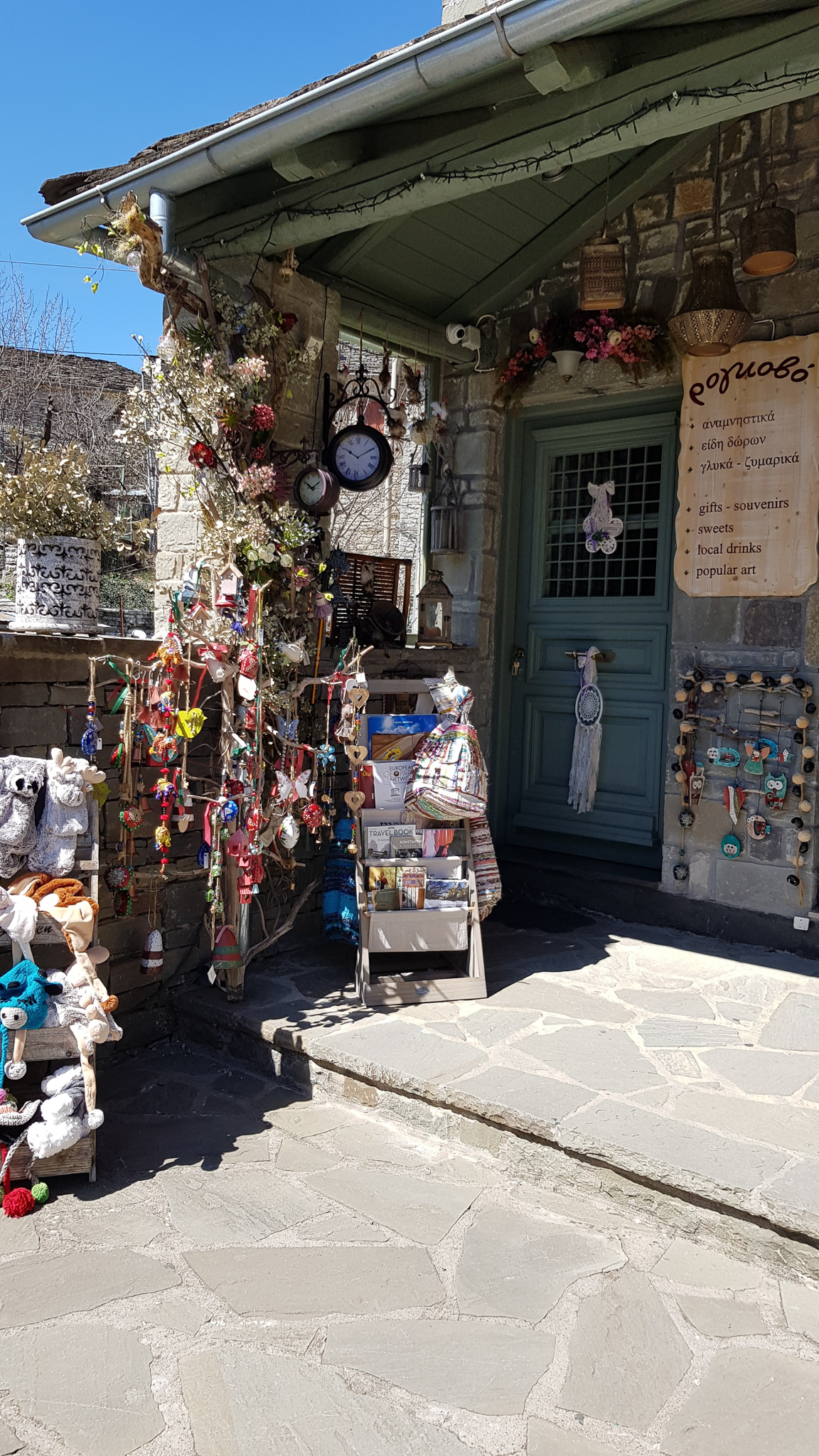
Next stop is Big Papigo. The church of Agios Vlasios with its hexagonal bell tower welcomes you to the village. Traditional architecture is found in every corner. No matter which side of the village you find yourself on, the imposing Towers of Astraka (Mount Gamila) will captivate your gaze. You don't see this landscape often, so sit down and enjoy it with a coffee and a traditional dessert at Koulis' Cafe or in CisternAfter touring Papigo, don't leave without stopping by the fairytale "Rogovo", a beautiful shop with local products and souvenirs.
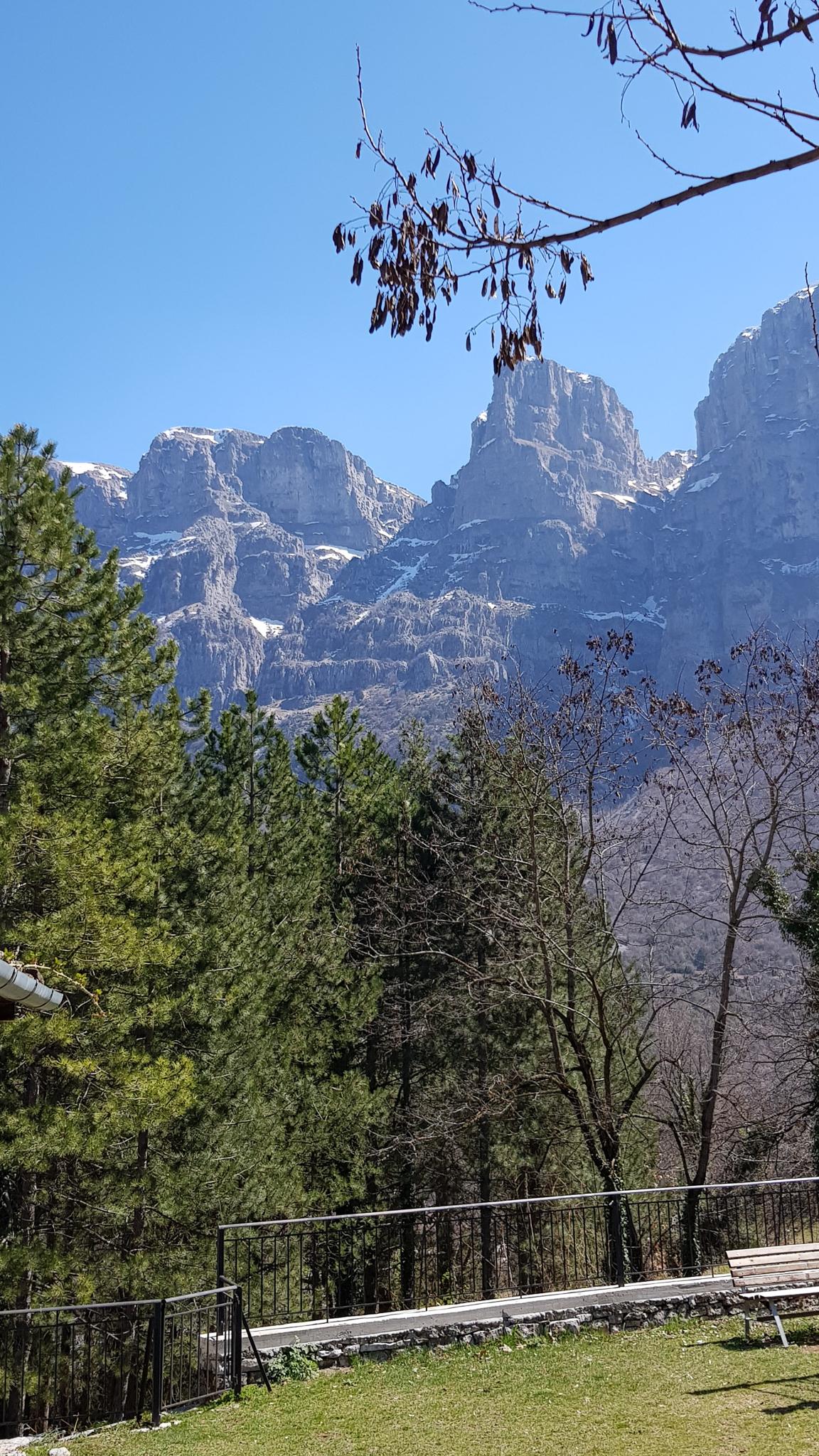
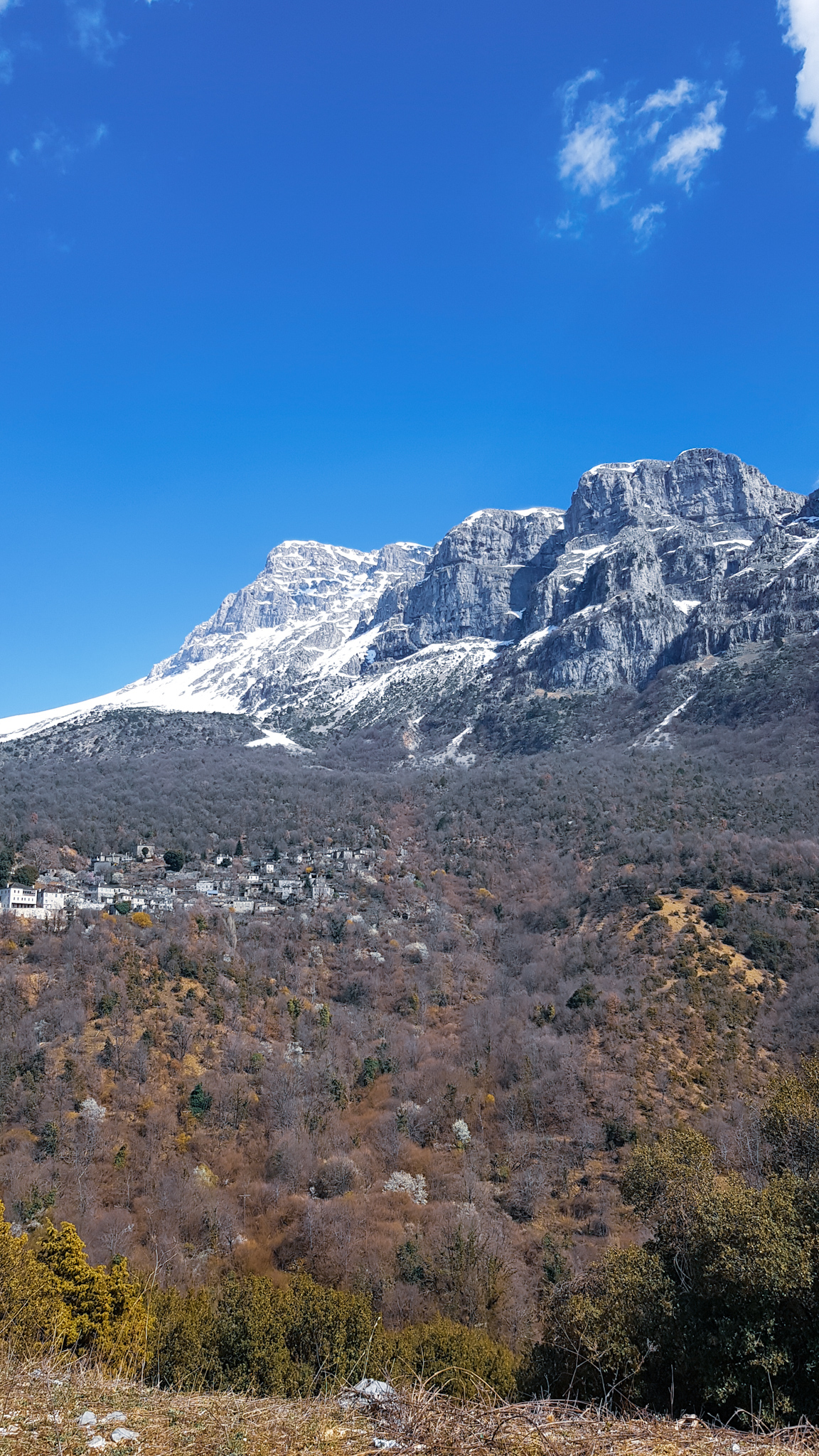
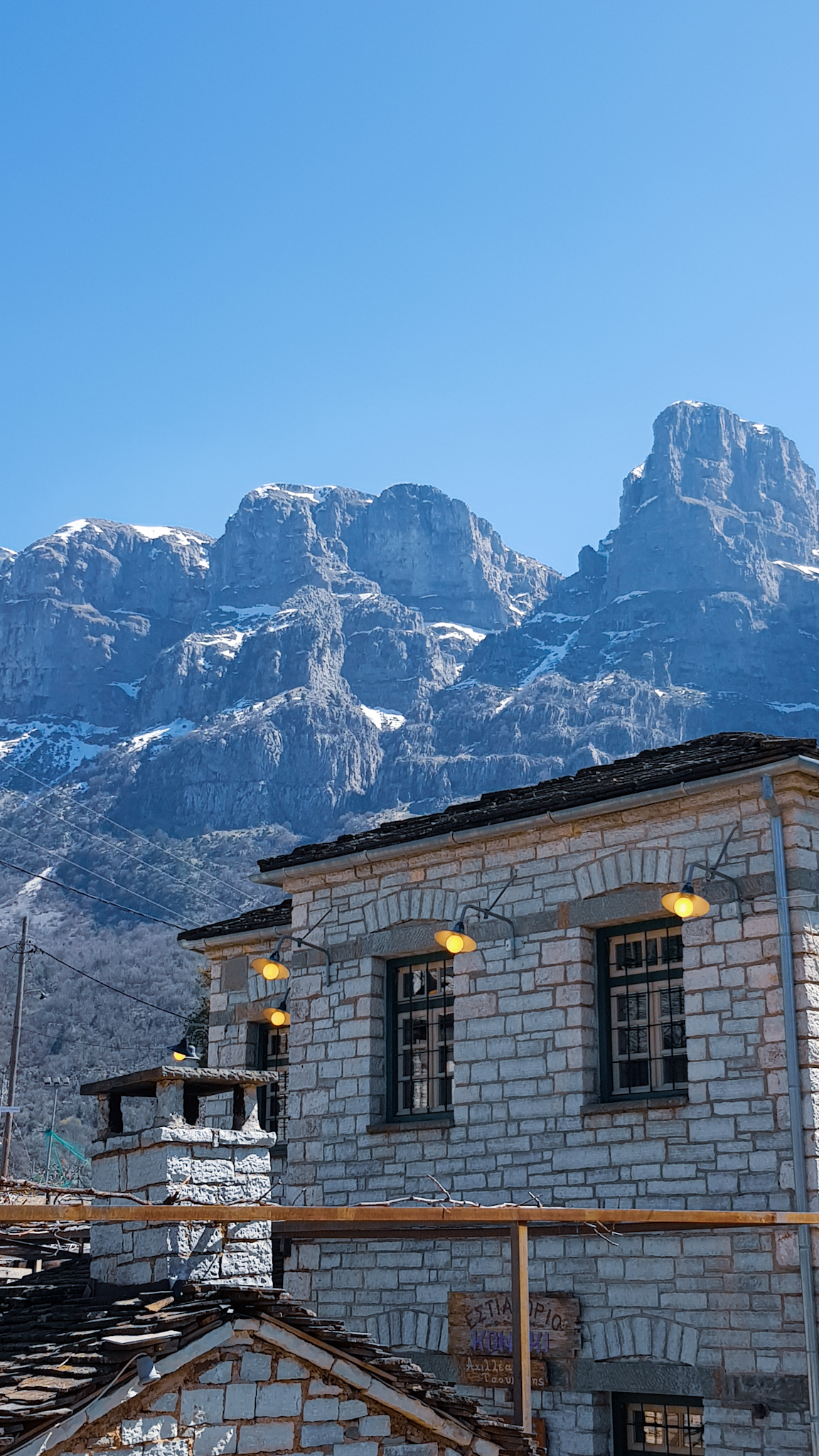
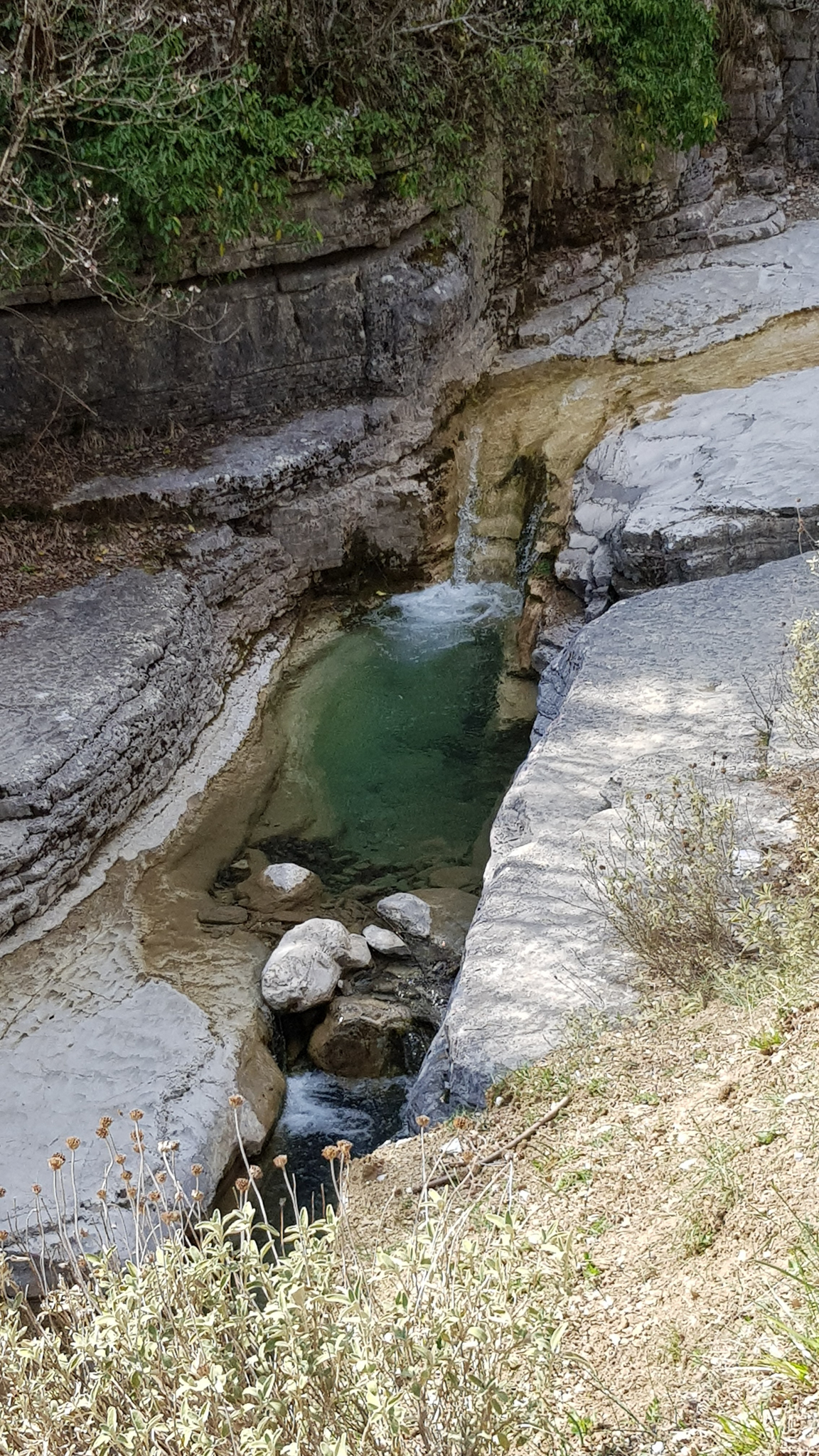
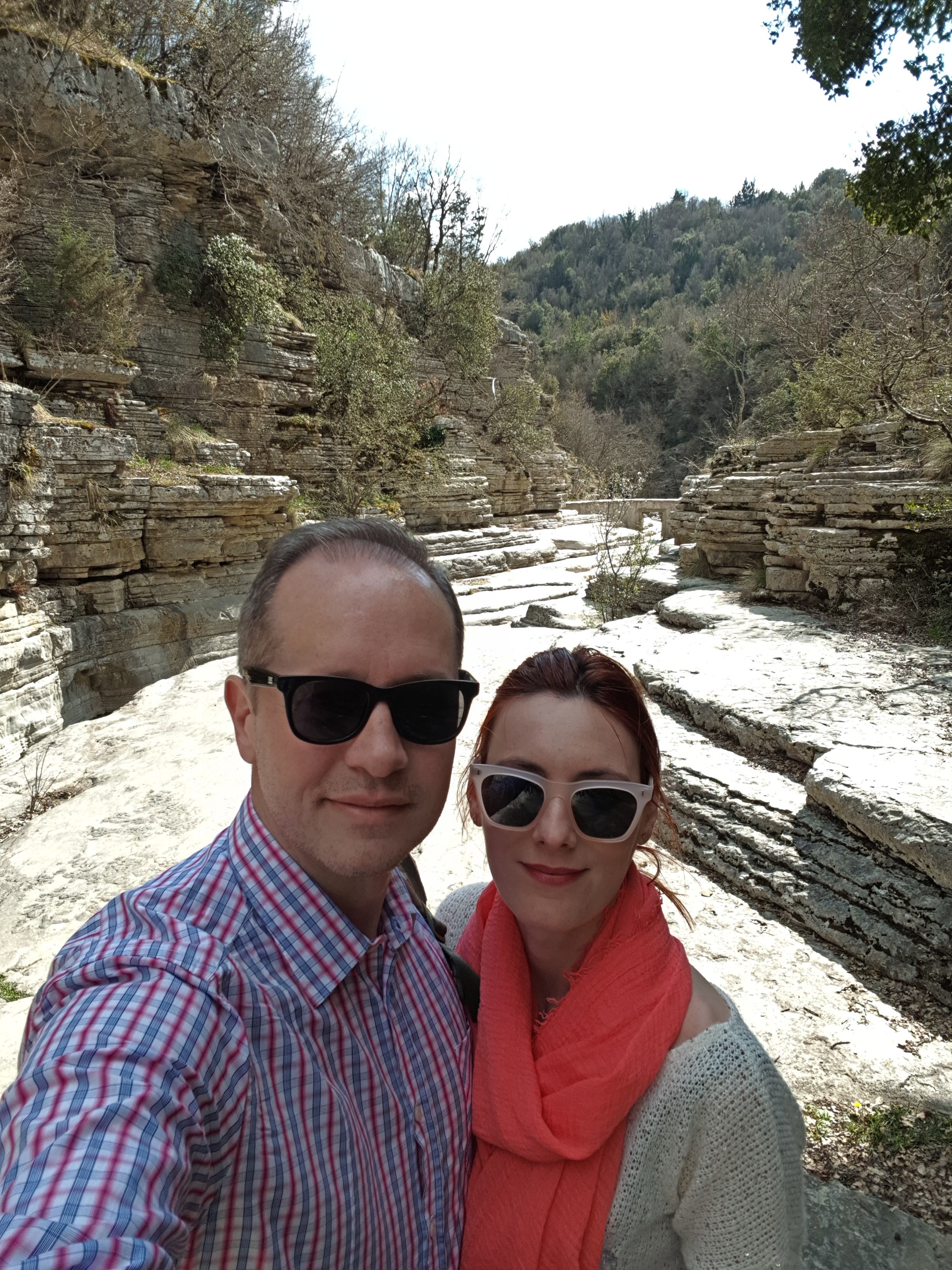
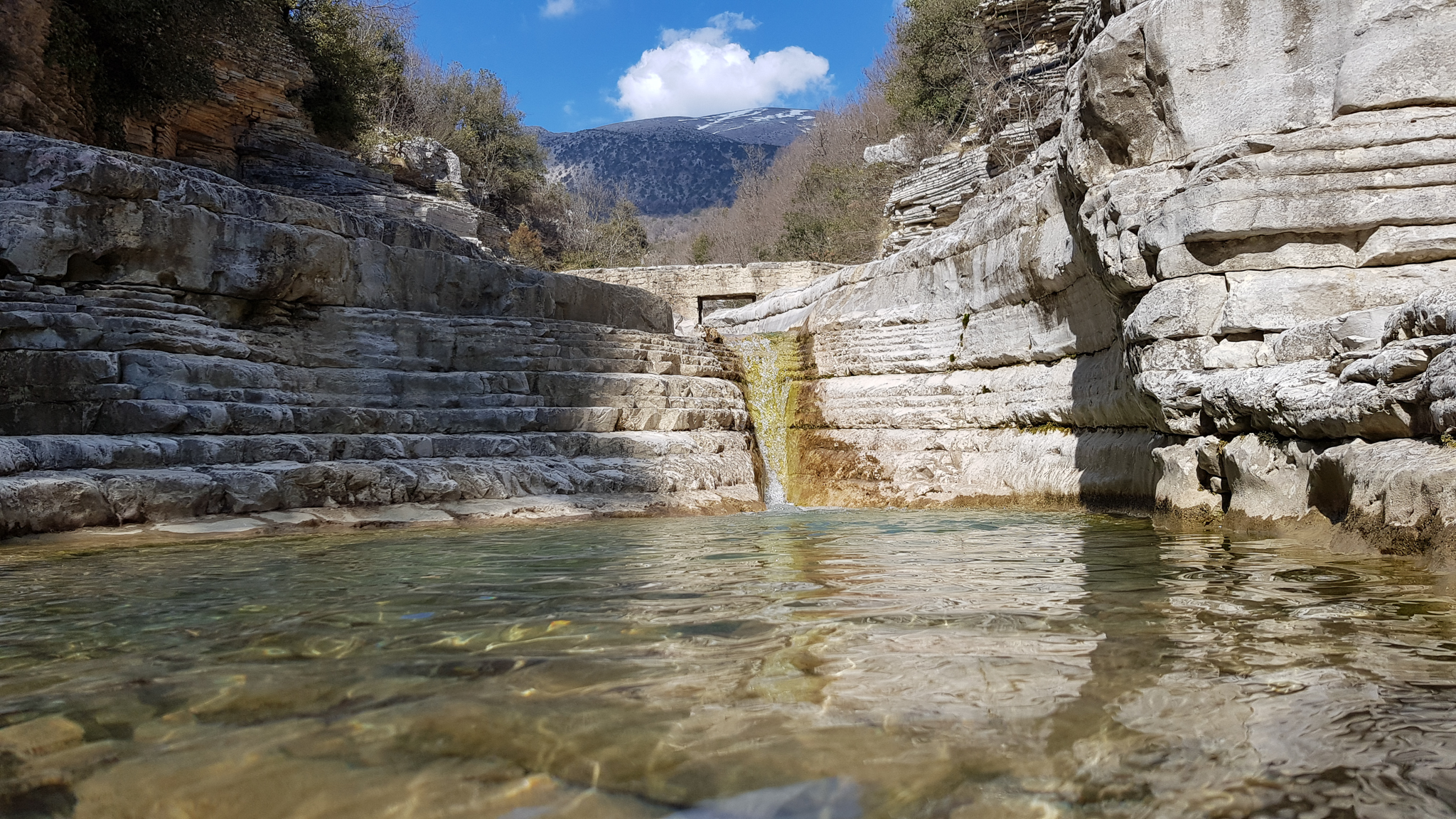
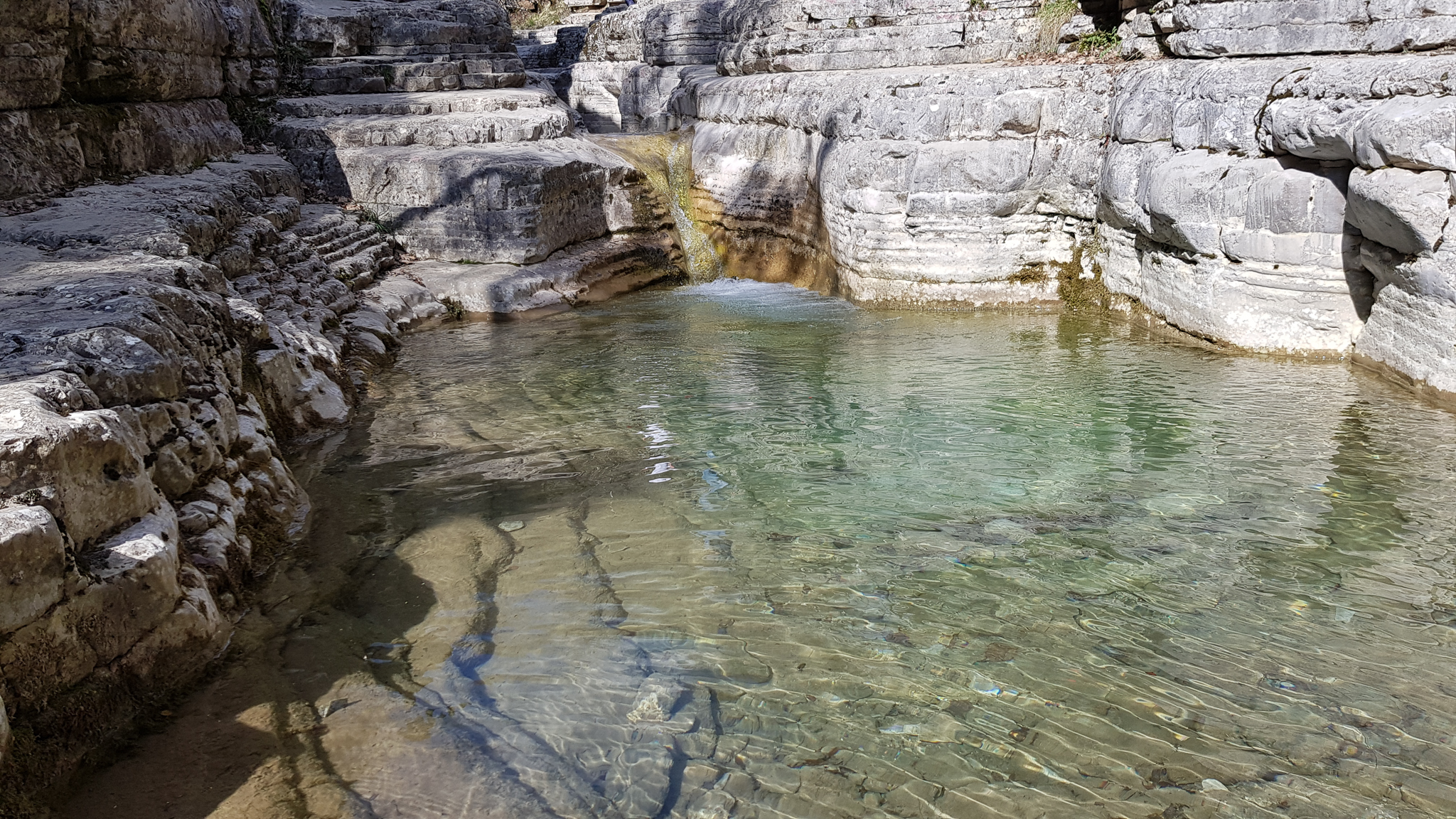
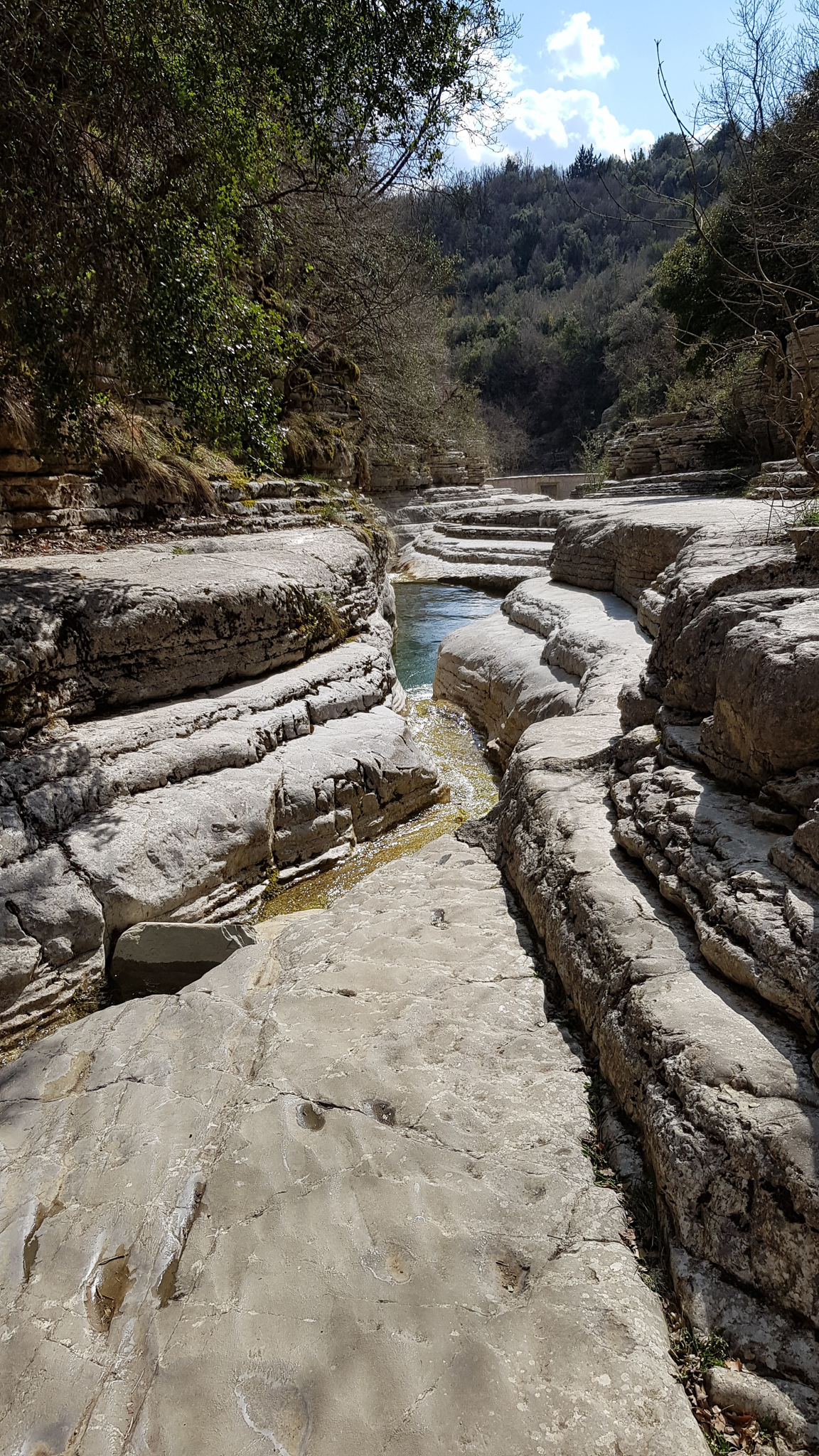
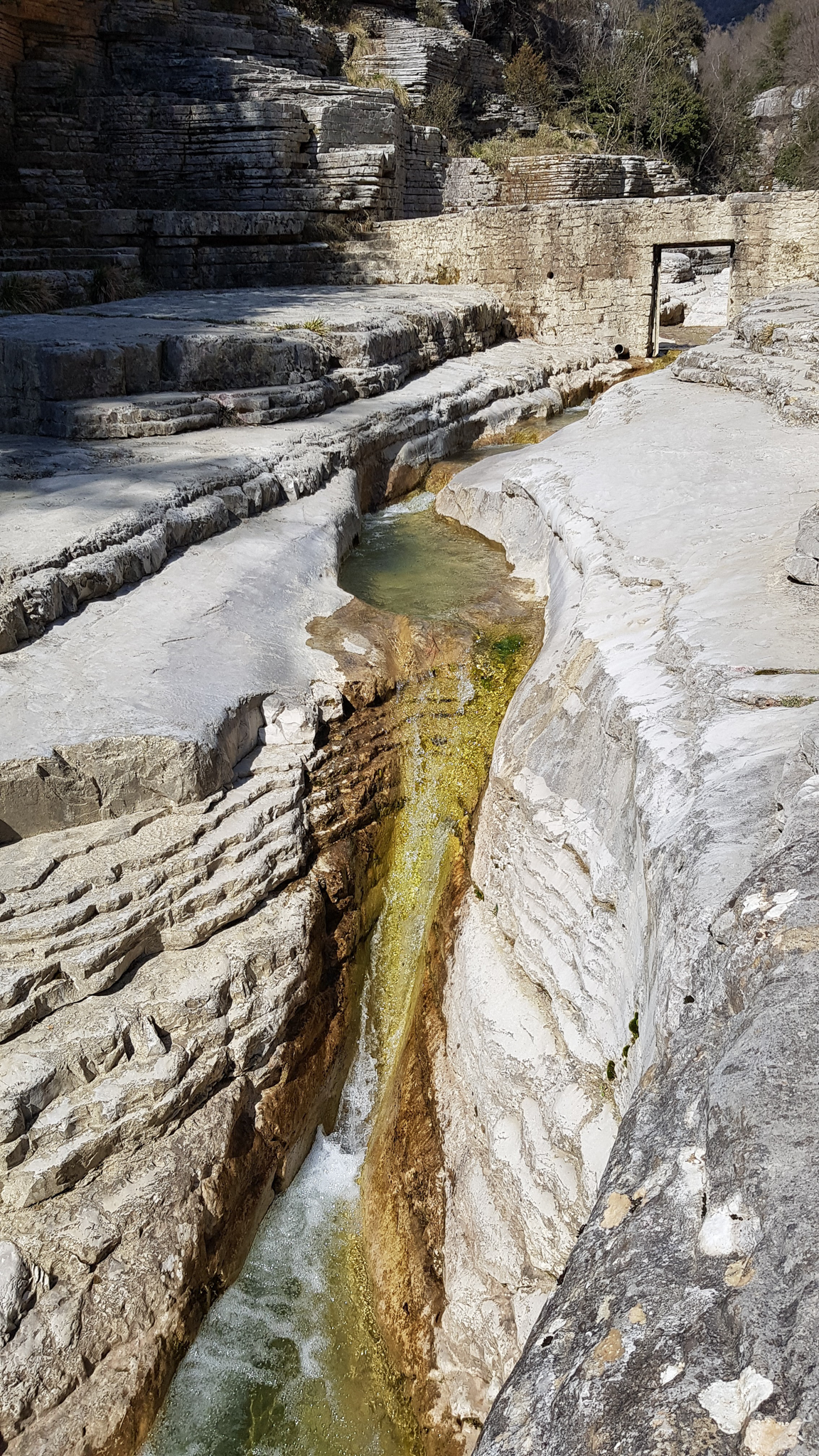
On the road from Megalo Papigo to Mikro you will encounter a rare geological phenomenon called "Ovires" or Kolymbithres. These are small ponds through which the "Rogovo" stream runs and they extend over a distance of 200 meters. One lake follows the other while the location and its morphology make it ideal for exploration.
Το Little Papigo is essentially the second neighborhood of Papigo, the upper neighborhood. It is the starting point of many paths that lead to Mount Tymfi, the Astraka refuge and Drakolimni. It is worth wandering around the stone-built houses and mansions of special architecture, and taking pictures of the ornate gates and churches. In Mikro Papigo, there is the "Papigos Information Center for Nature and Culture in Zagori». The Center is housed in the old Primary School, next to the church of Taxiarches. You will taste local delicacies and well-cooked dishes at the tavern "O Dias", with a view of the Towers of Astraka.
Closing
You will leave Zagorochoria full of images, sounds of nature, smells of the mountains and a sweet nostalgia. Whether you go for outdoor activities or for relaxation, the only sure thing is that you will find what you are looking for at 100%. The locals usually say that no one goes to Zagori only once. Everyone returns at some point. And so will you!