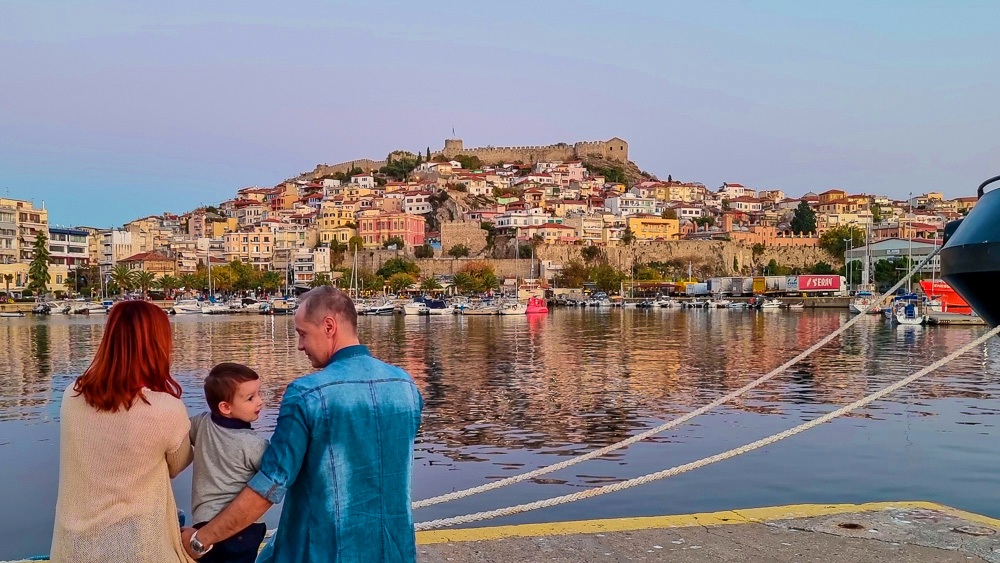
Ancient Greeks, Romans, Jews, Byzantines, Normans, Ottomans, and Asia Minor left their indelible mark on a city that has been a crossroads of civilizations for over two and a half thousand years! For many, Kavala is a favorite weekend destination, but also an outlet to the beaches of eastern Macedonia.
The city undoubtedly hides many little treasures and invites you to explore them. Impressive buildings, architectural landmarks, remarkable museums and archaeological sites will not bore you, while if you visit in summer, the beaches in the surrounding area will offer you moments of relaxation.

What to see
Cyprus Street
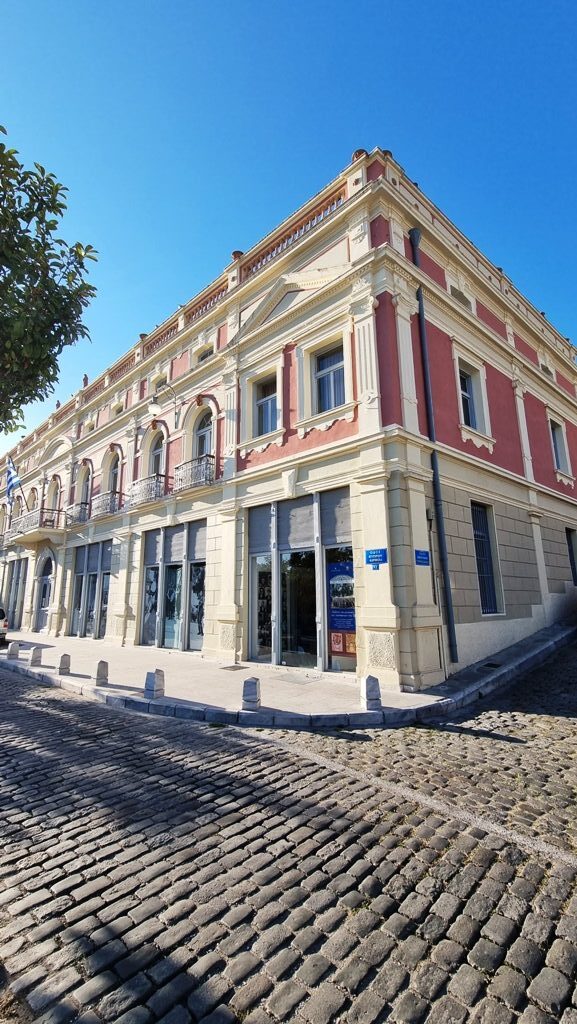
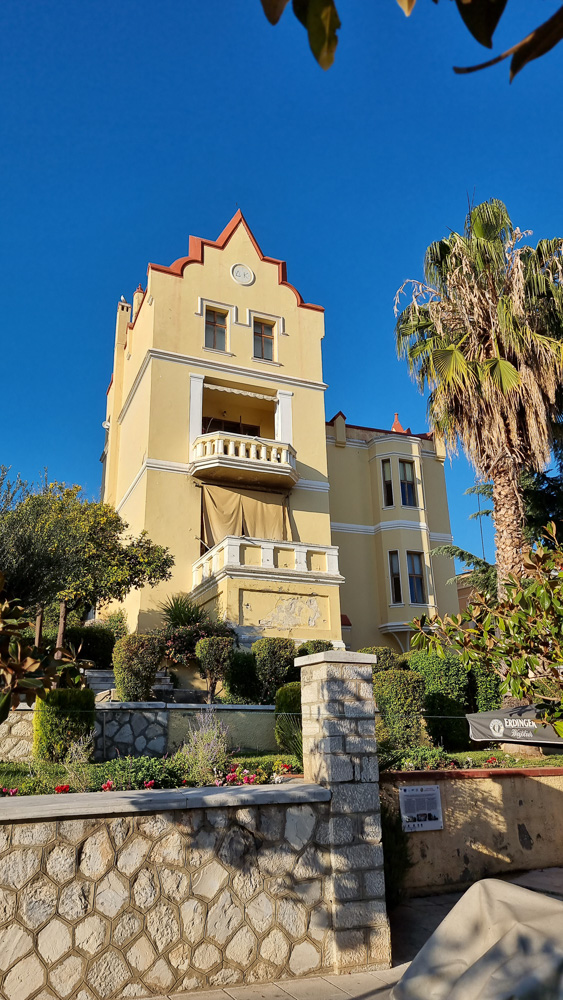
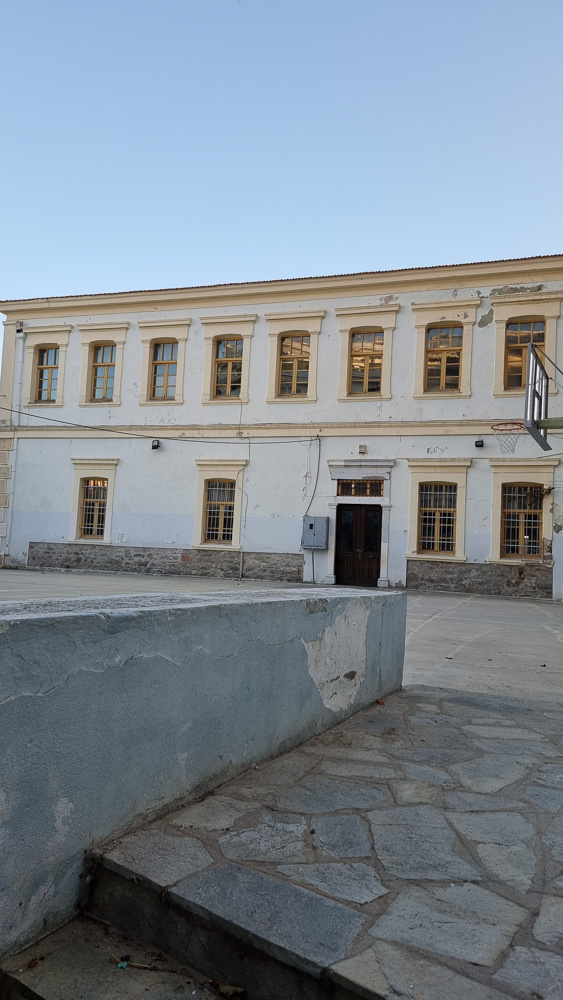
In front of the Municipal Garden of Heroes on Kyprou Street are some of the most beautiful buildings in the city (most built in the early 20th century).th century) and reflect the economic boom in the past due to the tobacco trade. So there you will meet the Megara Zachou and Interest, two famous tobacco merchants of the past, and the Big Club (an example of Austrian Baroque and a copy of the Vienna Musikverein). Right behind it is the old Girls' school (today it houses the 10the Primary school).
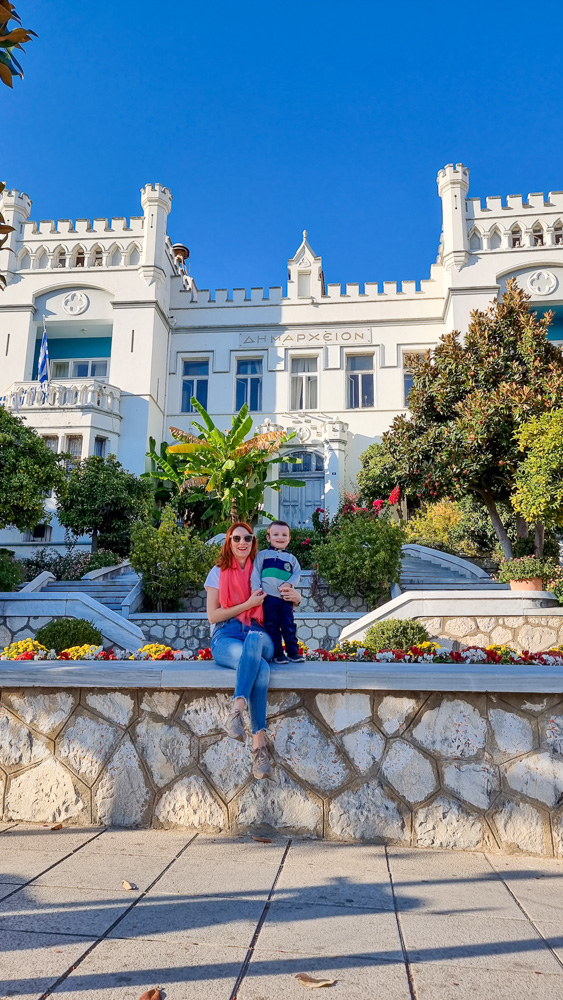
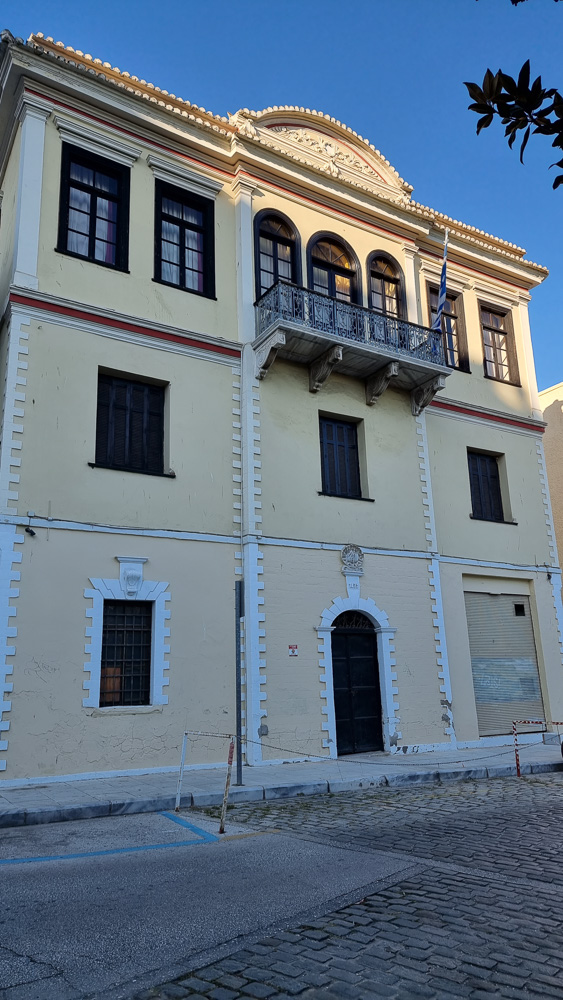
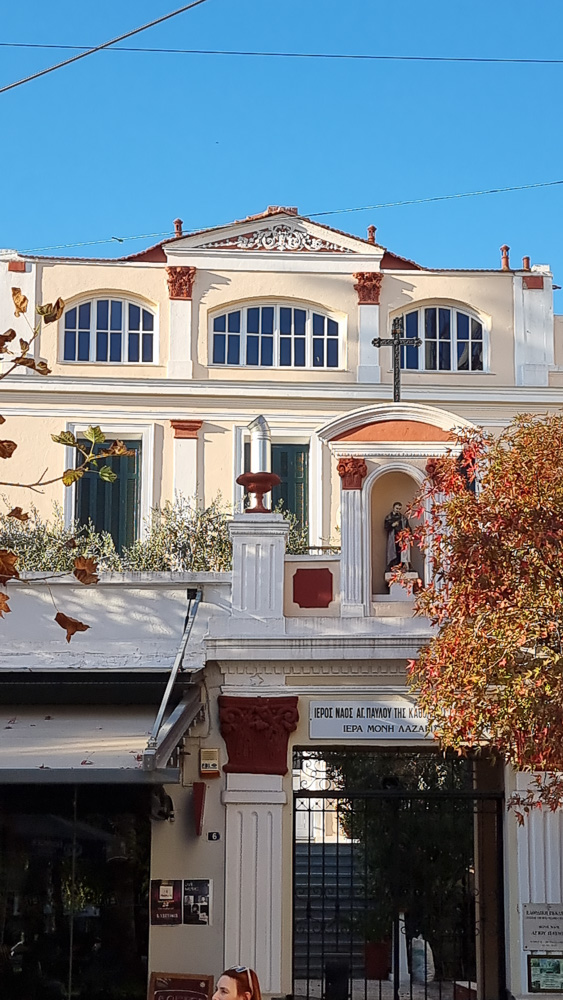
It follows Town hall a building of romantic and gothic style that belonged to the property of the Hungarian tobacco merchant baron Pierre Herzog. Next to it is the Mansion of the German Baron Vice-Consul Adolf Wix, which also houses the Services of the Municipality of Kavala. The neoclassical architectural jewel is also Catholic Church of Kavala (Lazariston Monastery), which was built for the needs of the city's numerous Catholics.
Tobacco warehouses
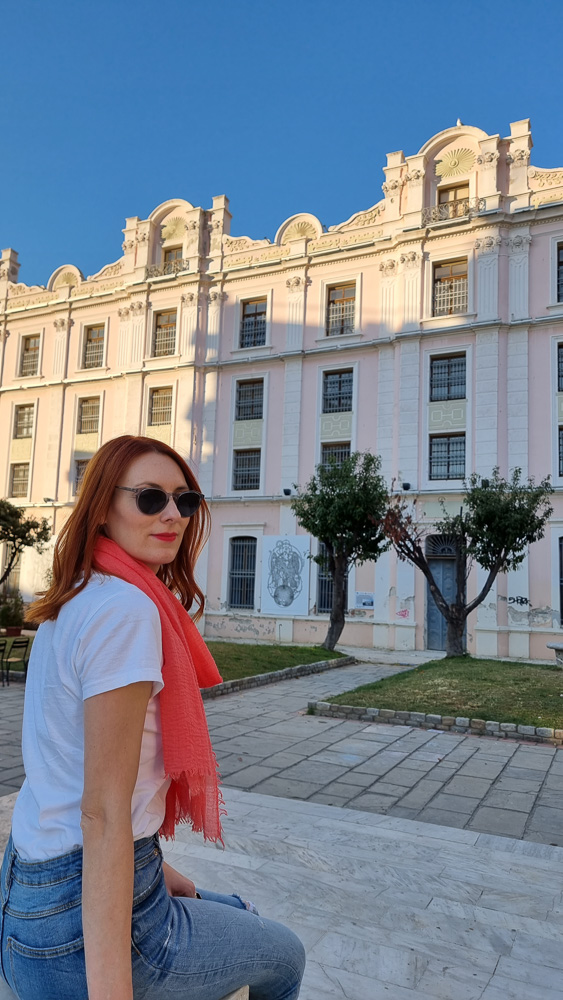
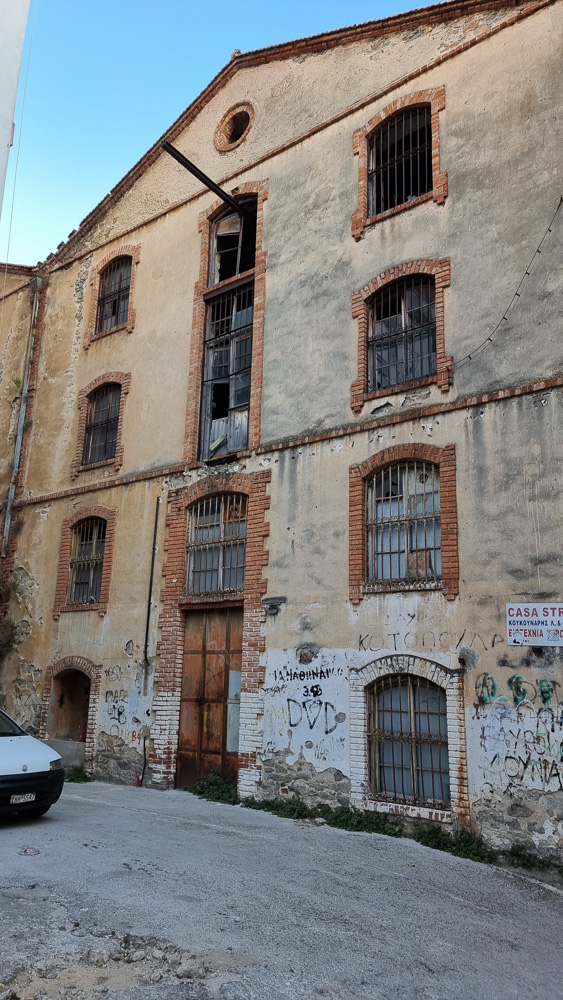
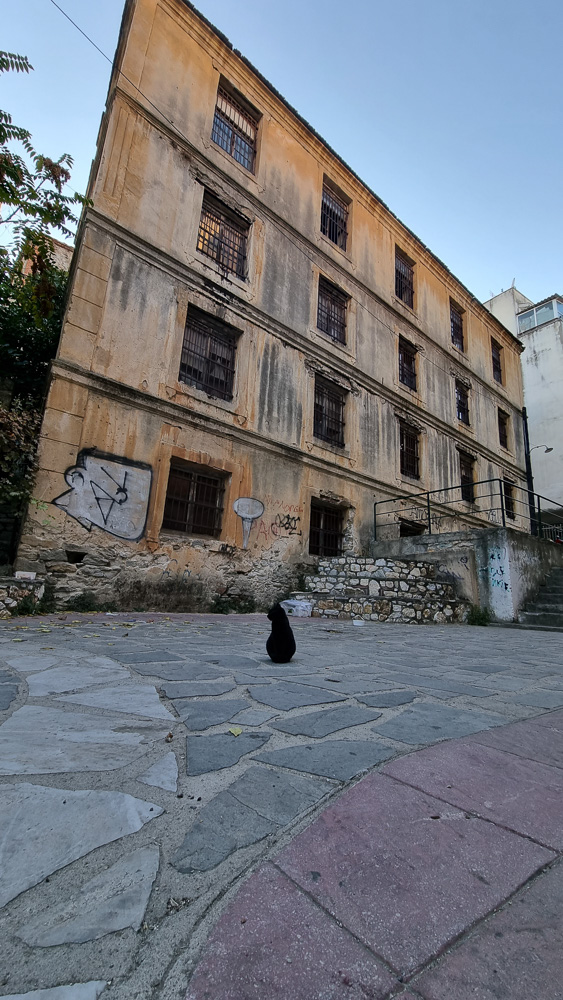
Kavala in the early 20th centuryth century it was the "Tobacco Mecca" and the signs of this era are still evident. Behind the Kapnergati Square dominates the Municipal Tobacco Warehouse, a building with strong elements of neoclassical architecture that belonged to the Turkish tobacco merchant Kiazim Emin. After its renovation, it is used as a cultural center.
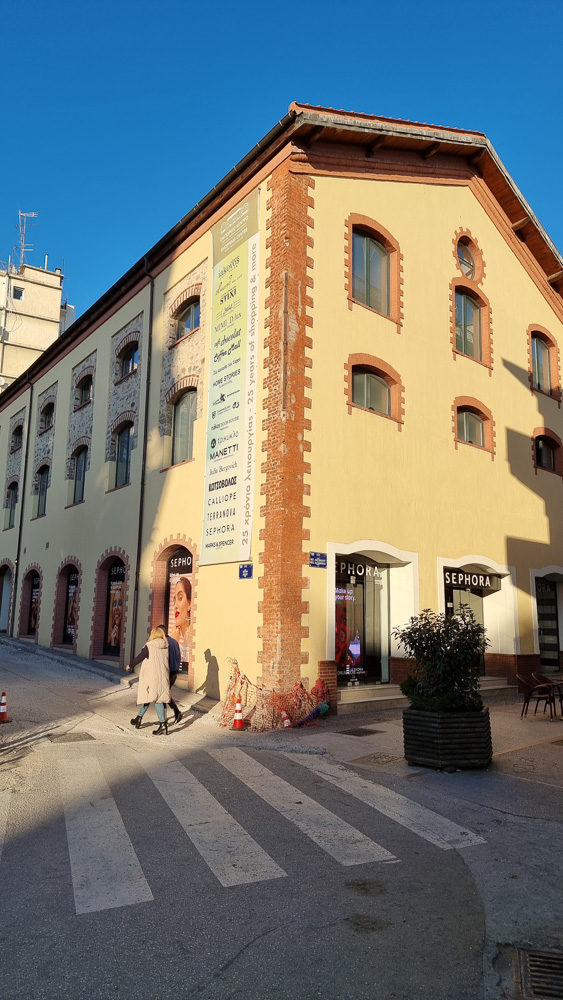
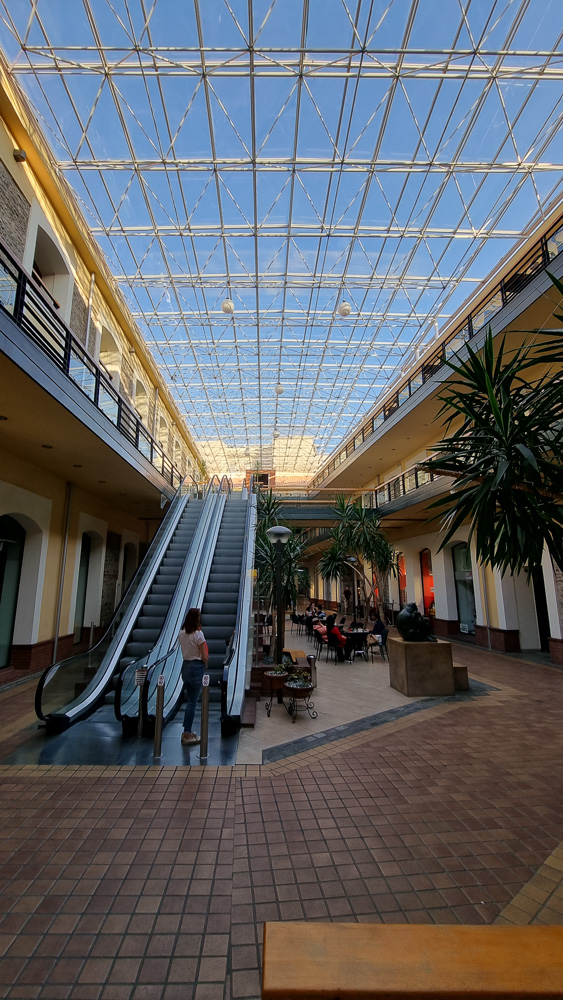
Opposite him is the Kavala Shopping Center, another old tobacco warehouse from 1885 which, after extensive renovation, houses shops, cafes and boutiques in a beautiful space with an atrium and a glass roof.
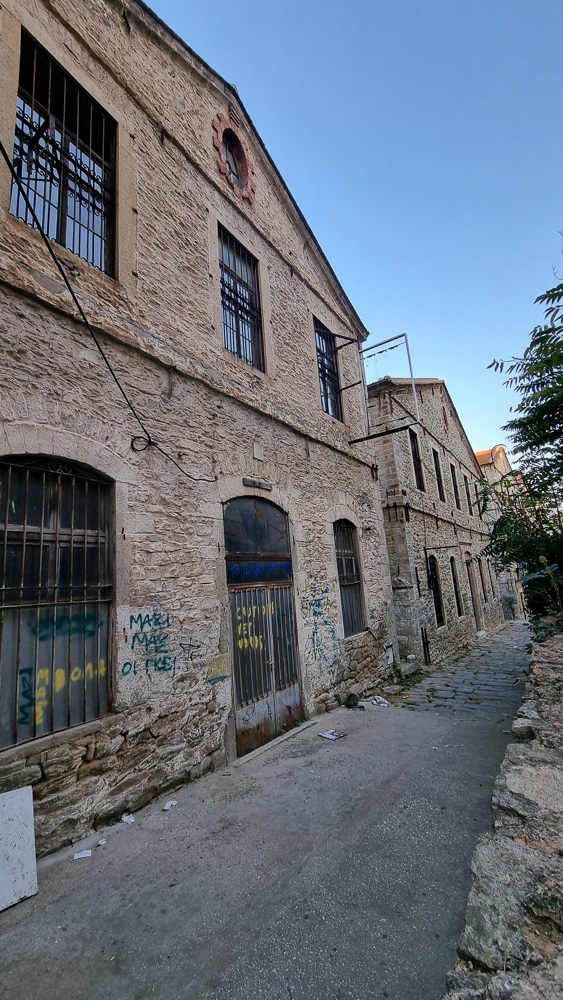
In close proximity and along Damianos, Makarios Nikis and Kleitos streets you will come across several noteworthy industrial buildings which were built at the end of the 19th century and served as tobacco warehouses and processing areas.
Unique in its kind is the Tobacco Museum with a rich collection of objects and archival material related to the cultivation, production and trade of tobacco. You will find it on Palaiologos Street in a 1950 industrial building.
Imaret
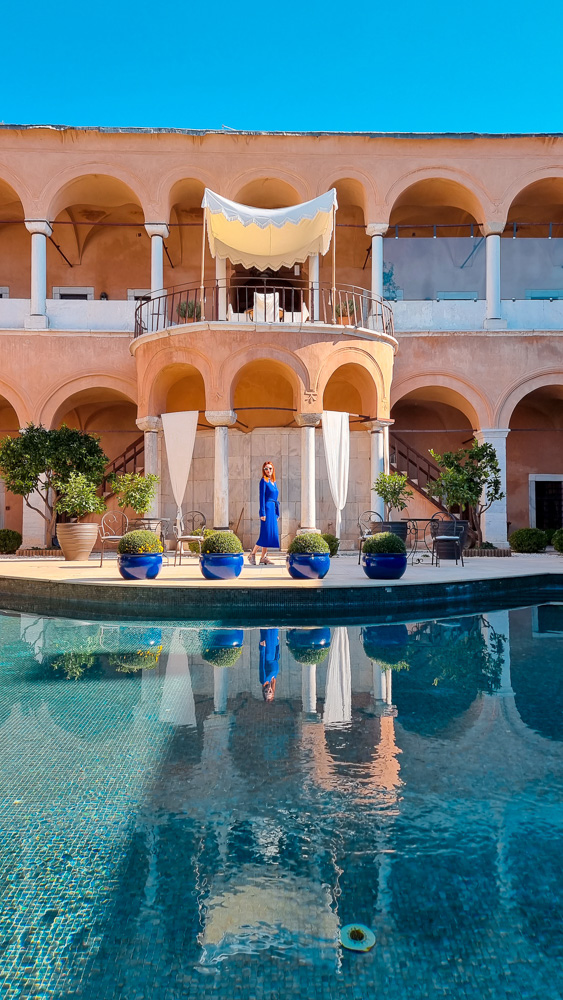
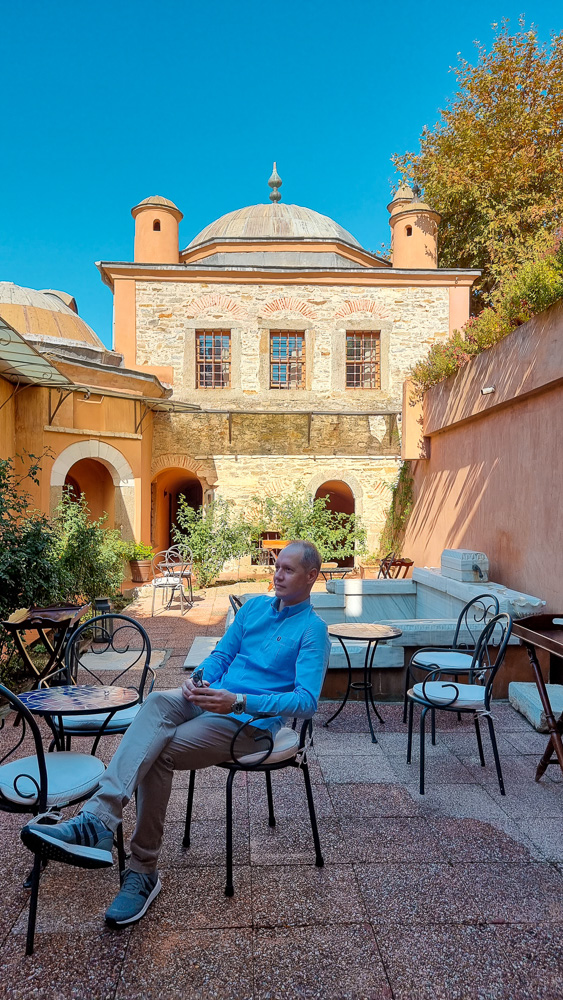
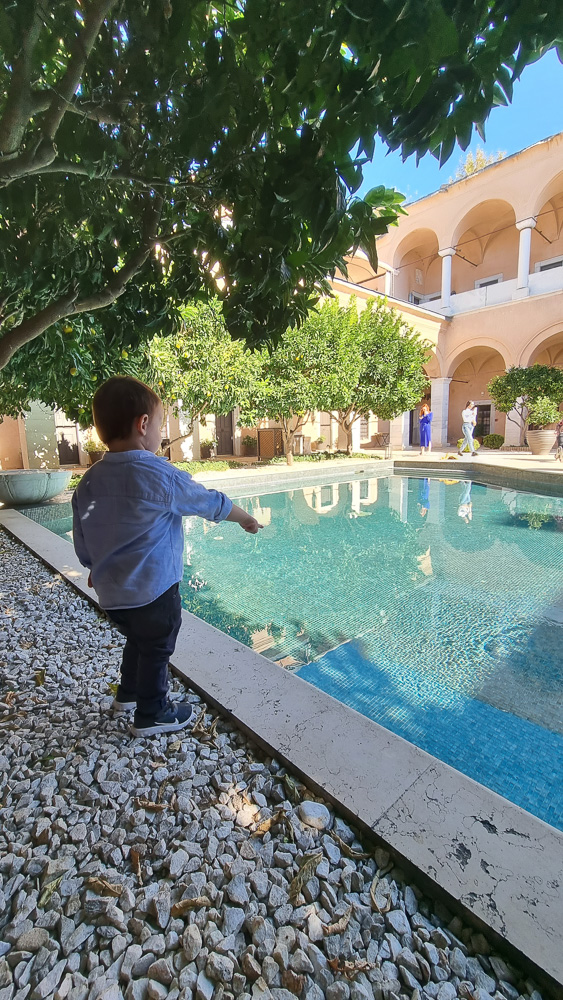
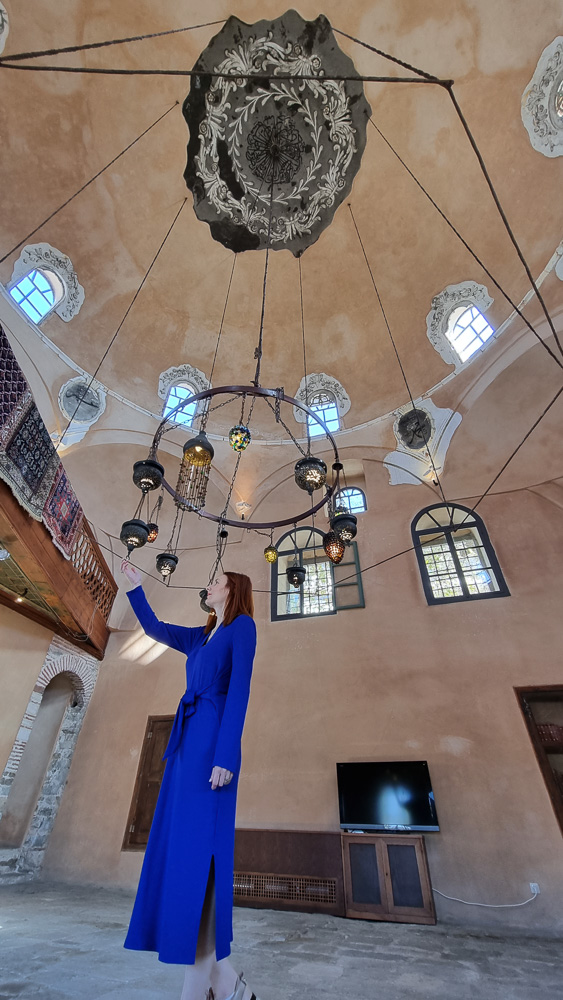
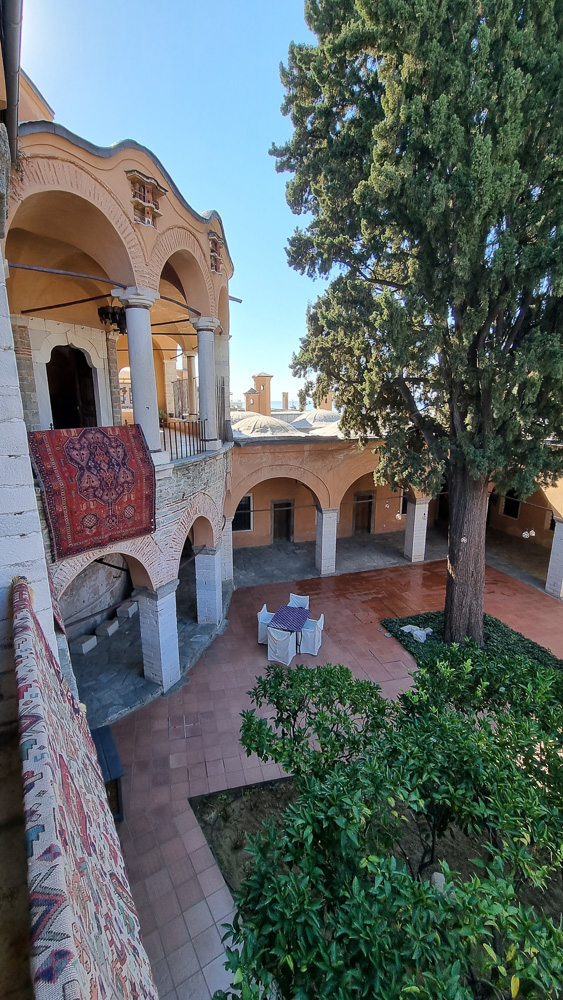
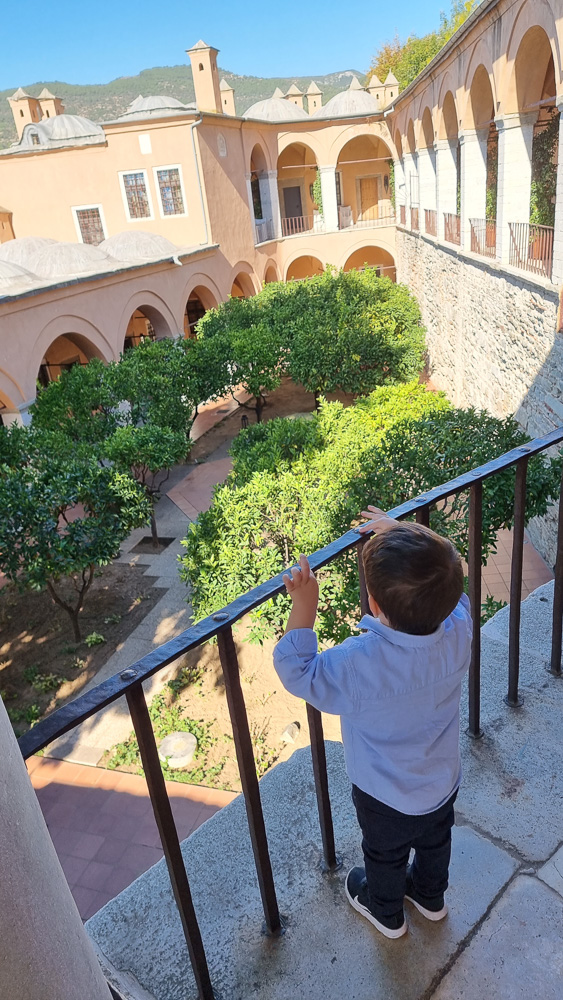
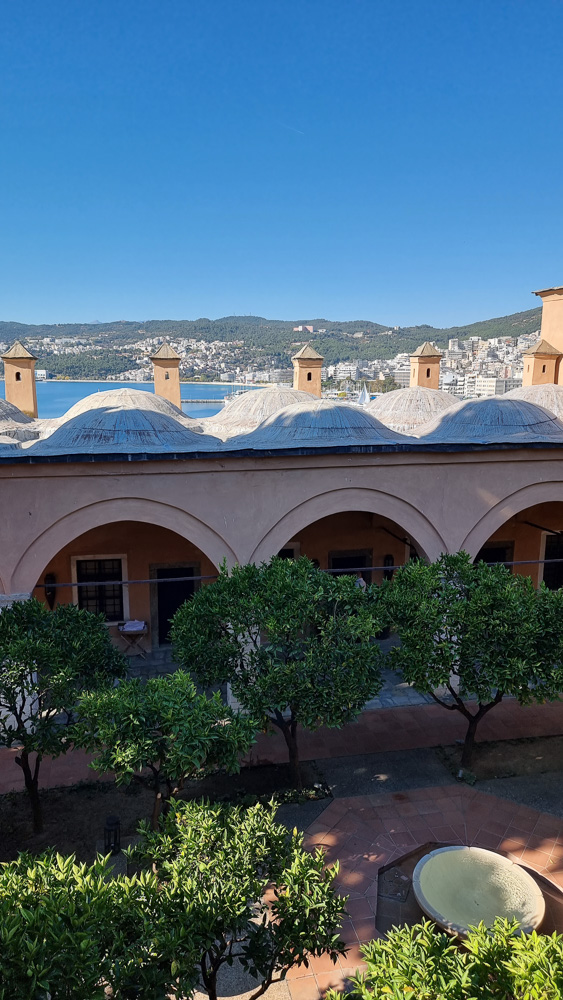
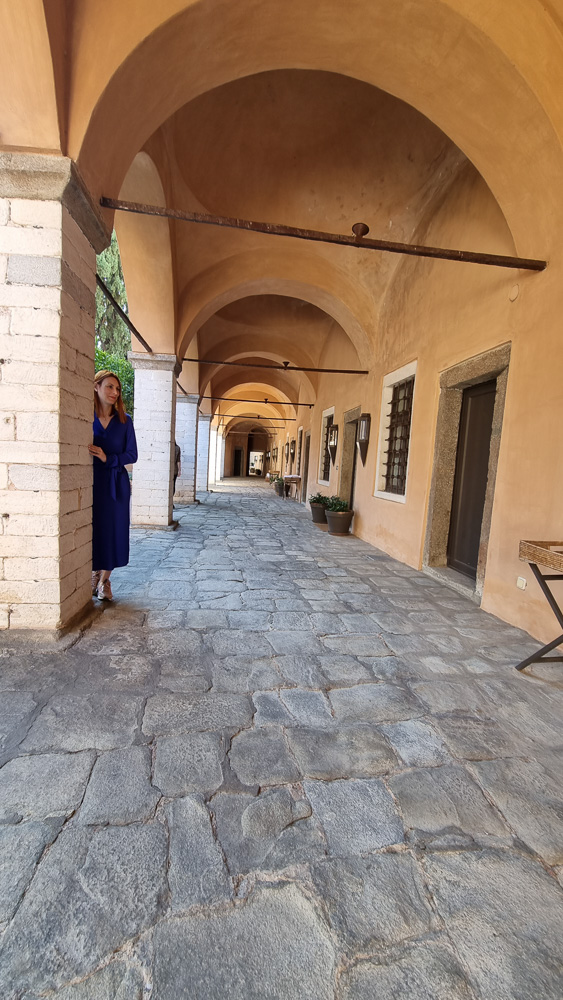
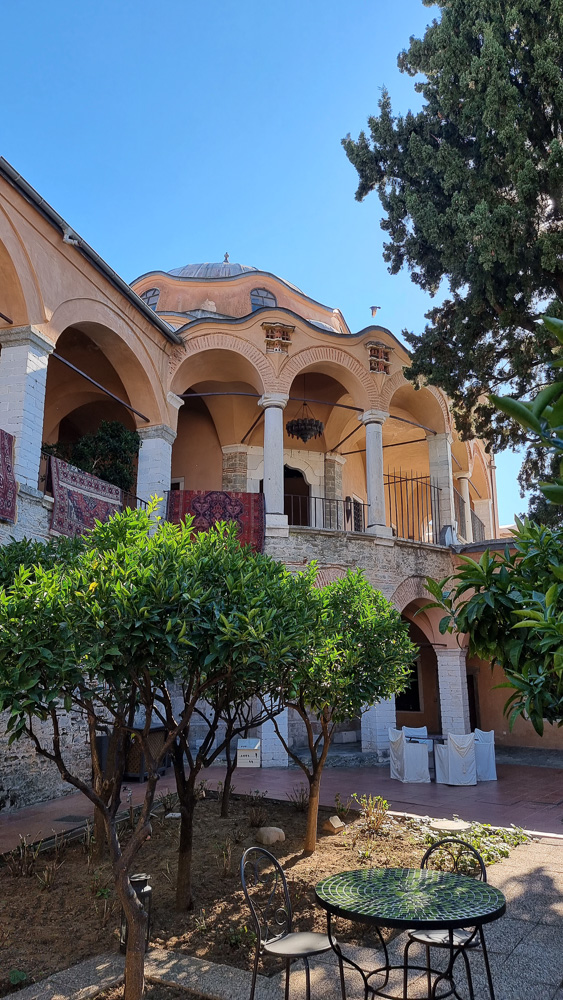
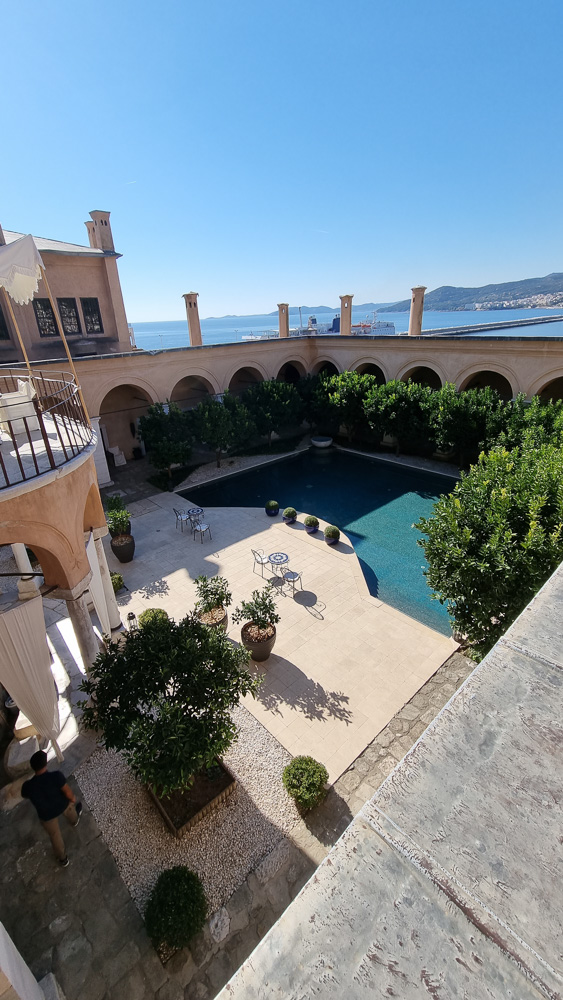
Within the walls of the old city lies an impressive building of Ottoman architecture, which is in our opinion the top attraction of the city! It was built in the early 19th century and functioned as an Islamic seminary and a complex of public buildings. It now operates as a luxury hotel and its evocative spaces are offered for a fee by the research center. MOHATouring its 3 enclosed gardens with citrus trees to the sound of the waters swirling in the ornate fountains offers a unique sense of exhilaration.
Old town
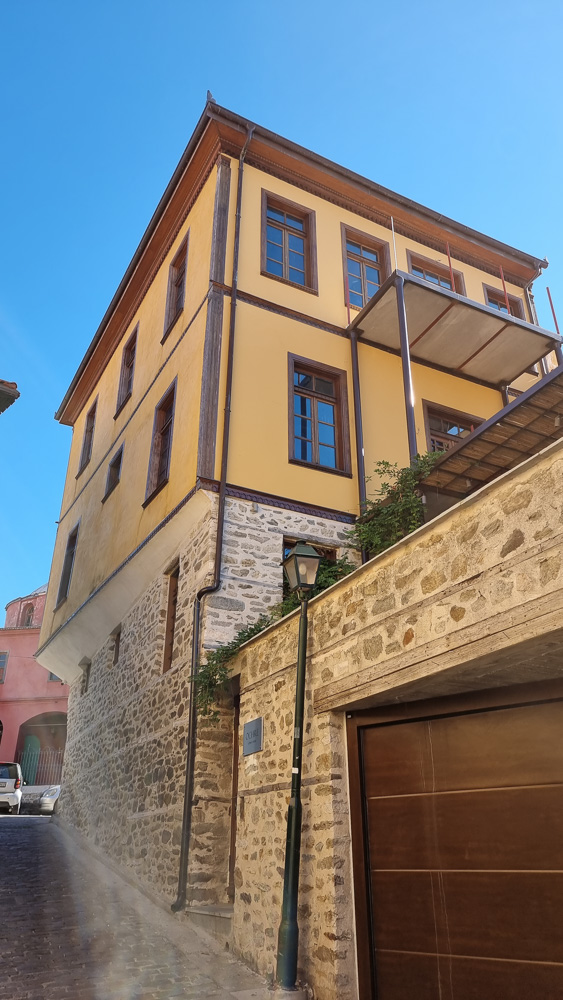
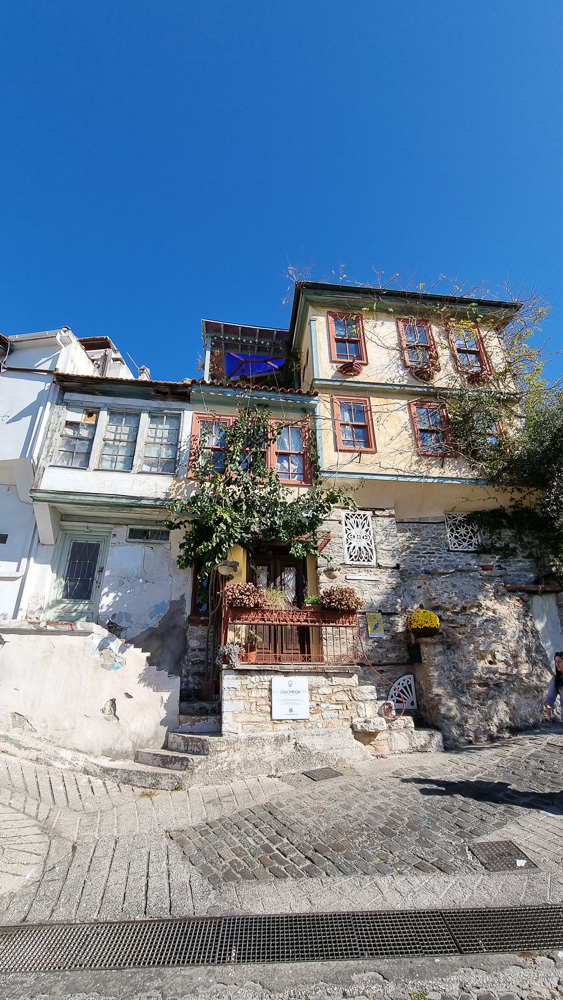
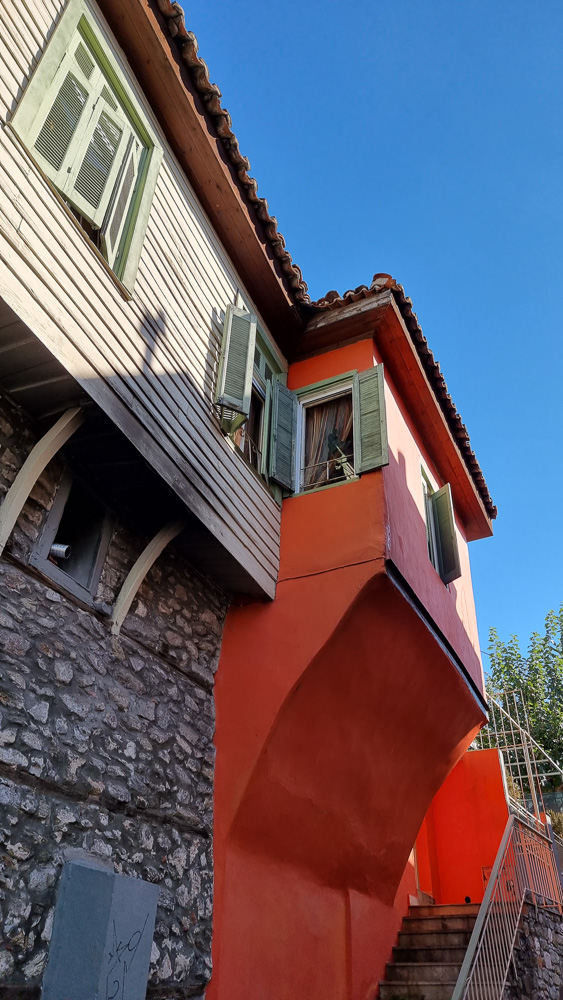
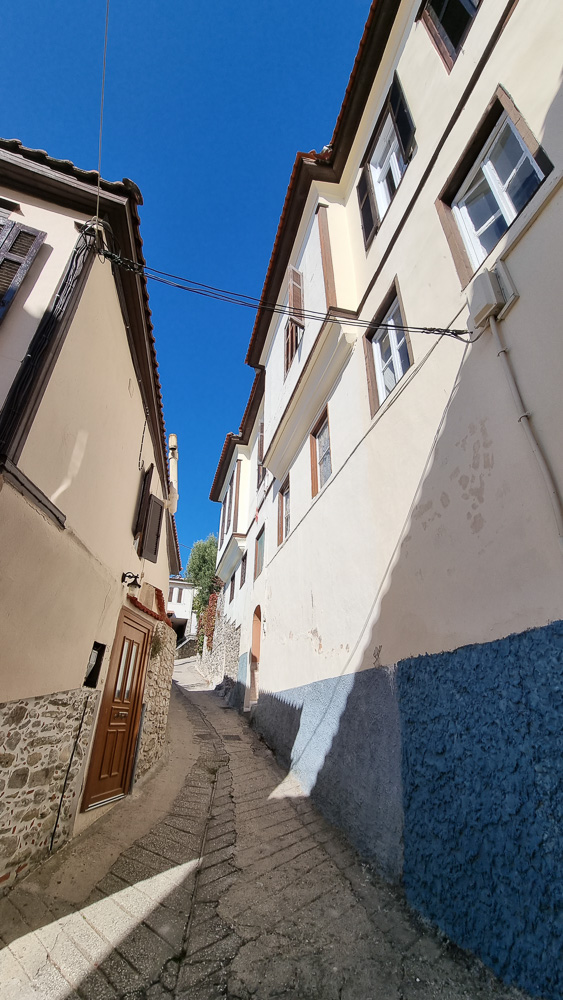
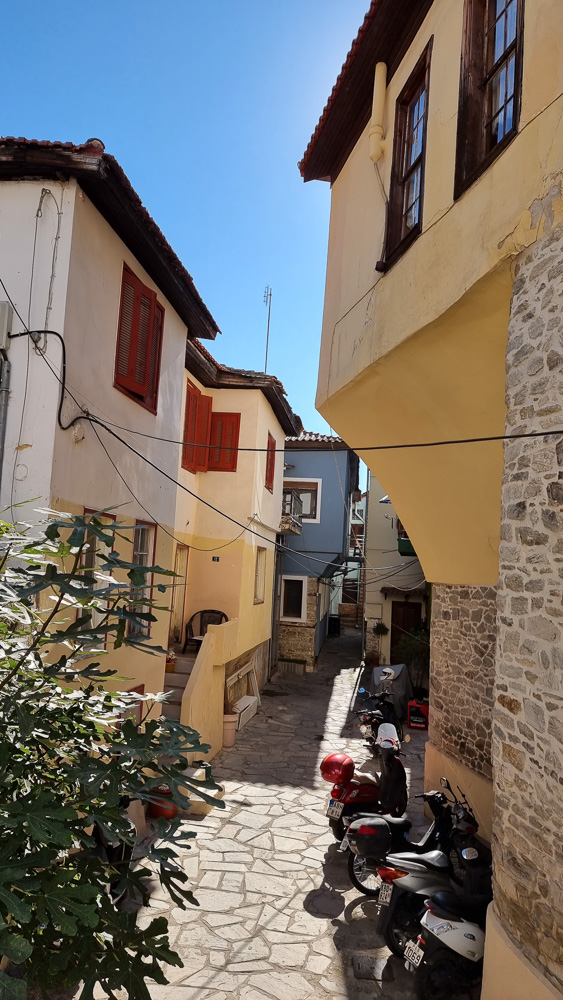
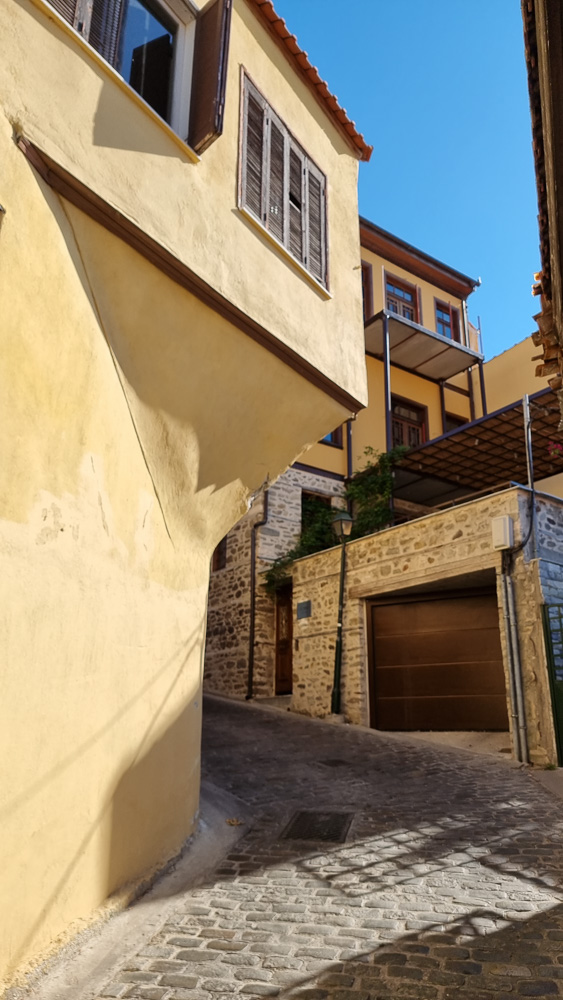
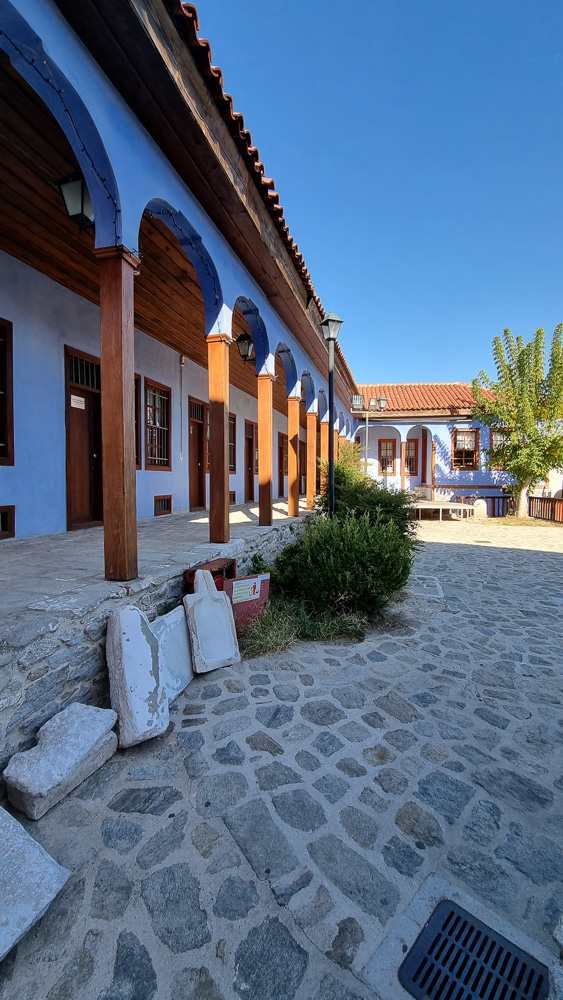
You won't want to miss a stroll through the old town, which itself is a mosaic of cultures lost in the depths of history. The listed buildings, the cobblestone streets, and the flower-filled courtyards transport you mentally to the past.
Muhammad Ali House
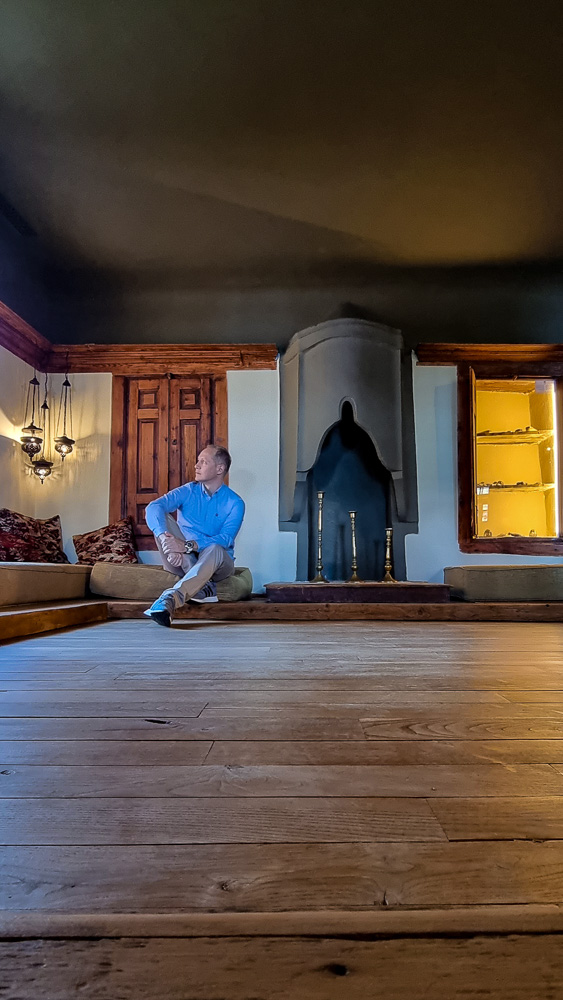
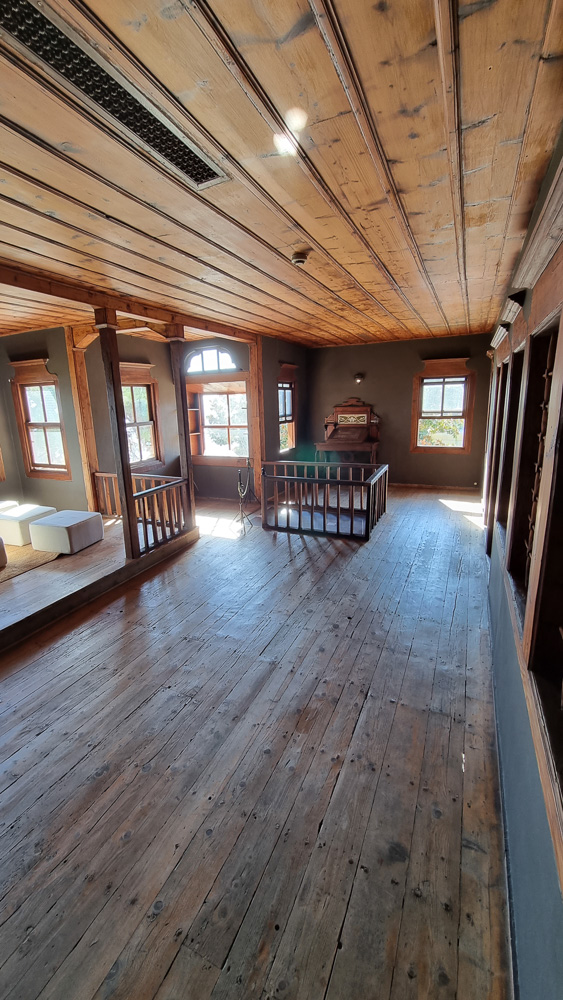
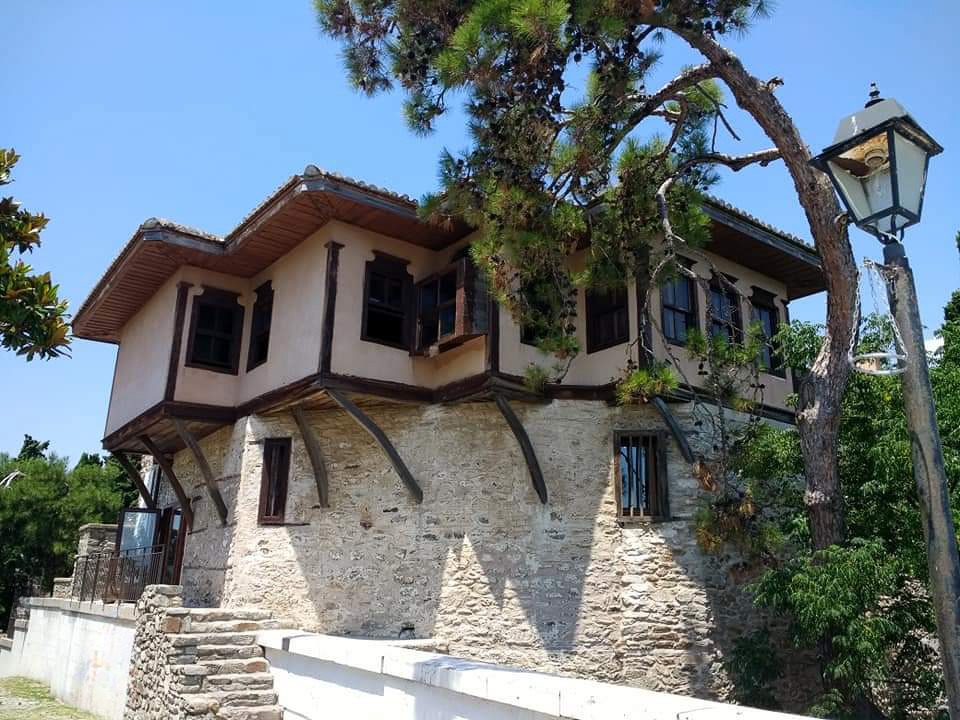
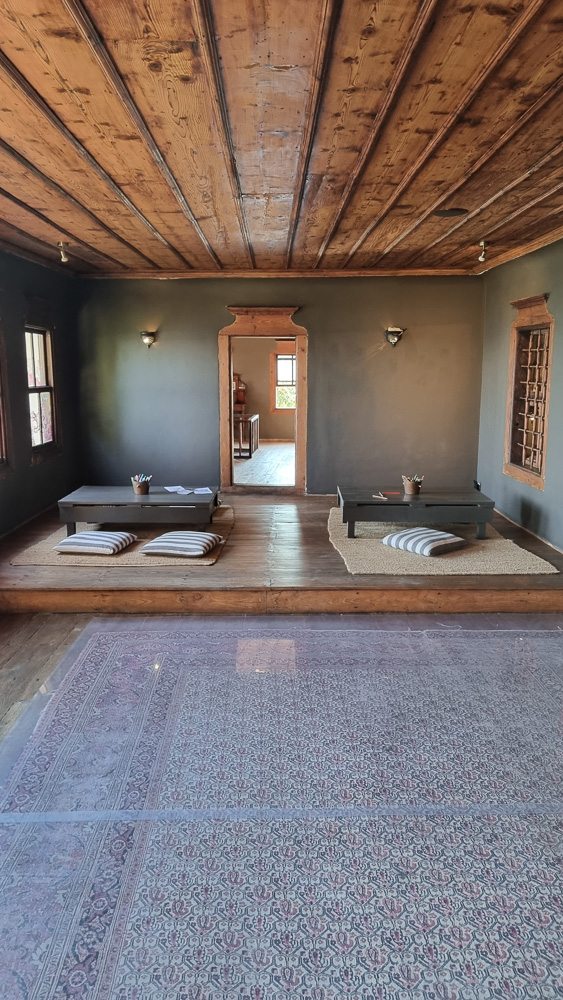
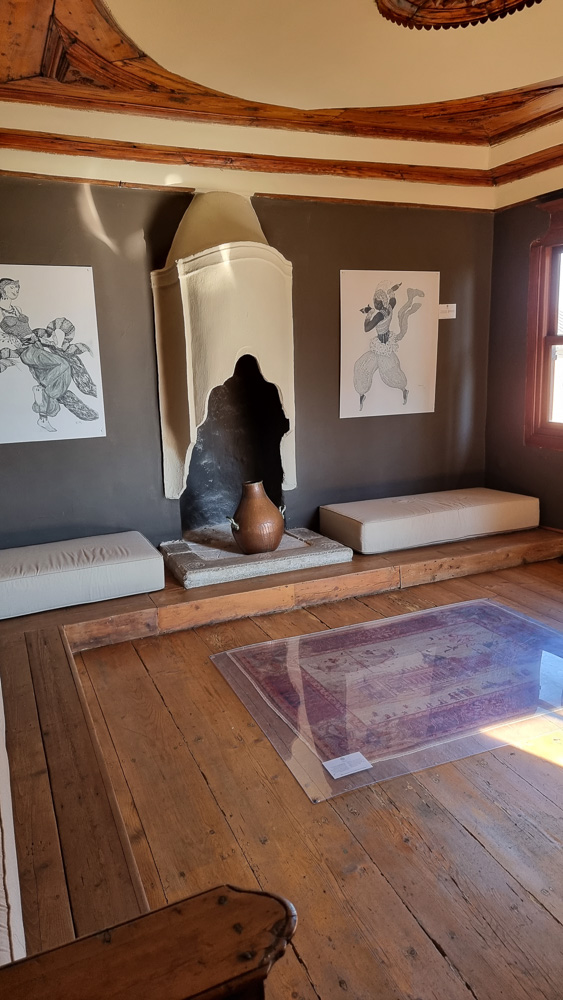
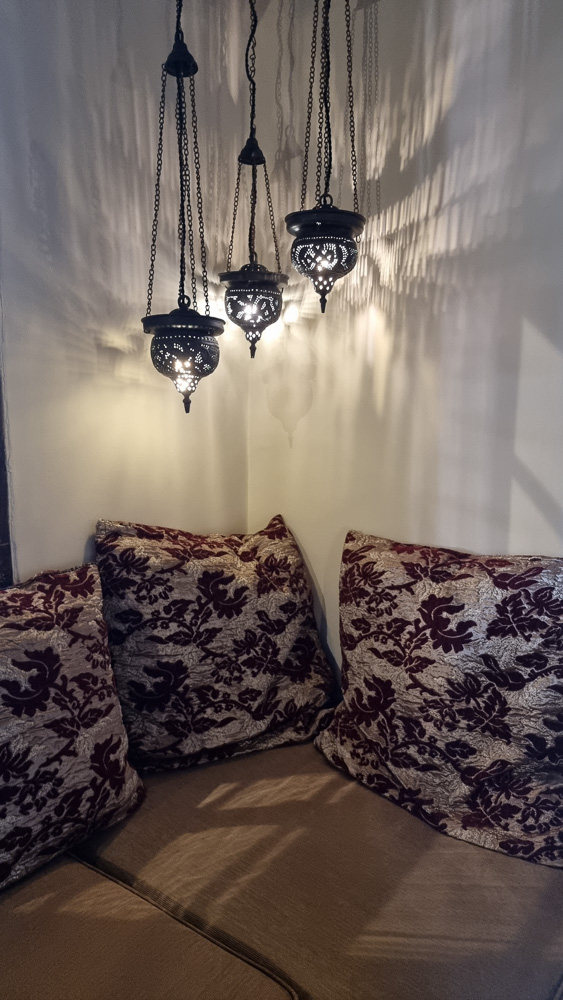
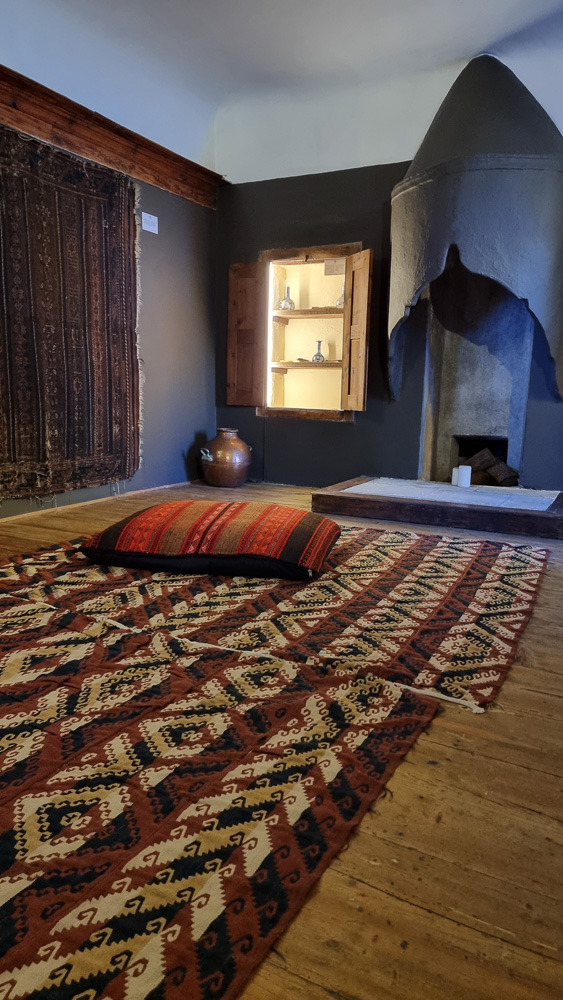
Mohamed Ali Pasha was born in Kavala and rose to become a Vali (regent of Egypt). The house in which he lived was the largest in the city at the time it was built (1780) and is well worth a visit. It functions as a museum and in it one can perceive the special social position and financial prosperity of the owner.
Halil Bey Mosque
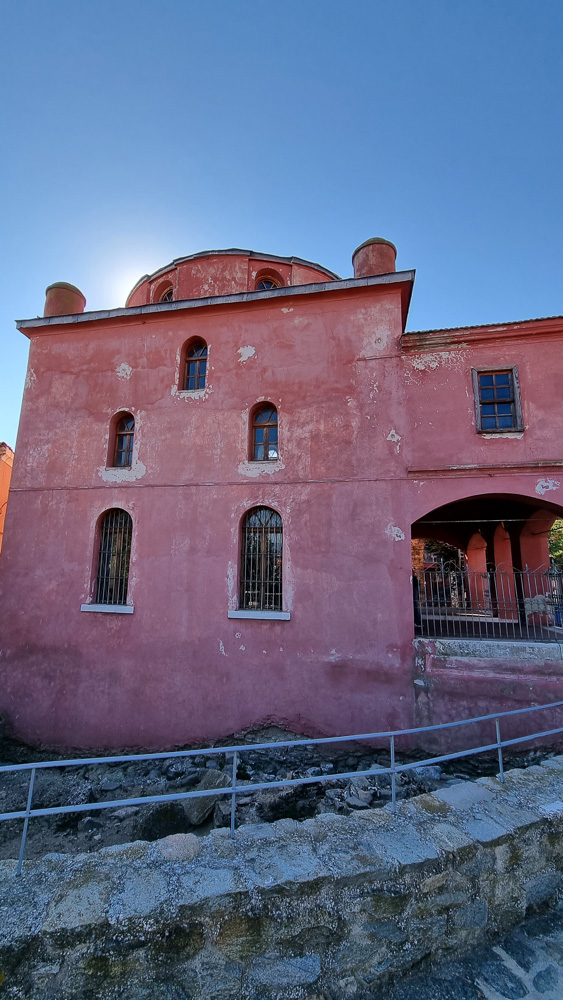
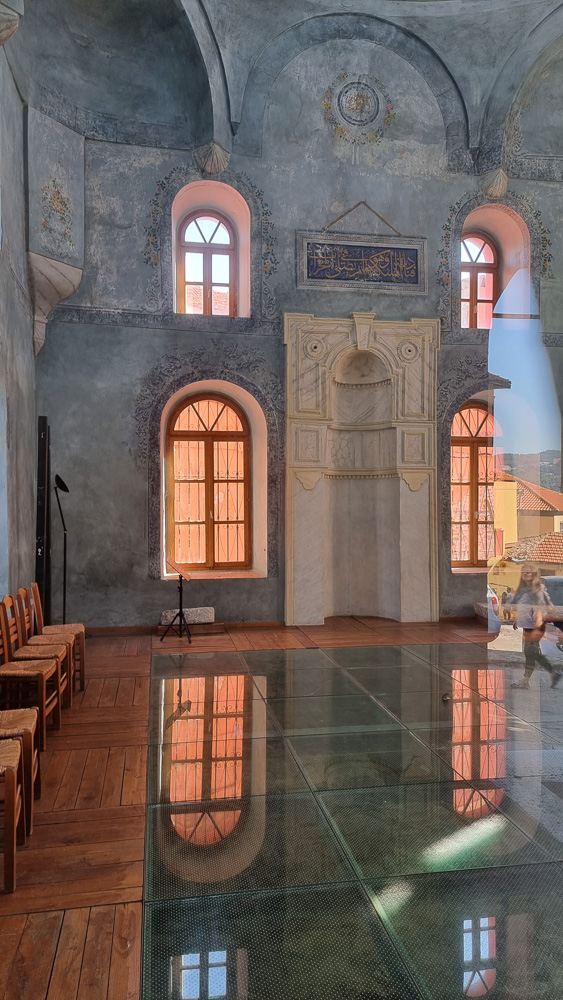
Another remarkable building from the early 16th centuryth The mosque of Halil Bey also dates back to the 16th century. Archaeological excavations revealed that the site of the mosque was occupied by the early Christian Byzantine church of Agia Paraskevi (visible from the glass floor). After 1929, it housed the Municipal Philharmonic, which is why it has been called "The Old Music".
Fortress – Acropolis
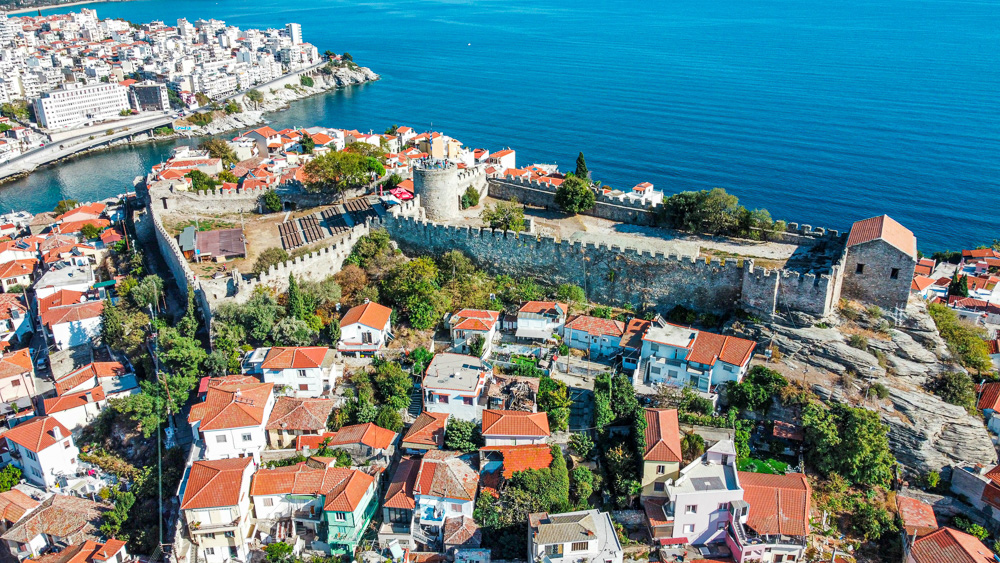
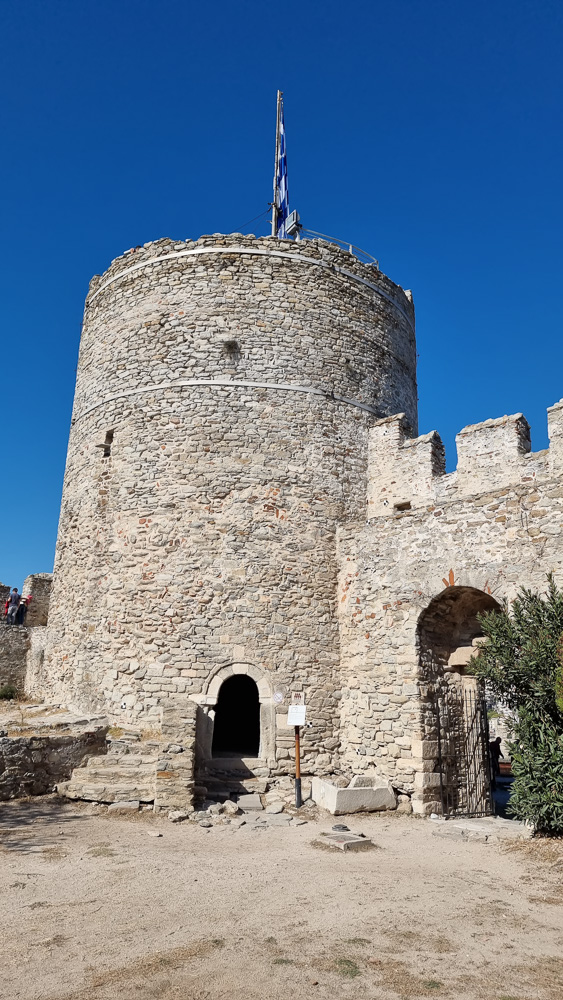
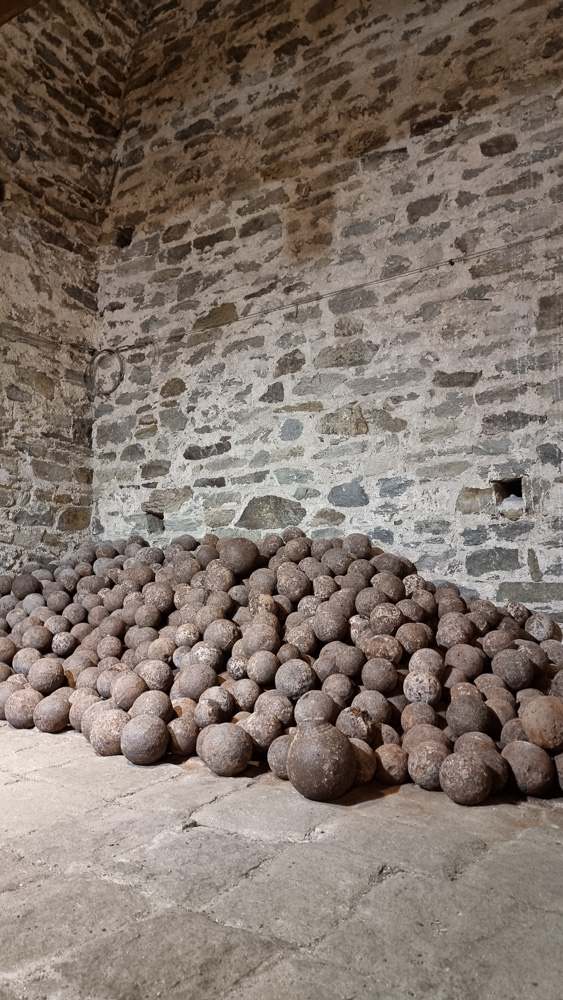
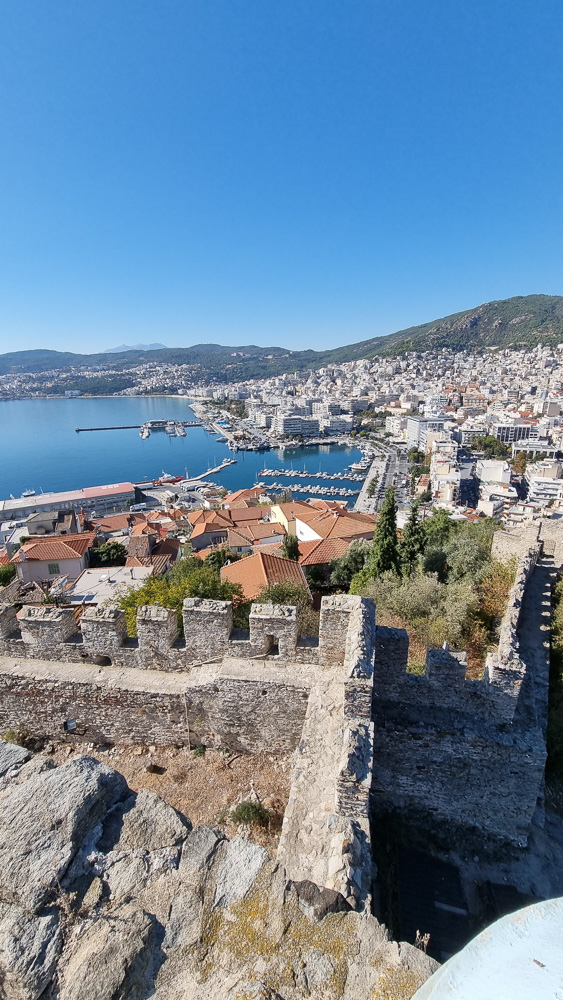
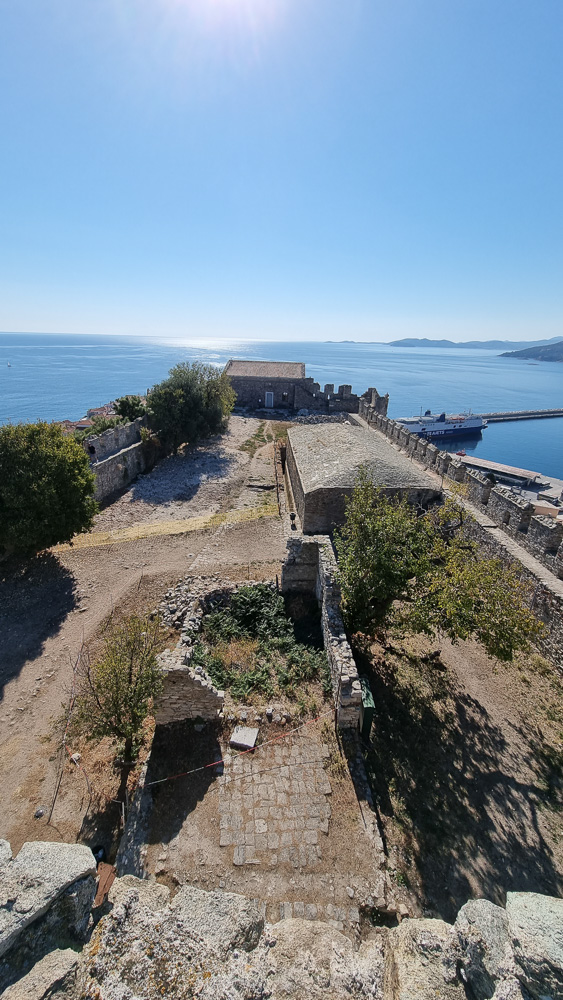
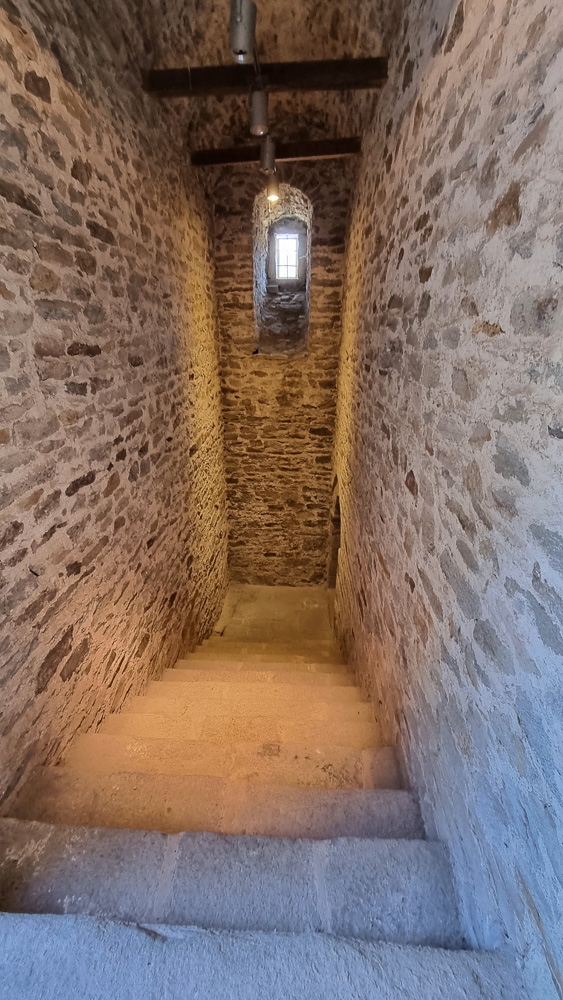
In a prominent position on the Panagia peninsula is the fortress of Kavala, which was of strategic importance for the control of the Egnatia Highway. It was built on the site of defensive fortifications that existed since antiquity and were strengthened during the Byzantine period. It is worth climbing the central tower, which was the last defense area, to see the officers' dormitories, the prison, the water tank and admire the view of the city.
Aqueduct
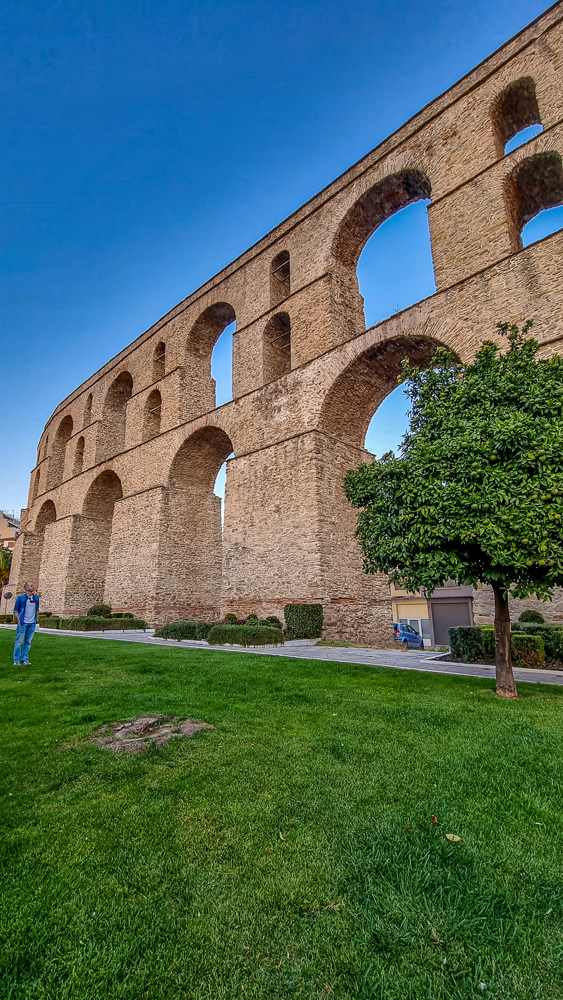
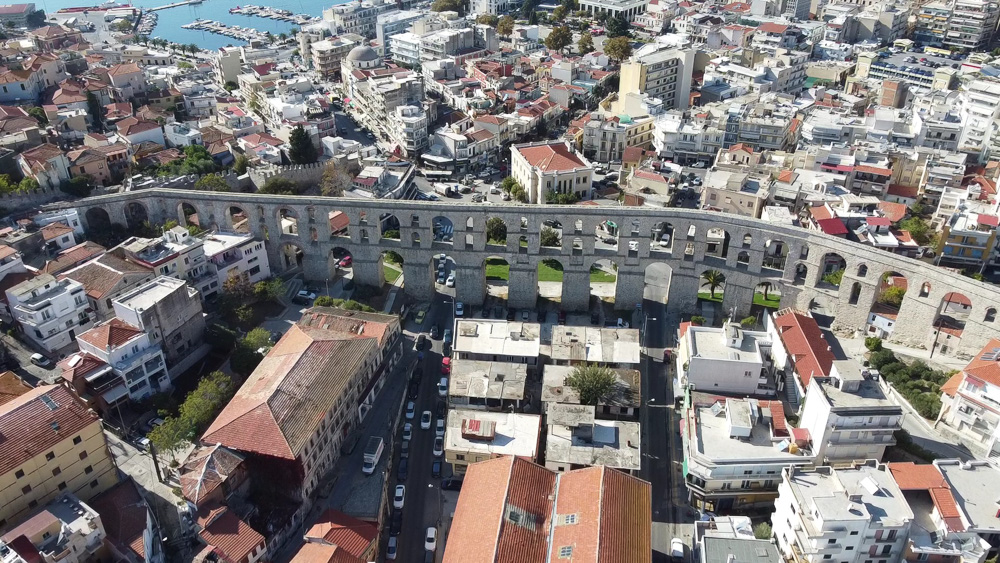
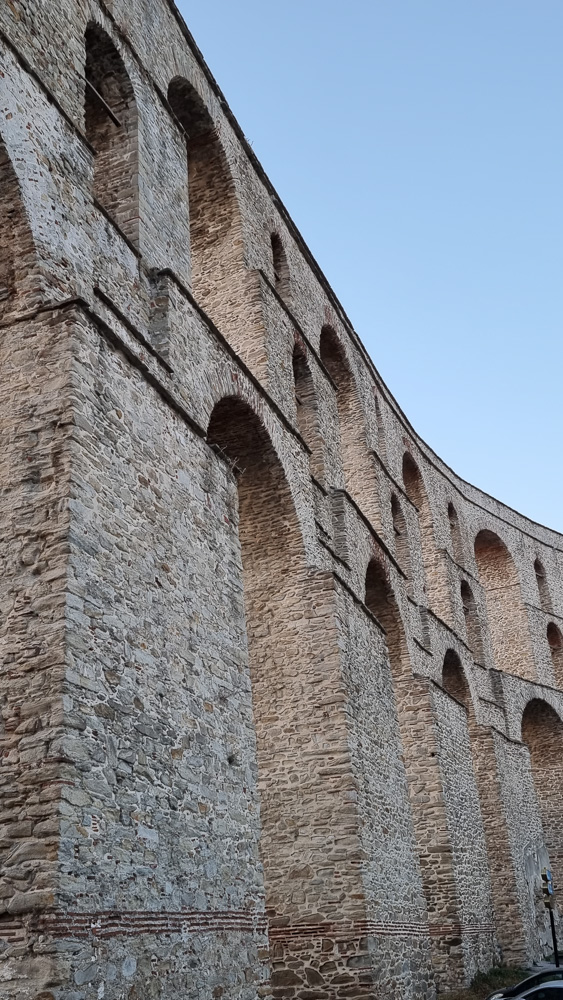
The famous "Arches" of Kavala are the city's trademark. Built in the 16the century, apparently on the remains of a Roman aqueduct, it aimed to supply water to the arid peninsula of Panagia. After its completion, it gave new life to the area, which was transformed into a metropolis.
Archaeological site of Philippi
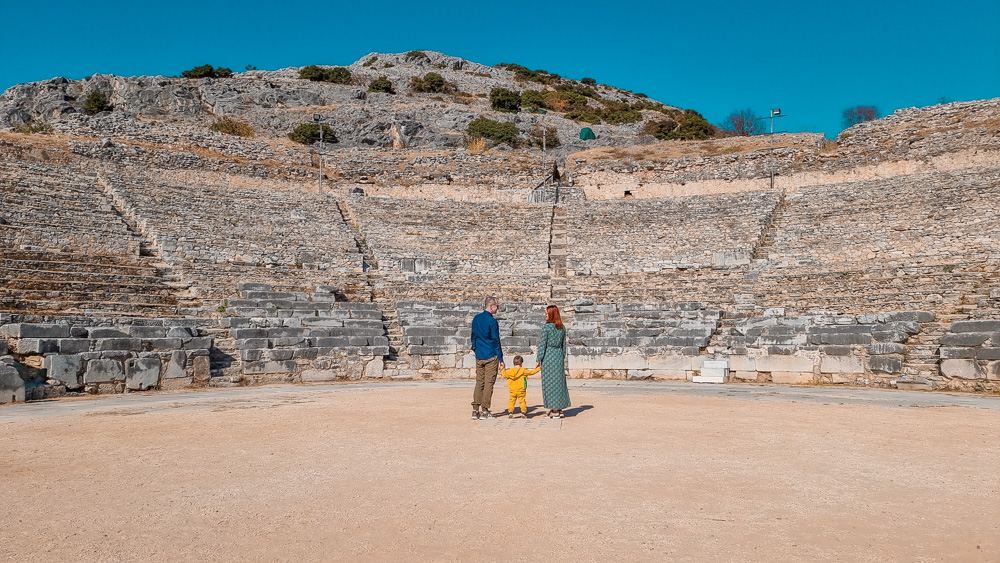
A short distance from the city of Kavala is an archaeological site with a long history, which is now a UNESCO World Heritage Site. Its conquest by Philip II (father of Alexander the Great) makes it one of the most important cities of antiquity, while the construction of the ancient Egnatia through it gives it great economic development during Roman times. However, the first Christian church in Europe was founded here by the Apostle Paul in 50 AD, giving new glory to the area.
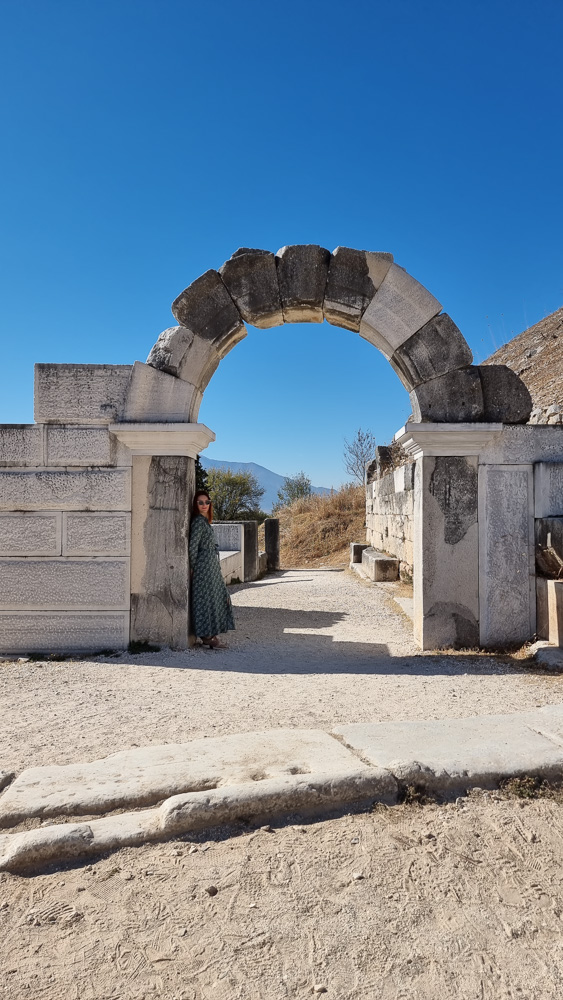
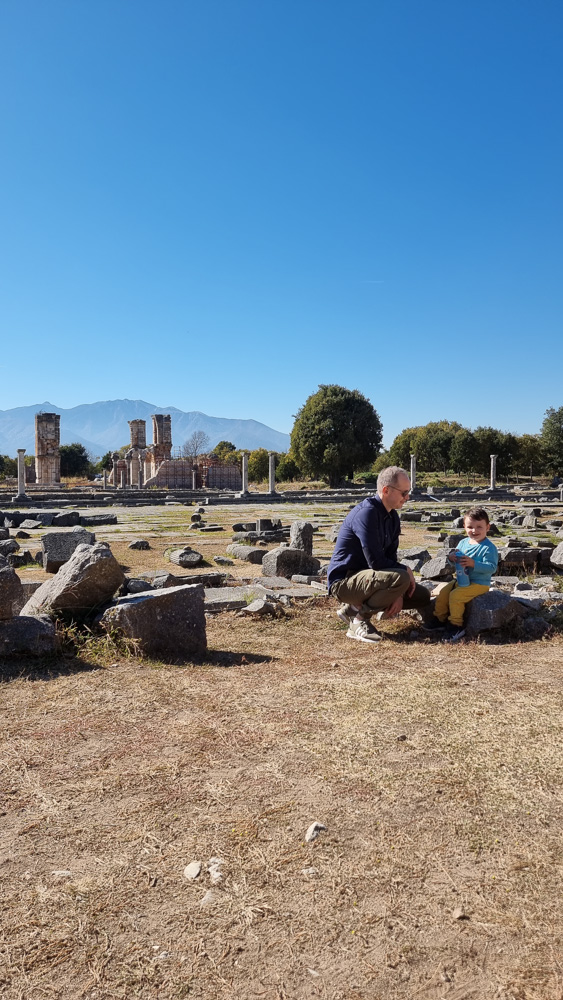
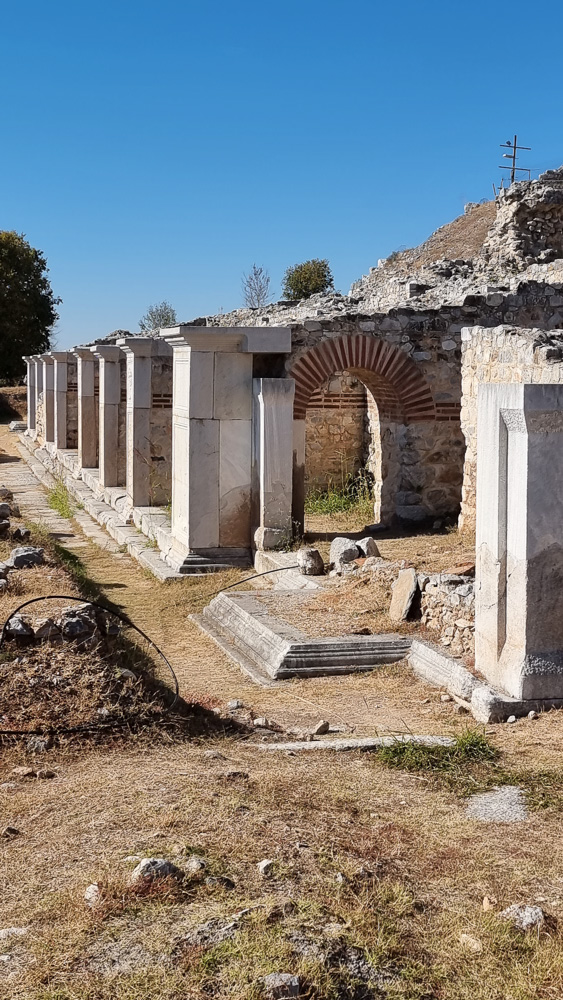
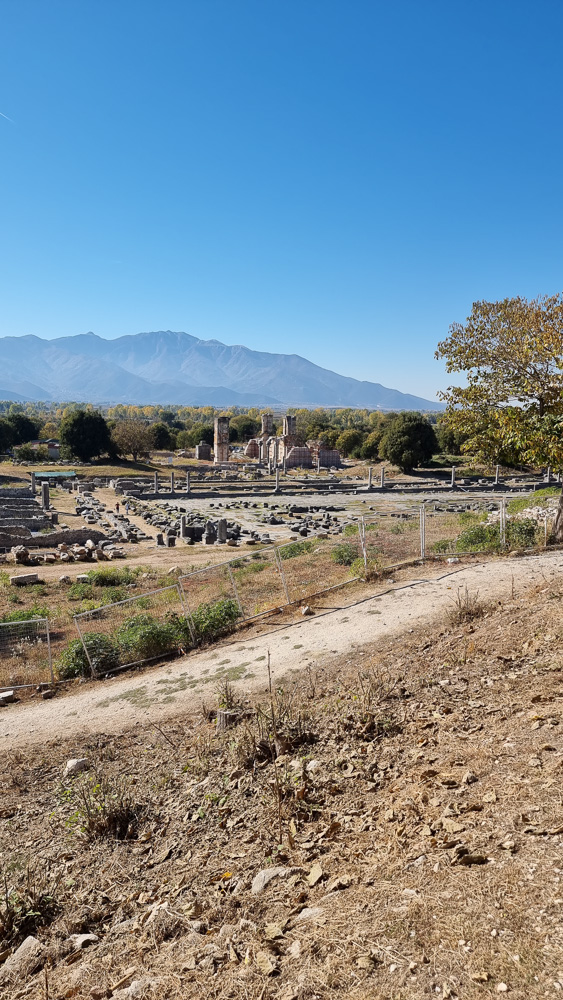
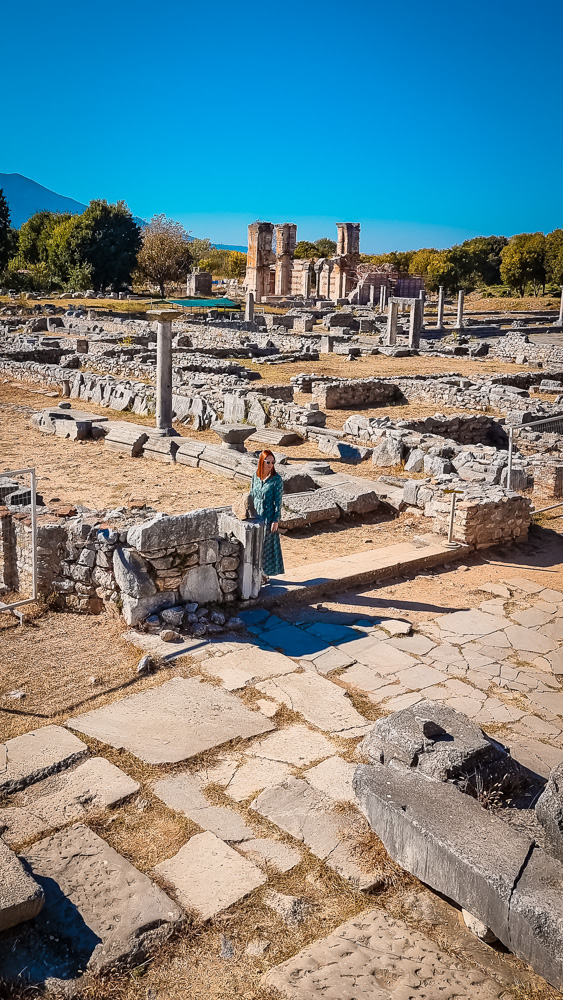
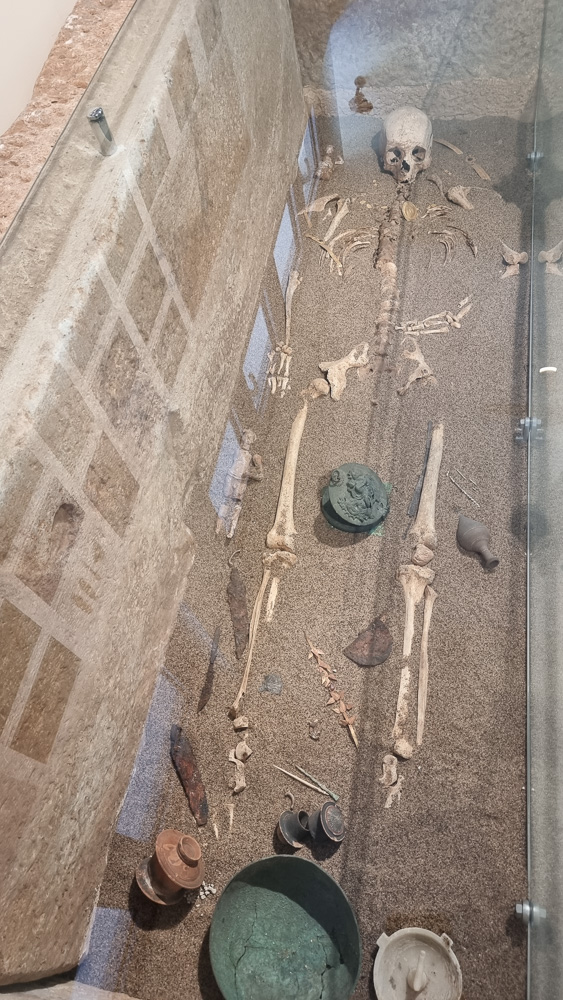
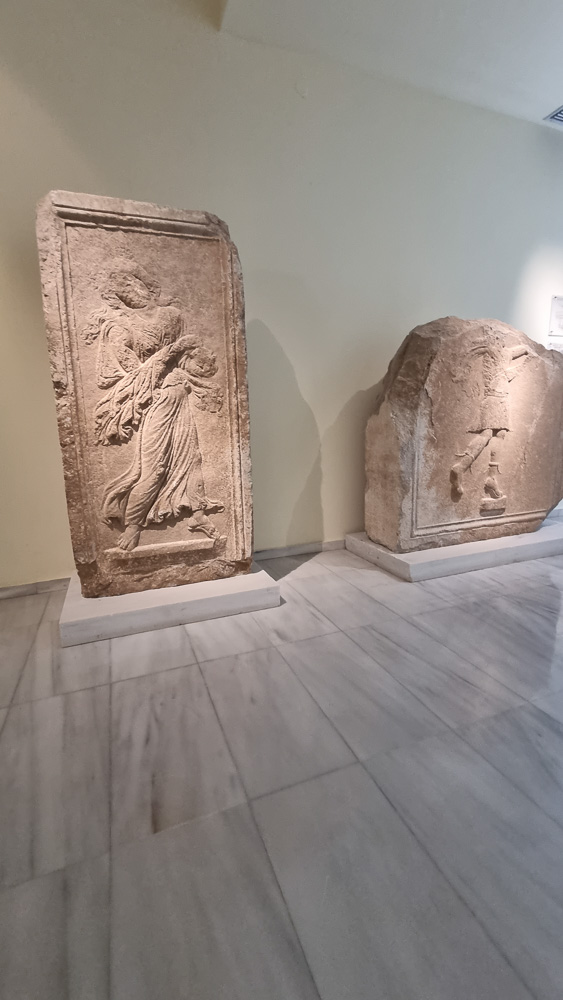
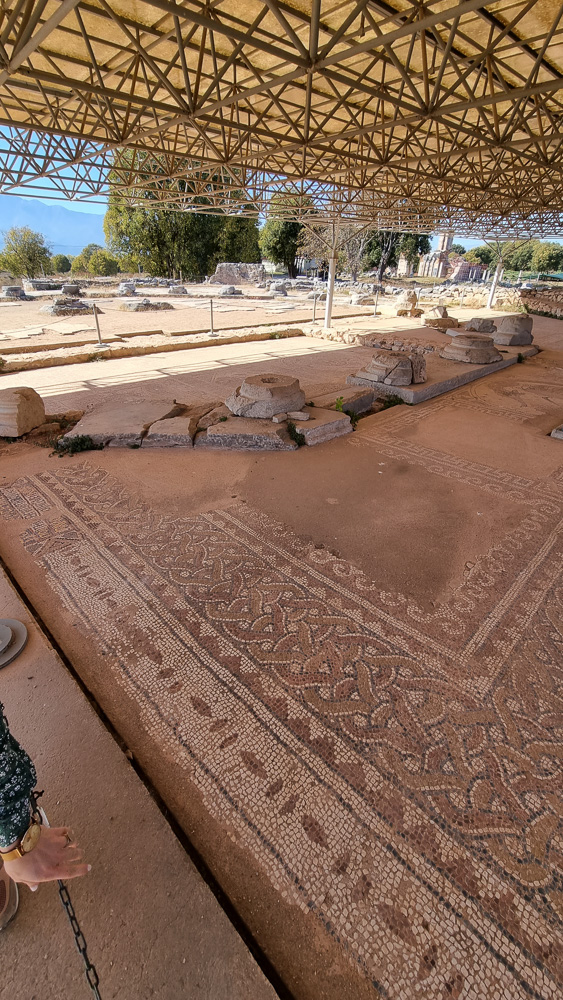
St. Lydia's Baptistery Philippi
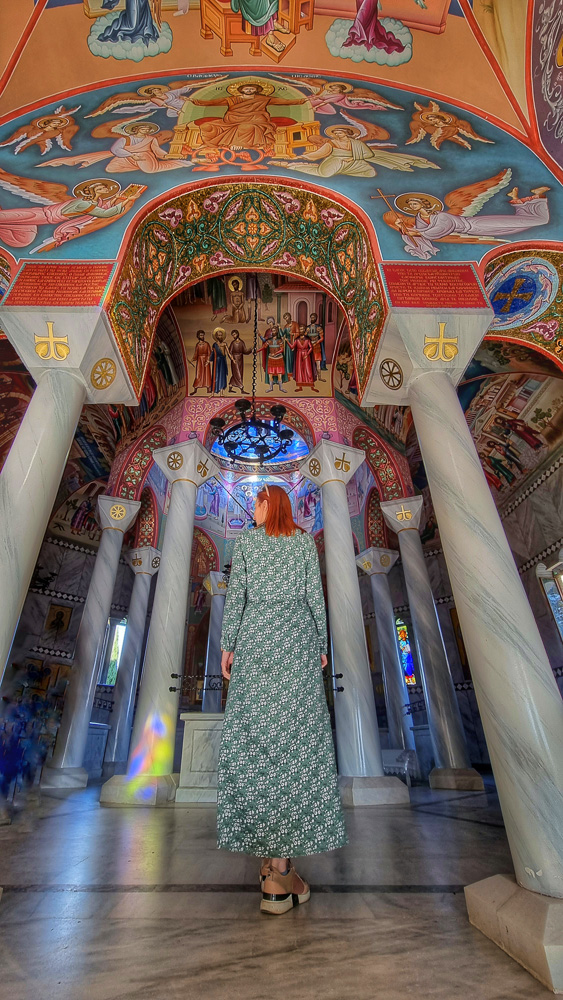
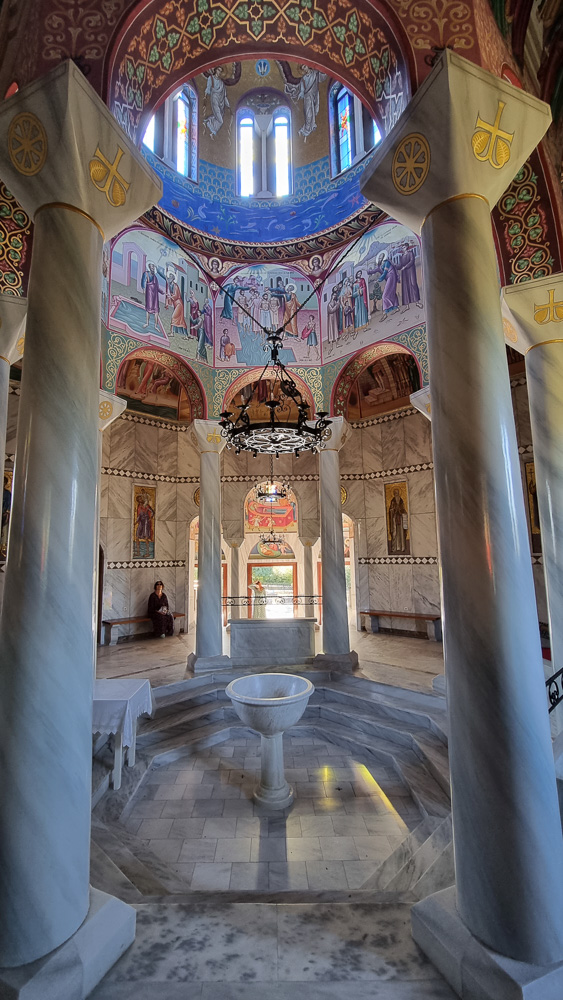
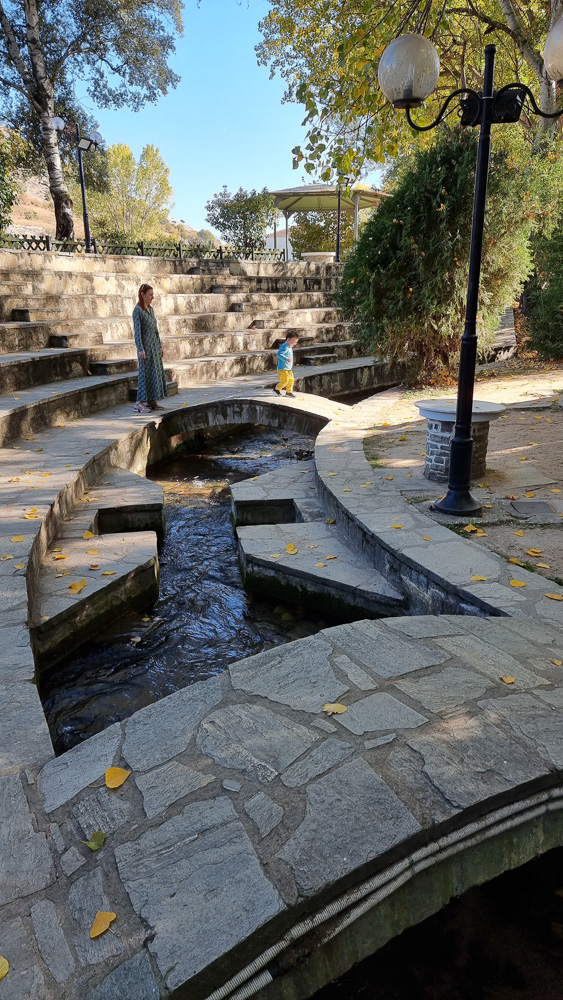
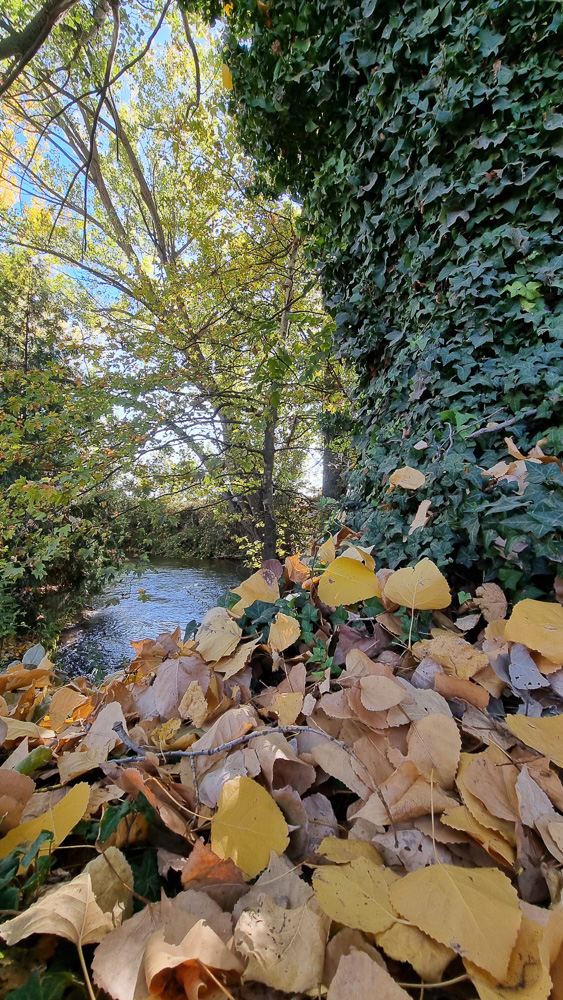
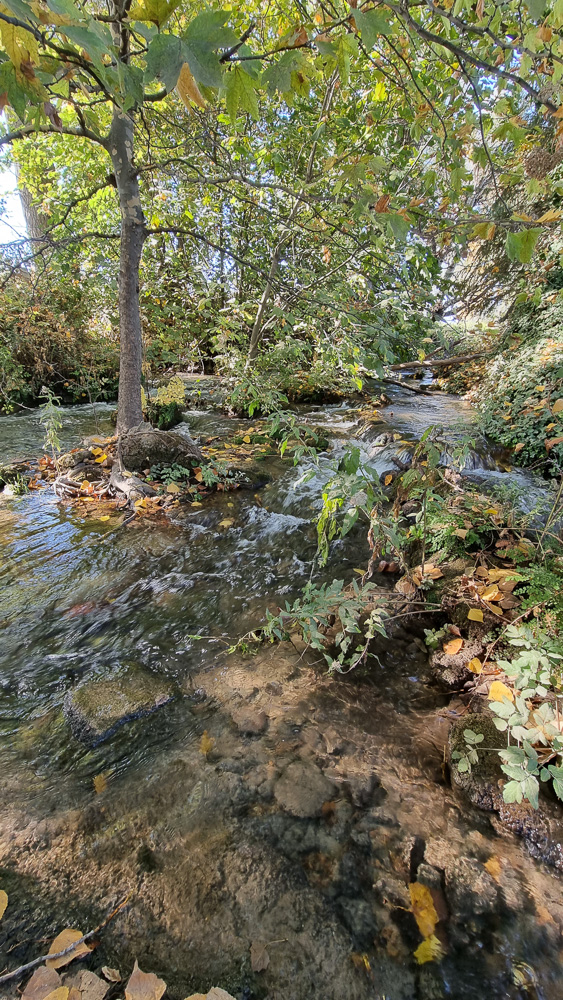
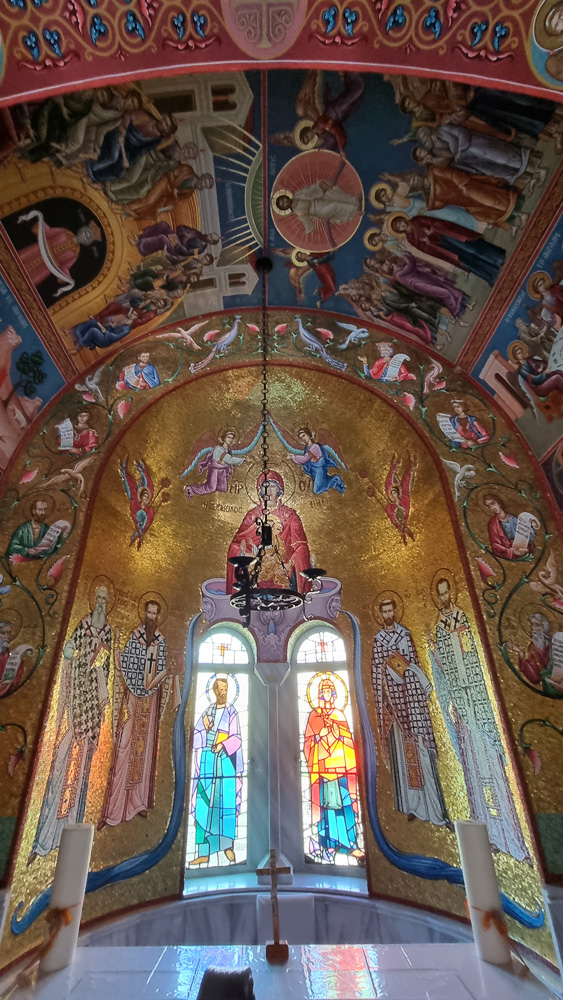
Another first, however, took place a few kilometers away from the archaeological site of Philippi. In the waters of the Zygaktis River, in an idyllic, verdant area, the first European Christian woman was baptized by the Apostle Paul. Next to the open-air baptistery, an elaborate temple has been built in which marble dominates, while the mosaic on the floor depicts the journey of the Apostle Paul.
Beaches
Kavala has a beautiful coastline that you can cross on foot or by bike/scooter at any time. However, it is also lucky to have impressive sandy beaches nearby for swimming in the summer and as long as the weather holds in the fall. Within the city and to the west are Rapsani and Kalamitsa, while to the east is Perigiali. A little further away are Batis, Toska and Palio, while further away are Nea Iraklitsa, Nea Peramos, Cape Vrasida and the impressive Sand Dunes. To the east, Ammoglossa in Keramoti is a must for photography lovers due to the pine forest and the relief of the terrain.

Closing
Kavala is therefore an all-time classic destination, which no matter what season you visit, will not disappoint you. It always has something to see and do and will certainly make you explore a little more the history of the region, which balances harmoniously between east and west, carrying its rich cultural past into the present.