Copenhagen doesn’t need exaggerations to charm you. Its beauty lies in its simplicity and the authentic quality of life it offers. The homeland of Andersen, the city that birthed the "hygge" philosophy and the famous Lego bricks, respects its citizens and shows it at every turn. Clean, organized, and designed with priority for pedestrians and cyclists, it provides a safe environment where daily life flows without unnecessary fuss. With a wealth of interactive museums and original activities that fascinate children, it proves in practice what it means to be a truly family-friendly city.
 Beyond modern comfort, the city carries a rich heritage that begins in the Viking era and extends to today’s acclaim of Scandinavian design. Its architecture, with an emphasis on minimalism, blends historical atmosphere with clean lines and functionality. This logic of convenience also extends to transportation: the public transit network is so seamless and simple to use that exploring with children becomes an entirely restful experience, allowing you to focus exclusively on the sights and experiences the Danish capital has to offer.
 Undoubtedly, Copenhagen is not a budget destination. A quick search for accommodation, attractions, and restaurants is enough to realize that the costs are significantly high. In this article, however, we will help you make your trip feasible by sharing smart tips that will noticeably reduce your expenses without compromising on the experience.
When to go?
Avoid winter! No matter how many beautiful photos you see with Christmas decorations and colorful lights, don't be swayed. The cold is biting, and the humidity from the canals and the harbor literally "pierces through to the bone." Especially for children, enjoying the activities at Tivoli will be a difficult mission due to the weather. Keep in mind that Tivoli remains open only during the holiday season and then closes, welcoming the public back in the spring when temperatures are more tolerable. Therefore, the ideal period is spring, as the days get longer, or summer, which offers the best possible conditions—even though rain remains a frequent occurrence.
 Where to stay?
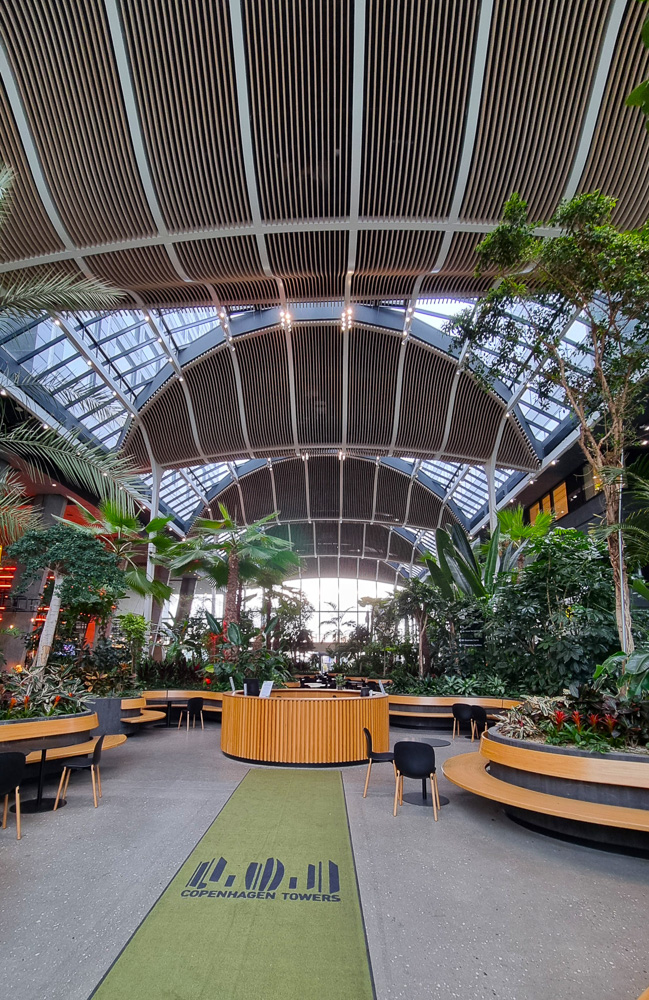
The city boasts an excellent transportation network, with four metro lines and buses that can take you everywhere. Wherever you choose to stay, make sure you are close to a stop so you can move around easily and quickly. If you book a hotel, prefer one that includes breakfast, as this will remove a significant expense from your daily budget. On the other hand, if you choose an Airbnb, its kitchen can be a lifesaver, as you will be able to prepare your breakfast or even a daily meal there. We stayed at and recommend the following hotel, which is located right next to a metro and train station, ensuring a fast connection to the center and the airport, while also offering an excellent breakfast.
 How to get around
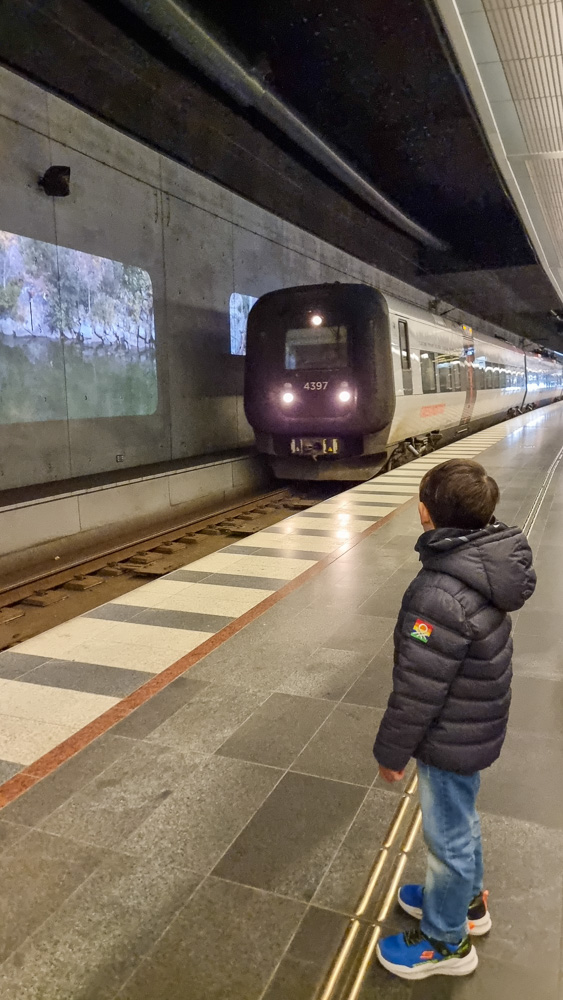
For your transportation, download the app Rejsebillet (or DOT Tickets). If you plan to travel primarily by metro, I have the ultimate "hack" for you: choose the Weekly commuter ticket for the Metro. For just 99 DKK, you get unlimited metro rides for 7 days—a price that is hard to find anywhere else. However, if your plan includes frequent use of the train or bus, then the City Pass is the solution, as it covers all modes of transport (bus, train, metro) with a single ticket, giving you peace of mind wherever you go. Despite the fact that Denmark belongs to the European Union, it has its own currency. That is why you should get a card Revolut to ensure you get the best exchange rate. You won't need cash anywhere.
 Copenhagen Card
The Copenhagen Card is an "all-in-one" card that offers free entry to over 80 museums and attractions, while also including unlimited travel on all modes of transportation. It is the simplest way to explore the city without worrying about individual tickets. It is available for various durations (24, 48, 72, 96, 120 hours) to fully cover your trip.
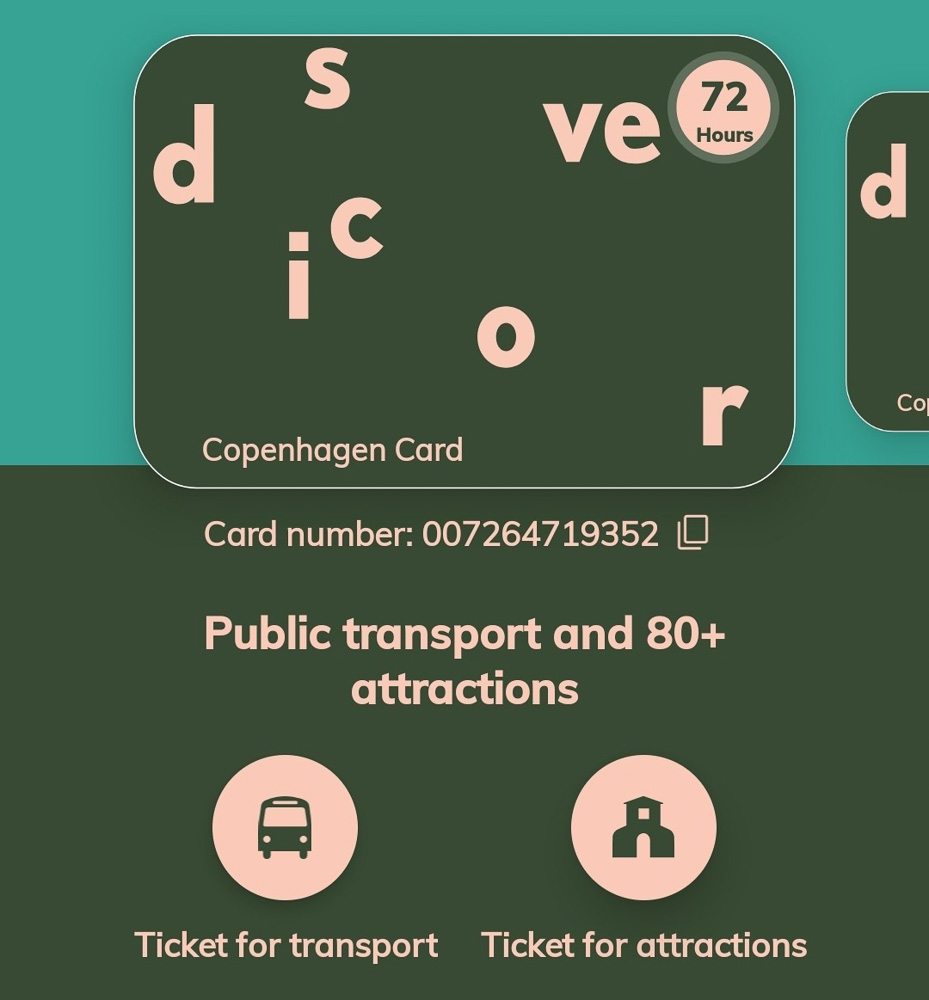 Now, grab a pen and paper, note down what you want to visit (after doing a little research), and then go to the Copenhagen Card website. Use the tool calculator they offer to compare whether buying the card or individual tickets is more beneficial for you, taking into account that the card also covers all your transportation. A major advantage for families is that the card for children has a very low price when combined with an adult one. We chose it and highly recommend it, as it allowed us to see as much as possible and move around everywhere stress-free.
 What to see
Free Activities - Attractions
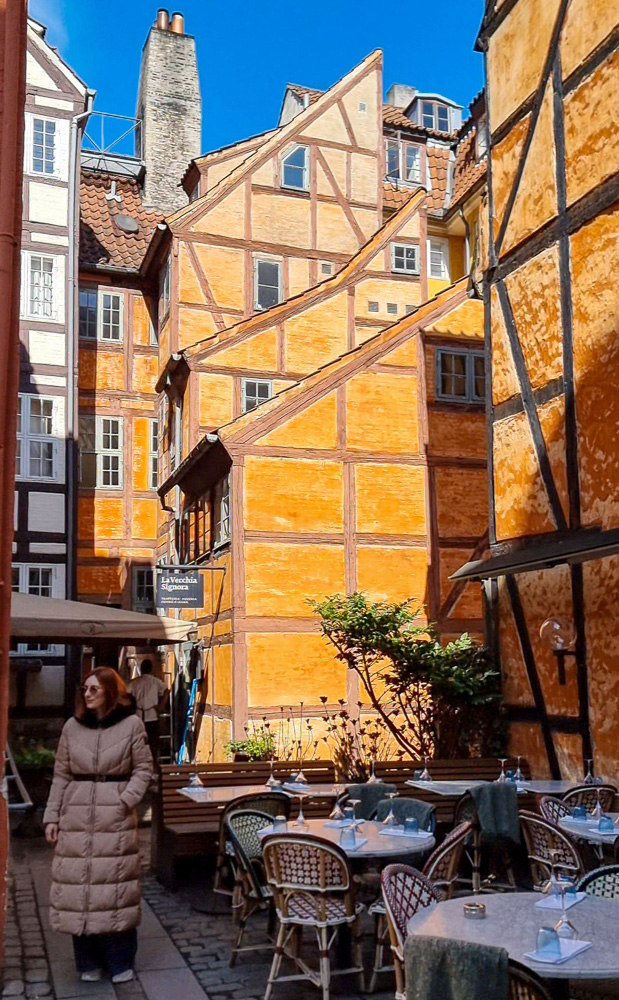
Pistolstræde
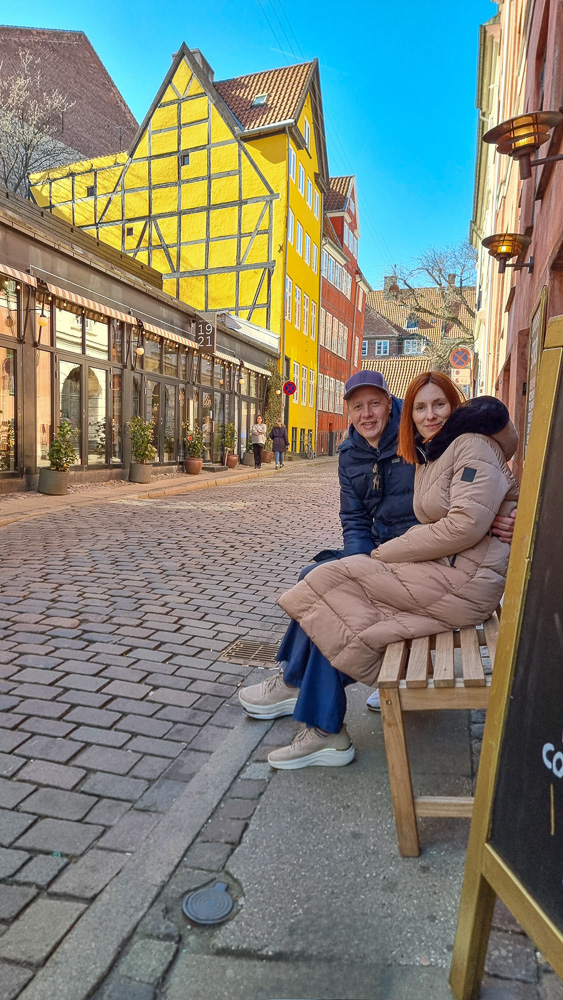
As its name suggests, it is a hidden alley shaped like a pistol, featuring some of the city's oldest houses with their characteristic yellow color and wooden beams.
Strøget
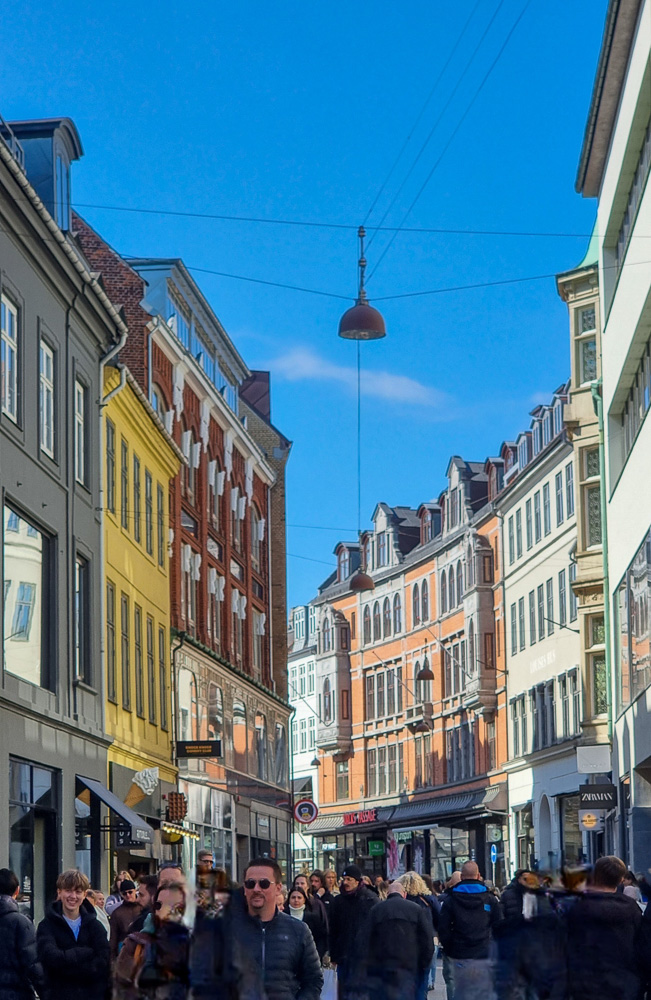
It is one of the longest and oldest pedestrian streets in Europe and serves as the "heart" of Copenhagen. It features some of the Danish capital's most beautiful historic buildings, which maintain their authentic design on the outside, while the interiors house modern Danish design shops such as Hay House, Royal Copenhagen, and Illums Bolighus—which is like a design museum in the form of a store! One of the most interesting Lego Stores is also located there. Young children will absolutely love it!
Gråbrødretorv Square
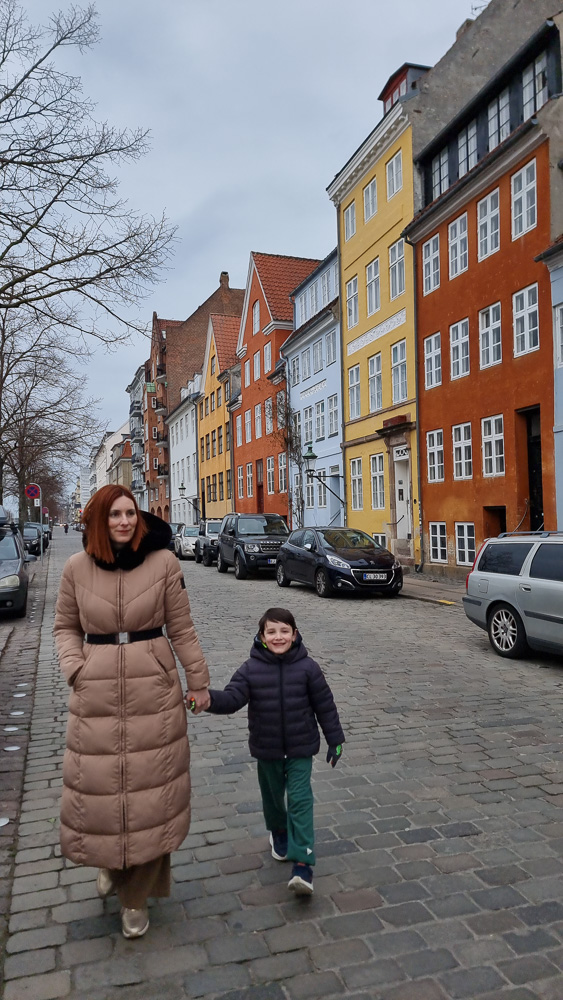
The most Instagrammable square in the city, with its main feature being the beautiful houses surrounding it, painted in vibrant colors—deep yellow, orange, and red. These buildings were constructed immediately after the Great Fire of 1728 and are the hallmark of Danish urban architecture from that period.
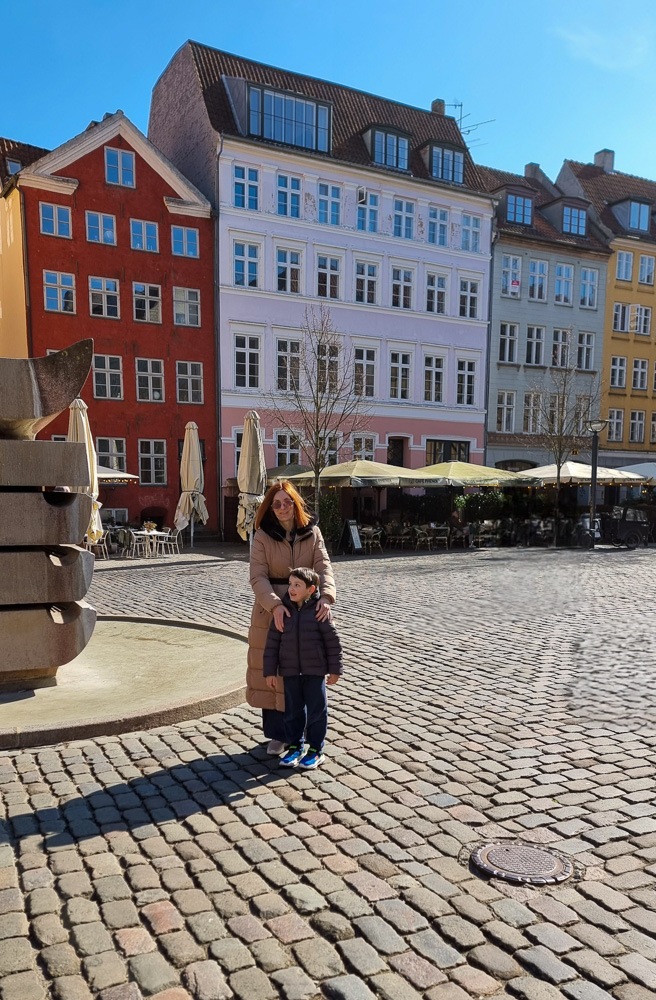
Gammel Strand και Ved Stranden
Gammel Strand means "old shore," and it was once the site of the fish market. Today, it is a beautiful pedestrian street next to the canal, featuring historic 18th-century buildings, elegant cafes, and restaurants. Ved Stranden is its natural extension.
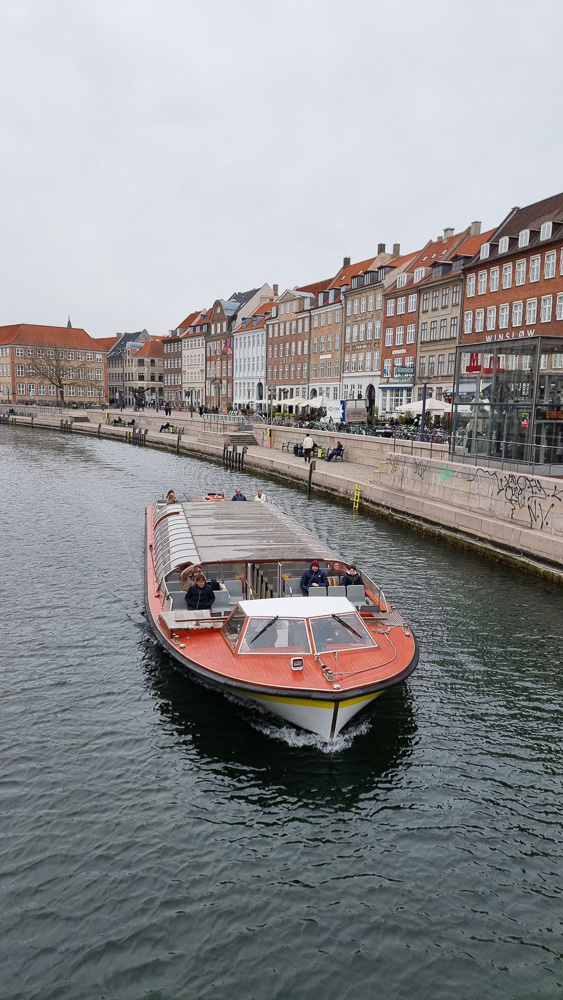
Rådhuspladsen (City Hall Square)
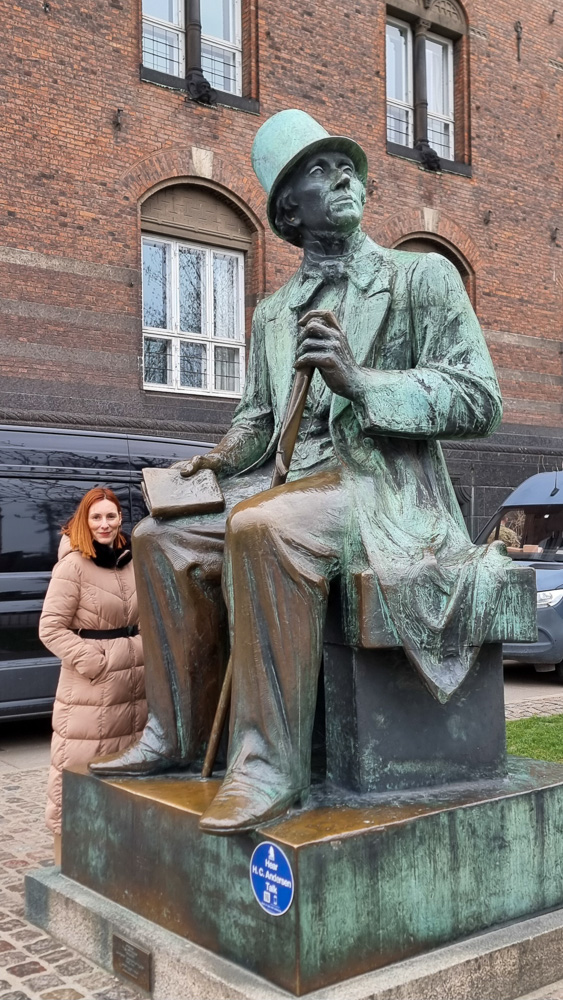
This square is dominated by the imposing City Hall building (built in 1892) with its famous tower that offers panoramic views. Right next to it, you will find the statue of Hans Christian Andersen gazing towards Tivoli, serving as one of the most popular spots for travelers to take a commemorative photo with Denmark’s national "storyteller."
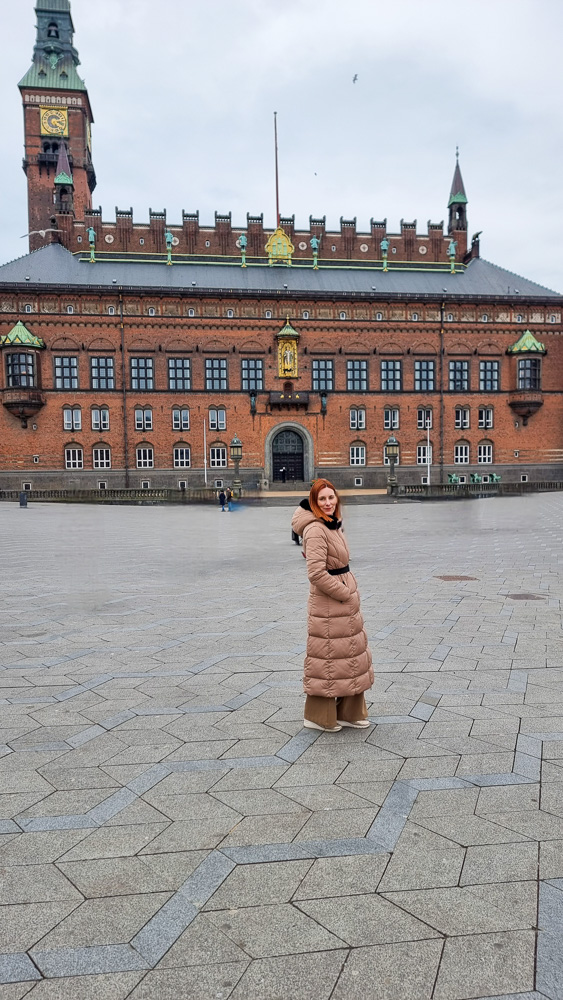
Amalienborg
Amalienborg is the winter residence of the royal family and consists of four identical palaces surrounding a large octagonal square. Every day at 12:00, it is worth watching the changing of the royal guard, a military protocol that begins at Rosenborg Castle and concludes here, offering a unique historical spectacle.
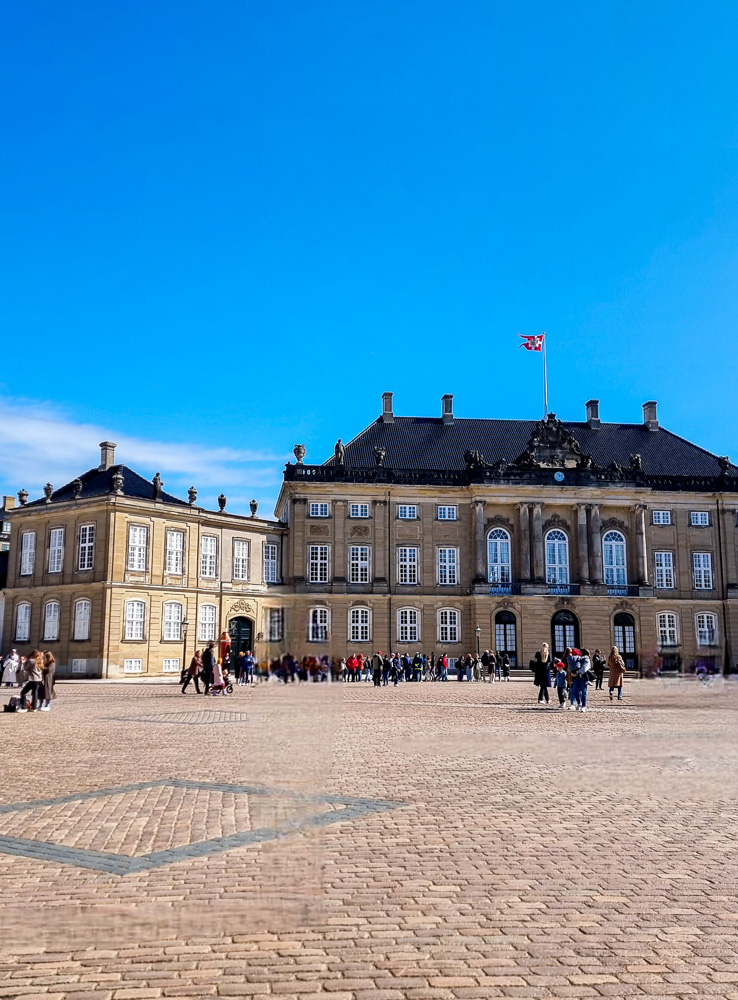
Black Diamond
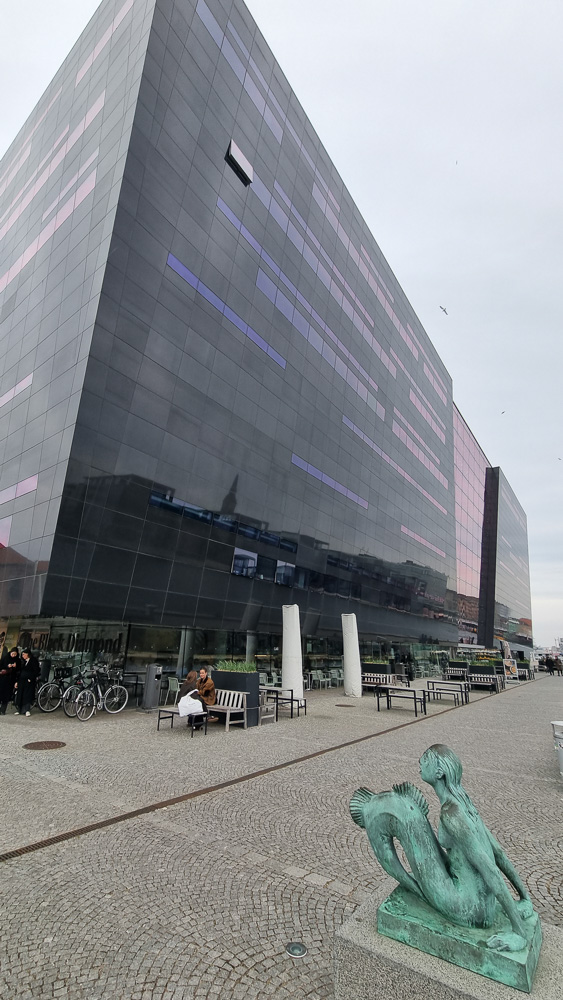
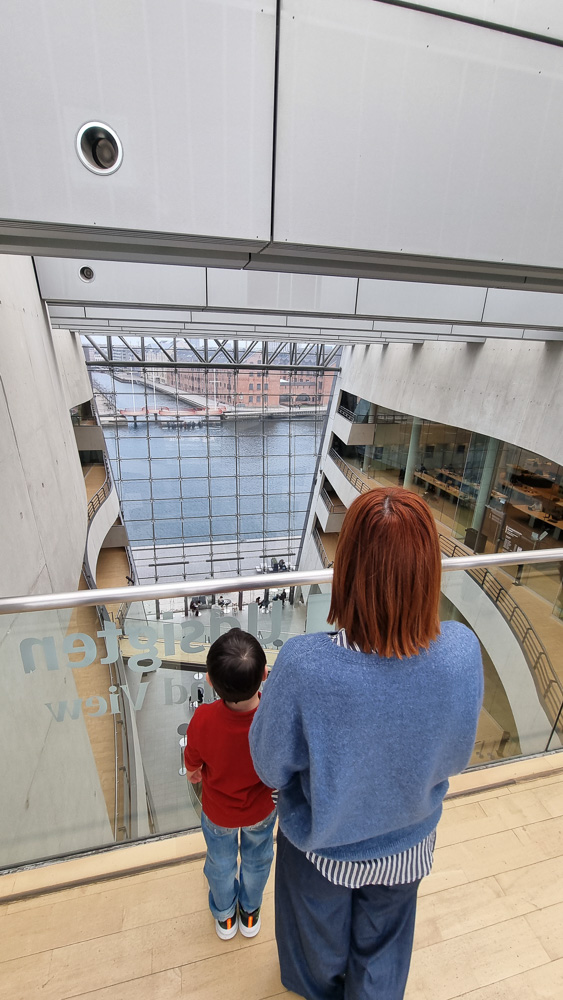
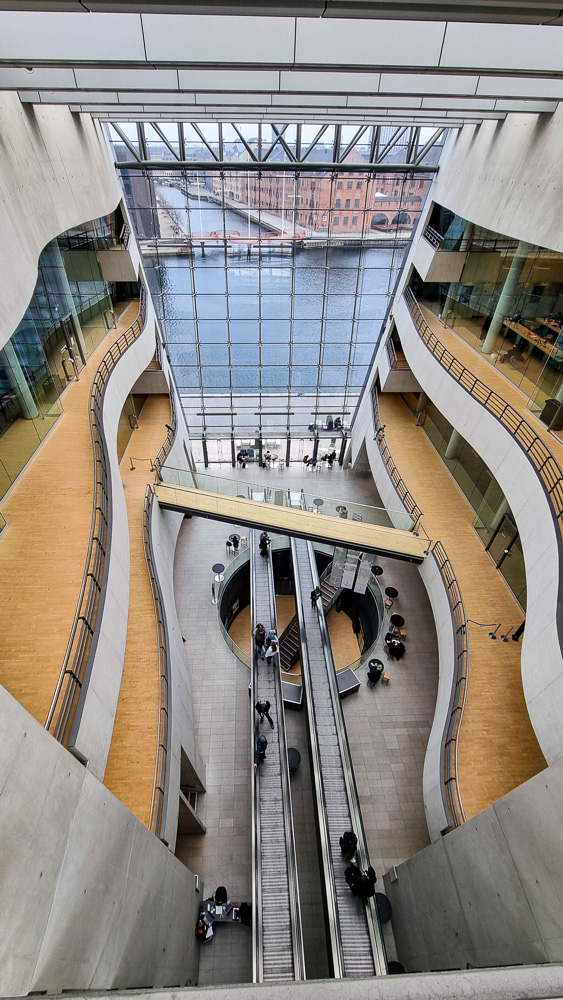
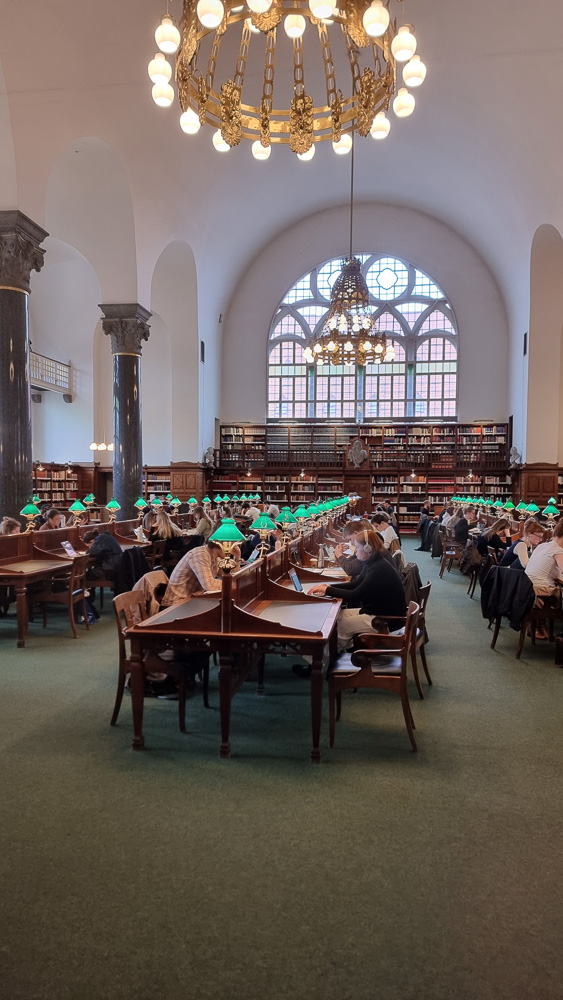
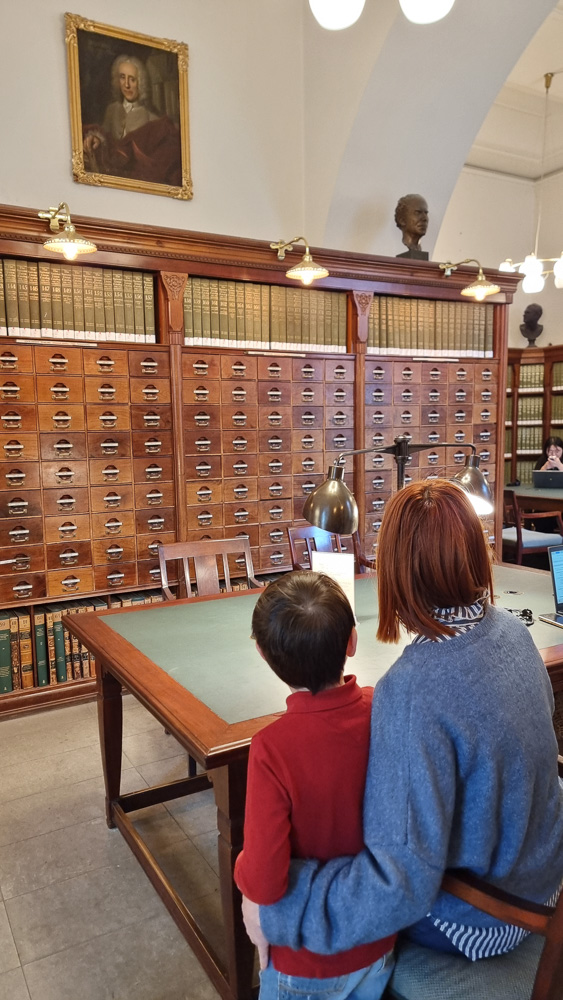
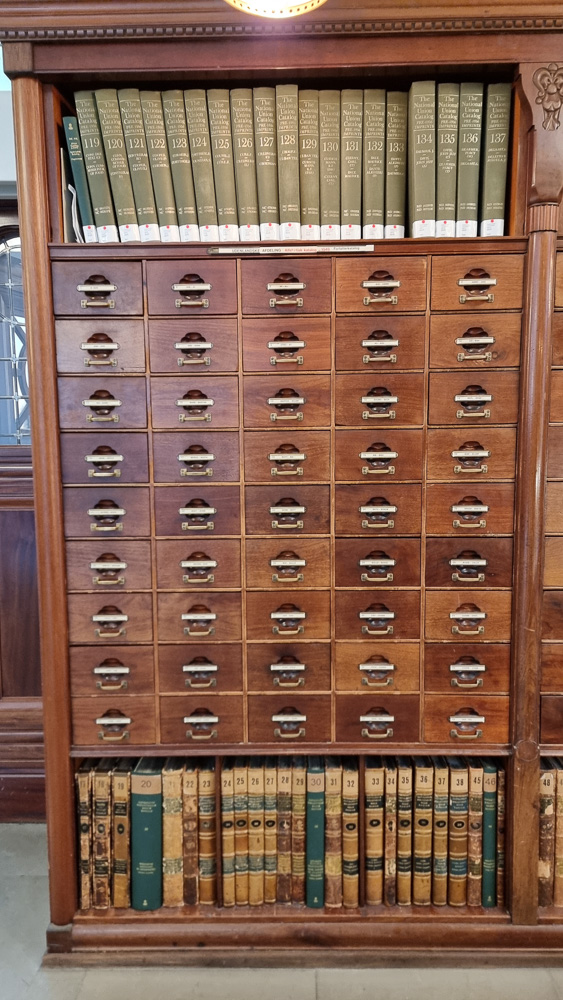
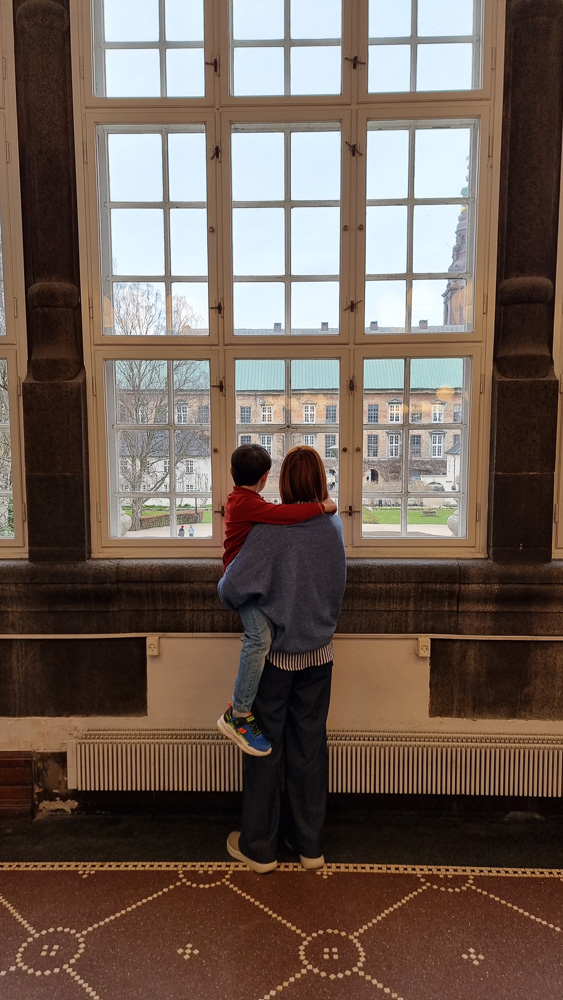
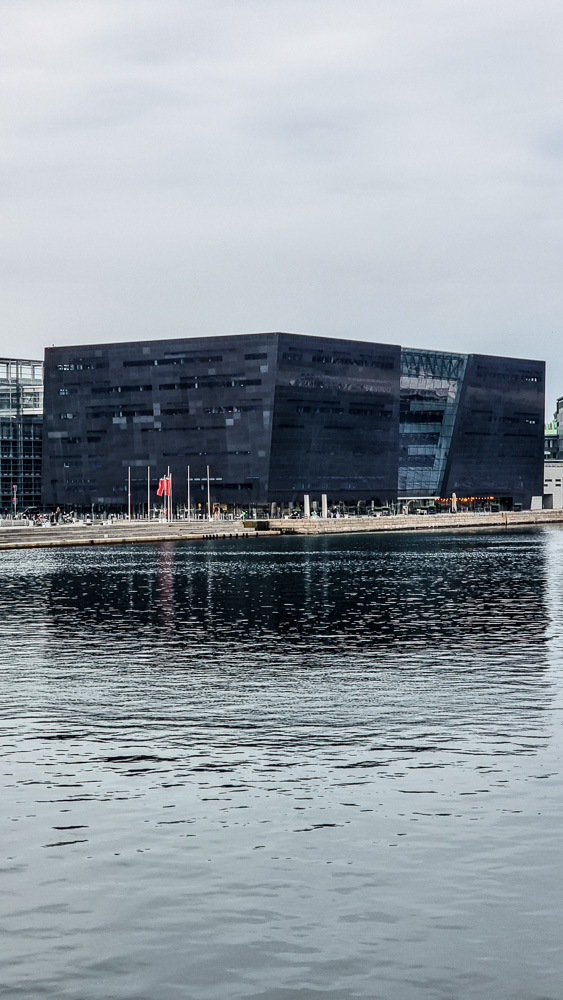
In reality, this is the modern extension of the Royal Library, and it owes its name to the polished black granite that covers it. Inside, the massive atrium with its curved lines and natural light will leave you speechless, while the building is connected to the old library via three skybridges. In this way, you are transported from contemporary design to the classic 1906 atmosphere, complete with wooden shelves and traditional lamps. You should head up the escalators for the classic panoramic photo, enjoy the view at the lovely cafe with the harbor in the background, and definitely visit the old building as well. Entry is free, but if you wish to visit some of its exhibitions or collections, a ticket is required.
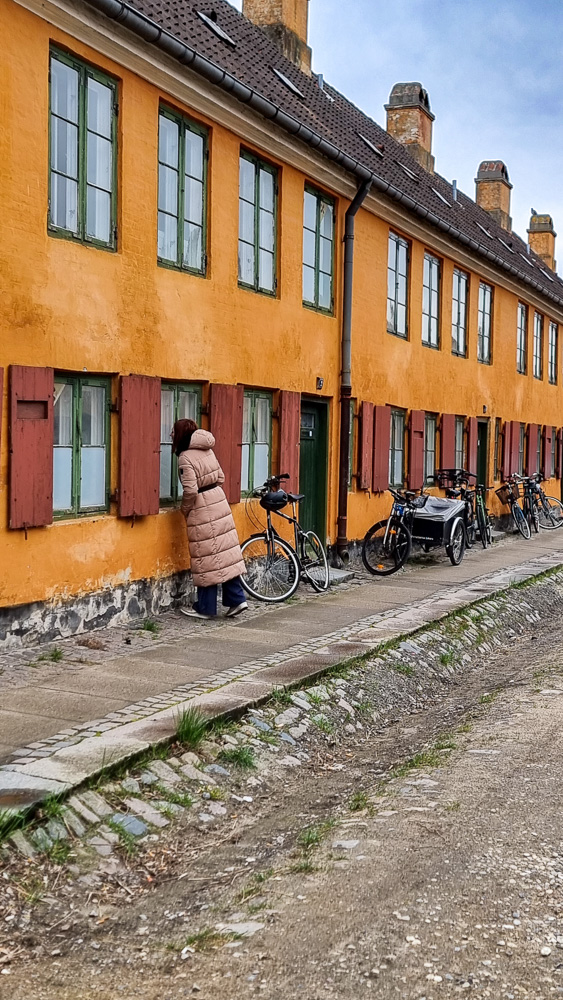
Nyboder
This is a historic district featuring rows of low houses built by order of the King in the 17th century to house the Royal Navy personnel and their families. Some of them are open to visitors. Look it up!
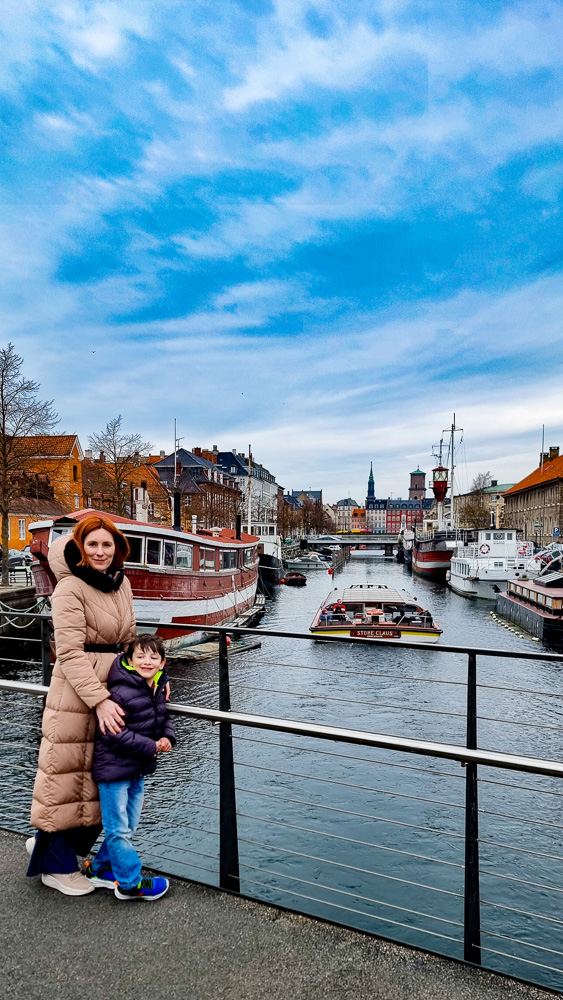
Christianshavn
It is one of the most atmospheric neighborhoods in Copenhagen, built on artificial islands and known for its picturesque canals that strongly resemble... Amsterdam. It was created by Dutch architects and took its name from King Christian IV, who envisioned it.
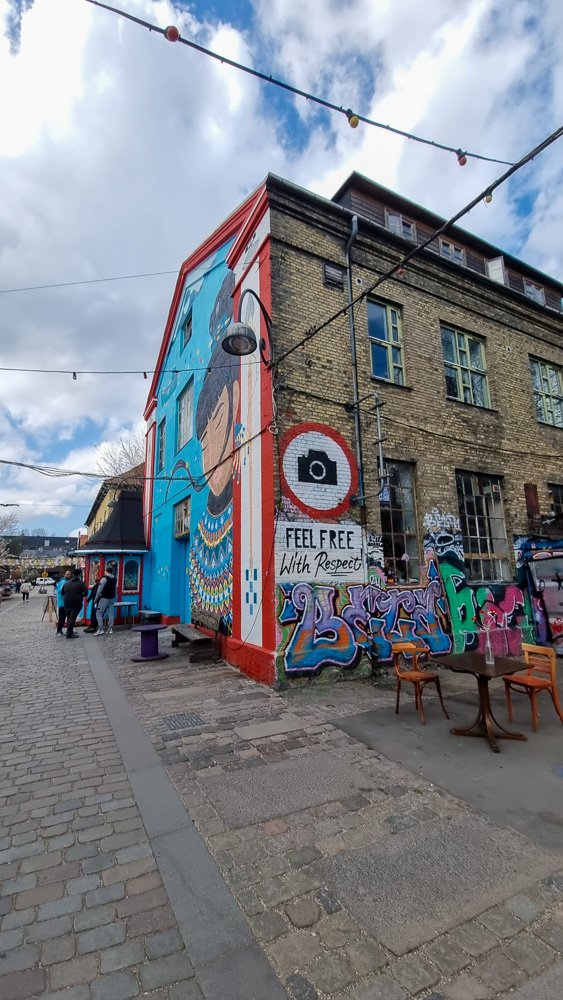
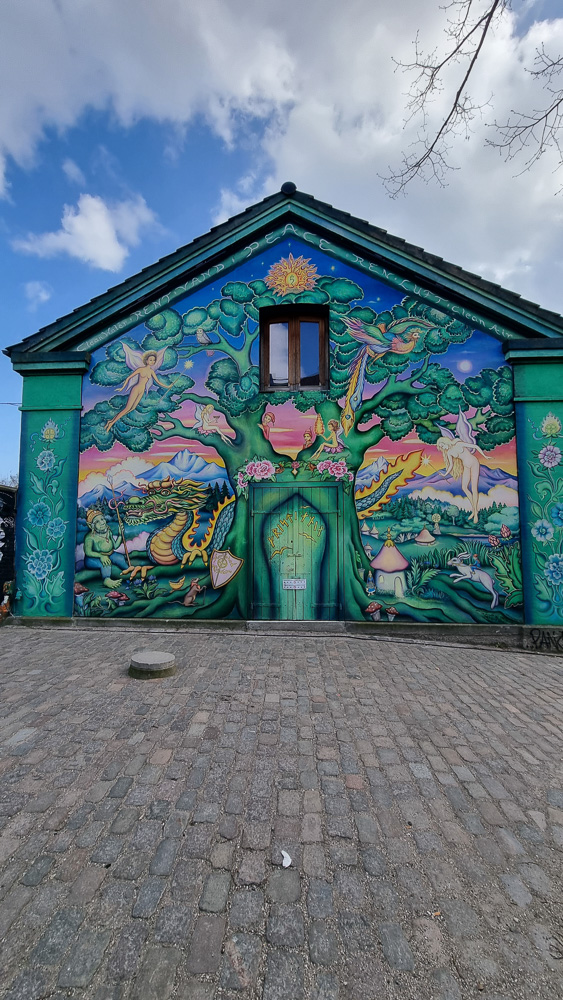
 Christiania
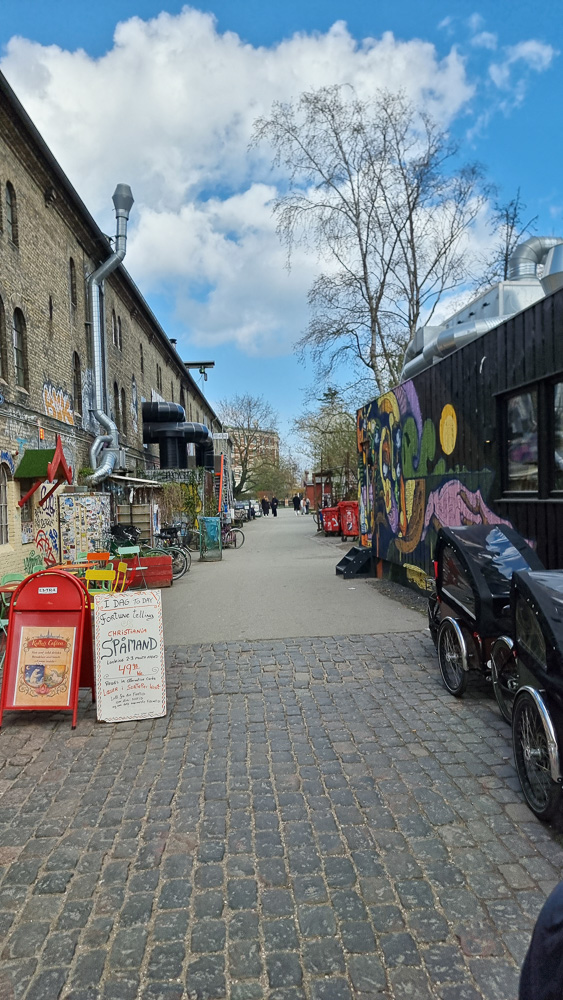
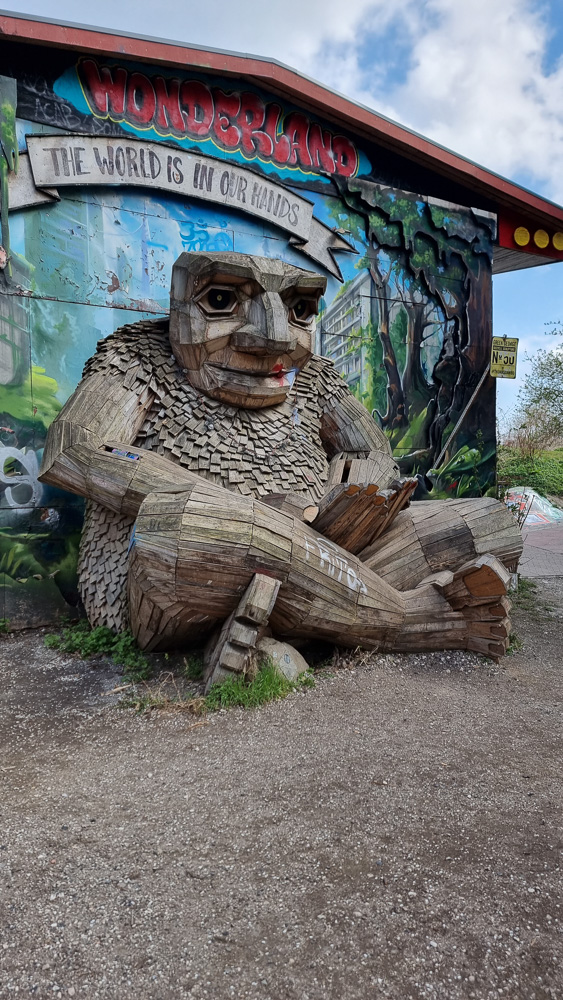
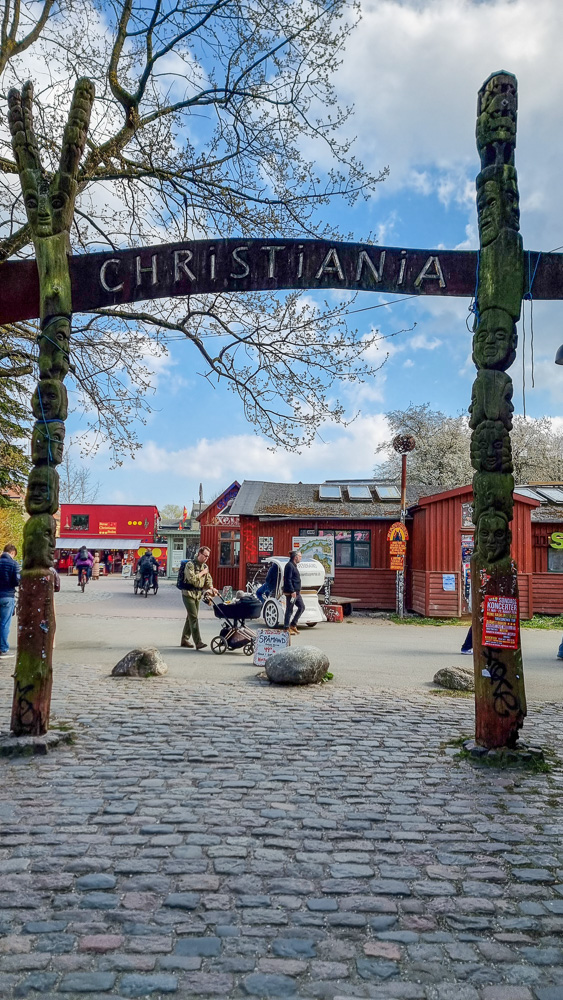
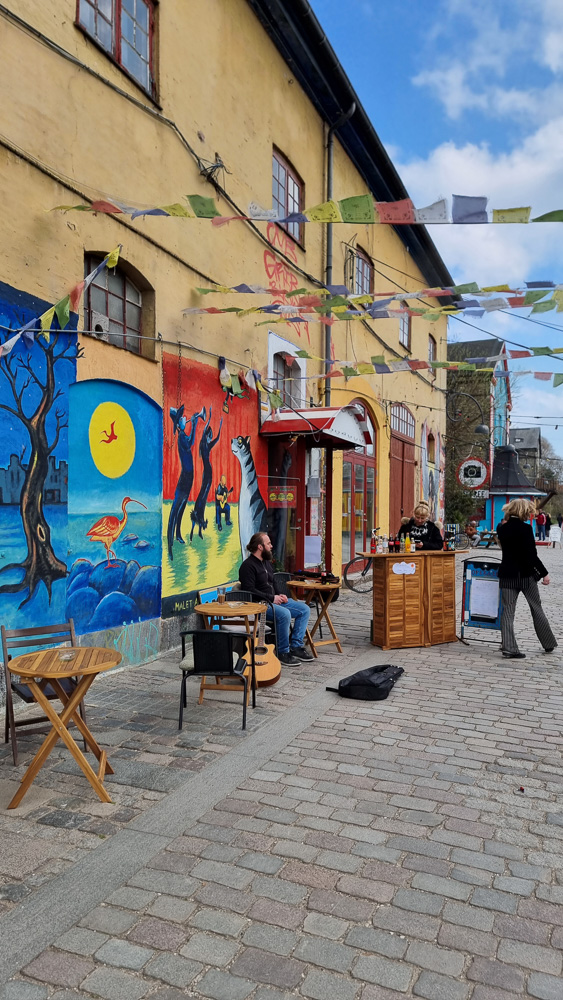
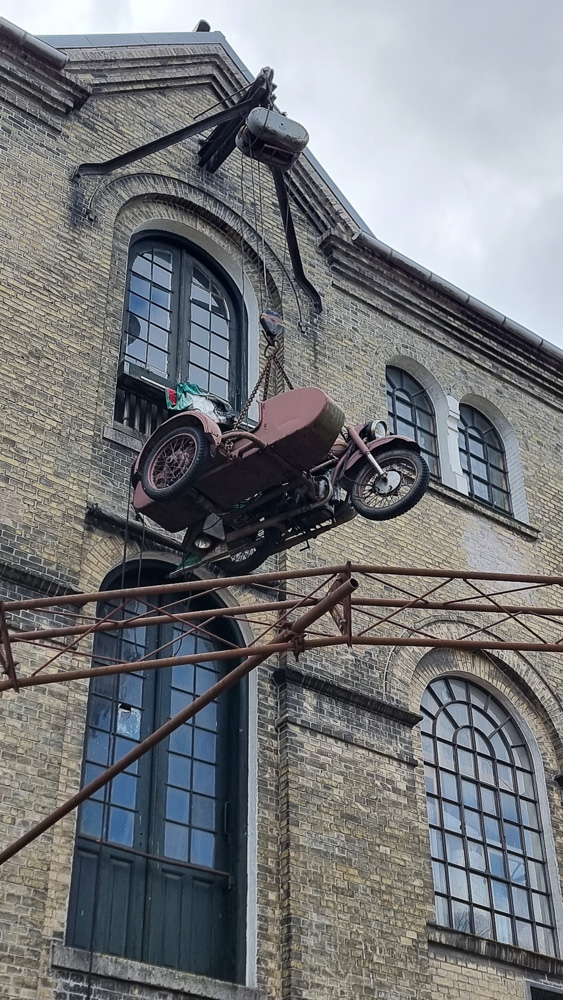
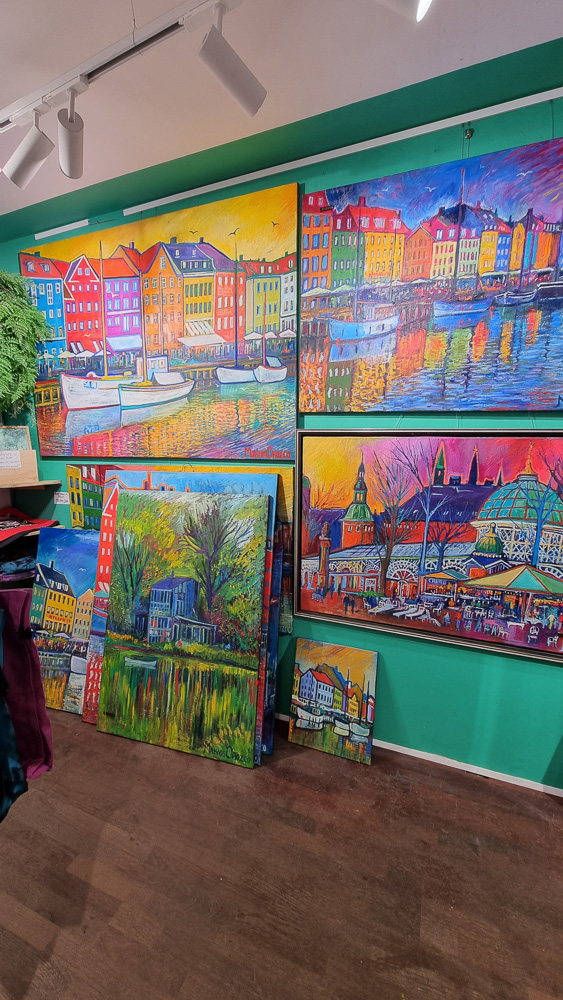
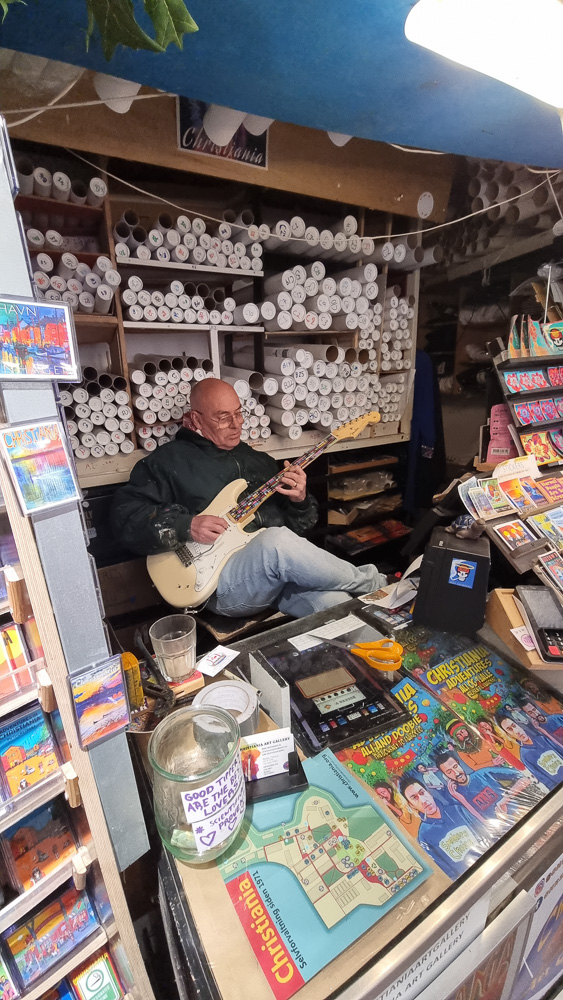
Christiania is a bohemian, self-governing alternative community in Copenhagen, known for its unique lifestyle and colorful street art. It was founded in 1971 when a group of city residents broke through the fences of an abandoned military barracks in Christianshavn, seeking green space for their children and affordable housing. Soon, the phenomenon grew. Hundreds of hippies, anarchists, and artists occupied the 84-acre area, declaring it a "Free City." It is worth walking through to experience a unique spirit of freedom that is unlike any other place in Europe.
Little mermaid
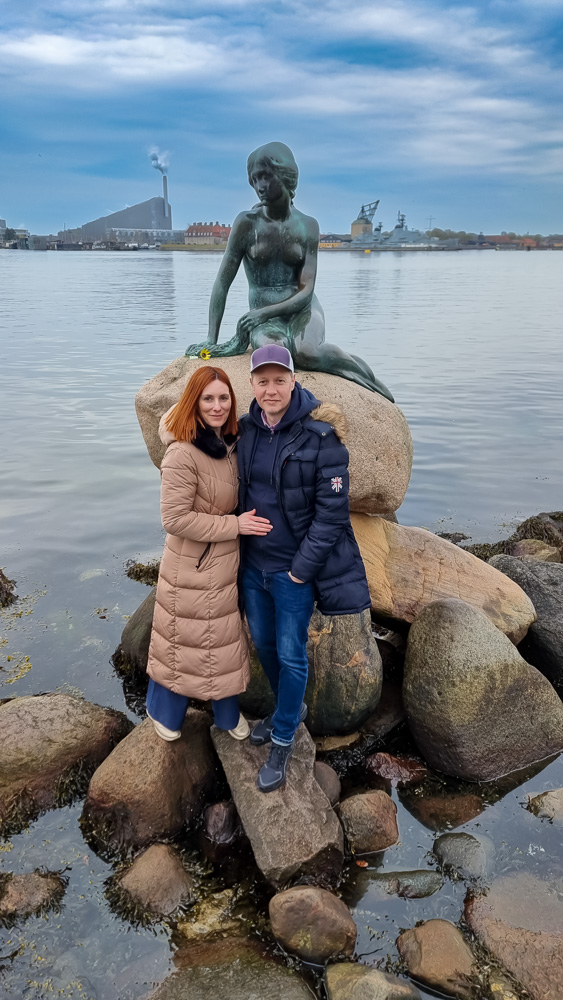
No visit to Copenhagen is complete without seeing the symbol of the city, the Little Mermaid. This melancholic statue gazes silently at the harbor, bringing Andersen's legendary fairy tale to life. Although unexpectedly tiny, it has remained a timeless attraction for travelers.
Kastellet
Kastellet is one of the best-preserved fortresses in Northern Europe, featuring a characteristic star shape that you can clearly see by zooming in on Google Maps. Today, it serves as a public park, offering a beautiful walking route among historic red buildings, a traditional windmill, and lush green ramparts overlooking the sea.
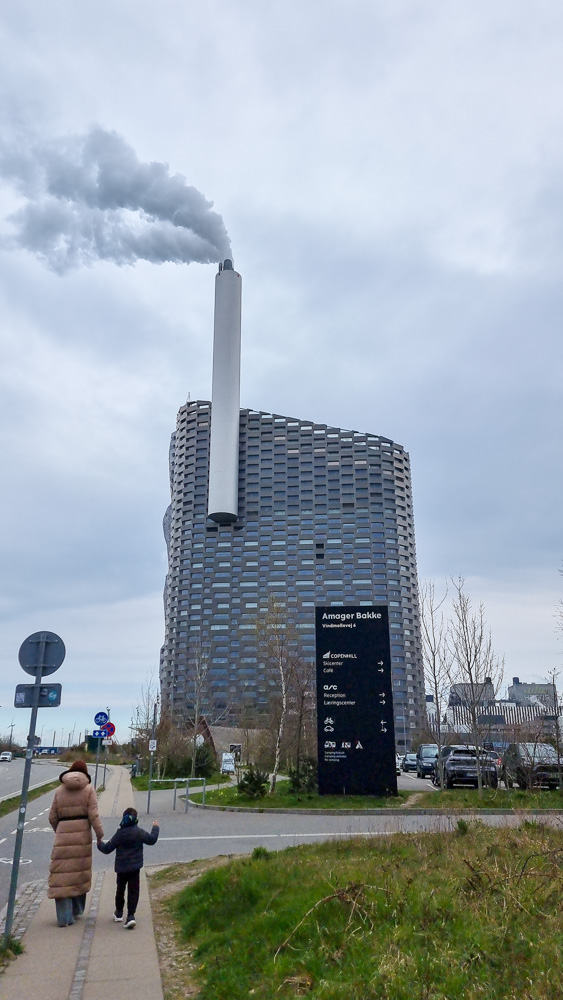
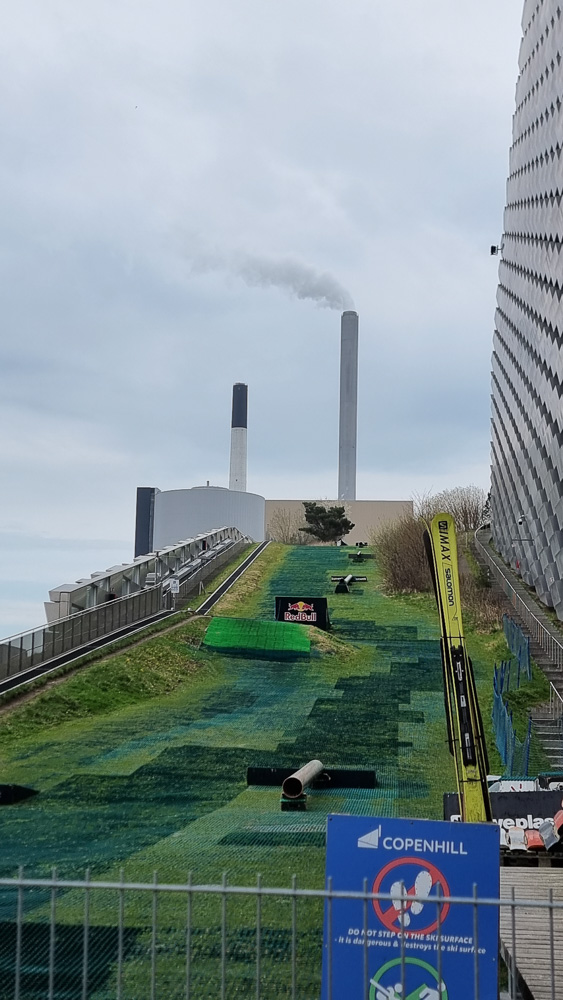
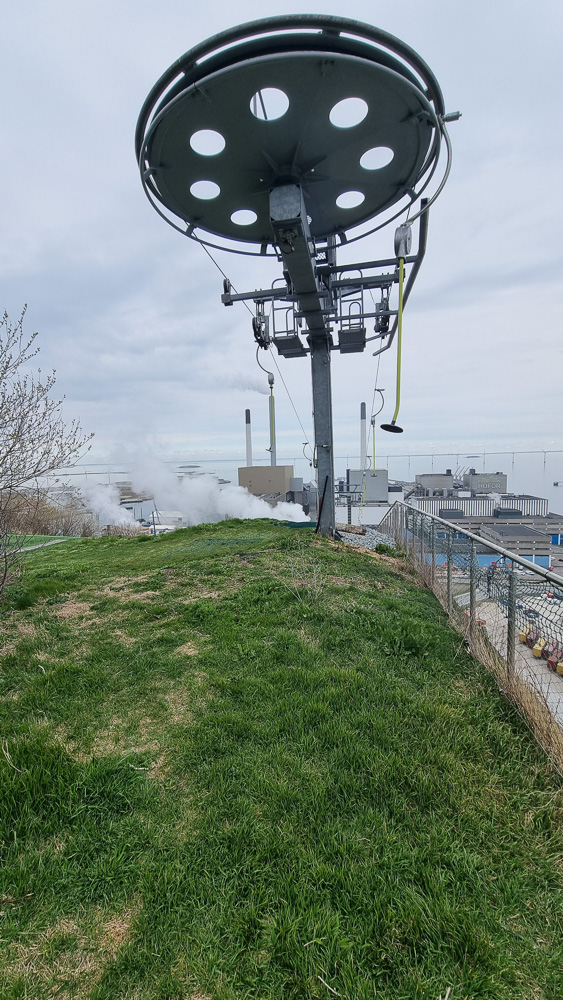
CopenHill
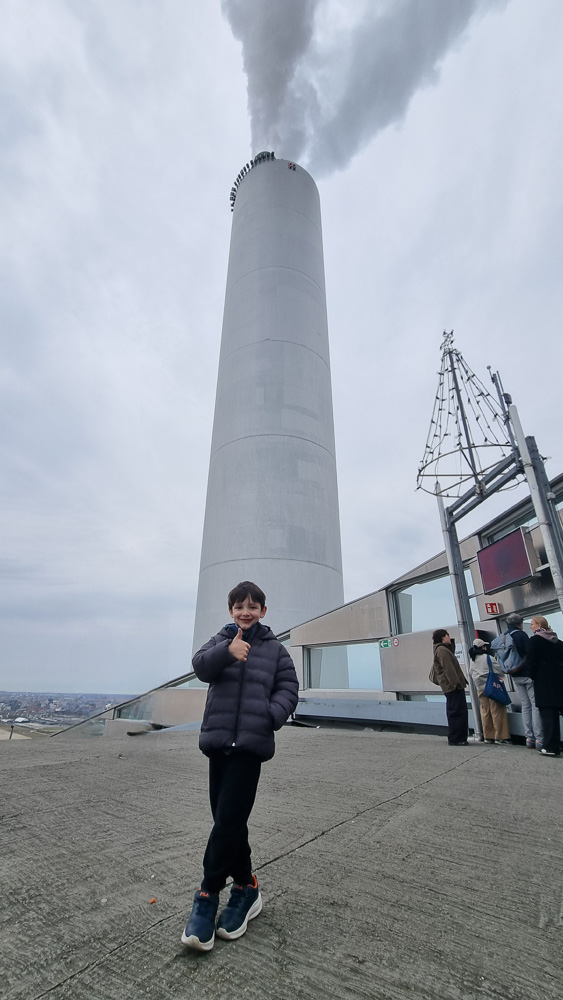
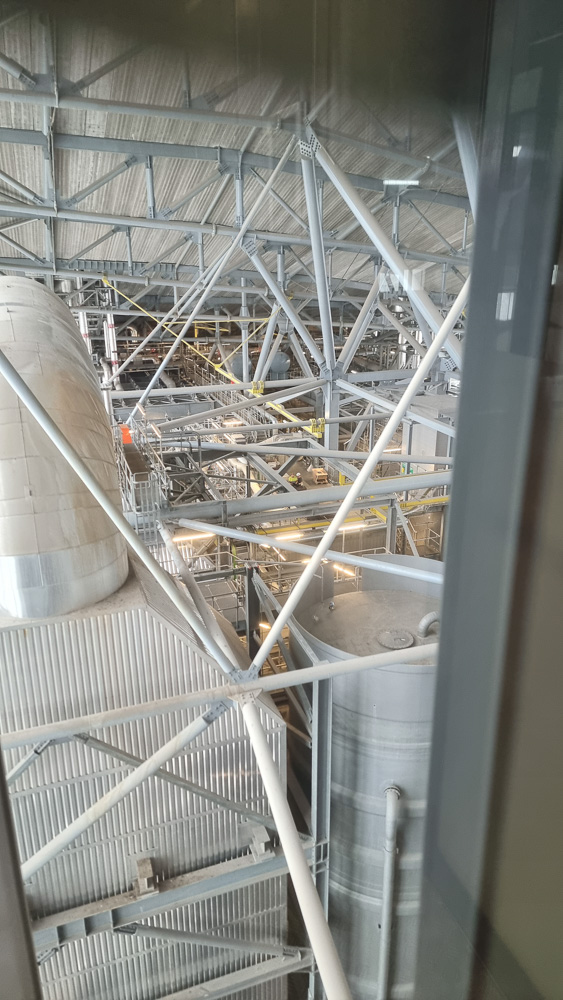
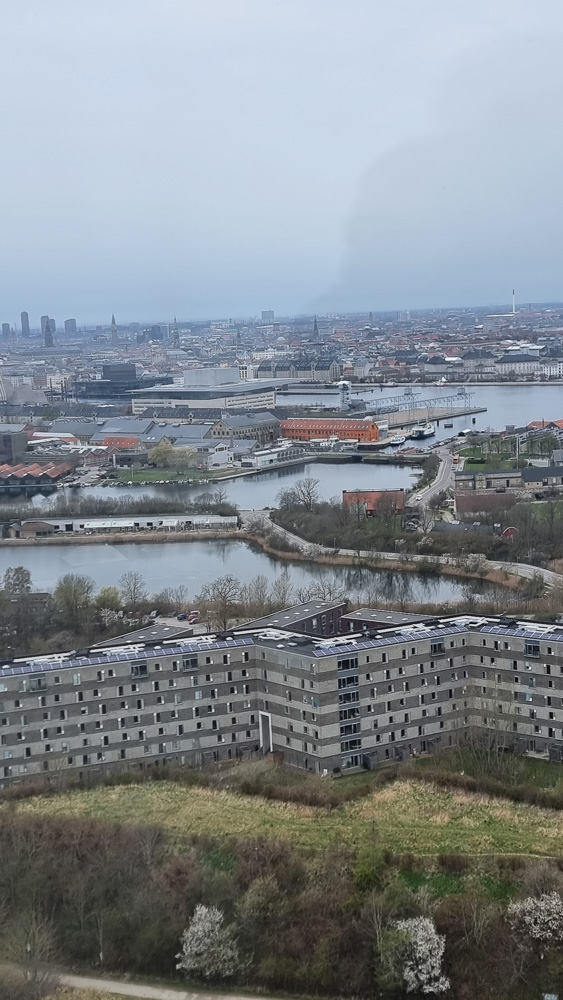
It is perhaps the craziest architectural project in the city. A state-of-the-art power plant that generates energy from organic waste, featuring an artificial ski slope and hiking trails on its roof. Designed by the famous Danish architect Bjarke Ingels, the structure is a practical demonstration of "sustainable development," as you can ski year-round or climb the tallest climbing wall in the world, while directly below, the plant converts waste into electricity and heating for thousands of homes. The ascent to the building's roof is free and offers unobstructed views of the entire area.

Activities – Paid Attractions (all included in the Copenhagen Card)
Canal cruise
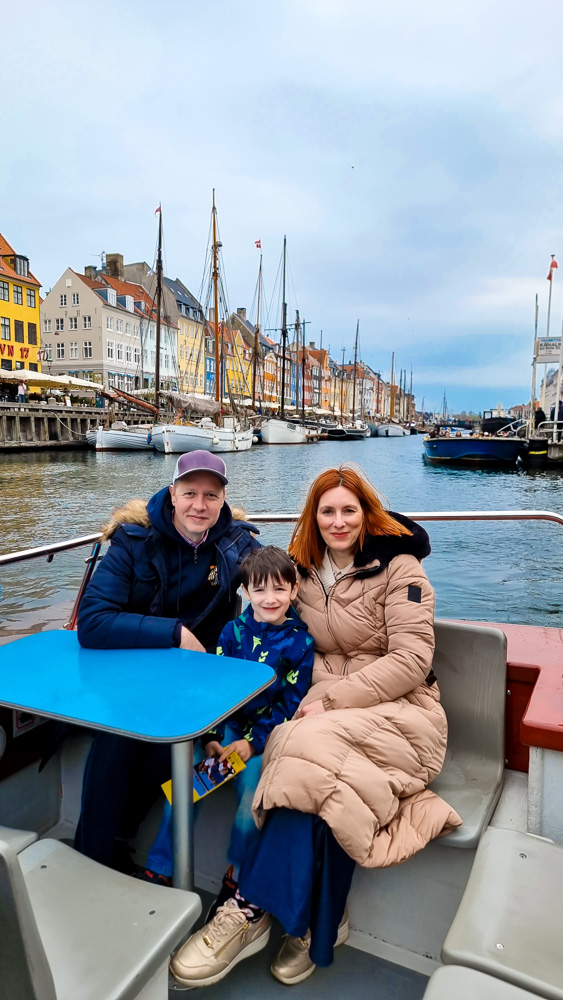
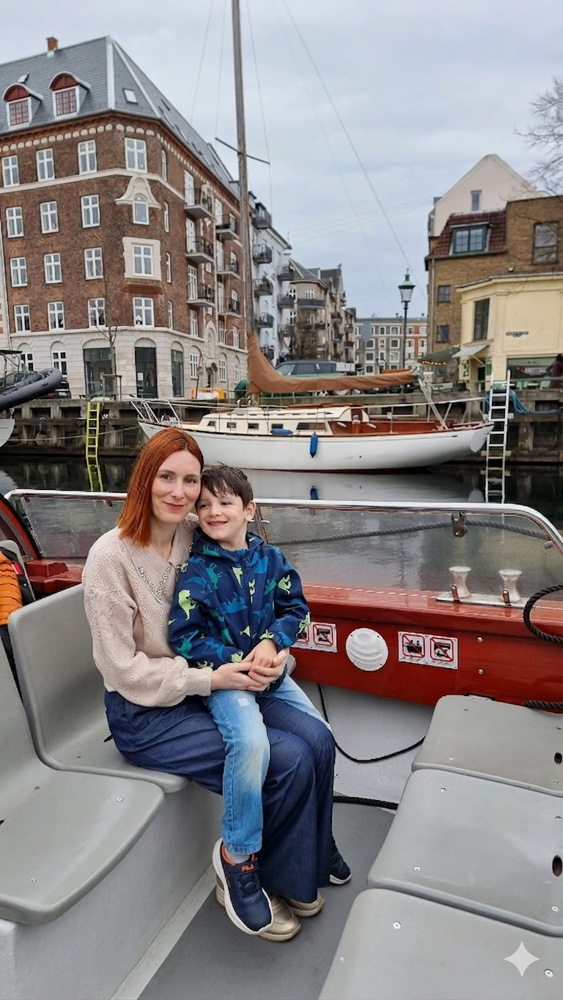
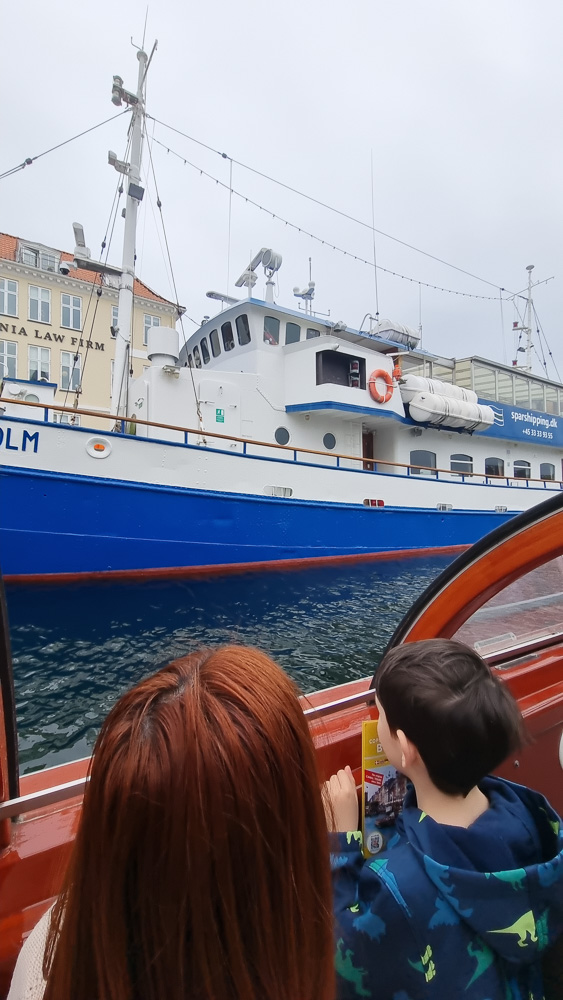
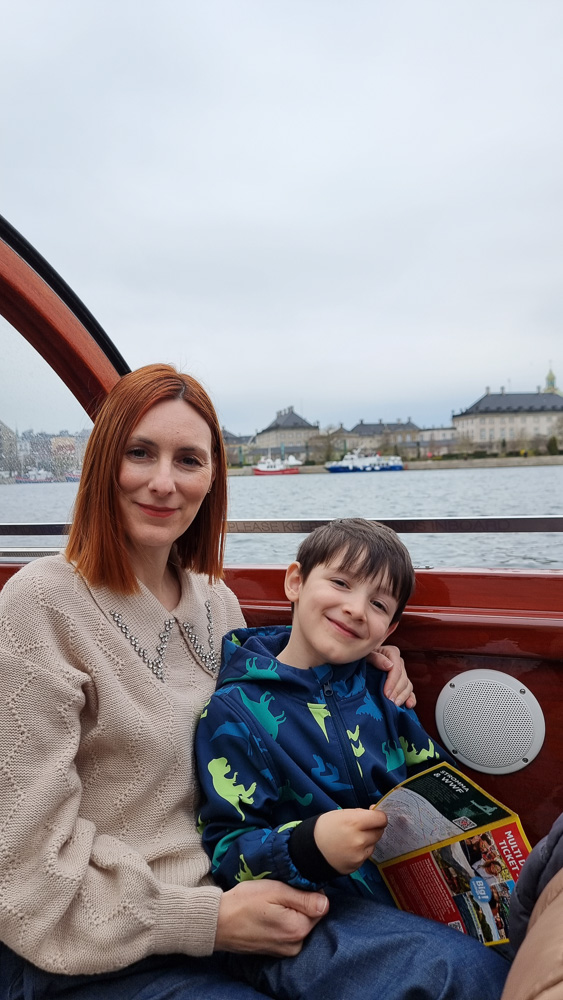
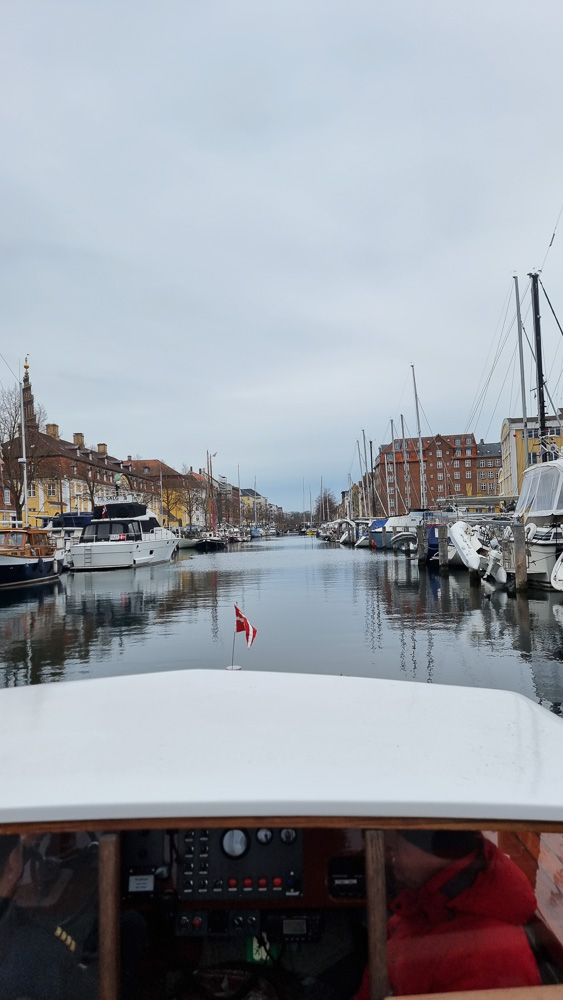
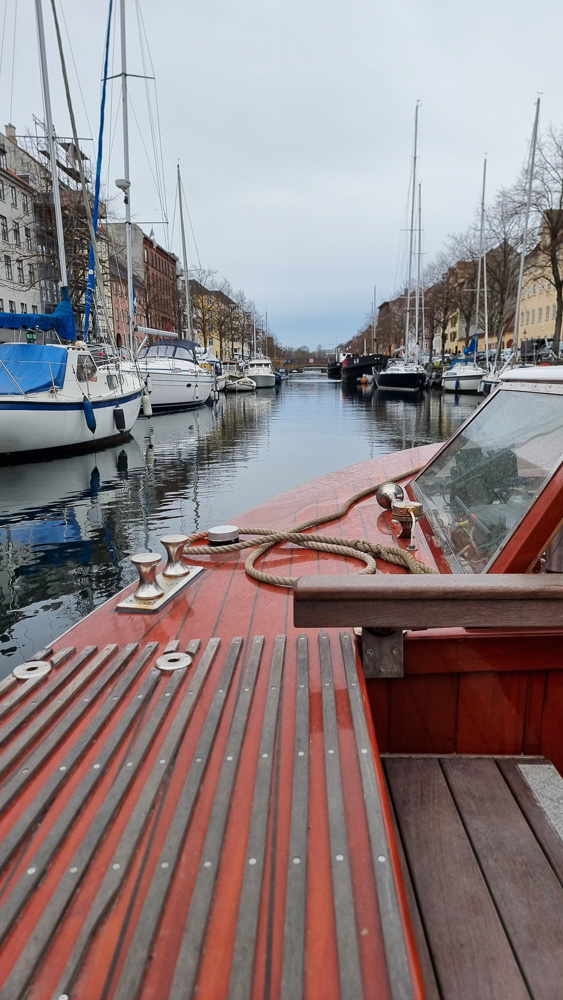
A canal cruise is undoubtedly the best activity you can do in Copenhagen, as it allows you to see the city's most important sights comfortably and from a completely different perspective. Most routes depart from the picturesque Nyhavn, last about an hour, and guide you through narrow canals and the main harbor, passing by imposing palaces, old merchant houses, and modern architectural gems. It is the ideal way to get a comprehensive view of the city, especially if your time is limited. With the Copenhagen Card, entry is free, but you must pre-book your visit time.
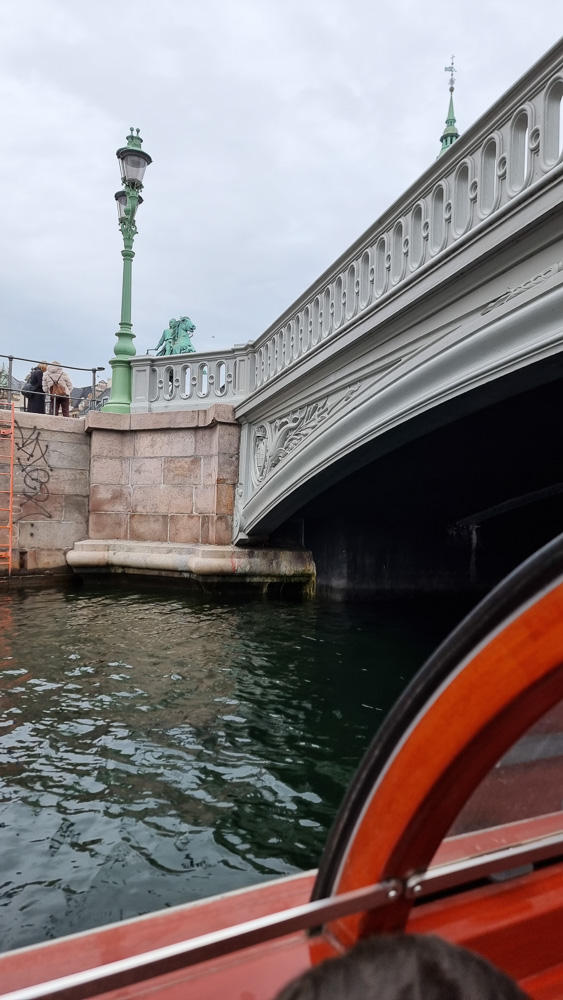
Tivoli Gardens
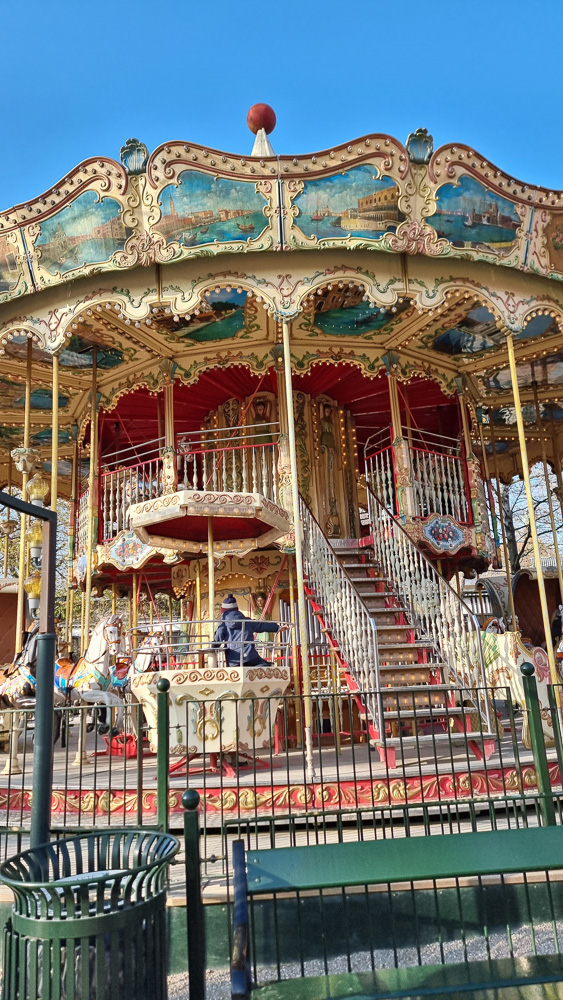
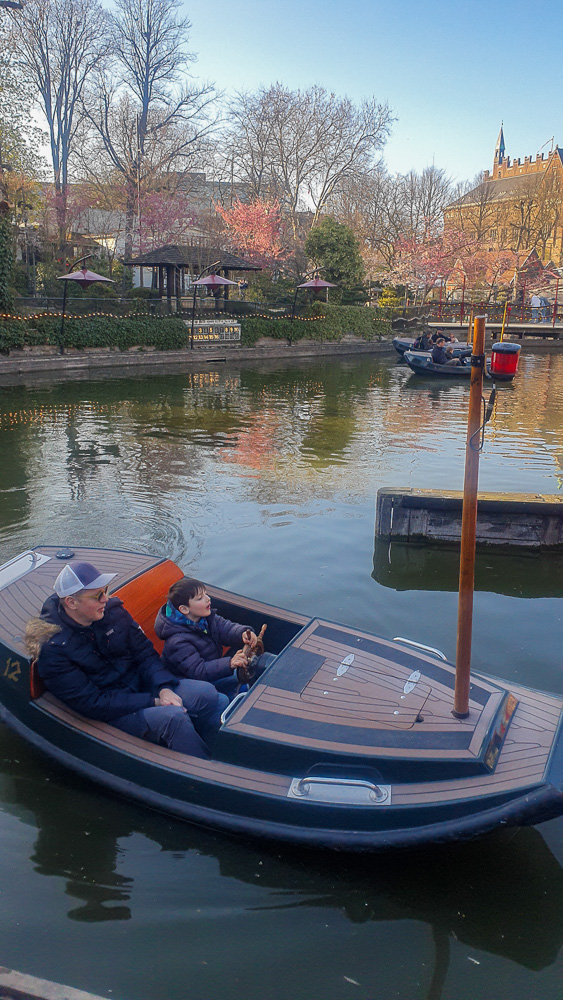
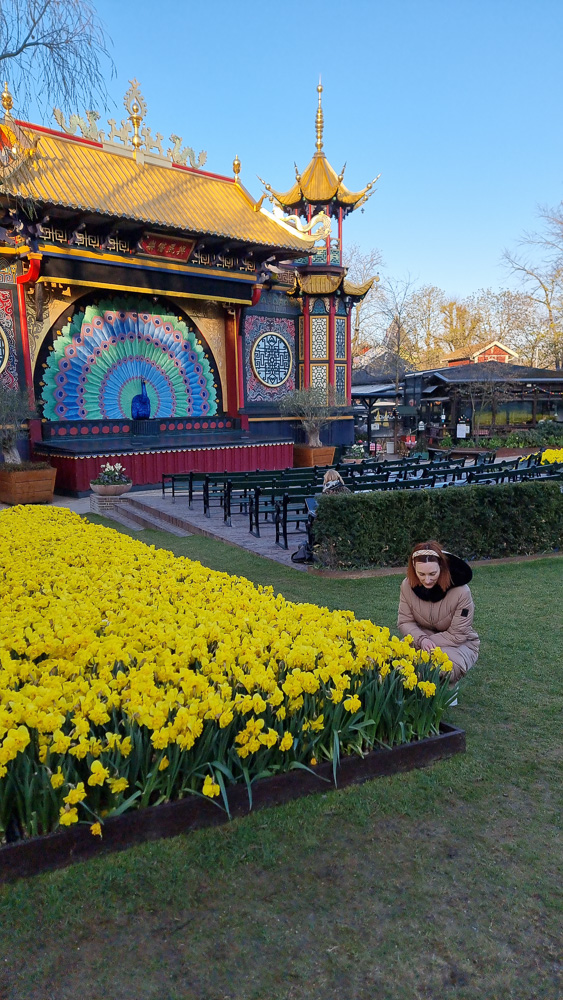
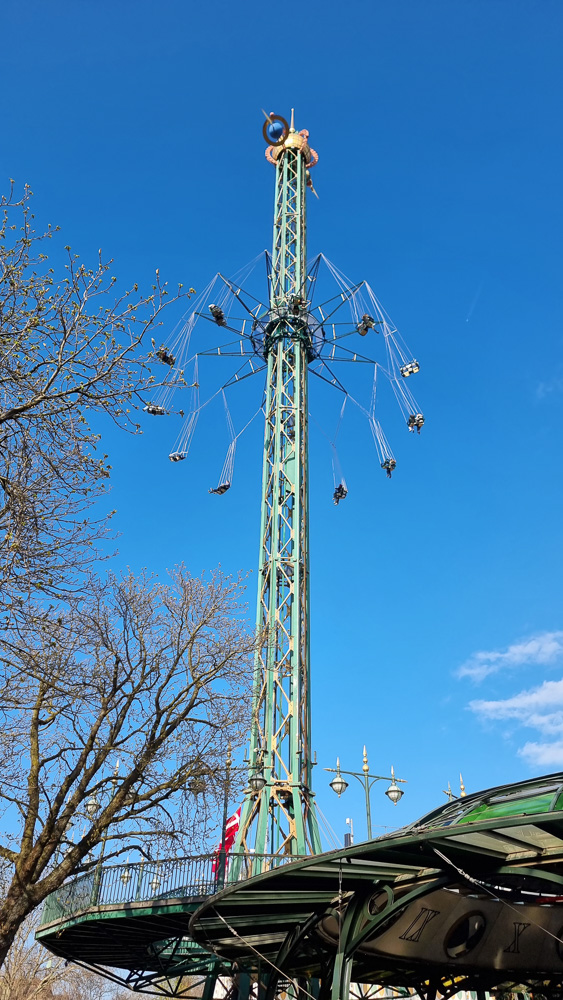
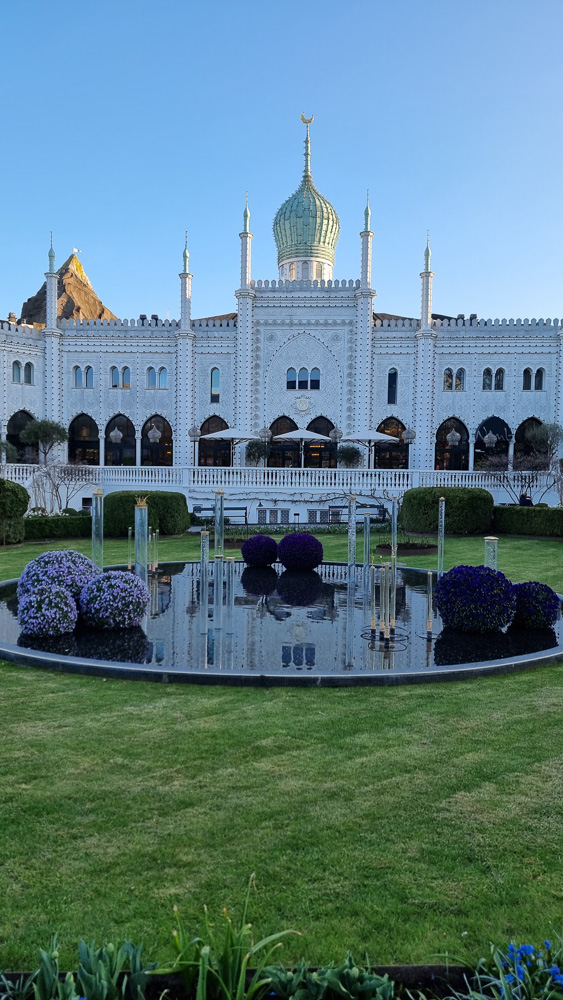
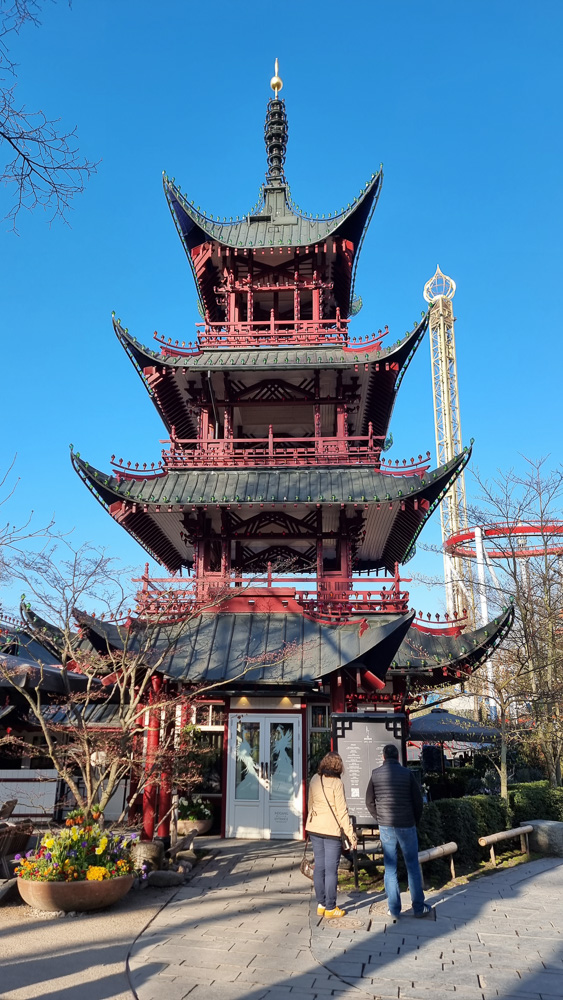
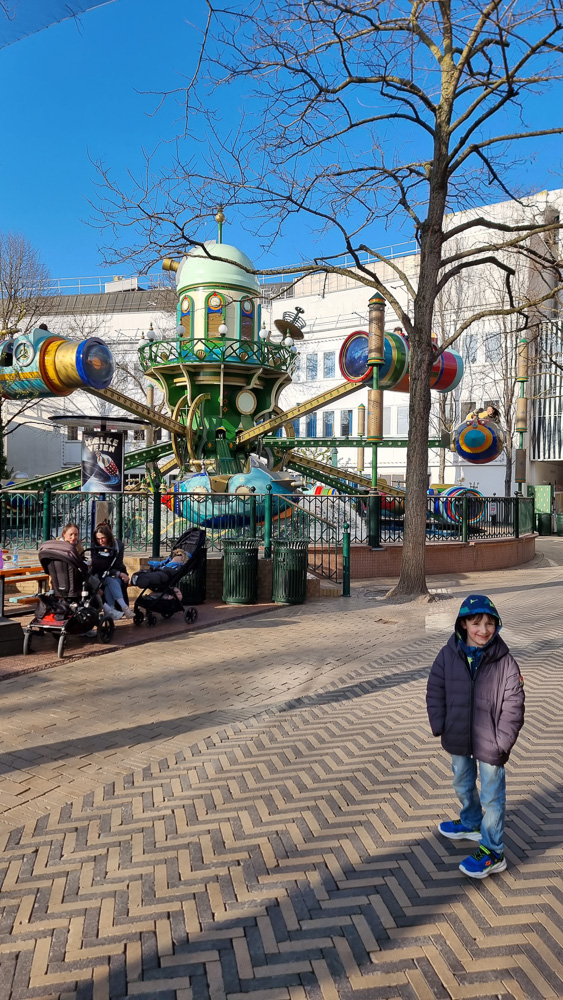
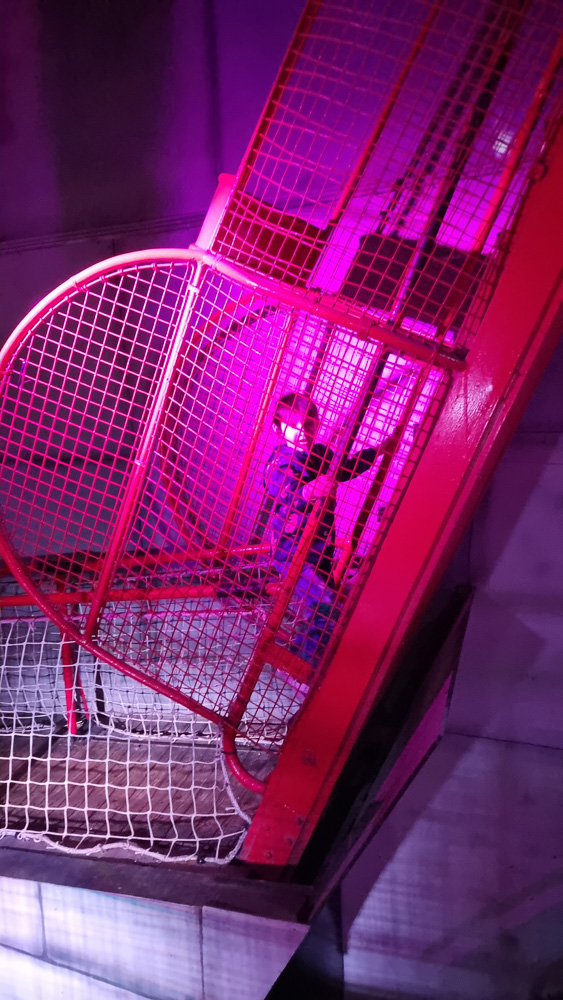
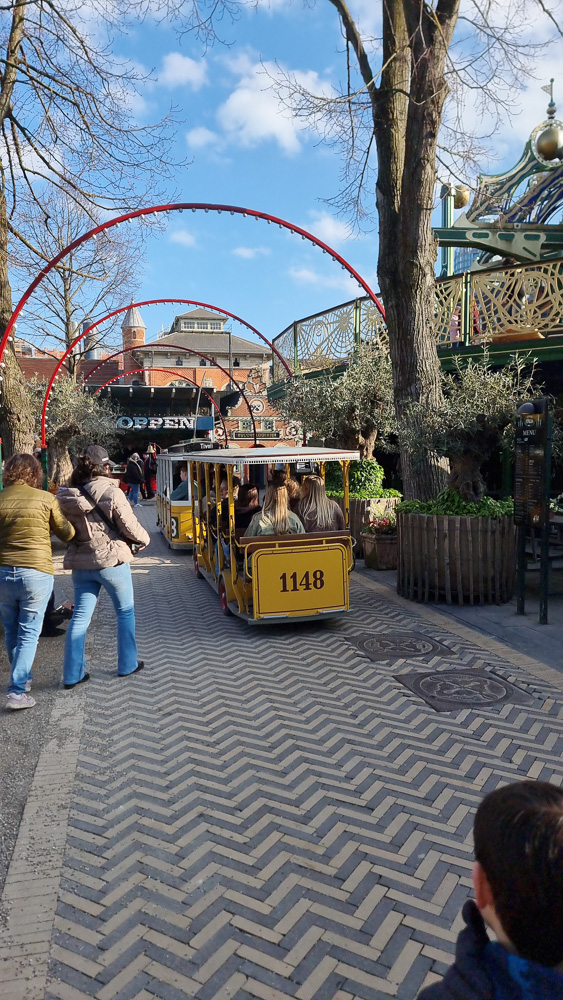
Tivoli Gardens is not just an amusement park, but a historical treasure in the heart of Copenhagen that has been operating since 1843. It is the second-oldest theme park in the world and is said to have served as a source of inspiration for Walt Disney himself, who visited it several times. Thanks to its unique atmosphere, it combines exotic architecture, beautiful gardens, and nostalgic charm. Regarding tickets, the following options are available:
Entrance Ticket (Entrance only): This allows you to stroll through the gardens and enjoy the atmosphere without participating in the rides. This ticket is included in the Copenhagen Card.
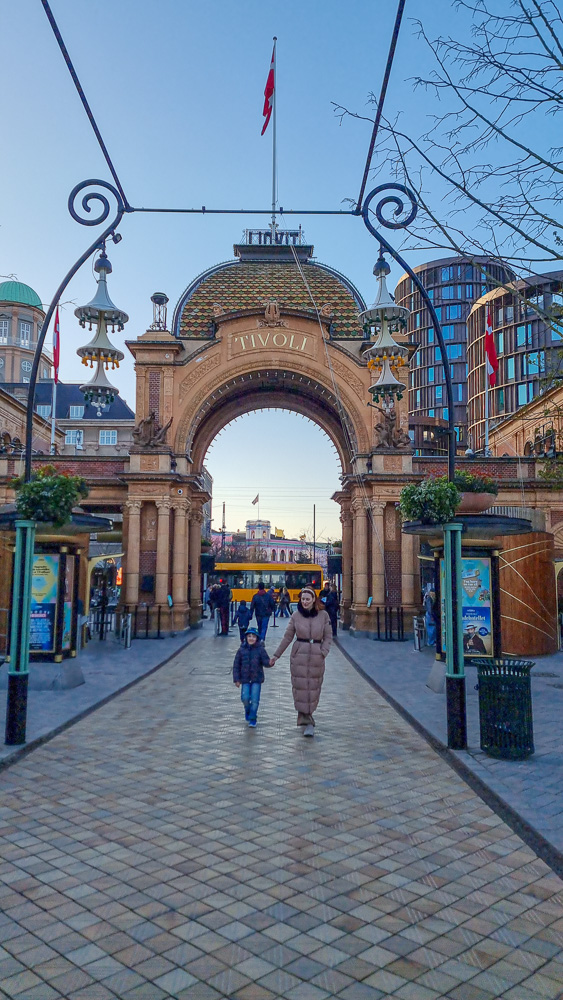 Ride Pass (Unlimited Rides): This gives you access to all the rides and is usually the best value if you plan on going on more than five attractions.
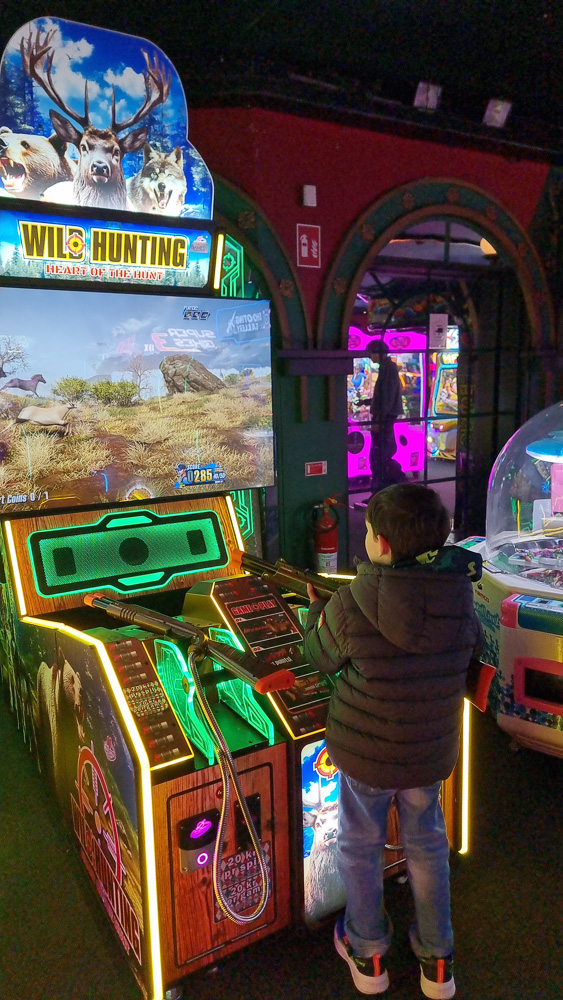
Our suggestion: If you are traveling with young children (under 1.30 m), the unlimited pass probably isn't worth it, as height restrictions will prevent them from enjoying most of the major rides. In this case, it is preferable to pay individually for each ride you choose, which is very easy since cards are accepted everywhere.
Extra tip: Make sure to arrive at Tivoli shortly before dusk. This way, you'll have the chance to see it in daylight, but more importantly, to experience the magic of the night, when 111,000 fairy lights are lit, transforming the gardens into a true fairytale!

Experimentarium
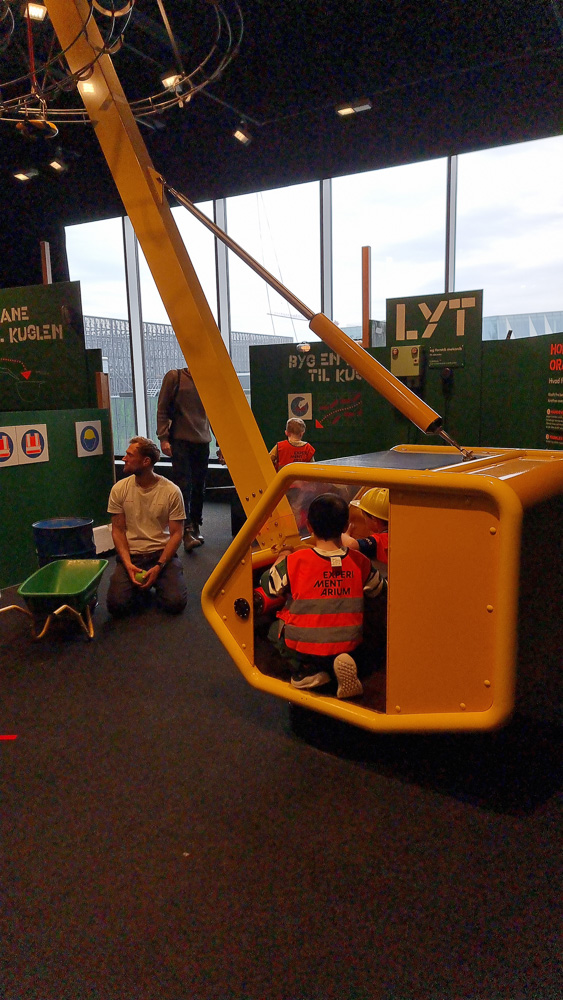
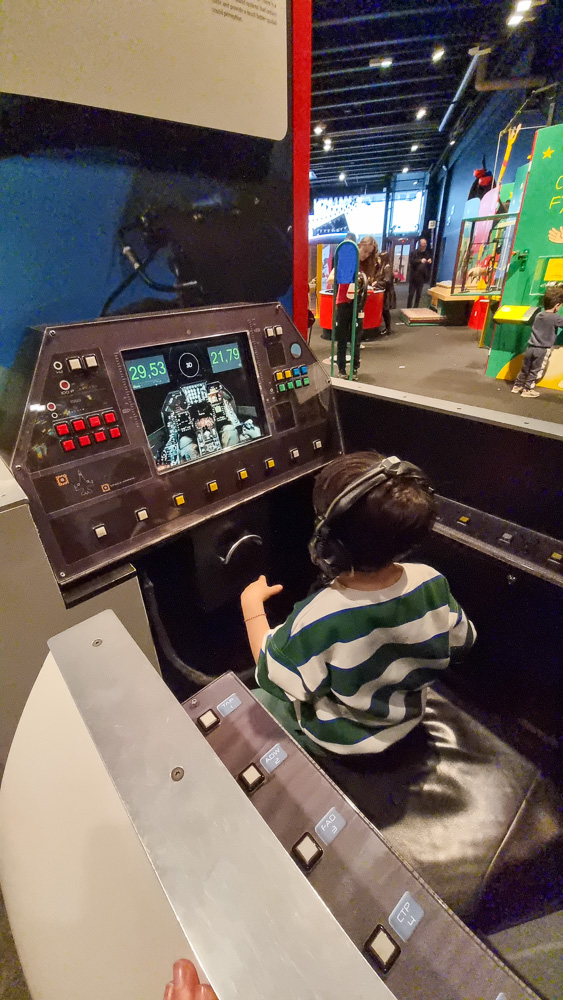
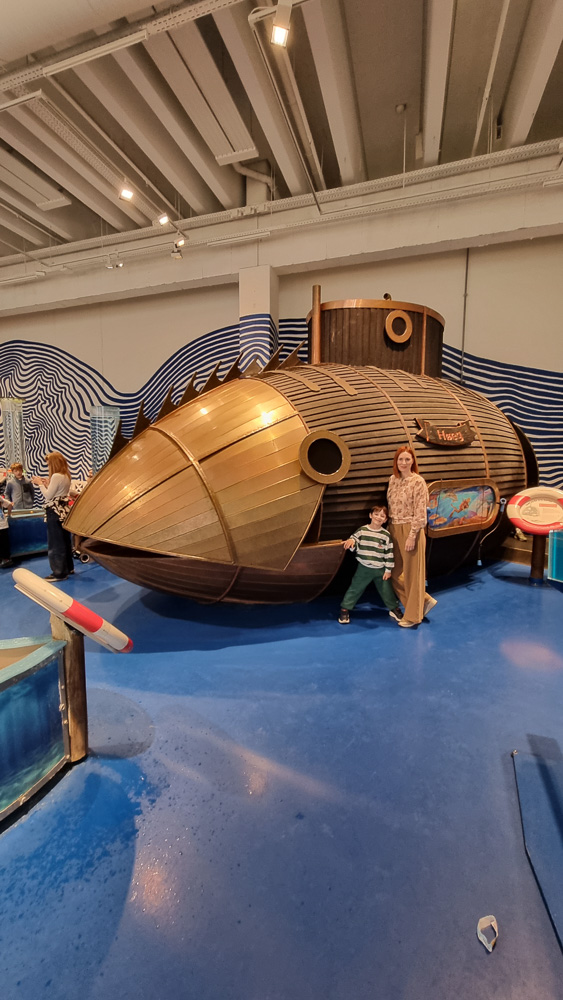
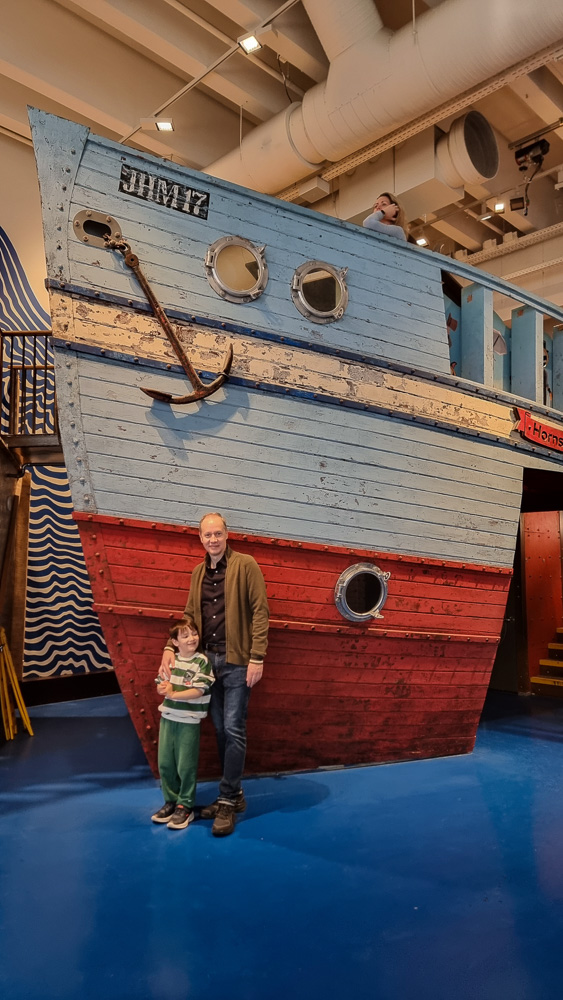
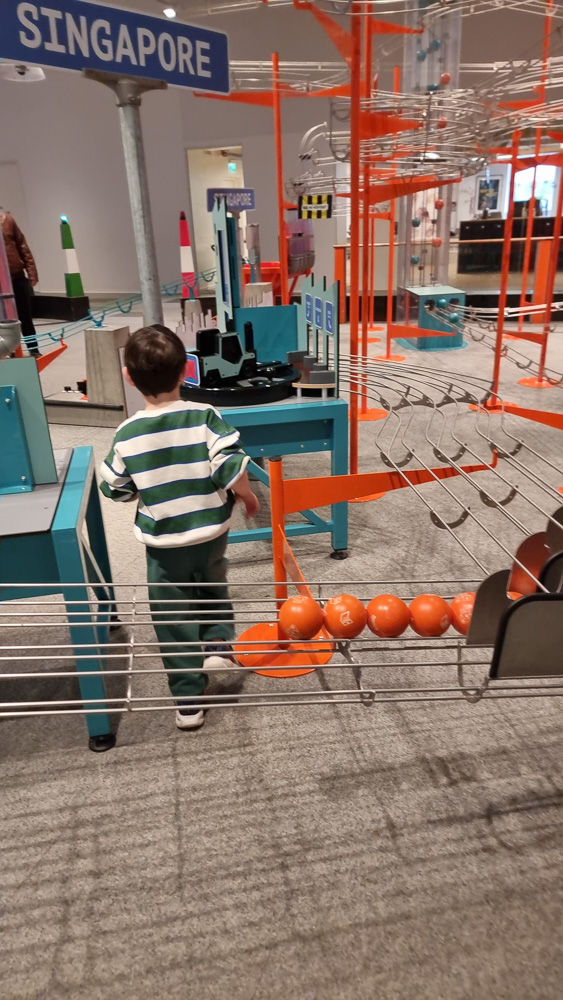
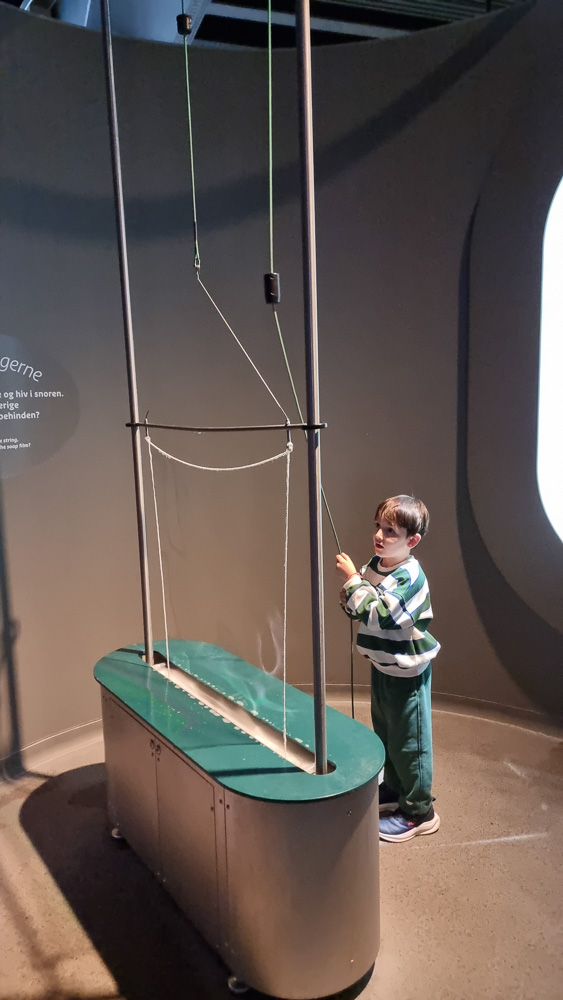
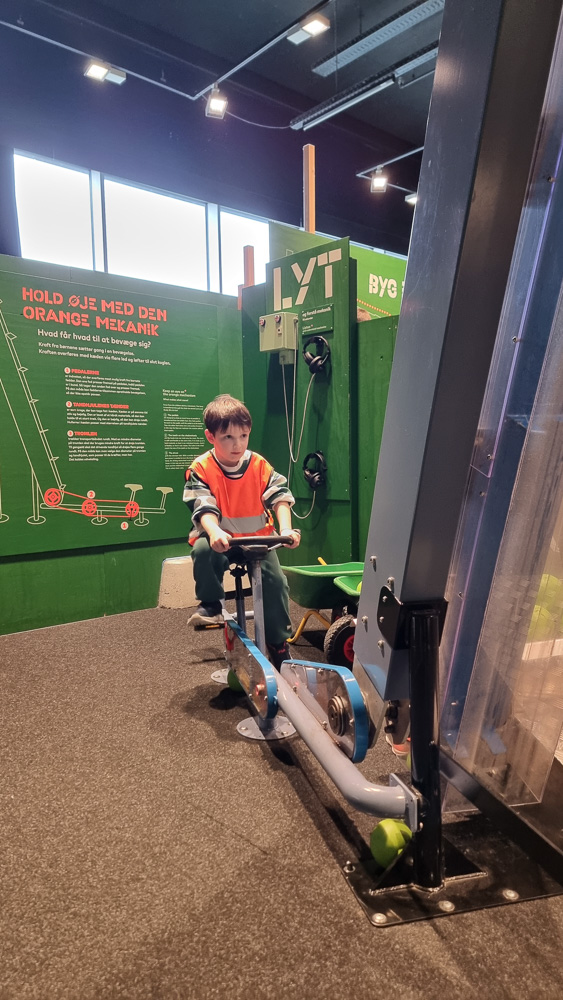
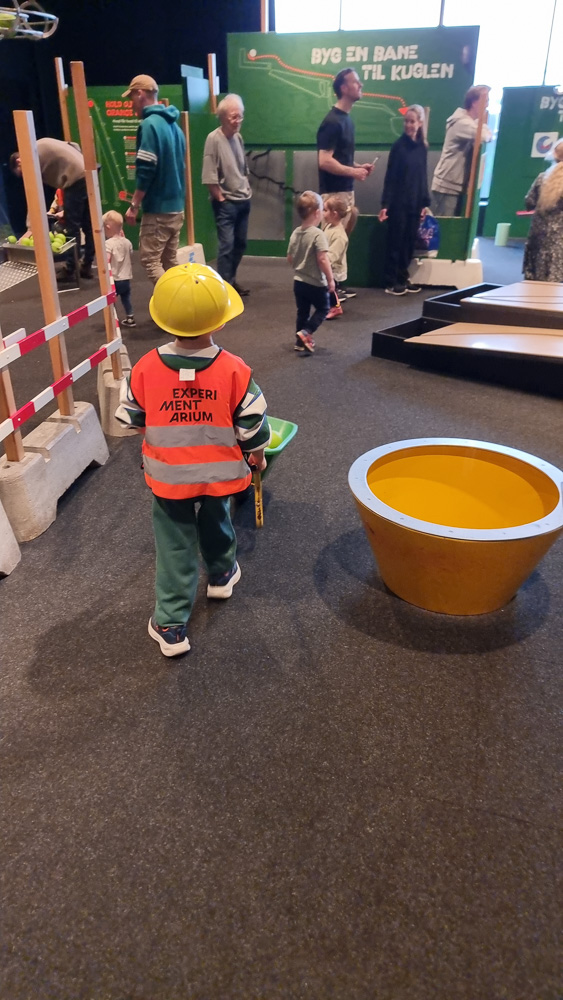
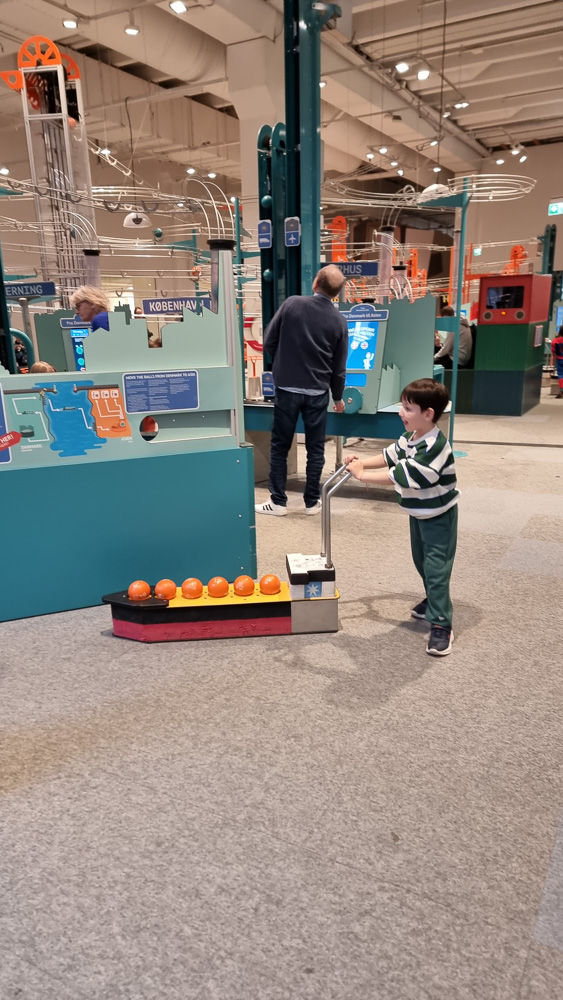
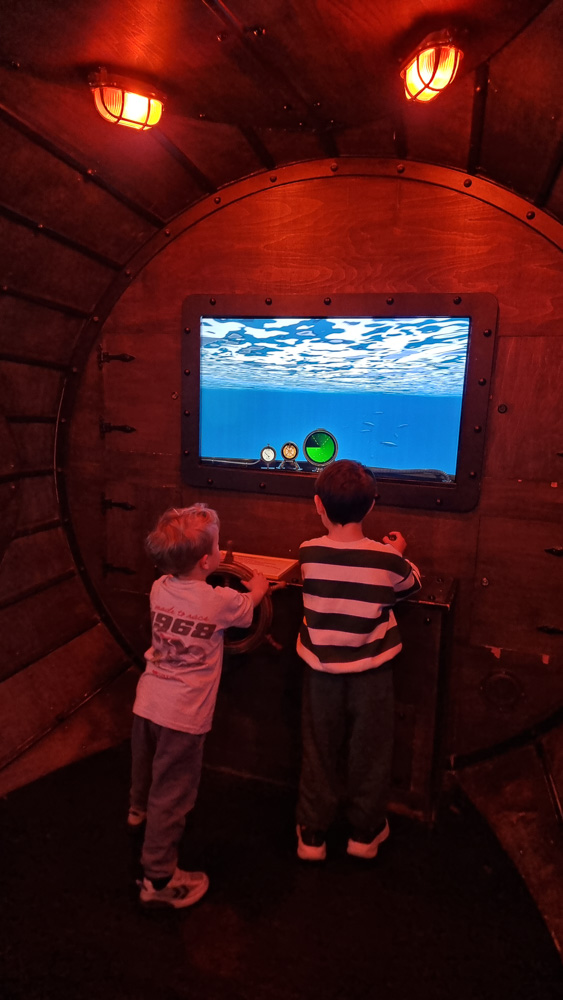
Experimentarium is the top destination for families and an absolute must if you are traveling with children. It is an interactive science center where learning becomes a game through dozens of original experiments and activities that spark curiosity. Expect to need at least 4 hours there, which will truly fly by, as both children and adults get swept up in the action and discoveries.


Home of Carlsberg
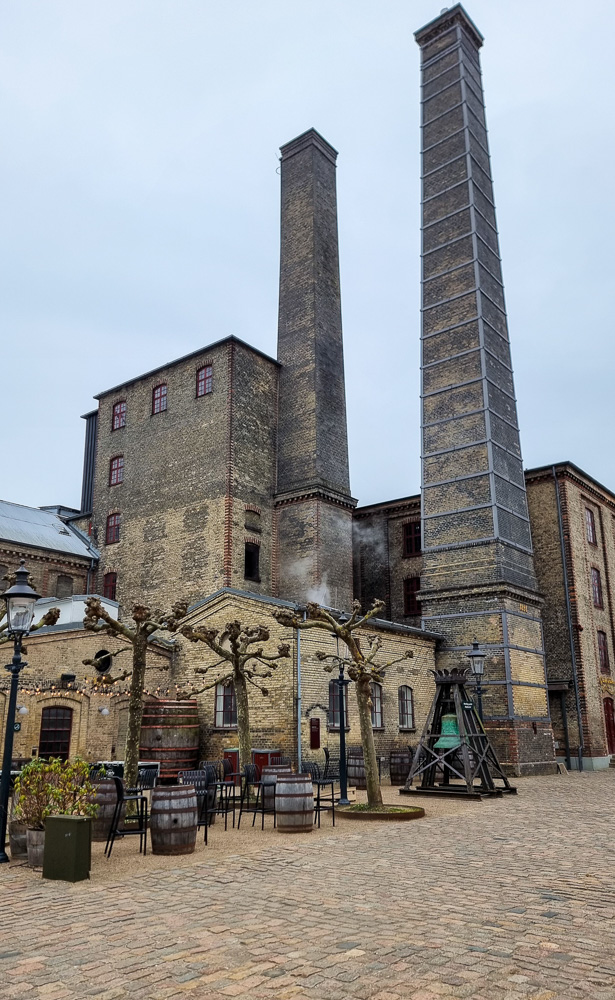
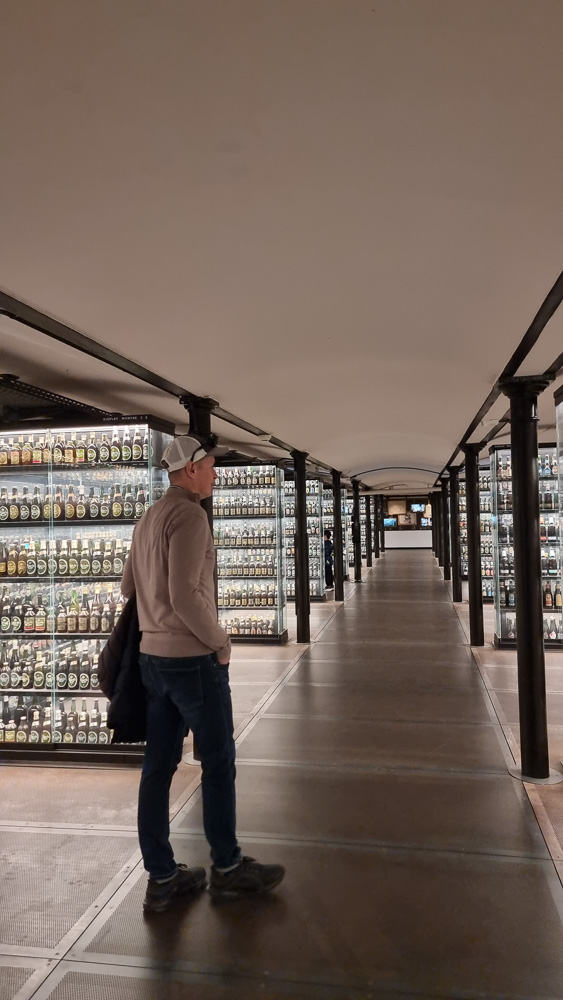
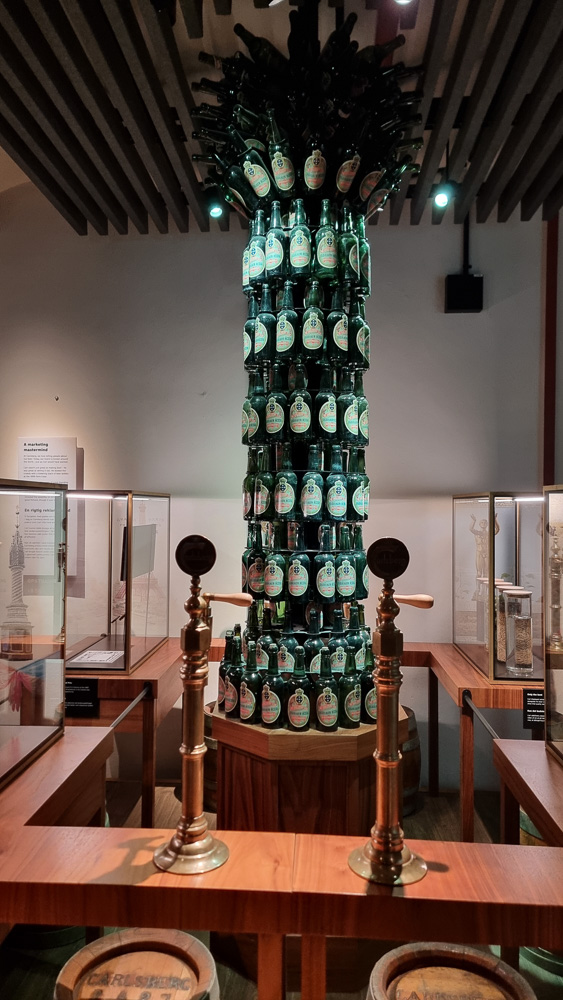
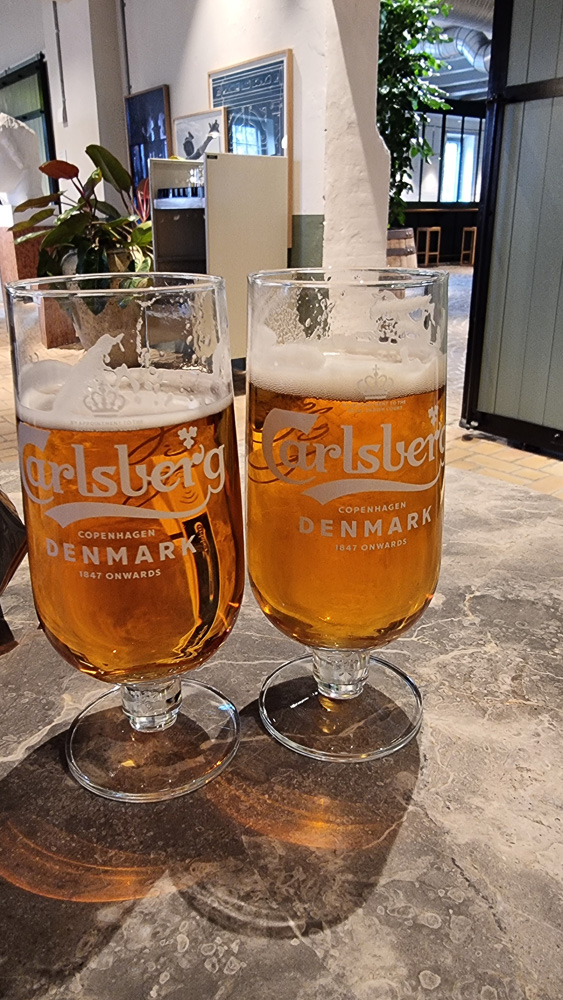
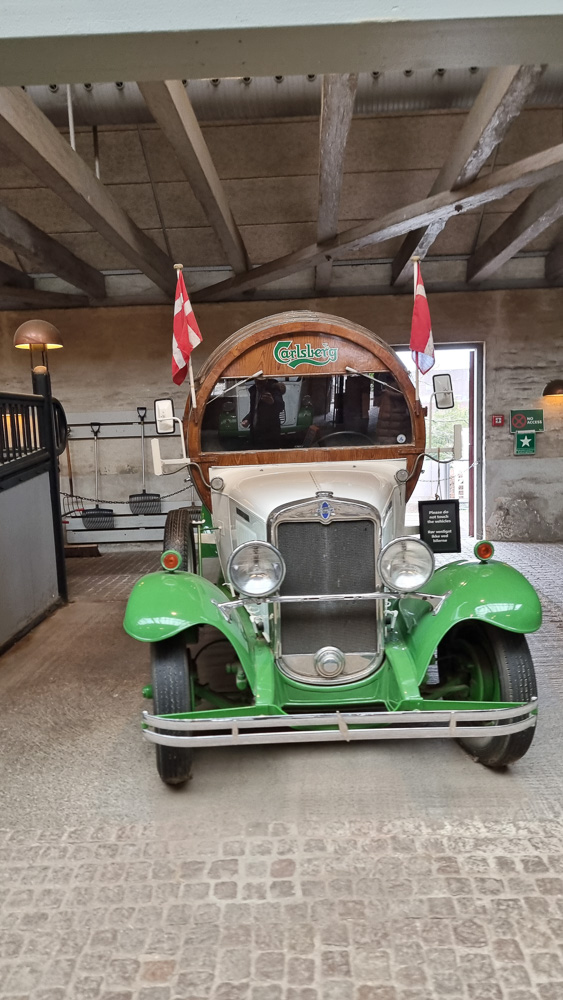
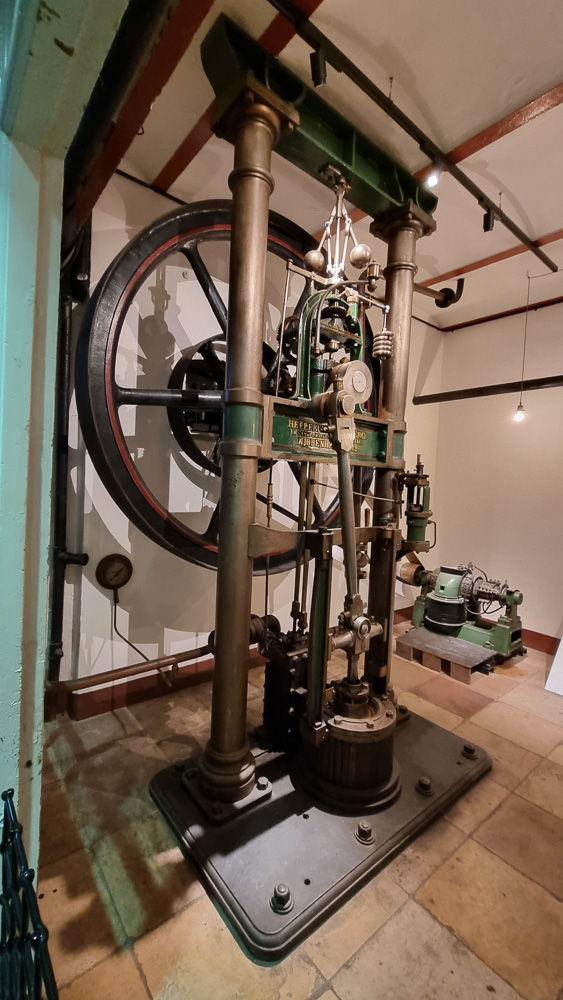
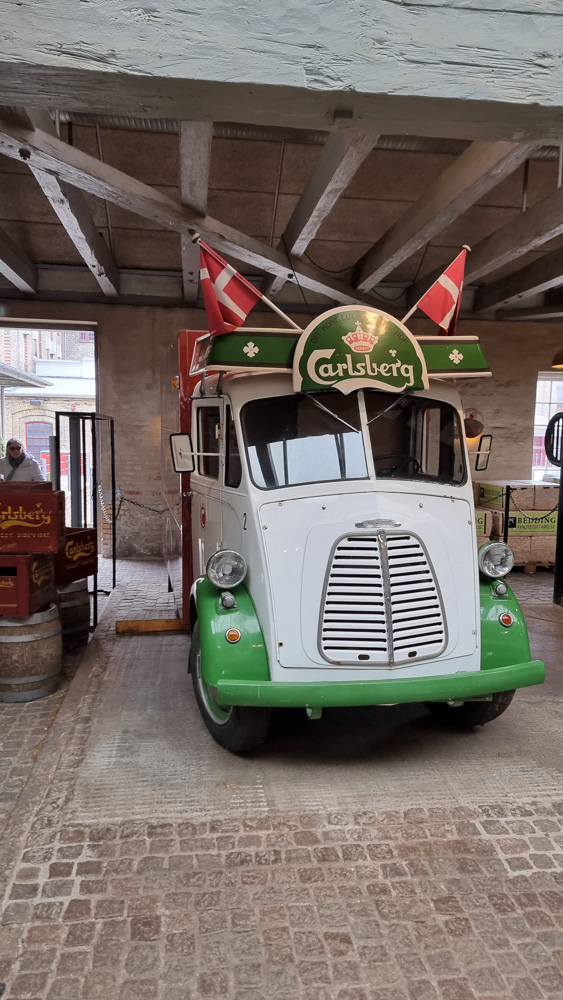
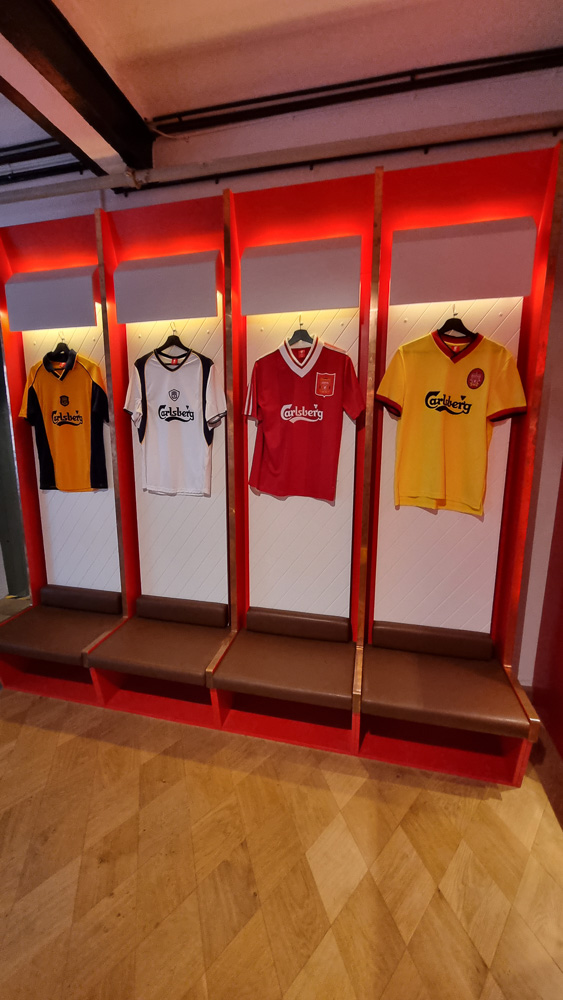
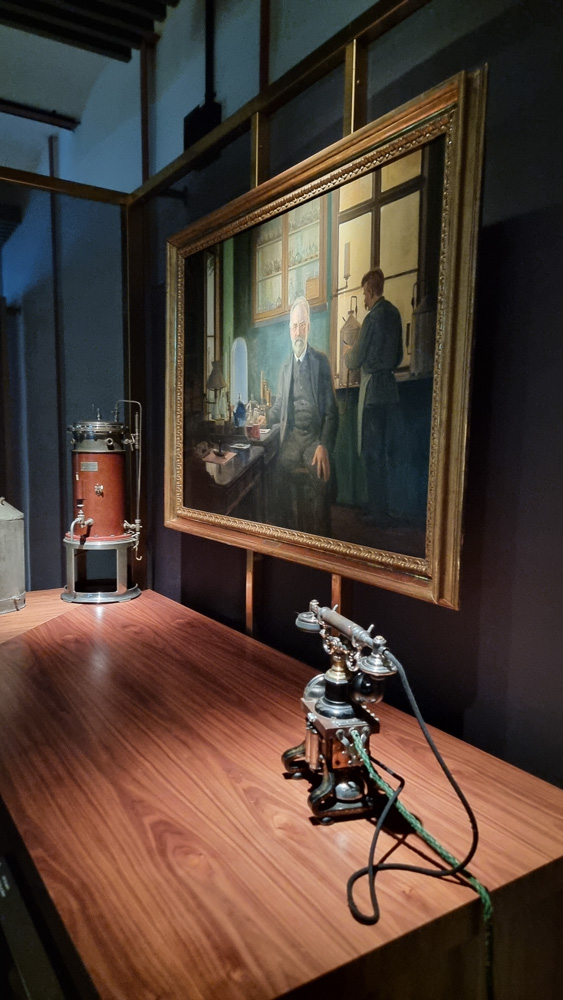
Home of Carlsberg was the pleasant surprise of our trip. While we expected a rather dull and typical tour, we found ourselves in one of the most interesting and interactive brewery experiences we’ve ever had. The exhibition blends history with modern technology in a way that keeps you constantly engaged, and the best part was waiting at the end: a cold beer of our choice from Carlsberg's wide range of flavors, offered on the house to wrap up the visit in the best possible way. With the Copenhagen Card, entry is free, but you must pre-book your visit time.
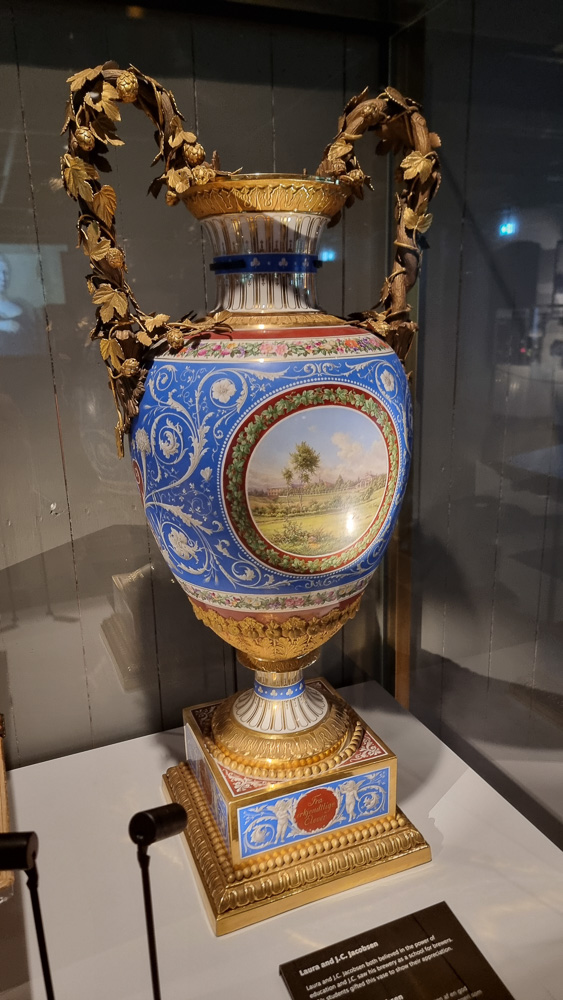
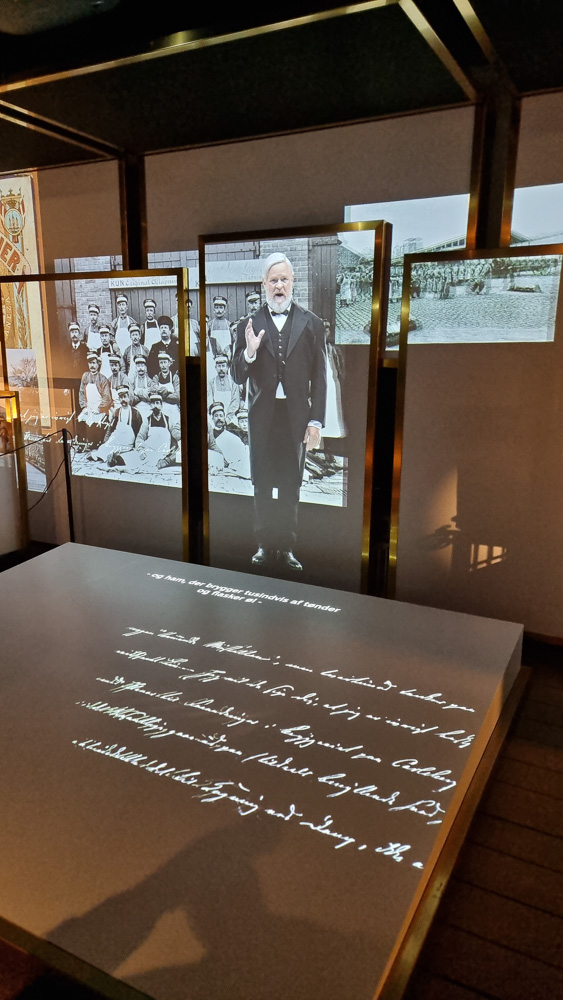
Ny Carlsberg Glyptotek
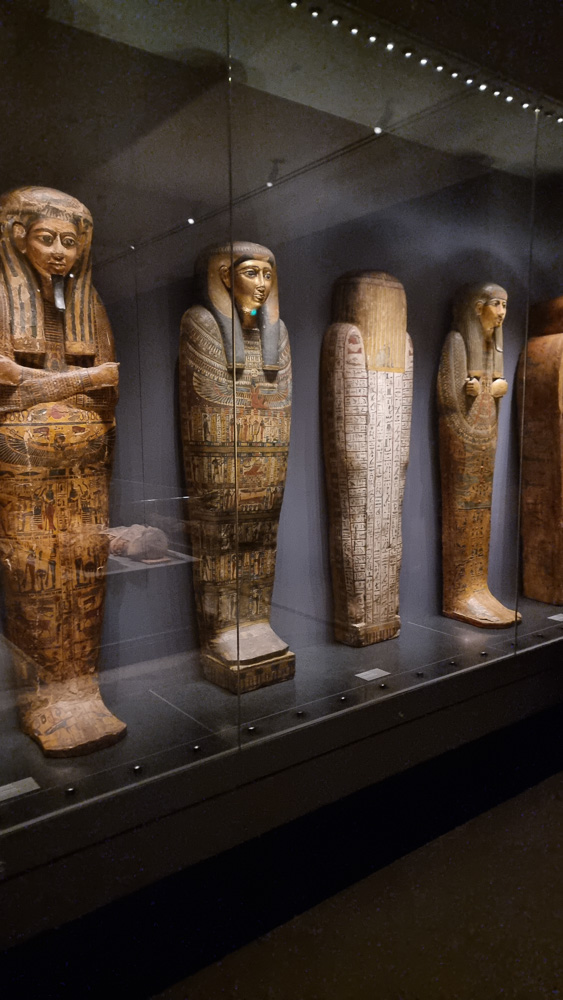
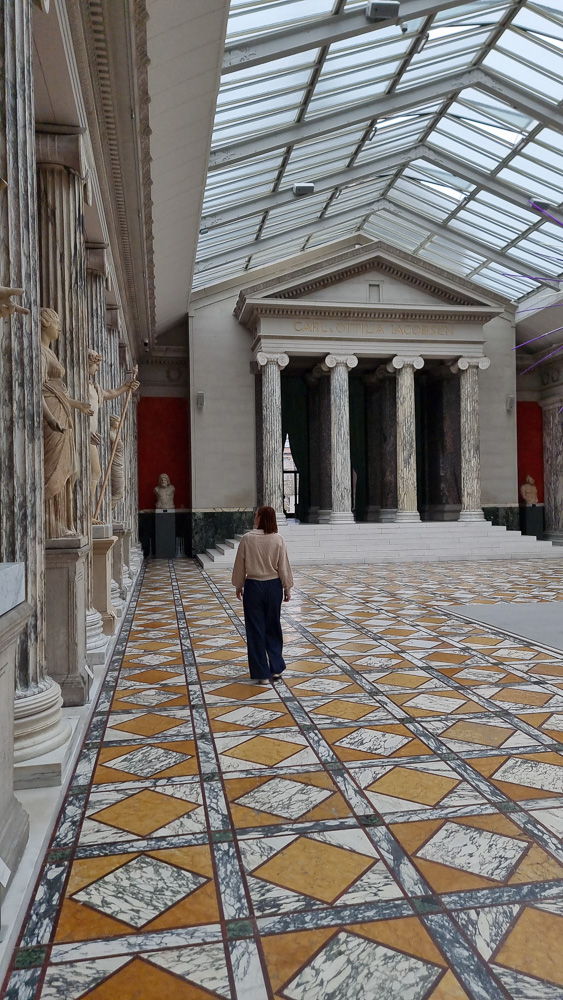
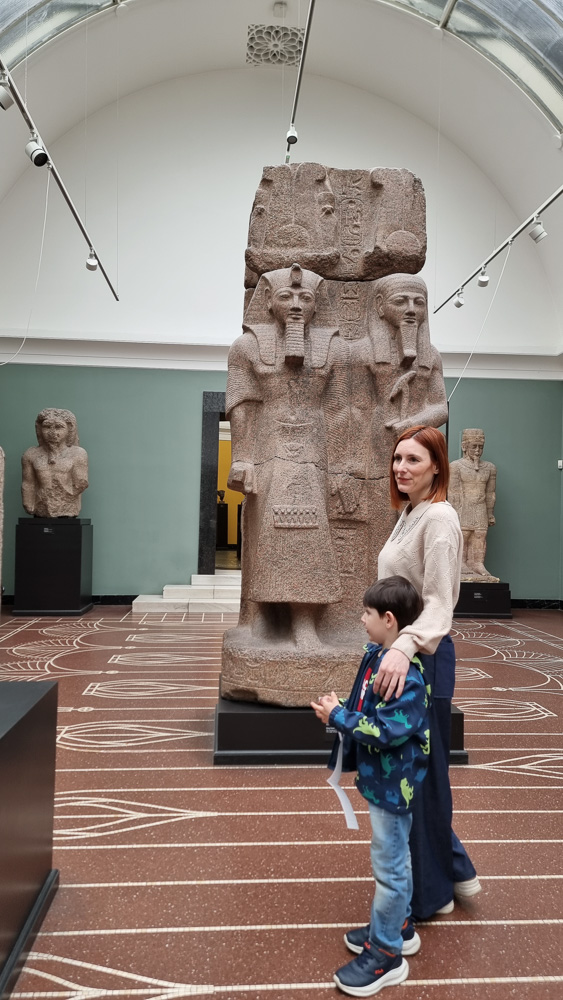
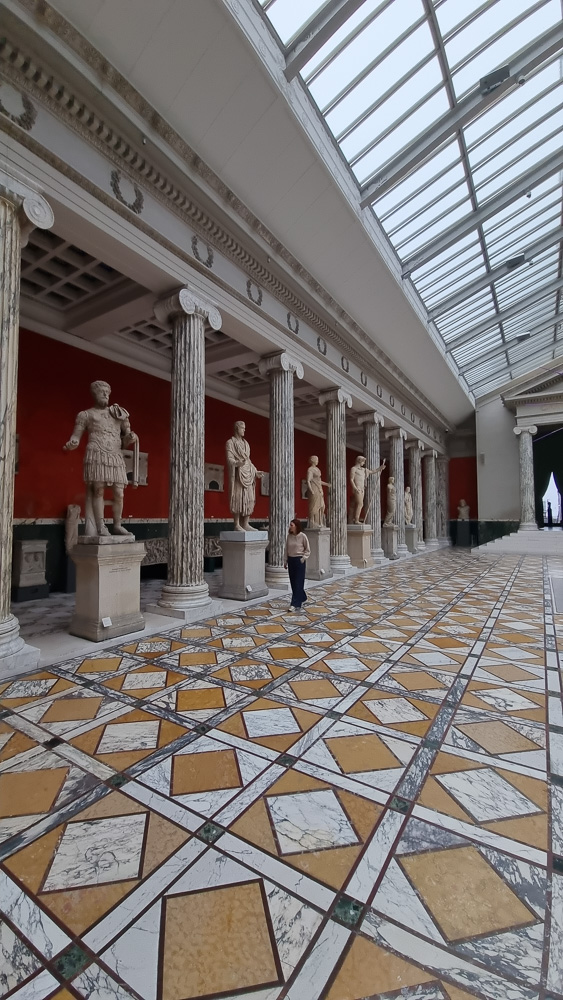
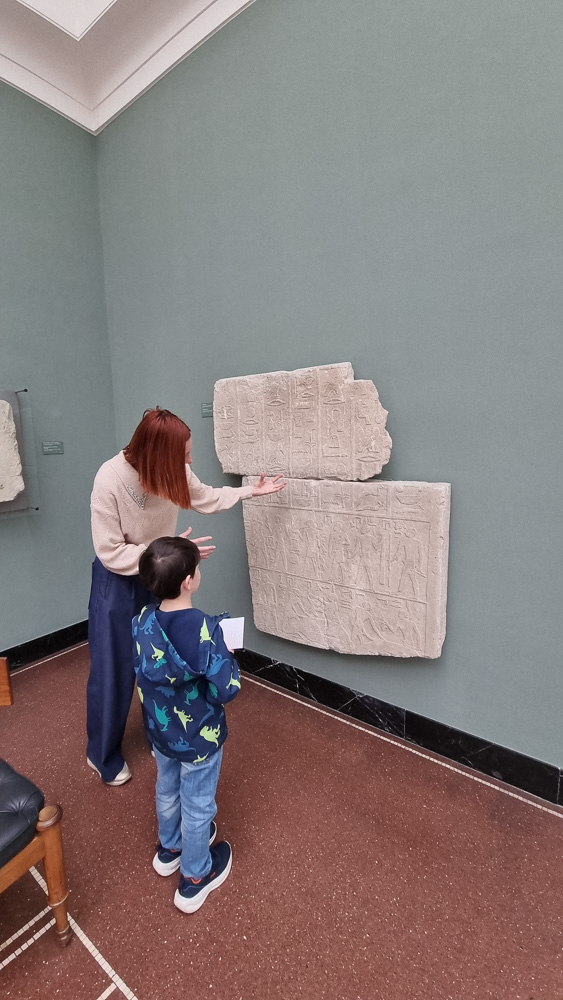
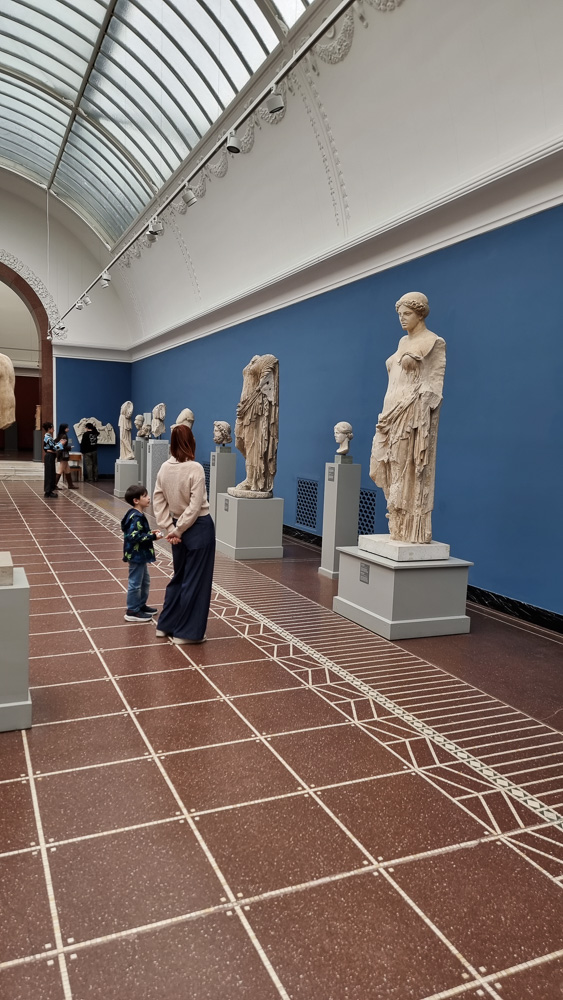
It is one of the most atmospheric art spaces in Copenhagen, directly linked to the Carlsberg dynasty. It was founded by Carl Jacobsen, the son of the brewery's founder and an avid art collector, who used the profits from the beer to provide the city with a world-class collection of sculptures and paintings. The building itself is a work of art, culminating in the impressive Winter Garden—a beautiful atrium filled with palm trees and tropical plants. In its halls, you will find a vast range of exhibits, from Egyptian mummies, Greek, and Roman statues to paintings by Rodin, Monet, Renoir, and Degas.
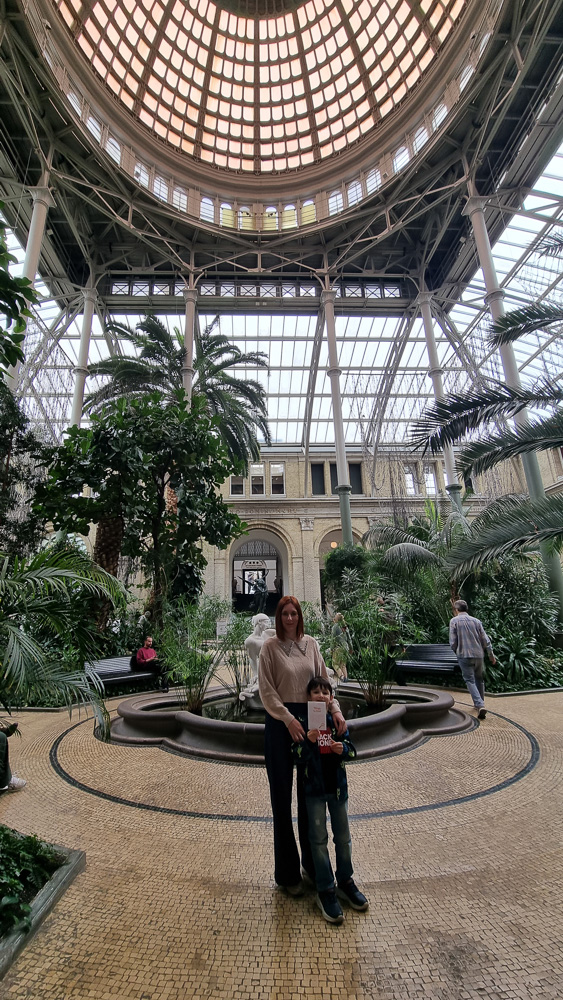
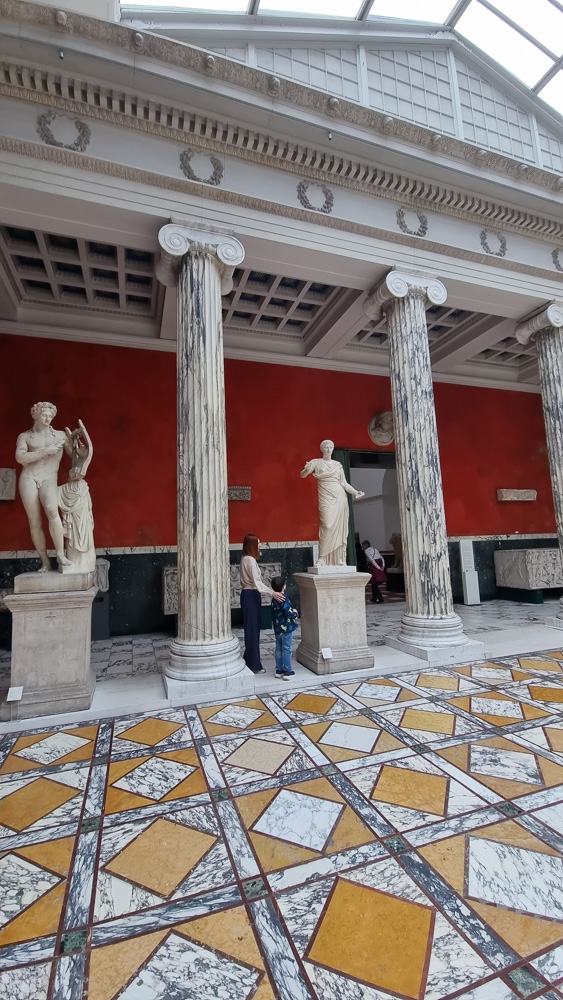

Danish Architecture Center
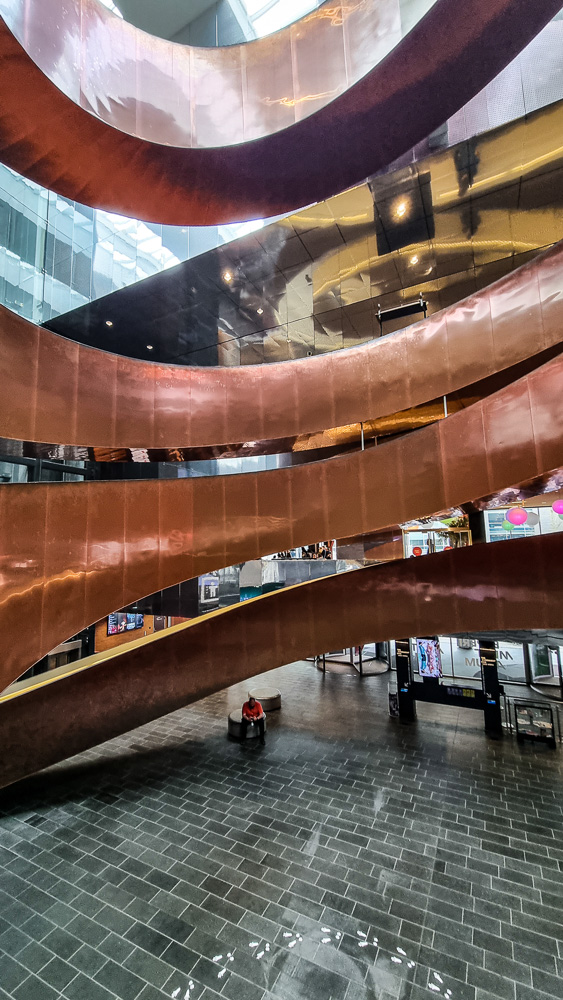
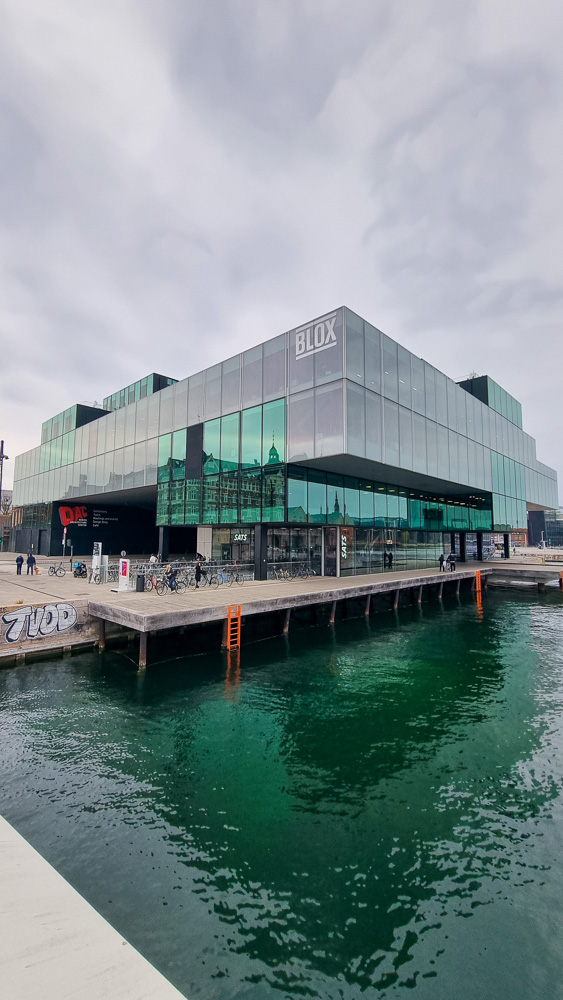
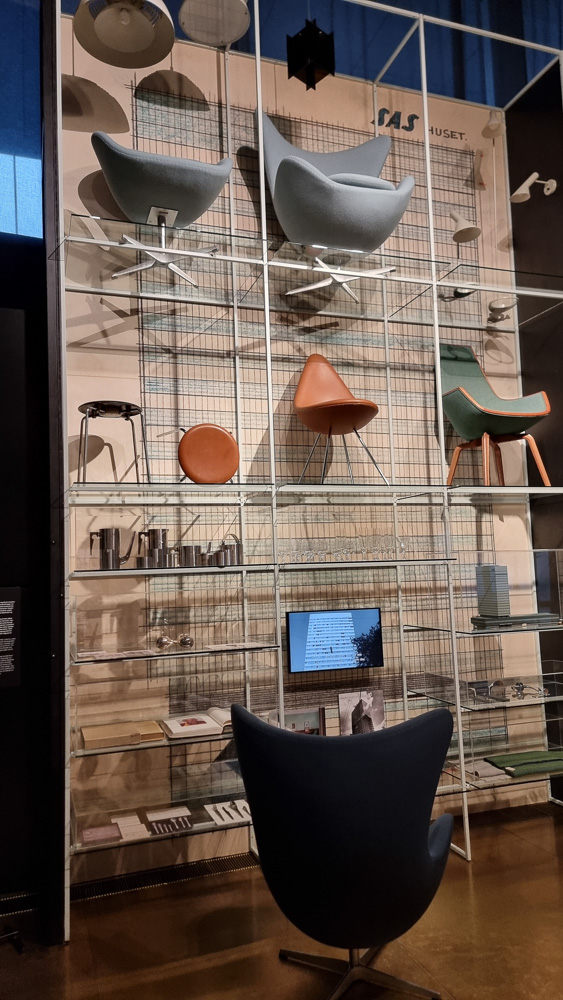
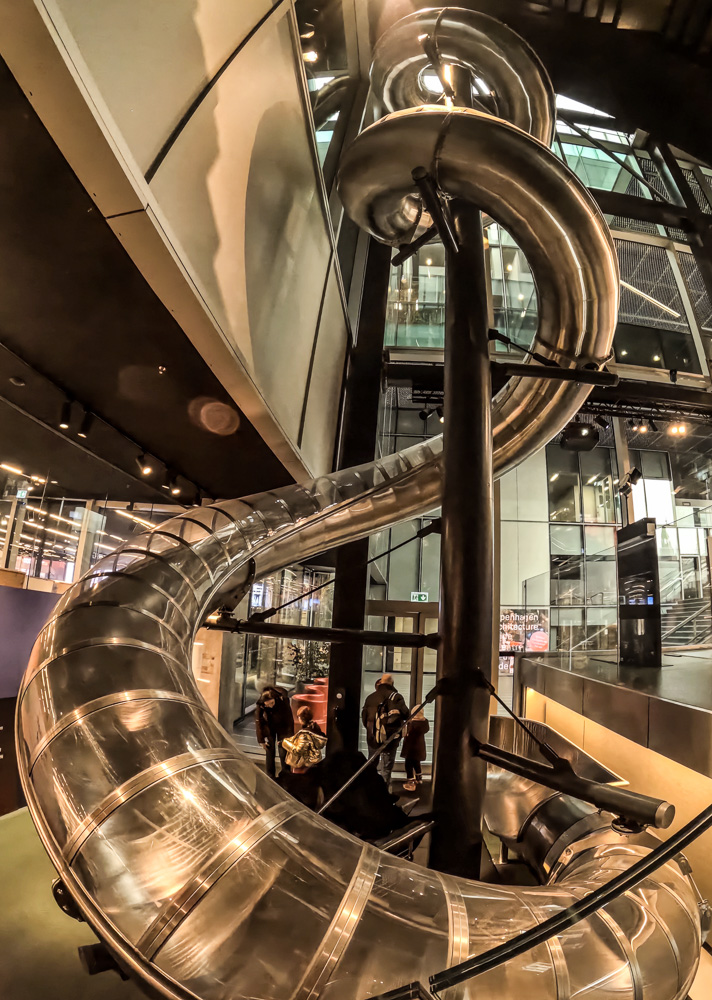
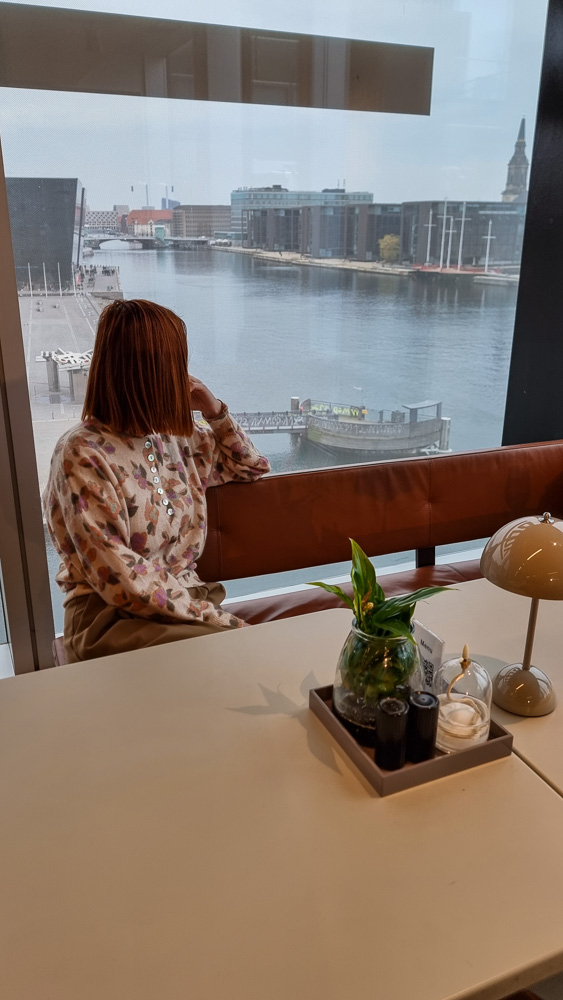
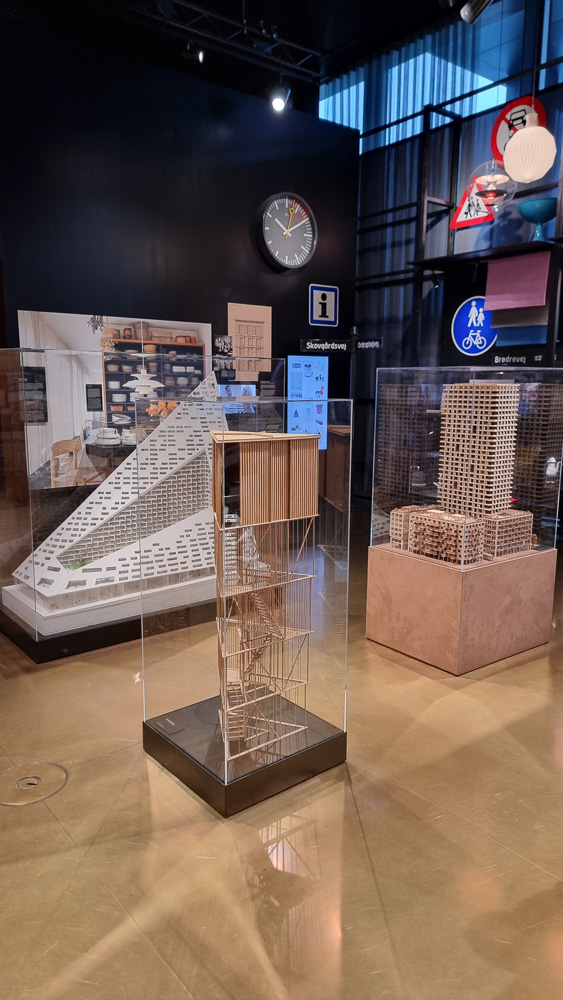
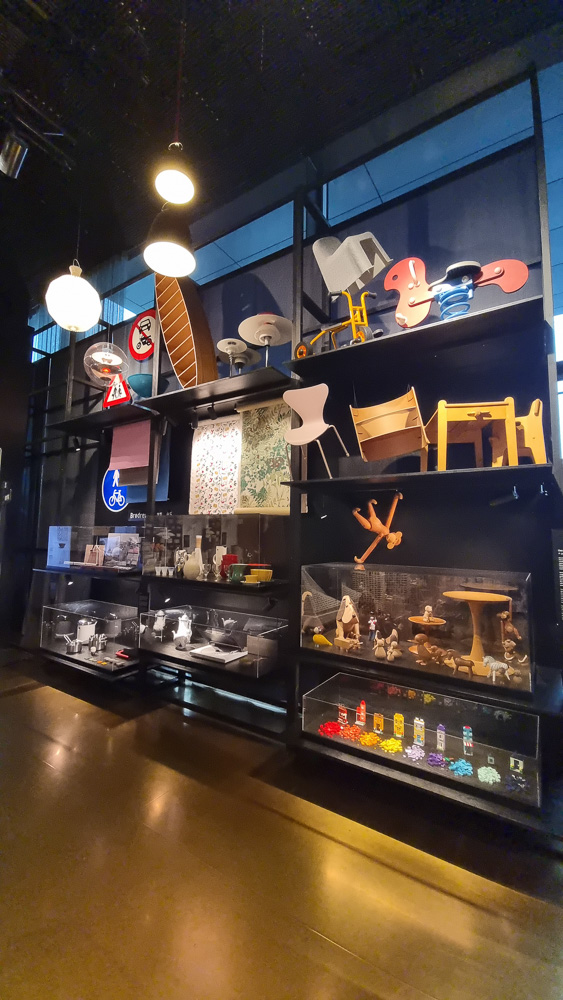
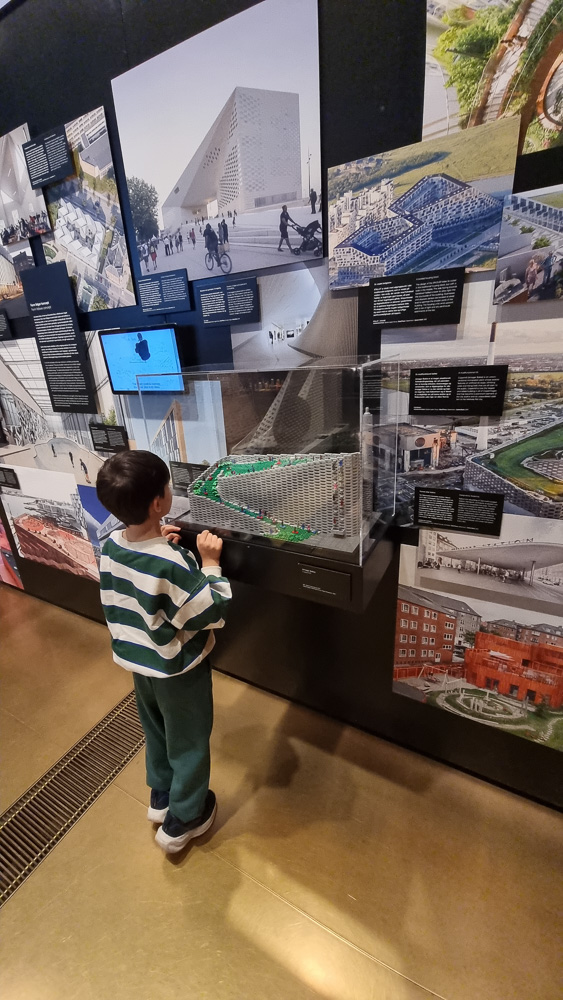
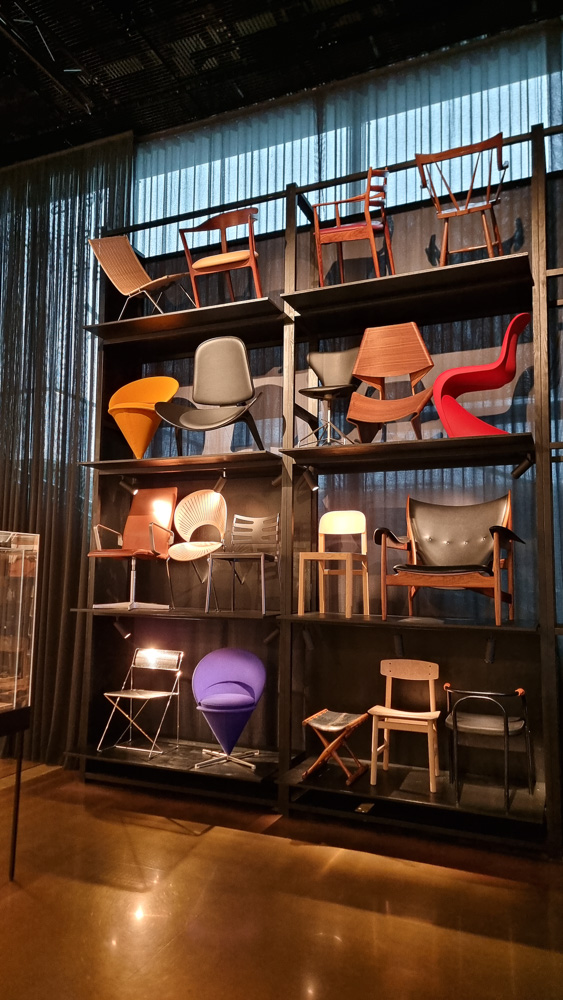
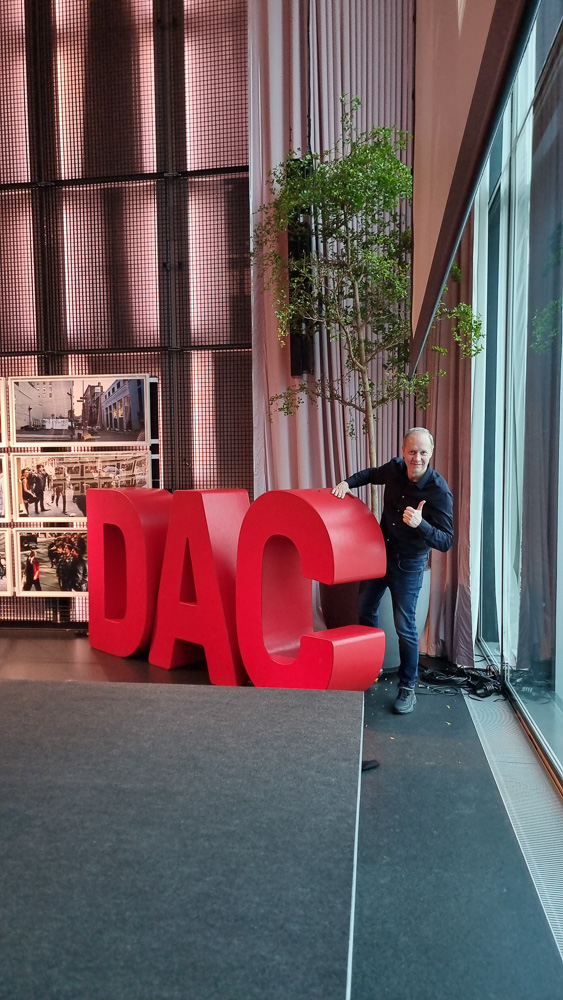
Located in the impressive BLOX building, the Danish Architecture Center (DAC) showcases the functionality and elegance of Scandinavian design. The highlight is the four-story spiral slide—a playful way to navigate the building—while the experience is completed at the top-floor café with its incredible views of the canals. Even if you are not a fan of museums, its modern aura and design will win you over. Tip: There is a modern playground located at the back of the DAC.
Rundetaarn (Round Tower)
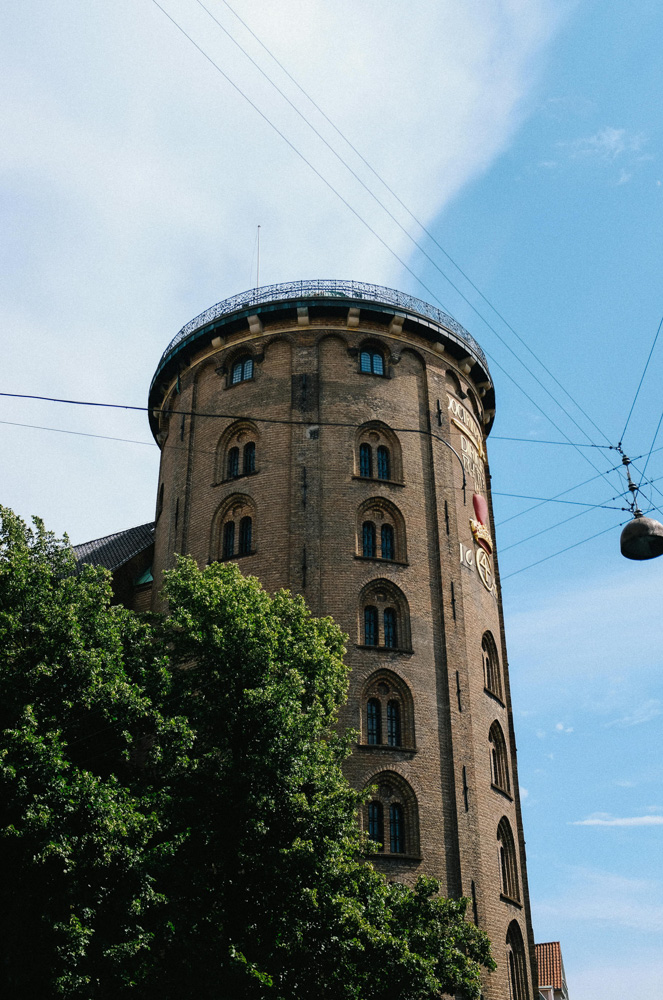
Essentially, it is a 17th-century astronomical observatory, famous for its spiral paved ramp instead of stairs. It was designed so that the King could ascend in his carriage, while today it offers visitors a unique climb that ends in an impressive 360° panoramic view over the rooftops of old Copenhagen.
 Palmhuset
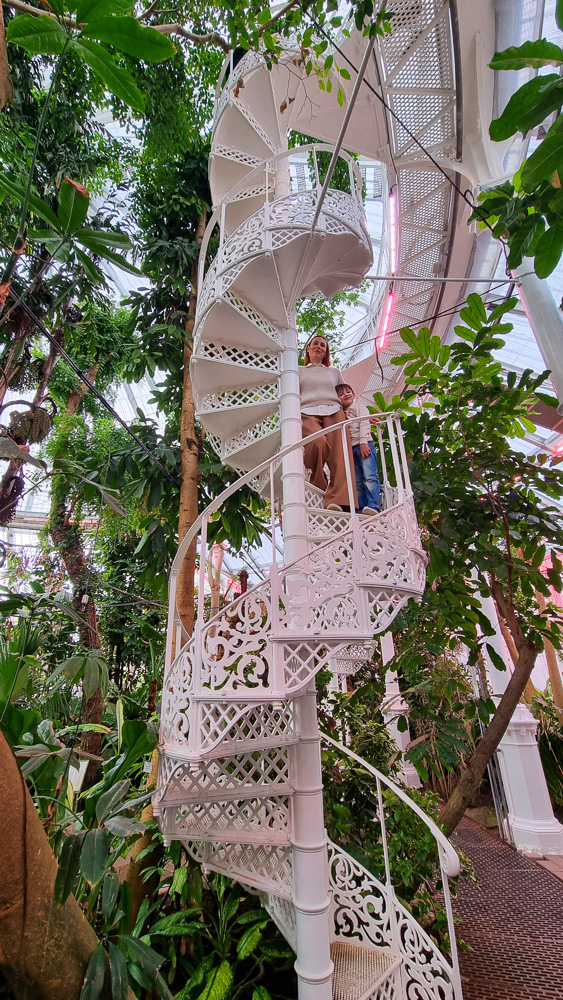
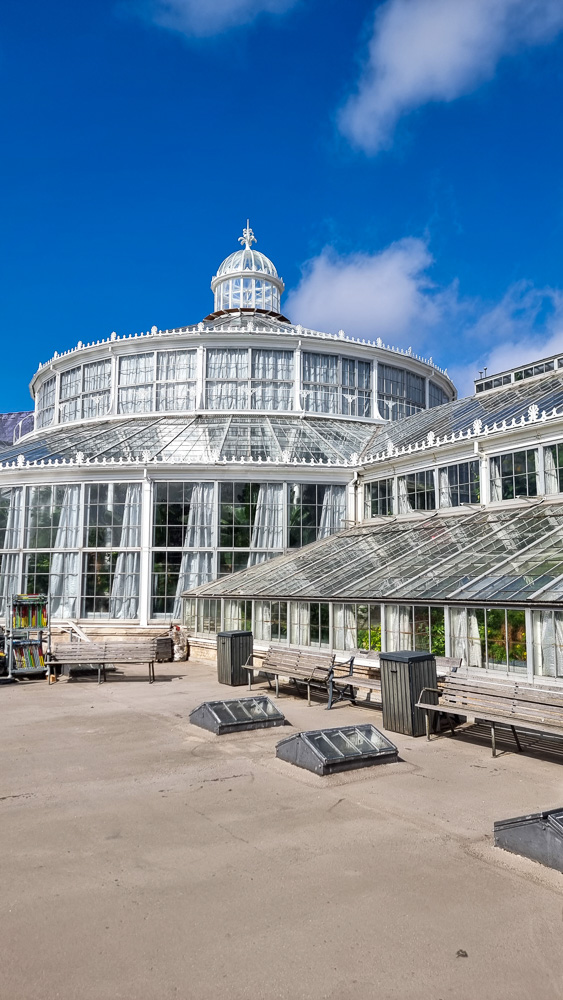
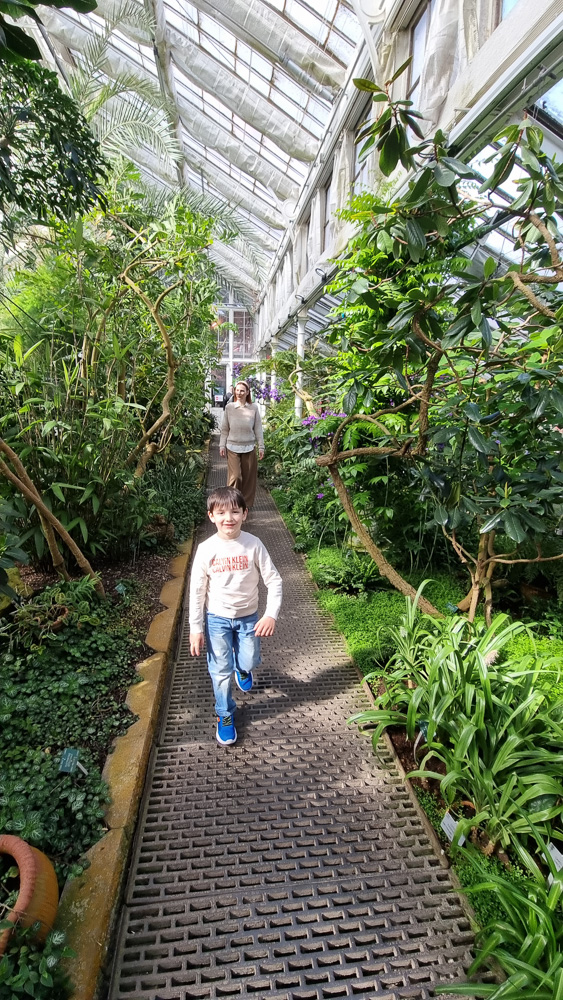
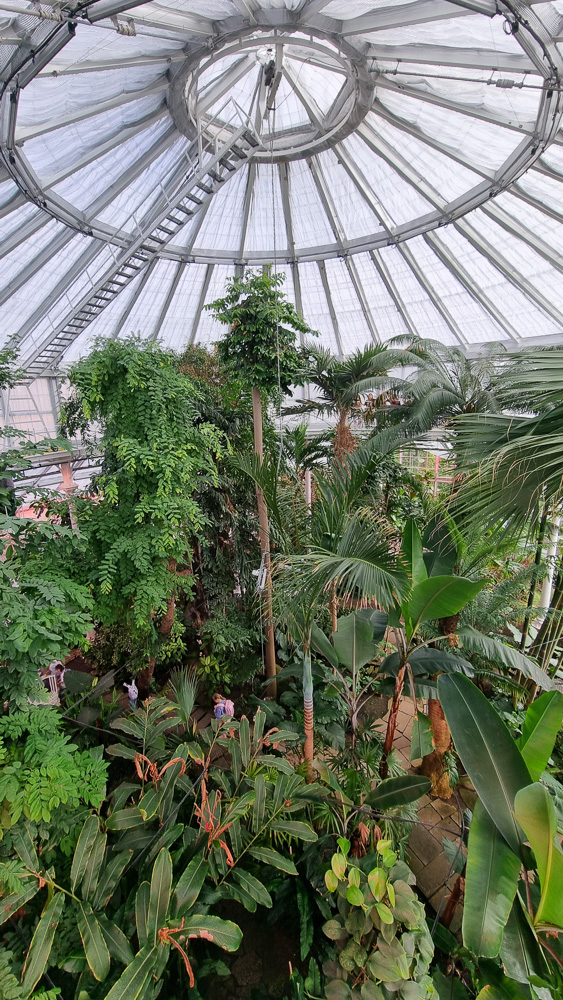
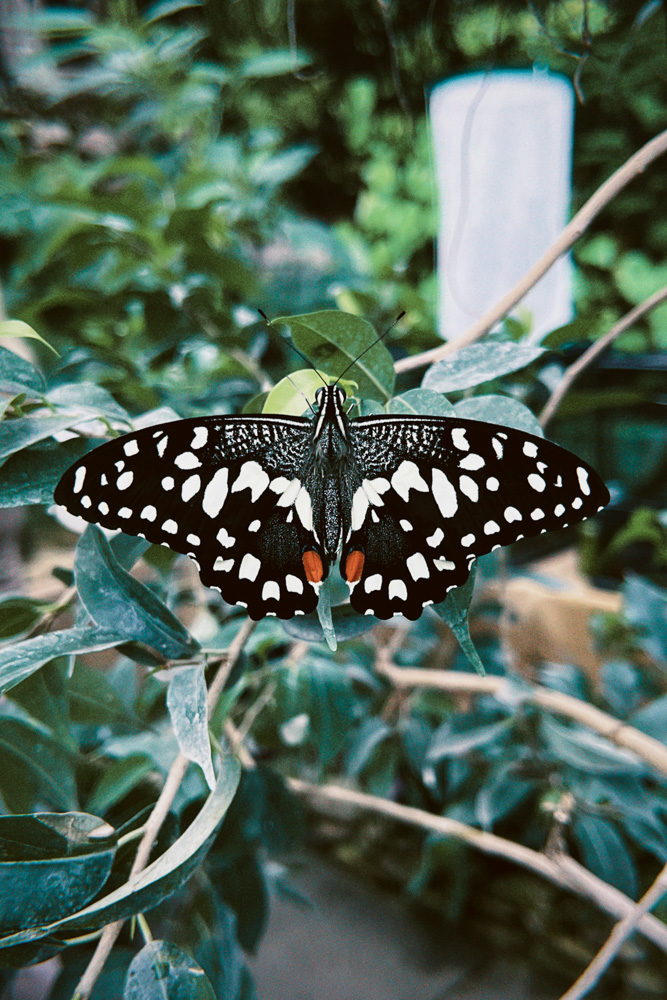
In the Botanical Garden of Copenhagen, which is free but not particularly remarkable on its own, the Palm House (Palmhuset) steals the show. It is a stunning, historic greenhouse that is well worth a visit and extremely Instagrammable. Equally noteworthy is the Butterfly House, where you will find yourself in a tropical environment among hundreds of colorful butterflies flying freely around you. Both the Palm House and the Butterfly House are included in the Copenhagen Card.


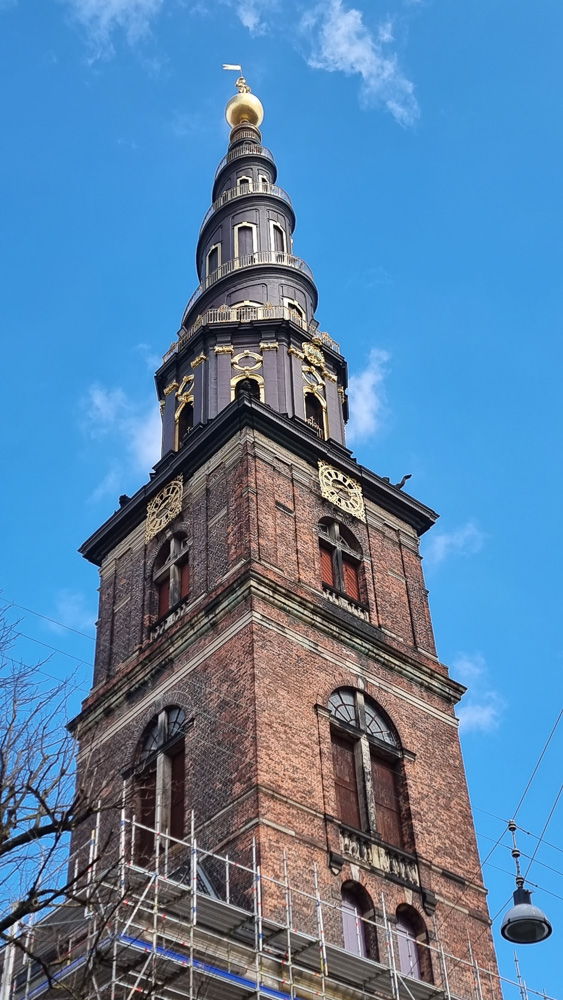
Vor Frelsers Kirke (Εκκλησία του Σωτήρος)
It is one of those spots you simply cannot miss, as its spiral steeple stands out from everywhere in the city. If you aren't afraid of heights, it is worth climbing the 400 steps to the top—the last ones are on the outside and narrow as you ascend—to see all of Copenhagen and the canals of Christianshavn laid out before you. With the Copenhagen Card, entry is free, but you must pre-book a time slot for your visit.
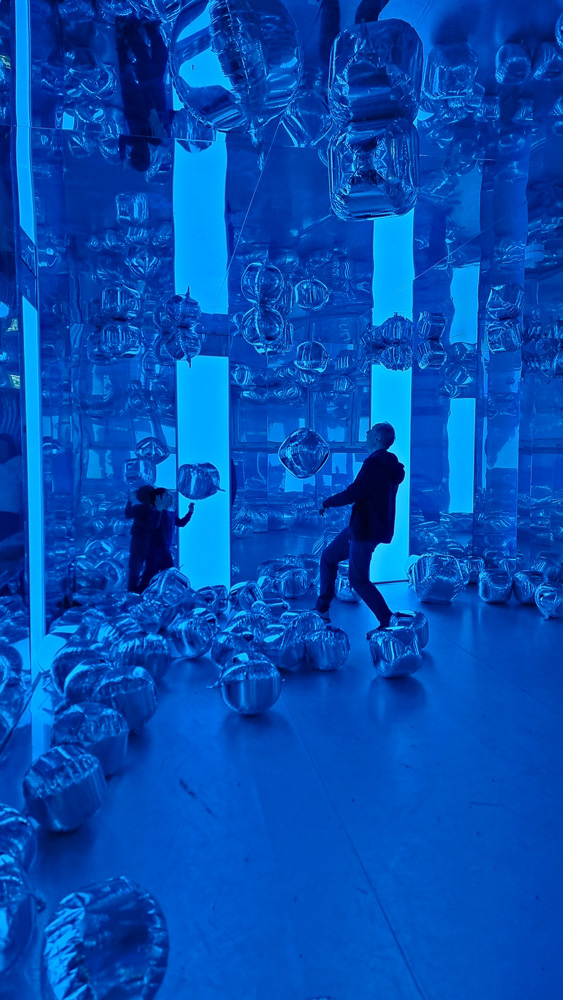
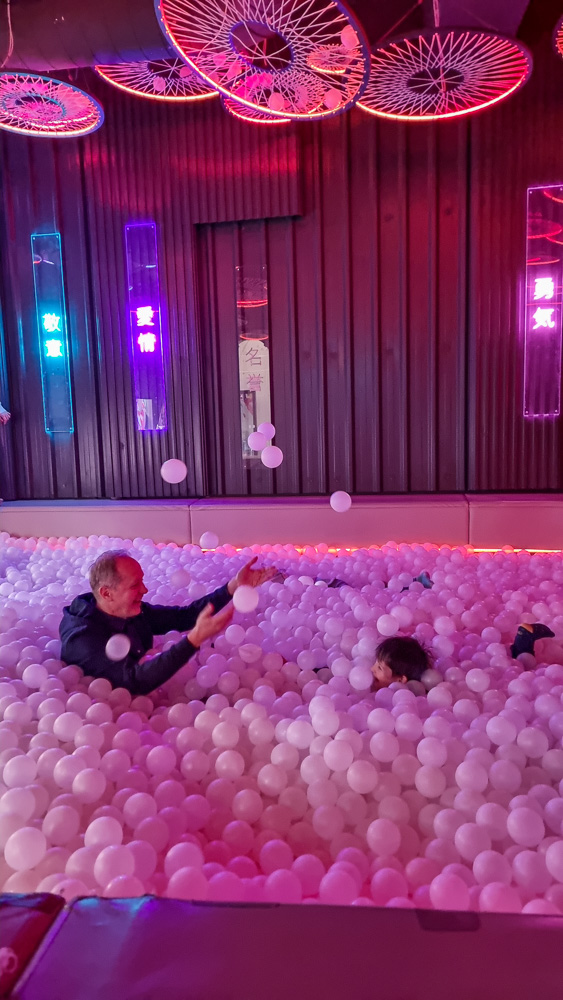
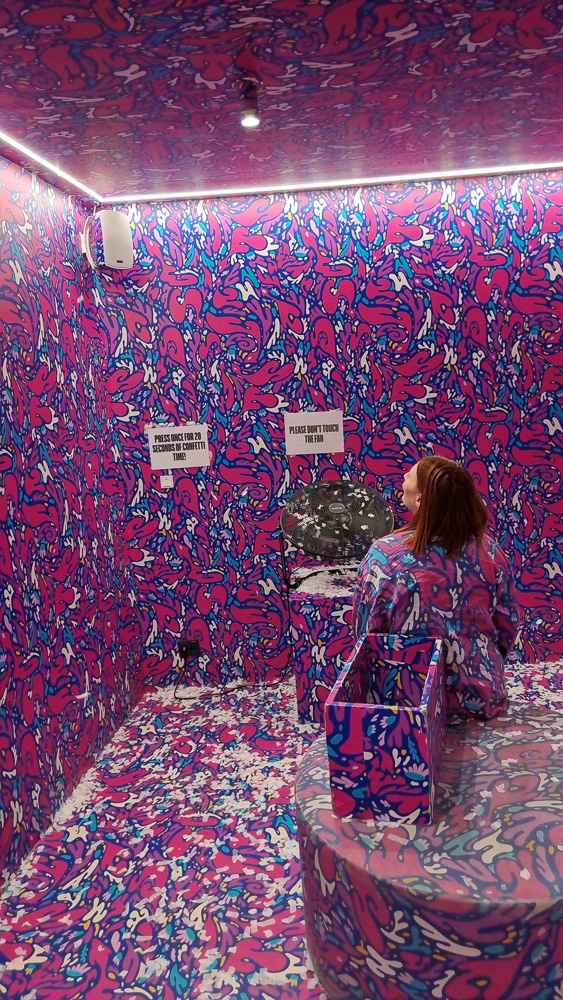
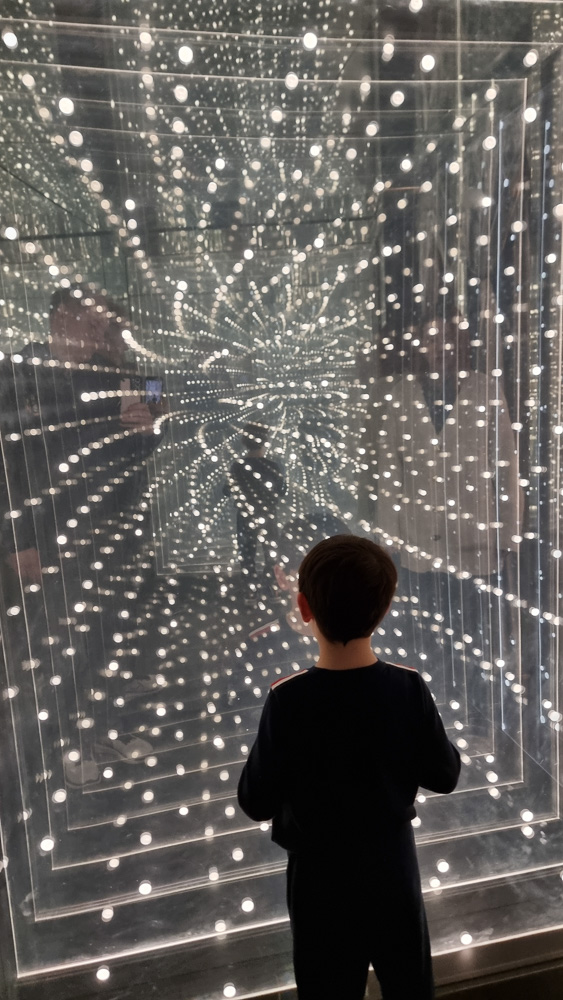
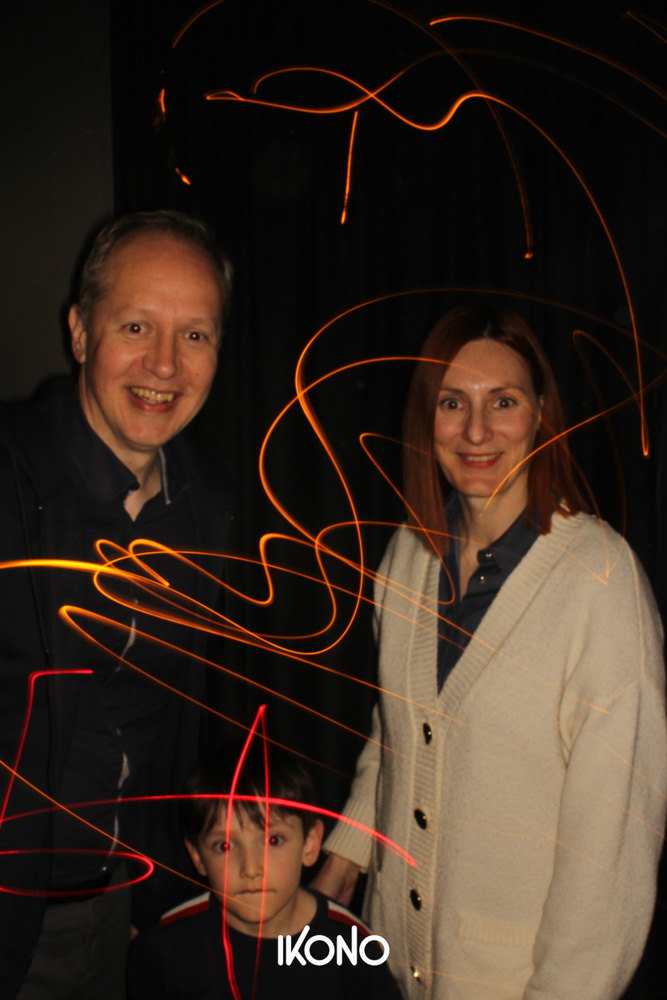
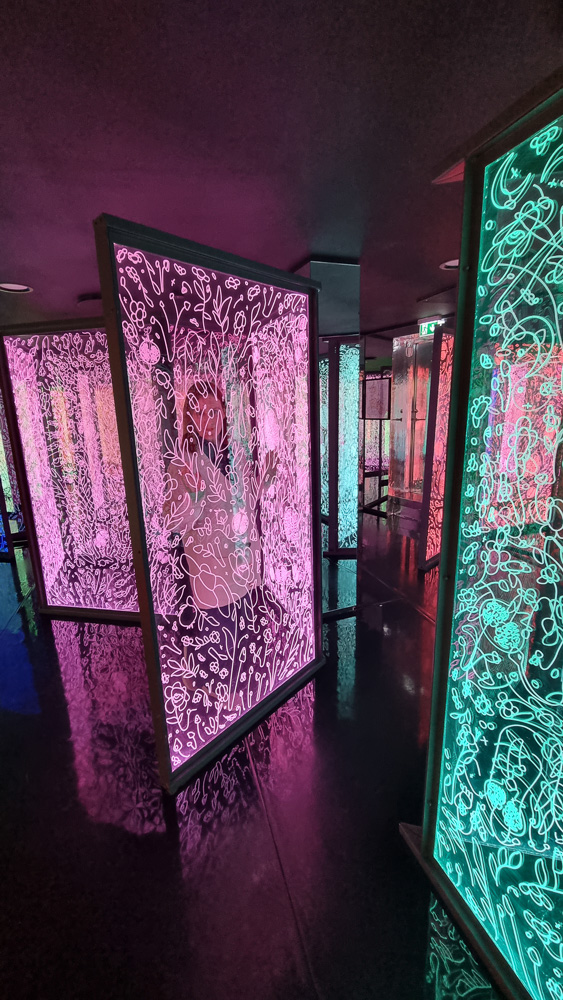
Ikono Copenhagen
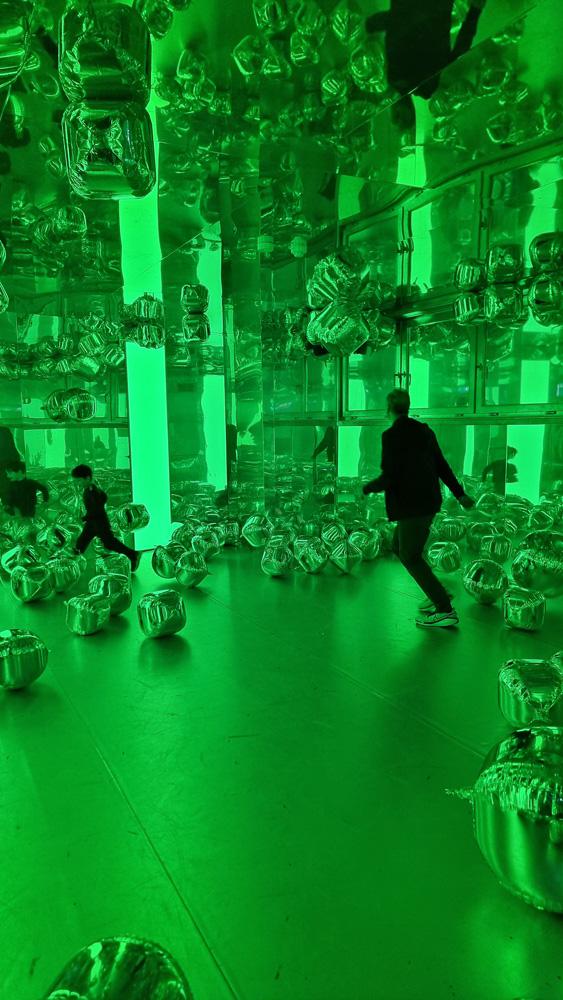
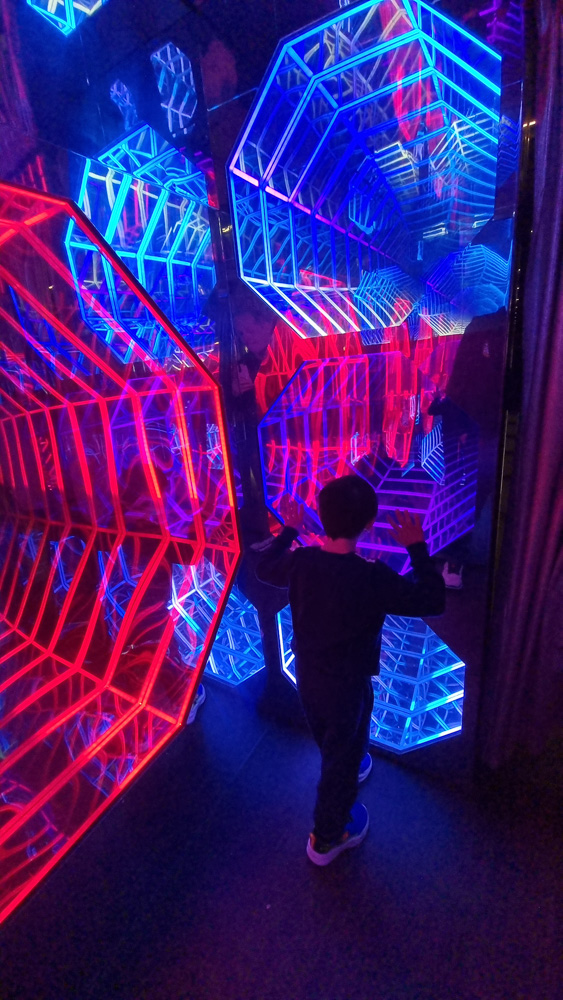
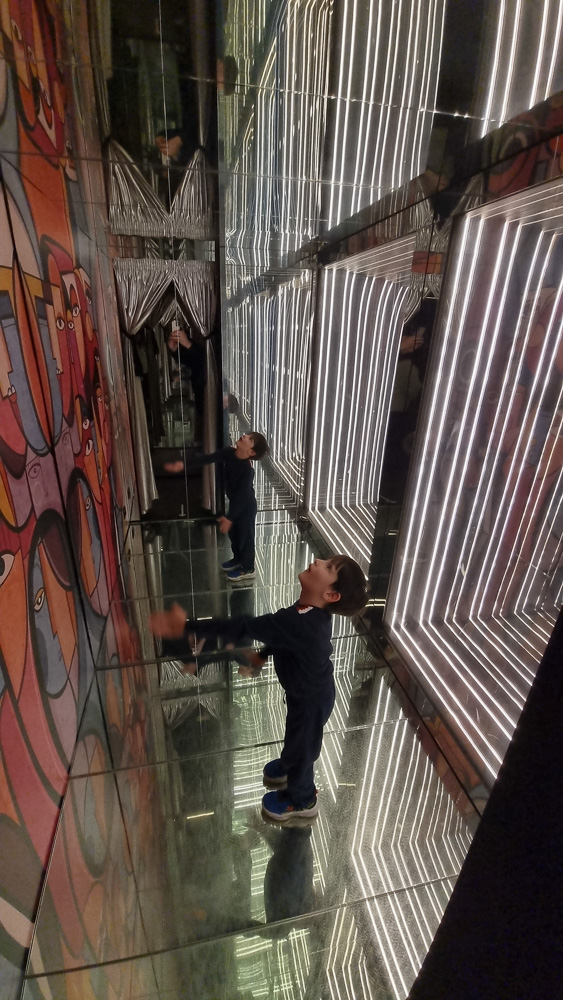
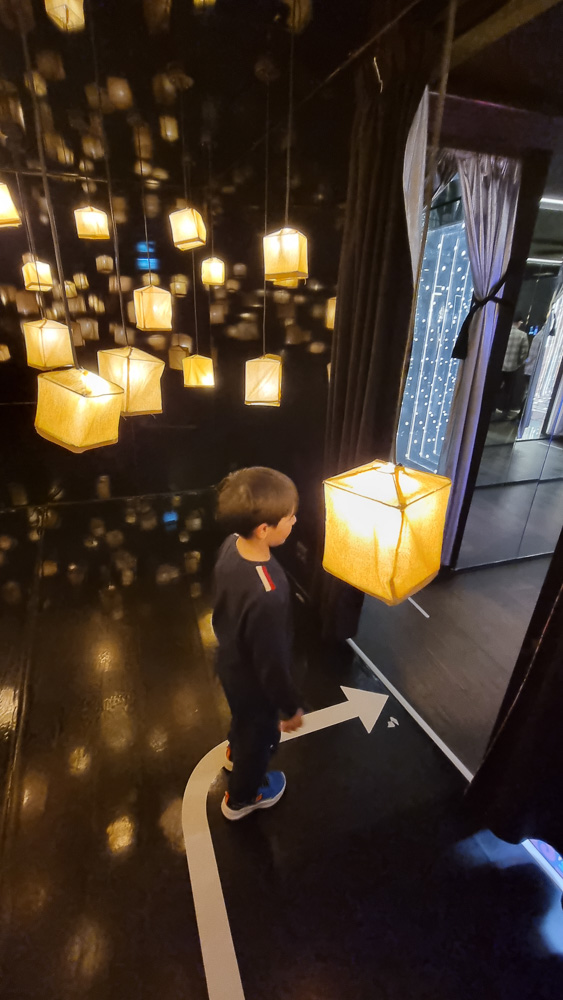
Ikono Copenhagen is an interactive space that offers a completely different experience, as the goal is for the visitor to become part of the artwork. It consists of rooms with vibrant colors, unique lighting, and imaginative sets designed specifically for capturing the most impressive photos and videos. While every area has its own appeal, the one children will surely love is the ball pit, which offers endless play and fantastic photo opportunities! With the Copenhagen Card, entry is free, but you must pre-book your visit time.

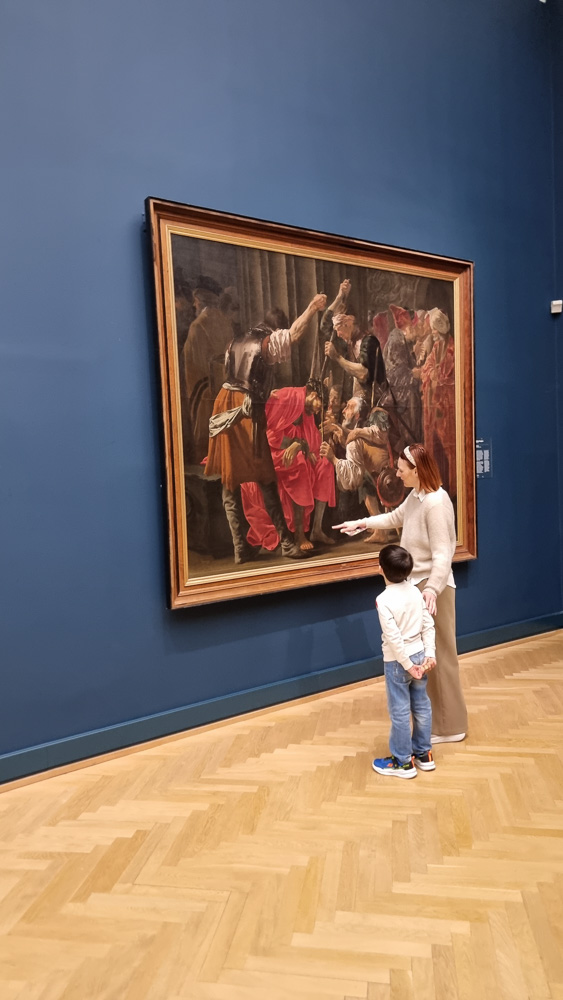
On the other hand, we wouldn't recommend the National Museum, as only its children's section is of interest, nor would we suggest the royal palaces. The National Gallery of Denmark (SMK) is worth a visit if you enjoy that style of art, while the Natural History Museum is only worth a quick walk-through, primarily if you find minerals and rocks fascinating.
 Where to Eat – What to Taste
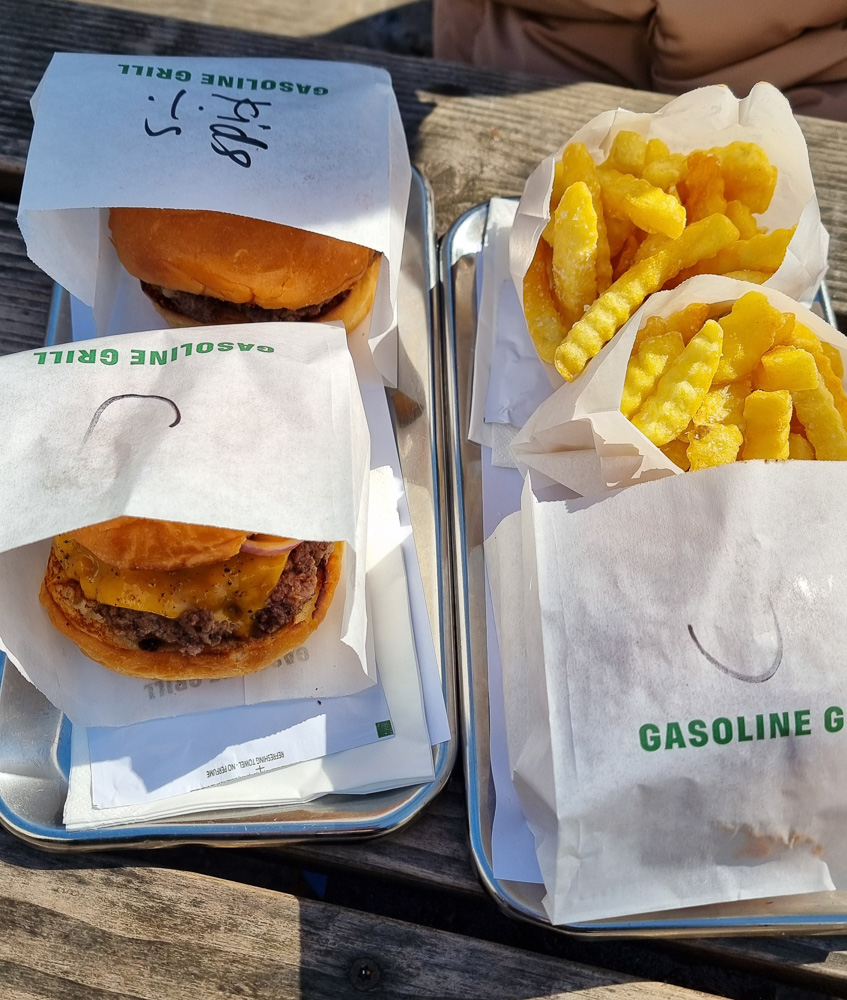
Food in Copenhagen, if you want to keep your budget at reasonable levels, is a difficult task. If you sit down at restaurants (it boasts some of the most award-winning ones in Europe), calculate around 80 to 100 euros per person. Of course, there are more affordable options, and here we will describe a few for you. Gasoline Grill is a chain of excellent burgers that you will find in various parts of the city (they aren't the most budget-friendly, but they aren't overpriced either). Also, the Seven Eleven and the Netto stores will literally save you, as you'll find affordable snacks, freshly baked Danish pastries, and ready-to-eat meals that allow you to fill up without breaking your budget. Copenhagen also boasts some of the most vibrant and high-quality street food markets in Europe. "Reffen", "TorvehallerneKBH", and "Broens Gadekøkken" combine local tradition with international flavors.
 Some local flavors you must try are the following:
Savory
Smørrebrød: Traditional open-faced sandwiches on dark rye bread with toppings such as fried fish, roast meat, or egg with shrimp.
Pølser: The classic Danish hot dog served with fried onions, pickles, and sauce.
Flæskestegssandwich: A sandwich with roast pork, characteristic crispy crackling, and red cabbage.
 Sweets
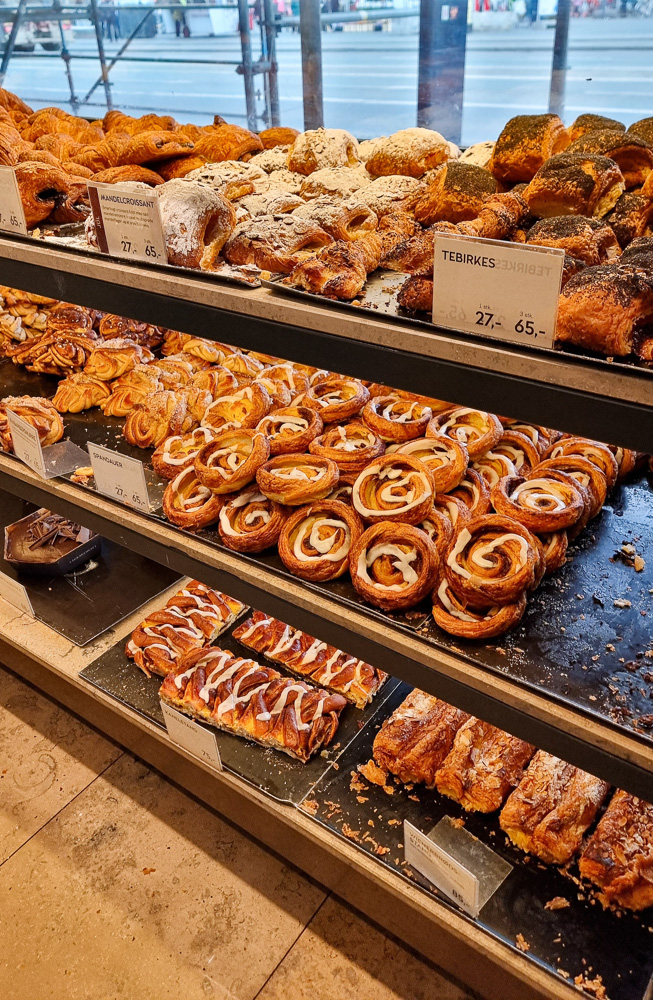
Wienerbrød: The famous Danish pastries, with the cinnamon roll (Kanelsnegl) and the cream-filled Spandauer being the top choices.
Fastelavnsbolle: A fluffy sweet bun filled with rich cream, jam, or whipped cream.
Closing
Copenhagen is undoubtedly an elegant city that manages to be both doric and austere, yet at the same time perfectly familiar. It is not the kind of destination that will leave you in awe, αλλά ούτε ασυγκίνητο. Είναι μια πόλη που κερδίζει την εκτίμησή σου σταδιακά, μέσα από την ποιότητα της καθημερινότητάς της και την αίσθηση ότι όλα λειτουργούν ρολόι. Στην Κοπεγχάγη δεν πας για να δεις αξιοθέατα-πυροτεχνήματα, αλλά για να βιώσεις πώς είναι να ζεις σε ένα περιβάλλον, όπου η αισθητική και η λειτουργικότητα βρίσκονται σε απόλυτη ισορροπία. Είναι η πόλη που σε προσκαλεί να επιβραδύνεις και να εκτιμήσεις το “ευ ζην” στην πιο ουσιαστική του μορφή. Κι αφού θα βρεθείς εκεί πήγαινε και μια ημερήσια εκδρομή μέχρι το γειτονικό Μάλμε της Σουηδίας.