We have visited several cities around the world and especially in Europe… Barcelona belongs to the category of those few that we could comfortably live in! The capital of Catalonia is a colorful, people-centered city that wins you over from the first moment. Large pedestrian streets, bike paths, squares, picturesque neighborhoods… The unique architecture and the great cultural heritage make it one of the most important cities in Spain. All this, combined with the lively and bustling crowd that roams its neighborhoods and alleys every day, make Barcelona a city that you MUST visit soon…

Two milestone dates changed life in the city for the better. The 1929 International Exhibition and the 1992 Olympic Games bequeathed to Barcelona a series of buildings and infrastructures that put it on the world map in large letters. At the same time, the area was home to the brilliant architect Antonio Gaudí, as well as a number of artists such as Salvador Dali, Joan Miró and, for a time, Pablo Picasso.

When to go?
Spring and autumn are definitely the best times to visit. However, if you want to see the city in a summery way and enjoy your swims in the famous Barceloneta, then you should go in June. Avoid August as the temperatures are particularly high and you will have a hard time exploring the city under the hot sun.
Where to stay?
After a lot of research we did, Airbnbs in Barcelona cost the same, maybe even more, than hotels. We stayed at Leonardo Boutique Hotel Sagrada FamiliaBesides being an excellent hotel, it was located close to a metro stop, which was convenient for our daily tours.
How will you get around?
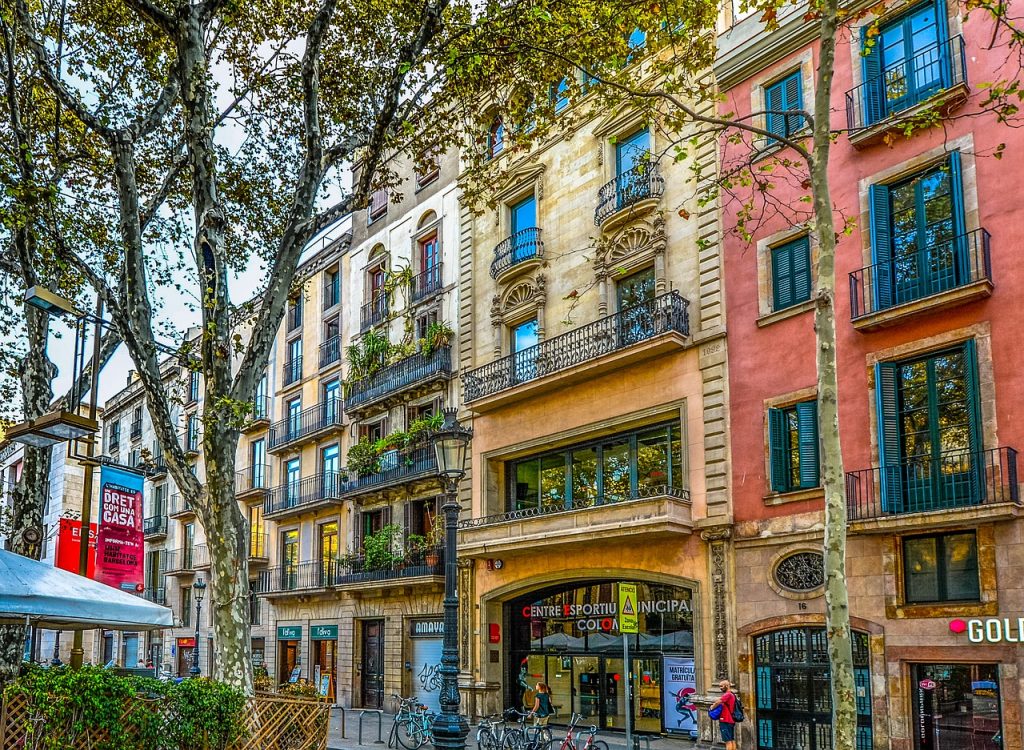
Barcelona has an excellent metro, bus and tram network that takes you everywhere. At the metro ticket offices you will choose the card T-casual which is 10 routes, costs 12.55 euros to zone 1 and 24.65 to zone 2. If you have a license, rent a motorbike. You will get around the city easily and quickly. To see the beach and the port, but also to visit some parks, I suggest you rent a bike. Download the app on your mobile Donkey Republic and you left!
What to see
Here you will read the program we followed, putting the sights in a logical order, so that you can visit the main ones and have a good idea of the city within three to four days. To get from one point to another, use Google maps on your mobile.

1or day
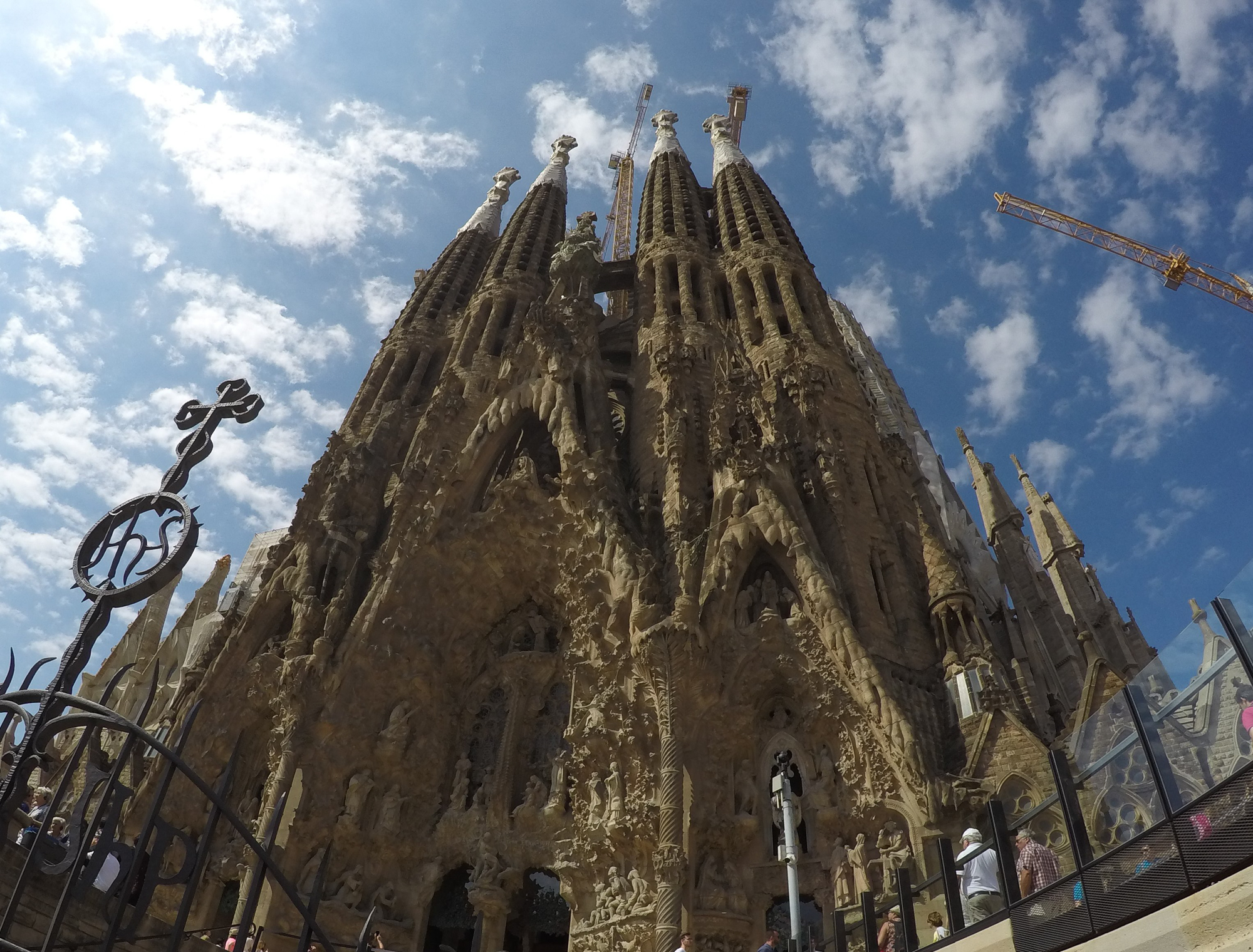
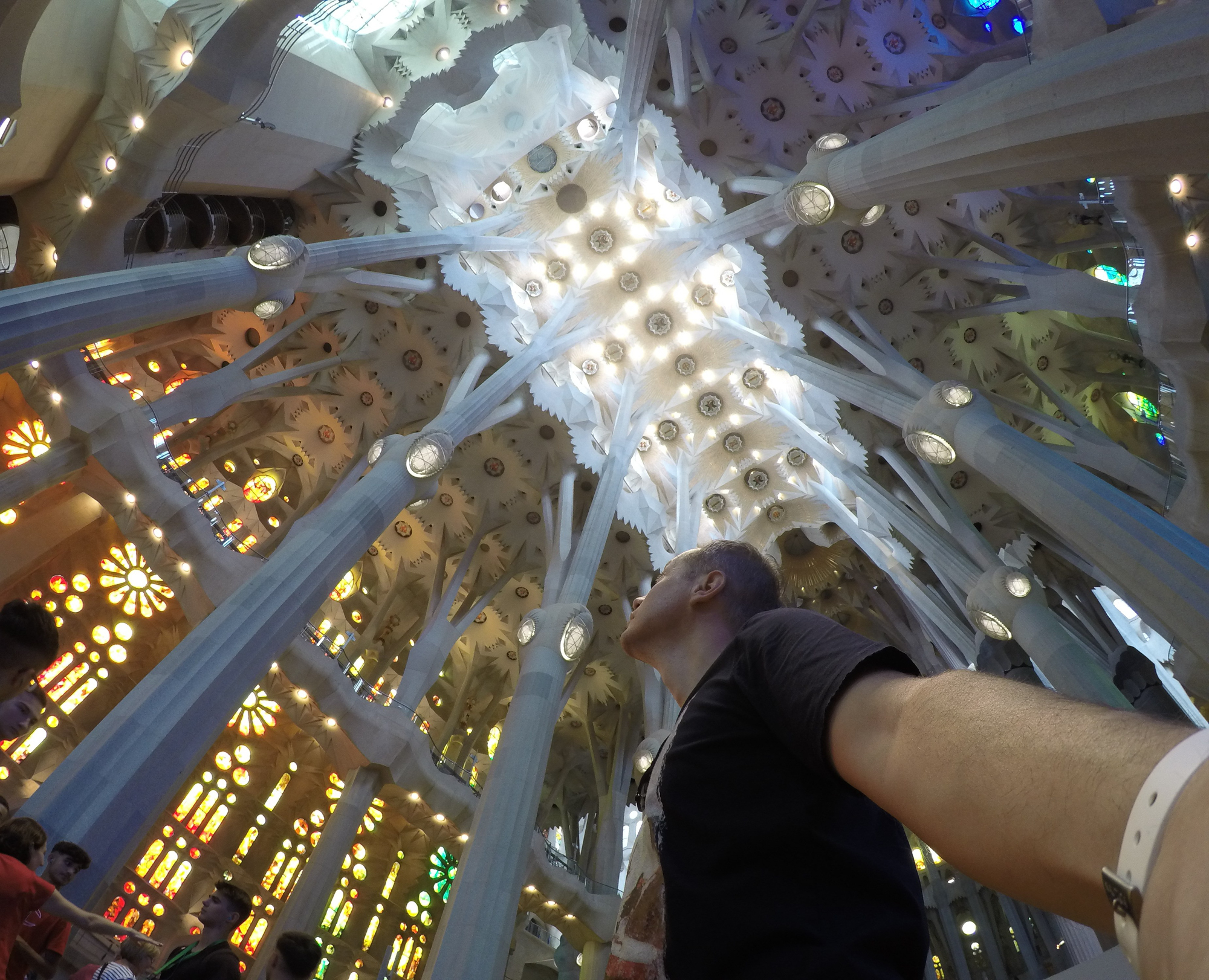
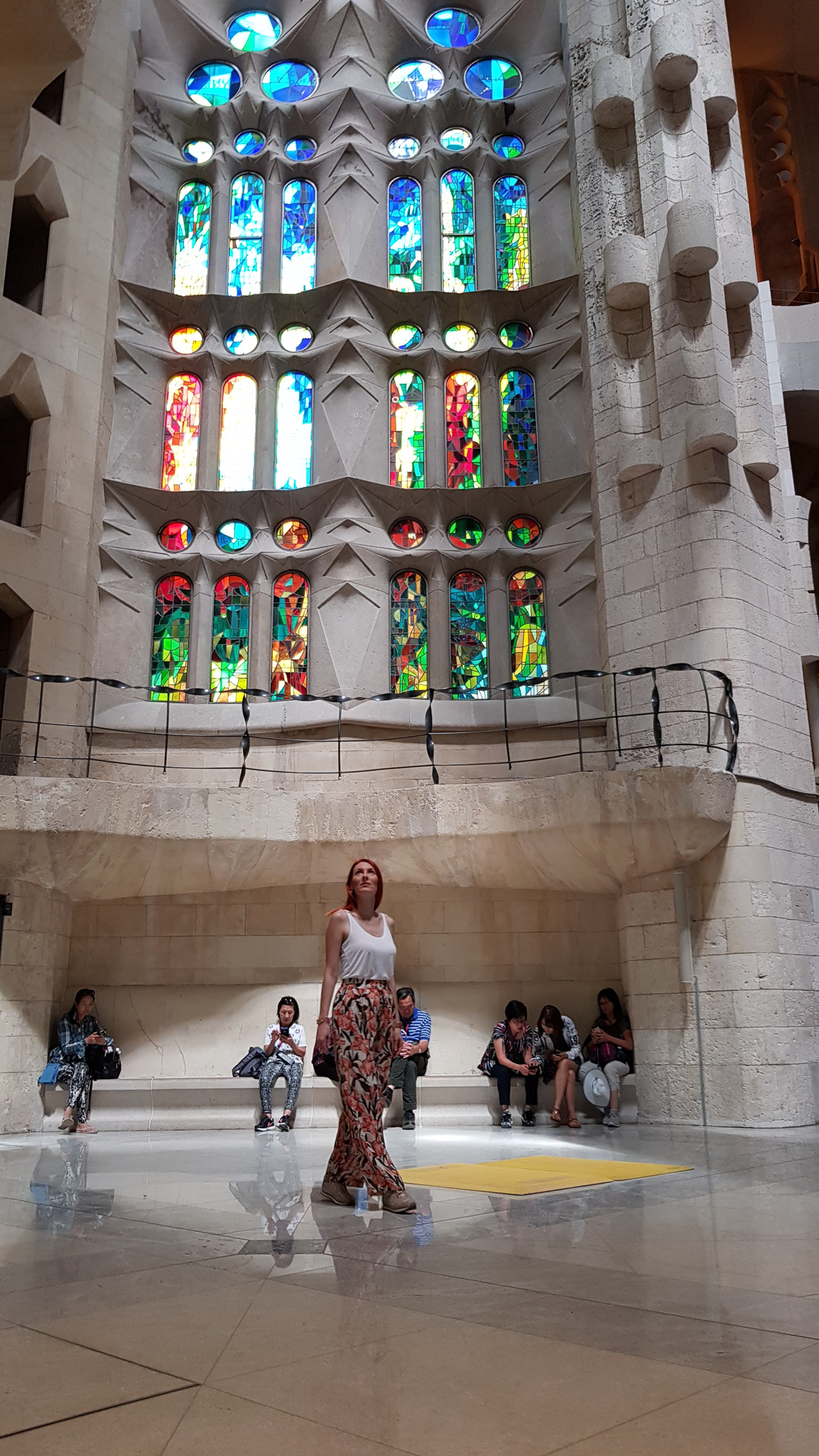
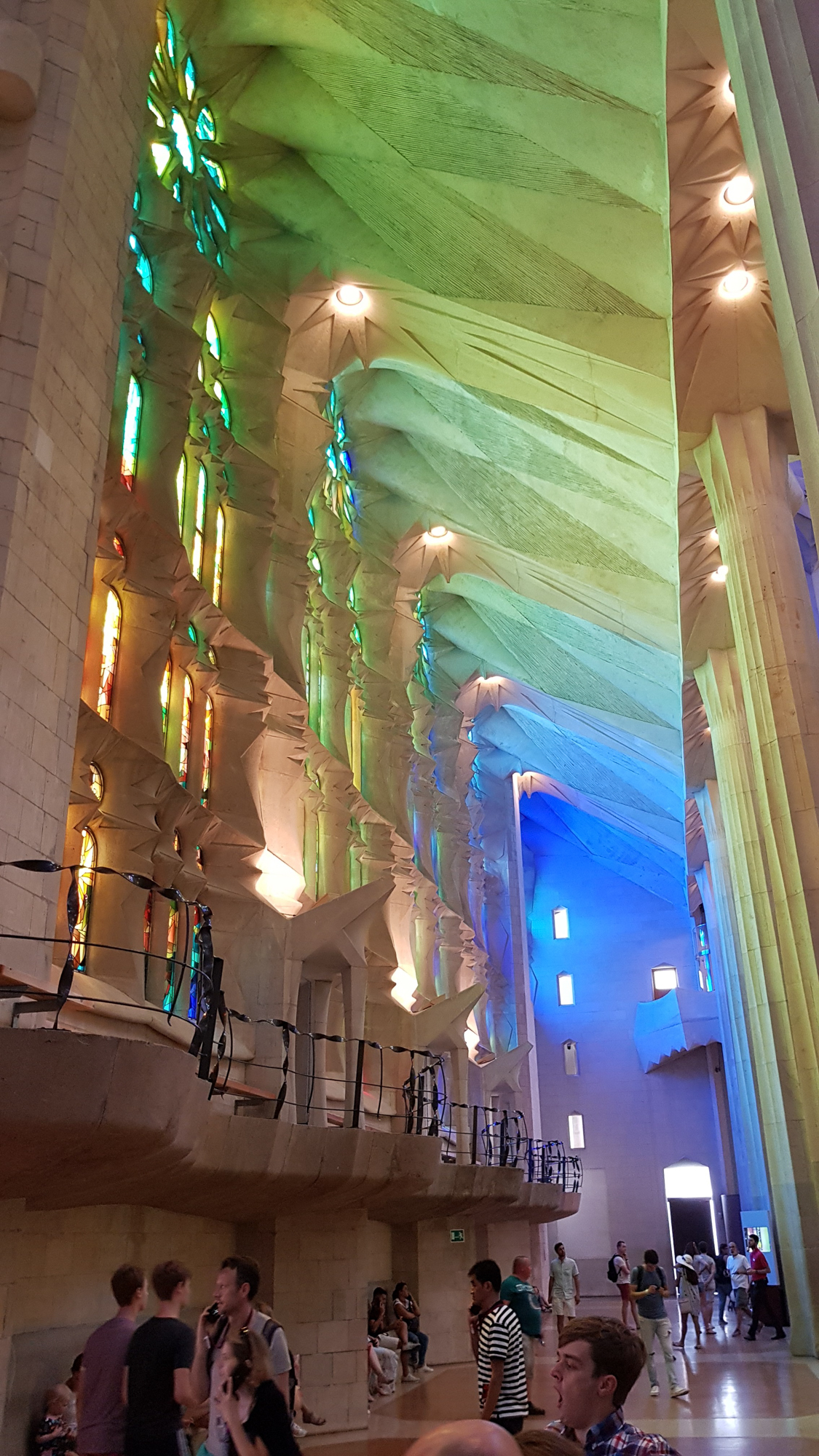
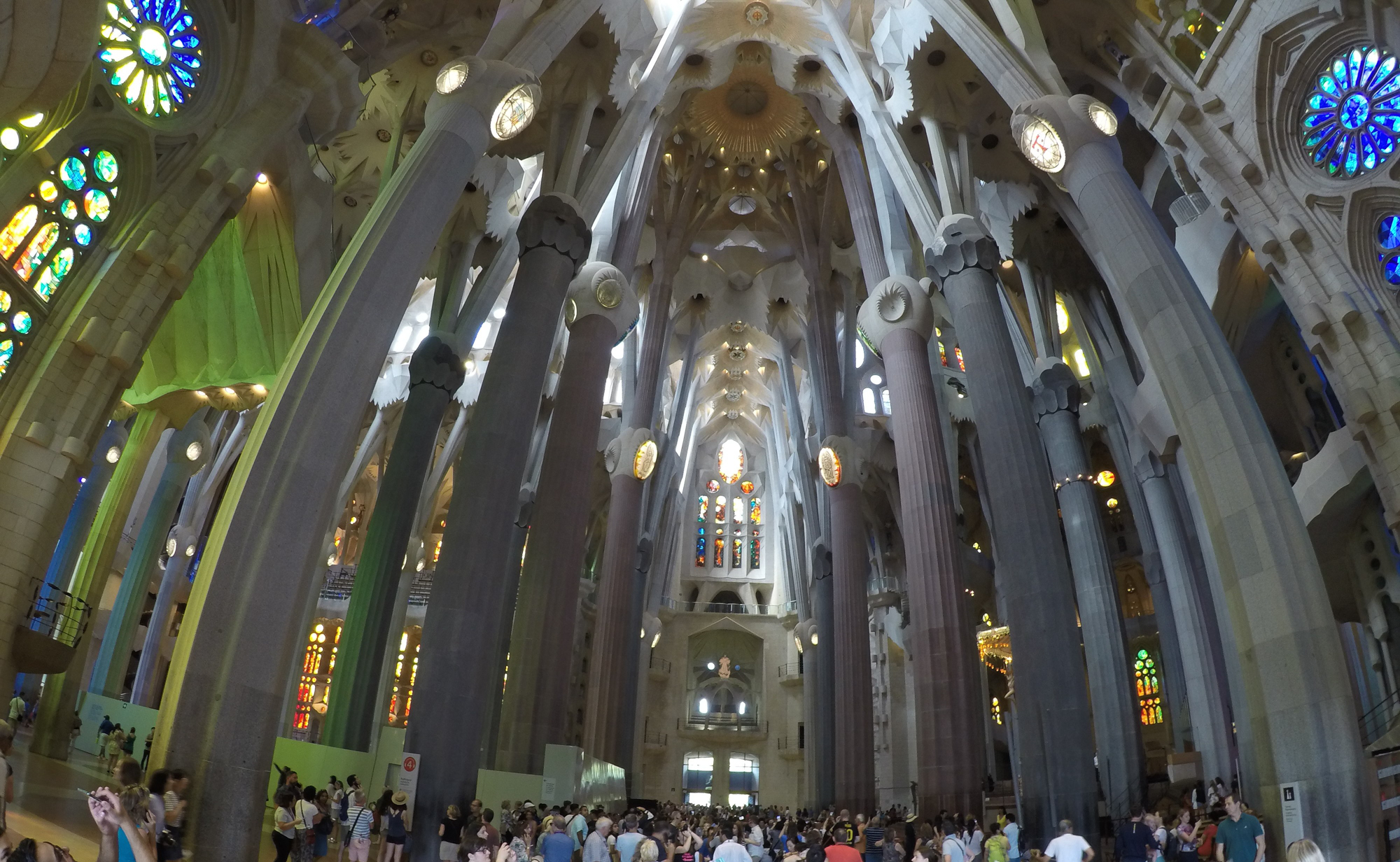
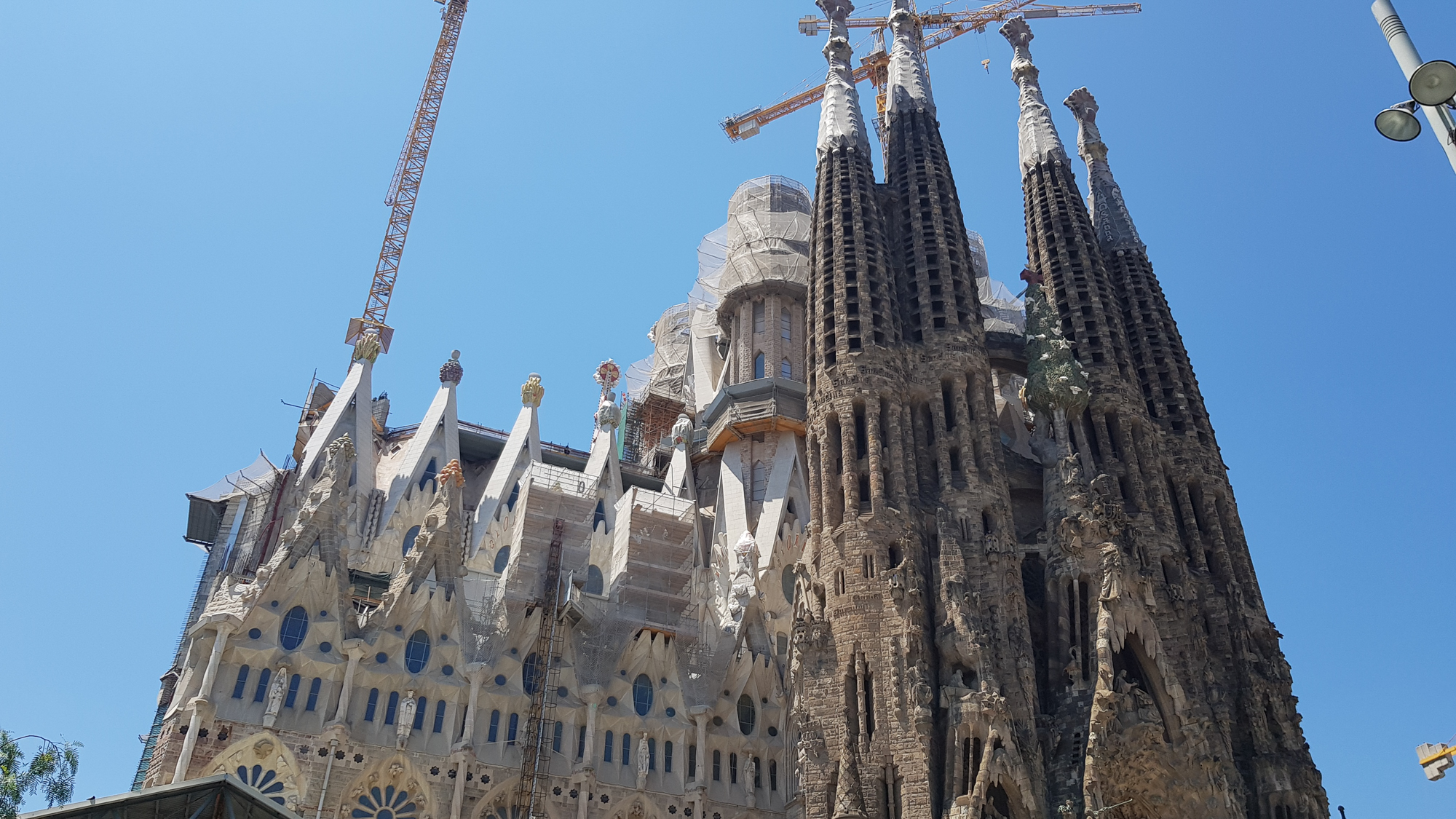
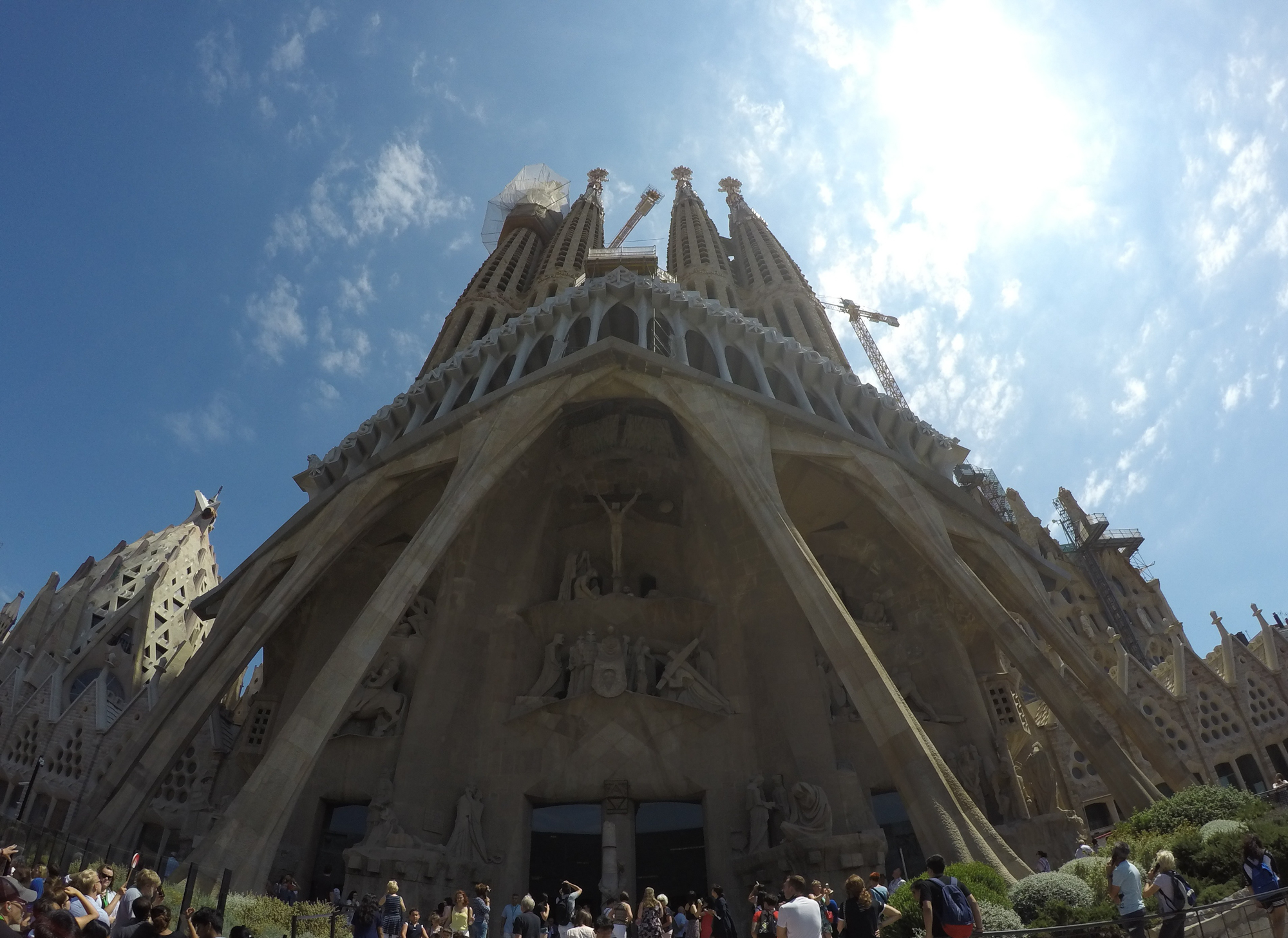
– Holy Family. This is perhaps the most famous work of Antonio Gaudi. Construction began in 1882 and is expected to be completed in 2026, the 100th anniversary of the famous architect's death. Despite the fact that there is work underway on the site, the temple you will encounter is unlike any you have seen to date. Colorful stained glass windows, impressive columns that resemble tree trunks and carved flowers that will leave you speechless. Book your ticket without fail online, so you don't have to wait in endless lines.
Tip: Along with your ticket, book an audio guide that will guide you through the details of the construction and the secrets of this special temple.
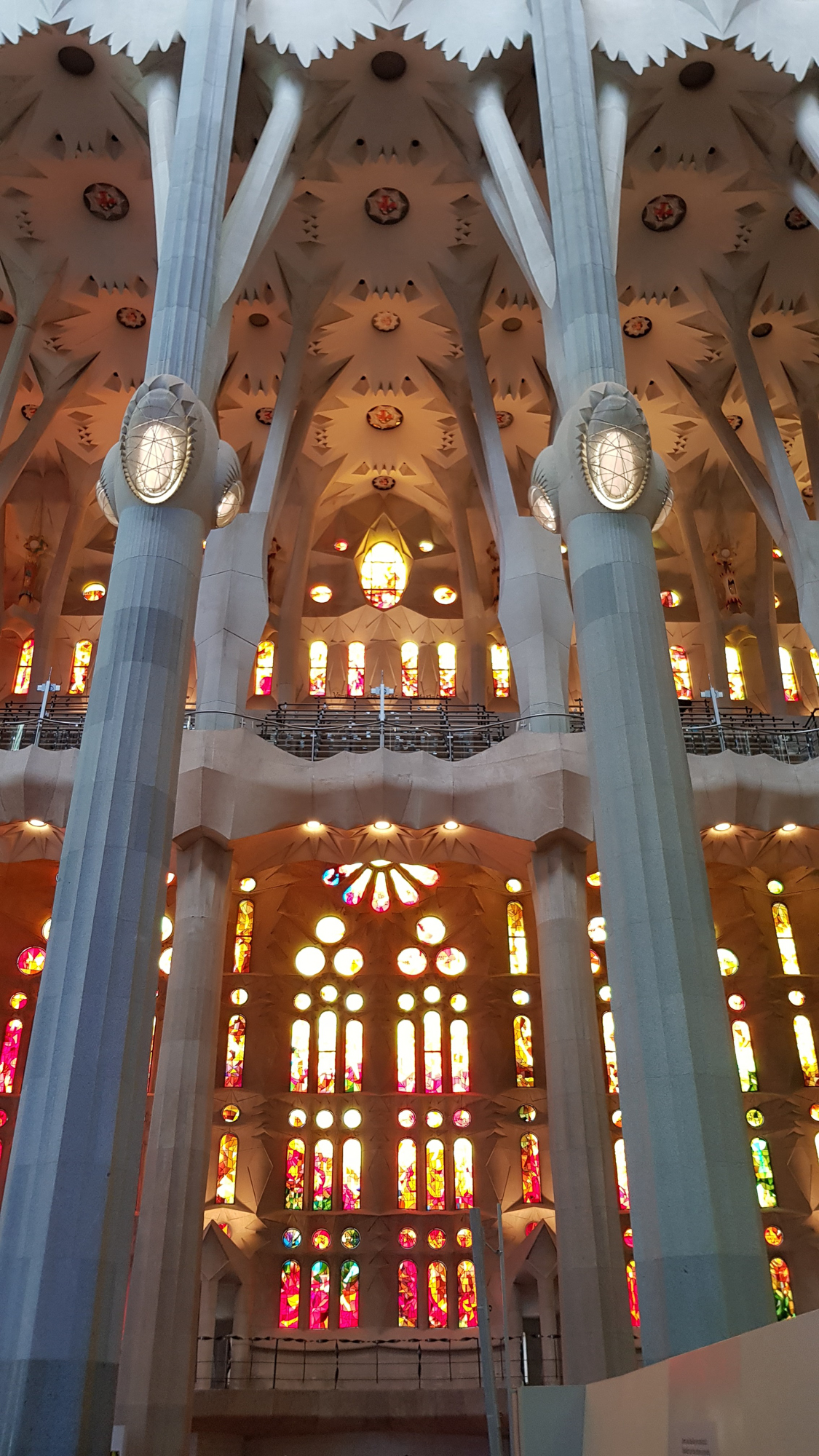
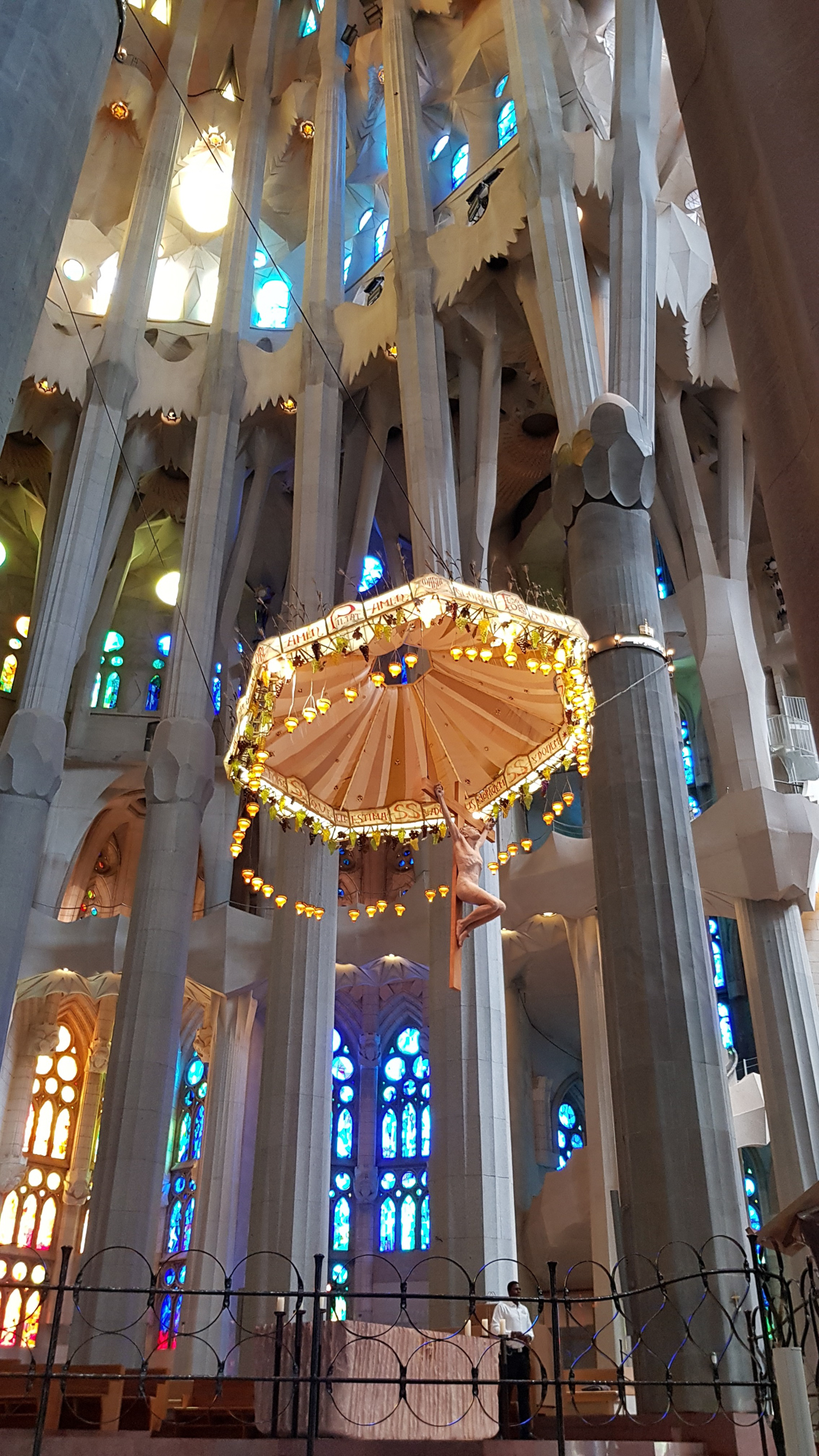
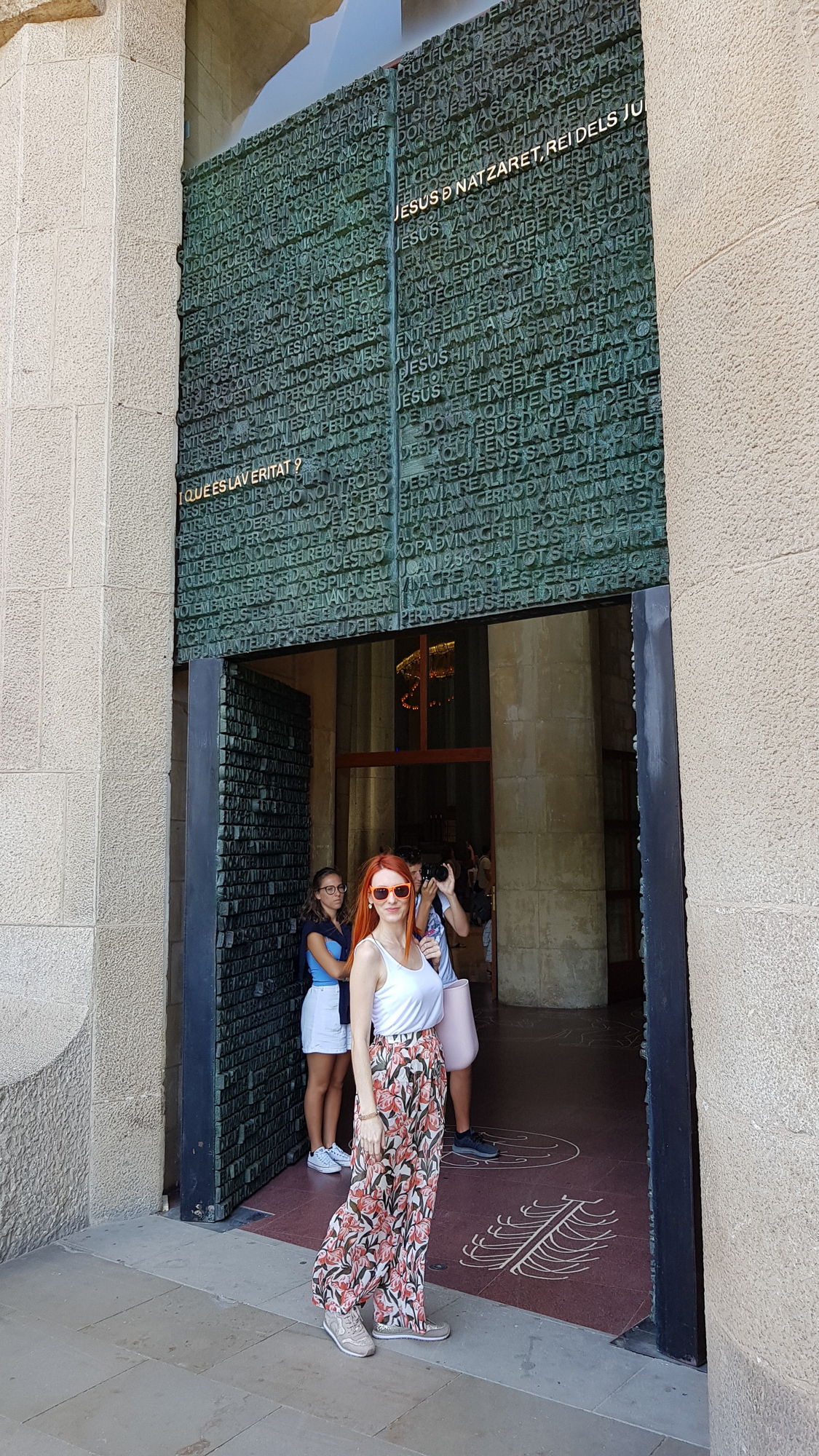
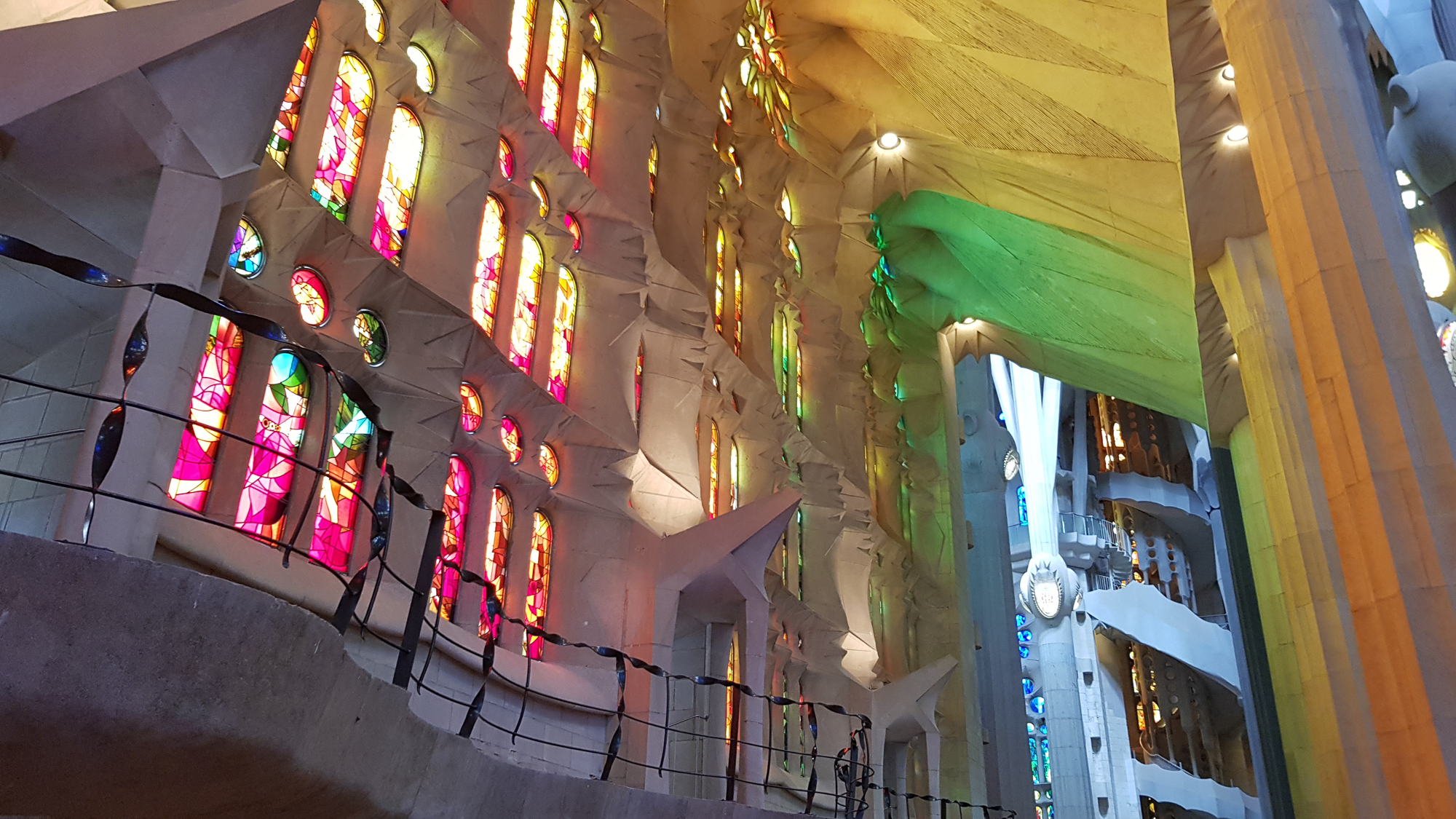
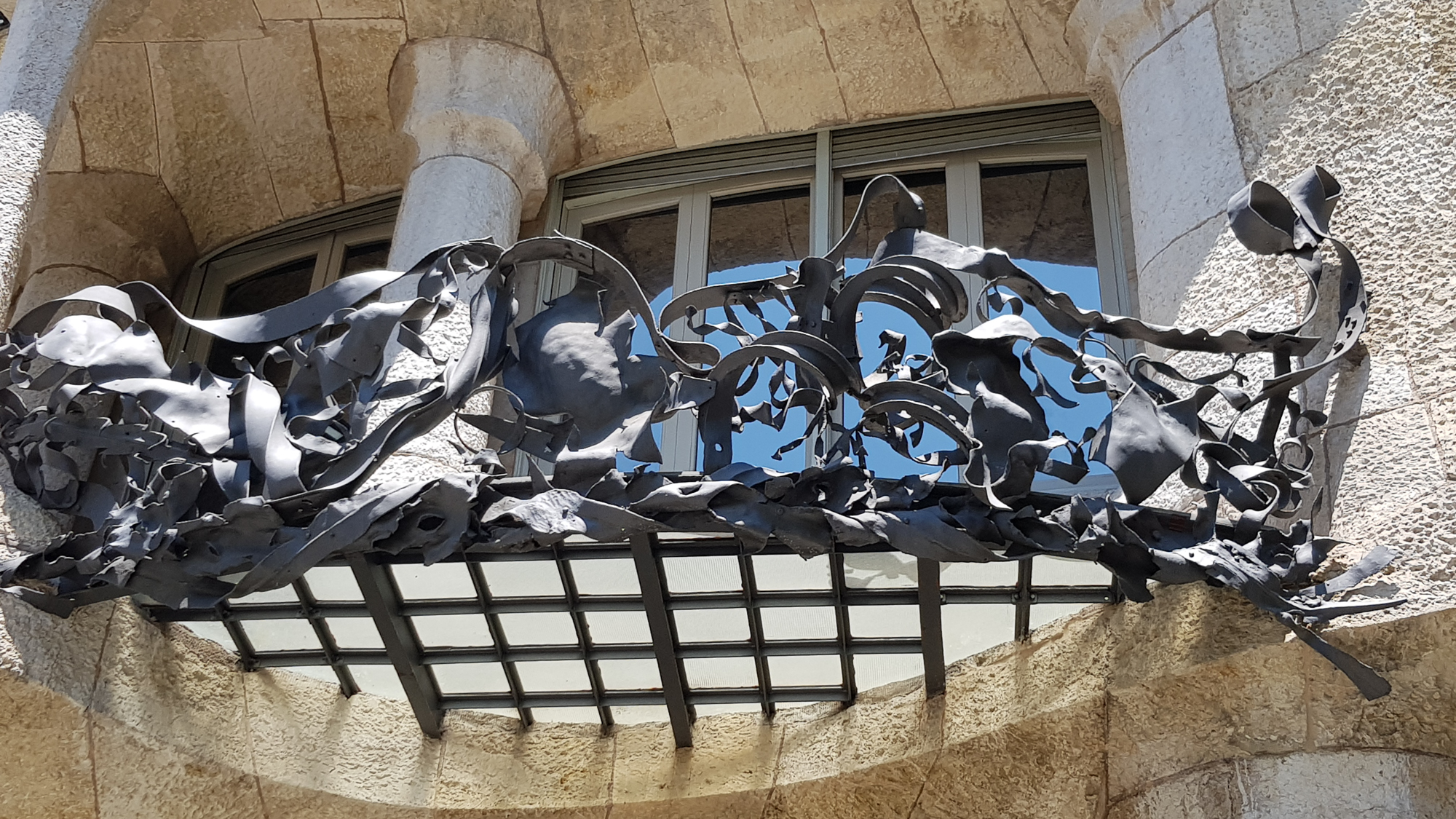
– House Milto. The Catalans also call it La Pedrera, meaning the Quarry. Designed by A. Gaudí, it was completed in 1912 and is a small miracle of architecture, as there is not a single straight line or right angle. The surreal chimneys, the eccentric appearance and the seven floors standing on columns and arches make the building unique. Close the ticket for the inside of the internet.

– House Batllo or Casa dels ossos (House of Bones). It is one of Gaudí's most famous works. In this masterpiece he incorporated the legend of Saint George and the dragon. The roof of the building depicts the dragon's spine and the balconies the bones of its victims. And here the ticket it is quite expensive.

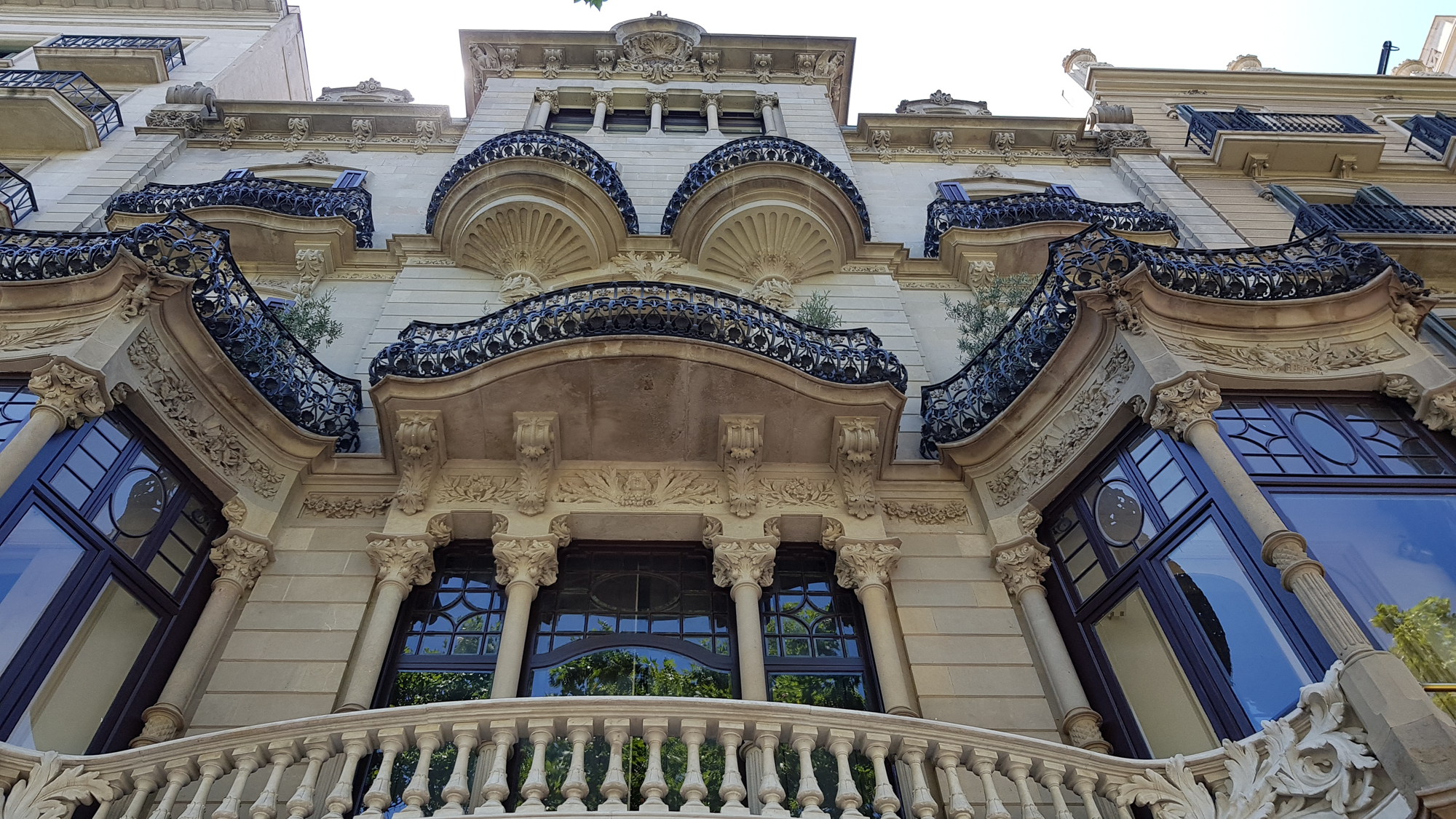
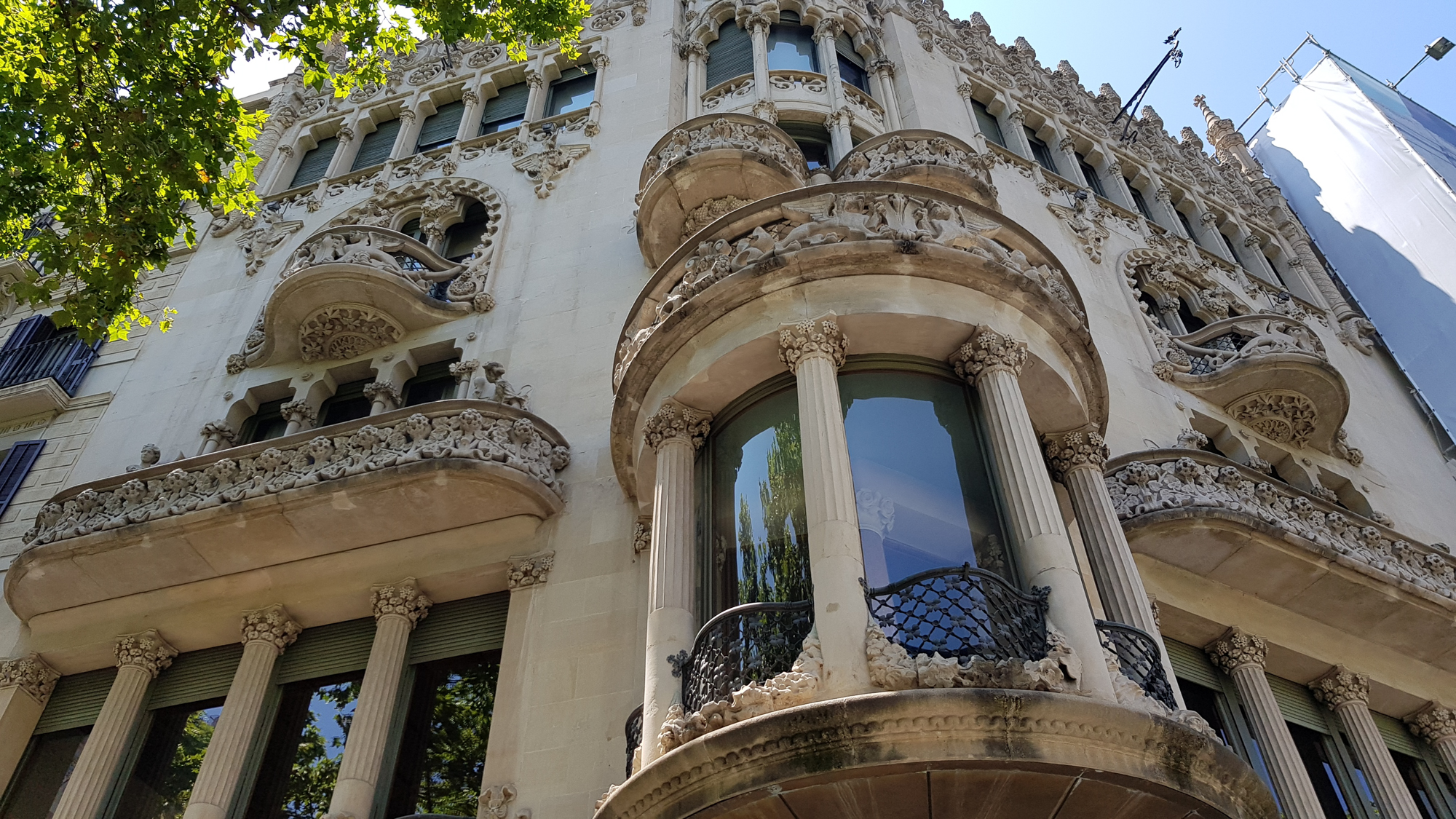
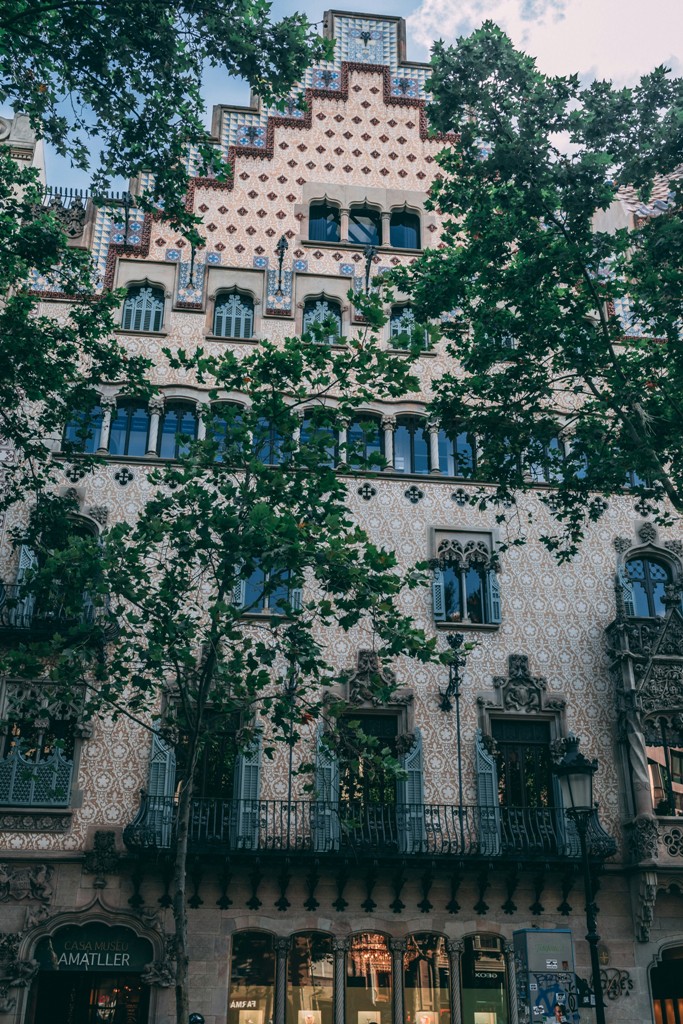
– Next to Casa Batllo you will notice three more beautiful buildings, Casa Amatller, Casa Mulleras and Casa Lleó Morera, which may not belong to A. Gaudí, but are architectural elements of the Catalan Modernism that dominated at the end of the 19th century. Don't go inside, look at it from the outside.
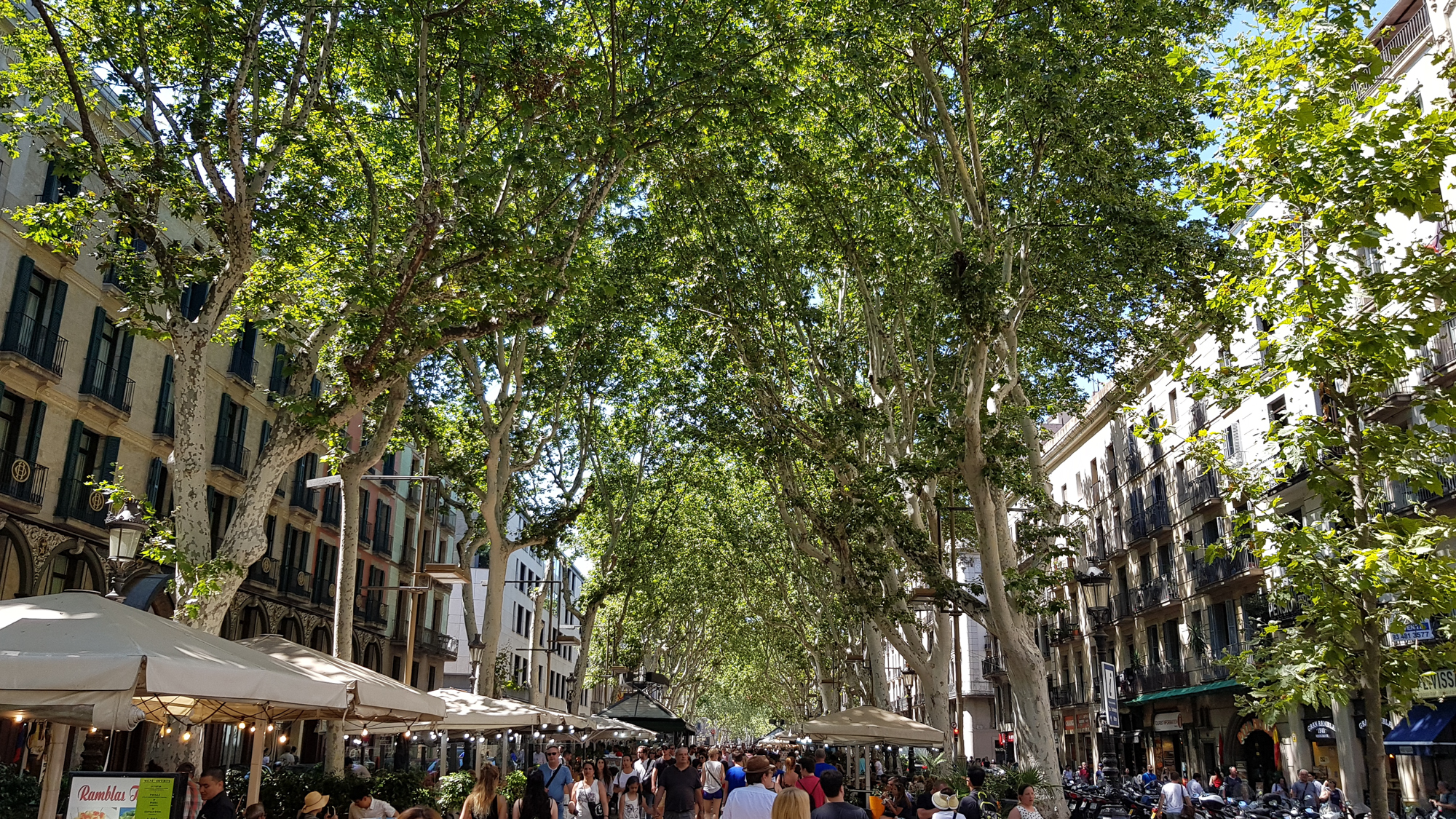
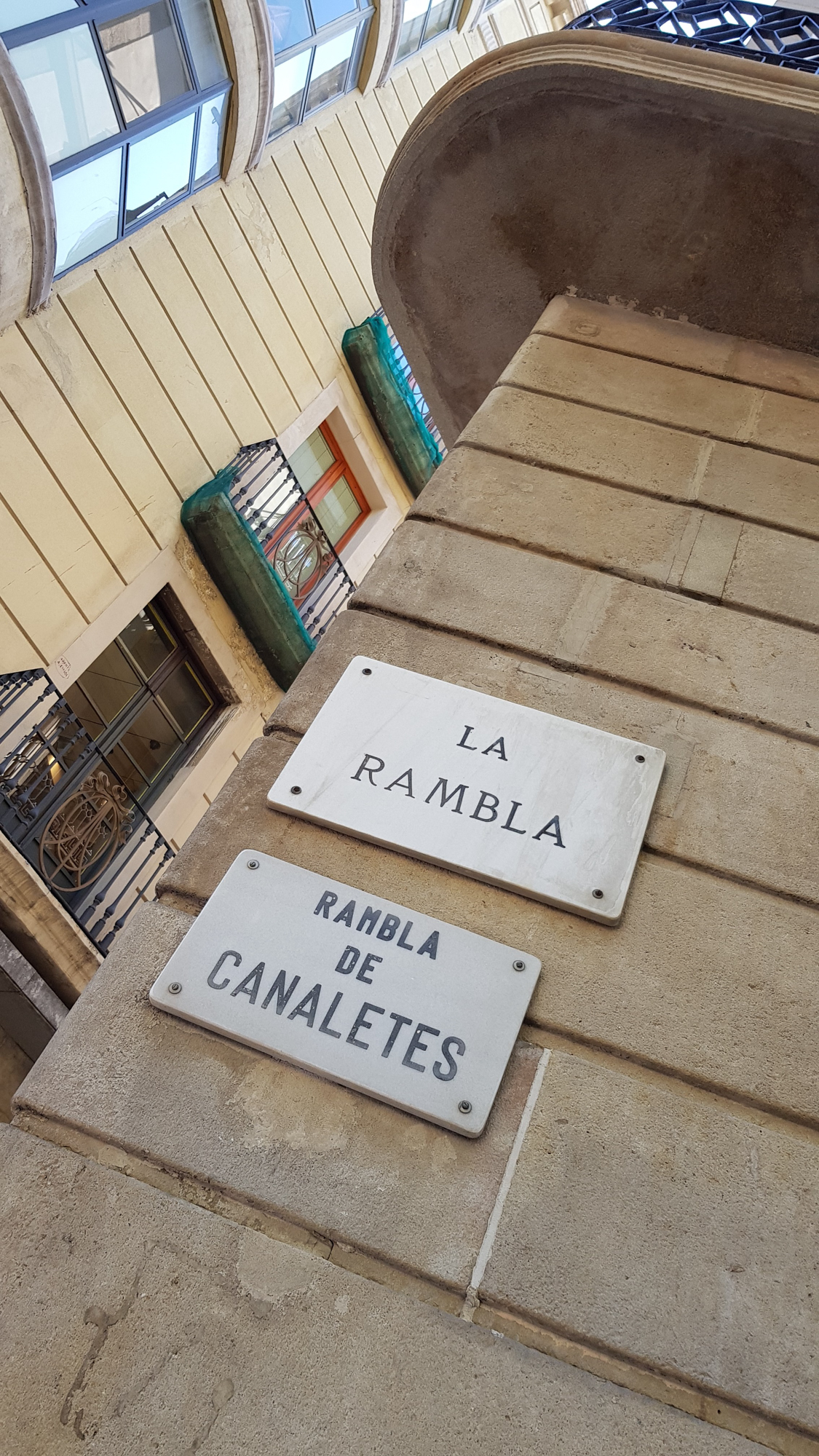
– Your next stop is Plaza Catalunya. From there begins the famous, most famous artery of Barcelona, heading towards the port. Its name comes from the Arabic word ramla, which means river, torrent.

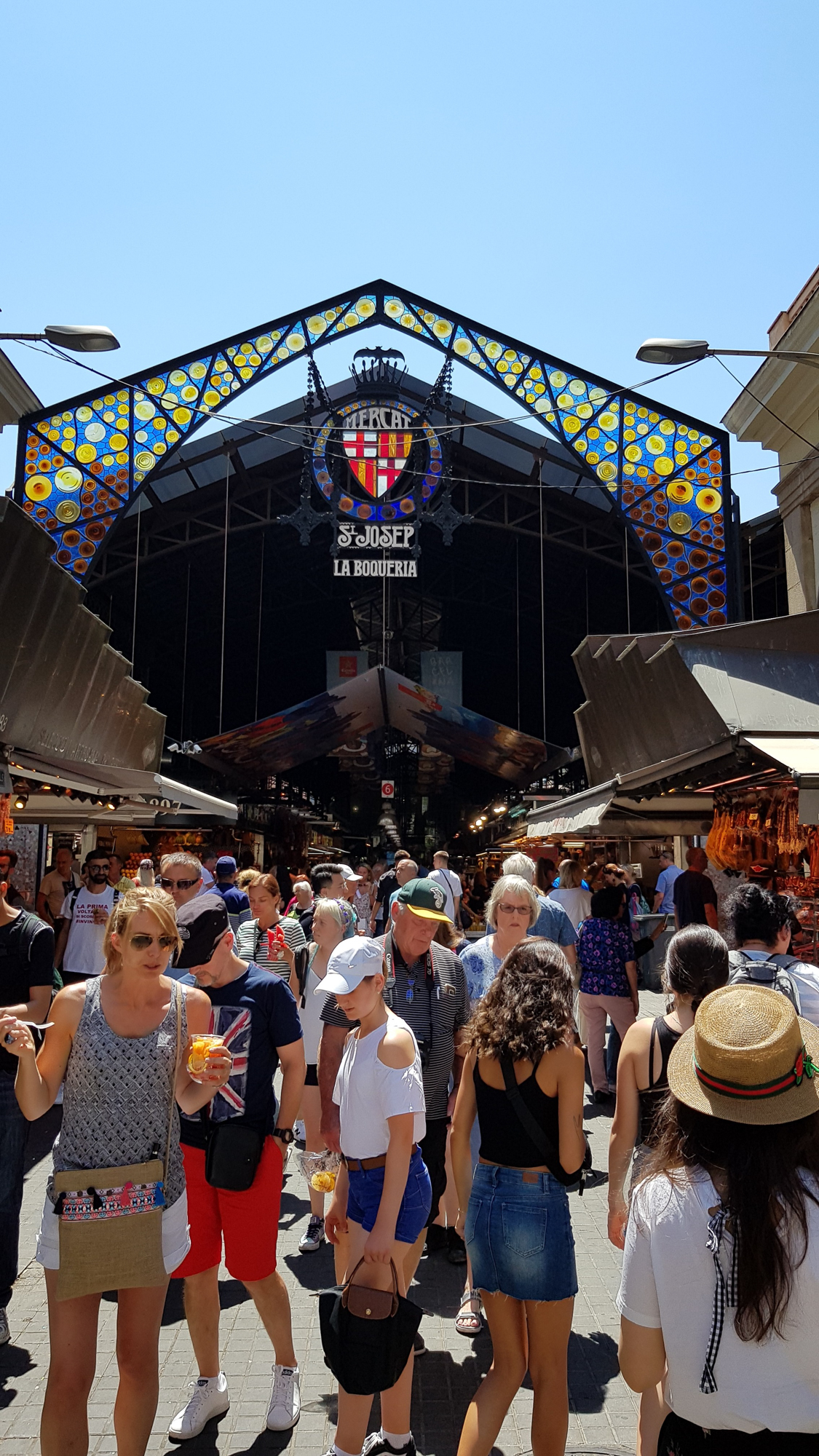
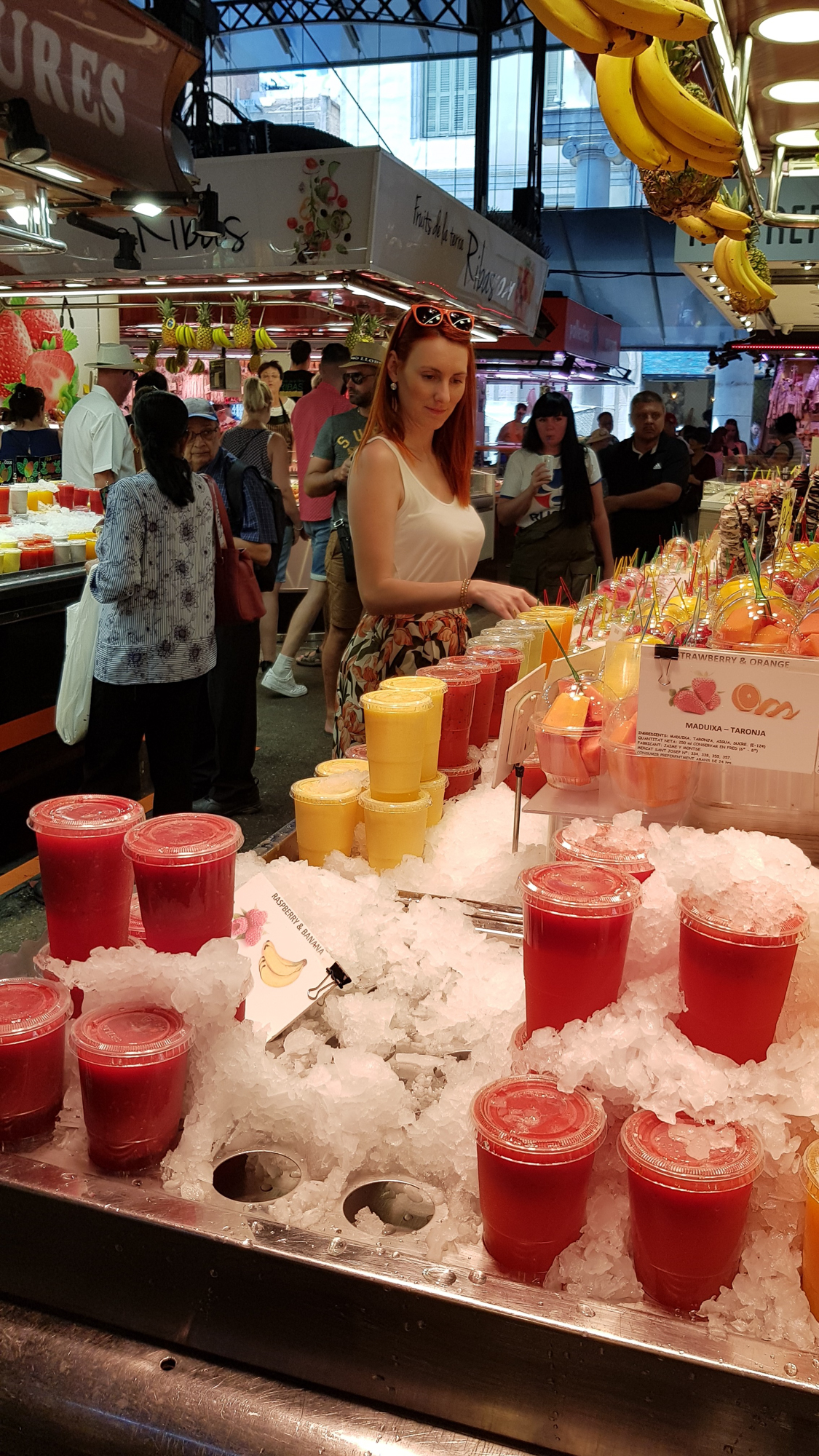
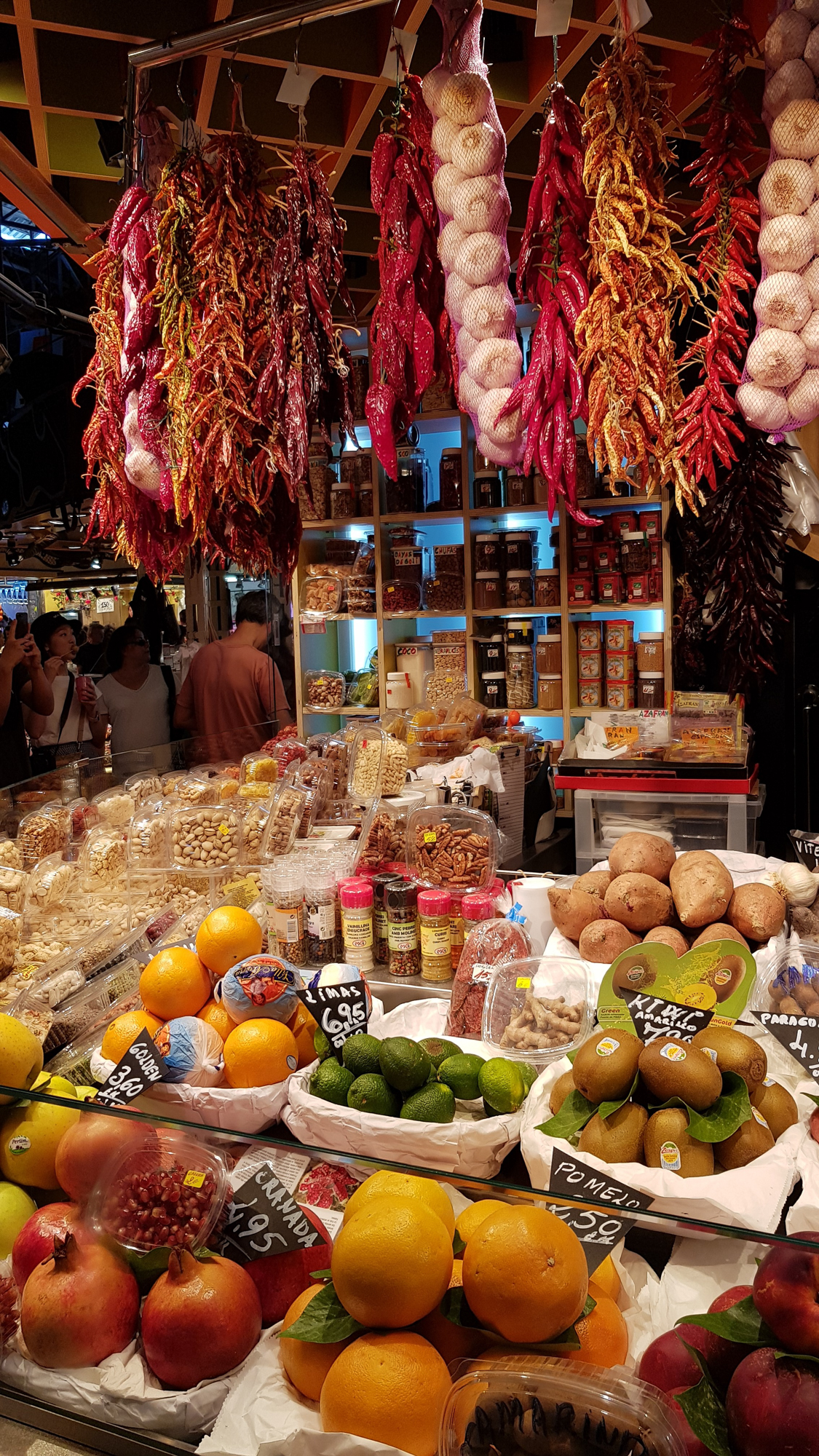
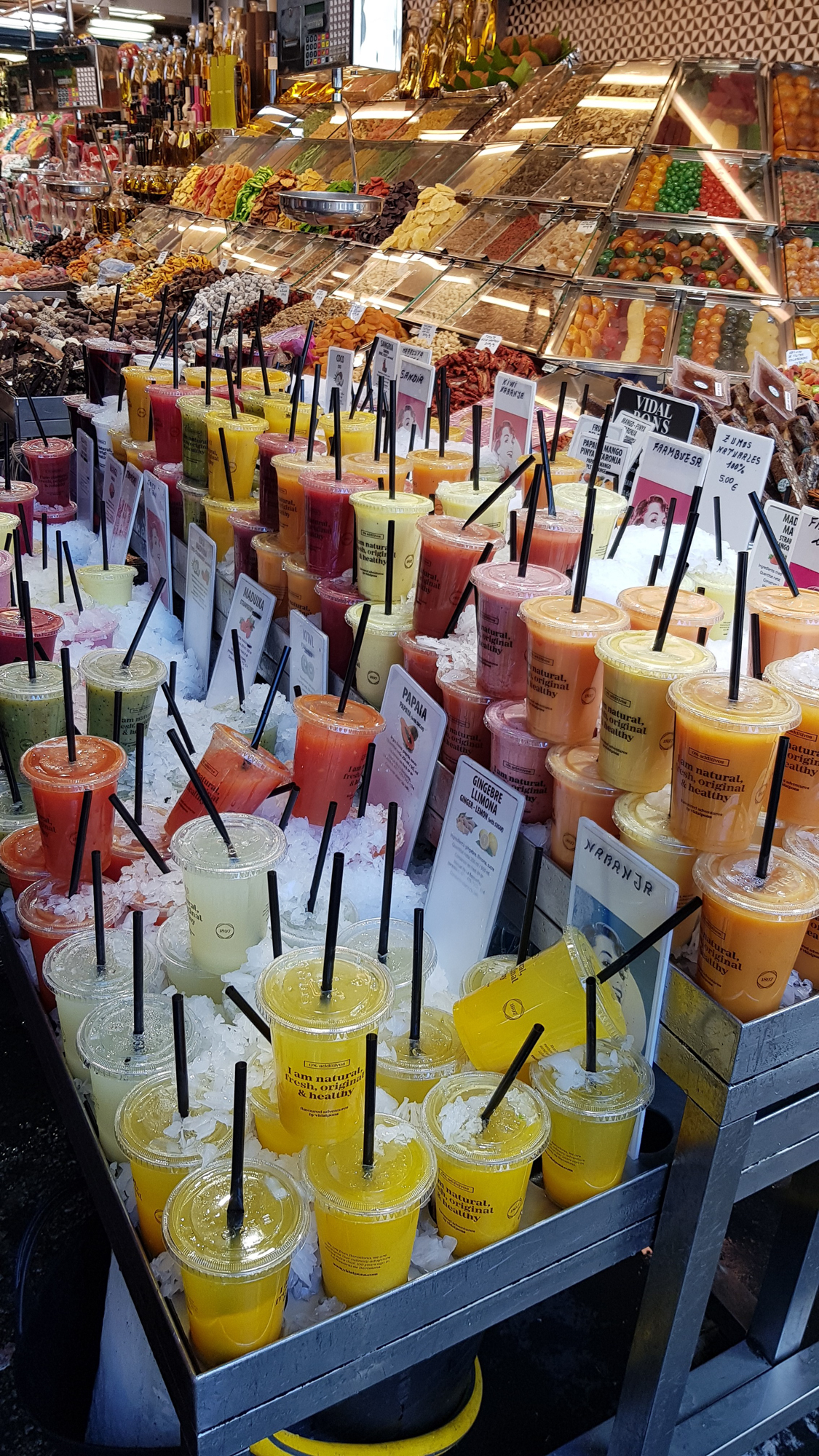
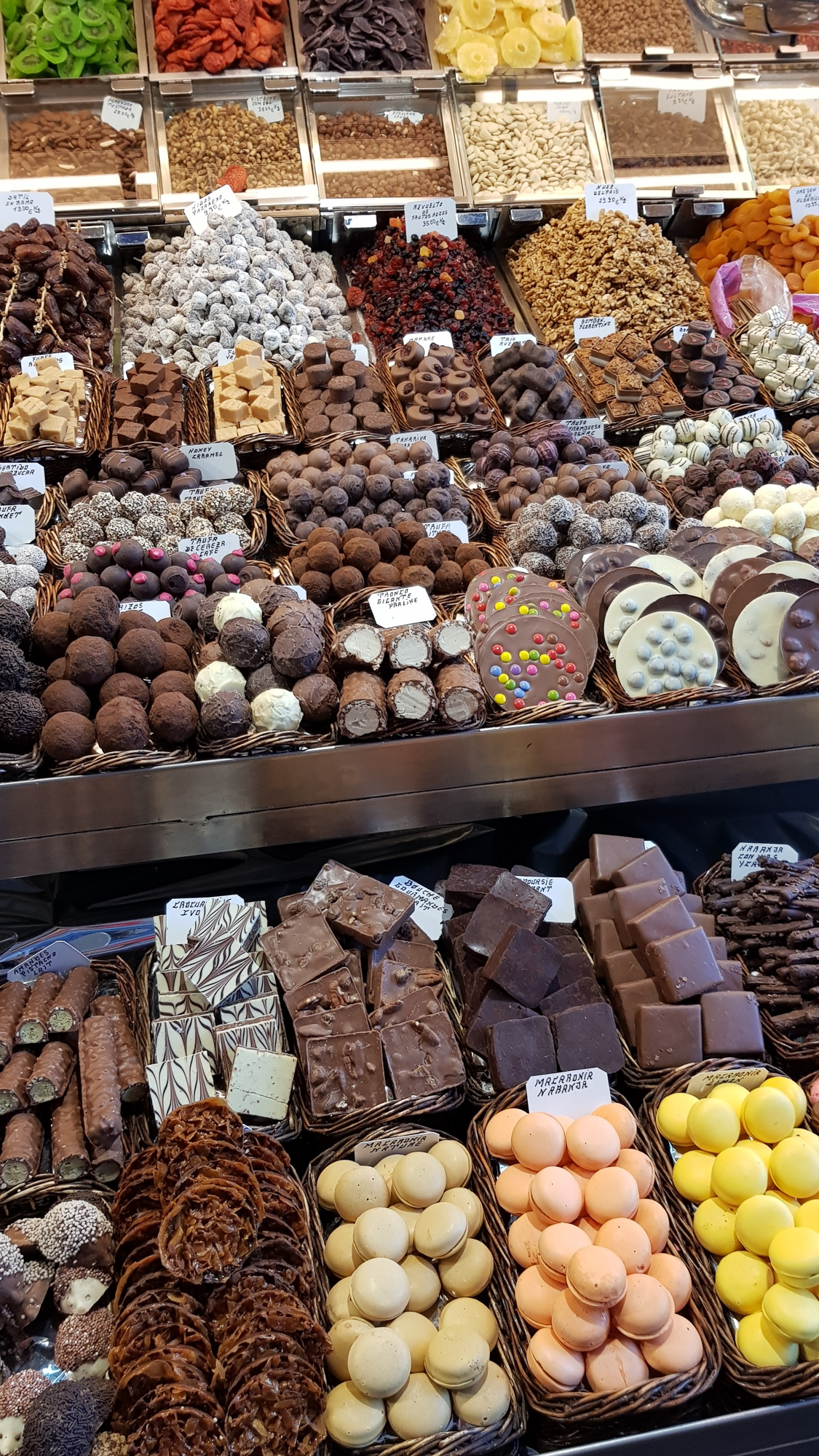
– You continue on The Boqueria an open-air market, which is a lively, bustling attraction in itself. There you will find everything from food to local delicacies. Pay attention to the prices of the products. The differences are big.
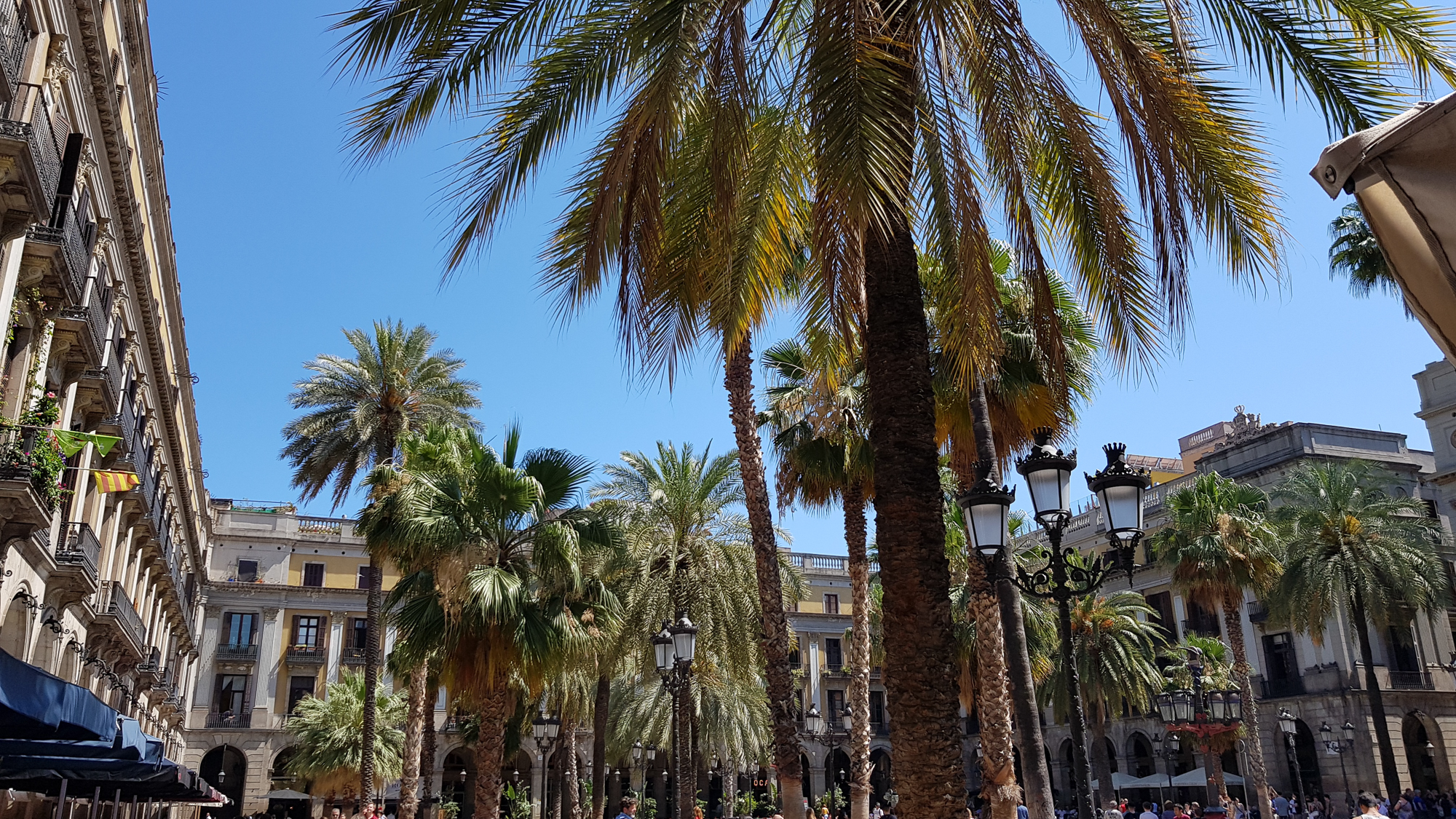
– Going down towards the port to the left of the Rambla you will find the Placa Royal. A wonderful square with palm trees, 18th century neoclassical buildings and romantic arcades. In its center is a beautiful fountain from 1850 and two lampposts that are Gaudi's first artistic "gift" to the city. The square is also known for its nightlife, since in addition to restaurants and cafes, the well-known clubs Sidecar, Jamboree and Karma are located there.

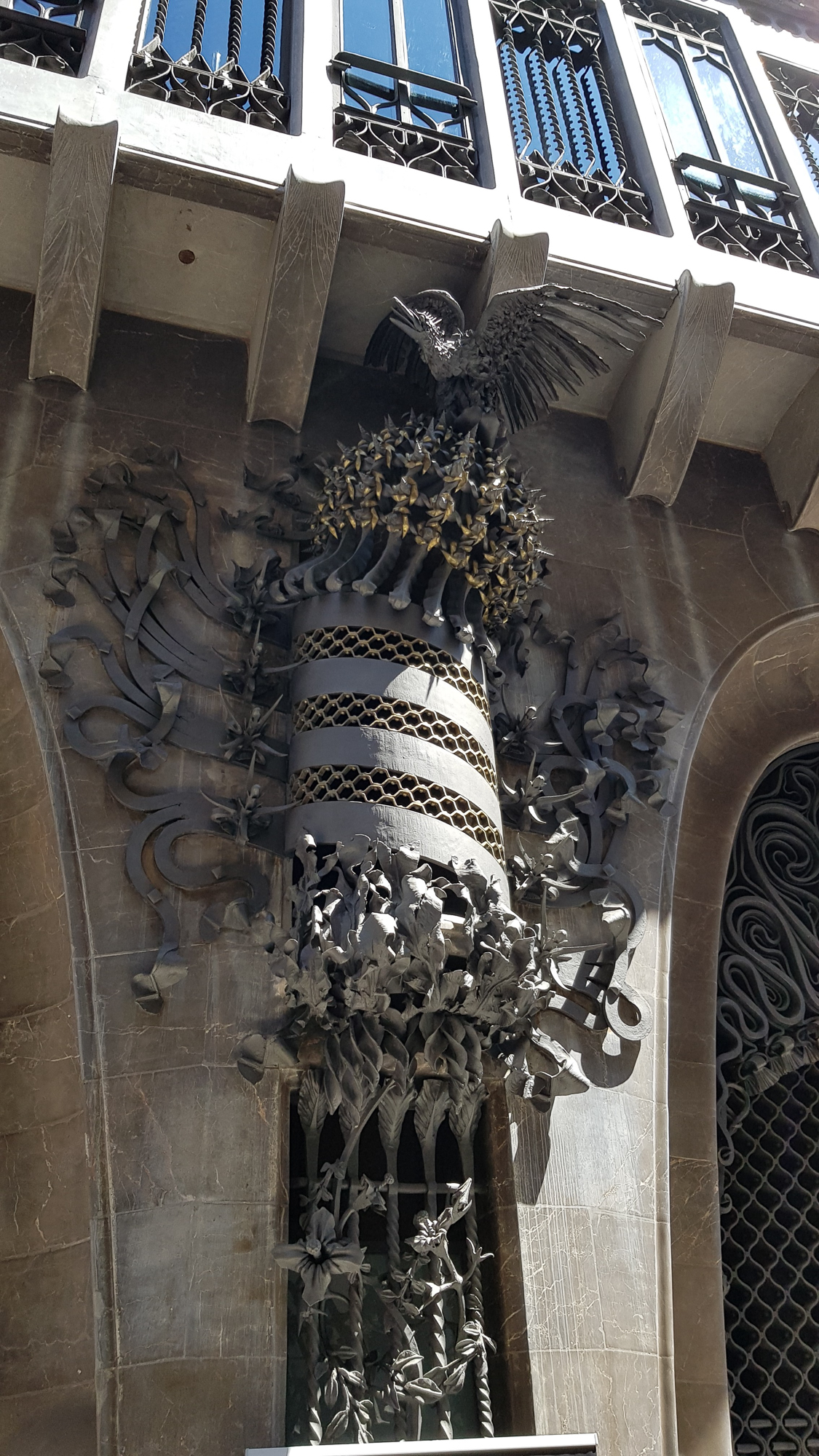
– Returning to Rambla you will find on the right the Palau Güell, another imposing building by Gaudi which houses the Theatre Museum.

– Next stop is Barcelona Maritime Museum (Naval Museum). An impressive museum in the old shipyards, with ships and restored 13th century shipyards. The museum's most important exhibit is the replica of the ship "Real", a flagship that took part in the naval battle of Nafpaktos in 1571.
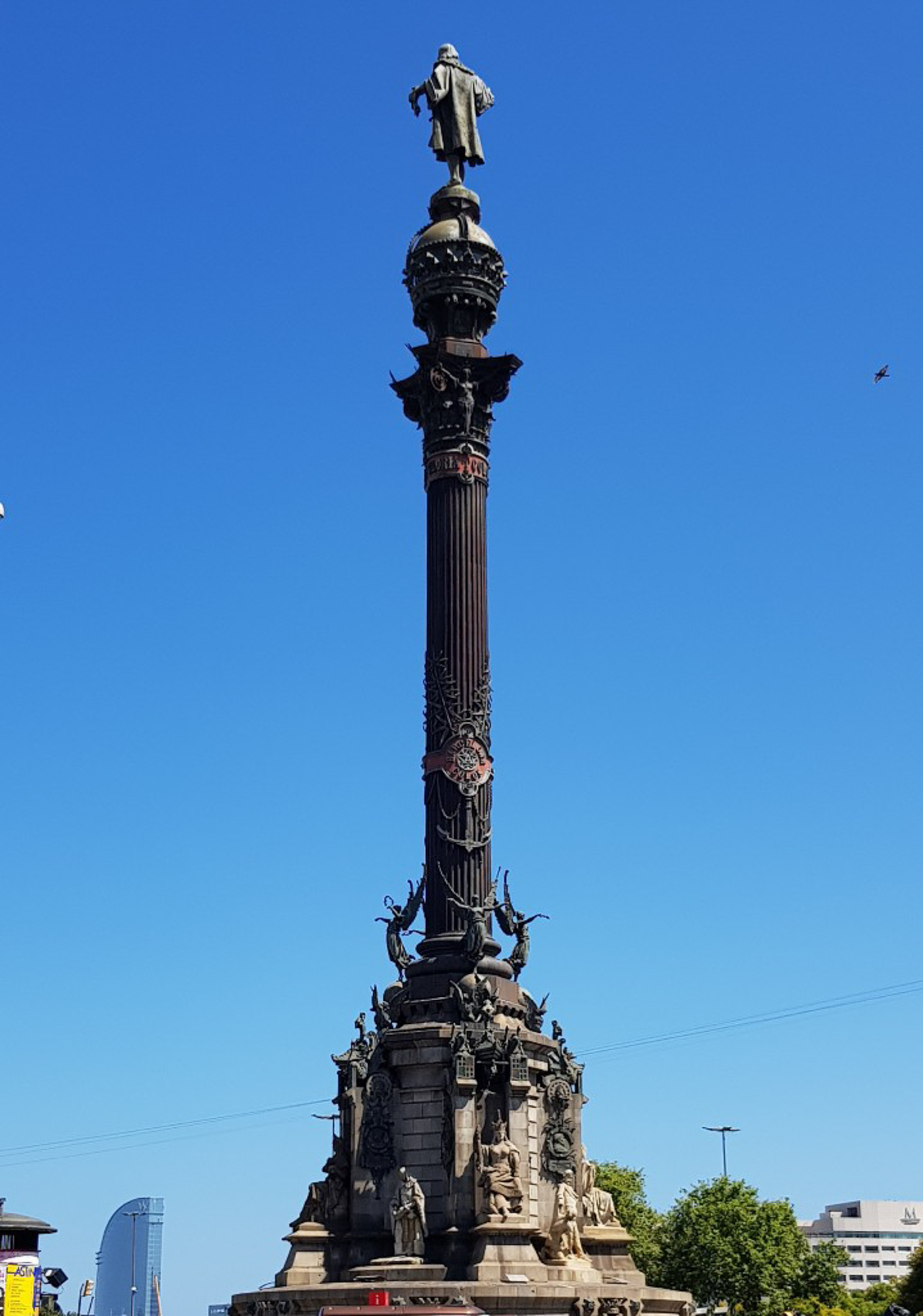
– Last stop the statue of Columbus (Mirador de Colom). It is said that Christopher Columbus landed at that spot when he returned from America. The statue stands on a 60-meter-high column. You can take an elevator up to its roof and enjoy the beautiful view of both the city and the harbor.
2or day
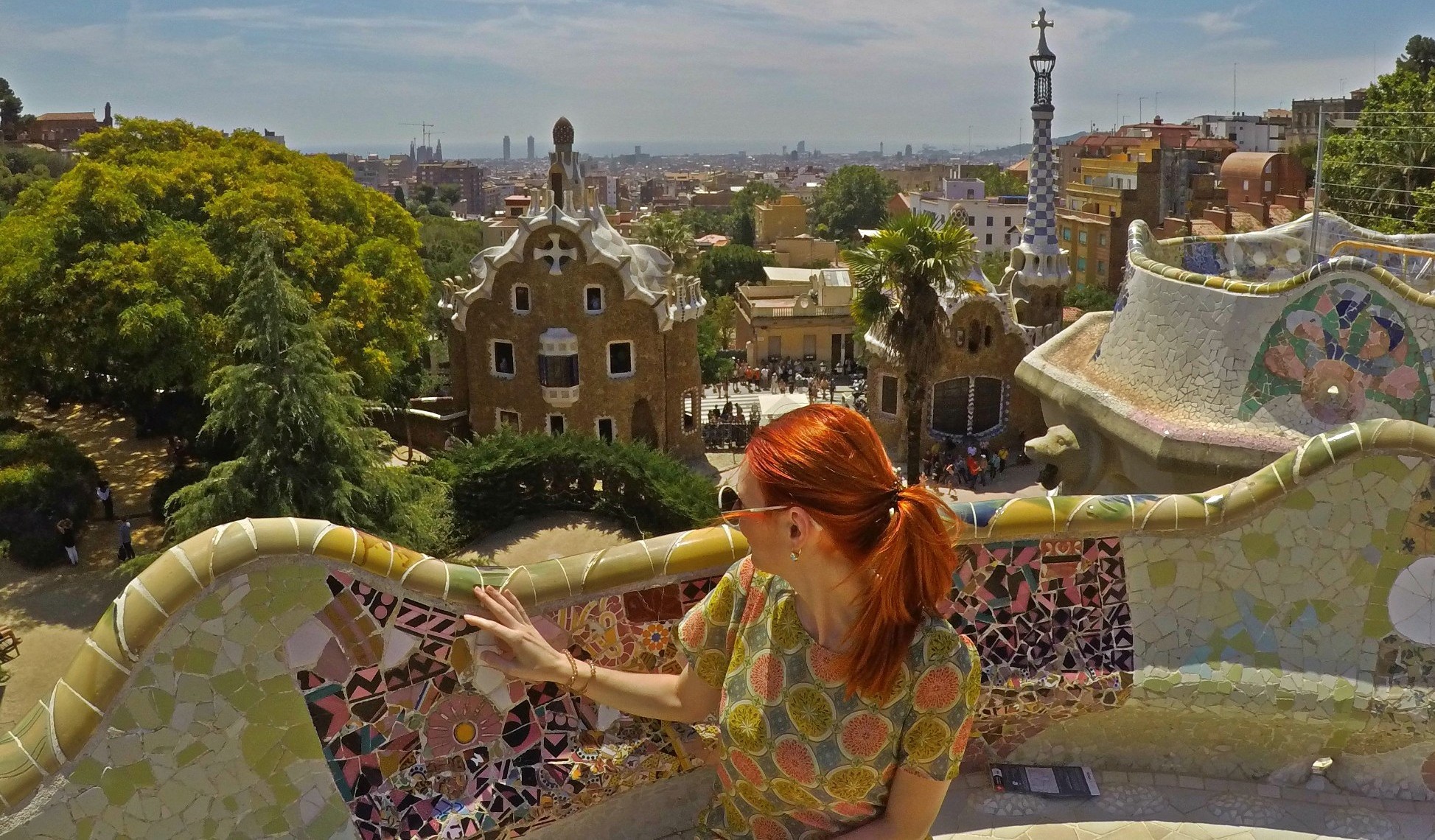
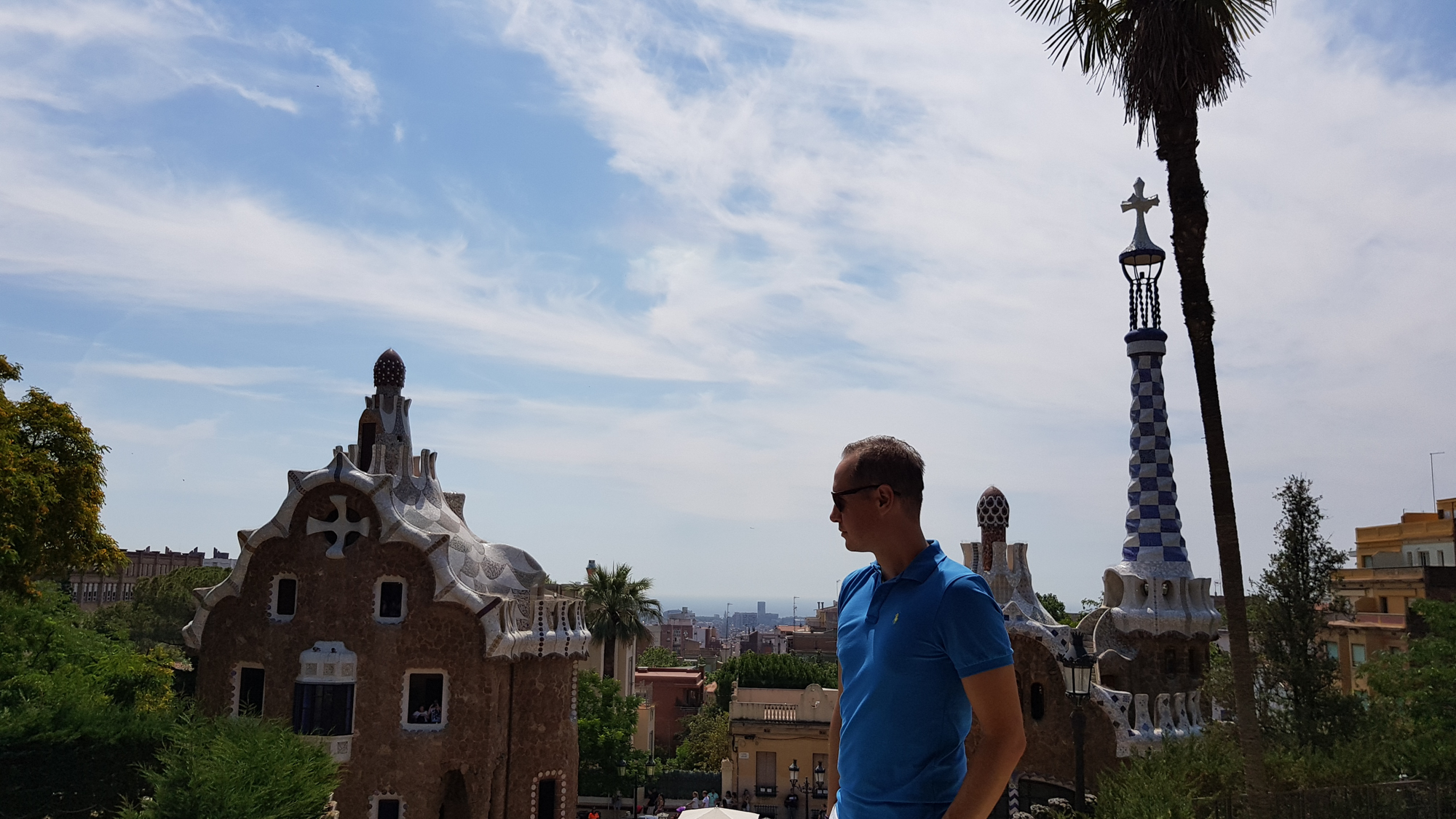
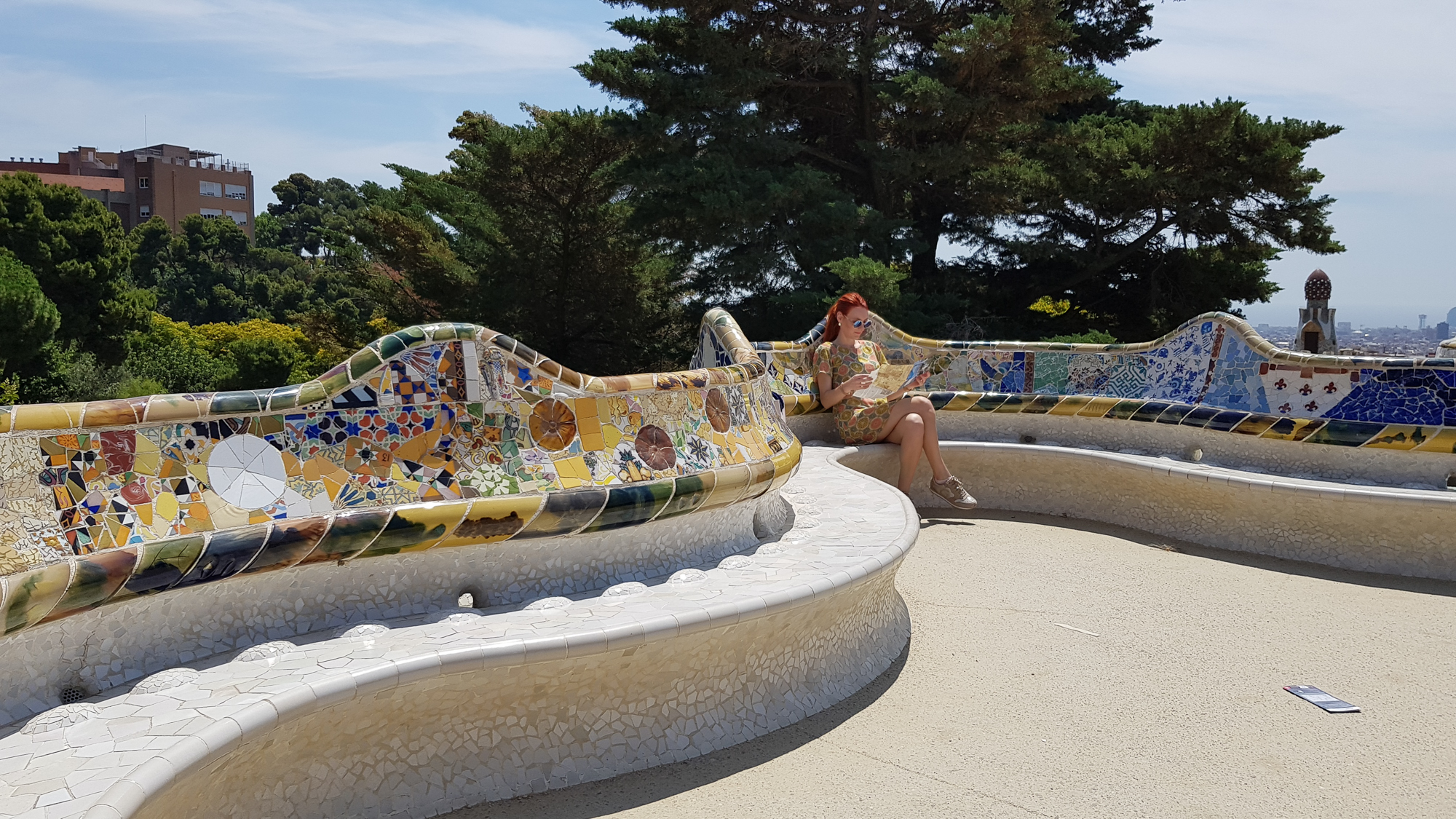
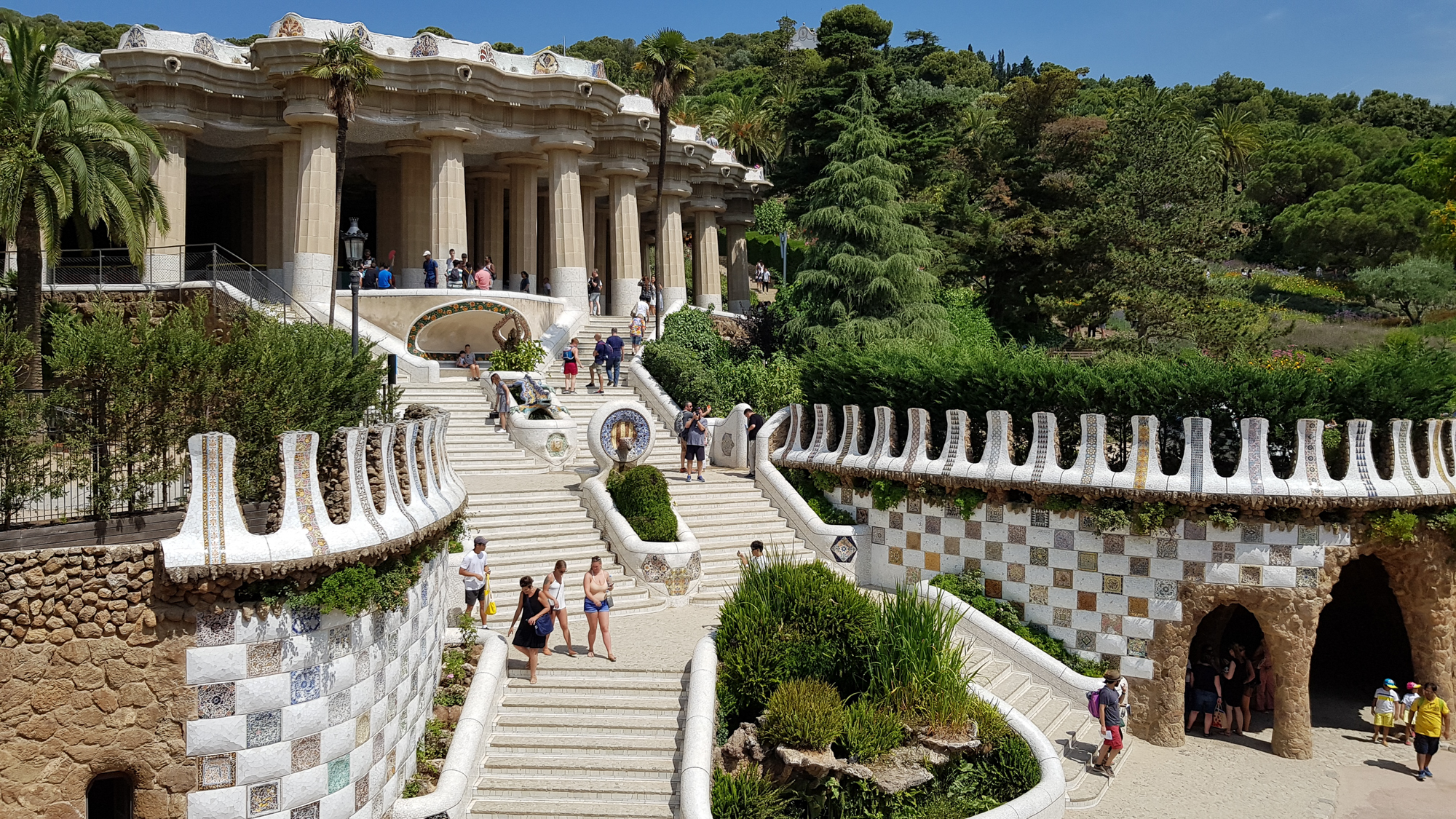
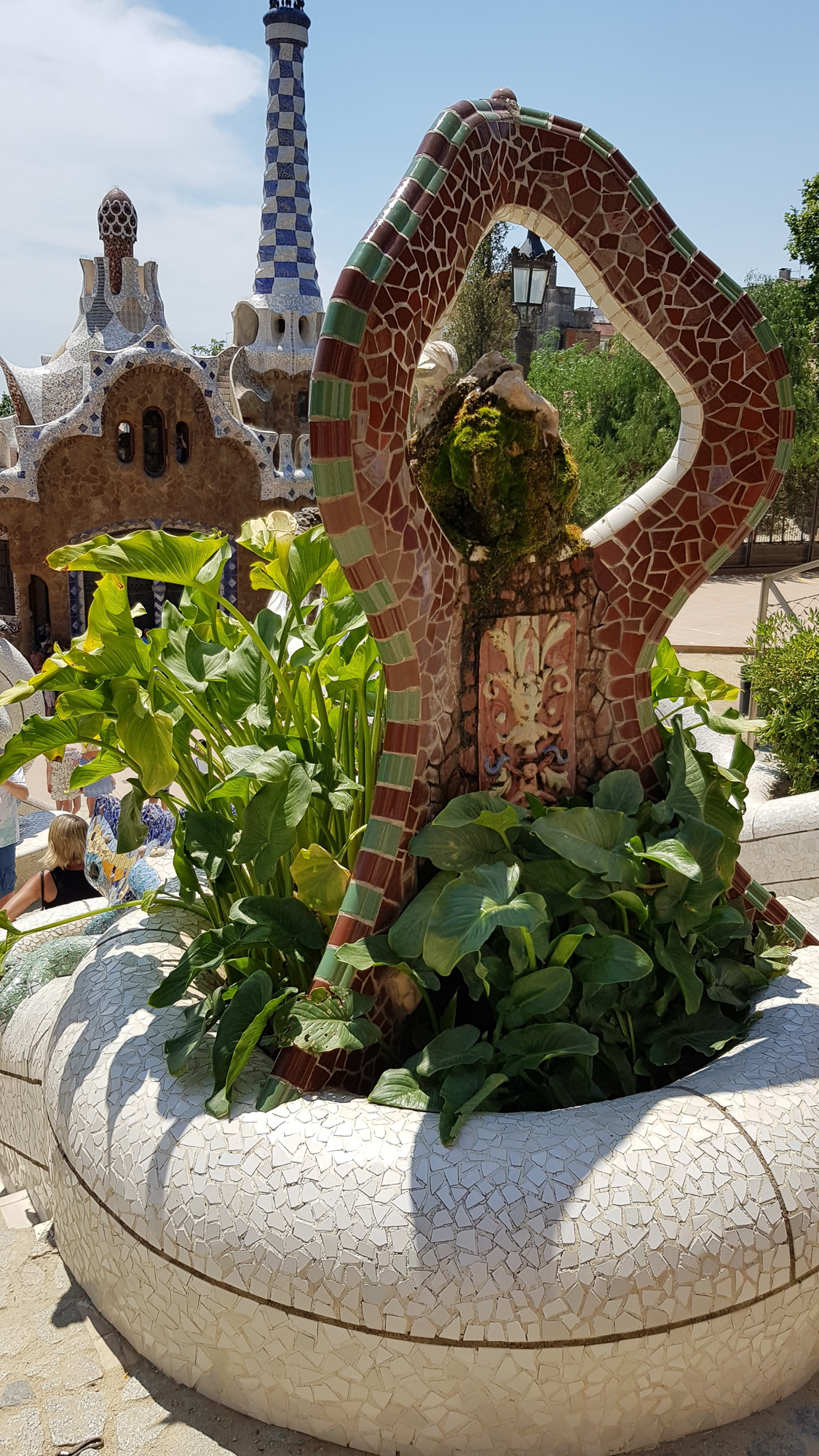
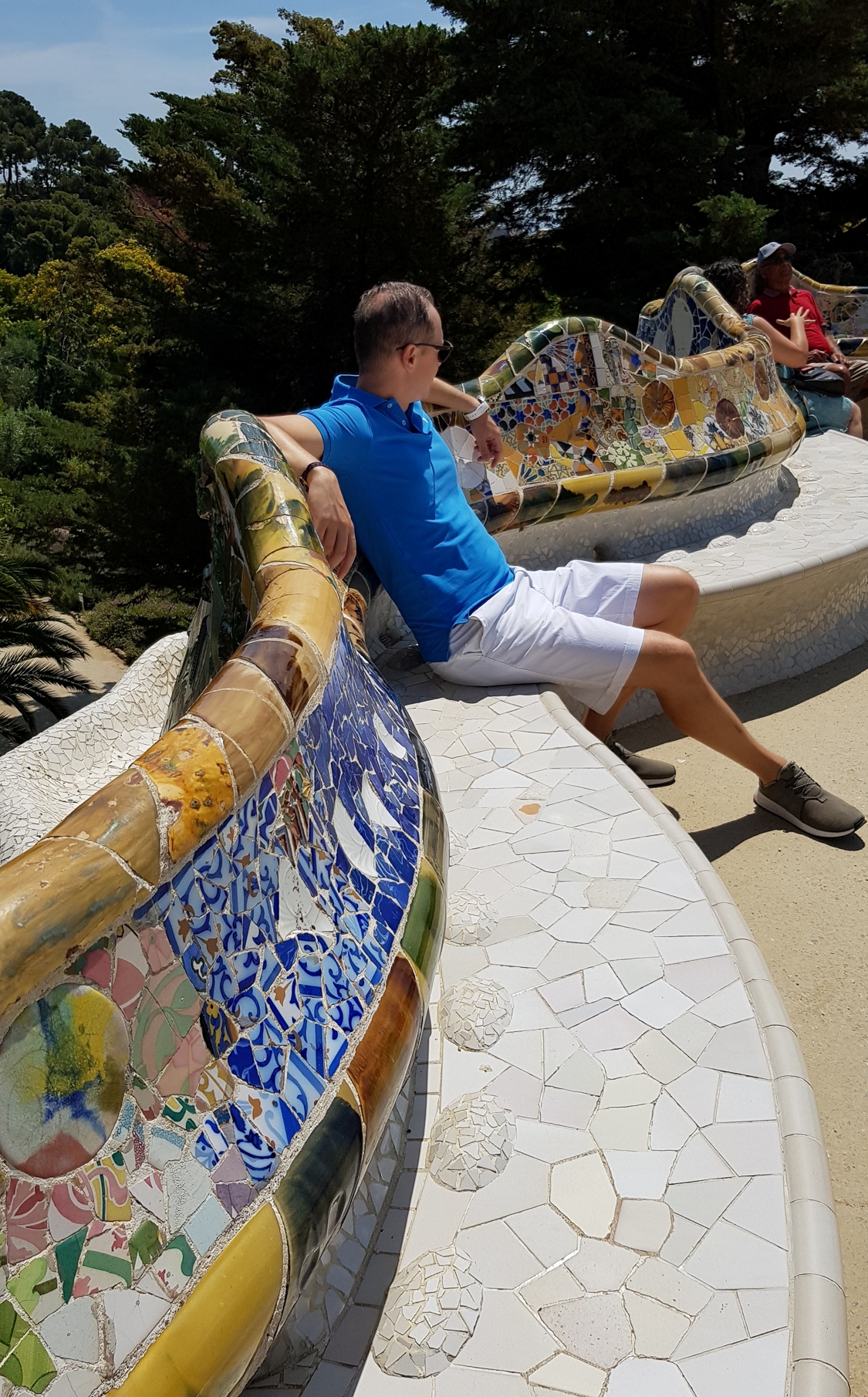
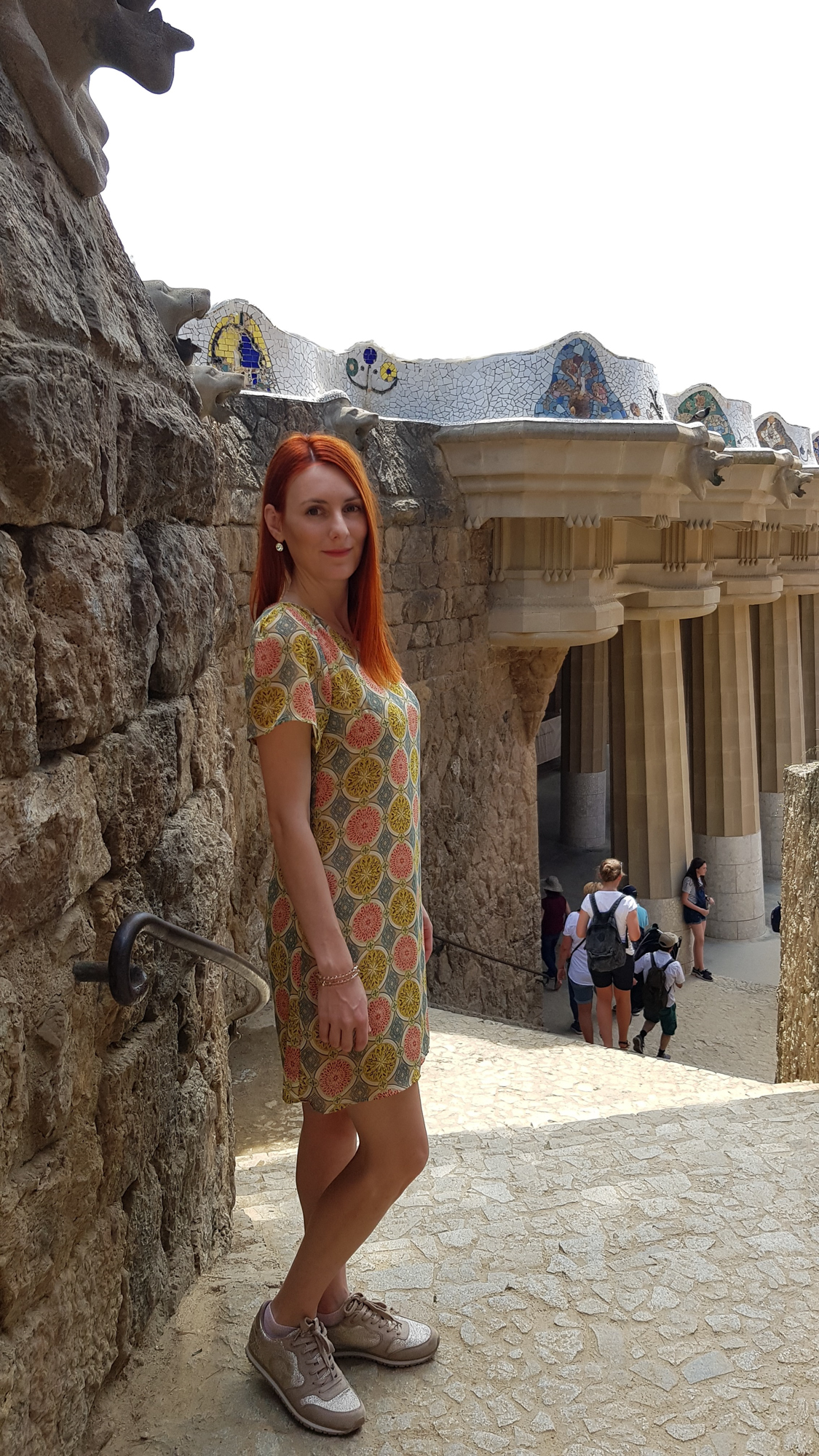
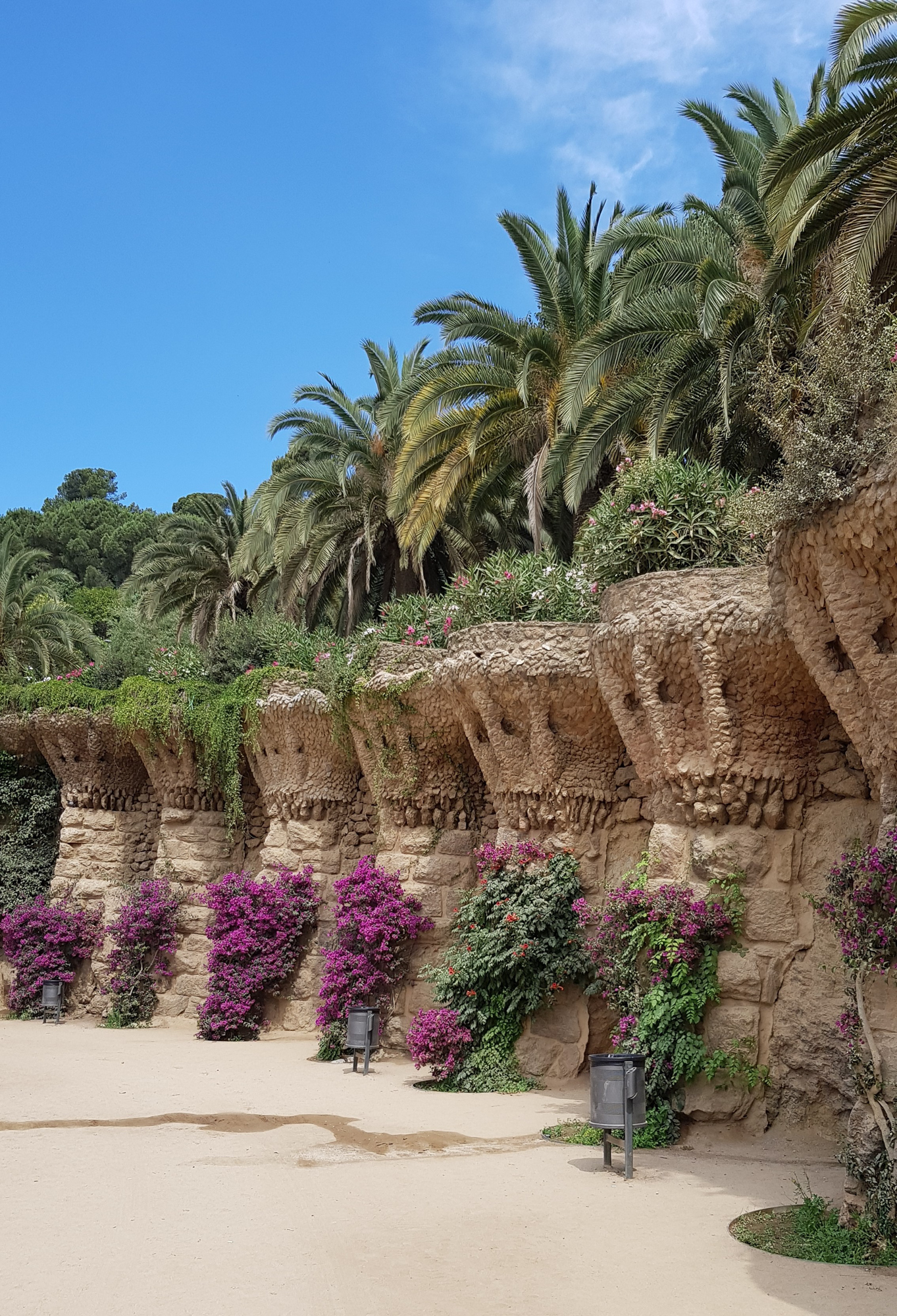
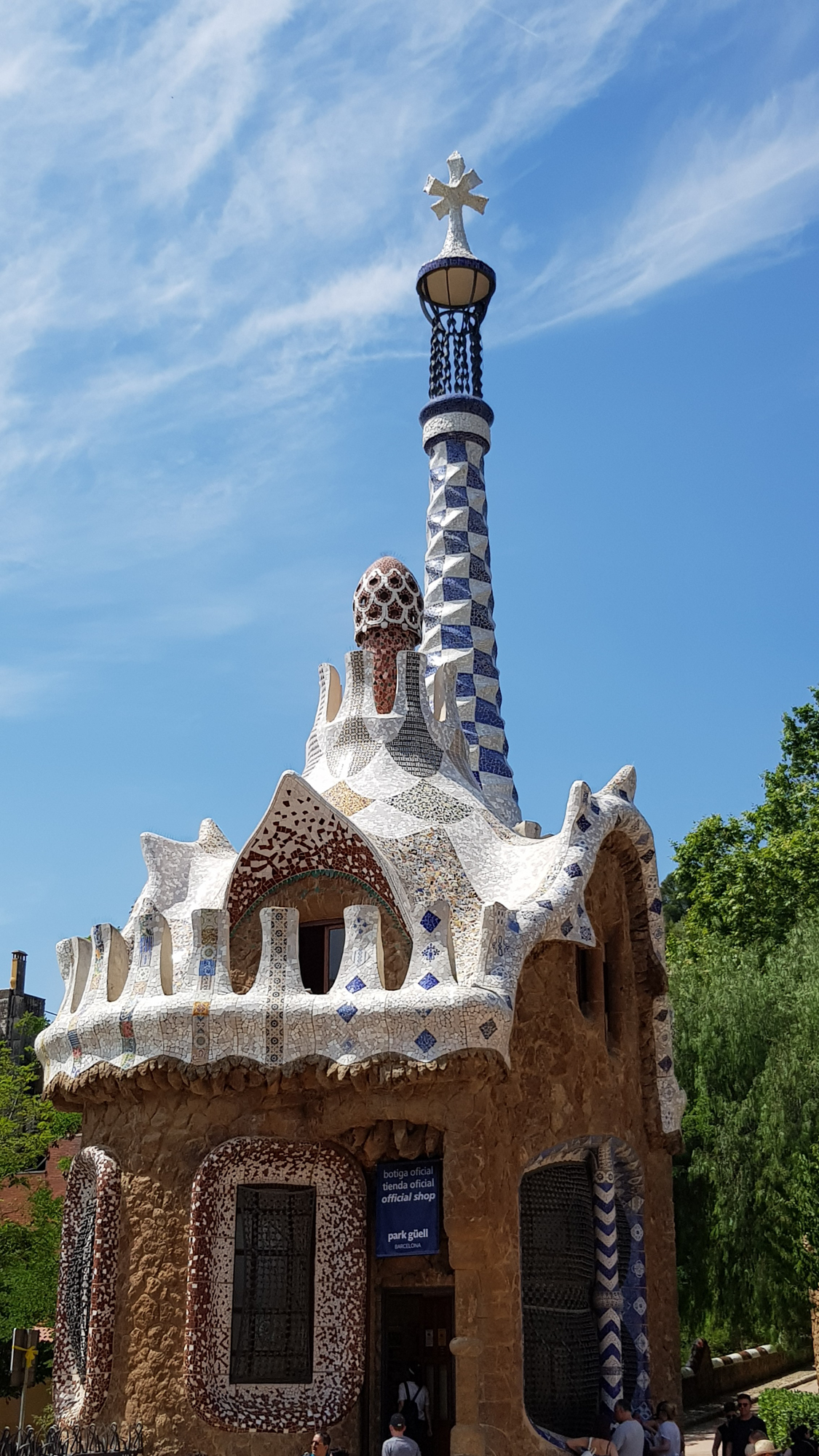
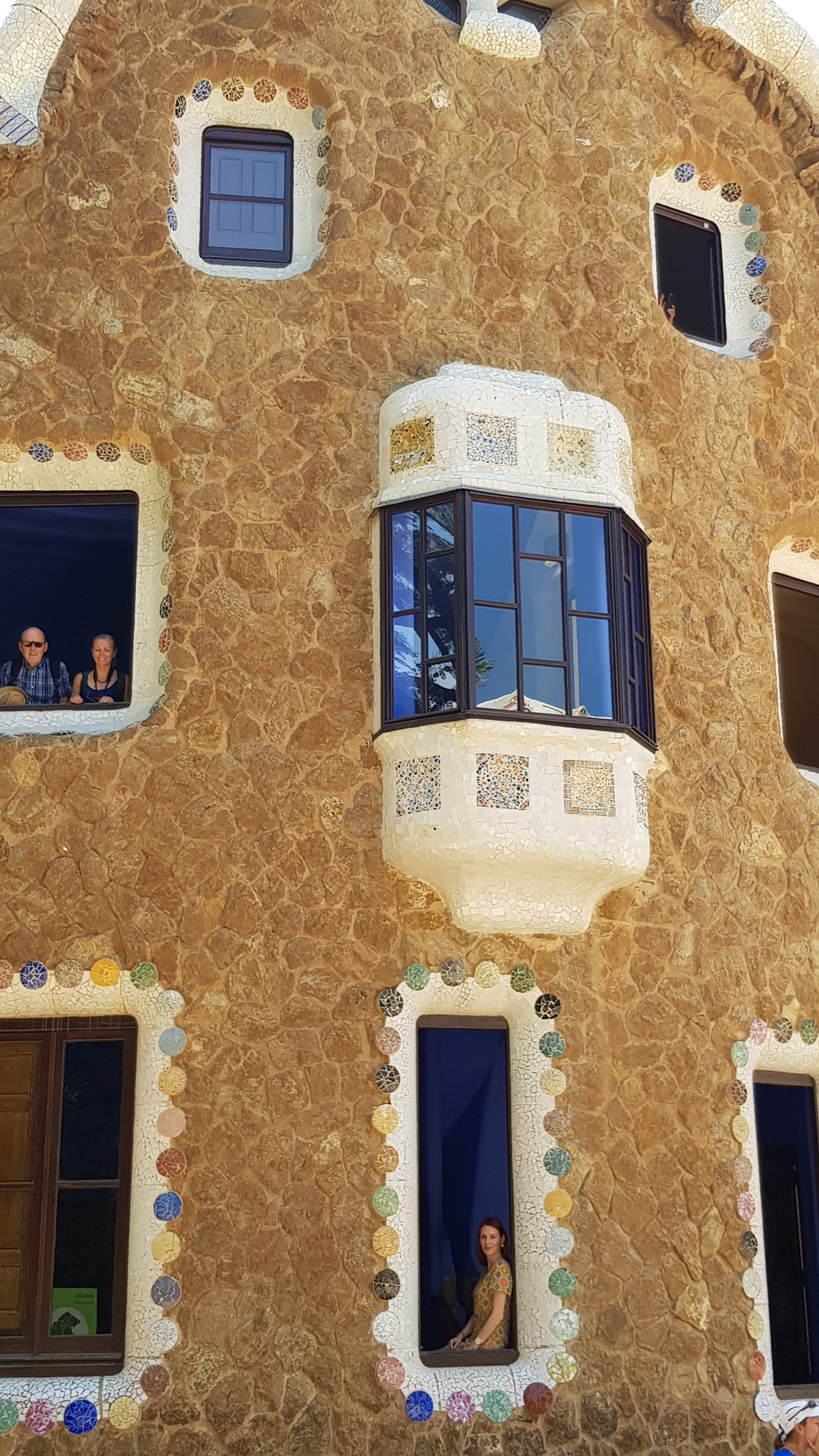
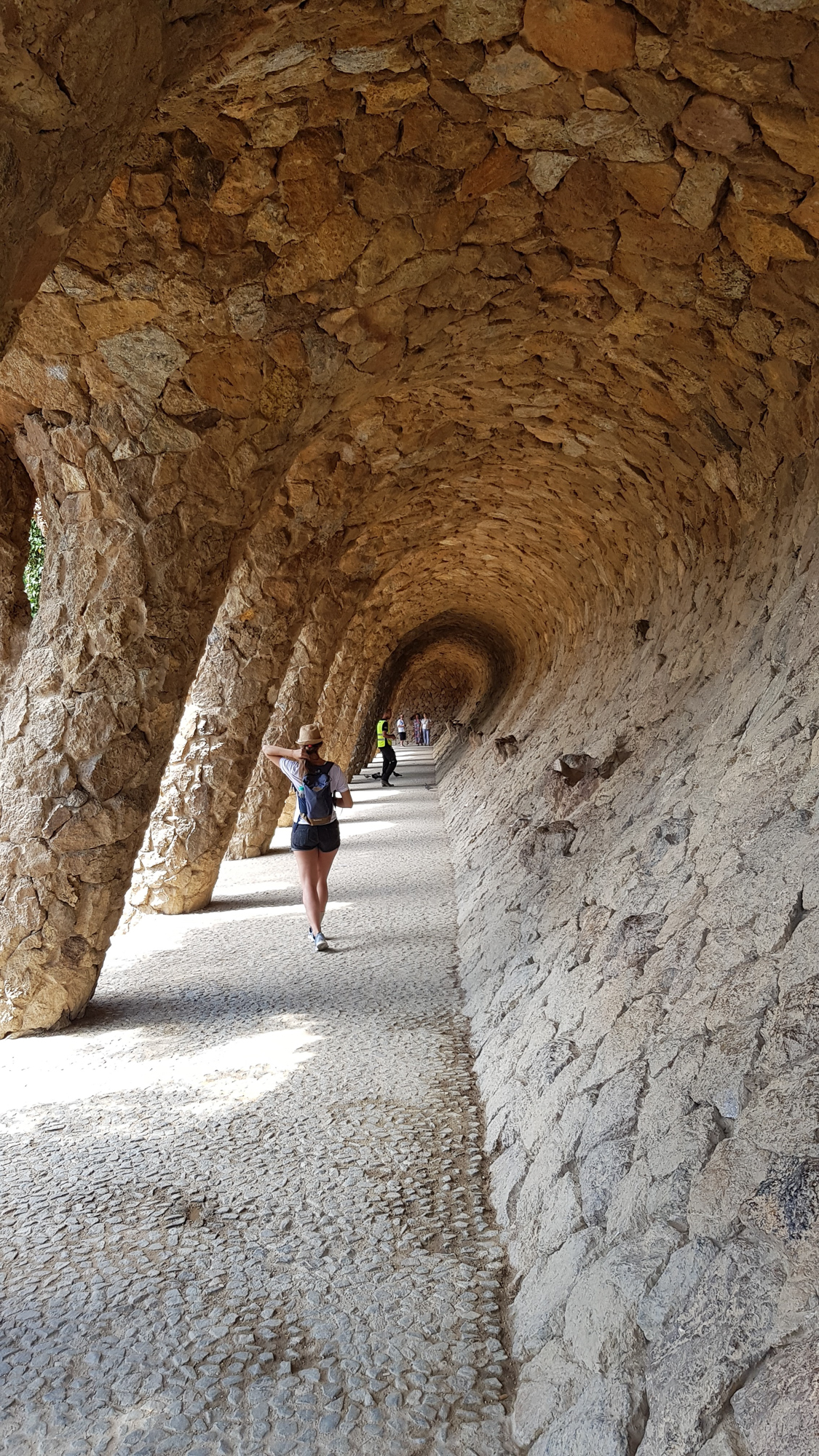
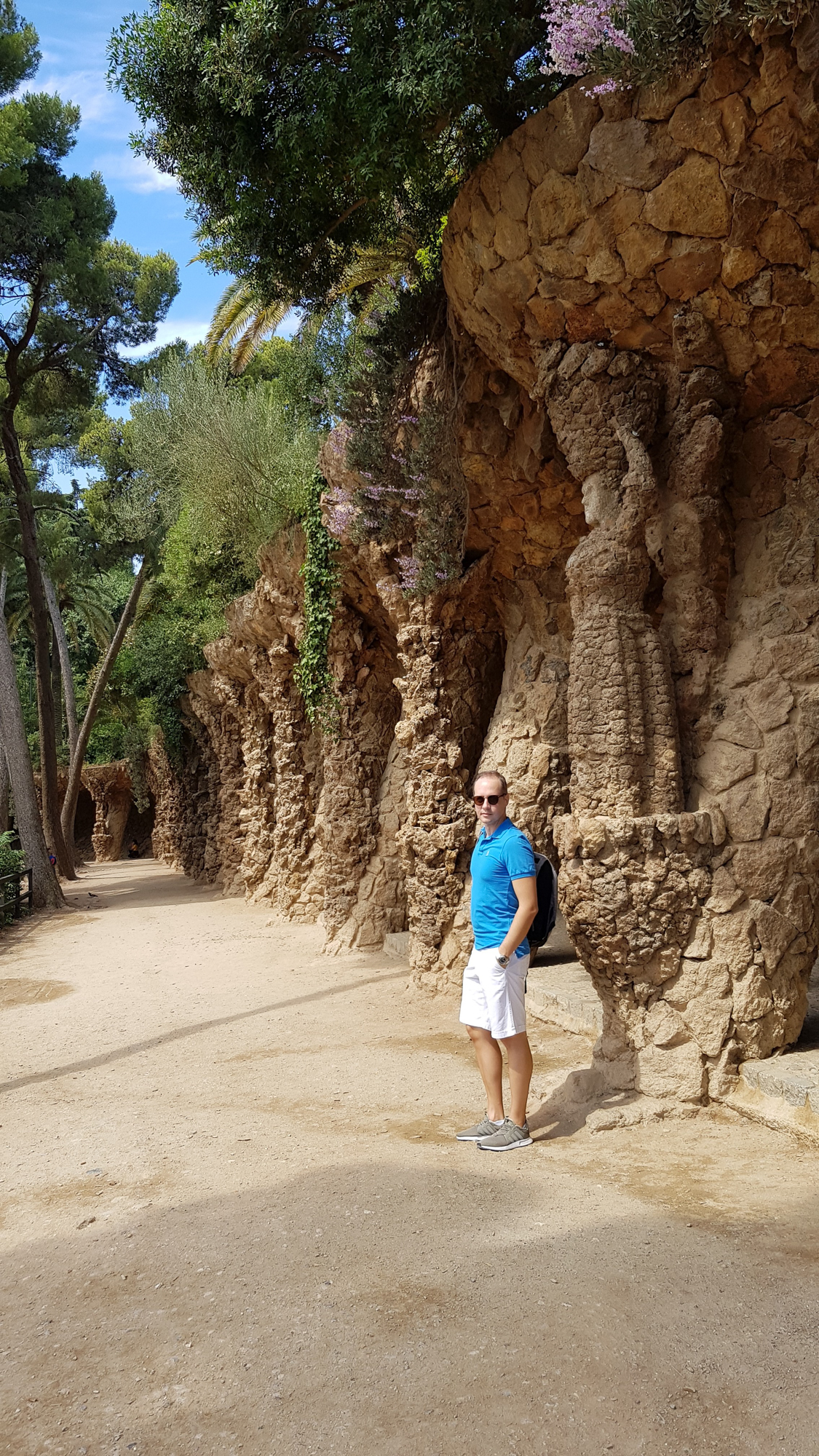
– Start your day early from Park Güell. After you have booked your ticket from the official website You can get there by bus No. 24 from Plaça Catalunya. This is a wonderful park, a trademark of Barcelona, designed by A. Gaudí and opened its gates in 1926. In 1984, UNESCO declared it a World Heritage Site. Truly, both in this park and in his other creations, the famous architect proves that human imagination has no limits!
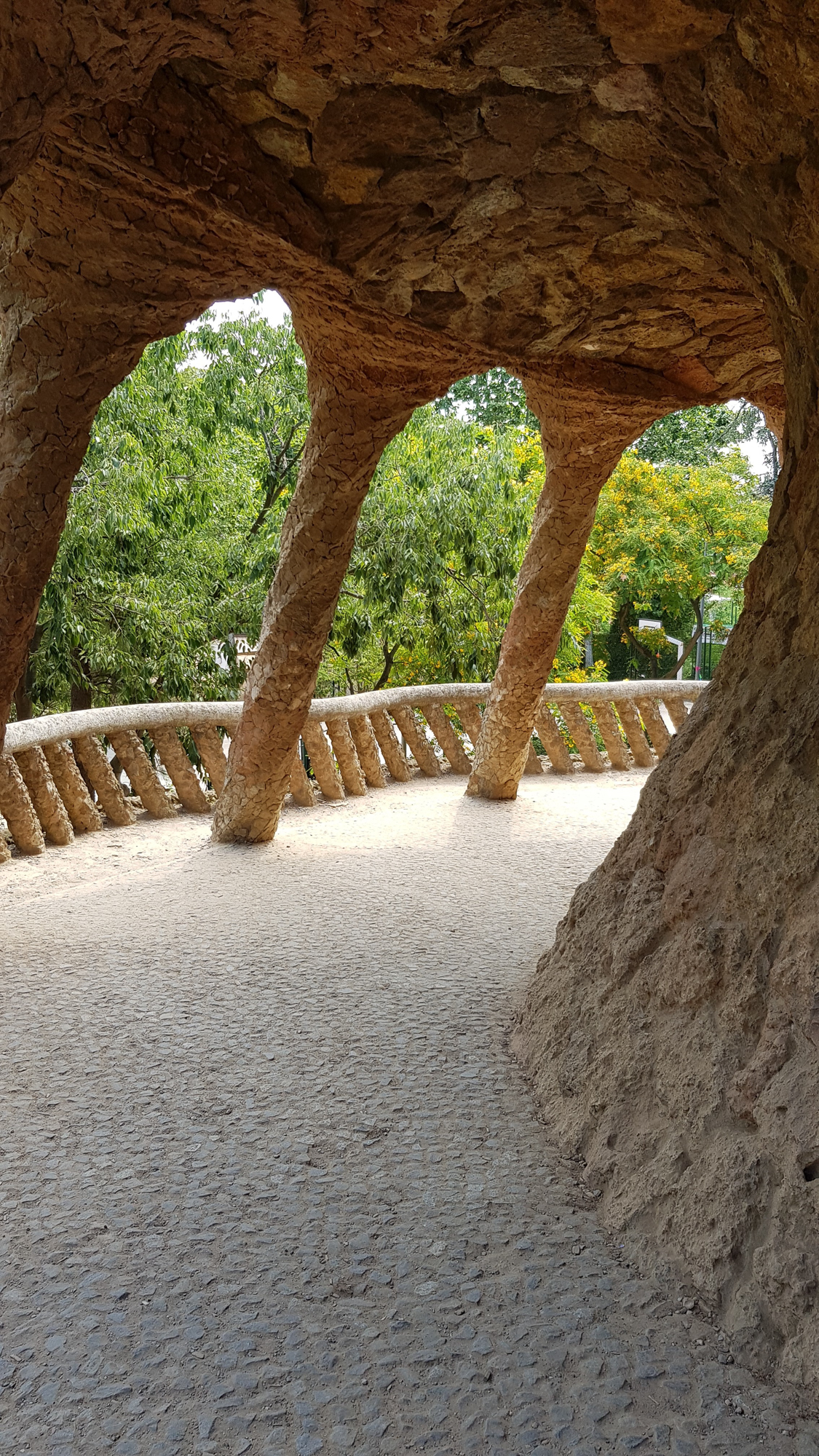
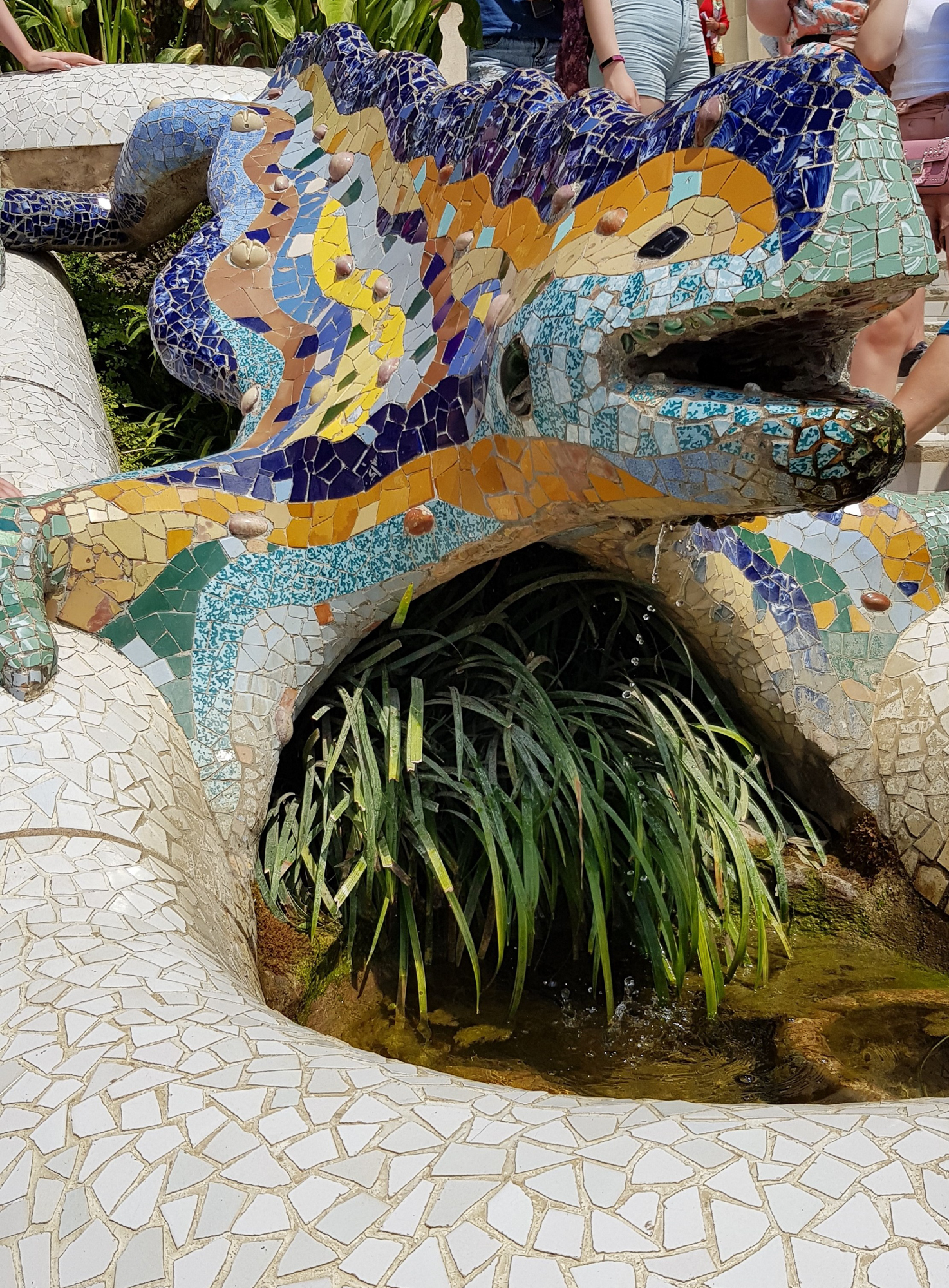
– Going down from the park to the Lesseps metro station you will come across another unique building on Casa VicensThis is the first building designed by Gaudí and the first in the Art Nouveau style.

– Take the metro to the Gothic Quarter (Bari Gothic) which with its picturesque alleys and listed buildings will take you to another era.

-First station Barcelona Cathedral dedicated to Saint Eulalia, who is also the patron saint of the city. Entrance to the church is free, while if you want to visit the roof it will cost you 6 euros.

– Take Carrer del Bisbe towards Plaça de Sant Jaume. In front of you you will see a bridge which is strongly reminiscent of the Bridge of Sighs in Venice. This bridge has served since 1403, the communication of the President of the Catalan government from the Palau de la Generalitat to his residence, the Casa dels Canonges.

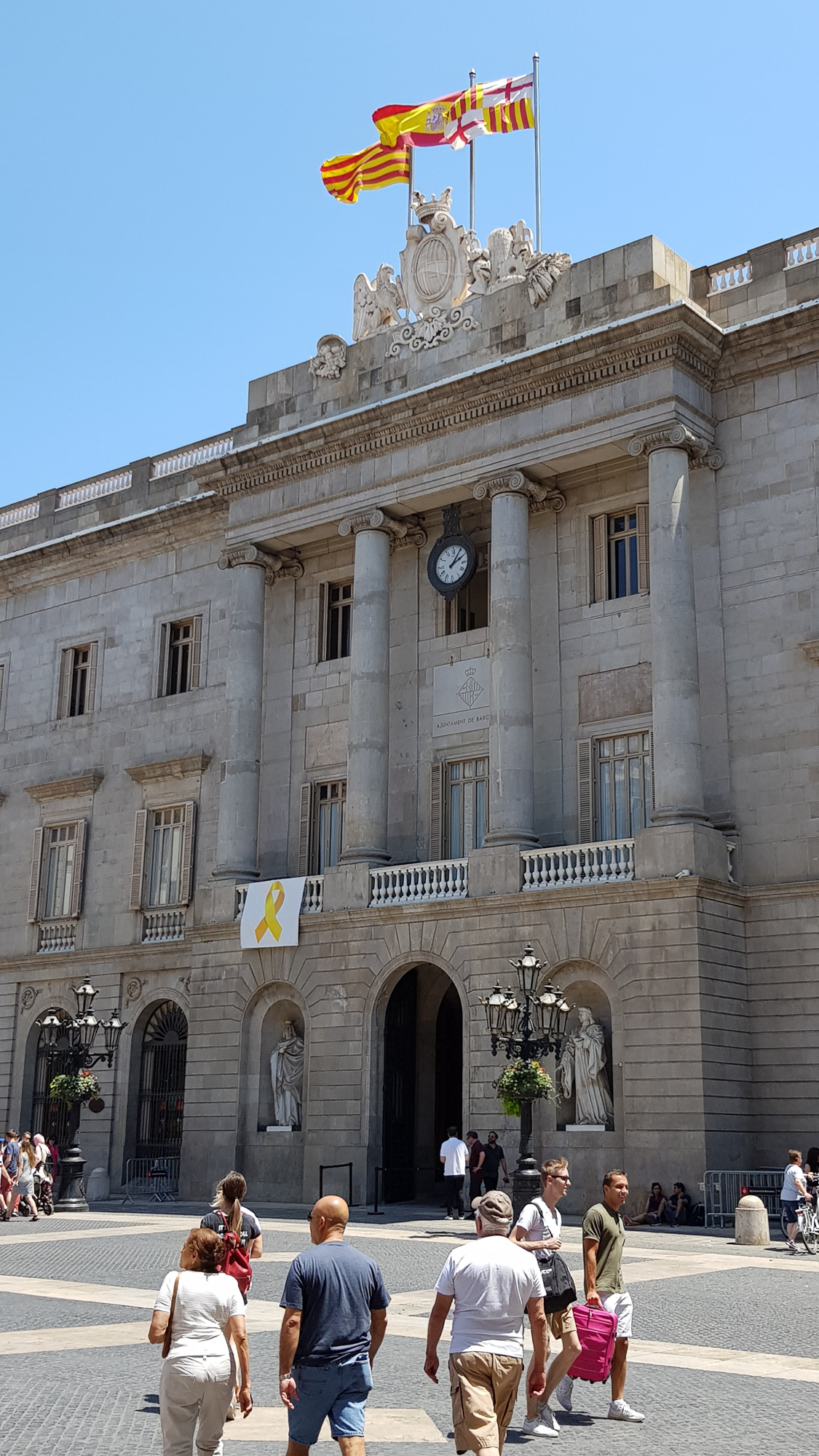
– In Plaza de Sant Jaume you will see the Barcelona City Hall (Ajuntament de Barcelona) and the Palau de la Generalitat.
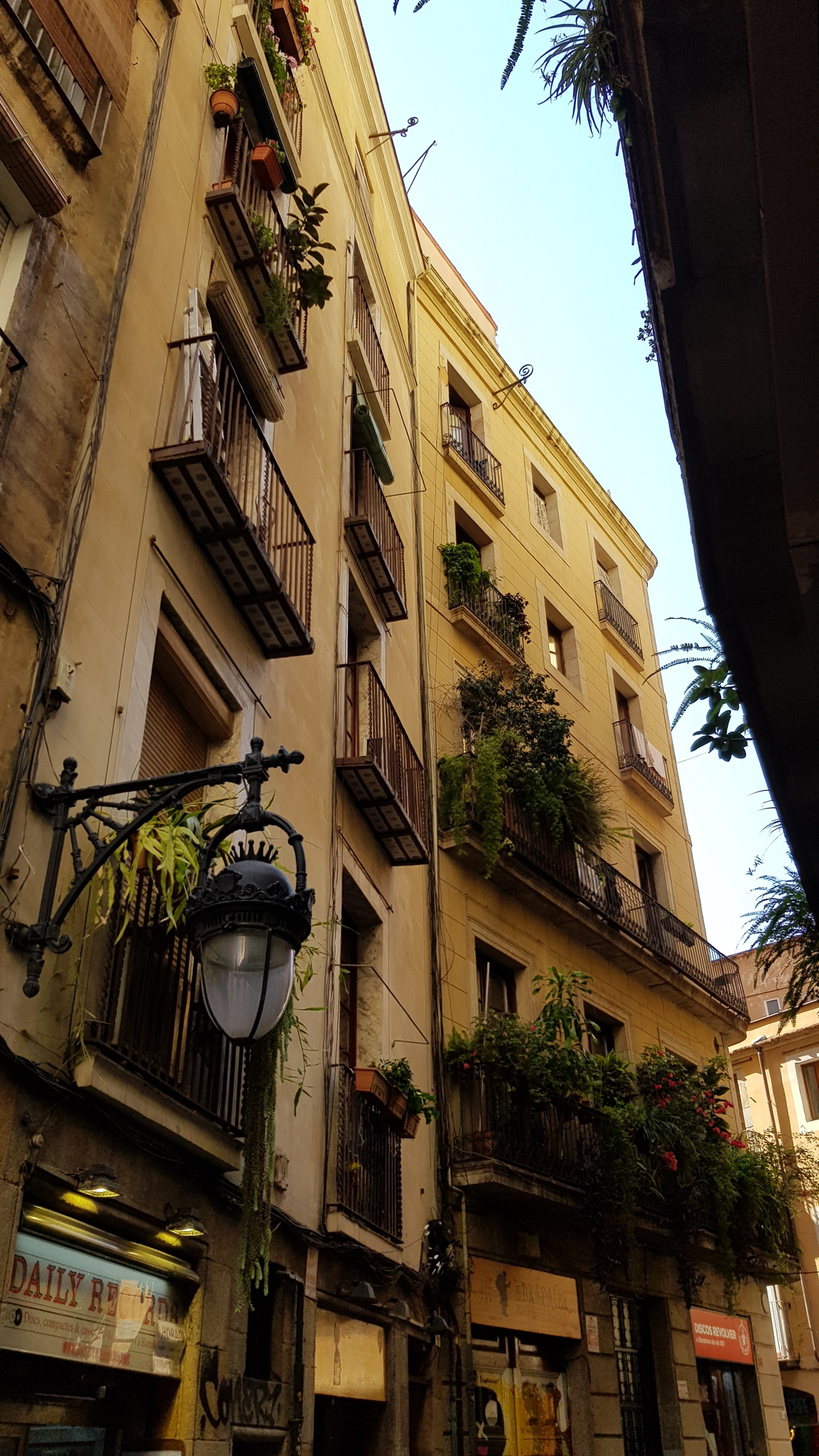
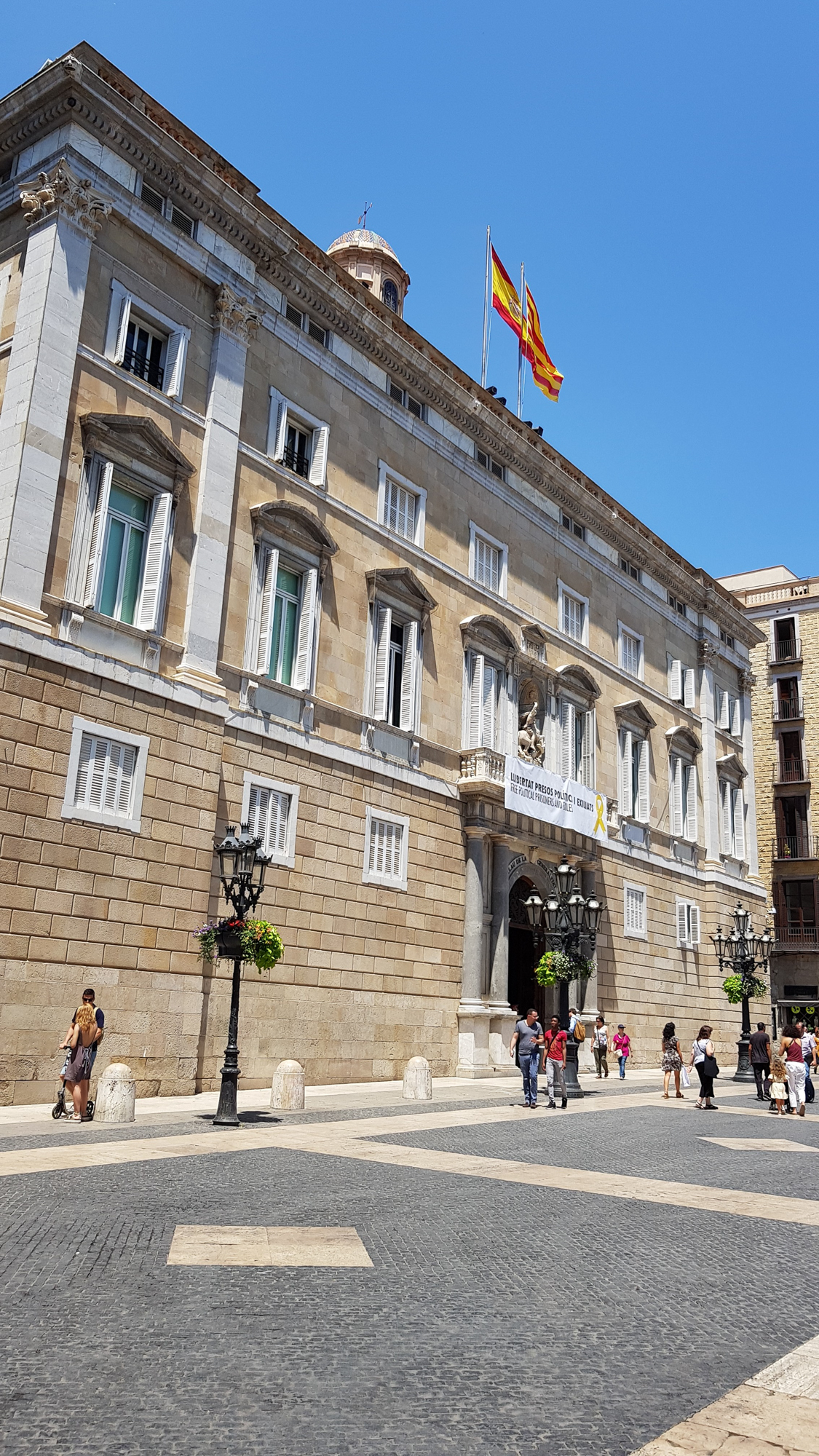
– Nearby is the Placa del Rei (King's Square) which takes you on a journey back to medieval Barcelona. There you will find: a) the Real Mayor Palace, which in 1487 was the seat of the Holy Tribunal, today this building houses the Federico Mares Museum, b) the History Museum of the city (Barcelona History Museum), c) the Chapel of Saint Agatha (Capella de Santa Àgueda), Catalan Gothic style of the 14th century.
– Next stop is the renovated Agia Aikaterini Market (Santa Caterina Market) with its impressive multi-colored roof, which is a miniature of La Boqueria.
– Heading towards the sea you will come across the Picasso Museum. Despite the fact that there are no famous works of his in this space, through his works the great artist's career unfolds from childhood to 1904, which was the period of his second stay in Barcelona. Admission is 12 euros, while every Thursday afternoon from 6:30 to 9:00 and every first Sunday of the month is free.
– Continuing southeast you will come across the church of Our Lady of the Sea (Santa Maria del Mar), built around 1330. An impressive Gothic church with beautiful stained glass windows and the Holy Altar in the Baroque style. Free admission.
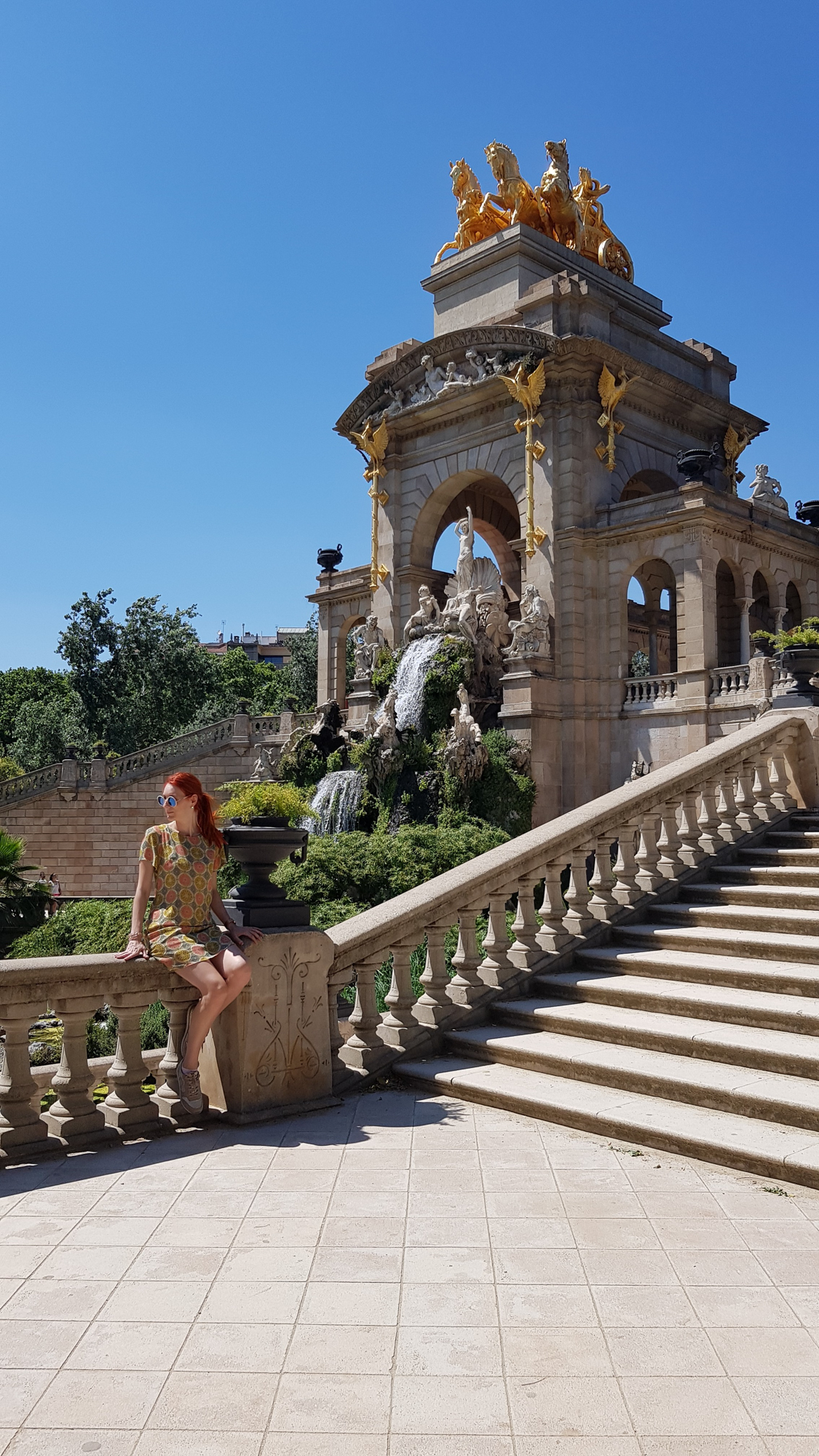
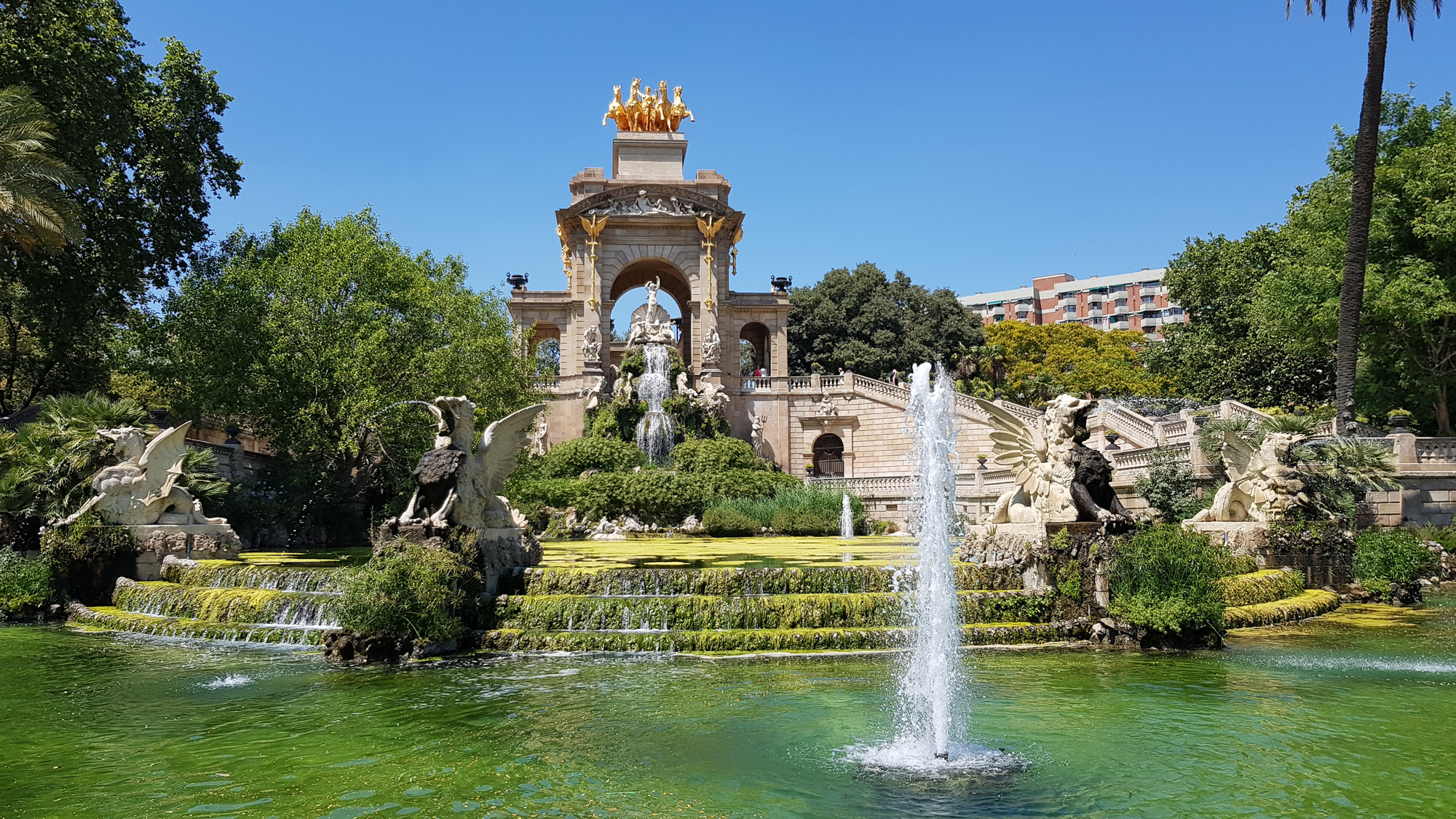
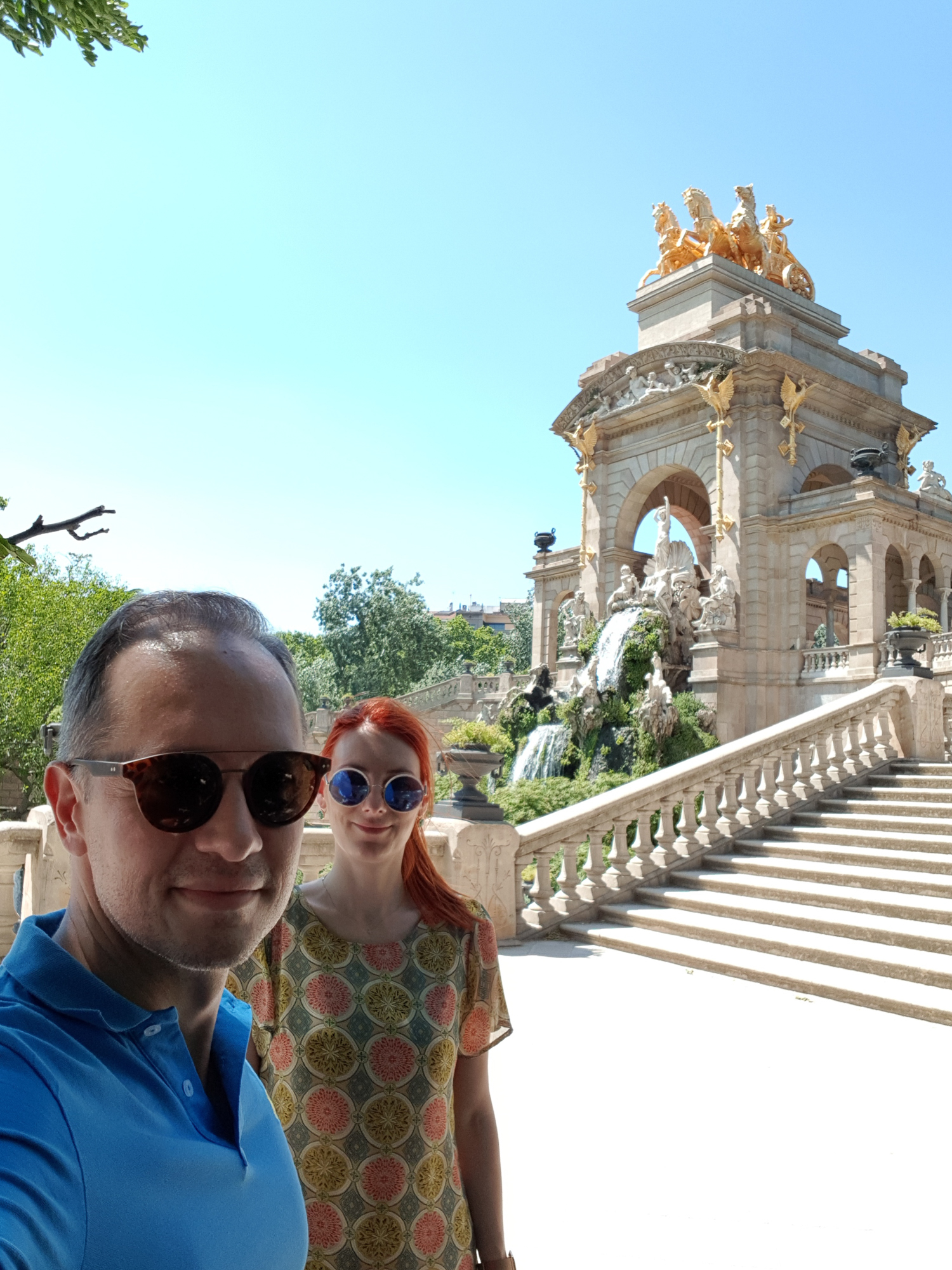
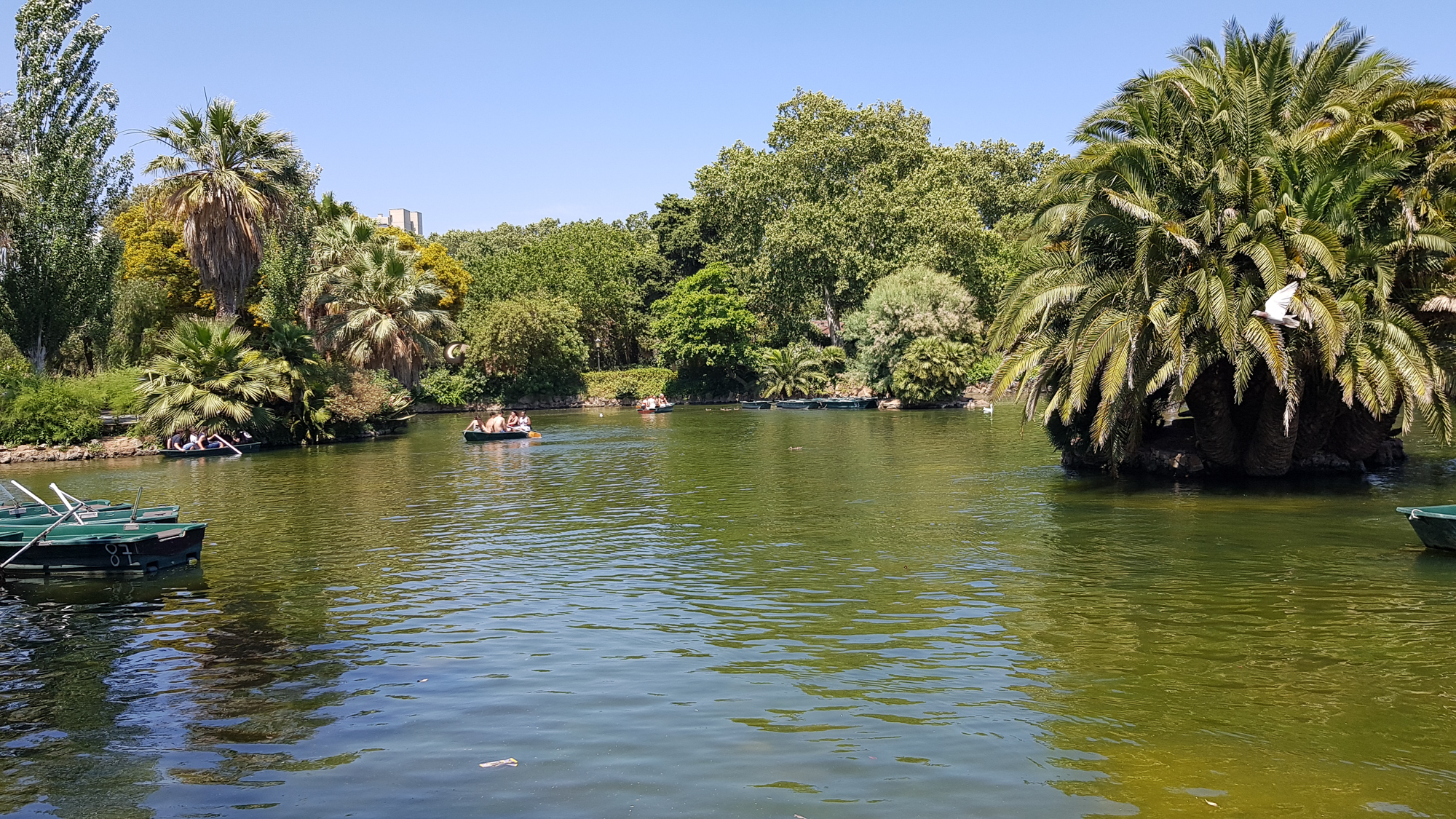
– Head northwest through the beautiful El Born district. You will reach a beautiful park called Ciutadella Park. There, in addition to the walks that are worth taking (even better if you have rented a bike), you will see the former Royal Palace, which houses the Museum of Contemporary Art. MNAC, the zoological garden and the Parliament of Catalonia. Undoubtedly, the most impressive attraction of the park is the Monumental Waterfall, the sculptural waterfall designed by Josep Fontsére and A. Gaudí. At the top of the park is the Arc de Triomphe, built as an entrance for the 1888 World's Fair.

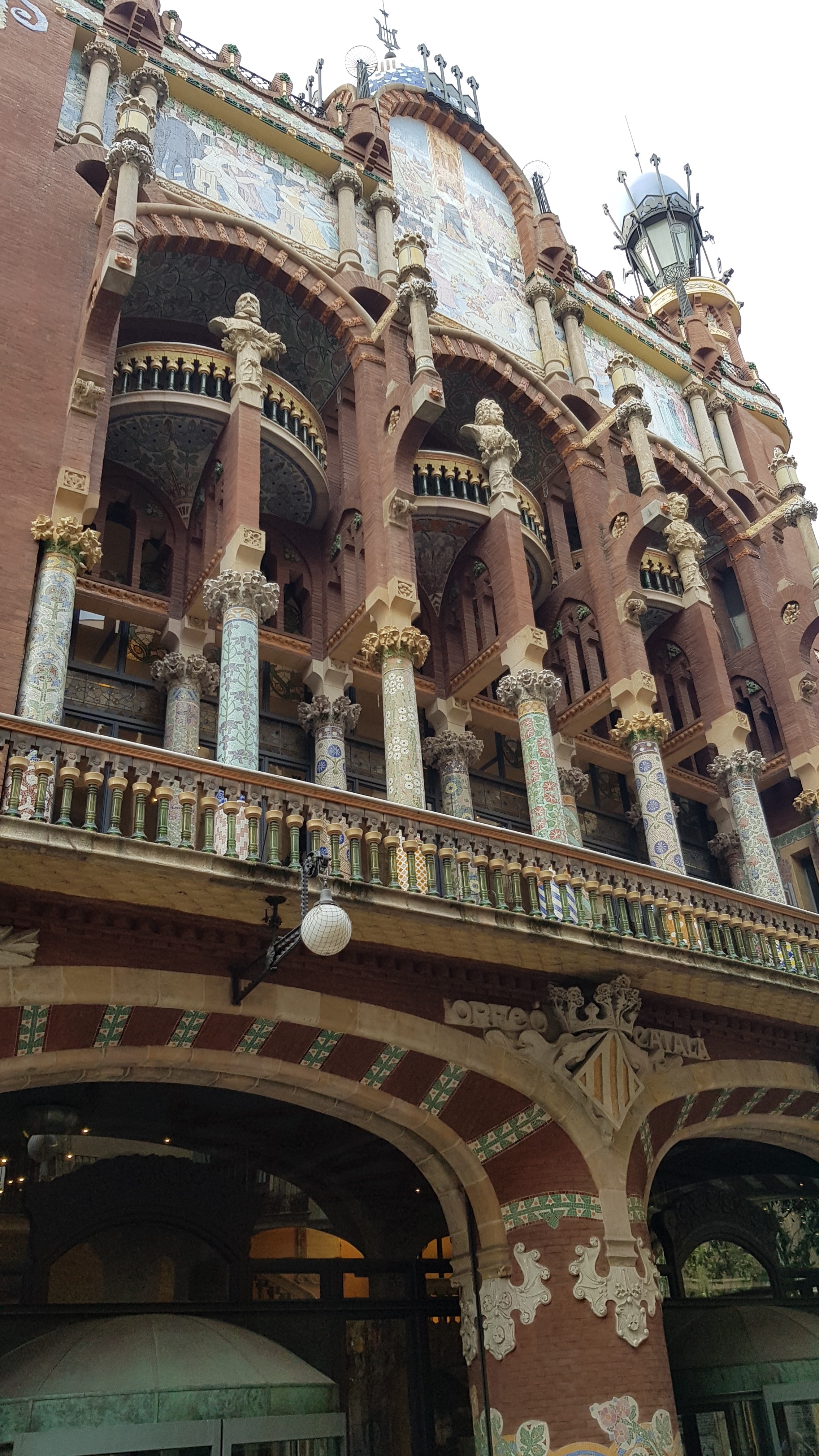
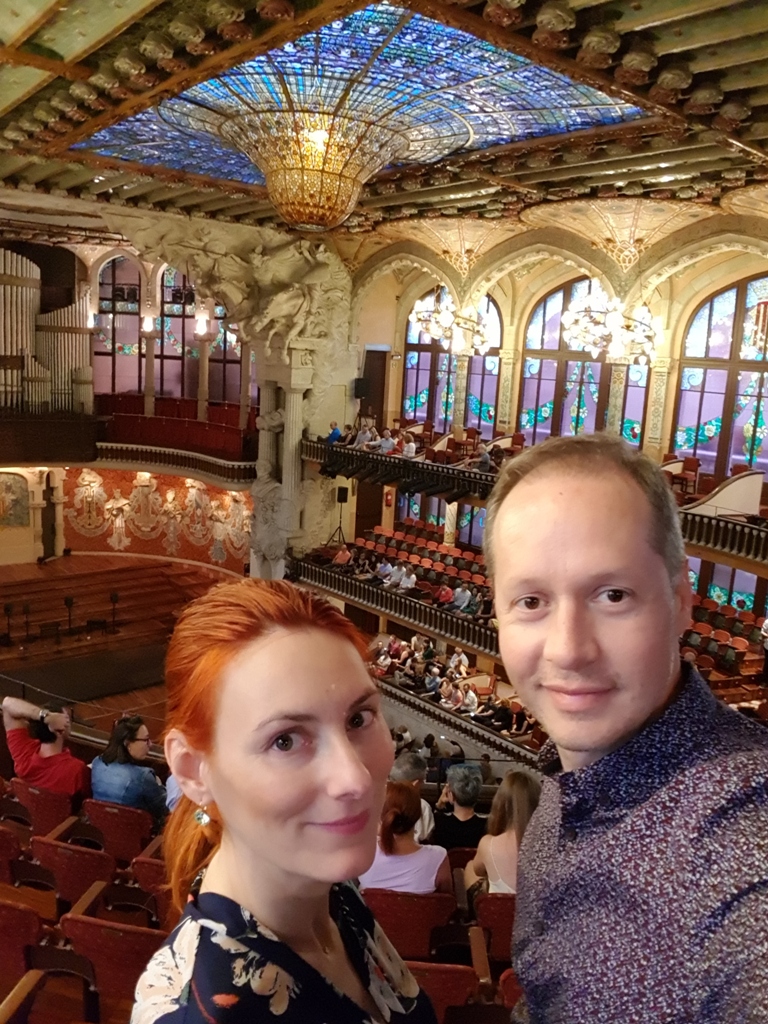
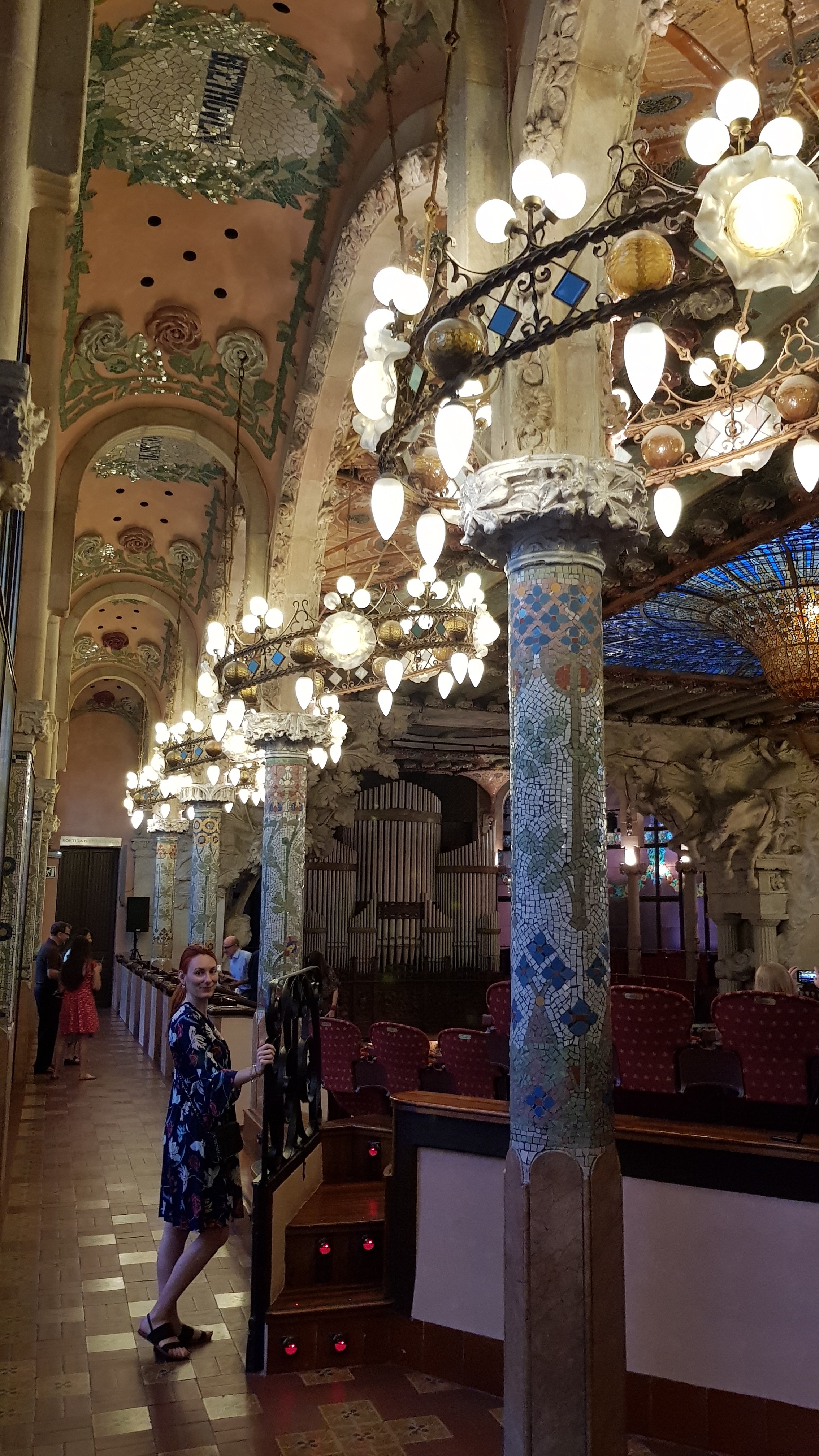
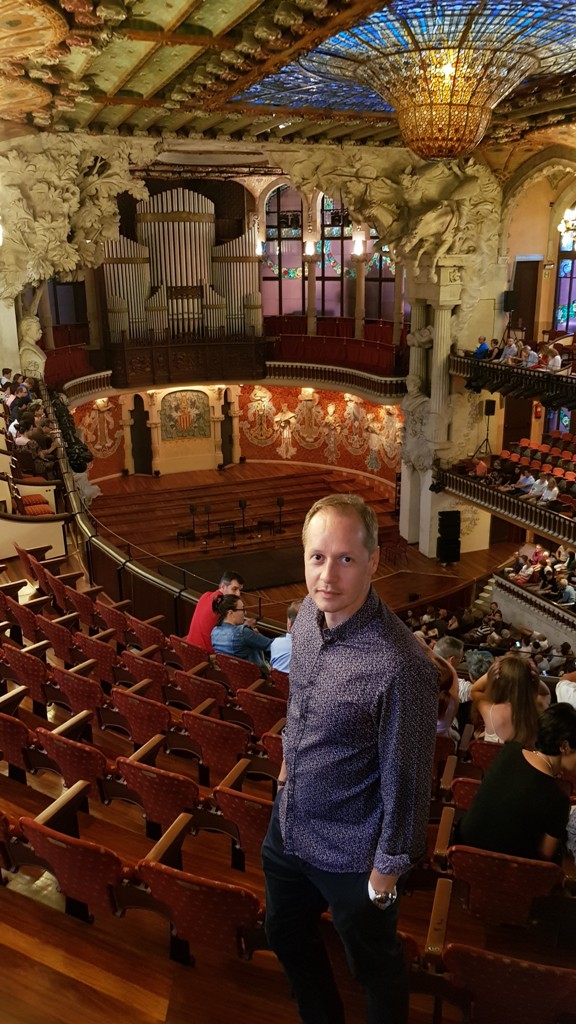
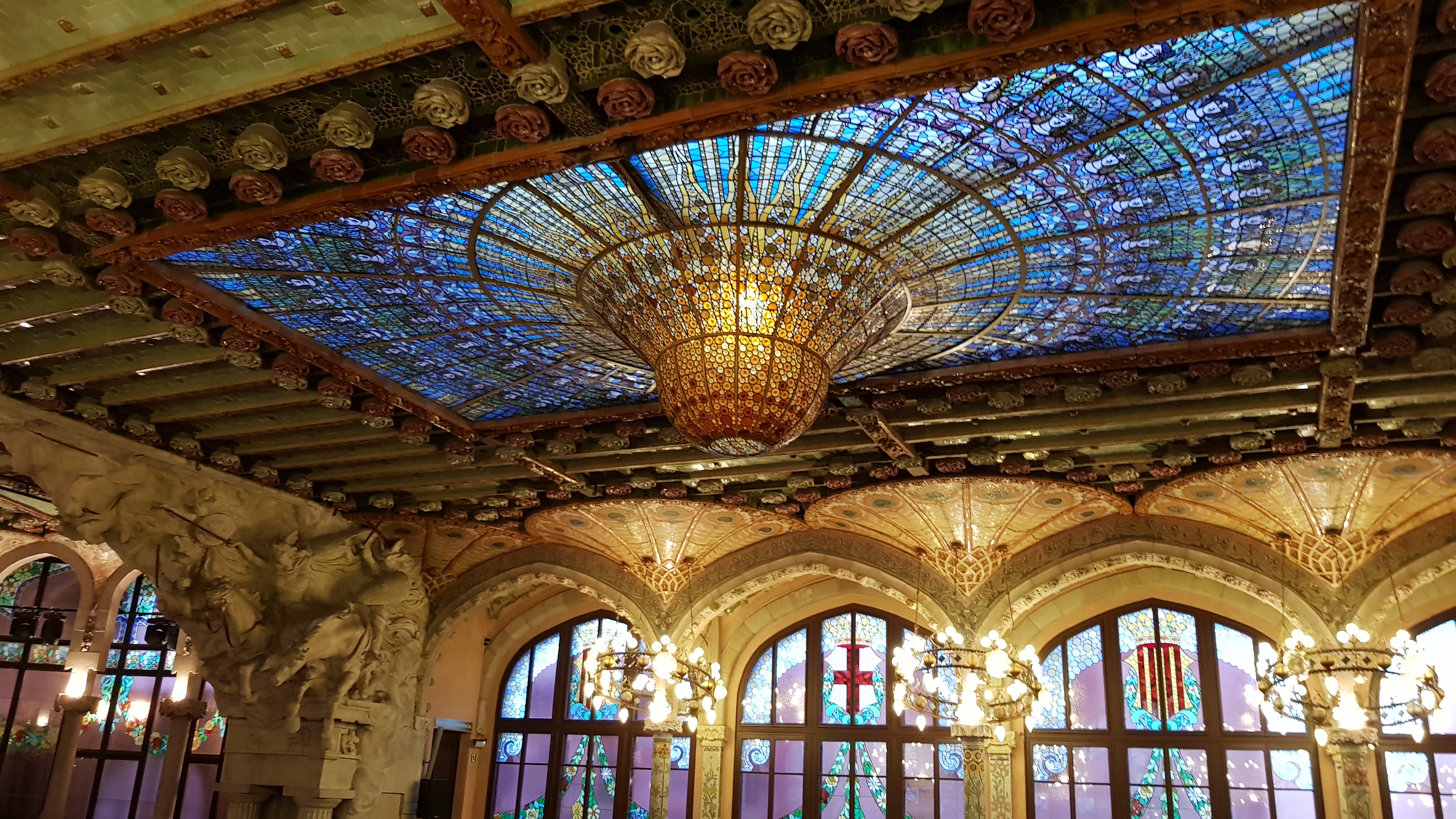
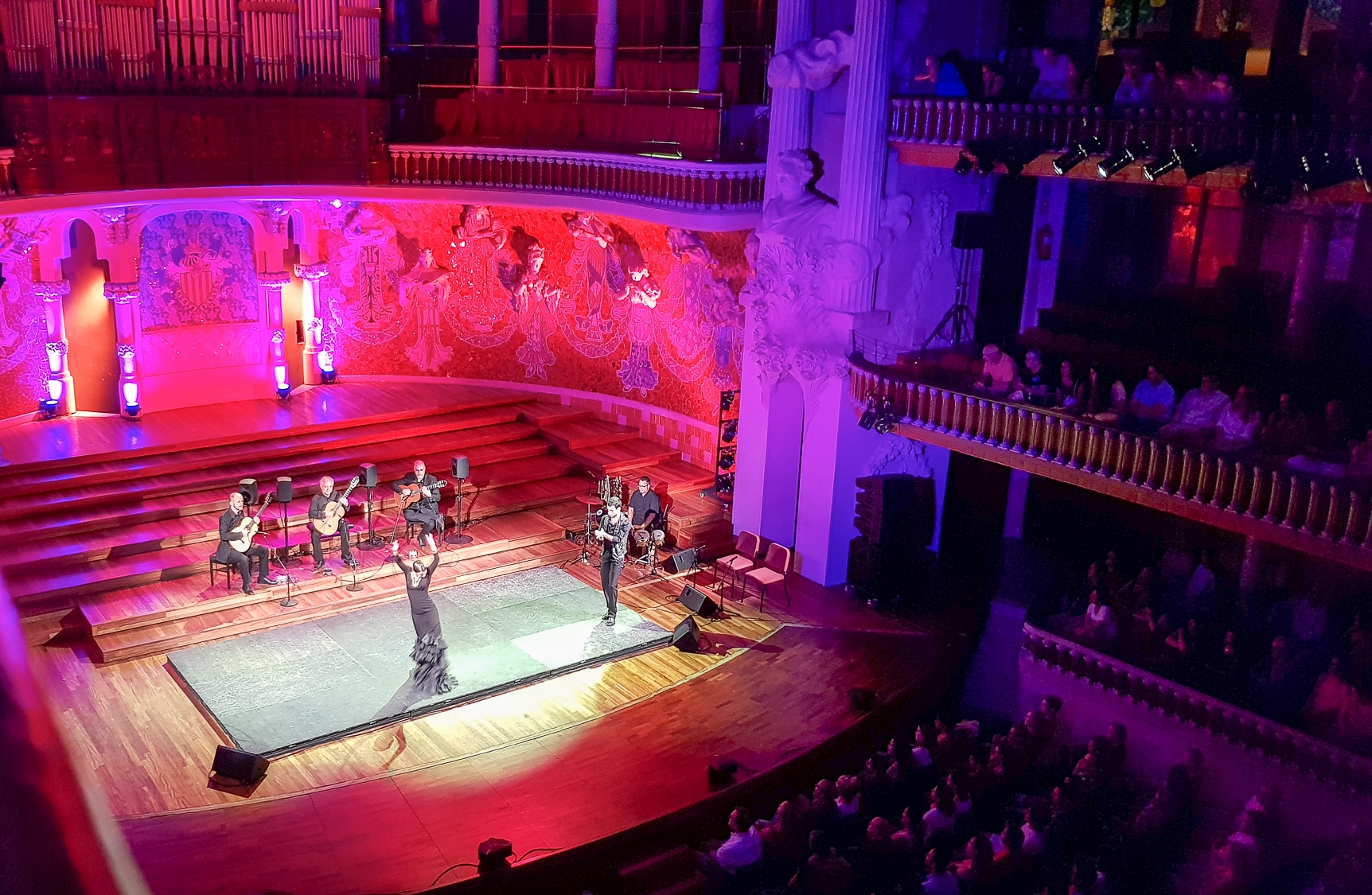
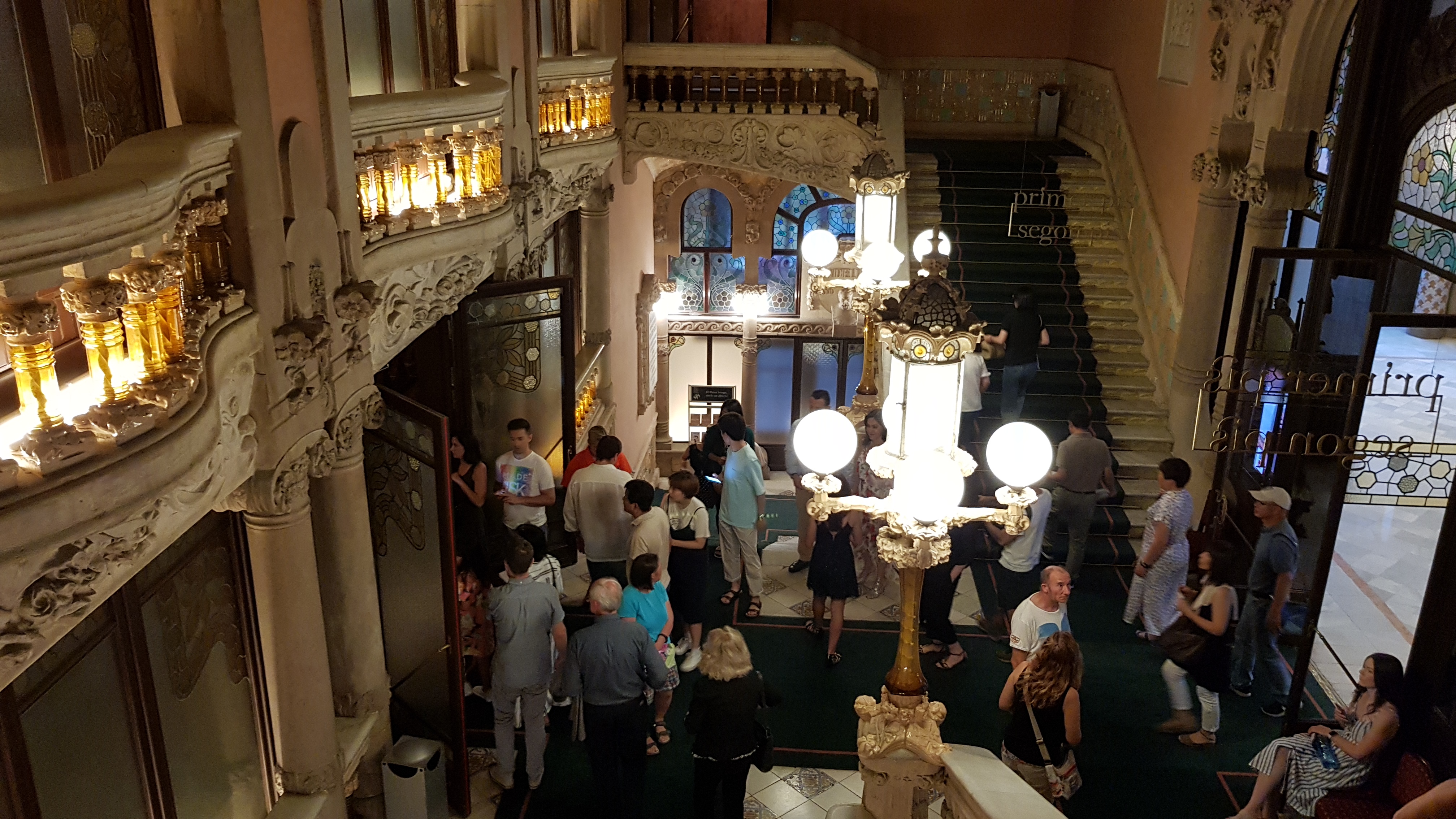
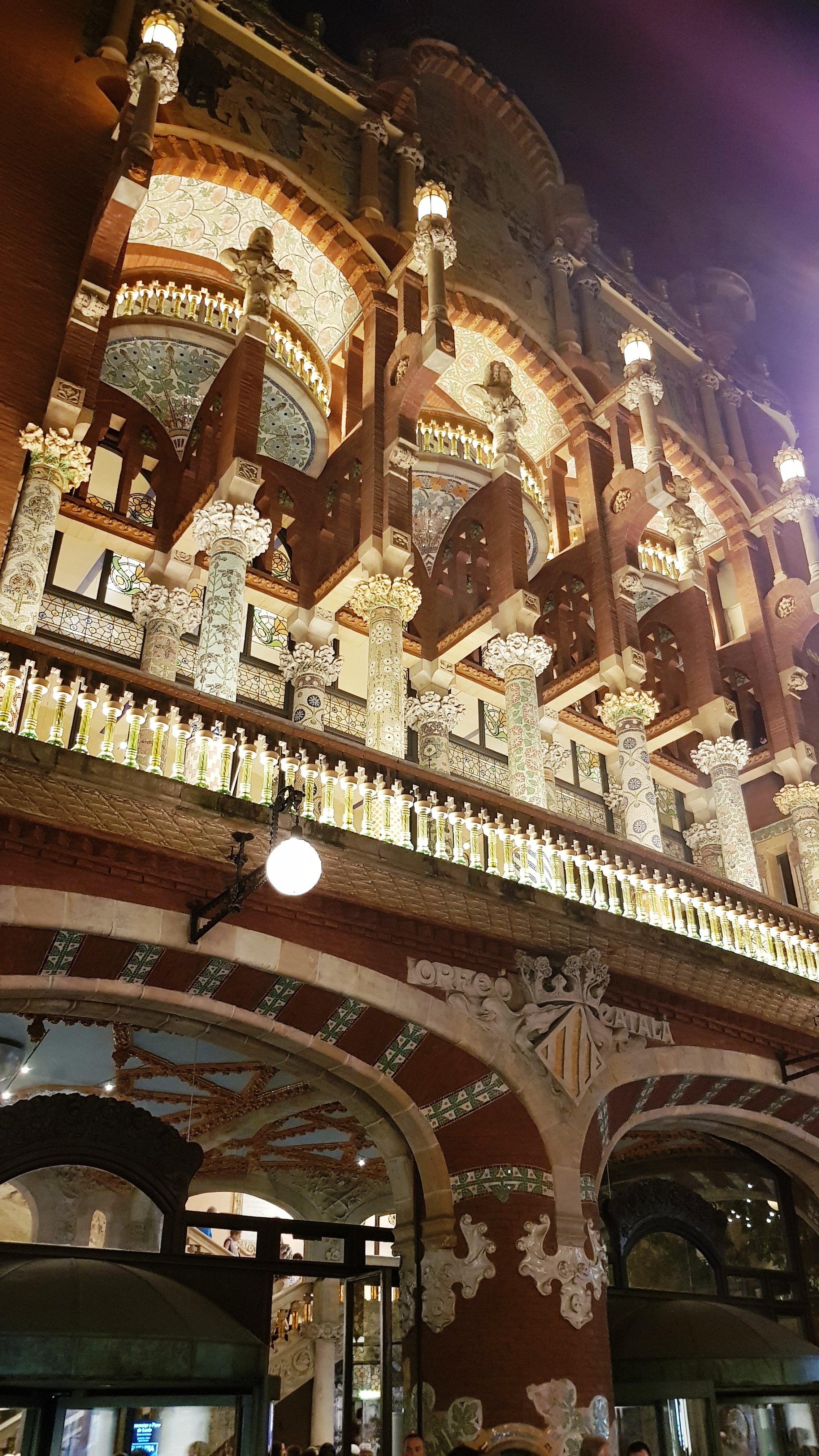
– End your day with a visit to the Palau de la Musique de Catalunya (Palau de la Musica Catalana), a beautiful building both outside and inside with an impressive concert hall due to its inverted stained glass dome. It belongs to the UNESCO World Heritage Sites. It is worth watching a concert there as the acoustics of the building are awesome! We saw a tribute to the famous guitarist Paco de Lucia, accompanied by flamenco dancers who captivated us! Find tickets for performances here.
3or day
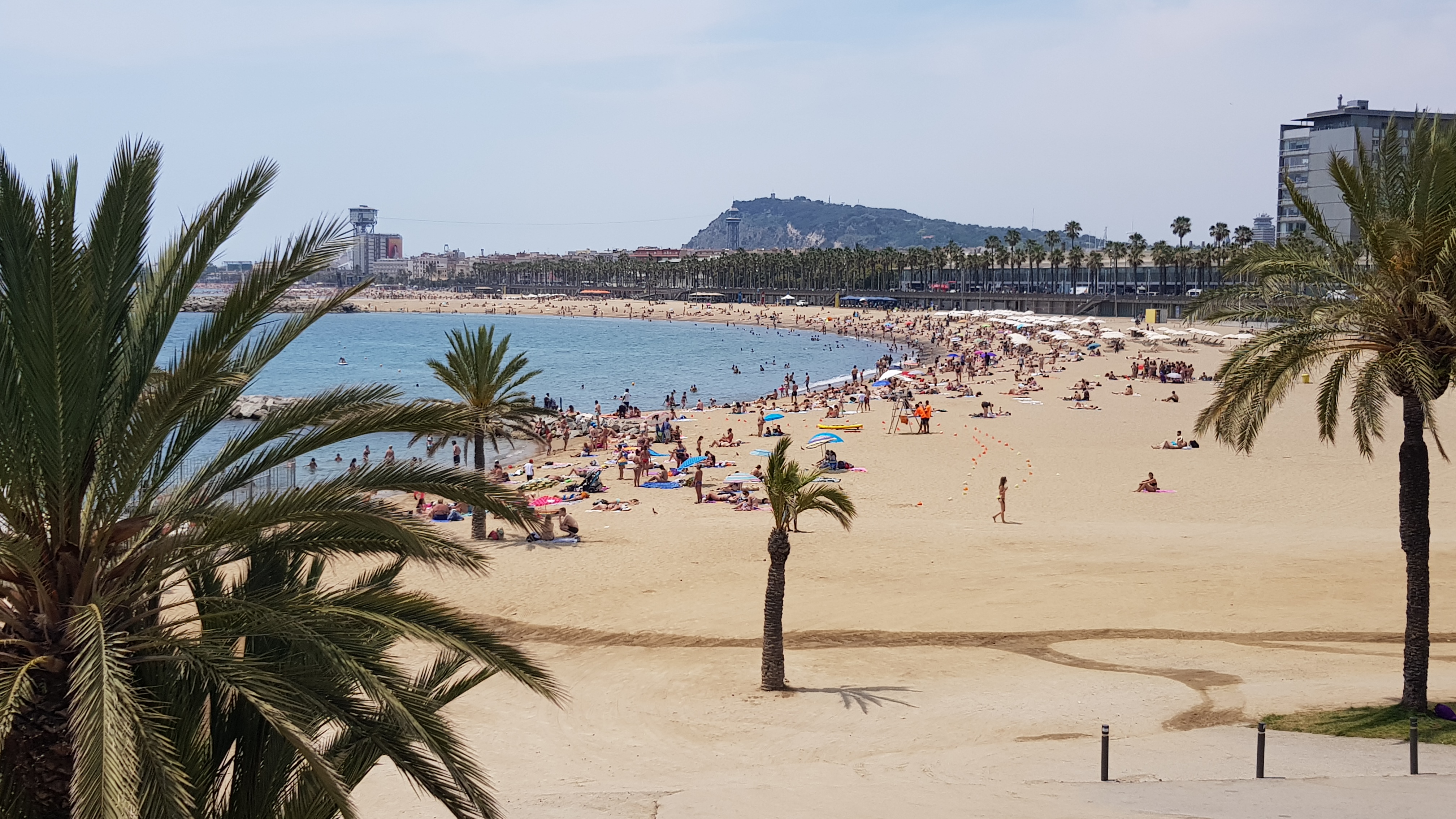
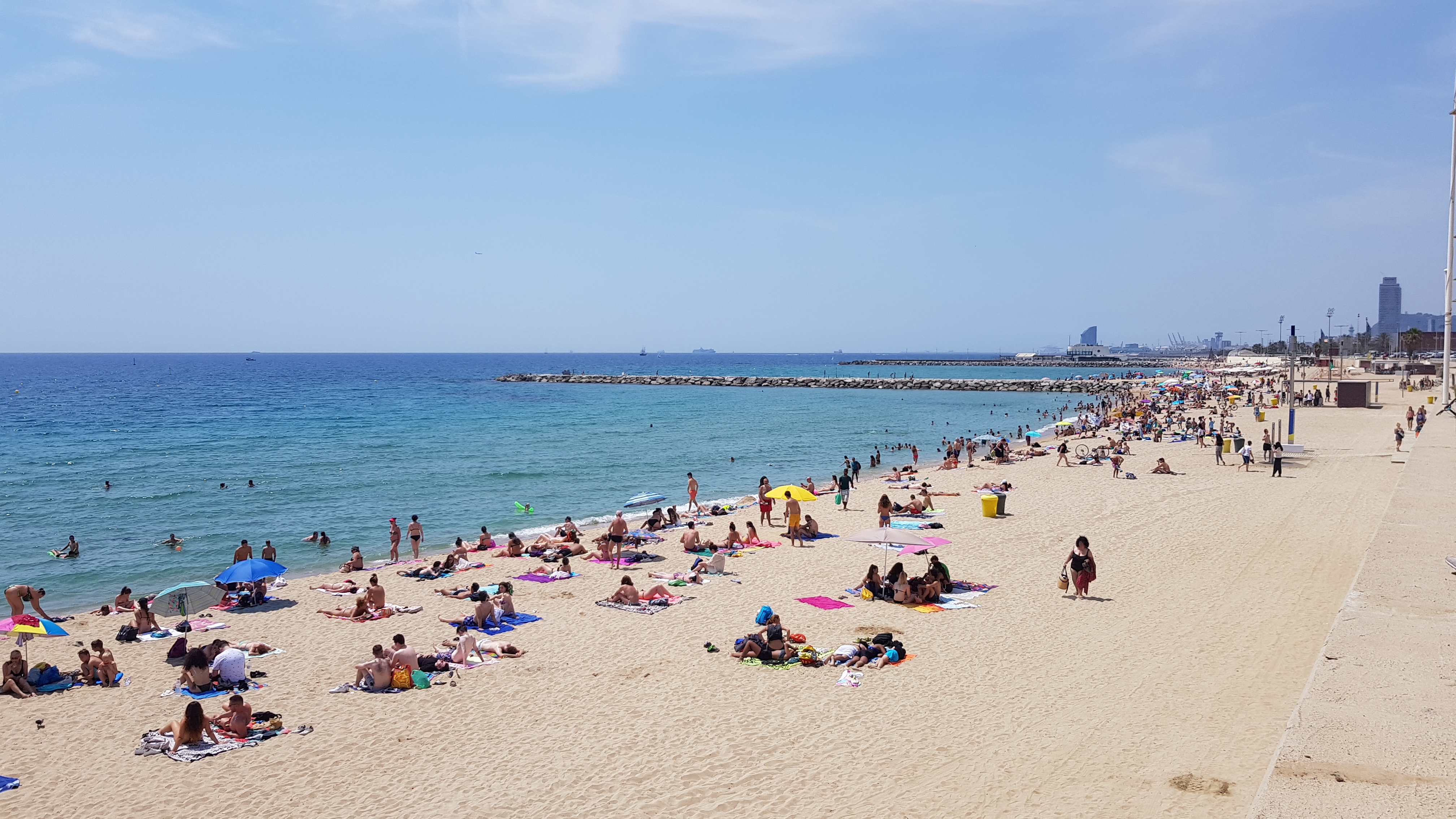
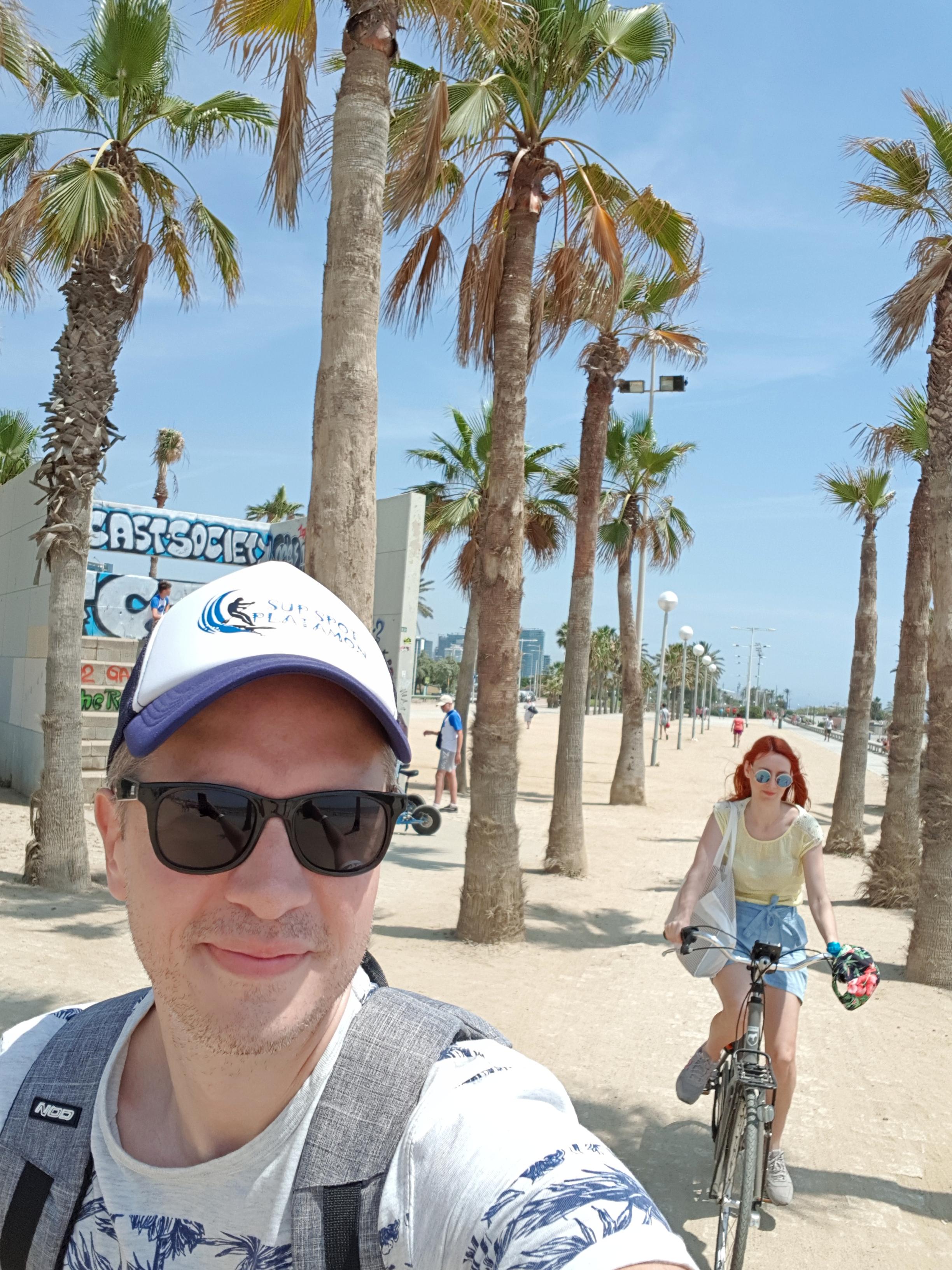
– Dedicate this morning to the beach. Rent a bike with the app I suggested above and start from Parc del Fòrum heading towards the port (south). From spring to autumn, Barcelona residents enjoy the beaches along with the numerous tourists. Bikes, rollerblades, canoes, and surfboards create a relaxed and very summery atmosphere. At the marina Port Olympic, dozens, yachts, sailboats and water sports will make you stop to stare. After the casino, the famous Barceloneta Beach. The Discovery Channel has voted it the best urban beach in the world, and for good reason. The area remains just as lively day and night, with plenty of restaurants, bars, nightclubs and a relaxed vibe. After taking a dip in the sea (the area has several Blue Flags), sip a beer or a mojito under the famous W Barcelona hotel, which resembles a sailboat's sail.
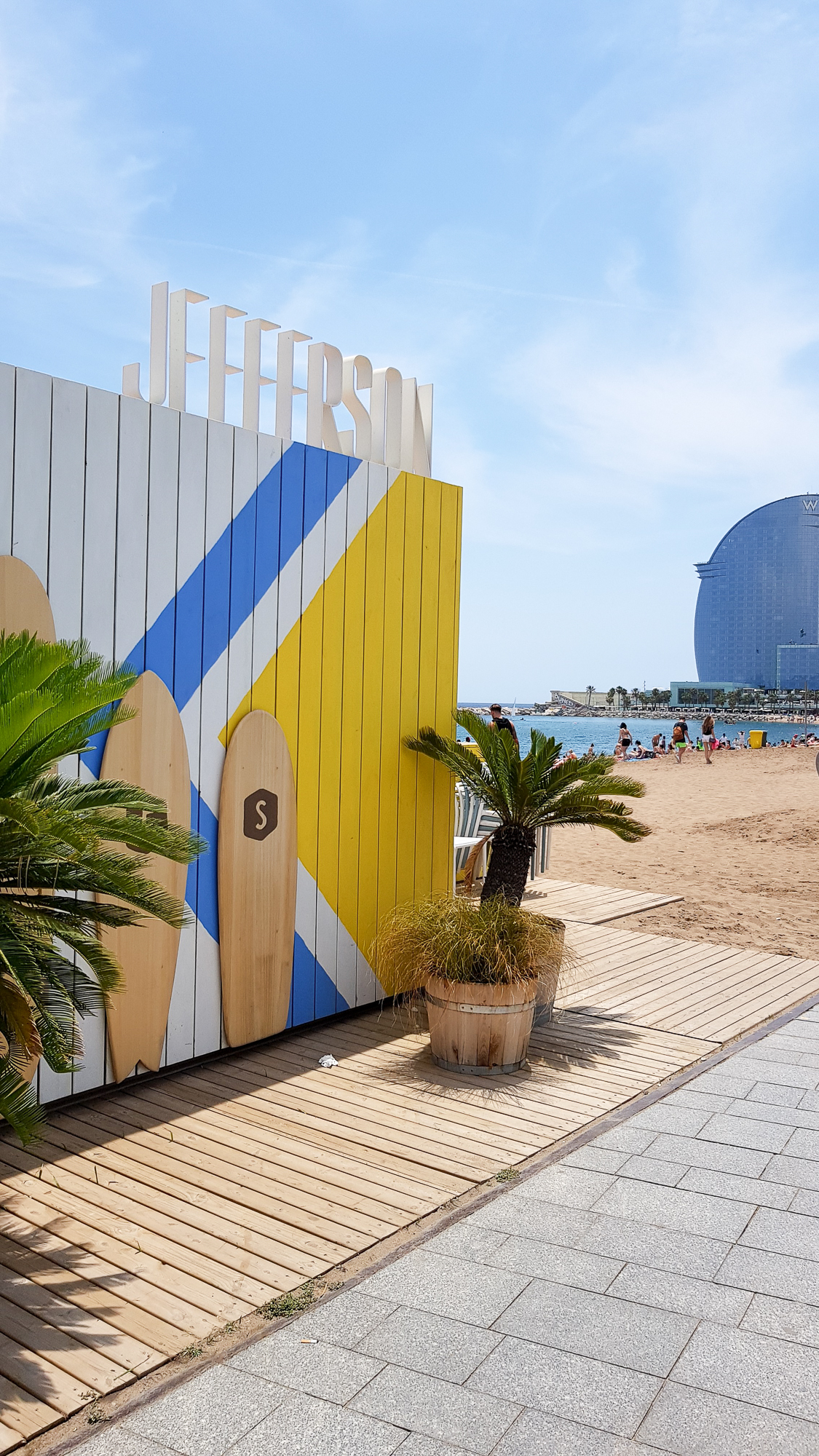
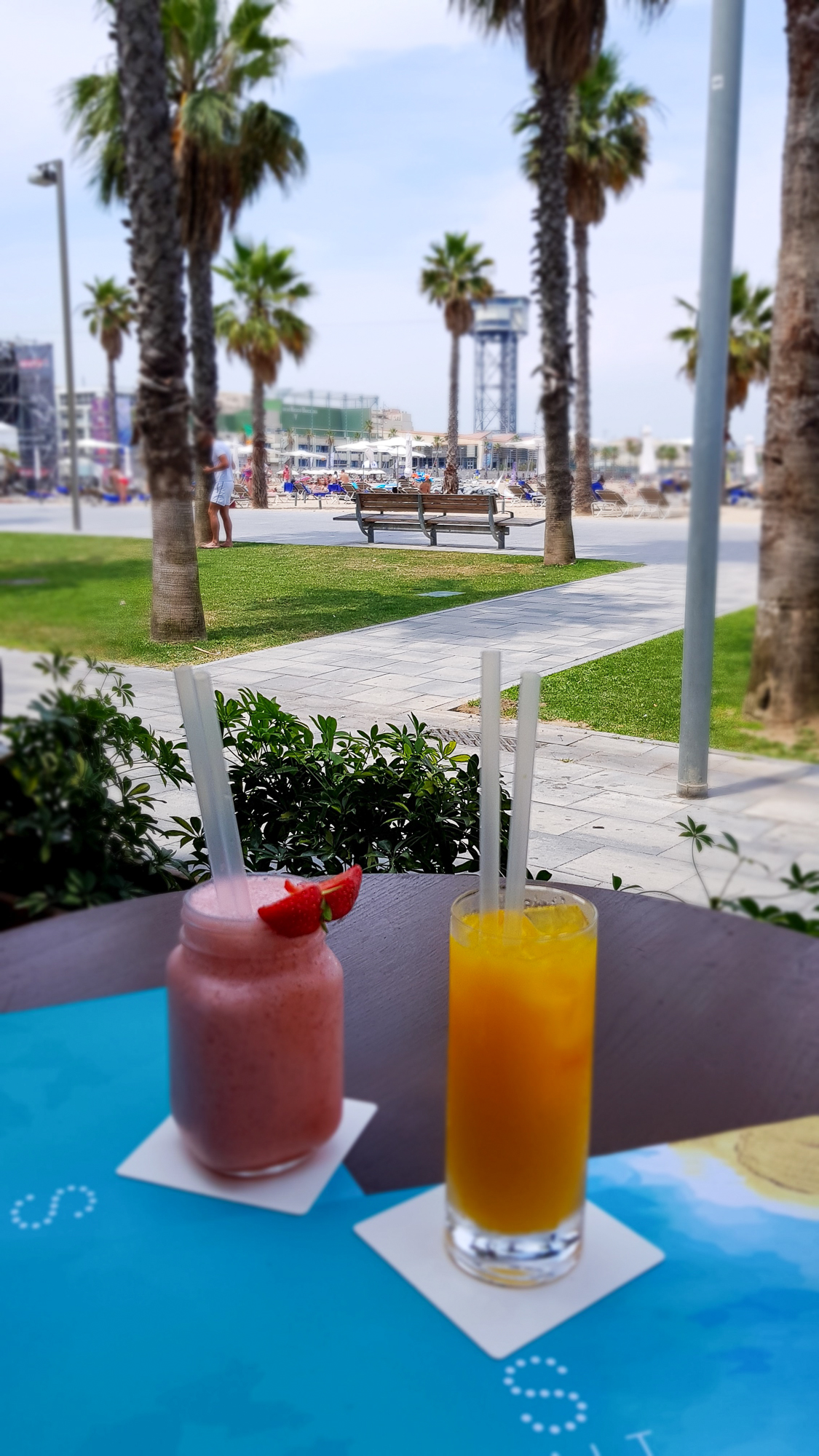
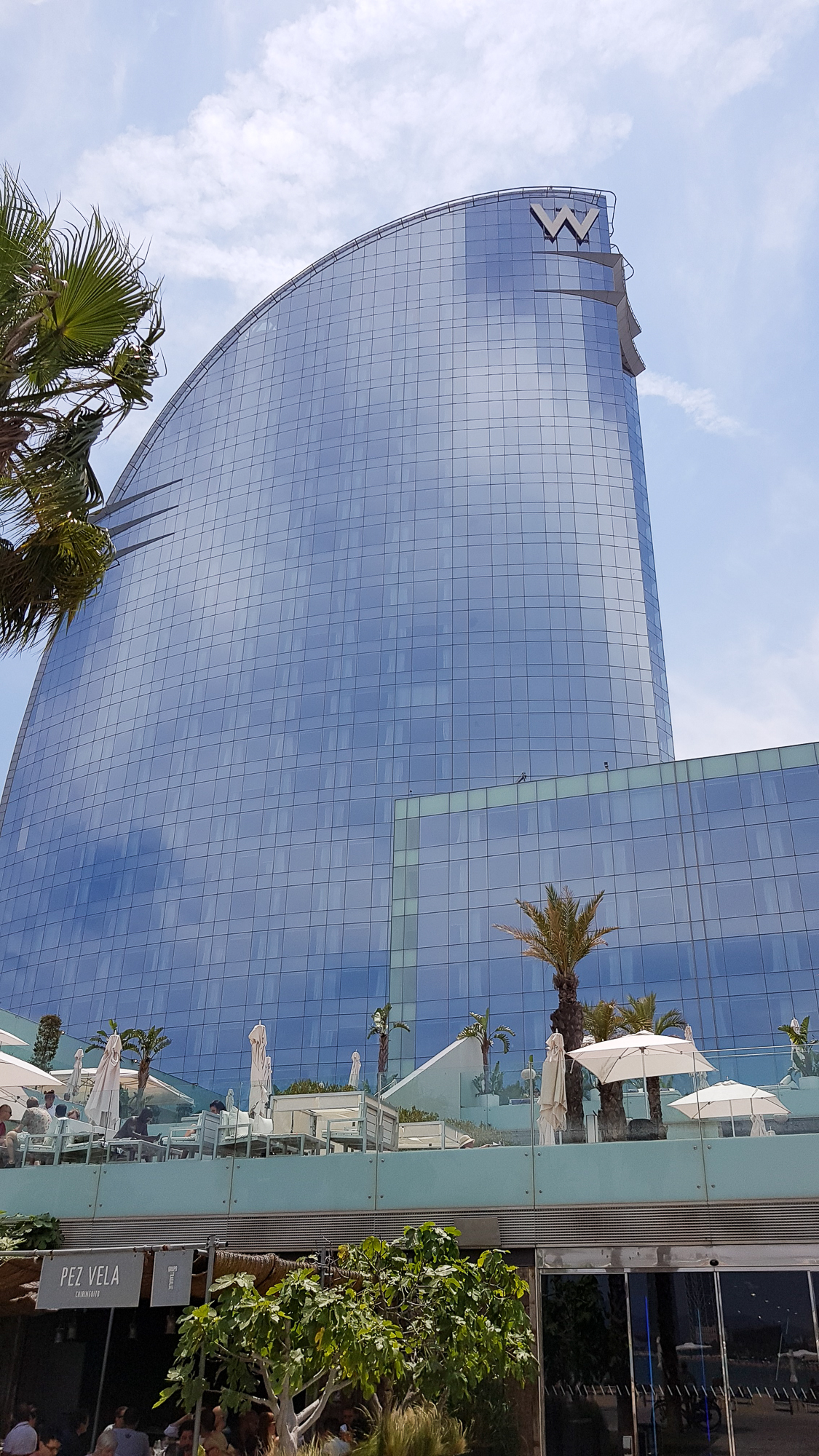
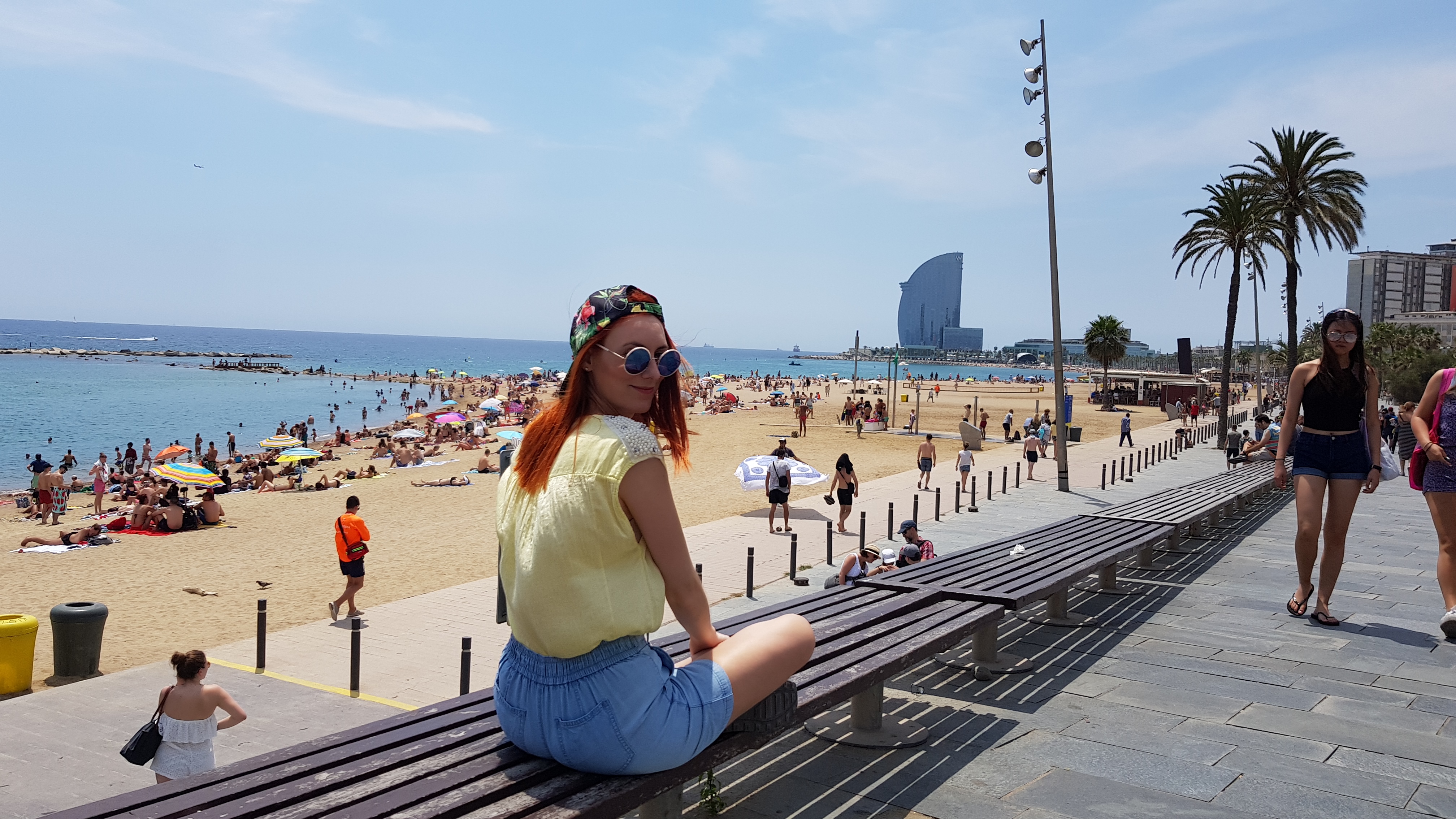
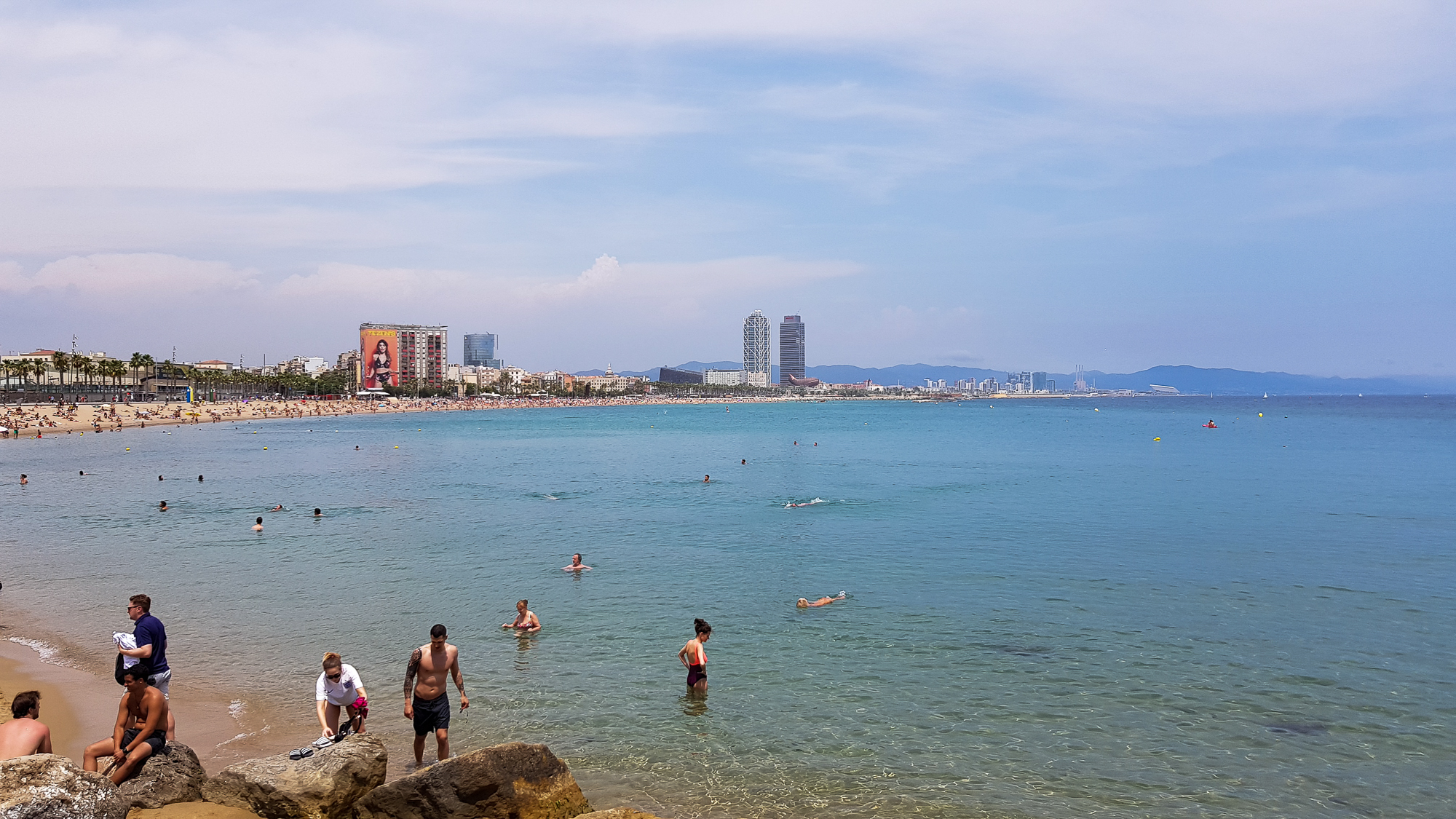
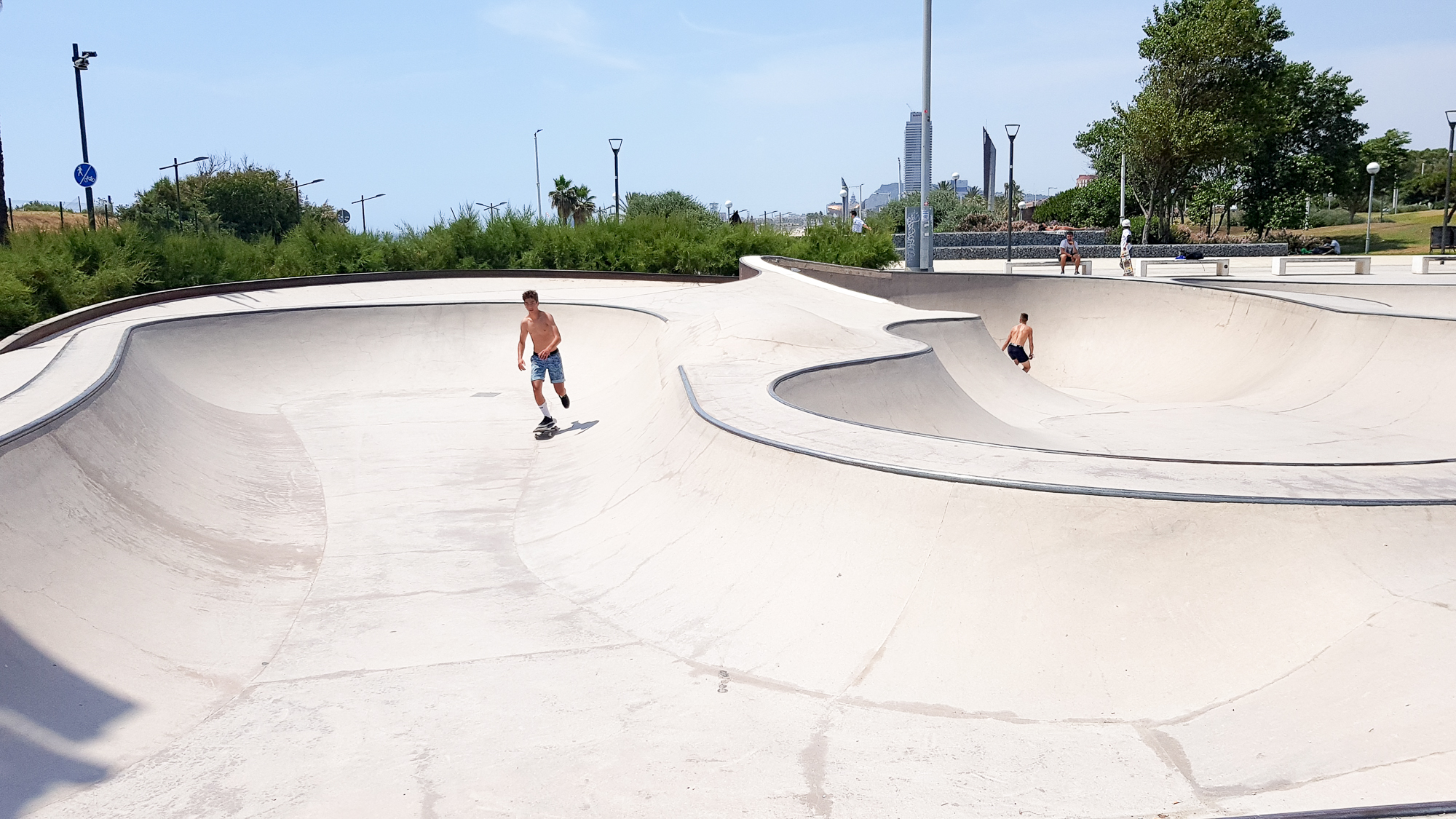
– Nearby in Port Vell (old port) is the Barcelona Aquarium (L' Aquarium) which is considered the largest in Europe. Admission is 20 euros and is undoubtedly a unique experience.
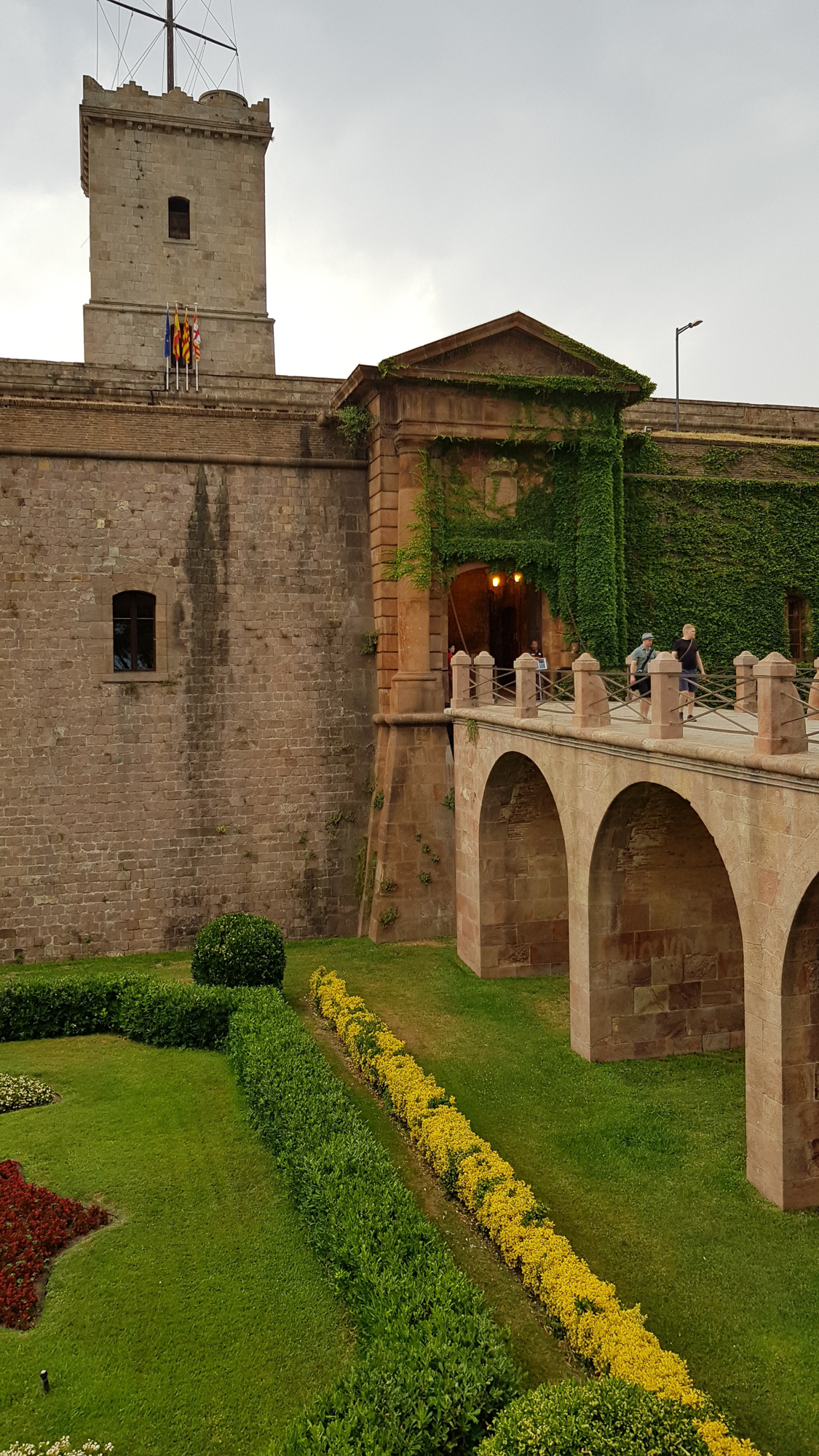
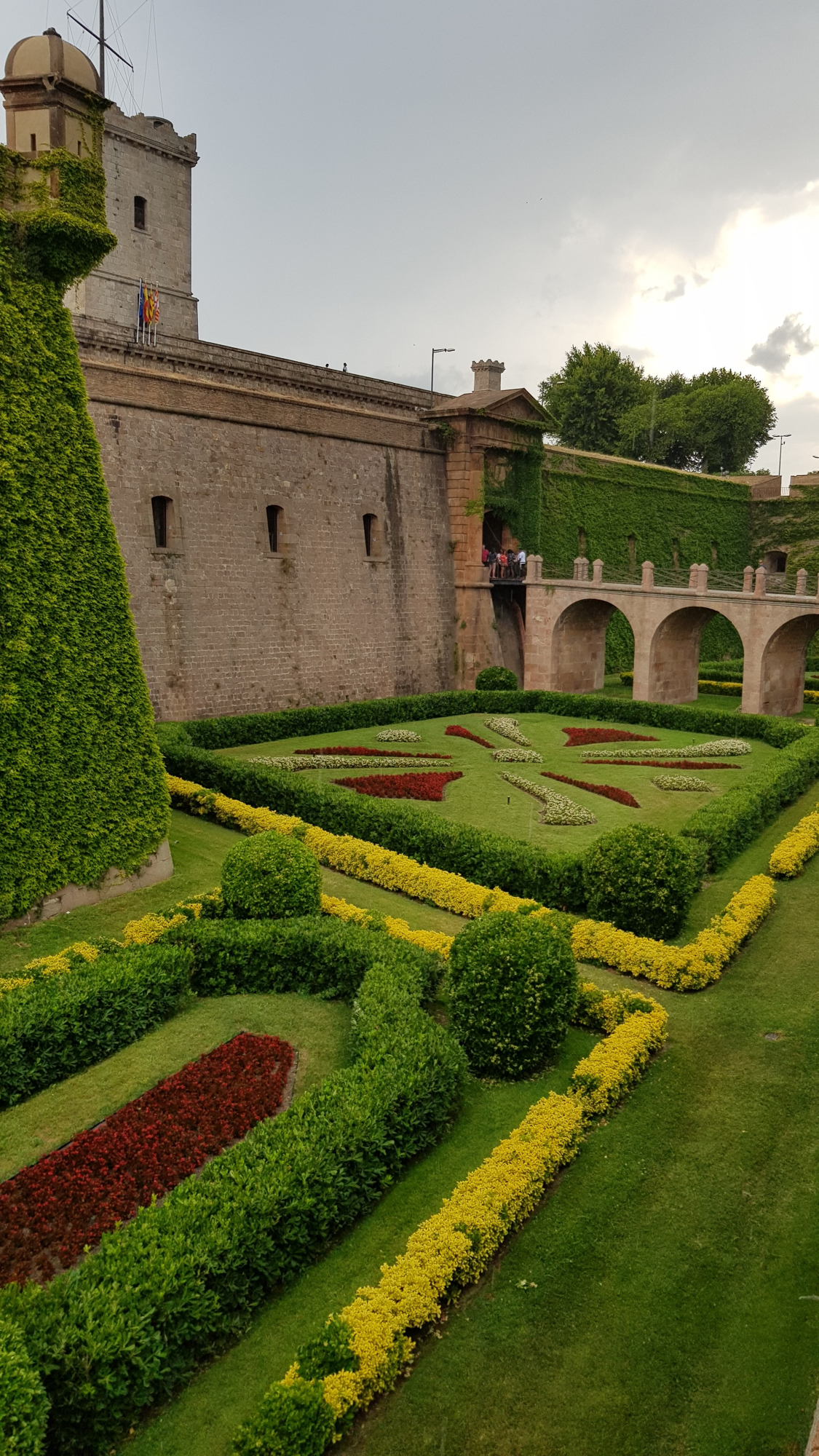
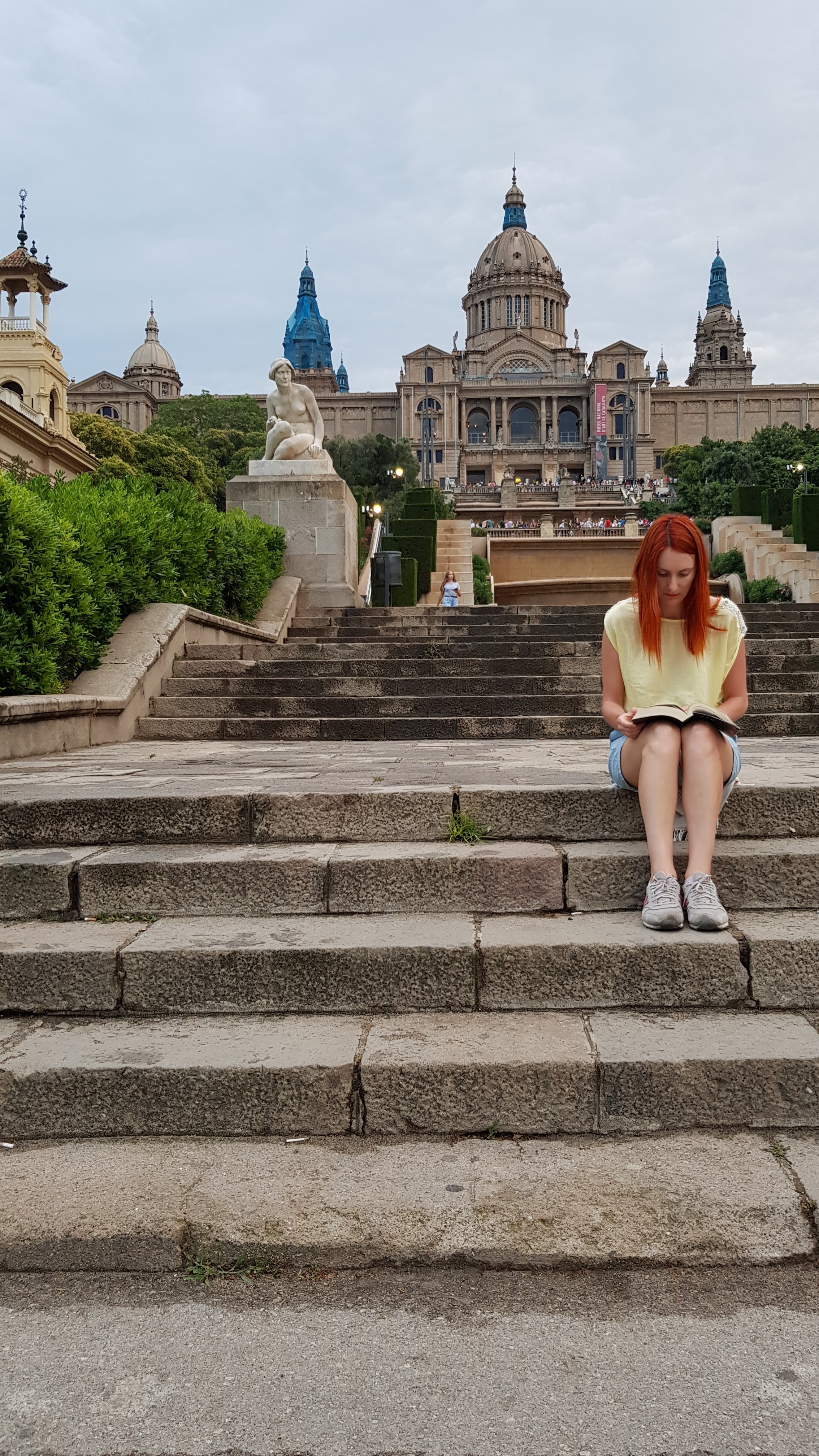
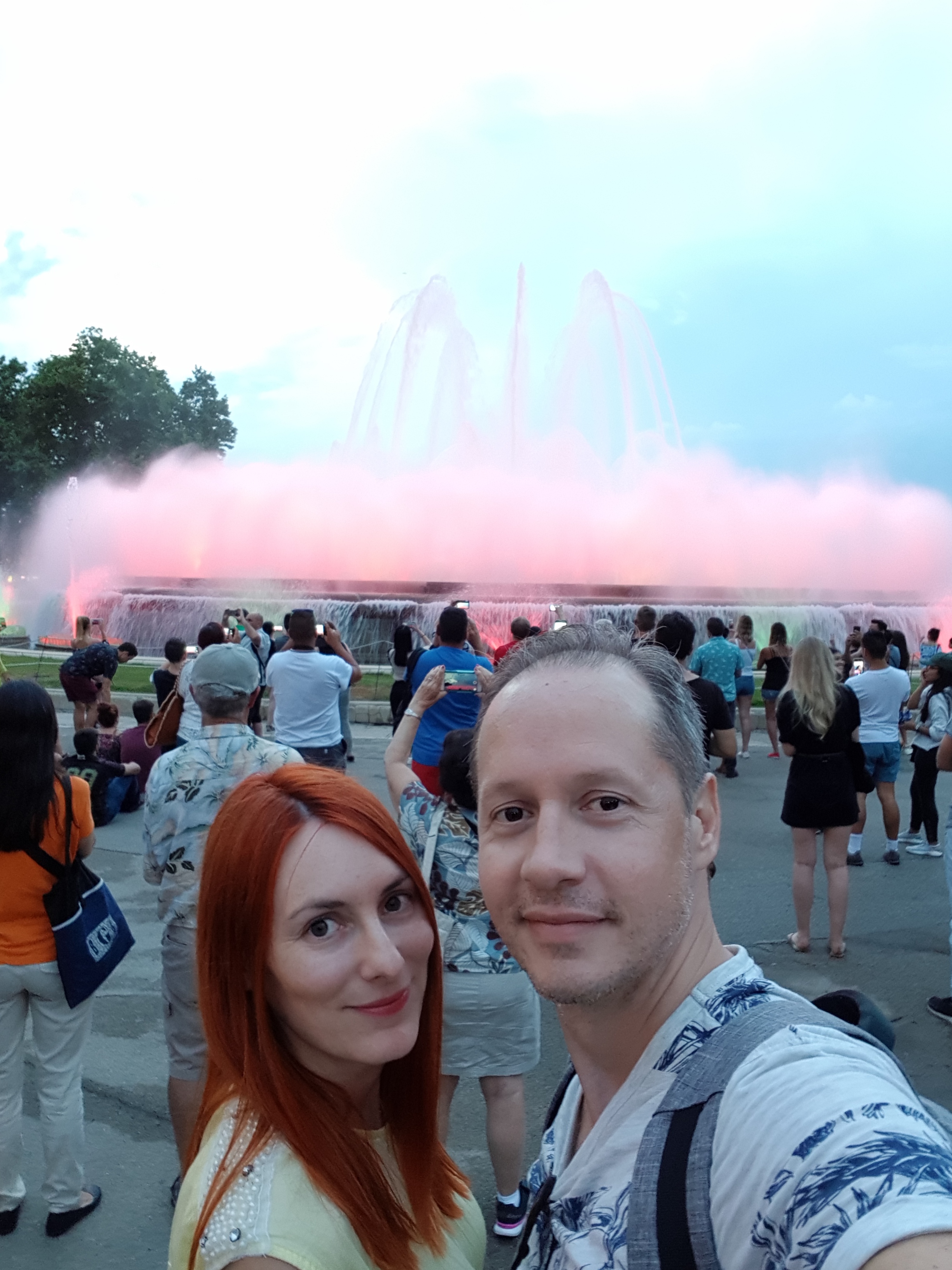
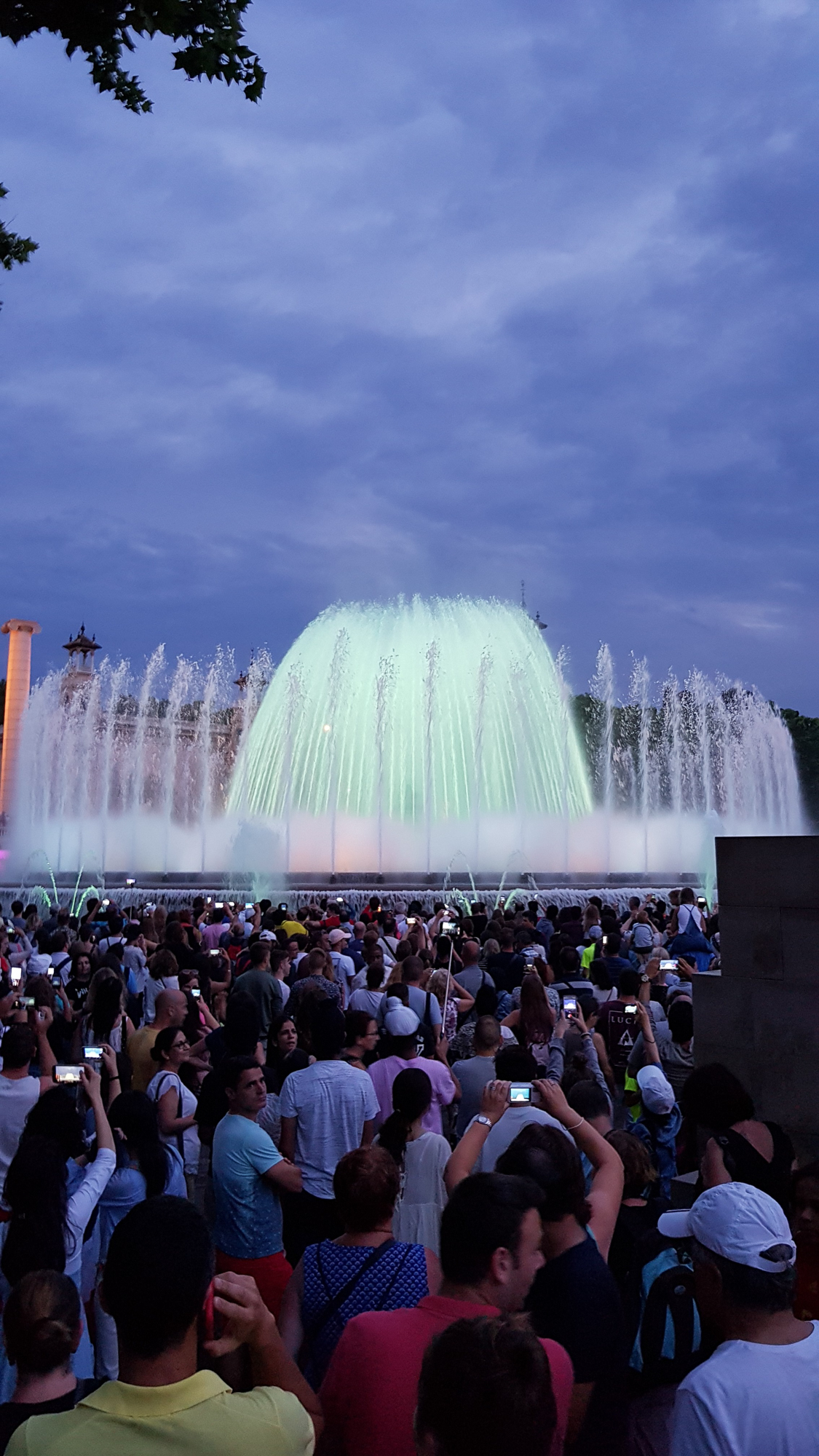
– Dedicate your afternoon to the hill of Montjuïc. From the Paral-lel metro stop, take the cogwheel train to Estacio Parc Montjuïc, from where the cable car will take you straight to the top. There is the castle on the hill that houses the city's Military Museum. In the wider Montjuïc area, there are a number of remarkable building-museums that if you want to visit, you will have to dedicate another day and…a lot of money for tickets. The Joan Miró Foundation, the Archaeological Museum, the Olympic Games Museum, the Spanish Village, the National Art Museum, the Caixa Forum Cultural Center, are some of them. Whatever you do, don't miss the show at the end of the day at Magic fountain! See here during operating hours.
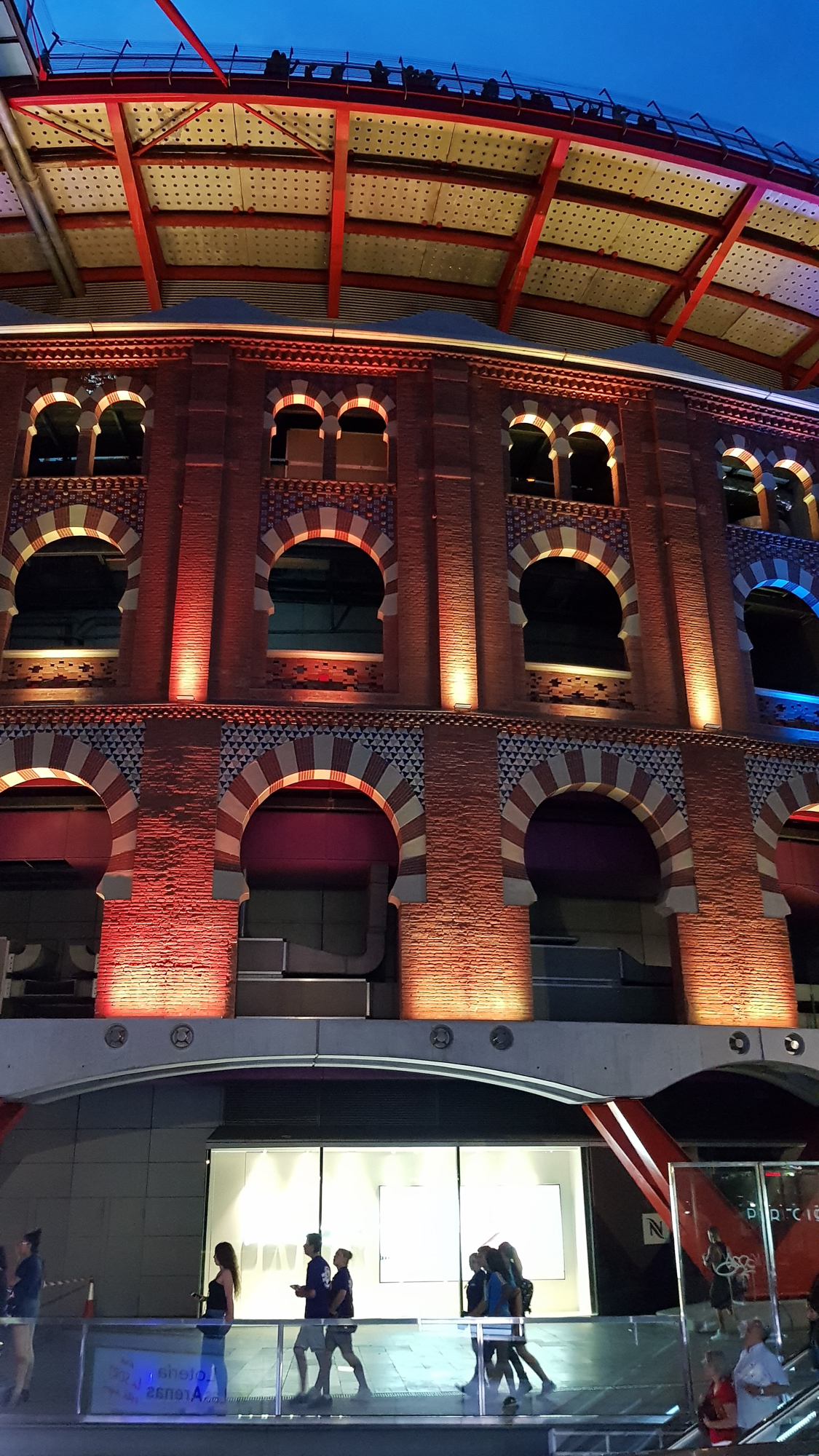
– A short distance away is Placa Espanya with a shopping center Arenas de Barcelona. A building that was used for bullfighting until 1977. It is worth going up to the top floor for the view and the restaurants it has.
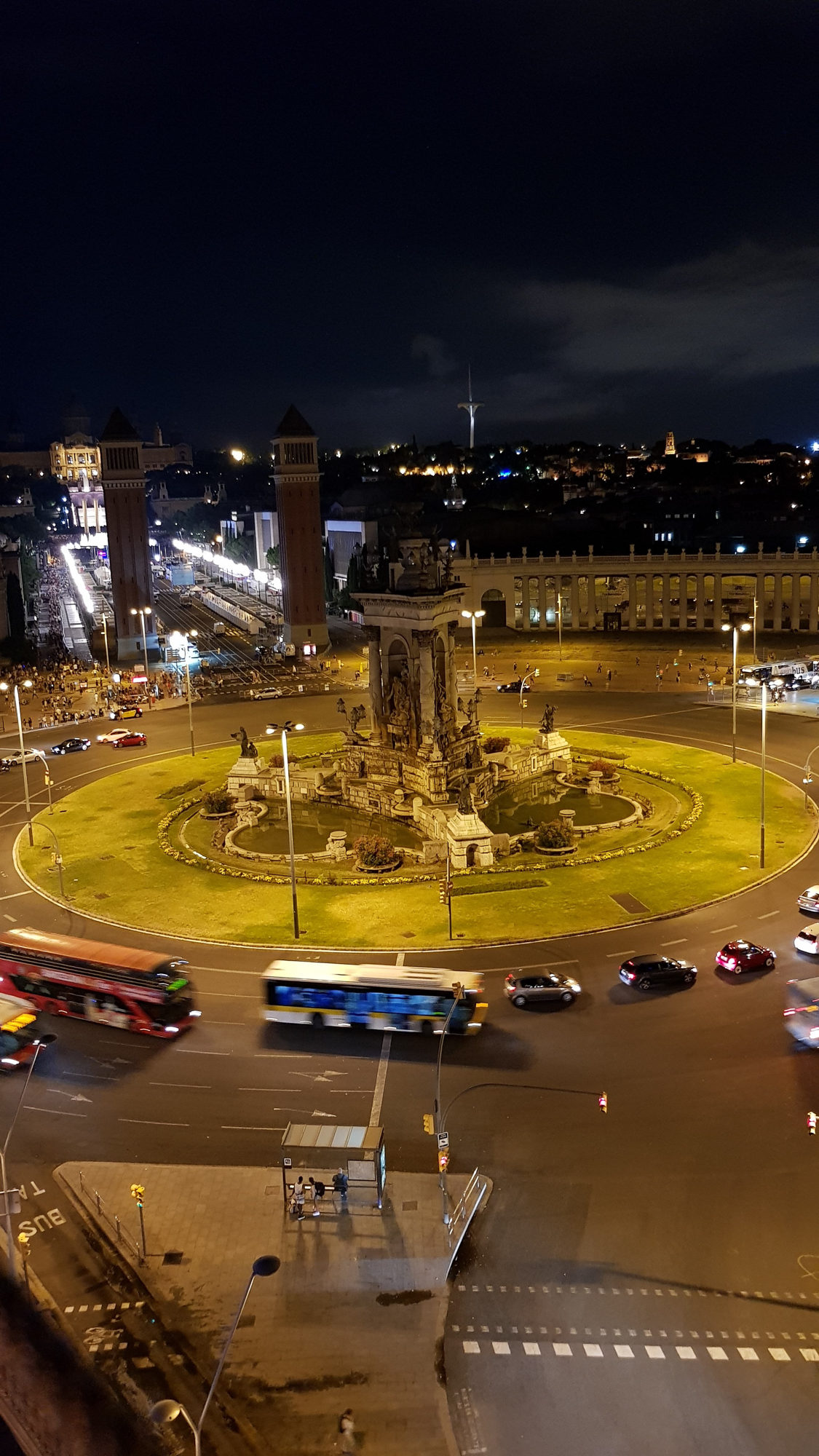
4or day
Dedicate the fourth day to areas outside the city to get a complete idea of the Catalan province.
– One hour away is the Girona from which Ryanair flies. It is a picturesque destination, a mysterious city and the Onyar River gives it small beautiful hidden corners.
– In the same direction is the Figures, the city where Salvador Dali was born and worked for several years. Here you will admire the Dali Museum, which was designed by the great painter himself, while the works you will see in it were selected by him alone.
– From Figueres to Barcelona stretches the famous coast of Costa BravaThis area, although it has been exploited for tourism since the 1950s, still has secret paradises, such as Cadaqués and Tamariu, Blanes, etc. More information here.
– The village is located 30 minutes away from Barcelona Sitges, a beautiful seaside resort. Beyond the expensive villas and luxury yachts, Sitges has a bohemian atmosphere, great food and the Malvasia wine variety.
Where will you eat?
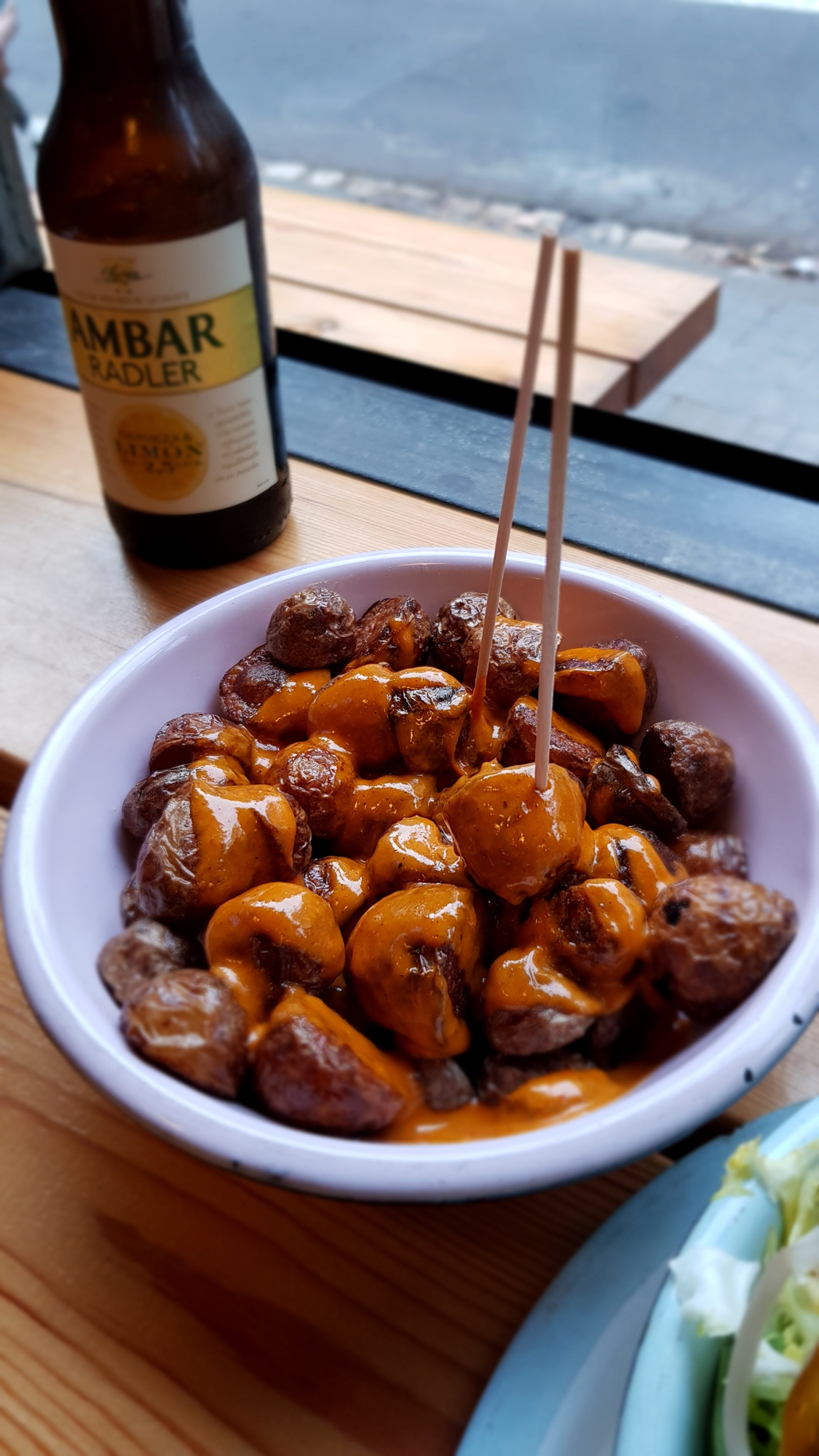
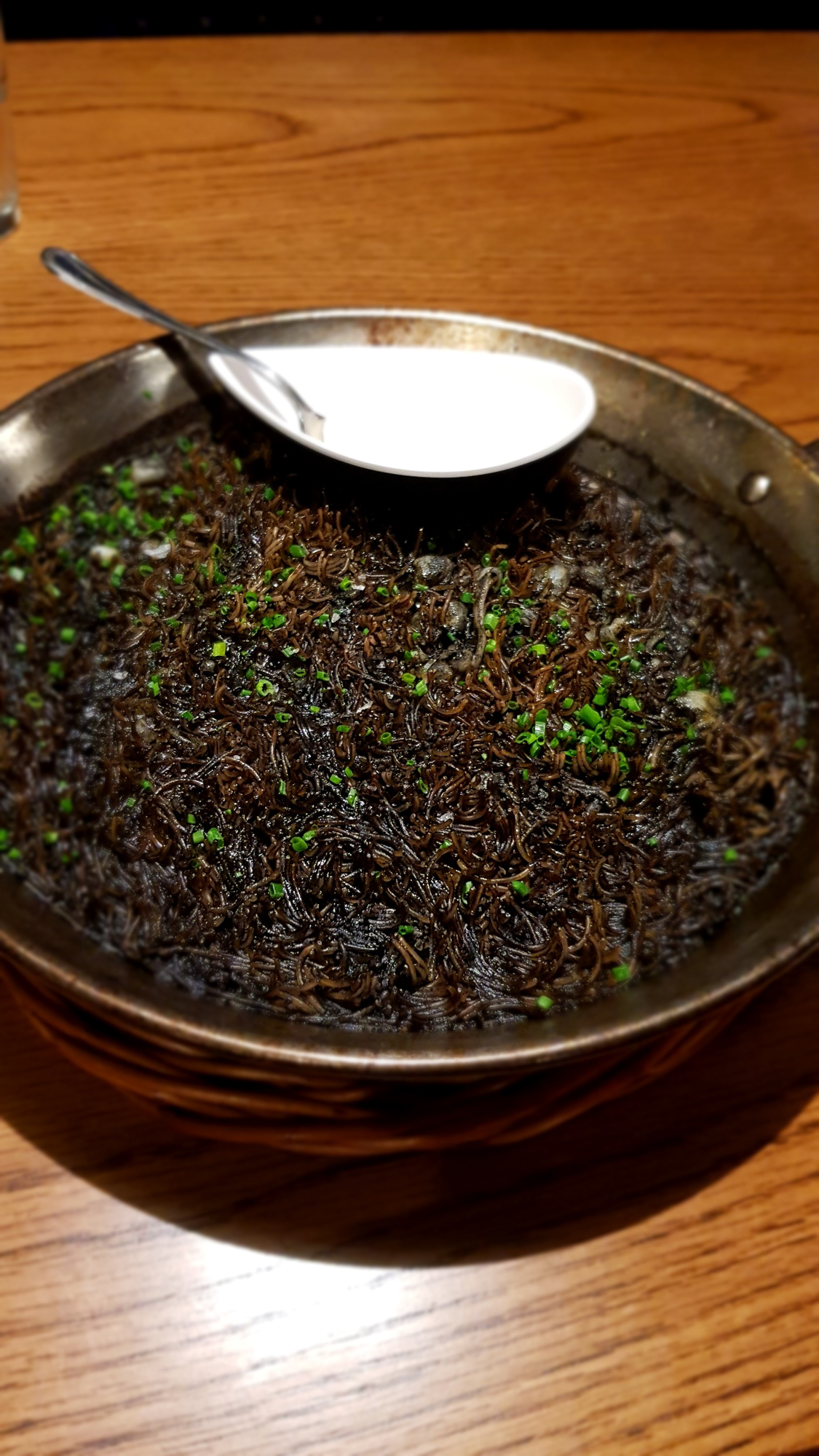
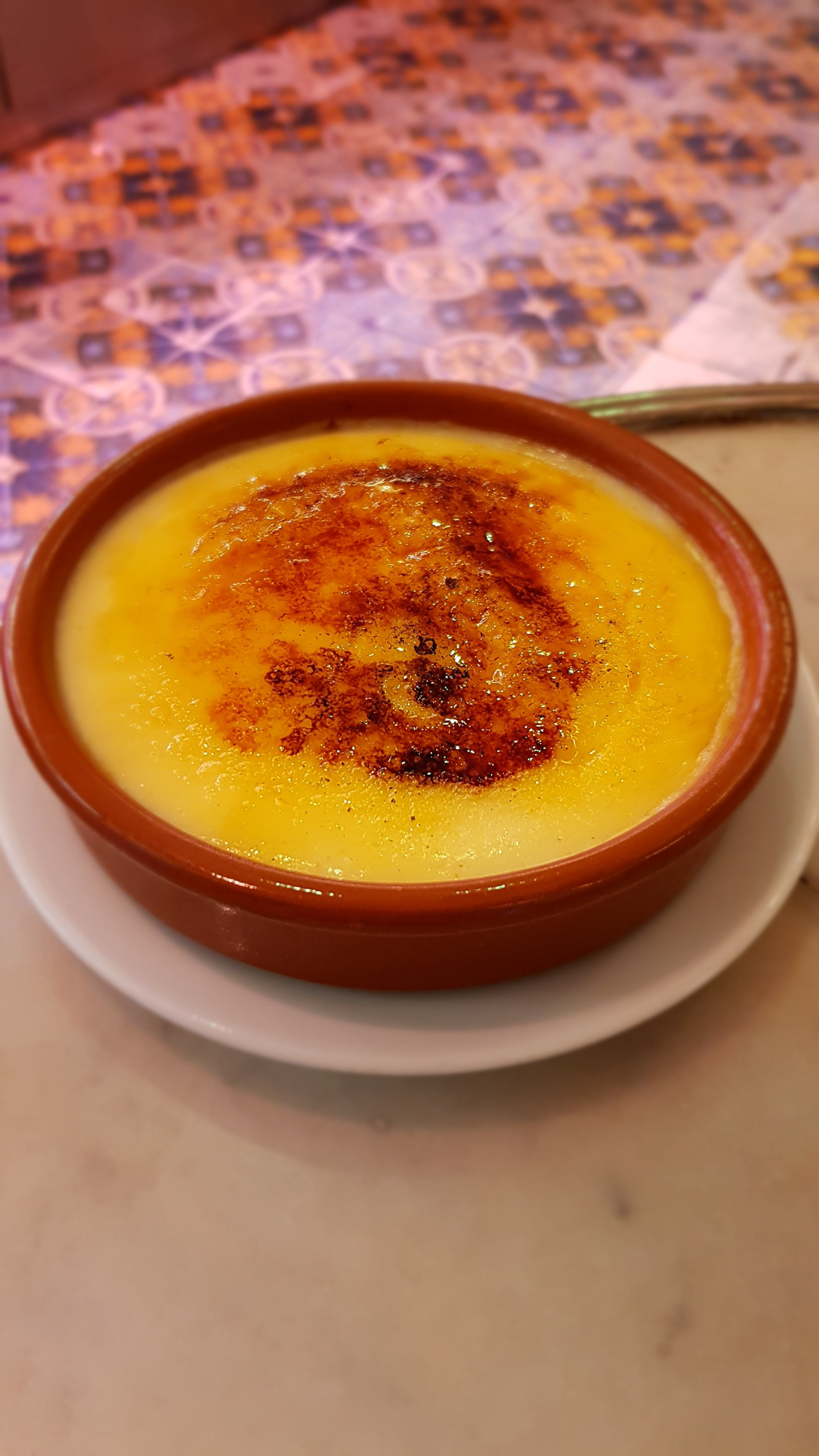
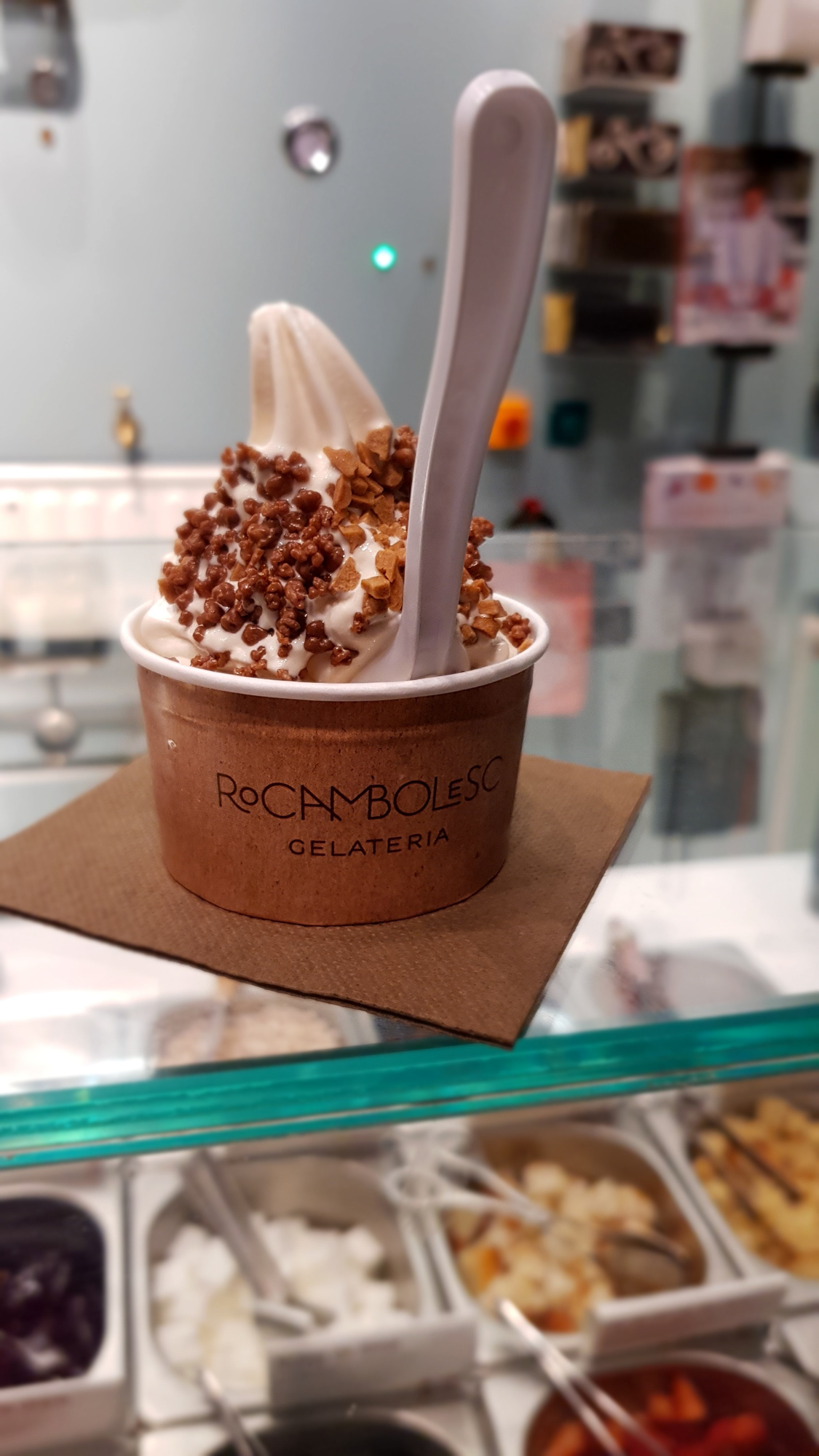
Wherever you travel, it's a must to try the local cuisine. Catalonia is famous for the following dishes: As an appetizer, they prefer bread with tomato (bread toasted and spread with tomato, garlic, olive oil and salt). Accompanying dishes are: potatoes brave (boiled and fried potatoes accompanied by spicy tomato sauce and/or aioli sauce, a mayonnaise with lots of garlic). Also, forget the well-known paella. You will only eat good paella in Valencia. In Barcelona they prefer Fideua… It is a similar recipe but with noodles. You will often see it served with cuttlefish ink and also called Arròs negre. Their main dessert is Catalan cream, an excellent version of crème brûlée.
– The best places for breakfast are considered to be Brunch & Cake and NomadThe city's new hangout, however, has become the Satan's Coffee CoVisit it and try the Japanese breakfast…you will remember me!
– You will try tapas at El Xampanyet, in Tuscany, in Bodega la Peninsular and in Tape.
– Don't miss the excellent pizza and at a very good price at Pizza Circus near the Palau Güell, while a particularly elegant bar-restaurant is the Surfing House Barcelona.
– Try sweet local specialties at Granja M Viader (near the beginning of the Rambla), which is one of the oldest cafes in Barcelona. Famous for its crema Catalana and chocolate churros.
– You will have a drink at Boadas (at the beginning of the Rambla), in Dry Martini and Focus in the Eixample district, in The Antiques in the Gothic Quarter and at Fabrica Moritz in the Raval area.
Closing
Barcelona is a wonderful city that you will truly love! It will win you over from the first moment and will make you think that if you had discovered it earlier, you could easily live there. If you are still not convinced, watch the video we made of our stay there: