After our tour of the dazzling Singapore, we decided to spend a few days in Kuala Lumpur as the two cities are very close to each other (just an hour by plane).
If we could describe the capital of Malaysia in one phrase, it would be: vibrant, bustling, full of fruitful contrasts! This young and emerging metropolis of Asia has managed to bring together ethnicities and cultures from different parts of the world, who live harmoniously and coexist through their diversity.
Hyperactive Kuala Lumpur has set out to prove that it can also be placed in the firmament of the famous metropolises of Asia and is doing everything possible to achieve it! Huge glass skyscrapers are being erected everywhere, shopping malls (it has some of the largest in the world), theme parks, ornate administrative buildings, national parks, but also corners full of memories from its recent history, make it a particularly attractive destination.
Although Kuala Lumpur's history dates back to the 19th century, it has managed to develop into a multicultural and modern city, with several attractions and many options for tourism and entertainment. The government, commercial and cultural center of Malaysia undoubtedly has a rich culture, with elements of Malay, Chinese, Arab and Indian traditions.
So, even though we didn't know exactly what to expect during our visit there, this city of almost 2 million inhabitants was a pleasant surprise and left us with very good impressions! In this colorful mosaic of cultures, languages, and religions, it is worth dedicating a few days to getting to know a corner of Asia that undoubtedly has something... futuristically special!
Under no circumstances should you expect to encounter anything similar to Singapore, as the further you move away from the pure center of Kuala Lumpur, the contrasts become increasingly intense and you now understand that you are in a purely Asian country, with all that this entails.
How to get around
Kuala Lumpur is quite spread out and has a large network of metros, trains and buses, but we never used any of them! Taxis are so cheap, but only through the app Grab, which if you are not traveling solo, is a good idea to use. However, avoid taking a taxi during peak hours of 8-9 a.m. and 6-7 p.m. because traffic is particularly heavy.
What to see
Golden Triangle
The so-called "Golden Triangle" is the commercial and business center of Kuala Lumpur. It is considered the top destination for shopping and entertainment in the city. Here are located:
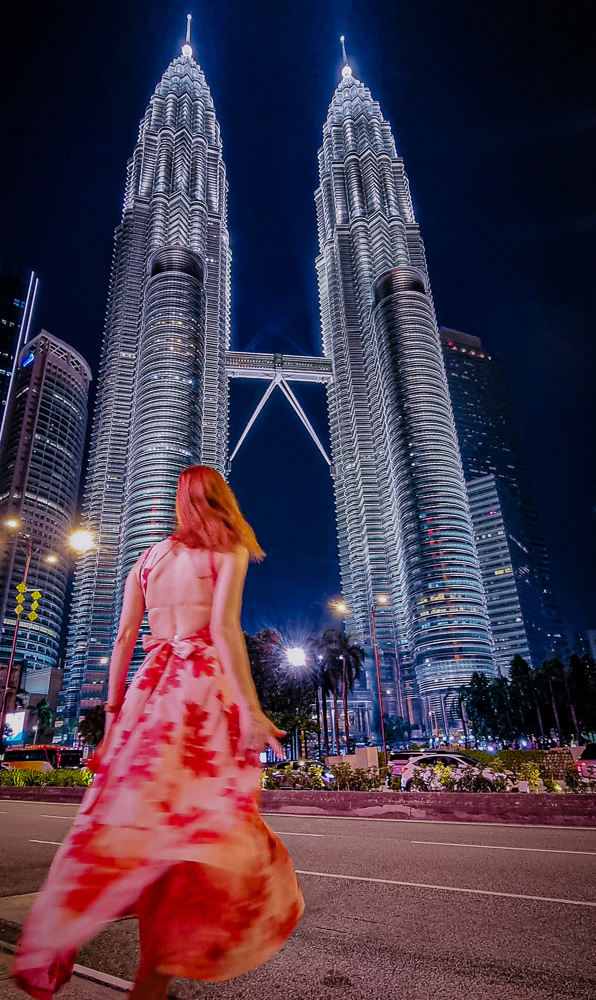
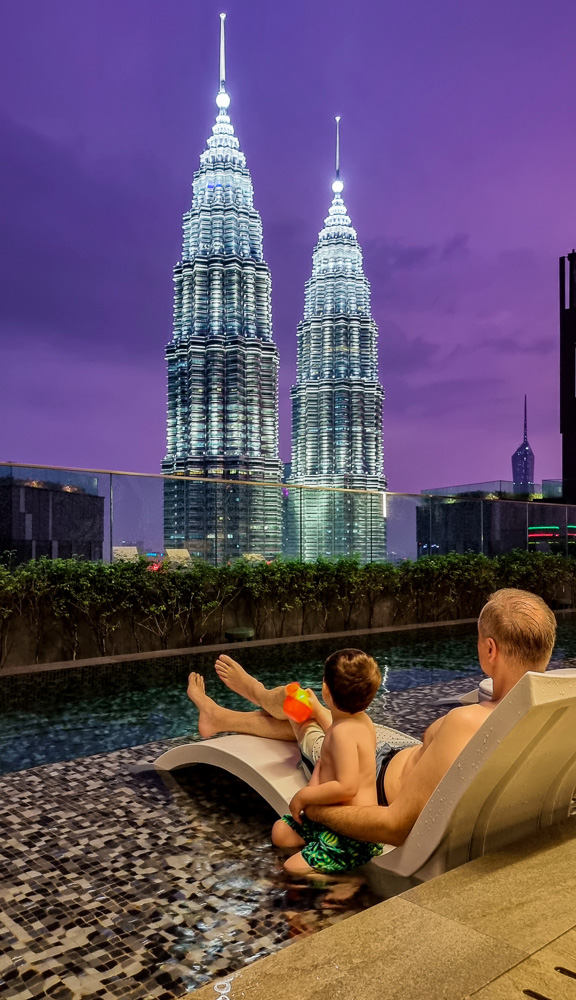
Petronas Towers
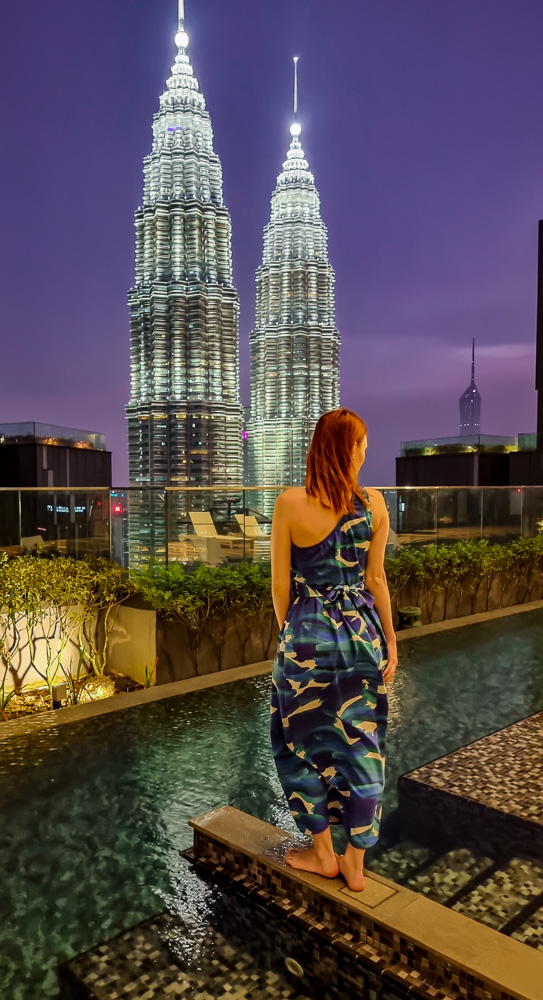
The landmark of Malaysia, the Petronas Twin Towers dominate the landscape of Kuala Lumpur's Golden Triangle. The buildings were the tallest structures in the world at 452 meters when they were built in 1998 and held the title until 2004. They are a marvel of engineering and incorporate elements of Muslim architecture into their design. The Petronas Towers still remain the tallest twin towers in the world and are accessible to visitors, although only to a limited number tickets is published every day.

Suria KLCC
At the base of the Petronas Towers is the Suria KLCC shopping mall, inside which you can visit: Petrosains (a scientific exhibition center dedicated to the history of hydrocarbons) and the aquarium Aquaria (which is home to over 5,000 aquatic and marine species, including various types of sharks, jellyfish and exotic fish and features an impressive 90 m long underwater tunnel in which visitors can walk through).
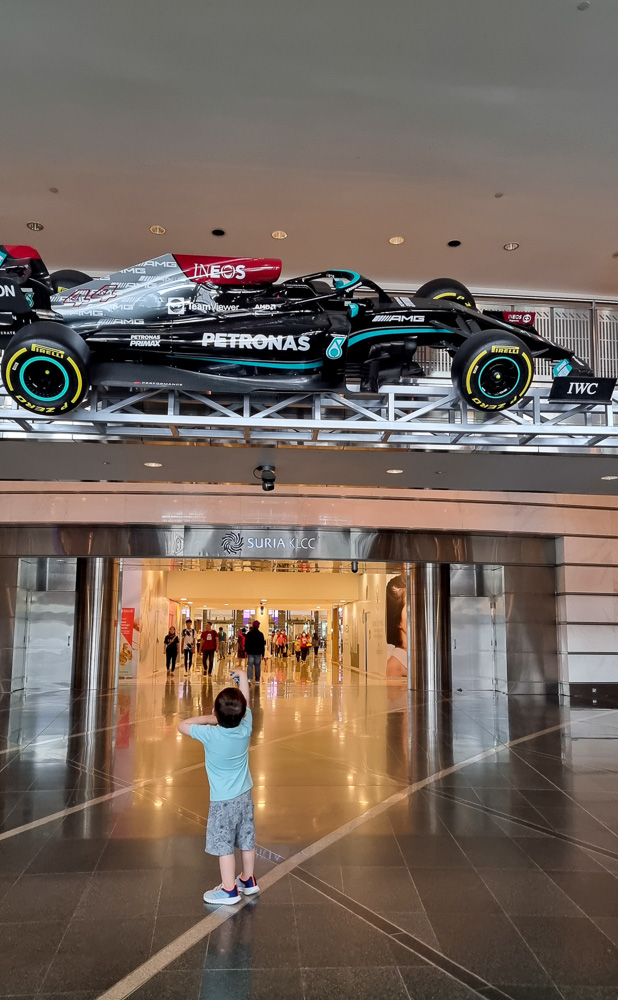
KLCC park
KLCC Park is a 50-hectare park located next to Suria KLCC and the Petronas Twin Towers. It was designed to add greenery to the area around the Petronas Twin Towers. It features the artificial lake "Lake Symphony", a huge playground, a public children's pool, and jogging, walking and skateboarding paths.

Lake Symphony Water Show
Inside KLCC Park, there is the artificial Lake Symphony, measuring 3,000 square meters. Two musical fountains form a very beautiful show, which is worth seeing in the evening, where every day and every half hour from 7:30 PM onwards, a beautiful combination of light and colors attracts the attention of passersby.

In center of the city are:
Independence Square
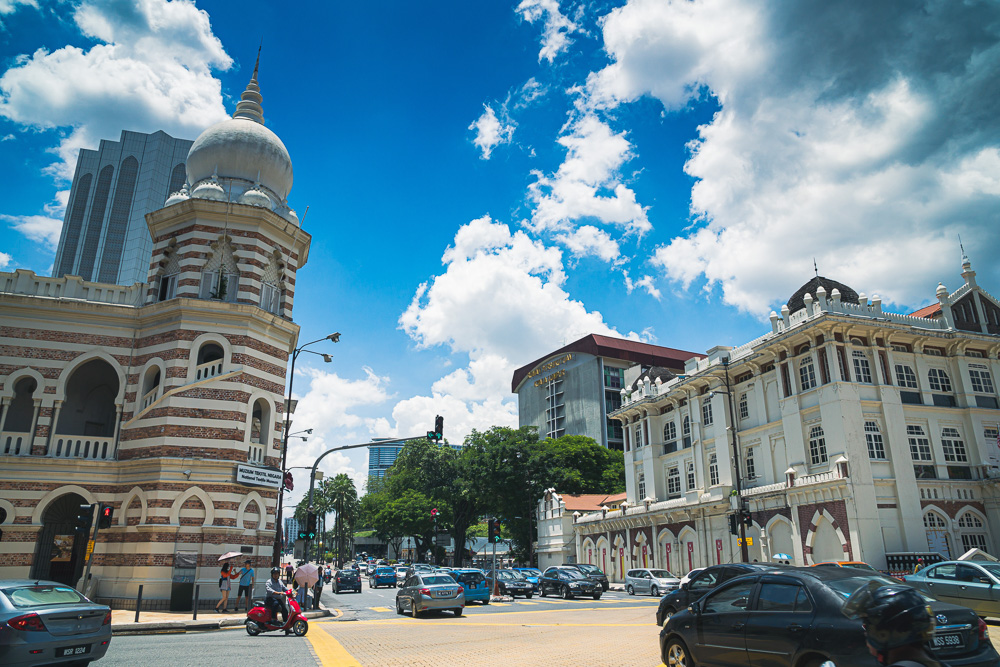
Not far from all of the above is Merdeka Square, or Independence Square. This is where the Malaysian flag was first raised in 1957, declaring independence from the British. In the center of it, there used to be a stadium for the local cricket team.
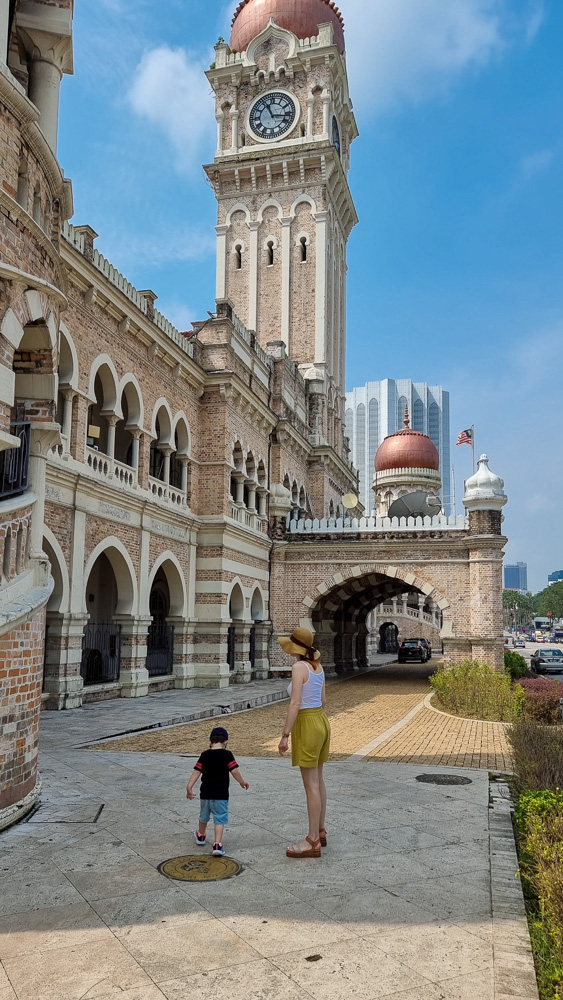
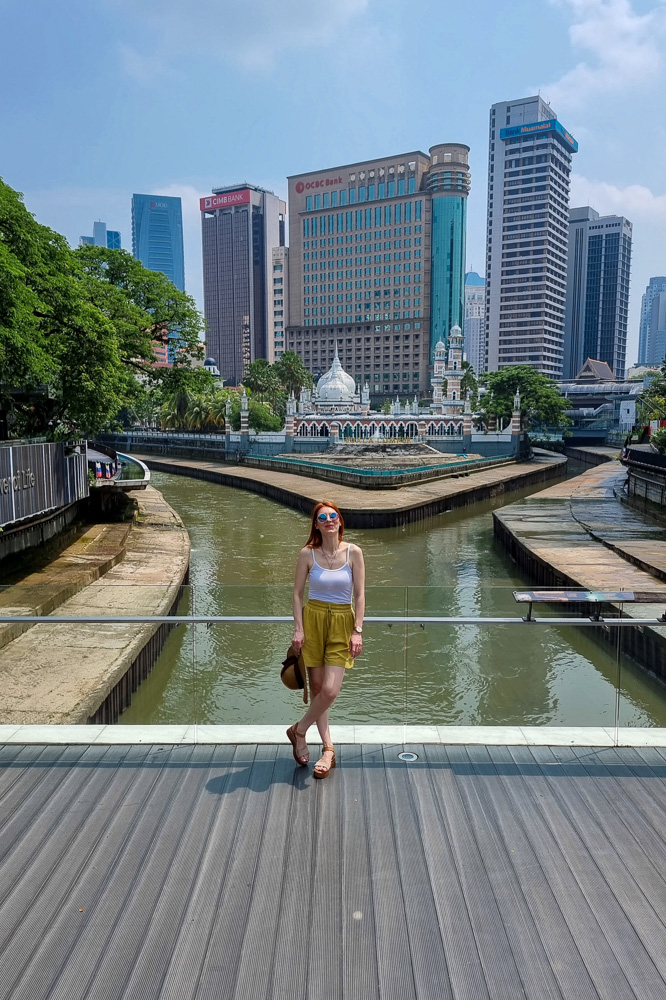
Around it are a number of interesting buildings from the colonial era such as: the Royal Selangor Club (a club of the upper British class), the church of the Virgin Mary, the Jamek Mosque (another Moorish-style mosque), the National Gallery, the National Textile Museum (like a folklore museum), the building of Sultan Abdul Samad (it has been a government building since 1897 and the same sound can be heard from its bell tower as from Big Ben).
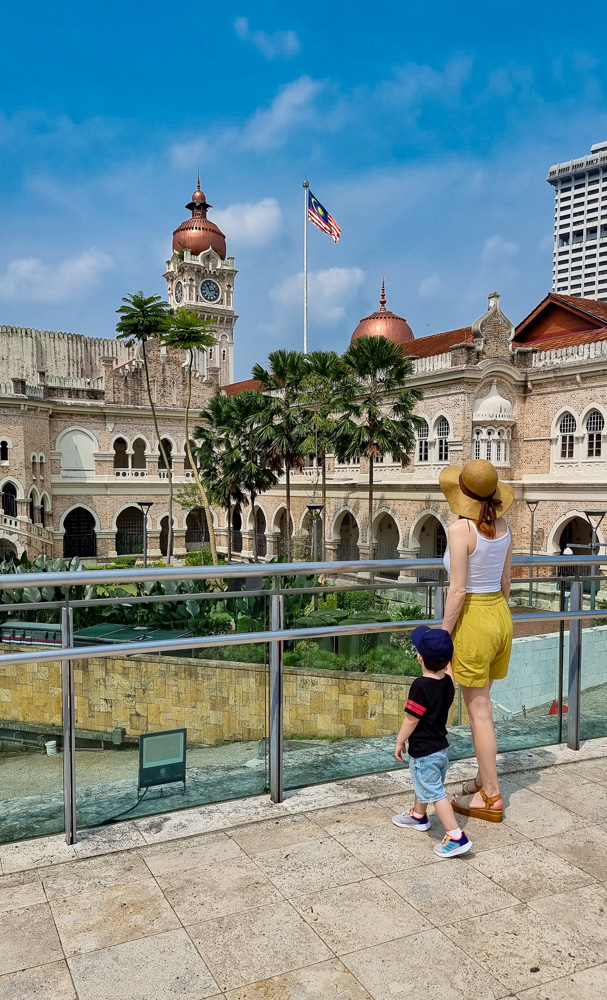
Central Market, Kastuni walk
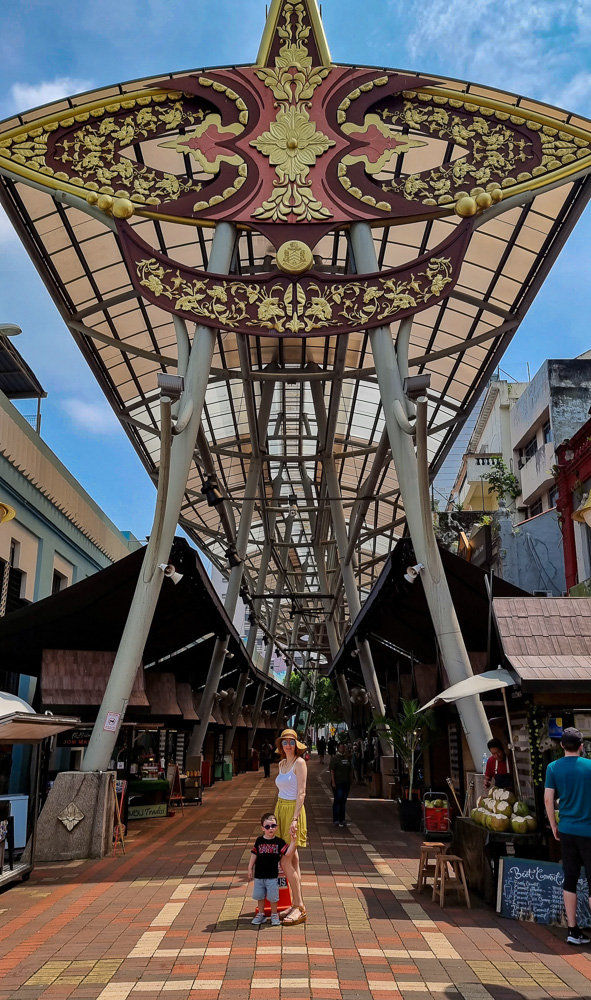
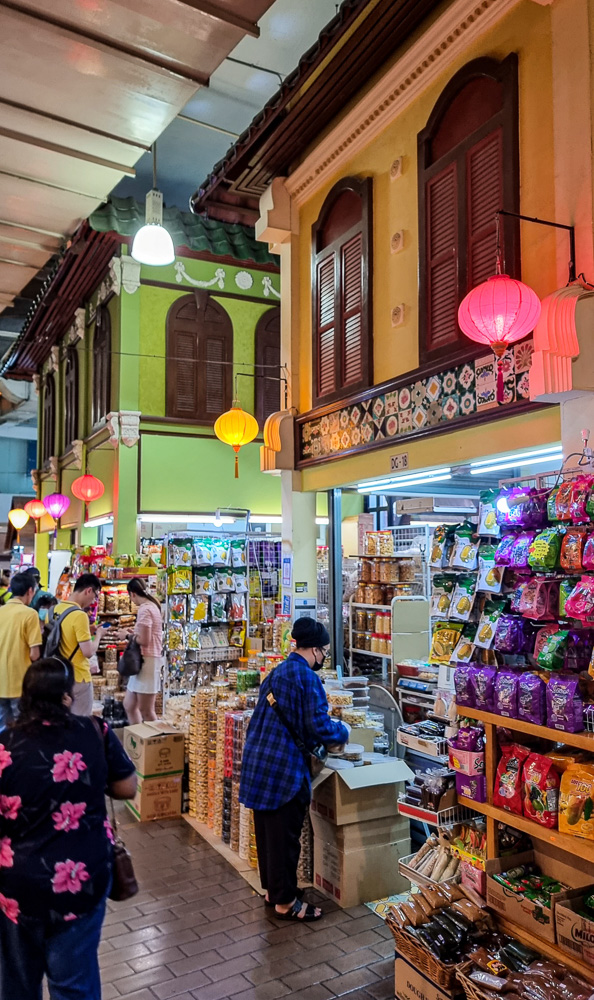
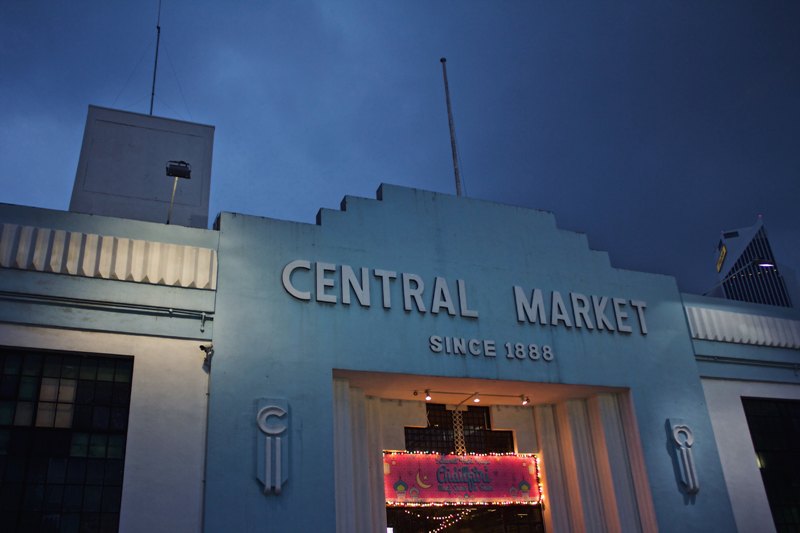
You can't be in the center of Kuala Lumpur and miss the Central Market, an Art Deco building that has been operating as a commercial space for 135 years and has been recognized by the Malaysian government as a Cultural Heritage Site of the country. Next to it is the Kastuni walk a covered market with street food, souvenirs and textiles.
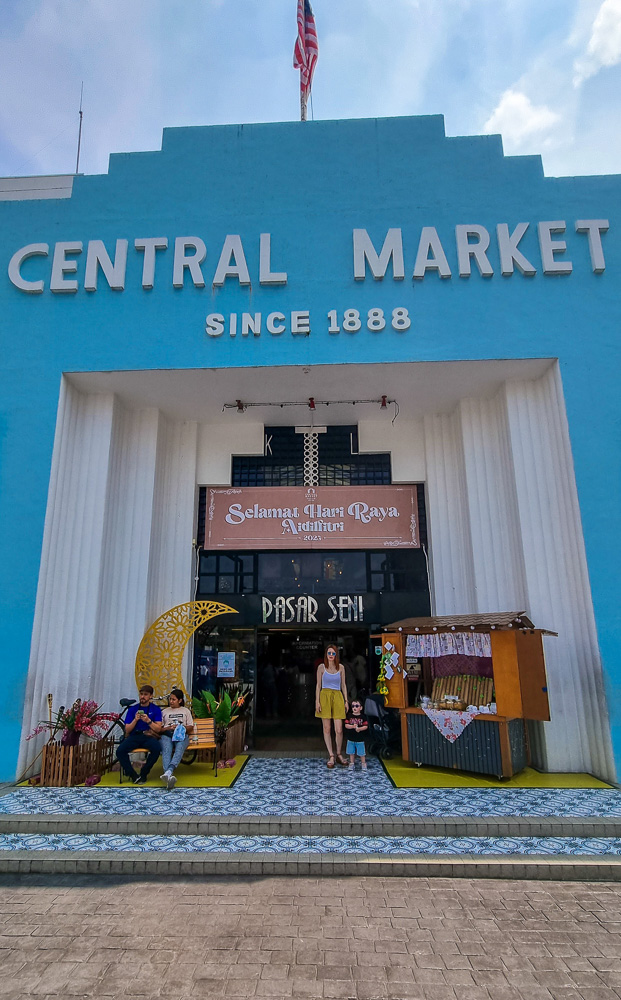
Chinatown
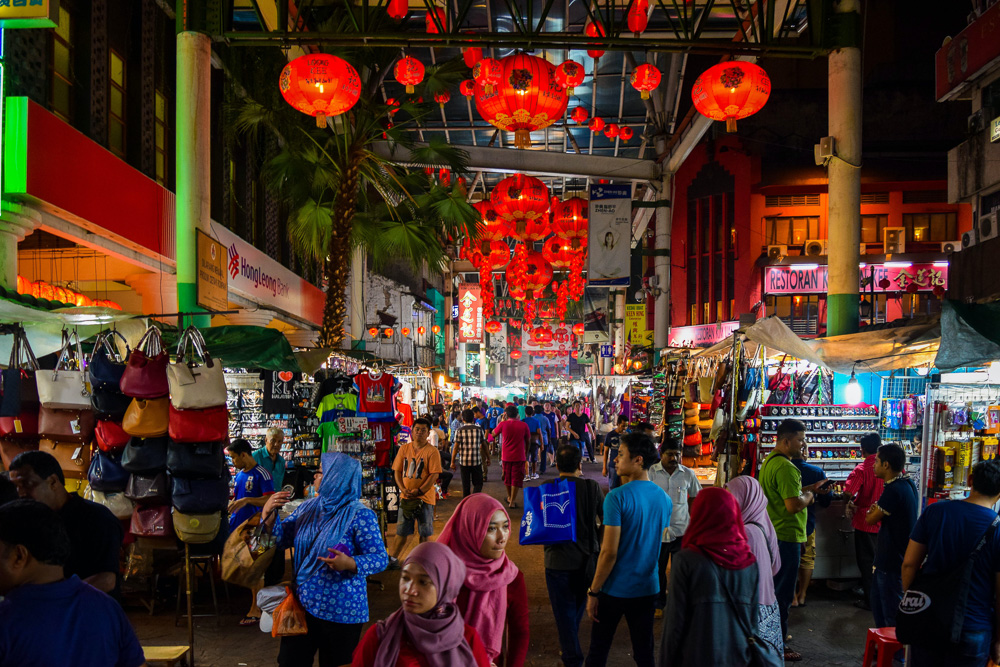
The entire area is crossed by the Gombak River, also known as "the river of life", and from 8 pm onwards its banks are filled with colorful lights and music. The bridges of the river lead to the bustling Chinatown.
And here, as in Singapore, religions coexist peacefully. Within a short distance from each other you will see Taoist (Guan Di) temples, Hindu (Sri Mahamariamman) temples, and even Evangelicals listening to gospel! Kuala Lumpur's Chinatown, of course, bears no resemblance to the picturesque equivalent area we encountered in Singapore, except for the cutesy... Kwai Chai Hong!
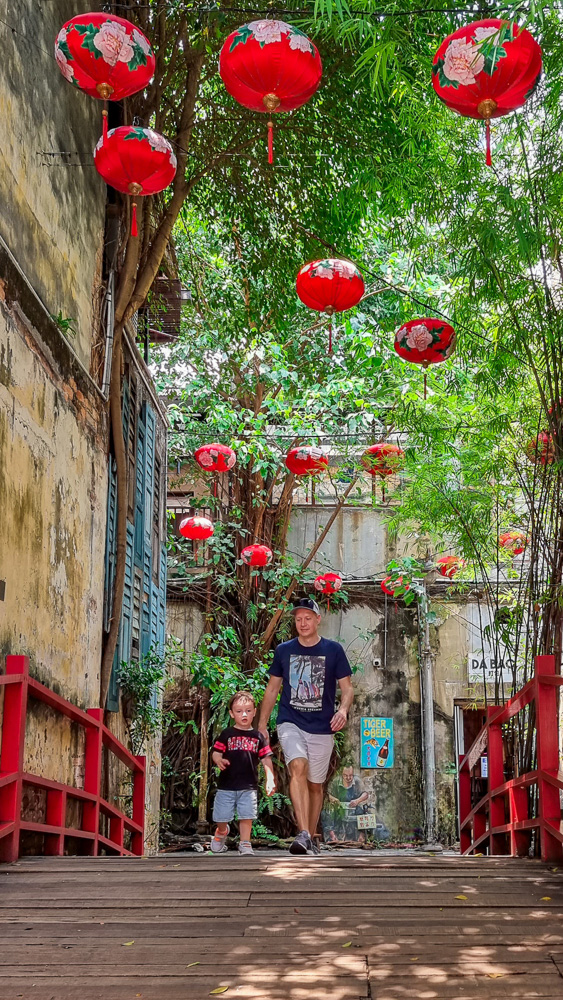
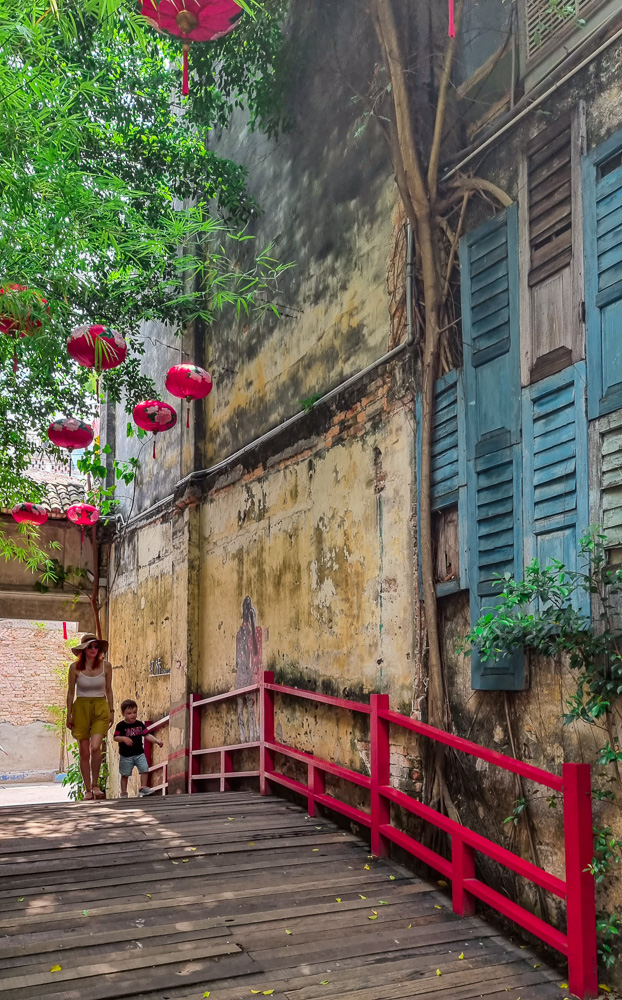
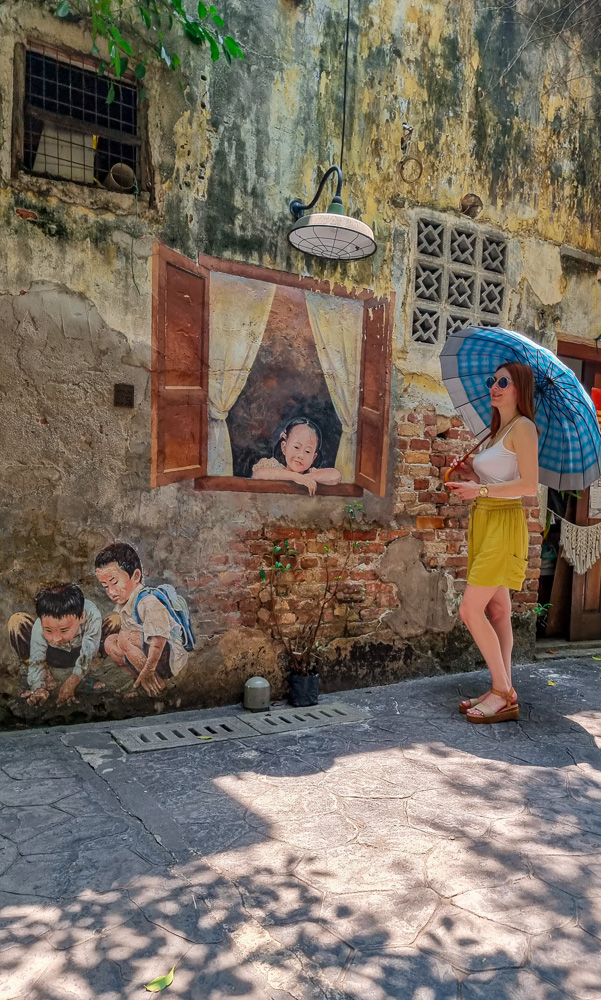
Kwai Chai Hong
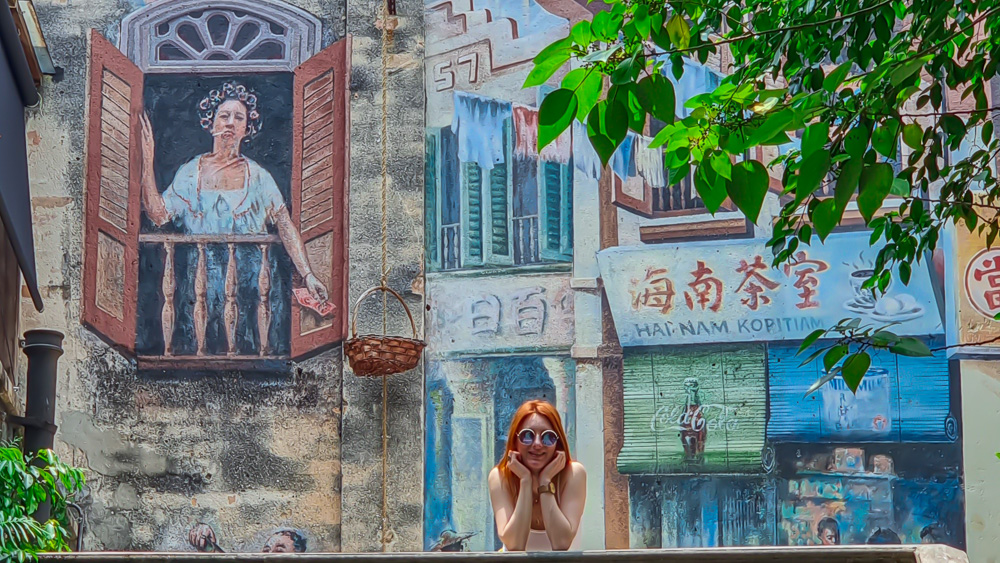
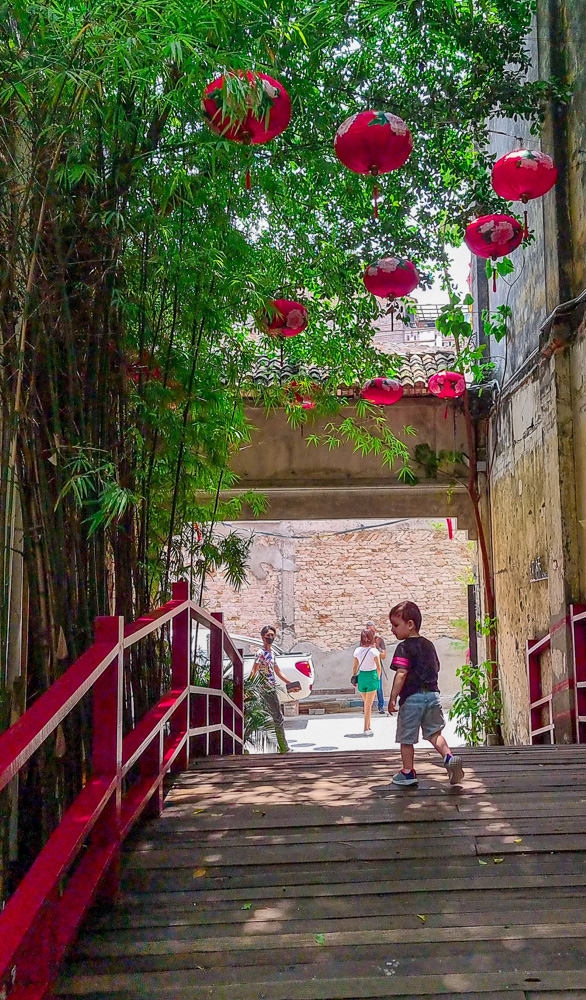
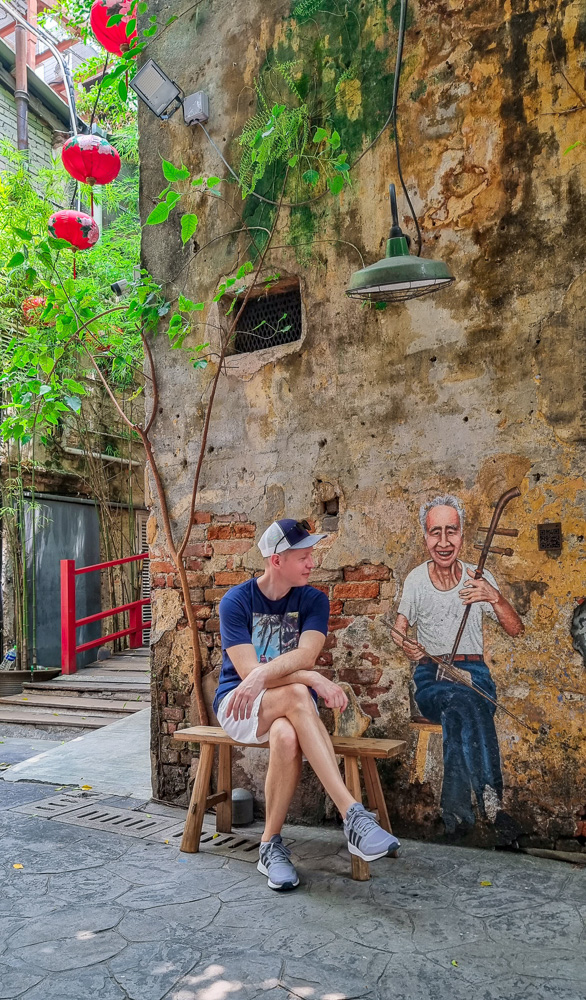
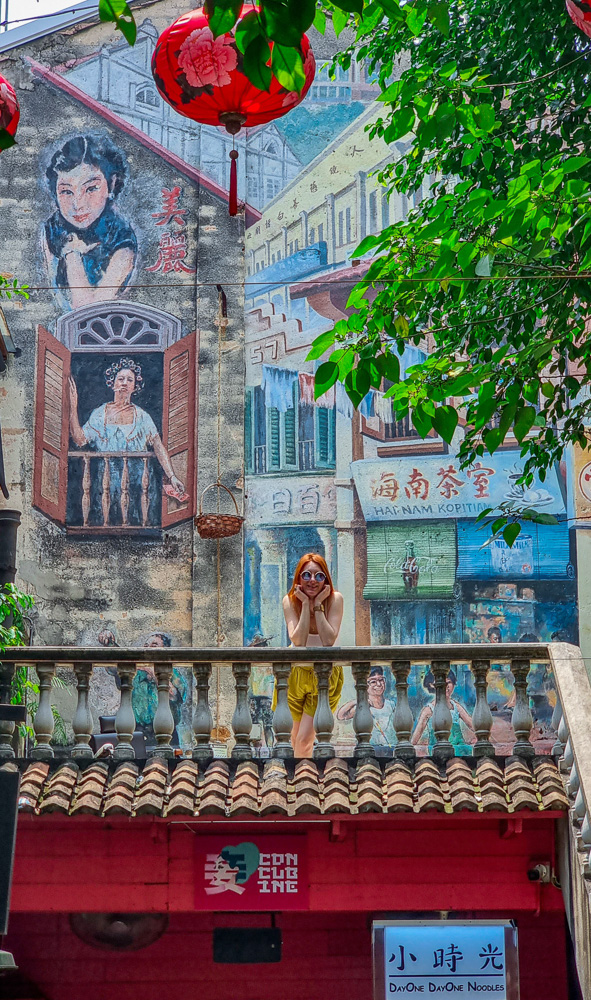
Kwai Chai Hong is a small alley that has become the most Instagrammable spot in Chinatown! The idea of a local company was to bring back the memory of the 60s, considered the golden age of Chinatown, to the present day. A series of murals, lanterns, bars and restaurants transport you mentally to the past, while QR codes are everywhere to tell stories lost in time. A real hidden gem! Tip: It's worth trying the amazing bao ban at Da Bao.
Independence 118
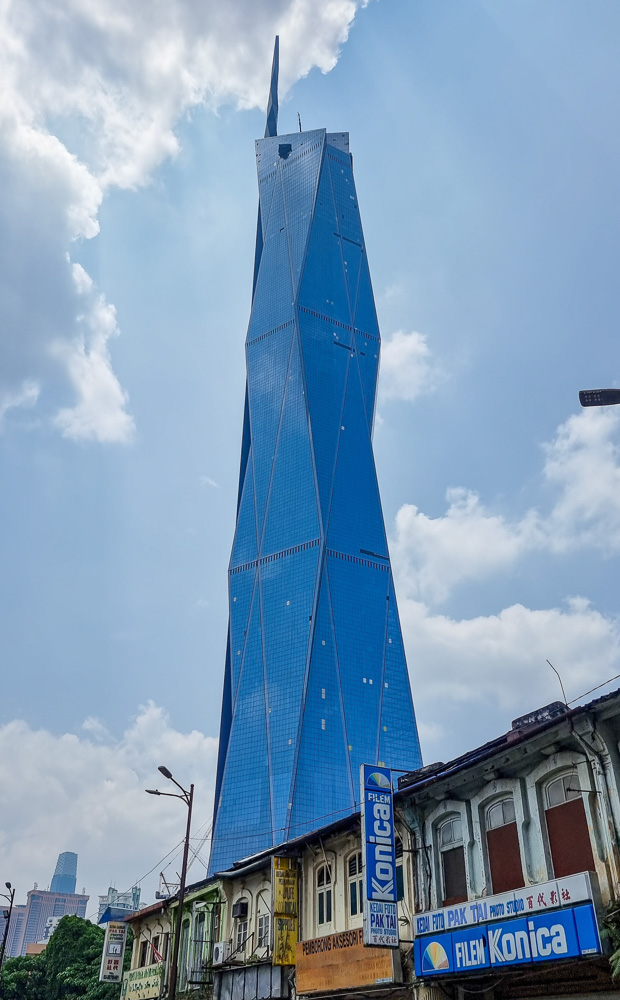
It is now the 2ndthe tallest building in the world after the Burk Khalifa in DubaiIt is 678 meters high and will officially open to the public in the summer, where it will house a hotel, shopping mall, offices, restaurants, gyms, bars, etc. The building is designed with a mix of diamond-shaped glass facades to signify the diversity of Malaysians.
Jalan Alor – Changkat Avenue
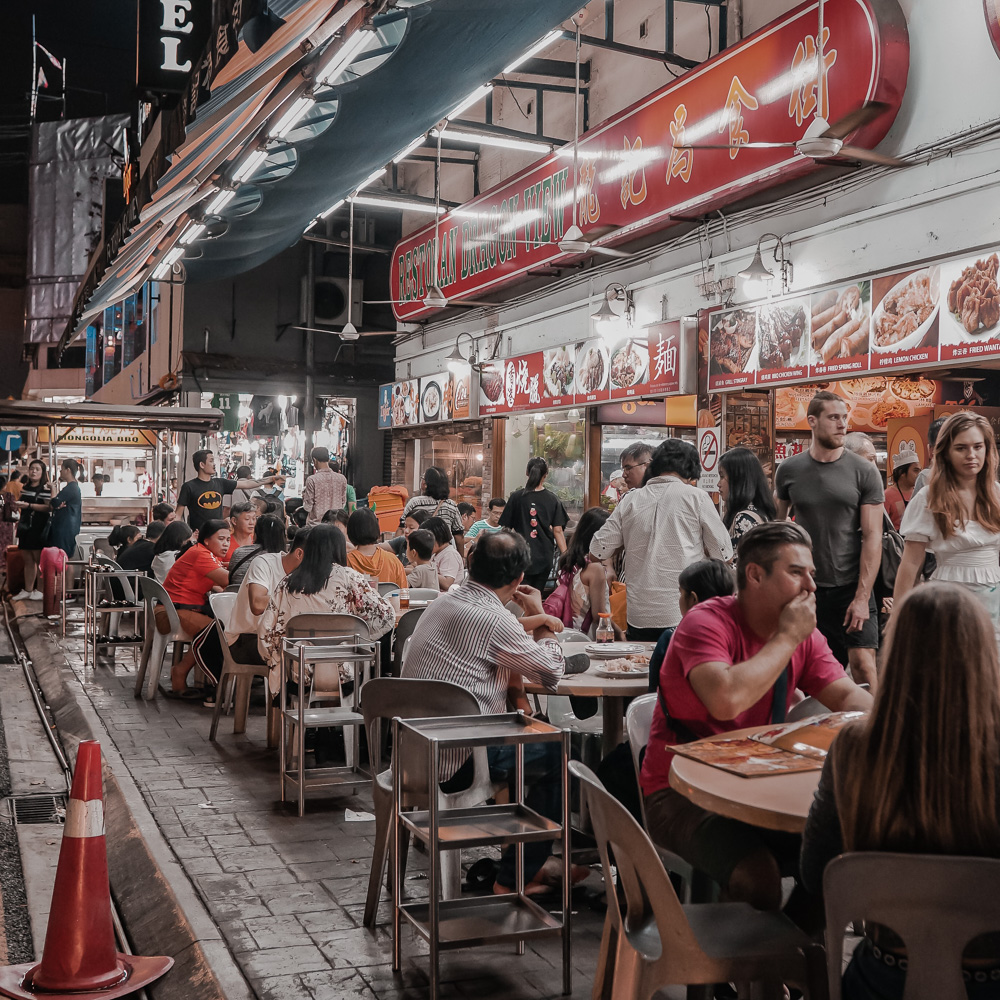
Jalan Alor is an area that if you find yourself there in the morning, you won't be impressed. However, from the afternoon onwards, a bustling river of people pours into the neighborhood's street food stalls, trying the local cuisine. On the other hand, Changkat Avenue is the neighborhood with the most bars, restaurants and nightclubs, as well as the city's hipster hangout.
Sixth of the city center you will visit:
Thean Hou Temple
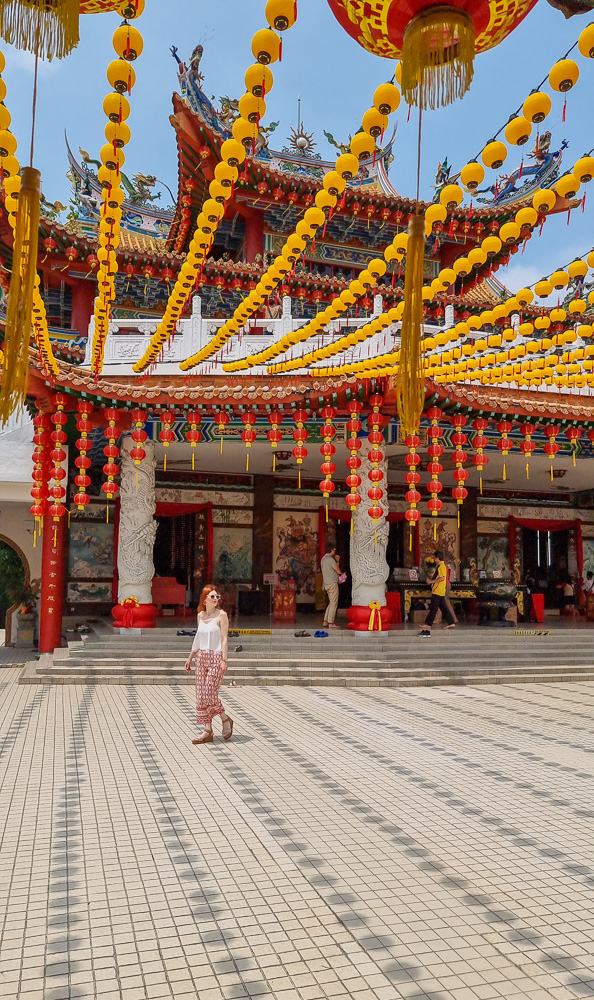
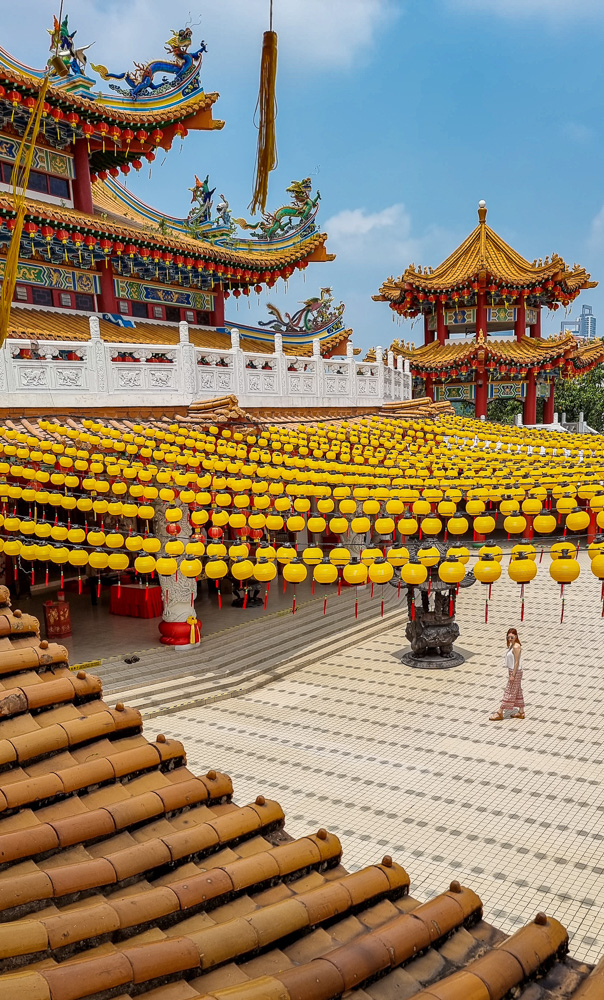
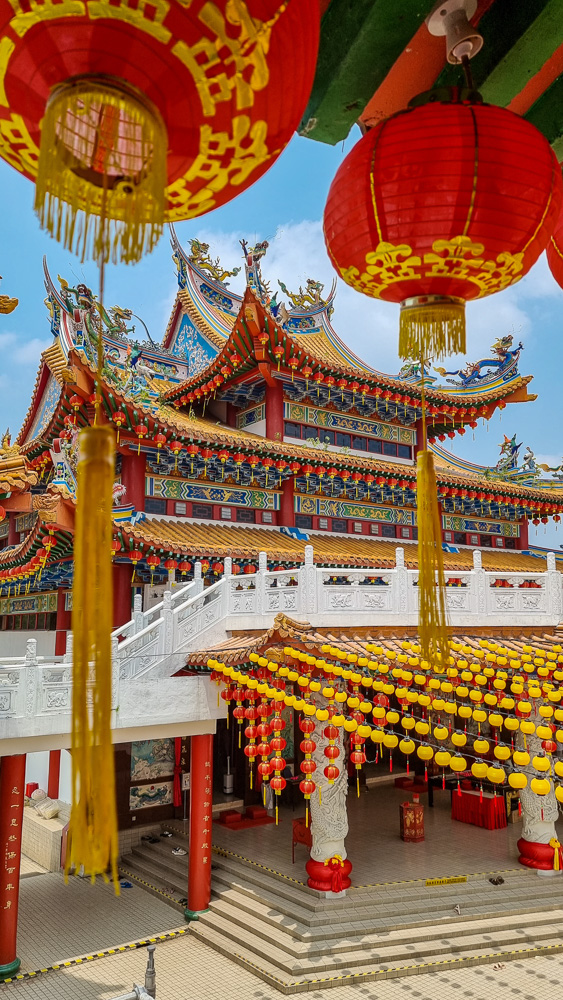
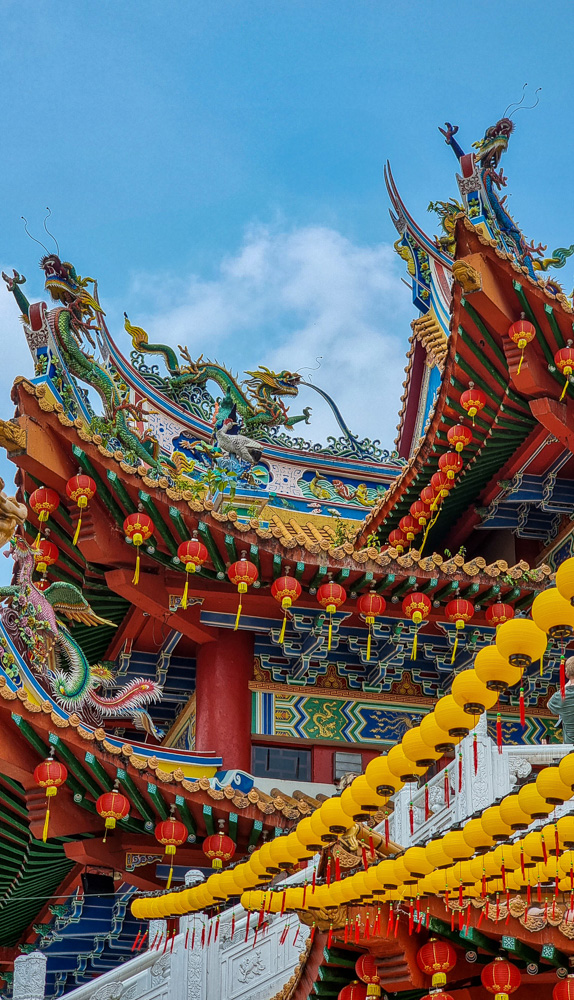
The colorful Thean Hou Buddhist Temple is beautifully located on a hilltop with stunning views of the city of Kuala Lumpur. It was built to honor the goddess Thean Hou, also known as the Goddess of Heaven. Although it is a newly built temple, its impressive architecture combines traditional architectural elements of Buddhism, Confucianism, and Taoism.
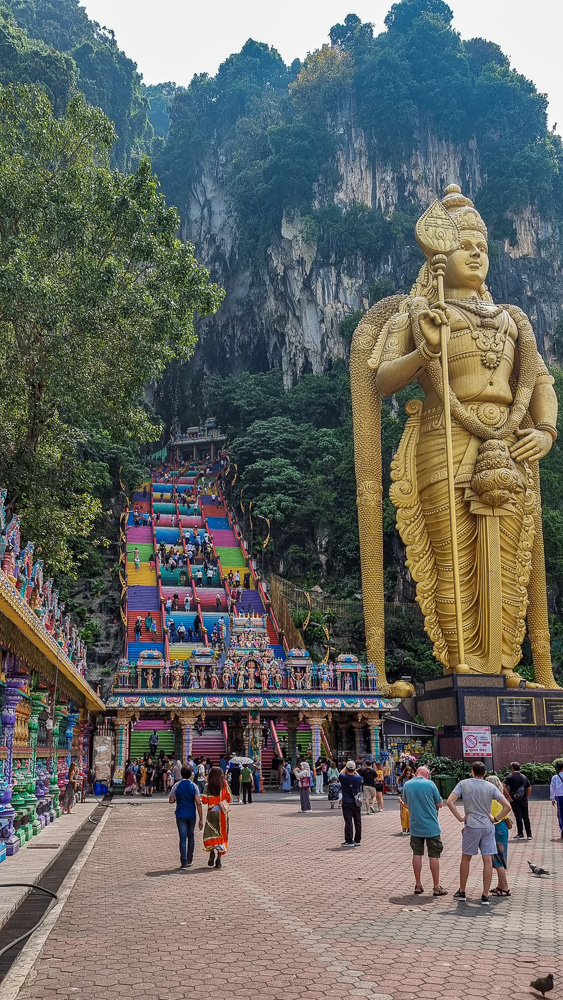
Batu Caves
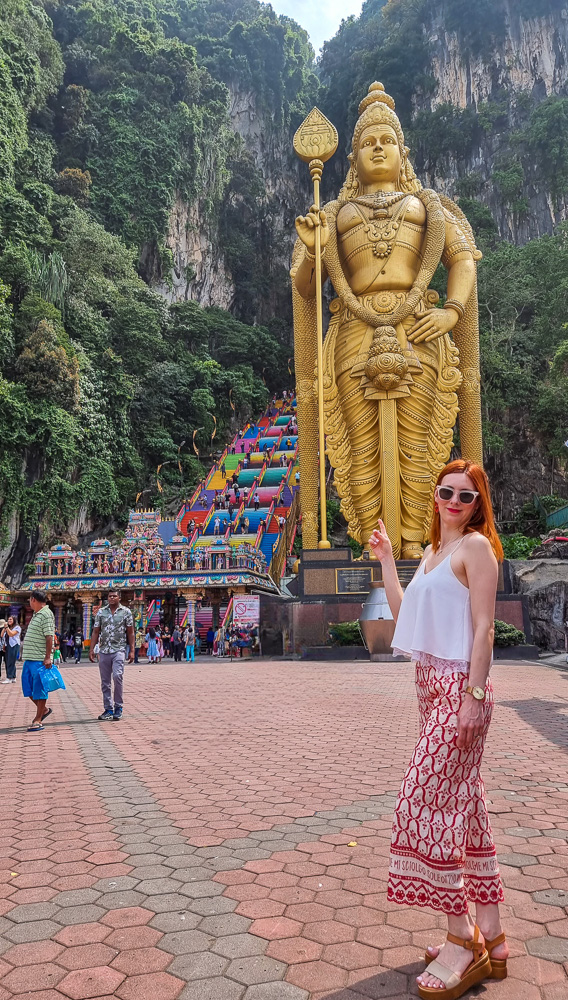
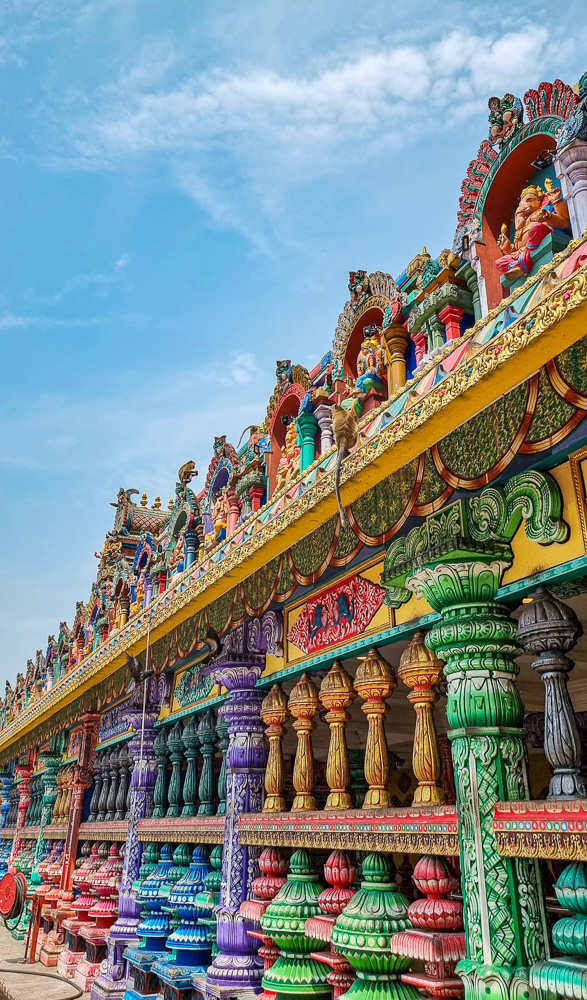
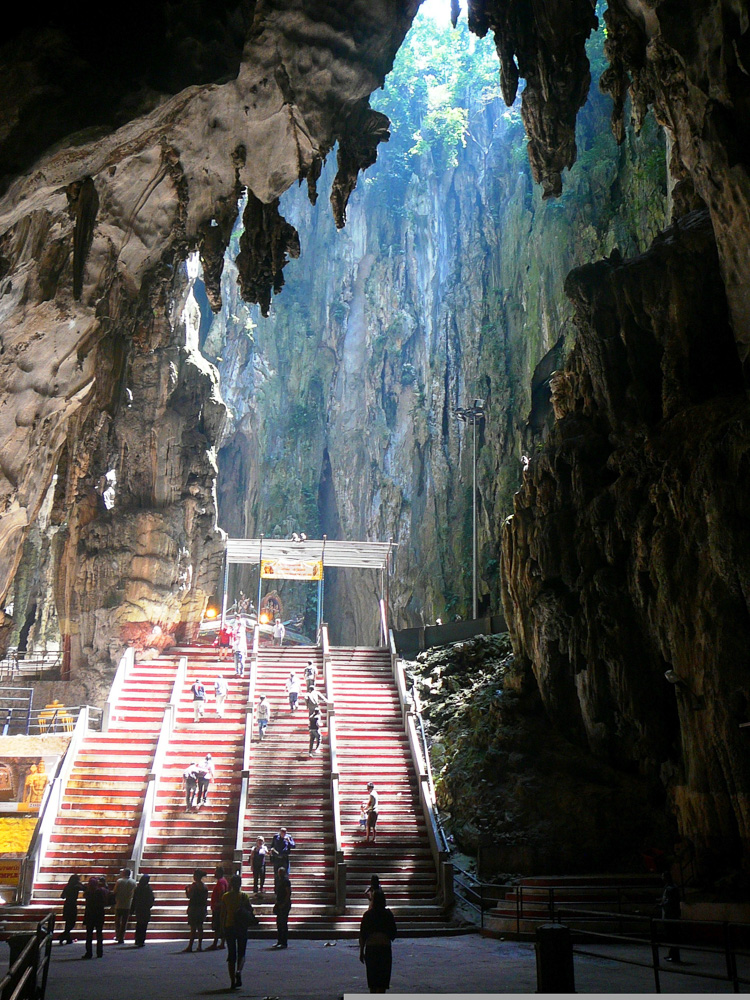
It is one of the most popular Hindu shrines outside India and is dedicated to the deity Murugan. The impressive 42-meter-high statue of Murugan stands at the entrance to the site. The limestone rock surrounding the Batu Caves is said to be about 400 million years old. Some of the cave entrances were used as shelters by the indigenous Temuan people.
To reach the caves, you will need to climb the 272 steps required, while at the same time various monkeys with less than friendly dispositions lurk to grab anything they consider interesting, from food to mobile phones!
Where to stay?
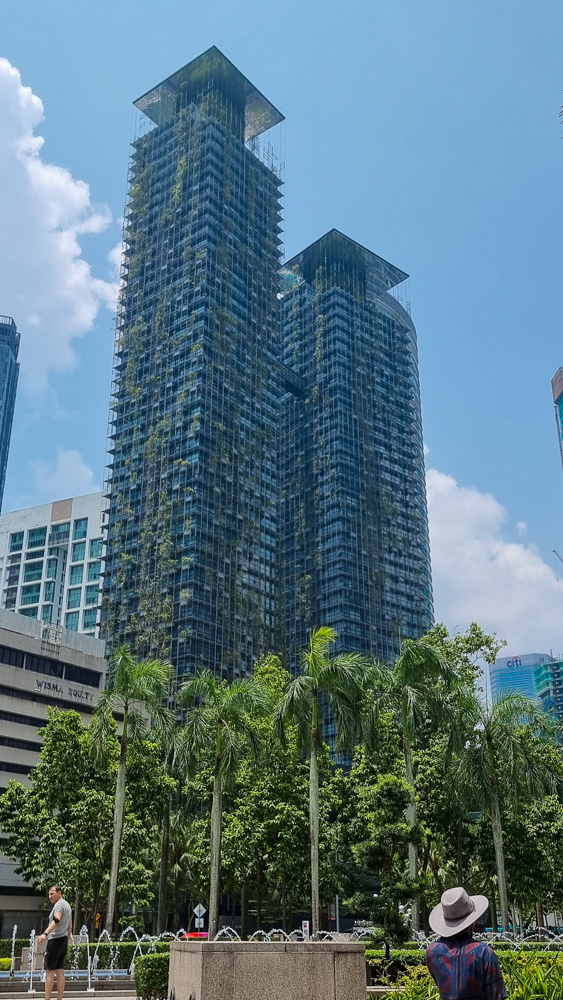
Malaysia is an affordable destination and you will realize this from the moment you start looking for accommodation. There are five-star hotels with prices starting from 70 euros per night while you will also find excellent Airbnbs in skyscrapers with a view. However, if you want to stay in a beautiful and affordable apartment in the center and enjoy diving with these images, then you just have to enter this link!
What to try
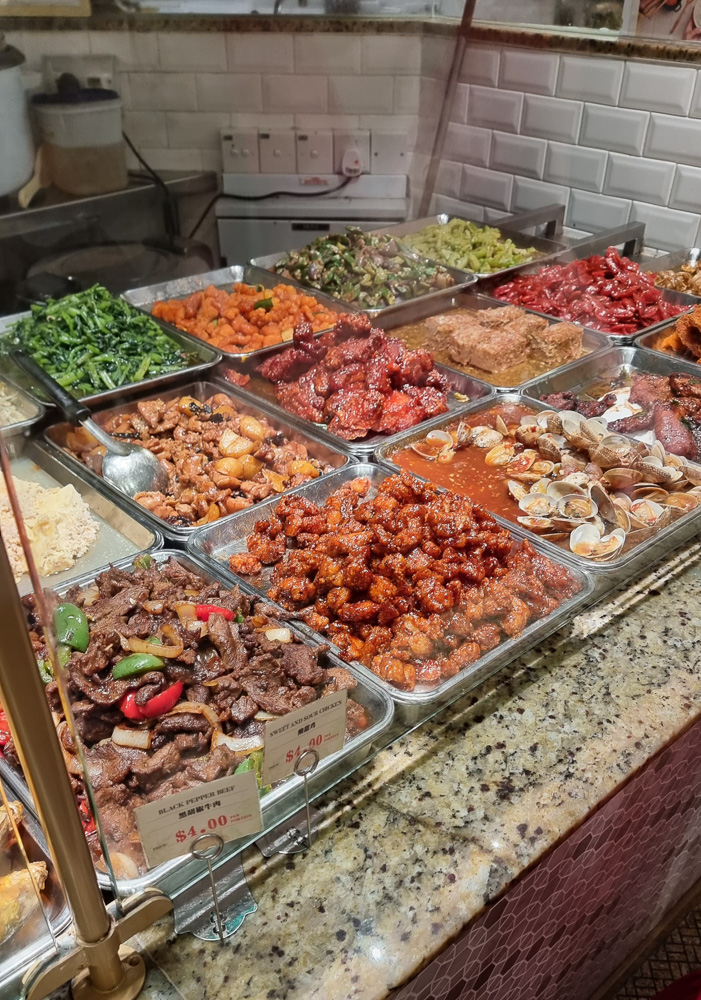
Η μαλαισιανή κουζίνα θεωρείται από τις πιο νόστιμες της Ασίας και είναι ένας συνδυασμός των γαστρονομικών παραδόσεων της Κίνας, της Ταϊλάνδης, της Ινδίας και της Ινδονησίας. Την κουζίνα της Μαλαισίας θα τη συναντήσεις ως επί το πλείστον και στη Singapore. The main feature is the rice which is particularly aromatic, while you will find many of their dishes to be quite spicy. However, you can ask for it to have a milder taste. Many of their dishes are served in broth (soup) and we were not thrilled. Street food is safe, but because the tap water is not drinkable, a little attention needs to be paid to salads and ice cubes. The dishes we tried and recommend are the following:
Nasi lemak – Considered the national dish of Malaysia, it consists of aromatic rice cooked in coconut milk and pandan leaves. It is accompanied by anchovies and chili sauce. Satay –Our souvlaki in a more marinated form in a mixture of spices and lemongrass. It is usually served with a spicy peanut sauce. Mixed Rice (Cai Fan) – Cai means vegetable, fan means rice. Cai fan literally means rice with vegetables. Rojak –Rojak refers to an Indonesian fruit and vegetable salad. Its ingredients vary from region to region. Char Kway Teow – Rice noodles, fried with egg, a sauce made from dark soy sauce, shrimp paste, a little chili and often some Chinese sausage. Carrot Cake (Chai Tow Kway) – Savory snack with radish fried in pork lard and eggs. Wanton Mee – Yellow egg noodles, pasta, some small boiled vegetables and often a few slices of pork.
Breakfast – Sweets
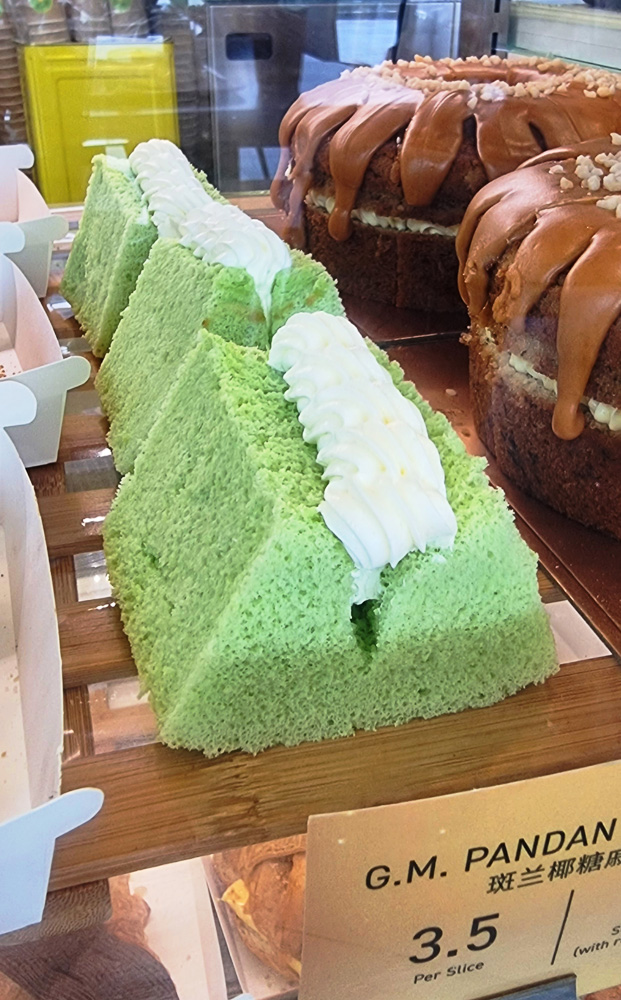
Kaya toast – It is a sweet and aromatic coconut jam, spread on thin slices of warm toast with plenty of butter. It is as divine as it sounds, especially when you drink it with a cup of thick black coffee. It is usually served with 2 boiled eggs. Come back –Crepe with sugar, peanuts and an occasional sprinkle of corn. Lapis Cake – It's an Indonesian cake, made from soft steamed rice flour, coconut milk, sugar, and coloring. In Indonesian, lapis means layers, so you'll find it in a variety of colors. Fried Banana – Banana pancakes that can be accompanied by powdered sugar, cinnamon, cheese, jam, condensed milk or ice cream. Pandan chiffon (their national cake) – Pandan leaf cake with coconut milk and vanilla.
Closing
So if you're wondering if your trip to Asia is worth a stopover in the capital of Malaysia, we'll tell you a clear yes! In this colorful mix of ethnicities, cultures, history and tradition, you'll find a city that is developing rapidly and exudes a sense of security and relaxed living... Who knows? Maybe our paths will cross again in the future!