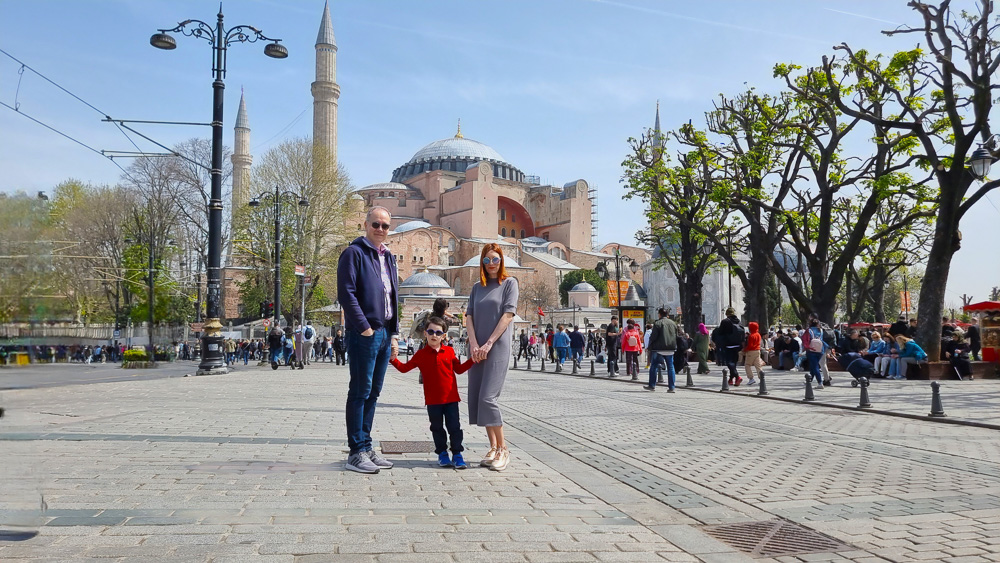
From our earliest school years, we heard about a city legendary to the point of myth, Constantinople. It was not just the capital of an empire. It was a symbol, which came to life through the pages of history. Hagia Sophia, the Theodosian Walls, the Hippodrome, the Grand Palace, etc. testify to this day to the glory and fall of an empire, which we have never stopped carrying in our memory and hearts. Constantine the Great, Justinian, the Komnenoi, the Palaiologoi, the Porphyrogenitus, the gold-adorned temples and walls, which withstood sieges and centuries… All this created within us an unquenchable desire to see it up close.
 So, as we grew up, this childhood flame transformed into a desire to make this journey. A desire not only of tourism, but of pilgrimage – a journey to our roots, to the heritage that raised us. For those of us who grew up hearing stories about the Reigning City, visiting the City is not just another stop on our travel calendar. It is a return – not necessarily in our place, but in a part of our identity that has never ceased to live within us.

Istanbul is undoubtedly an experience that invites you to get lost in its centuries. To walk the cobblestone streets of the Old City and its monuments and feel that you are stepping on the same ground where emperors, generals and saints walked. It is a city that does not let you be a simple observer, it involves you, moves you, invites you to get to know it, as you would a legend that takes shape in front of you.

In this article, we have prepared, as always, a guide to what is worth seeing and doing when you visit, useful tips and information that will help you, as well as some concerns that this trip created for us.
When to go?
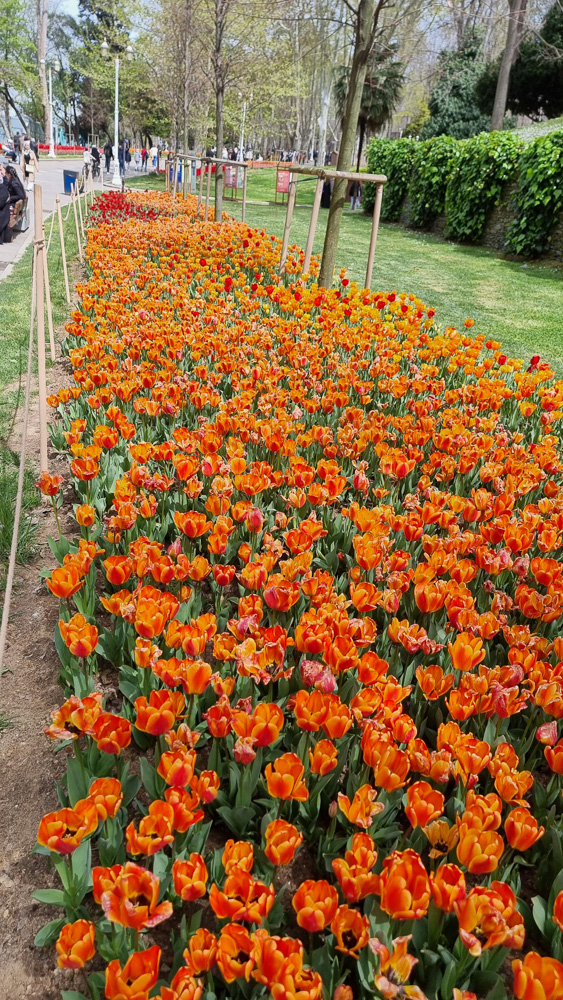
The best time to visit is certainly spring. The temperature is ideal for walks and in the parks you will see blooming tulips. Autumn is also pleasant, while in winter it is quite cold and snowfalls arrive from the Black Sea. In summer we recommend you to avoid it, as the heat together with the high humidity levels create suffocating conditions.

How are you going?
There is a direct flight connection via both Athens and Thessaloniki. However, if you live in Central Greece and above, you can also easily get there by car, as the road network is quite modern. You will need a green card for your vehicle and, if you do not have one, a authorization from its owner, validated by the KEP, while if you have it through leasing, you will need the original contract.
How to move around the City
Once you get there, you will park your car, as the traffic and finding parking spaces is a difficult task, and you will continue with the means of transport. You will get the Istanbulkart from the automatic machines that you will find at all the tram and metro stations, but we found that even with the Revolut you can go contactless with the same charge.

Where to stay?
After personal experience and research, we will give you the best advice ever! The city's public transportation, although it serves many areas, is fragmented (many networks are not directly connected to each other), does not cover all tourist spots, the distances are long and the traffic is chaotic. So, prefer to book accommodation near the T1 tram line, which serves most of the city's attractions and, as a fixed-track means of transport, avoids the incredible traffic jams of the wheeled vehicles. There are clearly many options, but a very good solution that summarizes all of the above is this one and this one.

What to see
To help you, we divided the attractions by area, so that you can better organize your time and schedule.
Old Town
Hippodrome
It was the center of social and political life of the Byzantine Empire, dedicated mainly to chariot races. Originally built by Septimius Severus and remodeled by Constantine the Great, it could accommodate up to 100,000 spectators! The bloody Nika Uprising took place there in 532 AD, with tens of thousands of dead. Today it is located in Sultanahmet Square and the Egyptian Obelisk of Theodosius, the Delphic Serpent Column and the Obelisk of Constantine are preserved there.

Blue Mosque
Also known as the Sultan Ahmed Mosque, it was built between 1609 and 1616 and is called “blue” because of the hundreds of thousands of blue tiles from Nice that adorn its interior. More than two hundred windows with elaborate stained glass designs let in natural light, while it is adorned with approximately 20,000 handmade ceramic tiles. Tip: As impressive as the interior may sound, it is not. If the line is long, don't wait unnecessarily and continue your tour somewhere else.

Basilica Cistern (Cathedral Cistern)
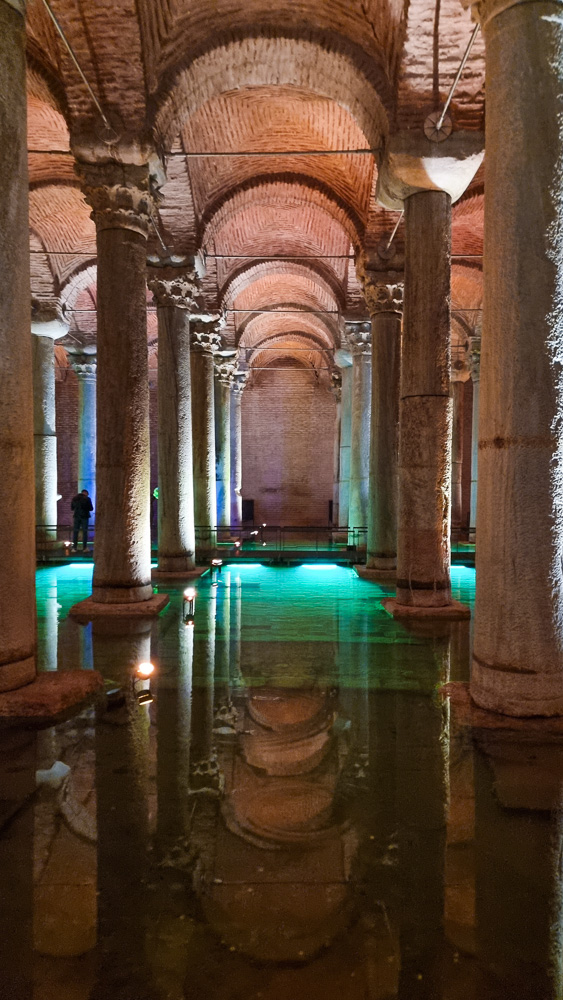
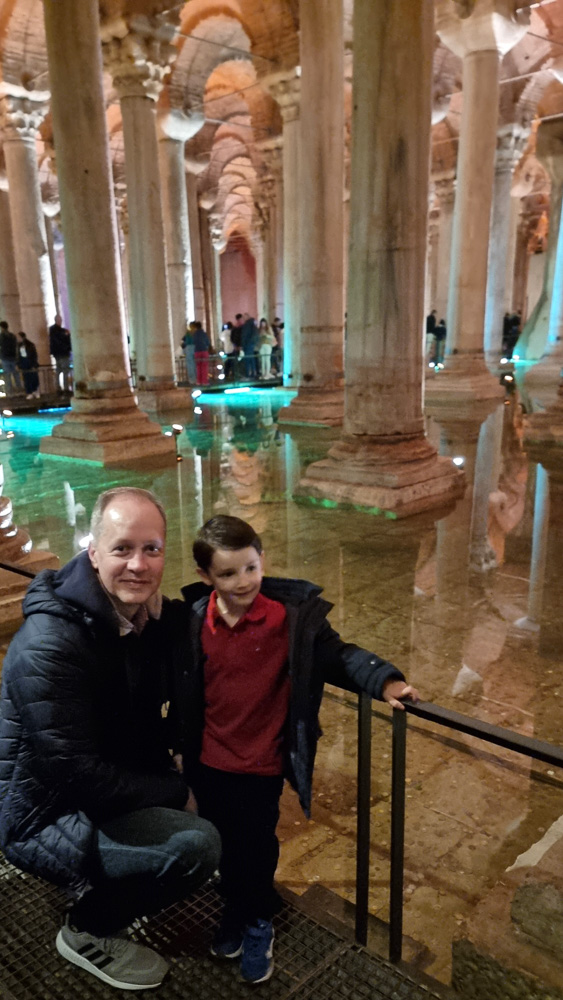
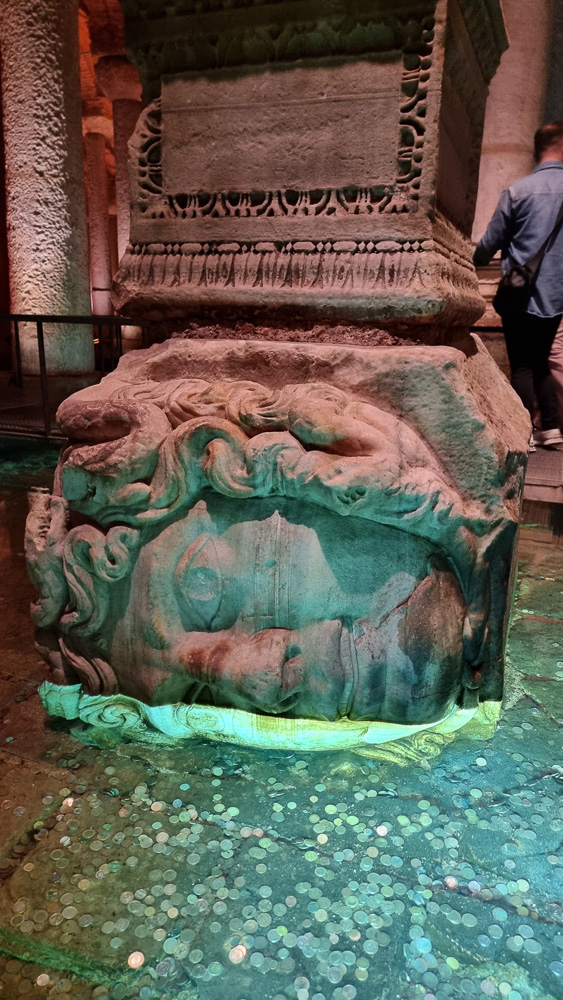
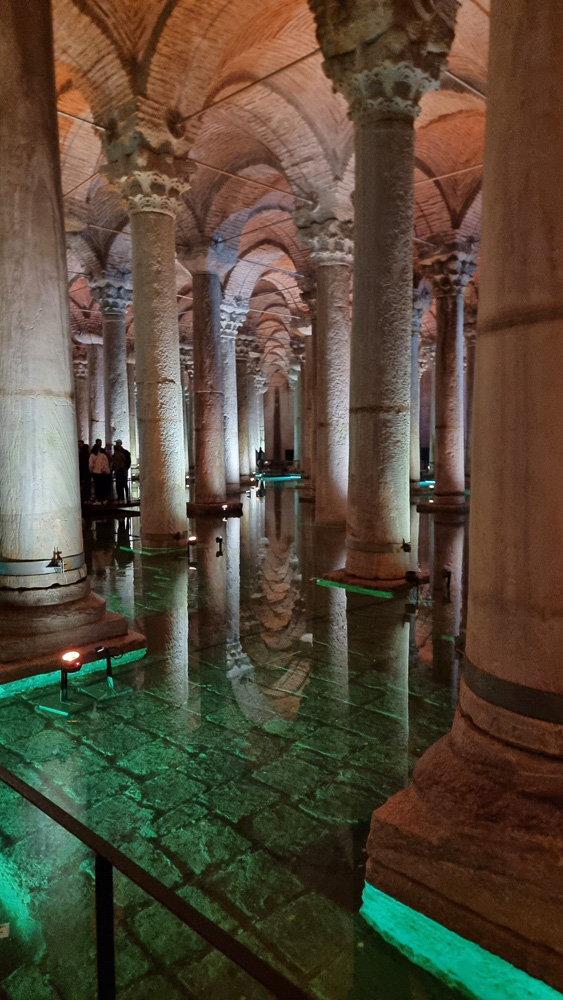
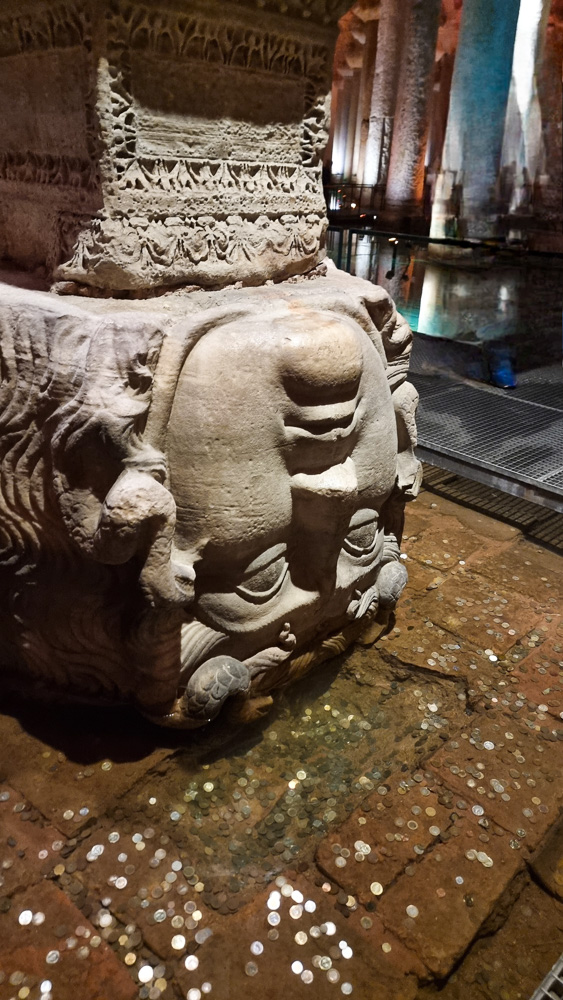
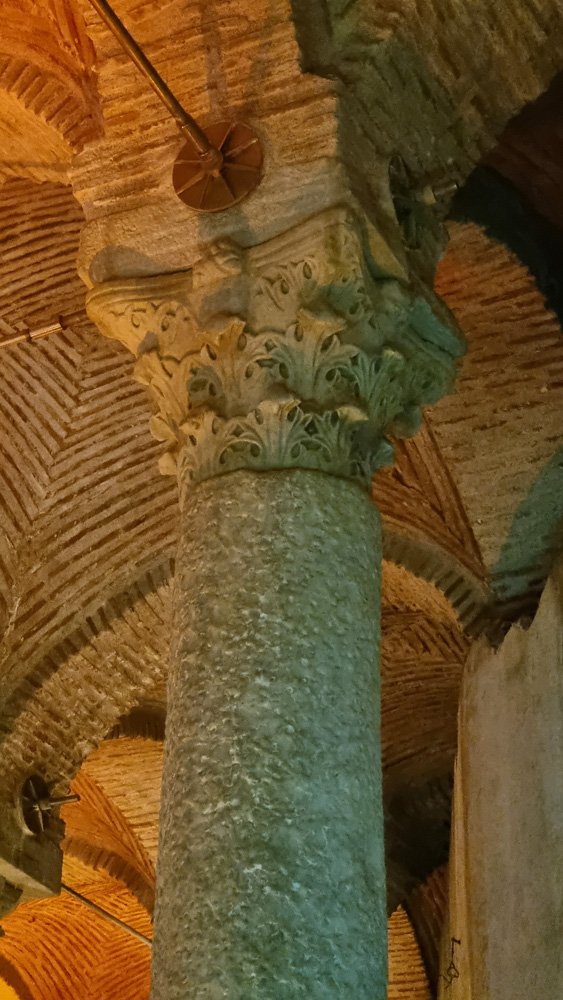
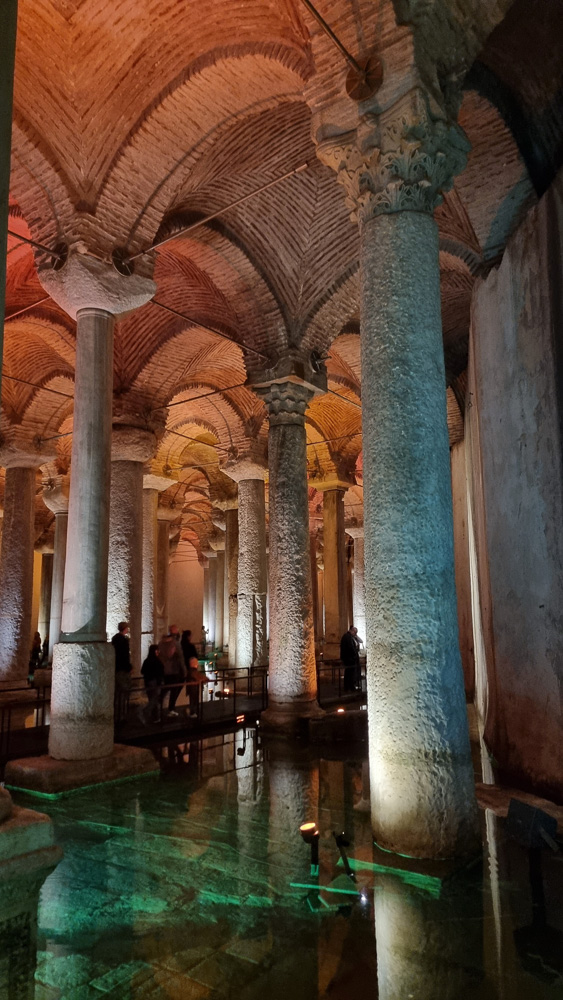
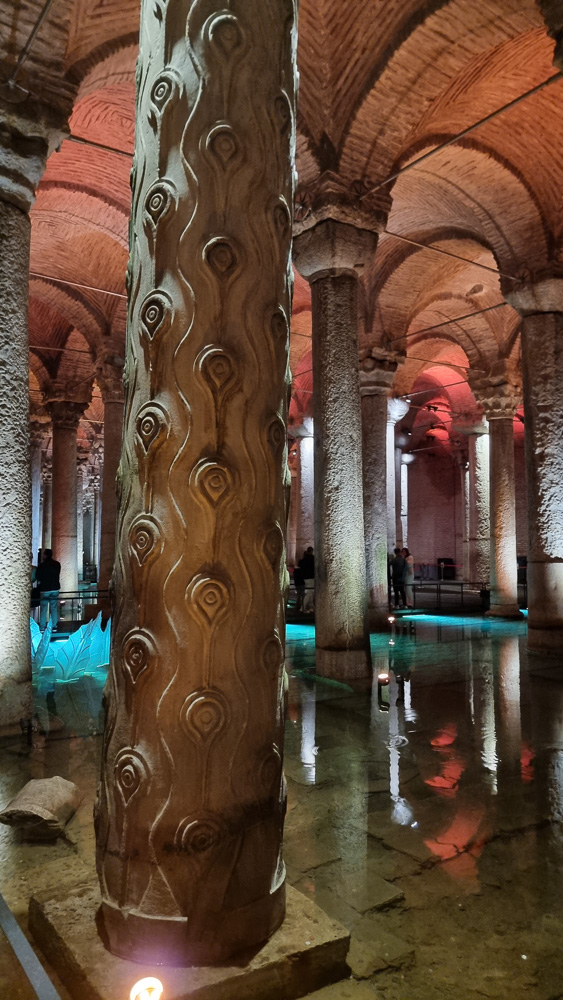
This is an impressive underground aqueduct, built in the 6th century under Emperor Justinian I, to provide water for the Great Palace and the surrounding areas. It is distinguished by its magnificent architecture, with 336 marble columns, many of which were taken from ancient temples. The atmosphere is mysterious, with the lighting highlighting the reflection of the water and the sculptures of the bases, such as the emblematic heads of Medusa. Book your ticket online, to skip the queues.
Hagia Sophia
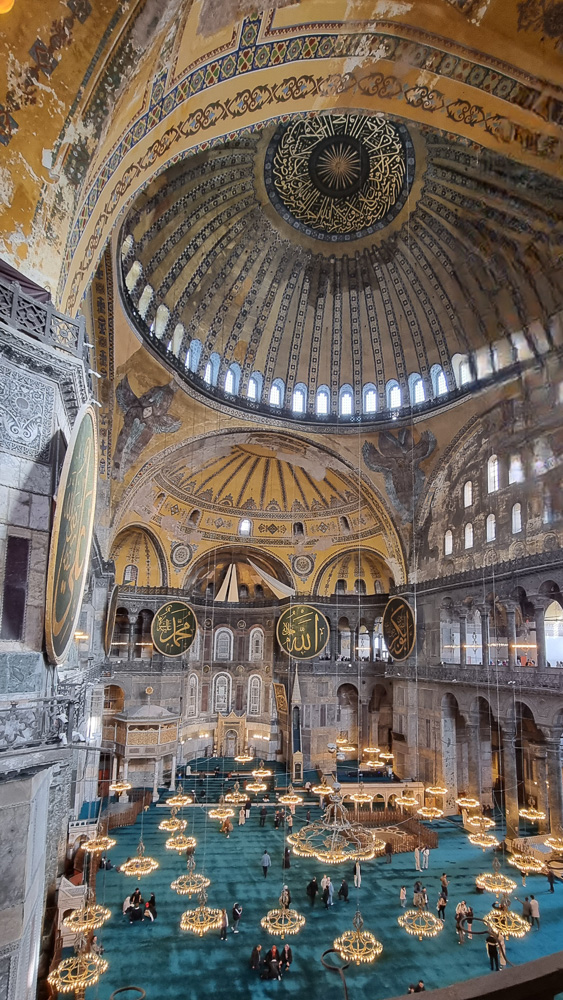
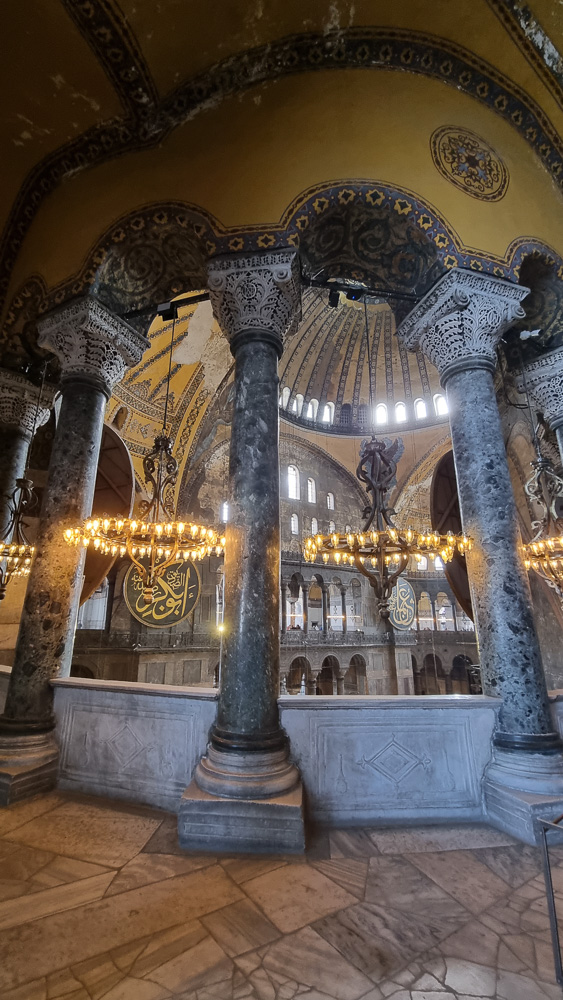
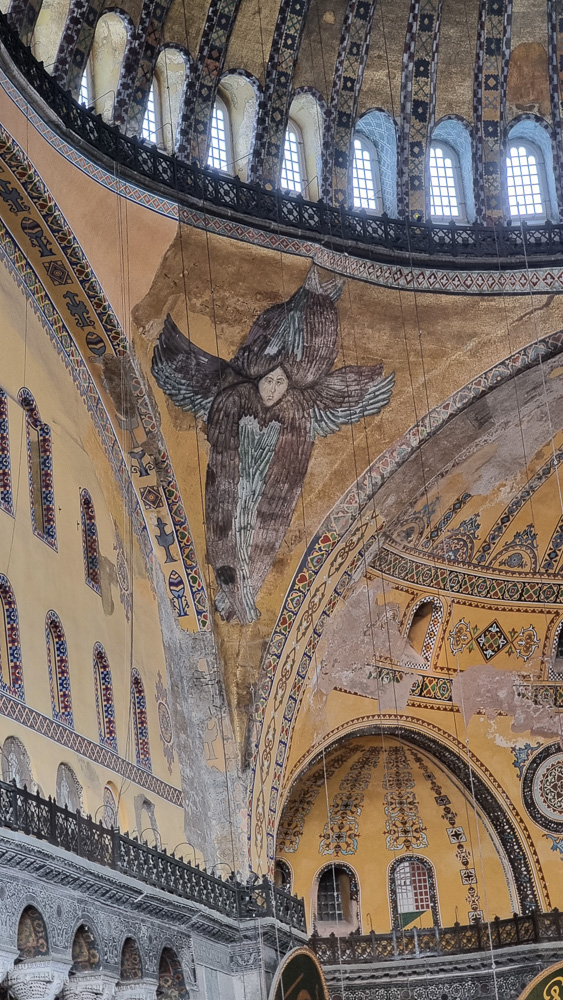
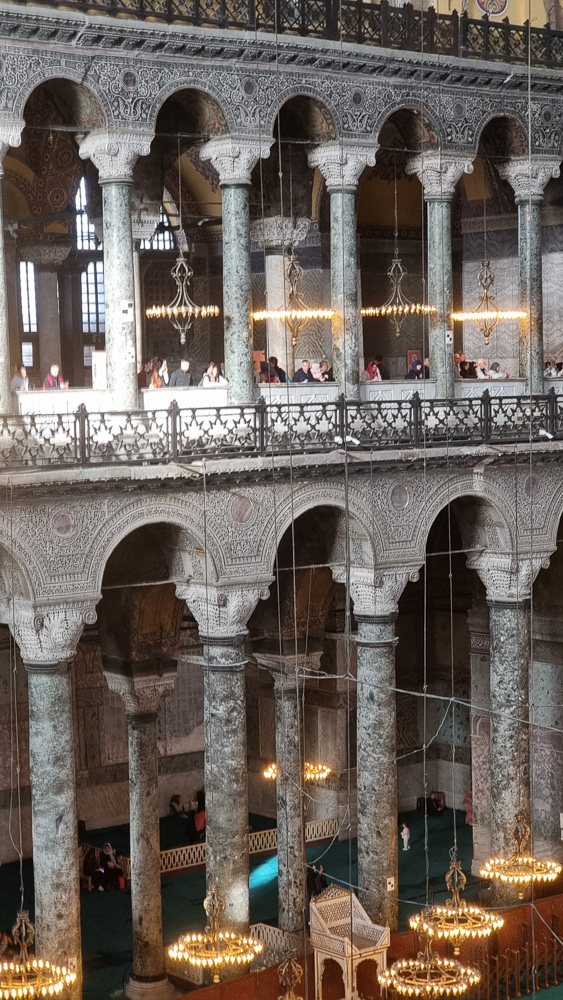
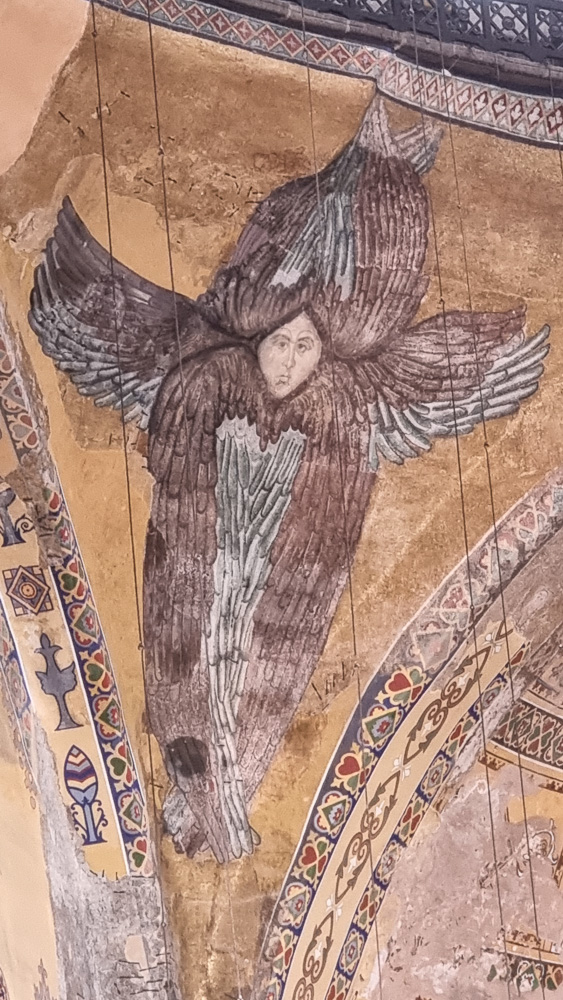
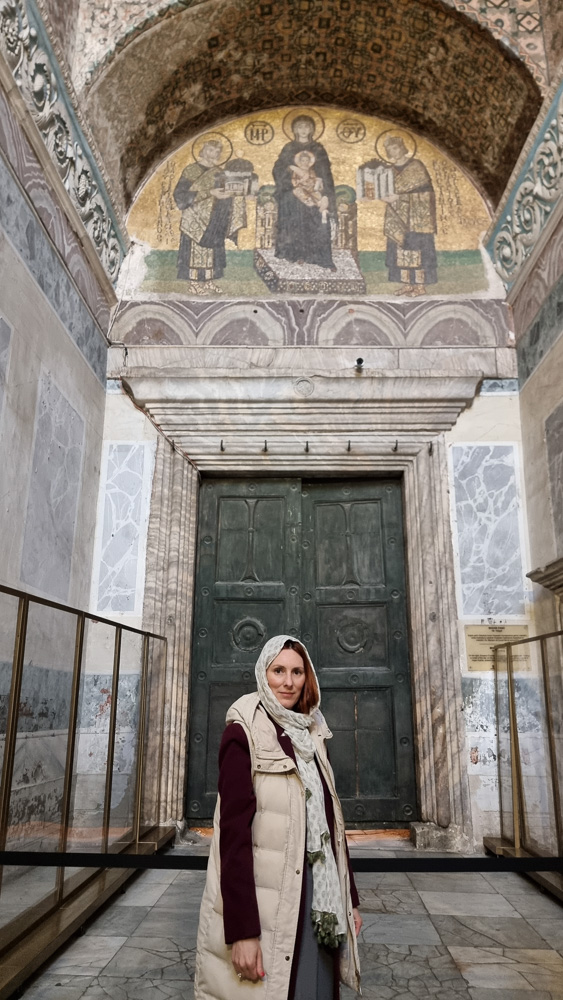
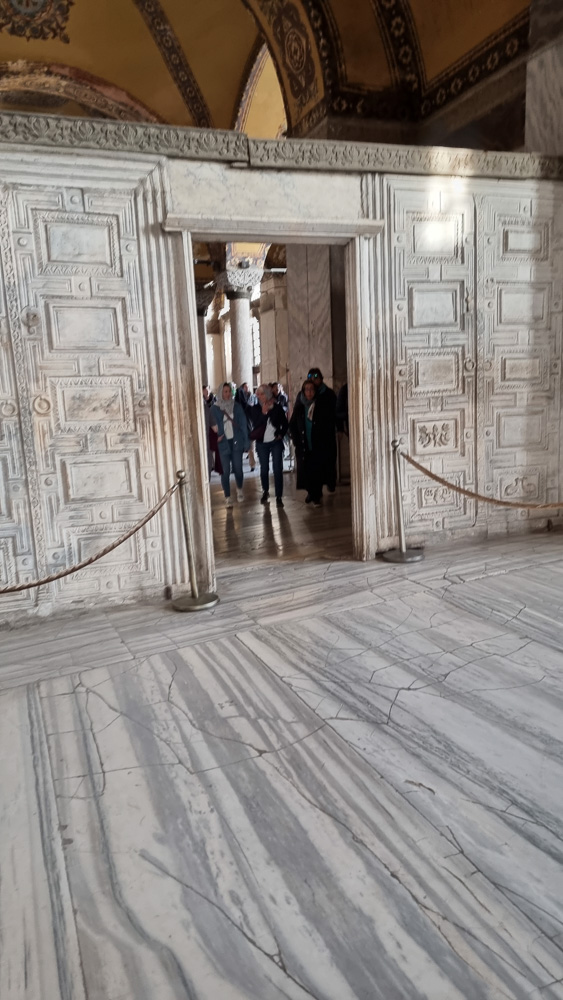
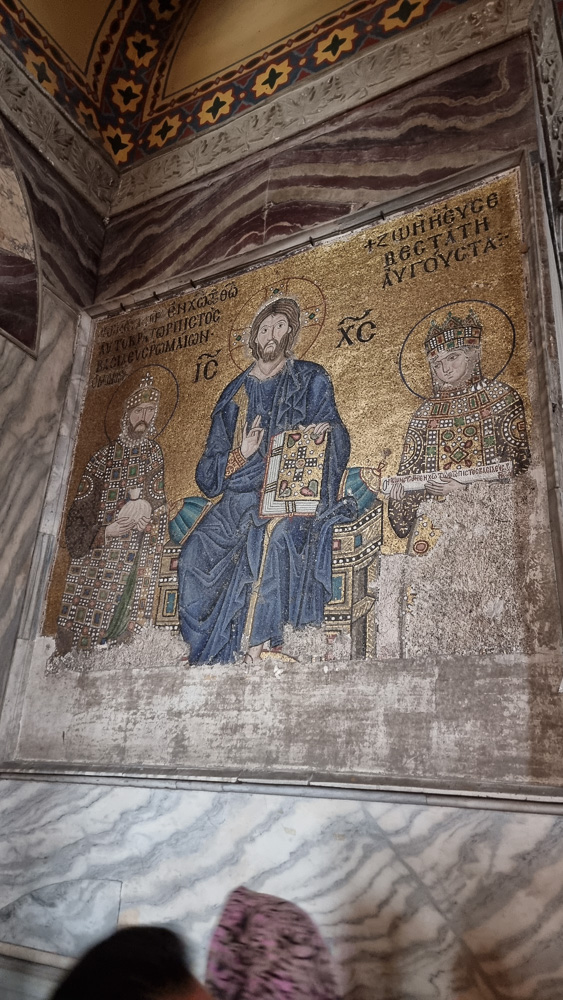
There is no visitor who crosses the threshold of Hagia Sophia without feeling awe! Its history, its architecture, its dome, the remains of the mosaics, all speak of a world that united faith, art and power. Built in 537 by the emperor Justinian I, it was the most important symbol of Orthodoxy for almost a millennium. At the time of Justinian, Hagia Sophia had a thousand clergy and was the largest church in the world!

Tip: Its conversion into a mosque unfortunately limits the experience, as only the balcony and not the ground floor of the temple can be visited. It is sad to see a world cultural heritage symbol changing its use in a way that limits free access and respect for its historical identity. However, not visiting it would be a significant omission. Tickets will be booked online, as the lines are long. Also check the opening and prayer times, as they change frequently.
Church of Saint Irene
It is one of the oldest Christian churches in the city and predates Hagia Sophia. It was built in the 4th century by Constantine the Great, on the ruins of an ancient temple, and was rebuilt after fires and earthquakes, mainly in the 6th century under Justinian. It was the official church of the Patriarchate, before the construction of Hagia Sophia, and was an important religious and political center. After the Fall, it was used as an arsenal and today it operates as a museum and concert venue due to its excellent acoustics. Tip: The interior is simple, as the early Christian style did not contain any illustrated decoration. We recommend that you see the temple only from the outside.

Gulhane Park
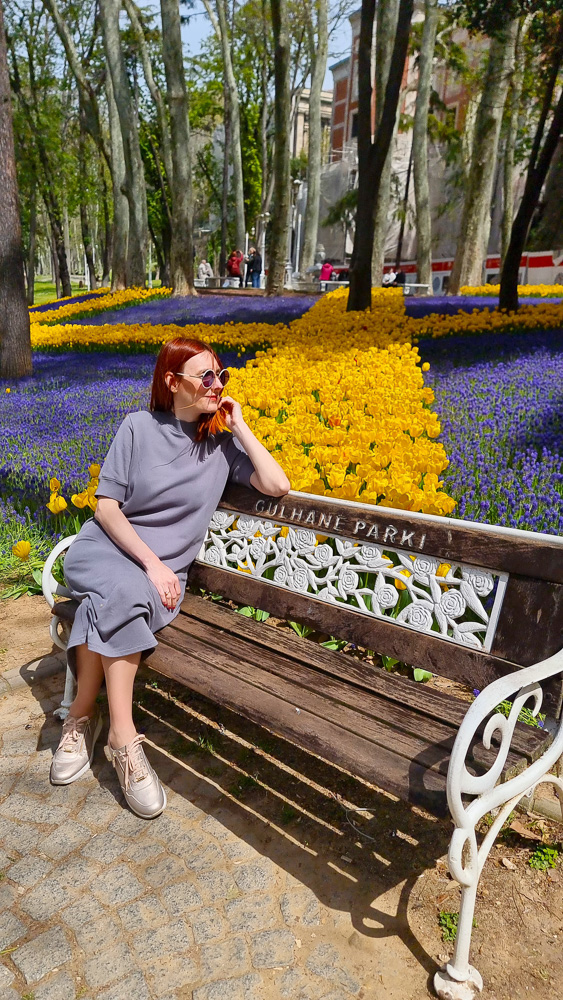
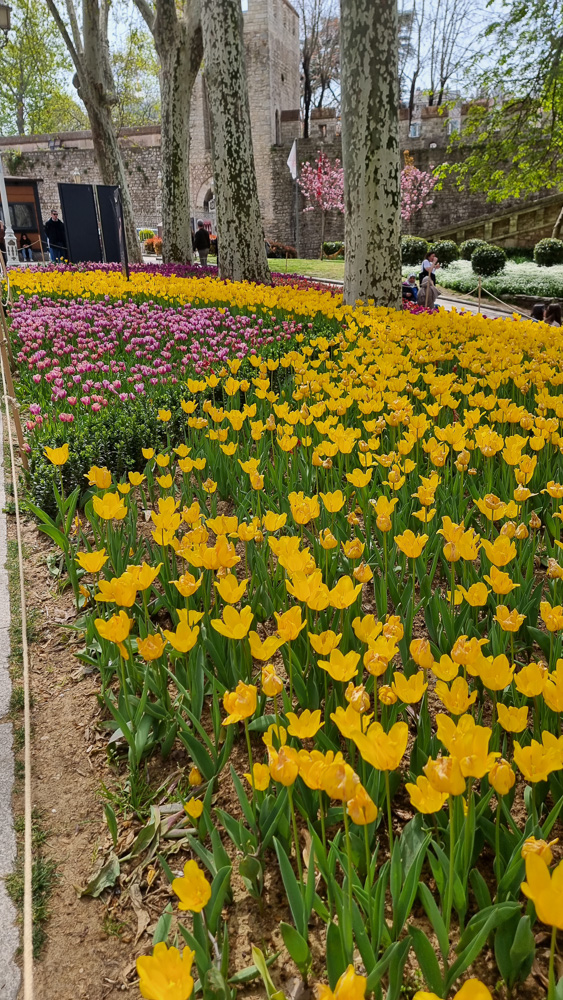
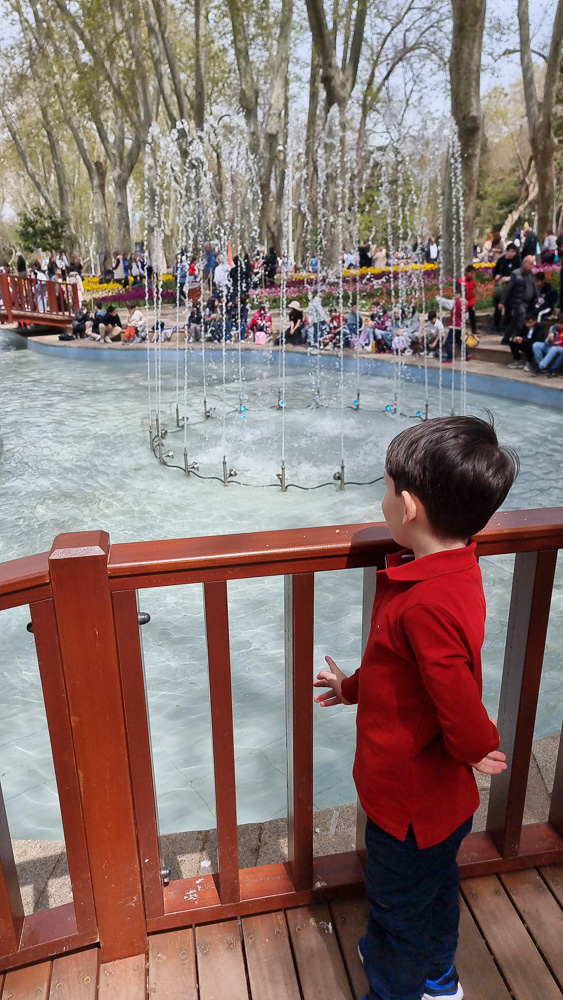
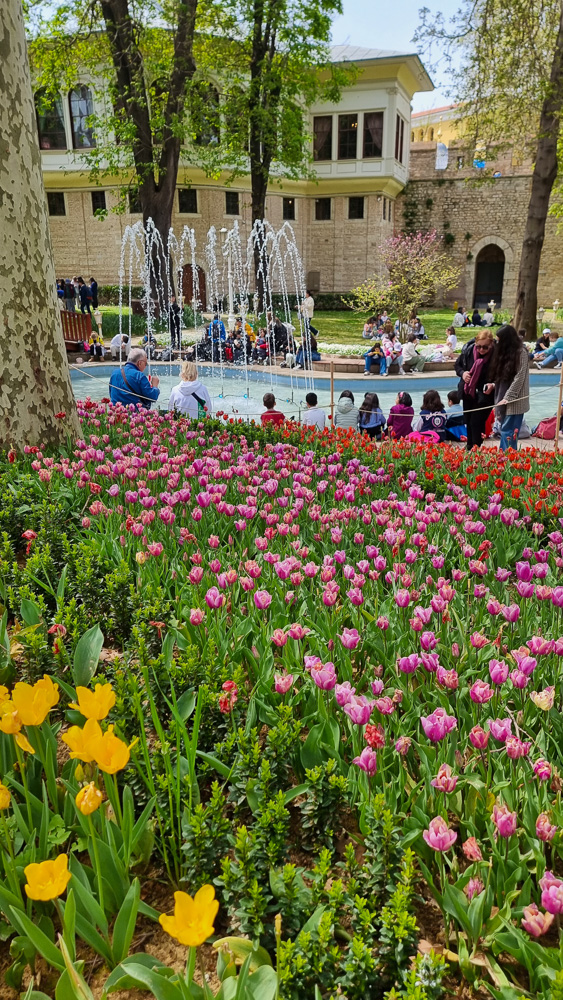
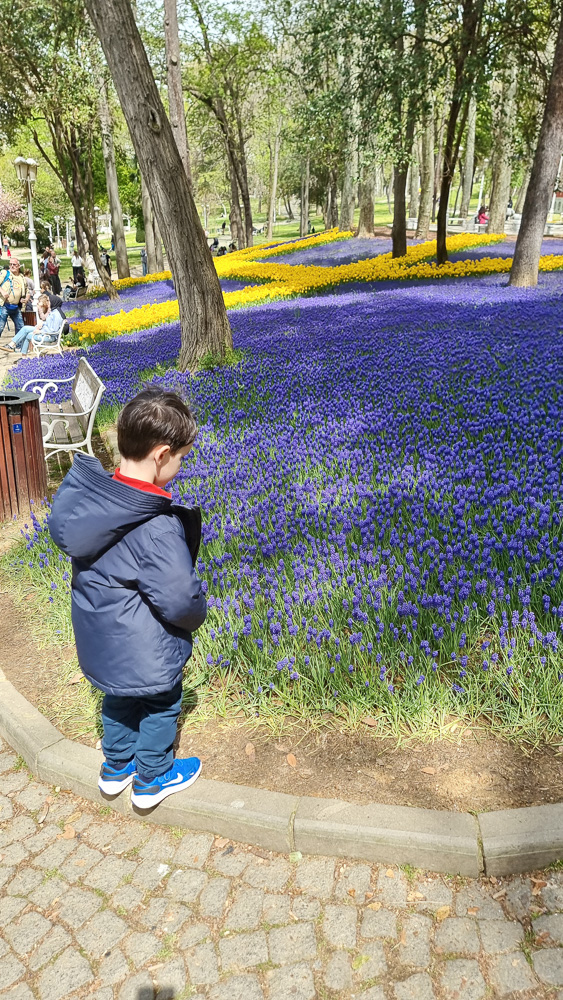
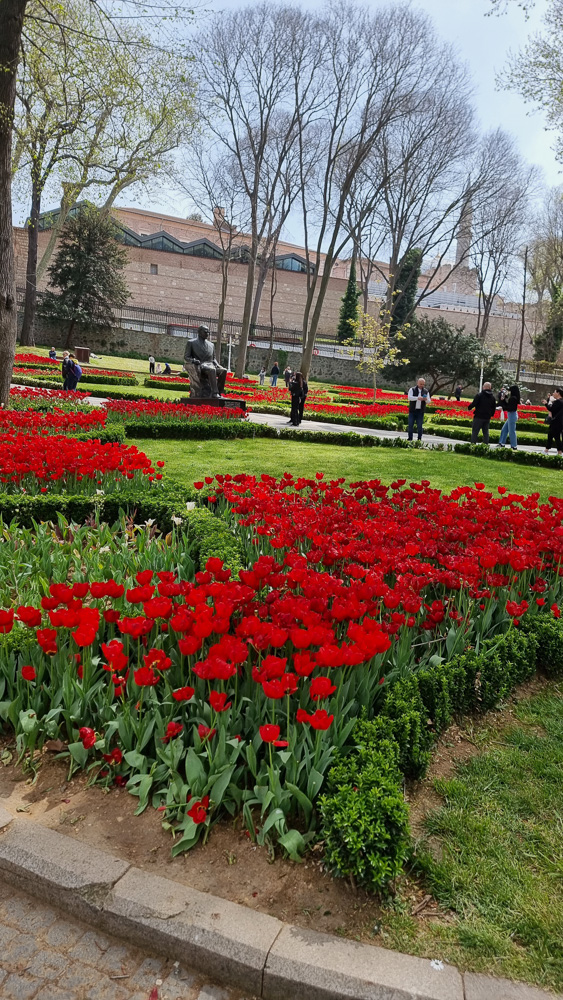
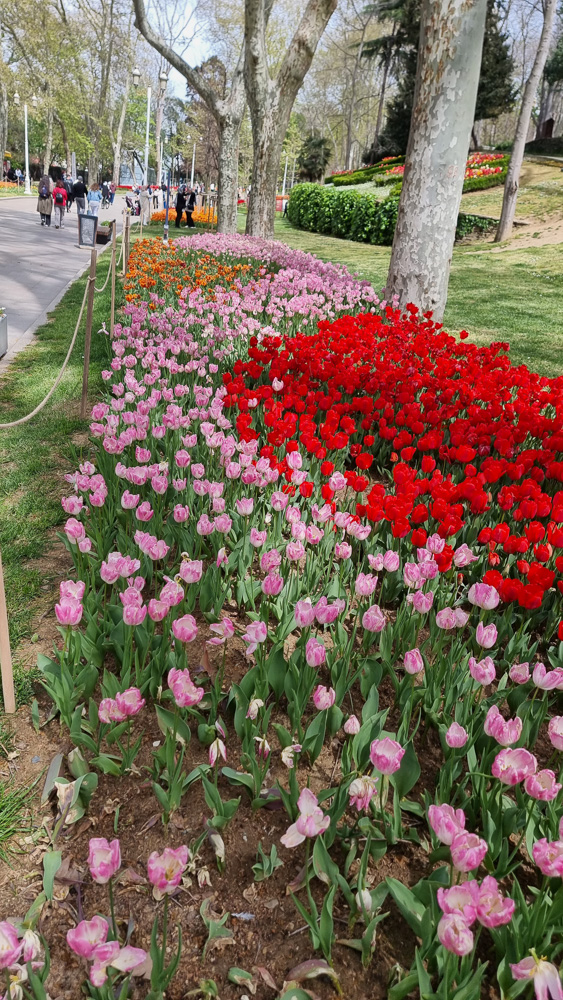
Next to Topkapi Palace is the oldest and perhaps most beautiful park in Istanbul. Its name means “House of Roses”, as it was once full of rose bushes and blooming gardens. Today it is a popular public space for relaxation, walks and cultural events, with large tree rows, fountains and panoramic views of the Bosphorus. The park also houses the Goth Column, one of the oldest Roman monuments in the city. Tip: If you visit in spring, it is full of blooming tulips of all colors!
Egyptian Bazaar
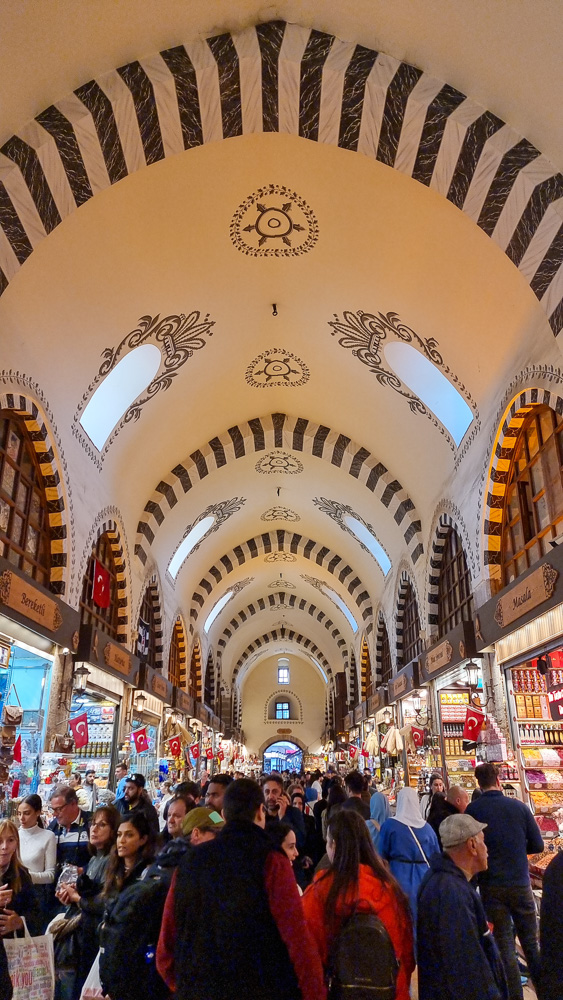
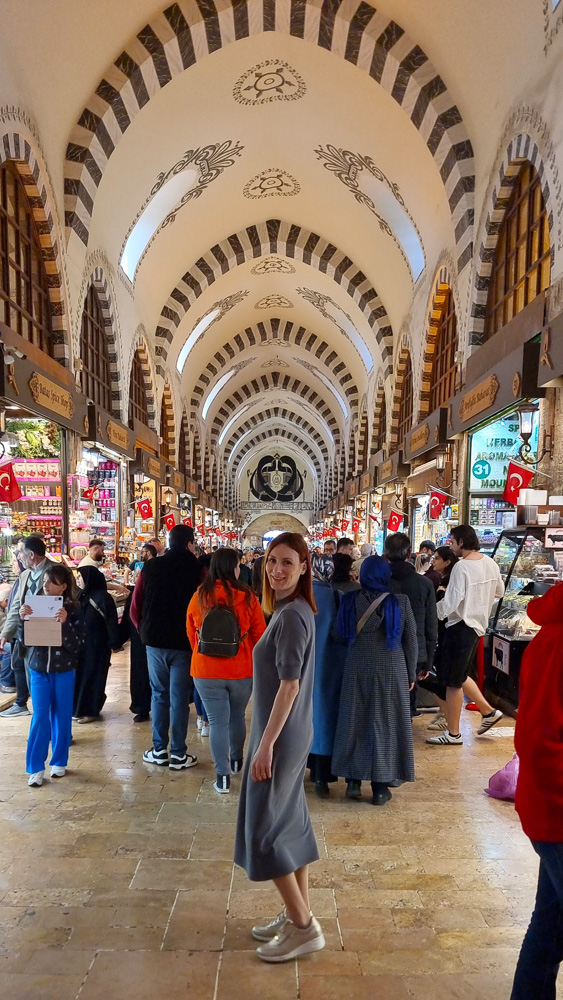
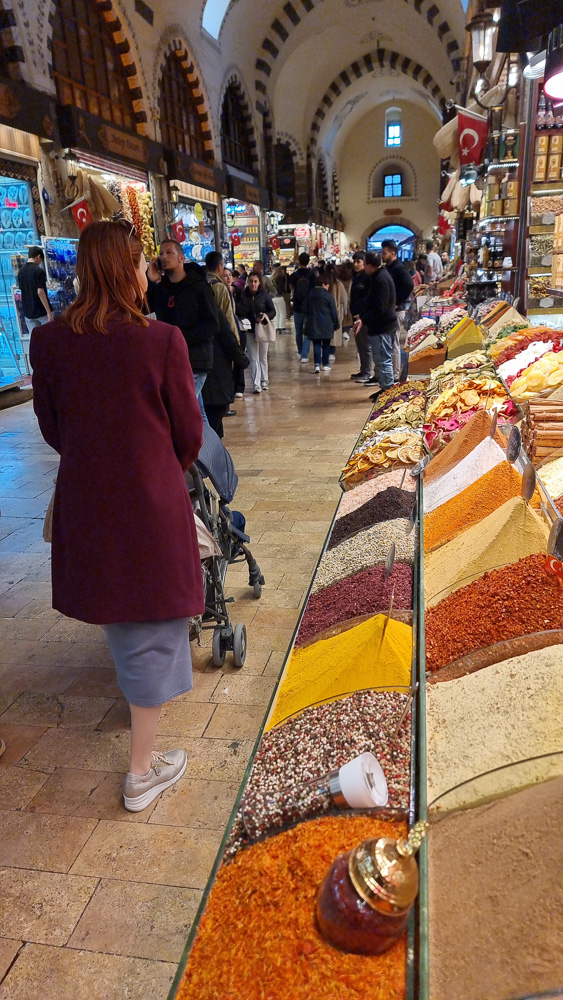
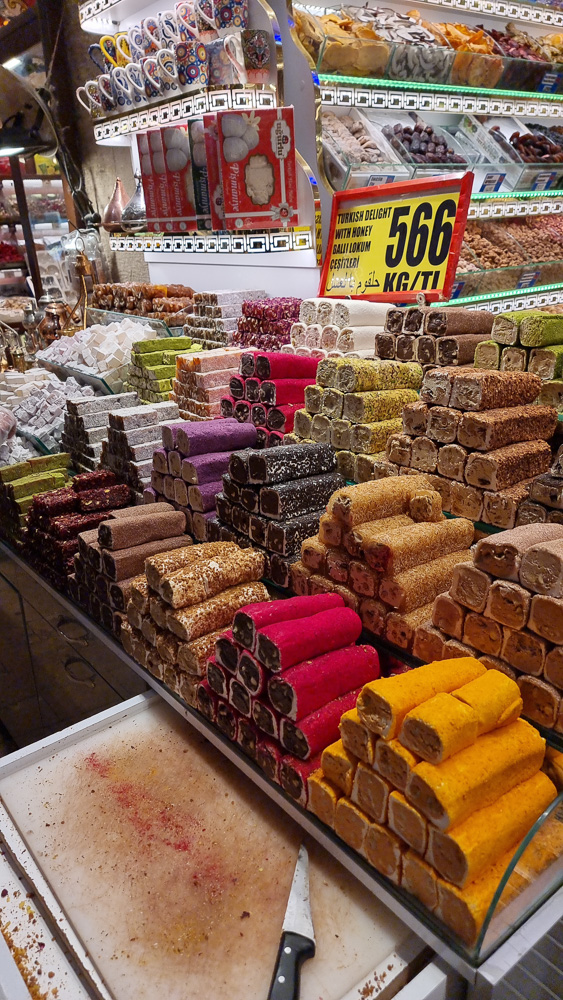
Also known as the Spice Bazaar, it is one of the most historic bazaars in the city, dating back to the 17th century. Located in the Eminonu district, it was the center of spice trade, mainly arriving from Egypt, hence its name. Today, it hosts dozens of shops offering all kinds of aromas, herbs, nuts, sweets, drinks, Turkish delights and traditional products. The atmosphere of the bazaar combines East and West, offering an authentic experience in the pulse of the old city, with smells, colors and flavors that awaken all the senses.
Galata Bridge
It connects the districts of Eminonu and Karaköy, passing over the Golden Horn. The bridge is not only a transportation hub, but also a symbol of the city, as pedestrians, vehicles and trams move on it, while below it are restaurants with views of Hagia Sophia, the Galata Tower and the Bosphorus. It is famous for the fishermen who stand on its railings every day, creating a unique image of daily life in the City.

Grand Bazaar (Kapalıçarşı)
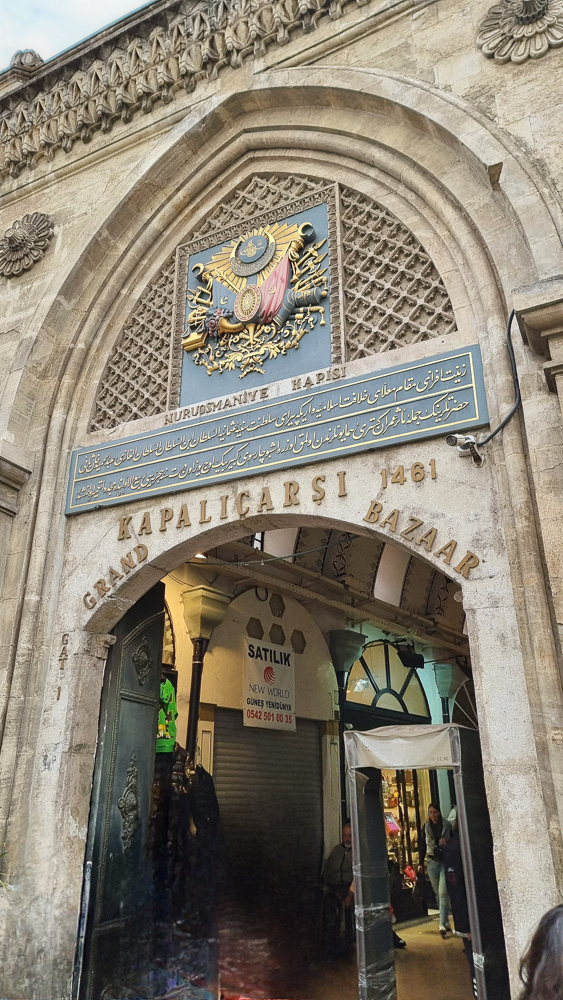
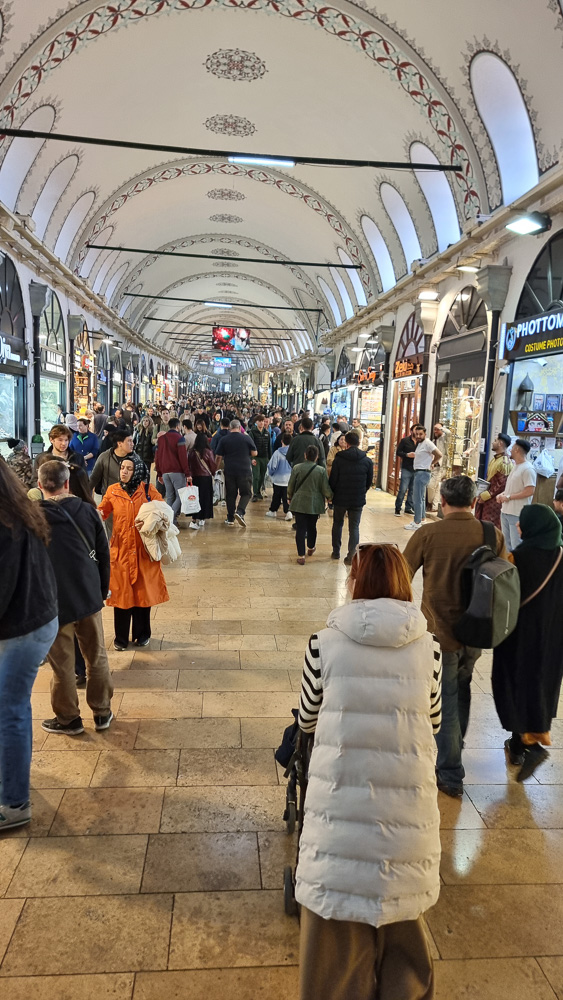
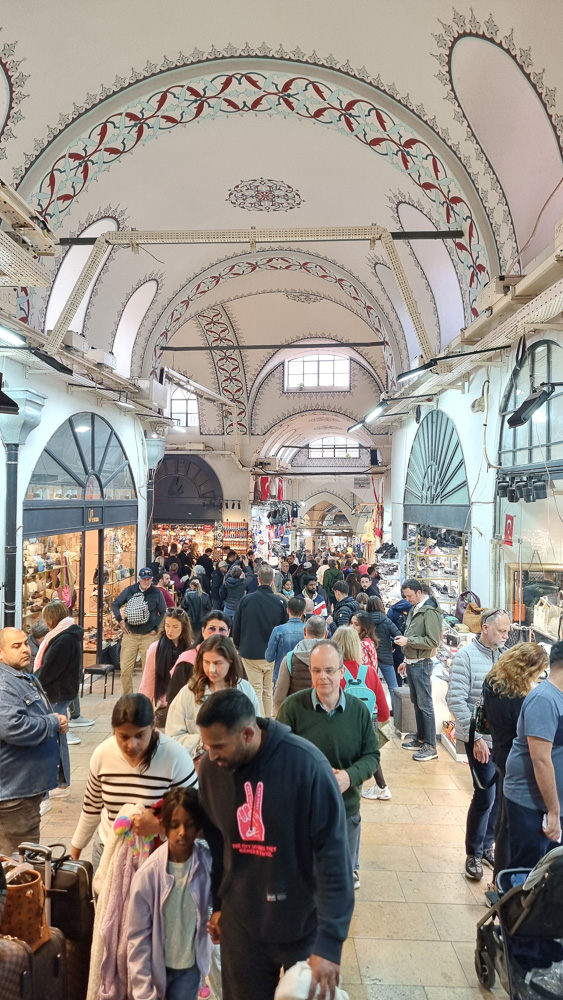
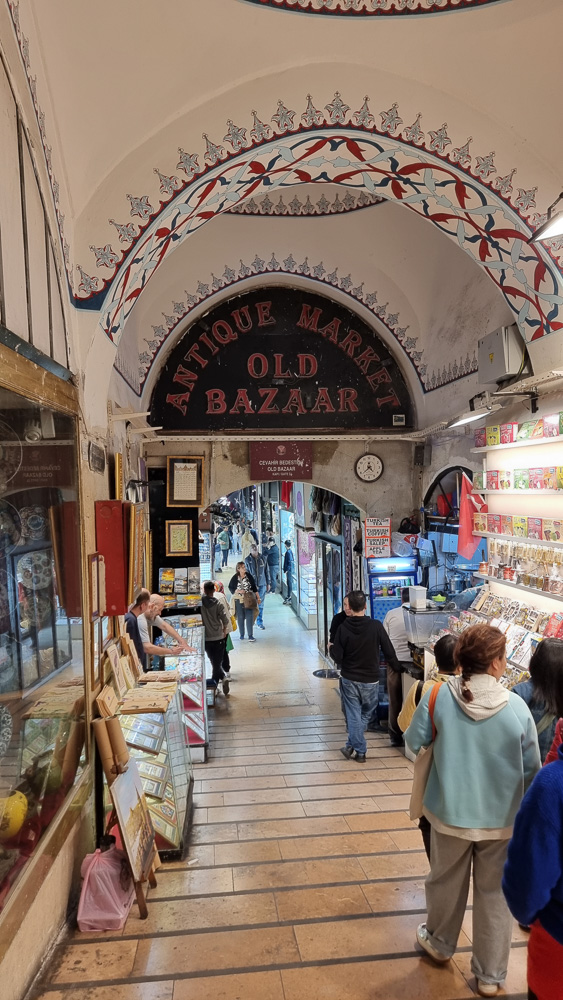
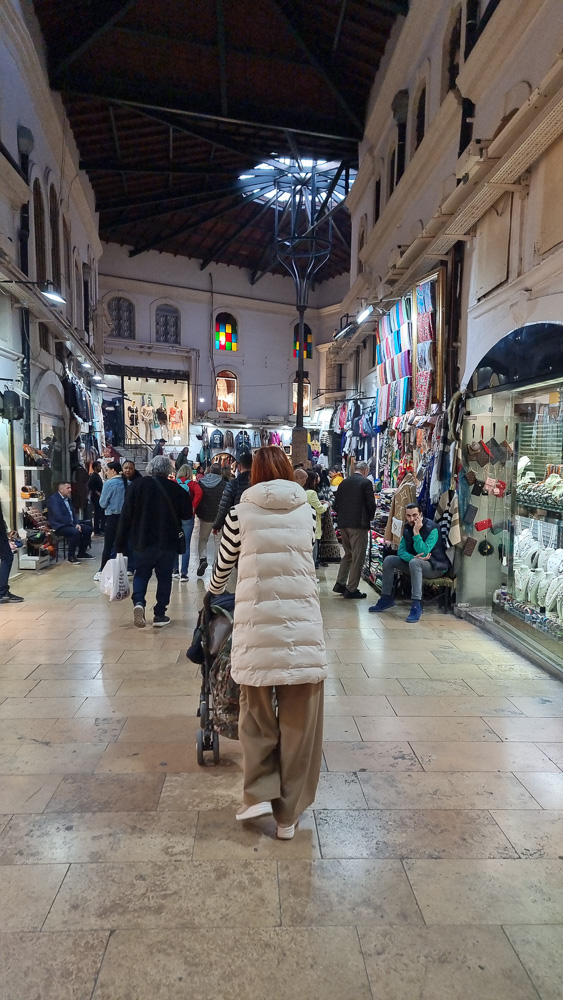
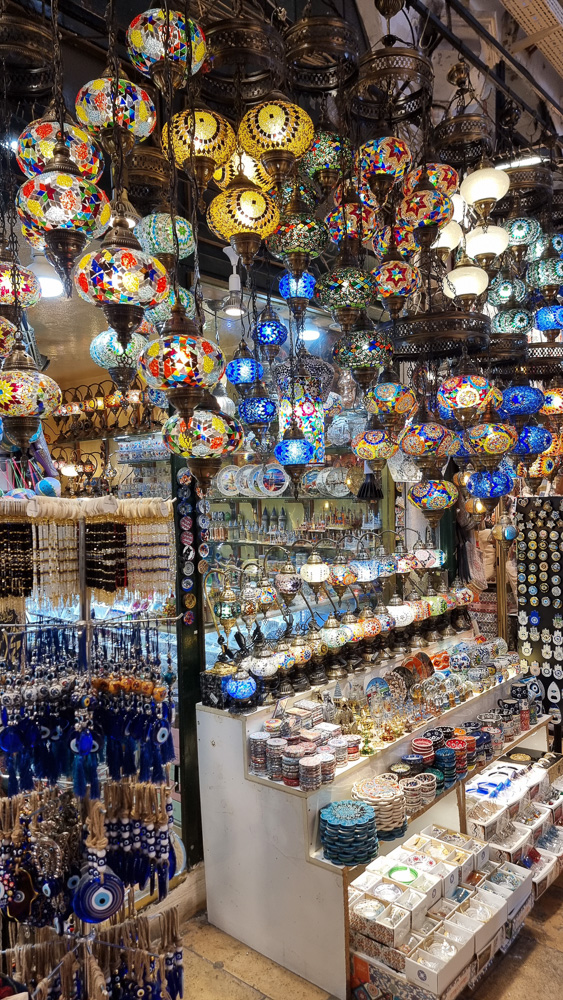
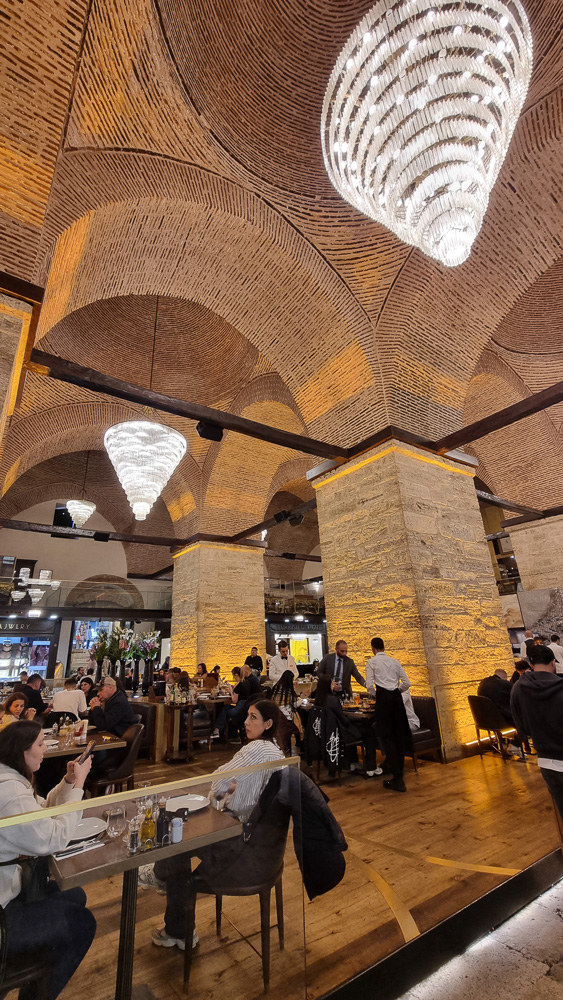
Also known as the Grand Bazaar, it is one of the largest and oldest covered bazaars in the world and is a living symbol of the commercial and cultural history of Istanbul. It was founded in the 15th century and gradually expanded into a veritable labyrinth of arcades, narrow streets and arches. Today it hosts over 4,000 shops selling jewelry, carpets, fabrics, antiques, ceramics, spices, leather and souvenirs, attracting thousands of visitors every day. Its atmosphere is a mixture of East and West, tradition and lively commercial activity, where haggling is still an art.
Lantern – Palace (Fener – Balat)
Two neighborhoods inextricably linked to the Hellenism of the City! The Phanar was for centuries the center of the Greek community in the City. After the Fall of 1453, the Ecumenical Patriarchate was moved there, making it the religious and cultural core of the Roman element. The Phanar was also the center of the "Phanariotes", the elite of the Greeks of the Ottoman Empire, who played a decisive role in the politics and diplomacy of the 18th century. The Palation on the other hand apparently took its name from the Palace of Blachernae and was for centuries the "home" of the Jewish and Greek community. In these neighborhoods you will see:

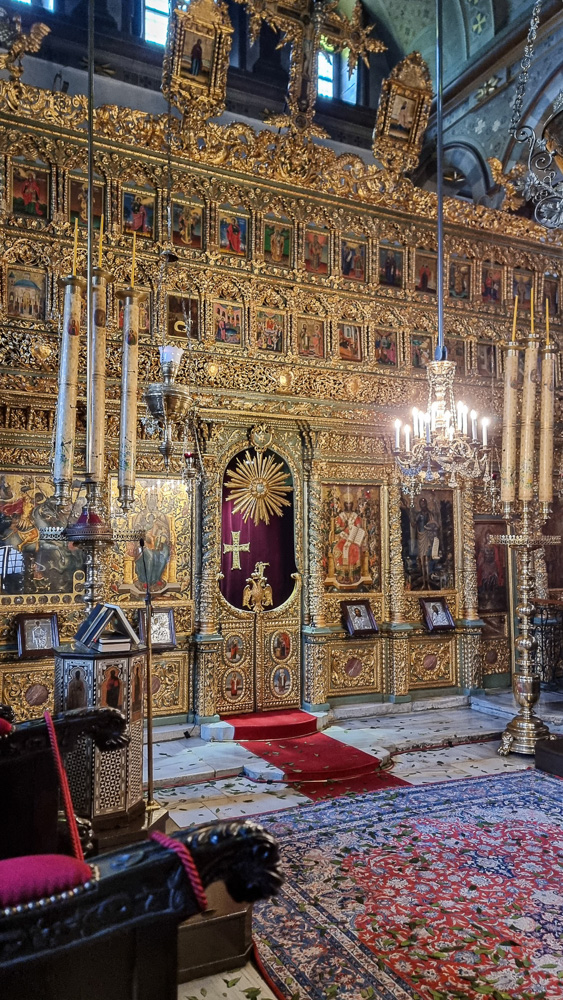
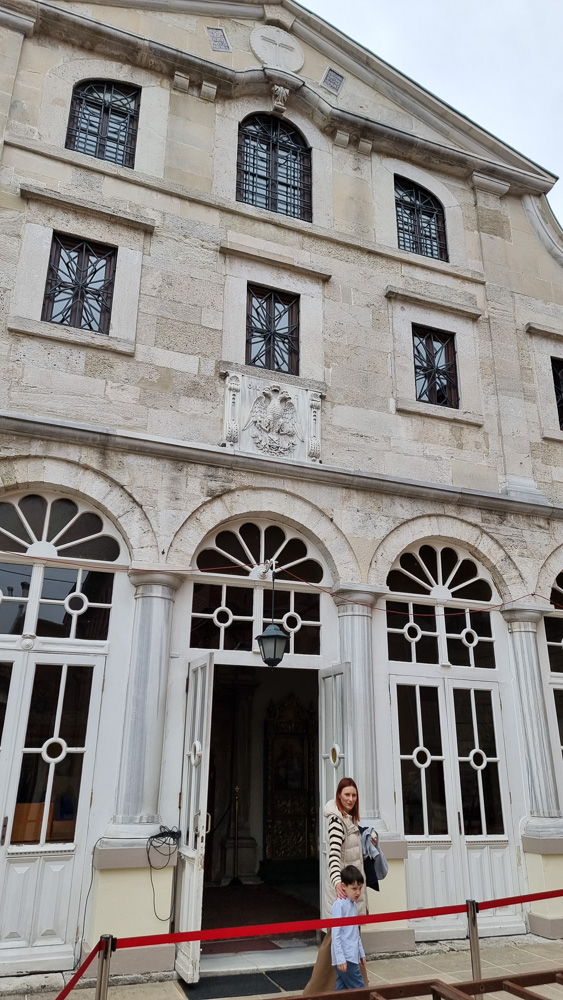
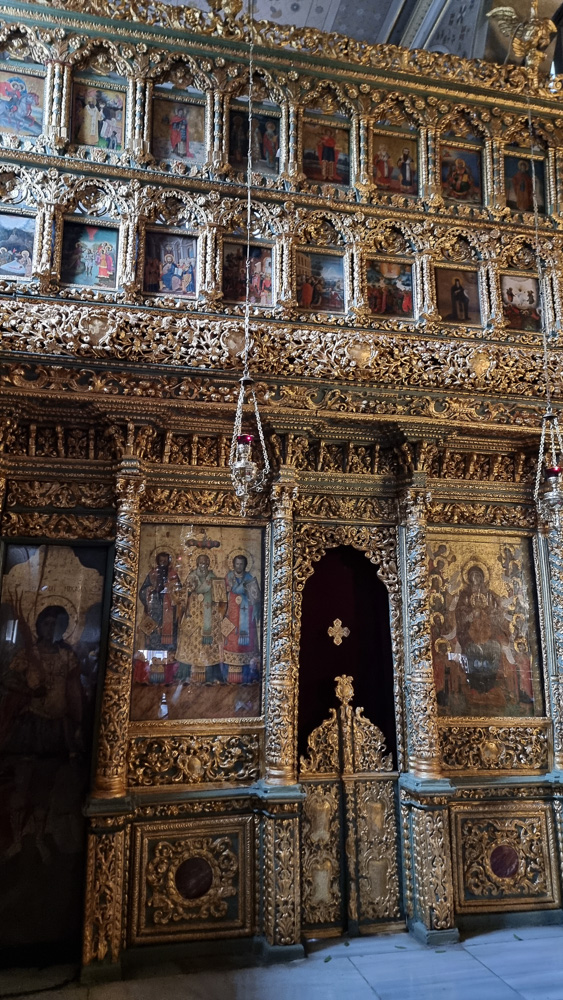
Ecumenical Patriarchate
It is the spiritual head of Orthodox Christianity and one of the oldest Patriarchates in the world, with a history dating back to the 4th century. Its current headquarters are located in the Phanar, in a modest but historically charged building, and includes the Holy Church of Saint George. Holy relics and important relics of the Orthodox faith are kept there. Despite the challenges it has faced historically, the Patriarchate remains a living symbol of Christian continuity in the City and a center of global radiance for Orthodoxy.
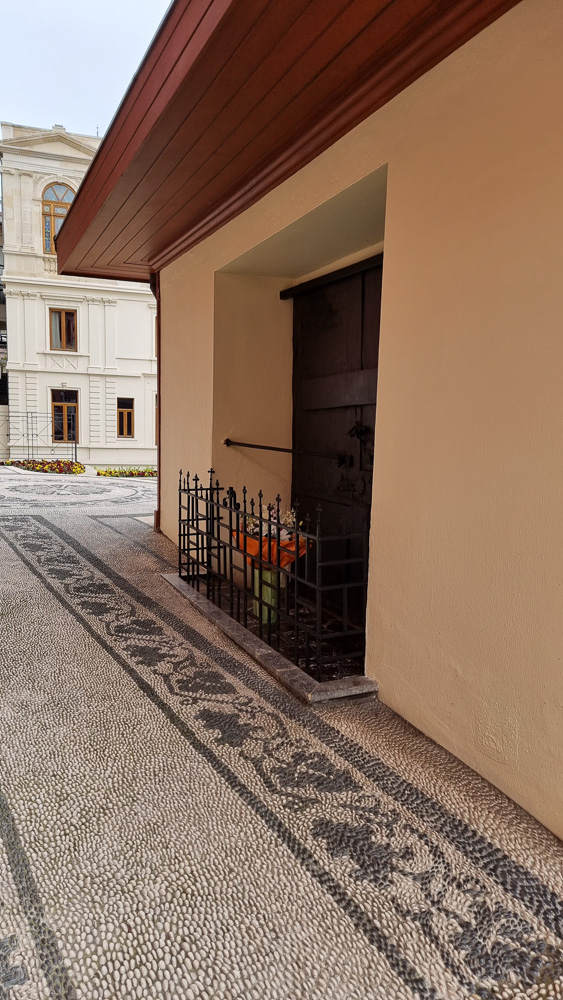
Great School of the Nation
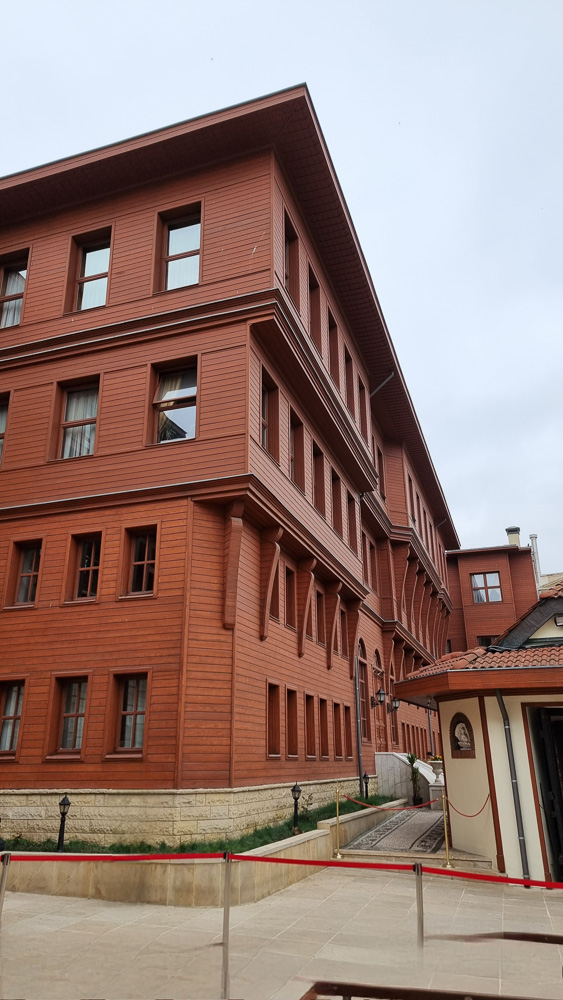
Also known as the "Red School" due to its characteristic red brick building, it is the oldest and most important educational institution of Hellenism in Constantinople, founded in 1454, shortly after the Fall. For centuries, it was the main nursery of scholars, hierarchs and leaders of the Roman community. The imposing building, which stands today, was erected in 1881 with donations from Phanariotes and stands out for its Byzantine-style architecture. Despite its limited operation today due to the decline of the Greek community, the School remains a symbol of the historical and spiritual continuity of Hellenism in the City.

The colorful houses in Fanari
On the street Tile you will encounter one of the most characteristic and photographed spots in Istanbul. These are traditional Roman mansions, mainly from the 19th century, which have been restored in recent years and stand out for their intense multicolor – shades of red, blue, green and yellow. Thus, they create a lively, nostalgic decoration in the narrow, uphill streets of the district. These houses reflect the urban identity of the Greek and Armenian bourgeoisie that lived in the area, with wooden balconies, ornate windows and details that testify to the prosperity of another era.

Palace of Porphyrogenitus (Tekfur Palace)
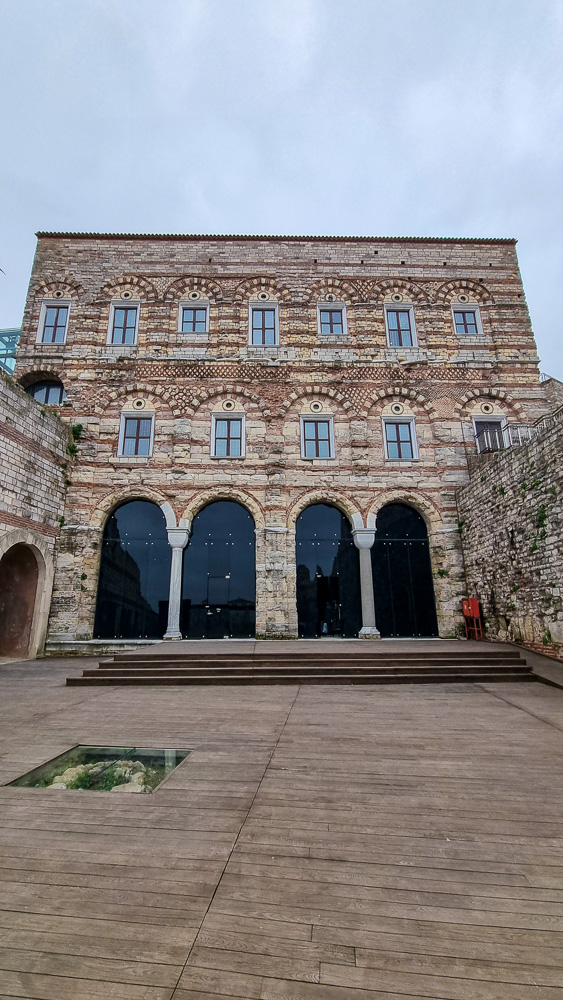
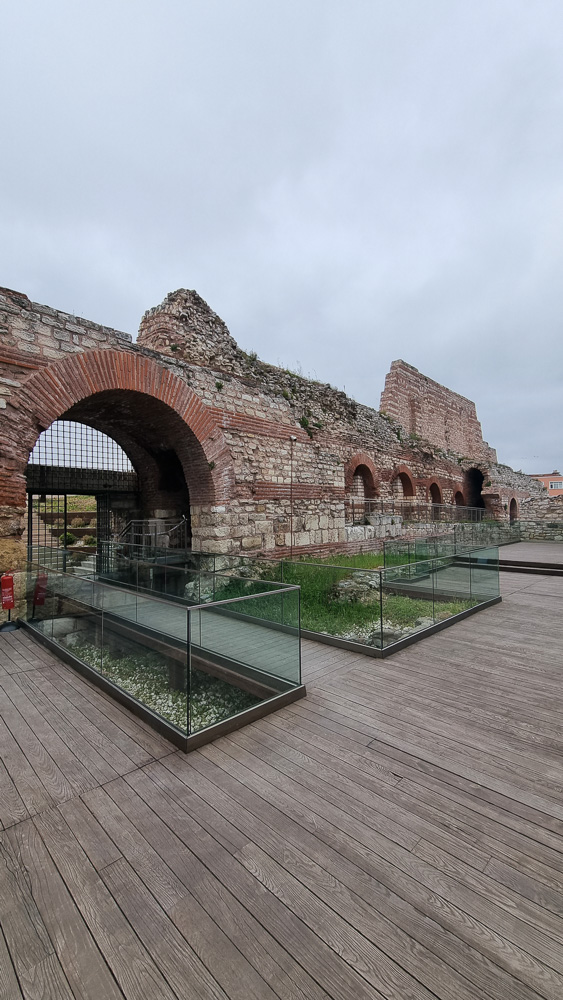
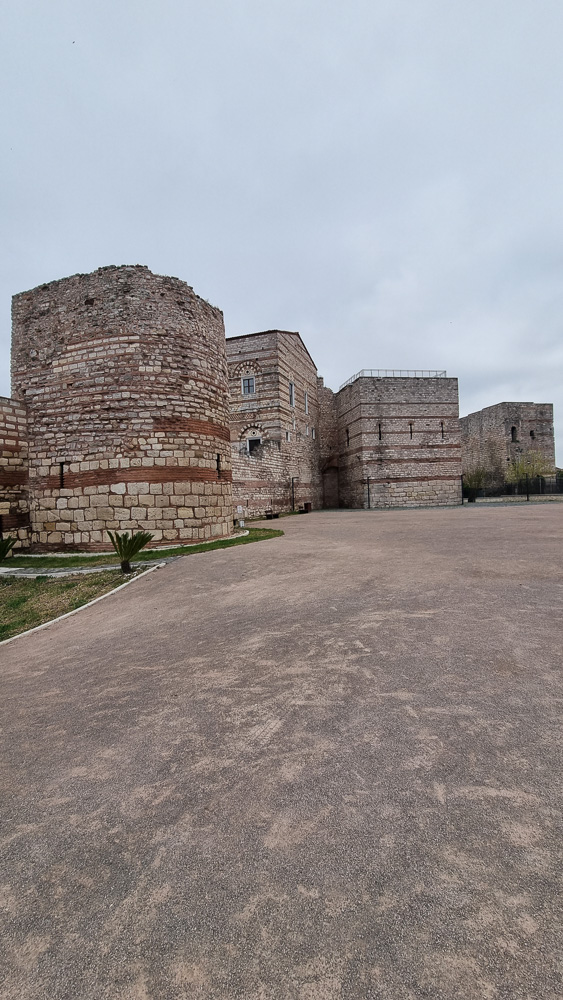
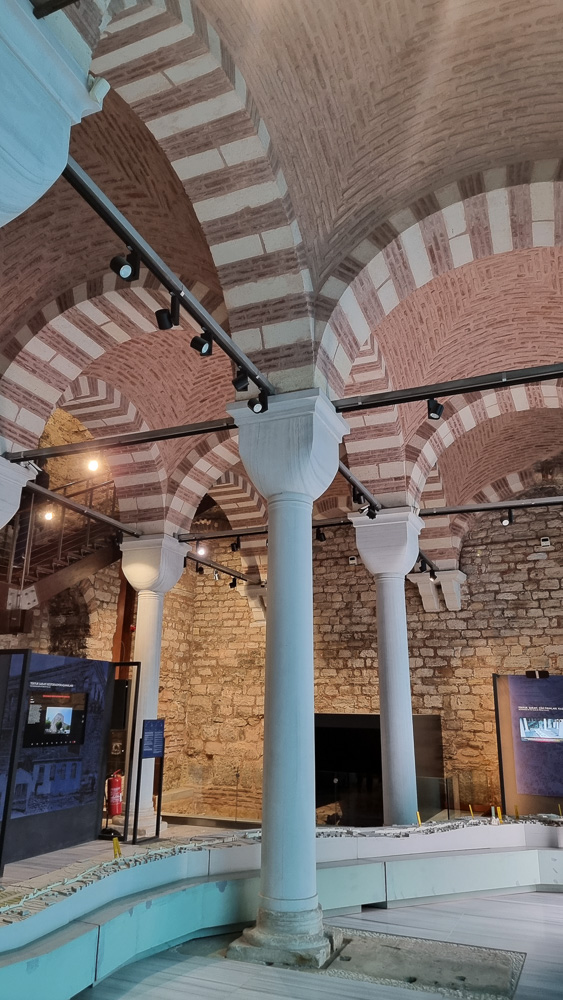
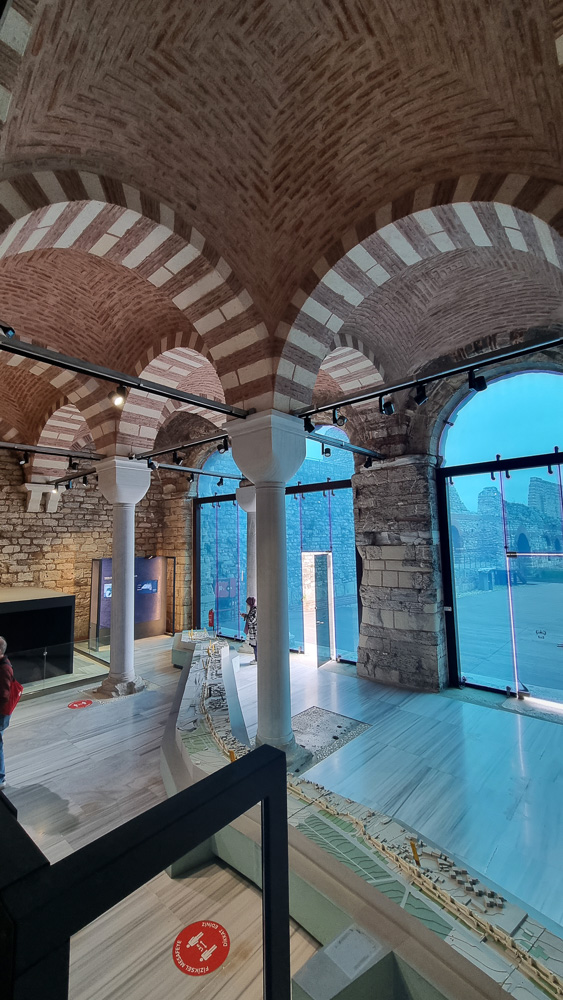
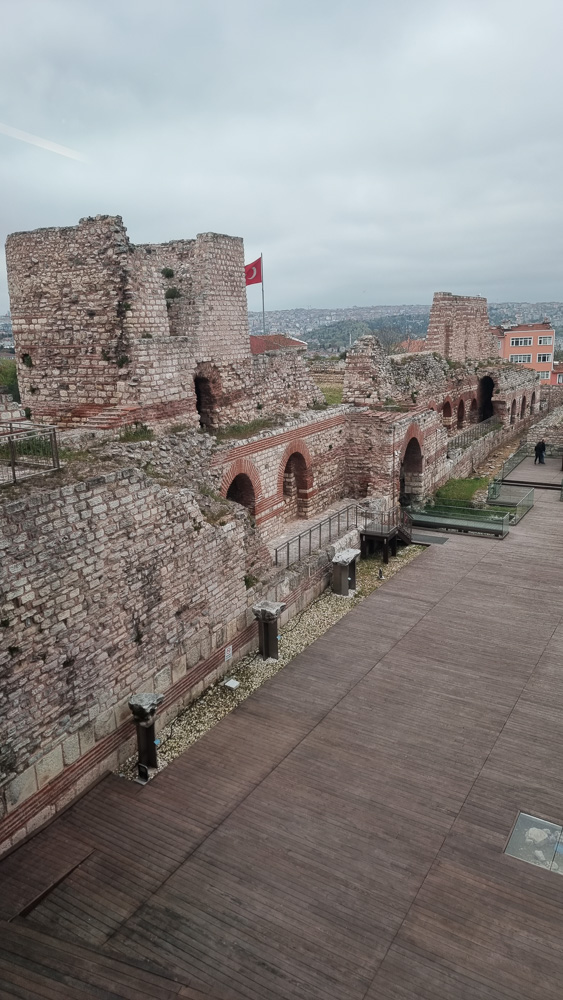
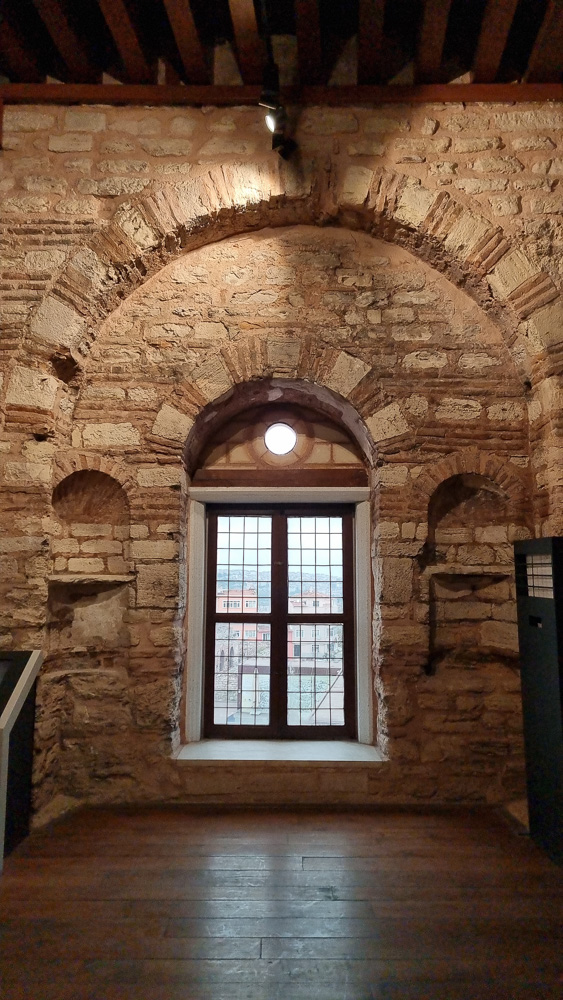
It was one of the most important imperial palaces of the Byzantine era, built near the city walls and forming part of the Blachernae Palace. Initially, it was used as a summer residence for the emperors, but from the 11th century onwards it became the main residence of the Byzantine court, especially under the Komnenians and Palaiologos, and was considered a place of great ceremonies and historical events. The palace has been renovated in recent years and despite the fact that no furniture or valuable objects have been preserved, the building "travels" you to the Byzantine years, when it was a place of great ceremonies and historical events. The ticket is not particularly expensive and you can buy it on the spot.
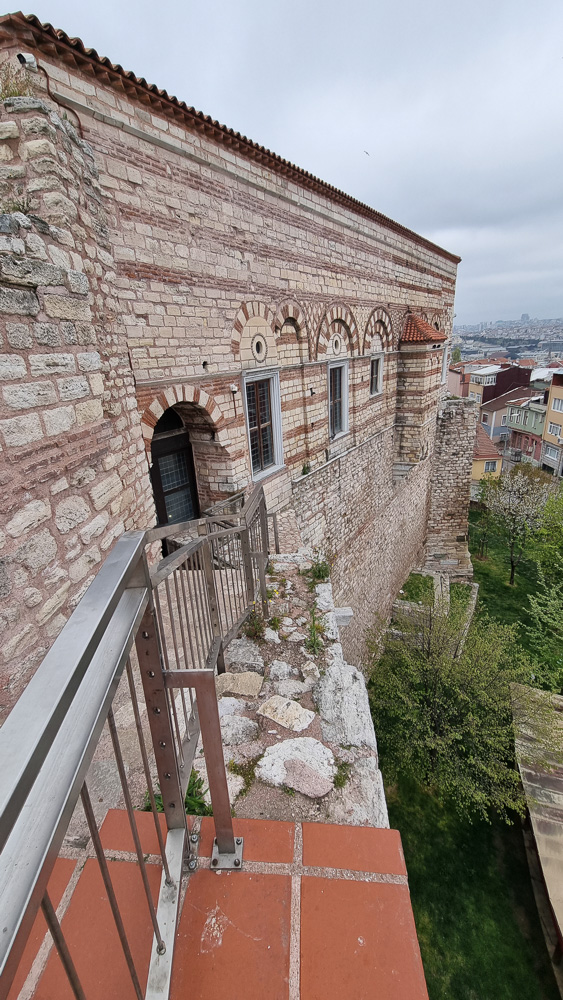
Kekroporta
Nearby distance is the small and discreet gate, which has been linked to one of the most dramatic legends of the Fall of 1453. According to legend, this gate was allegedly left open or opened to allow a Byzantine counterattack, and eventually through it the Ottoman soldiers entered the city, leading to the final fall of the Byzantine Empire. Although the historical accuracy of the incident is disputed, the Kekroporta has passed into the collective memory as the “fatal opening” that marked the end of the Empire.

Monastery of Chora (Kariye Mosque)
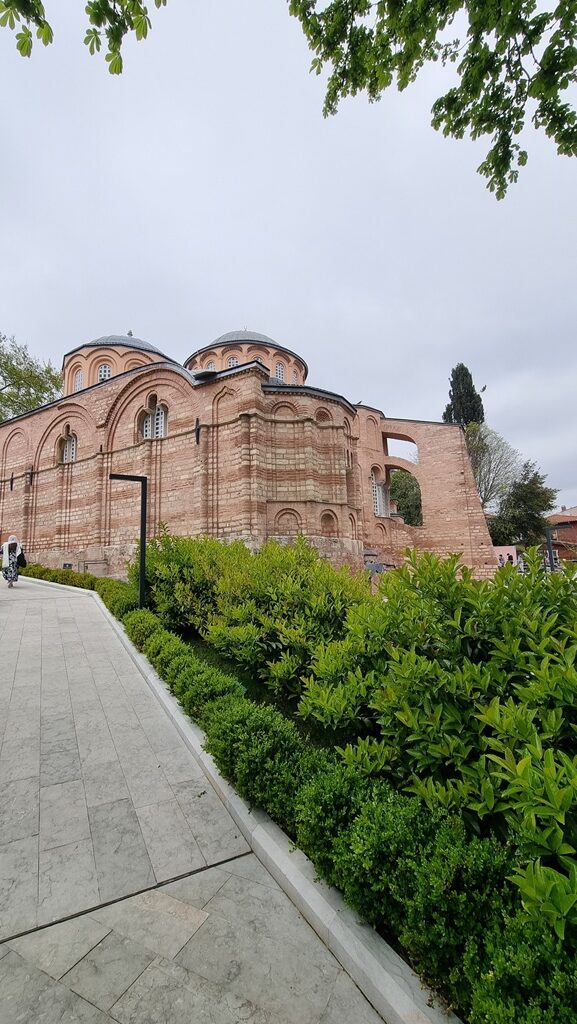
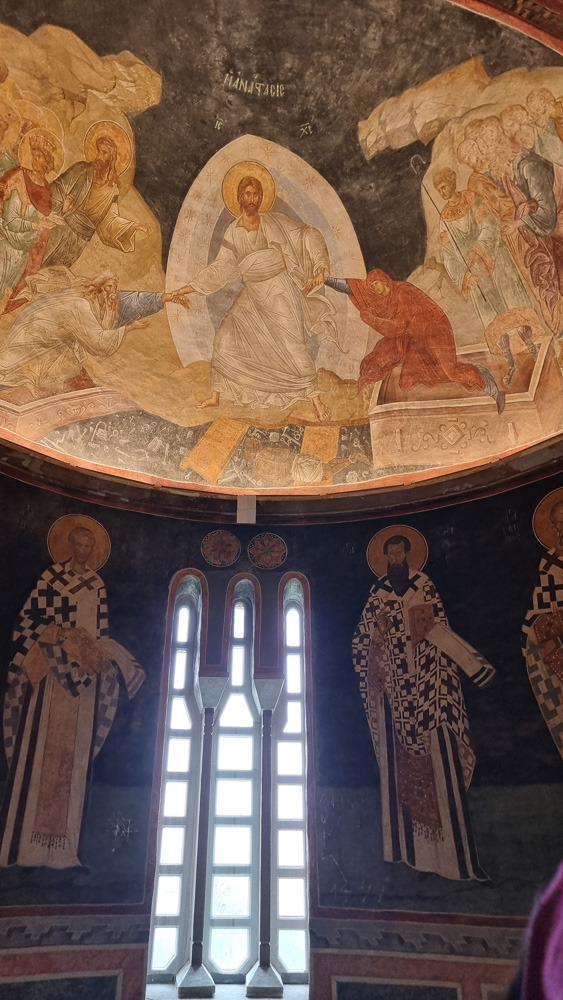
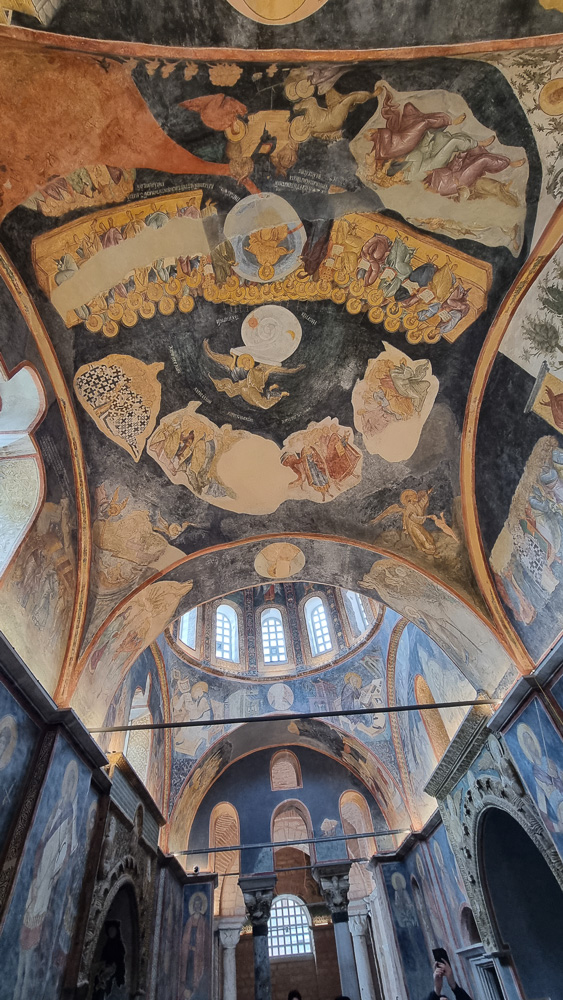
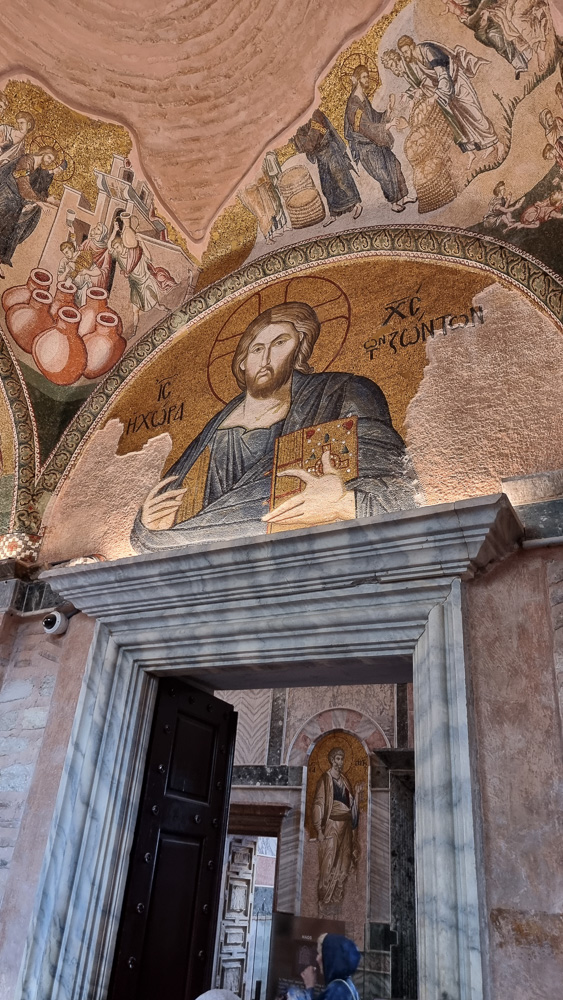
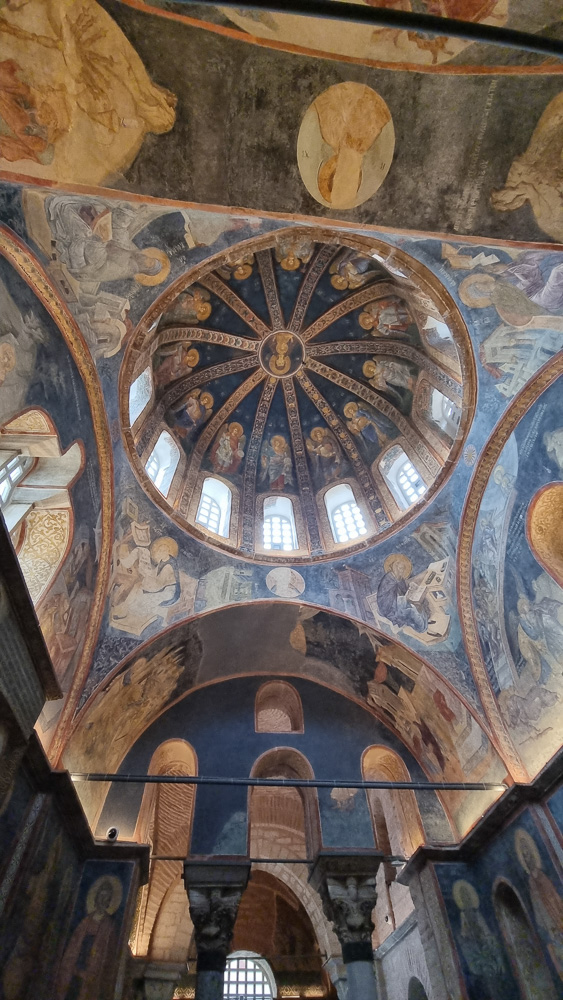
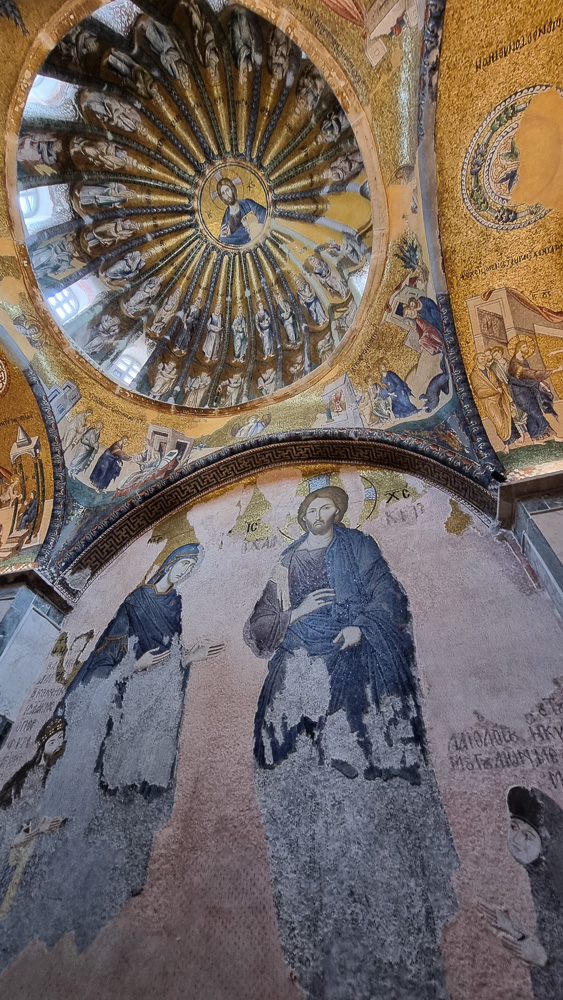
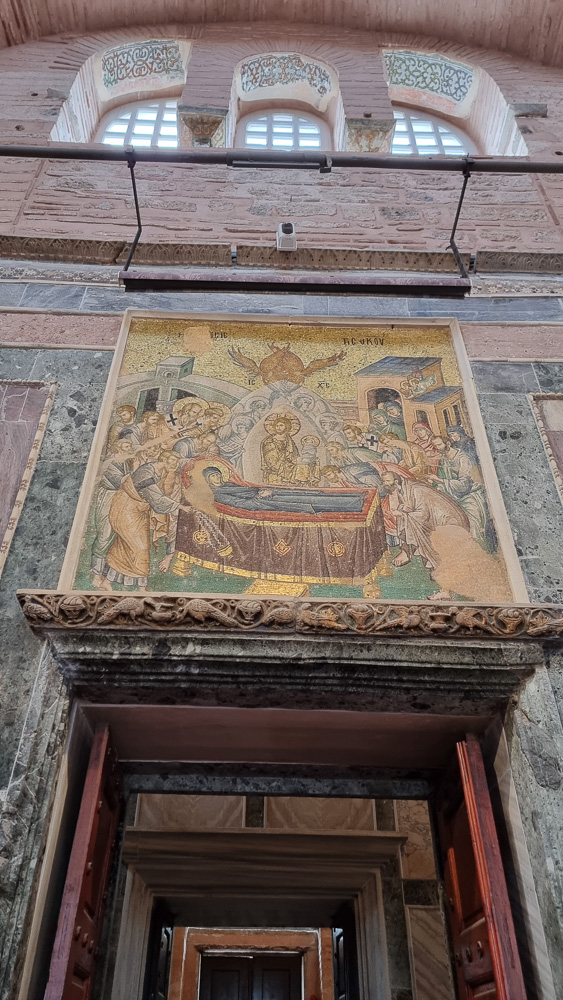
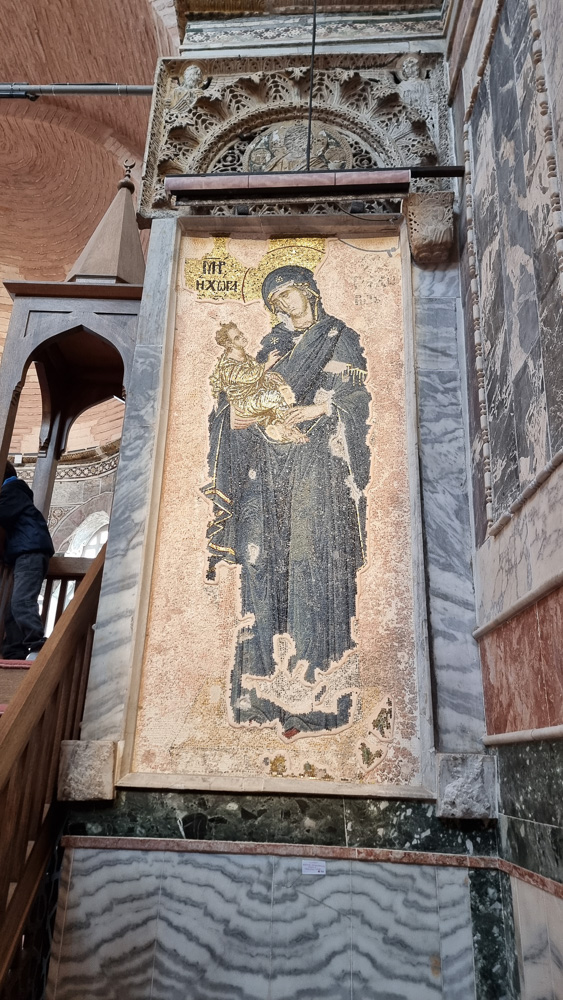
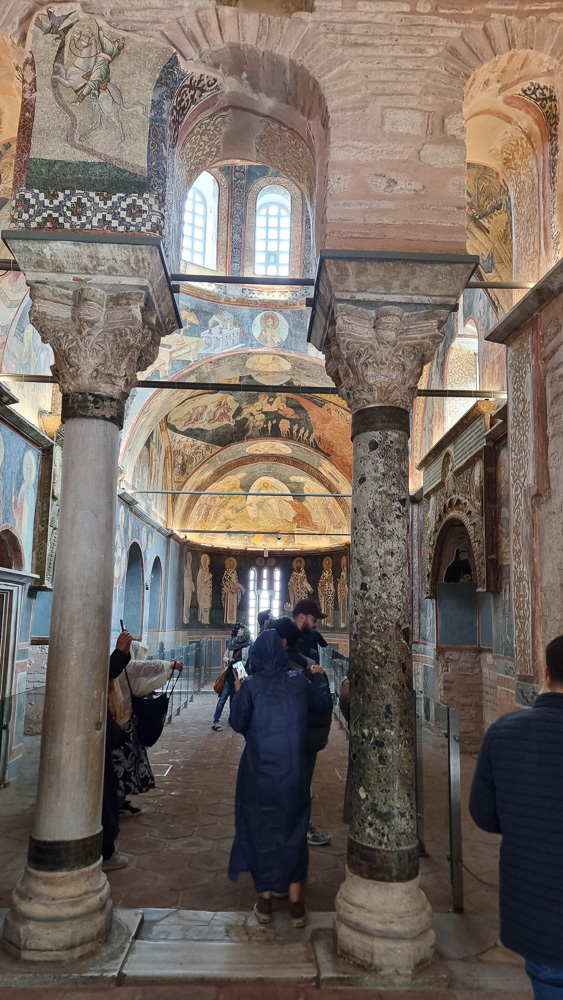
Don't leave Constantinople without seeing one of the most important surviving Byzantine monuments of the 11th century! Also known as the Church of St. Saviour in the Chora, it is located near the Theodosian Walls and its name ("Chora") refers to its geographical location outside the old walls. Its exquisite mosaics and frescoes narrate scenes from the lives of the Virgin Mary and Christ with unique artistic detail, constituting masterpieces of the Paleologean Renaissance. Although the ticket is a bit expensive, here you will truly be left speechless and you will understand how shocking the spectacle in Hagia Sophia would have been, if it had kept its original character and its precious mosaics had been preserved.
Theodosian Walls
Nearby distance is part of the impressive defensive system that protected the western side of the City, which is considered one of the strongest fortifications of antiquity. They were built in the 5th century under Emperor Theodosius II and extended from the Blachernae Monastery in the north to the Sea of Marmara in the south, covering a length of approximately 6.5 kilometers. The system consisted of a triple line of defense: an inner and outer wall with an intermediate space (perivolos), as well as a large moat. Reinforced with towers, ramparts and gates, the walls withstood sieges for almost a thousand years, making the city practically impregnable.

Beyoglu
Formerly known as Pera during the Ottoman era, it was the European quarter of Istanbul, inhabited by Greeks, Italians, Jews and other non-Muslims. It was heavily influenced by Western architecture and culture, making it very different from the old Ottoman city.

It is worth approaching it from the Karaköy funicular, known as the Tünel, one of the oldest underground railways in the world, which climbs the steep Galata hill. It has been operating since 1875 and although the route is very short – only about 600 meters – it serves thousands of residents and visitors daily, offering a scenic and quick climb to the center of the area.

Galata Tower
It is one of the most emblematic and recognizable monuments of Istanbul. It was built by the Genoese in 1348 as a defensive tower and part of the fortifications of their colony in Galata. With a height of about 67 meters, it offers impressive panoramic views of the Old City, the Golden Horn and the Bosphorus. Over the centuries it was used as a prison, lighthouse and observatory. Today it operates as a museum with a particularly expensive ticket.
Tip: Instead of climbing the tower, go to the wonderful terrace of Göçmen Artisan Bakery, right across the street! There you can enjoy coffee and delicious pastries with a backdrop of the Tower, the Bosphorus, and the Golden Horn.

Great Street of Pera
İstiklal Caddesi, formerly known as the Great Street of the Past, is one of the most famous and busiest pedestrian streets and is distinguished by the famous red tram. Many buildings still remain closed as after the September 1955 uprising and the pogrom against the Greeks, their ownership status has not yet been determined.

Church of Saint Anthony of Padua
It is the largest Catholic church in Istanbul. It was built in 1912 in the neo-Gothic style by the Italian Catholic community of the city and is an important religious and cultural center. The church is dedicated to Saint Anthony of Padua, one of the most beloved saints in the Catholic world. The interior of the church impresses with its tall stained glass windows, sculptures and atmosphere of serenity, while it remains an active place of worship and hosts services, concerts and events throughout the year.

Zografio Lyceum
Founded in 1893 with a donation from benefactor Christakis Zografou, it has been an important intellectual center of the Greek diaspora. The impressive neoclassical building symbolizes the long-standing Greek presence in the city. Despite the decline in the Greek population, especially after the September 1955 uprising, the school continues to operate, keeping the language and tradition alive through bilingual education.

Flower Alley (Çiçek Pasajı)
It was built in 1876 by Christakis Zografos and was originally known as Christakis Passage. The name “Flower Arcade” came from the Russian noblewomen who, after the October Revolution, sold flowers there to make a living.

Sismanoglio Mansion
It was ceded to the Greek state in 1939 by the Sismanoglou family, a prominent family of Cappadocian Greek benefactors. It is used as an active building of the Consulate General (Consular residence, venue for cultural and educational events).

Church of the Holy Trinity
It is the largest Greek Orthodox church in the city, built in 1880, and is distinguished by its imposing architecture with neo-Byzantine and neo-Gothic elements, its distinctive dome and twin bell towers. It is an important religious and cultural center of the Greek community of the city.

Zappeion Girls' School
It was built with a donation from the national benefactor Konstantinos Zappas. It is one of the last living beacons of Greek culture and education in the city, as despite the times it still operates with a kindergarten, elementary school, middle school and high school in the heart of Istanbul!

Galata Port Promenade
It is an impressive new waterfront development in Istanbul, transforming the historic Karaköy district into a modern and multifunctional cultural, entertainment and tourism area. It is an extensive redevelopment of a one-kilometer stretch of the Golden Horn, which was closed to the public for about 200 years. It features department stores, restaurants, bars and a modern image that stands out from the rest of the city.

Ortakoy
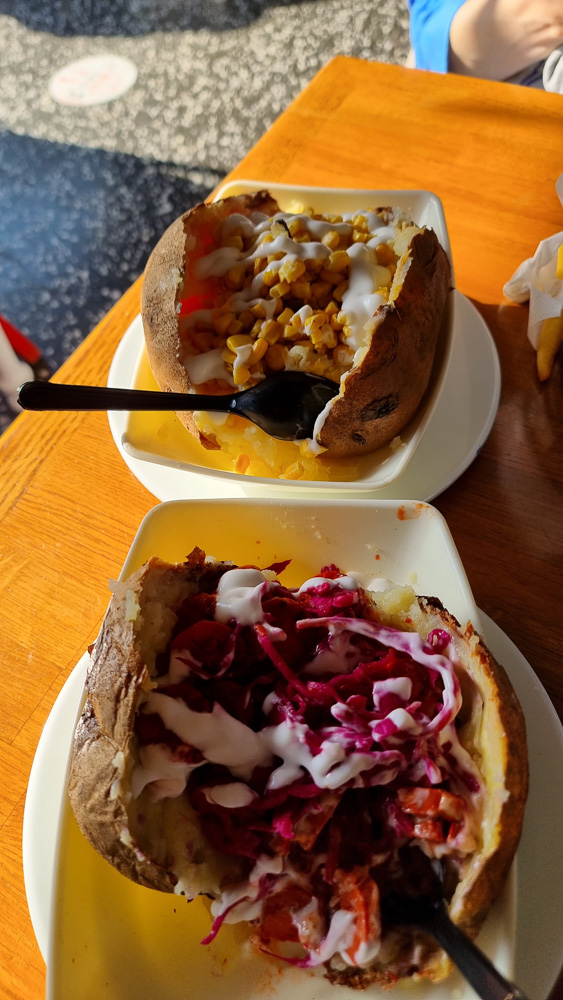
Ortaköy is a picturesque and cosmopolitan neighborhood, known for its beautiful views of the Bosphorus and its lively atmosphere. It stands out for the imposing Ortaköy Mosque by the sea, its historic mansions, such as the Esma Sultan Mansion and the Çırağan Palace, but also for its multicultural history. Today it is a favorite destination for locals and tourists, with an abundance of cafes, bars, restaurants and outdoor stands with the traditional “kumpir” (stuffed potato). Although it is not served by metro or tram, access is by bus, taxi or boat, while the sunset from the beach in the area is considered unforgettable.

Bosphorus Cruise
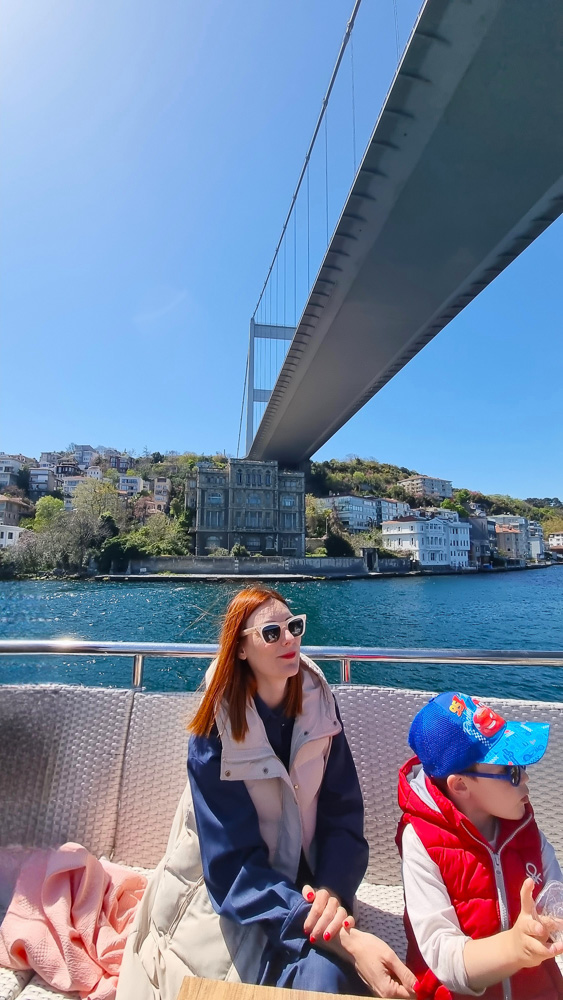
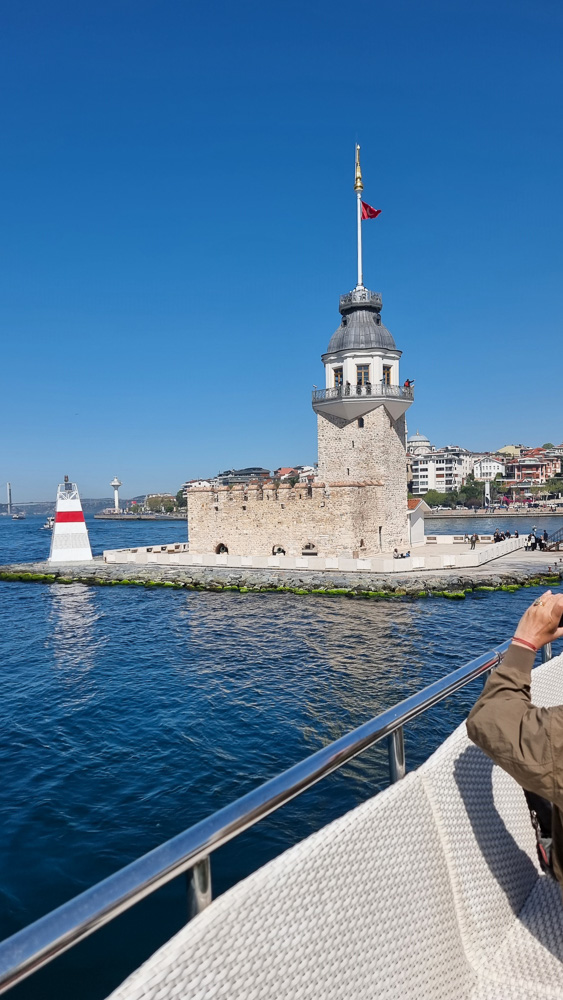
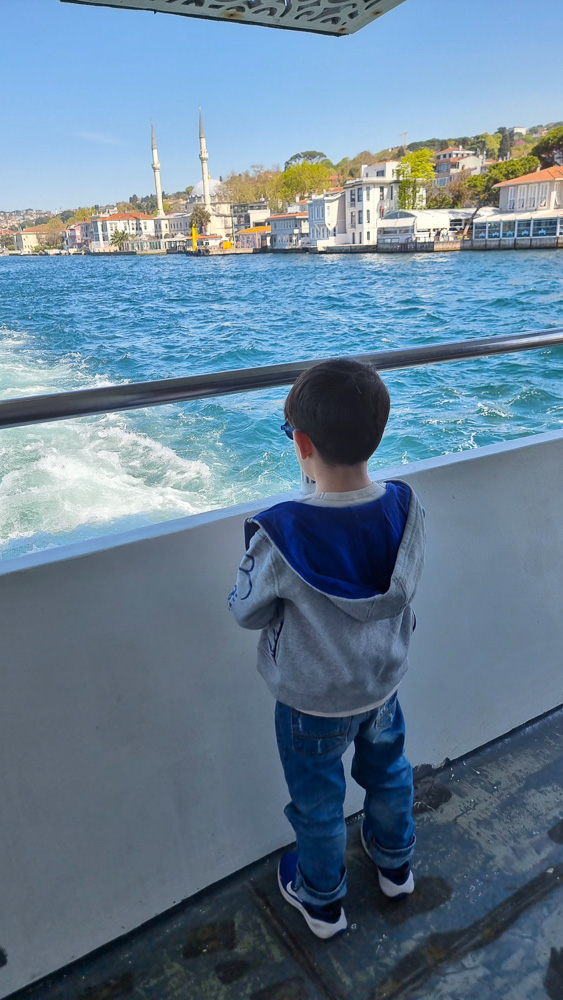
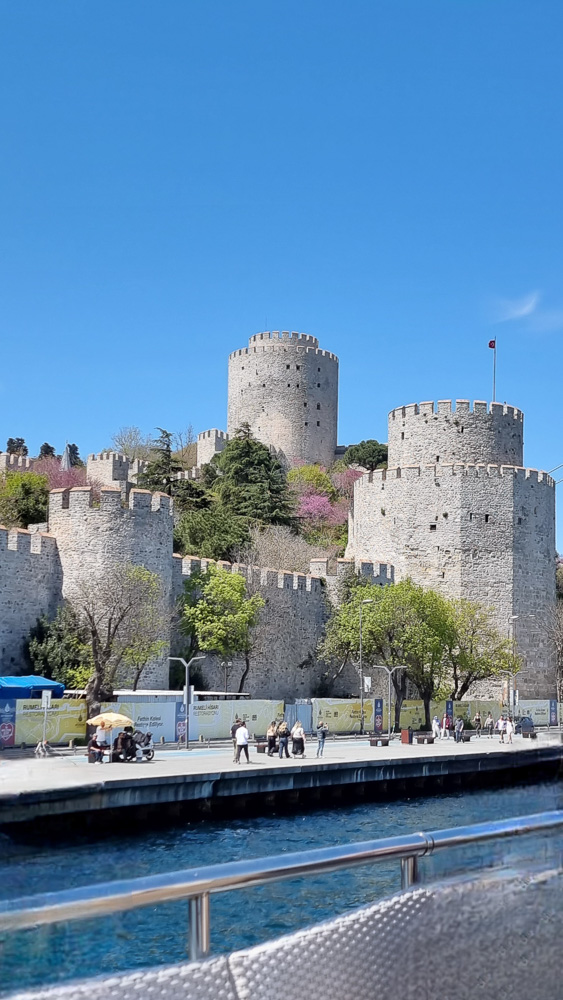
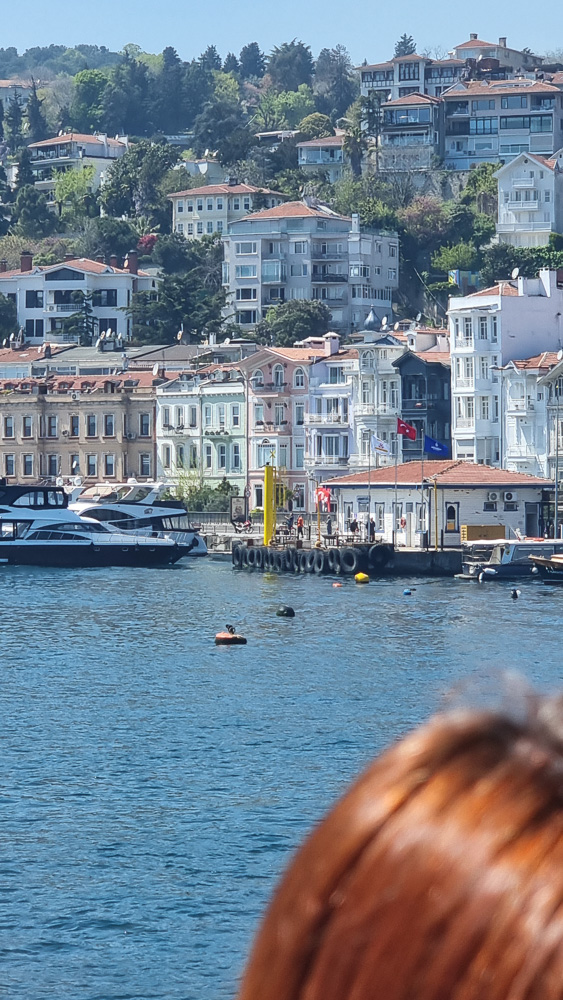
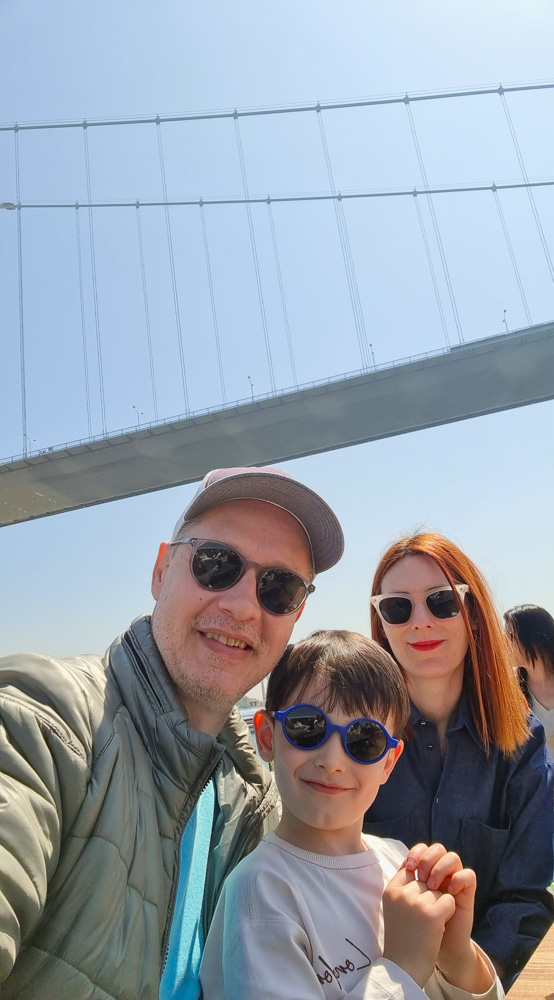
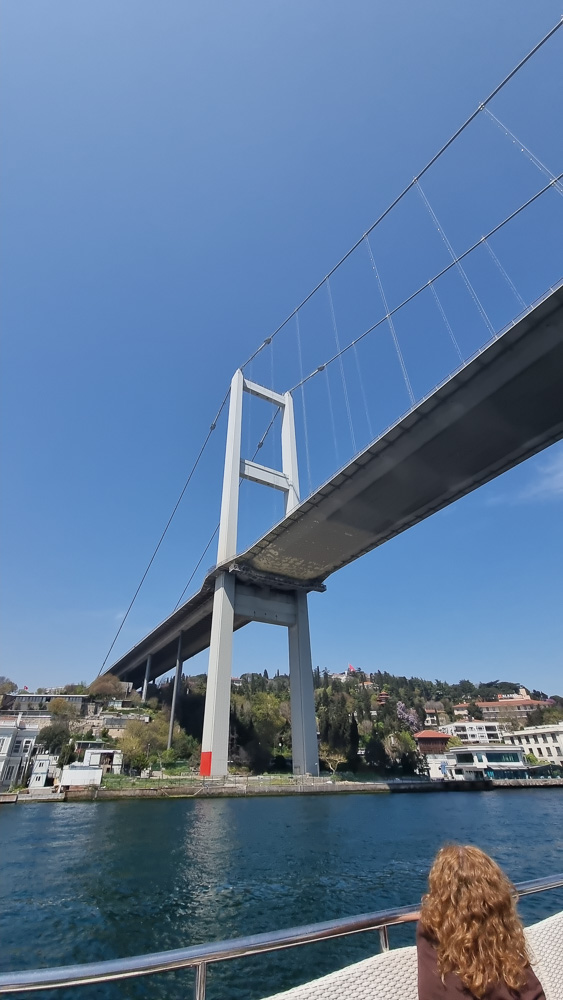
It is perhaps the best experience in Istanbul and you should not miss it under any circumstances! It offers the opportunity to escape the chaos of the city and see it from a unique perspective, right where Europe and Asia meet. During the journey, you can admire palaces, fortresses, mosques and seaside mansions – such as Dolmabahçe Palace, Rumeli Hisarı Fortress and the luxurious mansions also known as “glasses”. Cruises are available in various formats: from short one-two hour trips to full day or evening cruises with dinner and live music. We tried and recommend this is it.
What didn't we do?
As you can imagine, we did not visit the Topkapi and Dolmabahce palaces, as the tickets are very expensive and our interest in Ottoman architecture is limited. We also did not go to the Princes' Islands, as this is an activity that is quite tiring for children and we would have to allocate a whole day. We also did not try the experience of a hammam which is particularly popular in Istanbul, as small children are not allowed. Even these, however, would not have enhanced our overall experience, which we describe below.

What to try
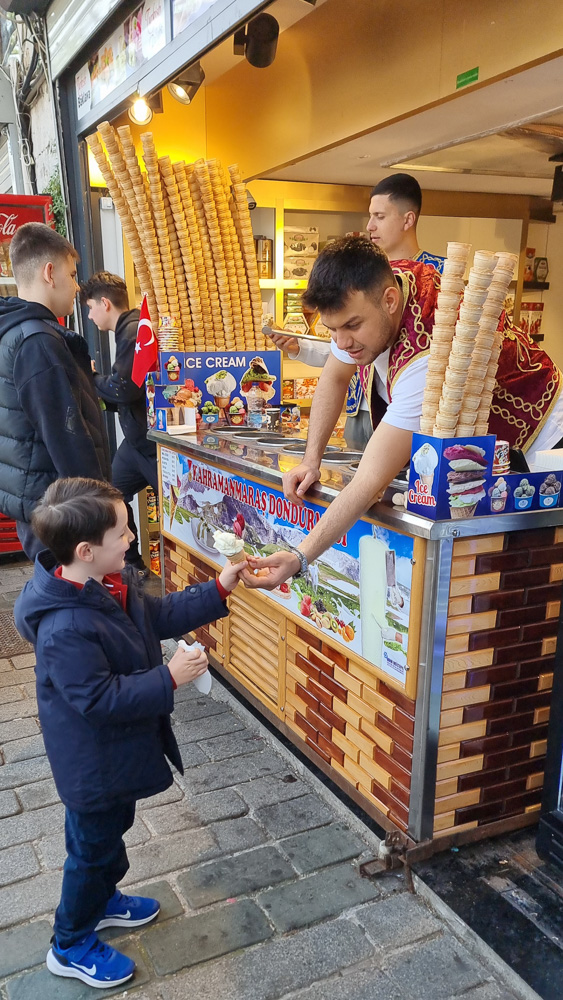
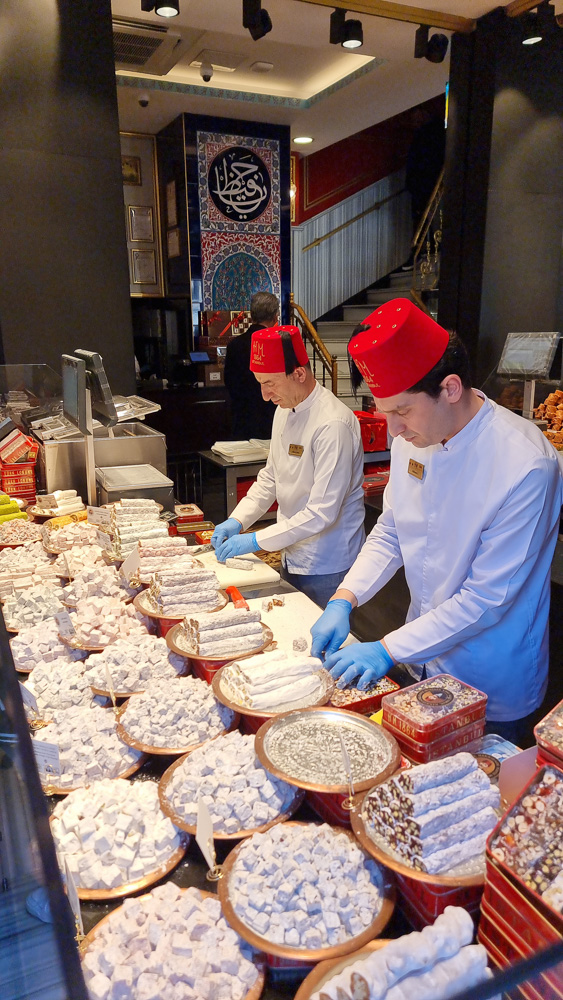
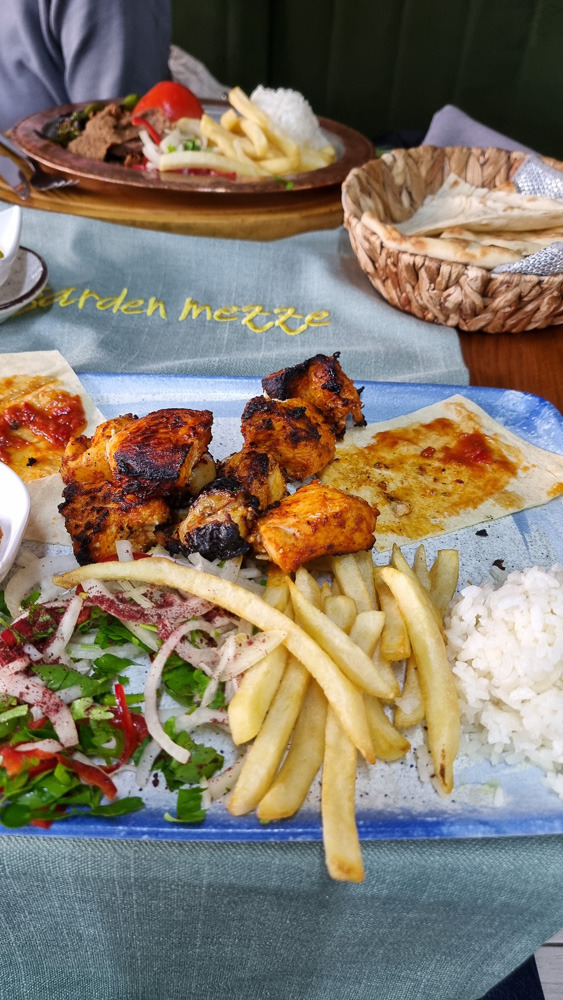
Istanbul is undoubtedly a gastronomic destination, where East meets West not only in architecture, but also in flavors. From the kebab, doner and the tried and tested street food “fish sandwich” (balık ekmek) in Eminonu, up to the traditional snacks and the stuffed potato "cumin"In Ortakoy, every meal is a cultural experience. Don't miss out on trying scumbag, the local millet-based drink, and of course, end each day with a Turkish delight – baklava, kunefe or turkish delight, accompaniment Turkish coffee, salep or tea in a teacupIt's worth trying ice cream while enjoying the famous show from the vendors!
Tip: Food in the city has become particularly expensive in recent years, so before you sit down somewhere, do a search or ask for the price list... you'll remember us.
Closing
Usually, when we conclude a travel article, we summarize the beautiful experiences we had in each destination. In the case of Istanbul, however, the assessment is more complex — perhaps even a bit of a "spoiler" for those planning to visit.
The city is undoubtedly one of the most contradictory destinations we have visited. On the one hand, it enchants you with its deep history, inextricably linked to Byzantium and Hellenism. On the other hand, its everyday life can prove to be tiring and discouraging: traffic chaos, queues everywhere, disjointed transportation, inadequate cleanliness, lack of infrastructure for pedestrians and the disabled, noise pollution, lack of greenery, absence of spatial planning, excessive nationalism and unjustifiably high prices.
Perhaps We may have been influenced by the charged past of both peoples. Perhaps our expectations did not match reality. Or perhaps our experiences from other destinations have simply raised the bar. In any case, Istanbul not won us over. Although we spent several days there and gained a comprehensive picture, we were never able to "connect" with the City. It is not a destination we would return to anytime soon. But we urge you to get to know it and form your own opinion.
Because every trip, even if it doesn't leave you with the best impressions, offers you experience, knowledge, and a new perspective on the world. And that in itself is valuable.