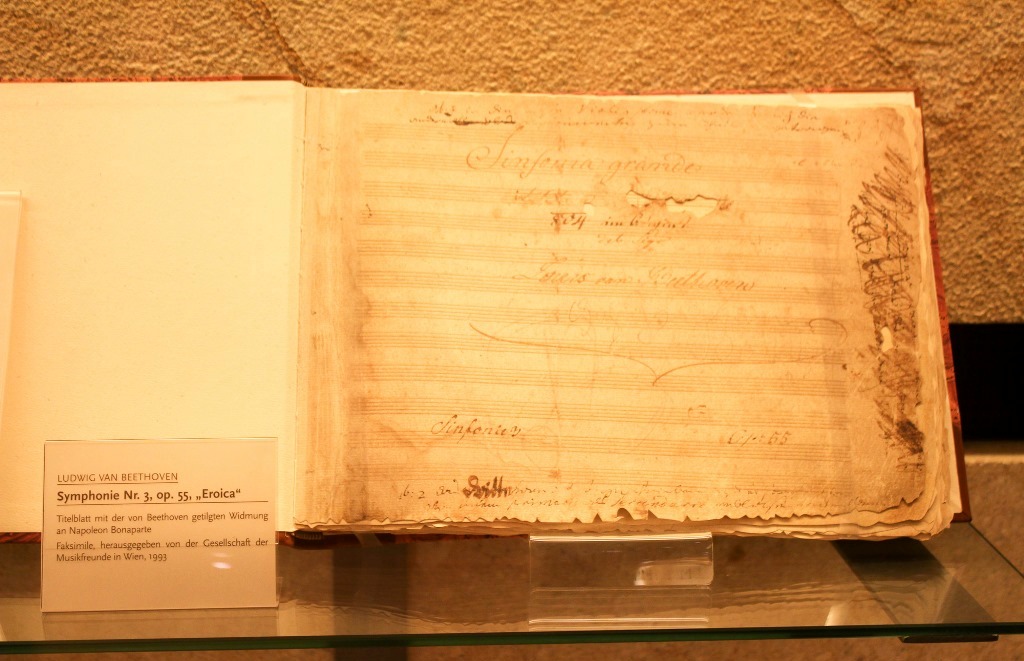
The favorite of Strauss, Beethoven, Freud, always radiant and fairytale-like, it is undoubtedly one of the most beautiful capitals in the world! Imperial, romantic, full of touches of Baroque architecture, it doesn't leave you much room not to love it... Most people choose to visit it during the holiday season, and not without reason, as the thousands of lights and Christmas markets make it the European capital of Christmas! Another beautiful season, however, for Vienna is spring, when the endless parks are filled with all kinds of flowers and the weather is favorable for walking and strolling.
Wherever you choose to go, the only thing that is certain is that you will be enchanted by its magic and will experience to the fullest the quality of life that the Viennese enjoy. It is no coincidence that Vienna has consistently been in the top five cities for the last few decades whose citizens feel completely satisfied with their daily lives. You will see it too!

How will you get there?
There are direct flights from both Athens and Thessaloniki, so you won't have a hard time deciding. From the airport, there are three ways to get to the city. By fast train, S-Bahn (το απλό τρένο) και bus που είναι το πιο οικονομικό. Αξίζει να προμηθευτείς τη Vienna Card, which ensures free travel on all public transport, while also giving you a discount on lines to the airport. At the same time, it offers you significant discounts on museums, events, restaurants, cafes, concerts, theaters, guided tours, etc.

Where to stay?
You will find many options depending on your budget. Our advice is to have a metro or tram station nearby so you can easily travel to all parts of the city. We chose for our stay the Imperial Riding School Renaissance Vienna Hotel and we were completely satisfied.
What to see
– Historic center. The entire area known as Inner city is a UNESCO World Heritage Site. It is surrounded by the Danube and the Ringstrasse. You will walk around it admiring the numerous Art Nouveau and Baroque buildings and enjoy your coffee in historic Viennese cafes.

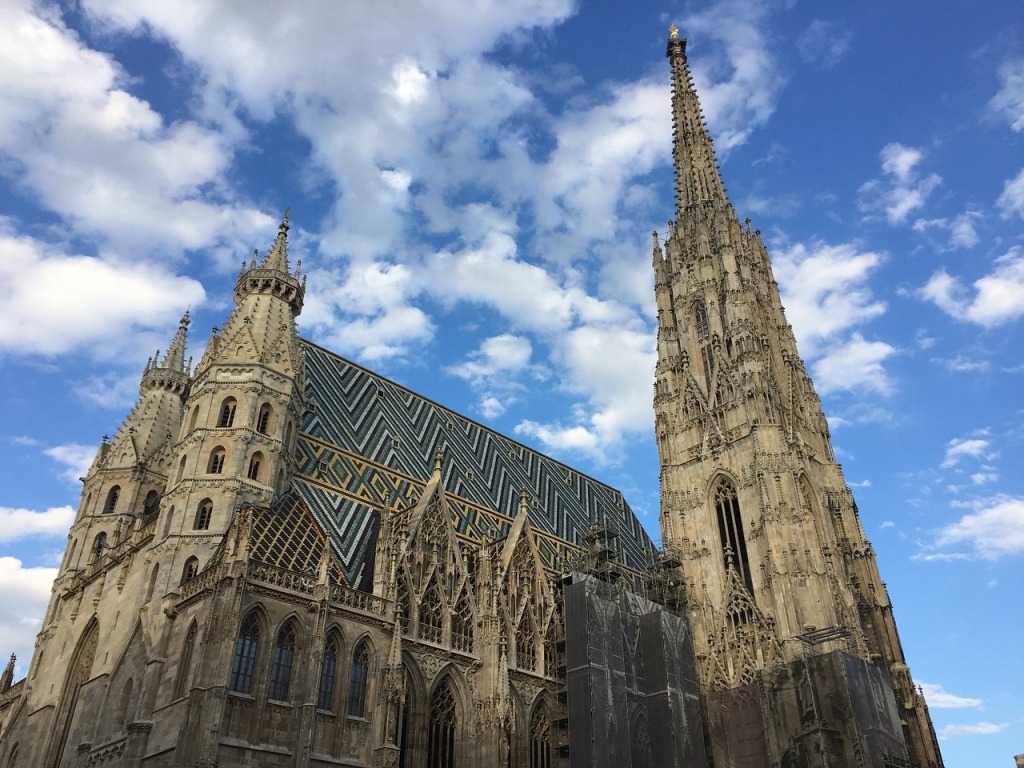
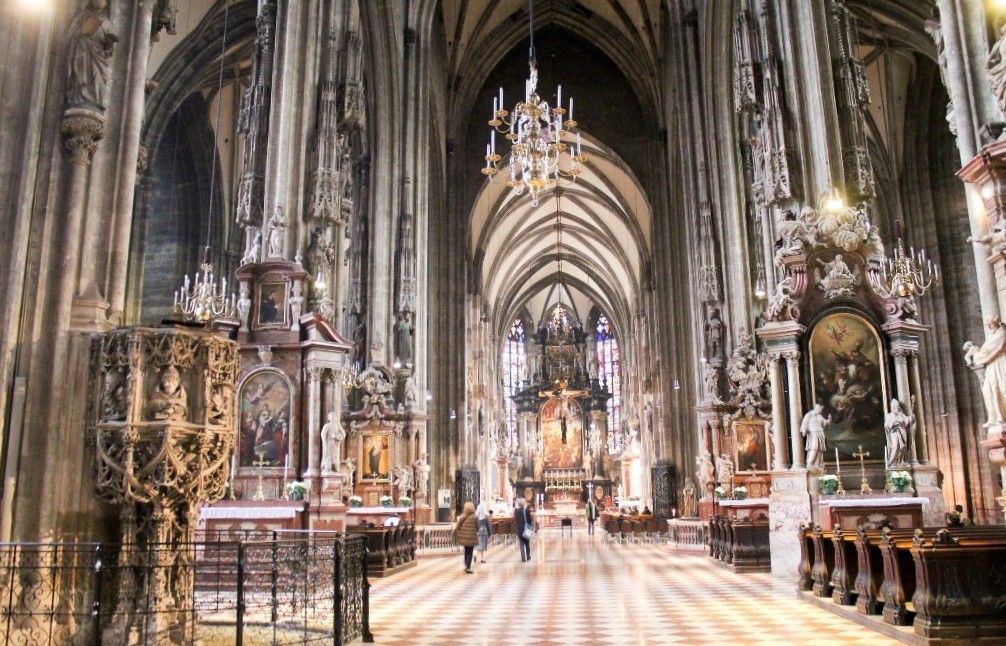
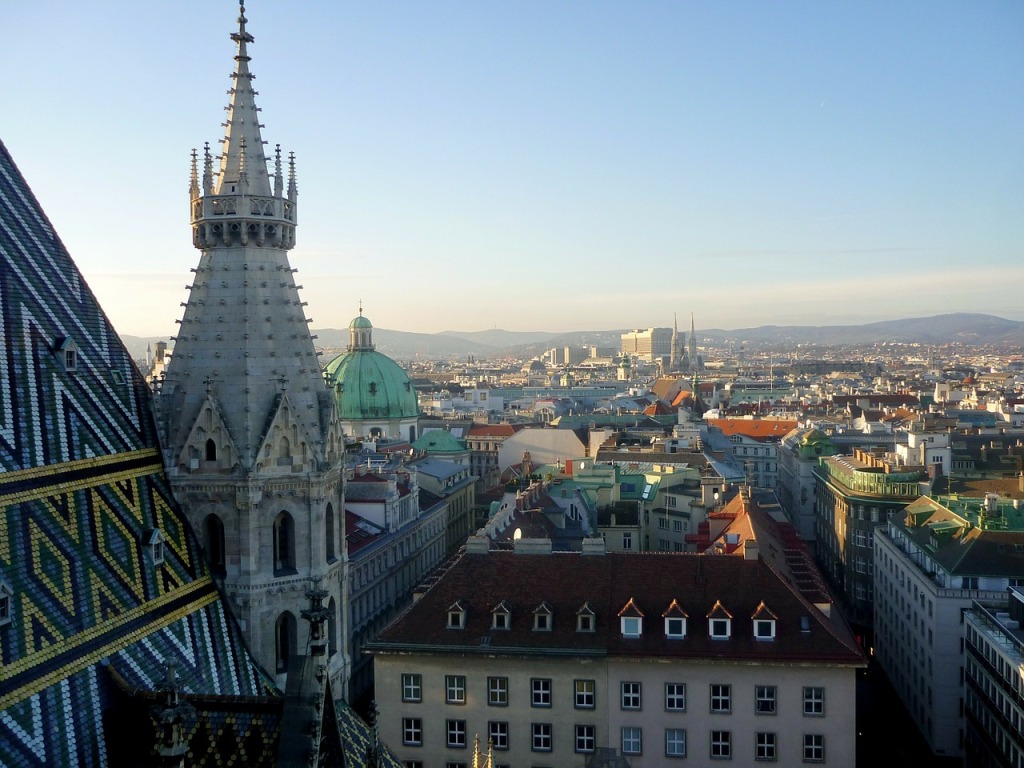
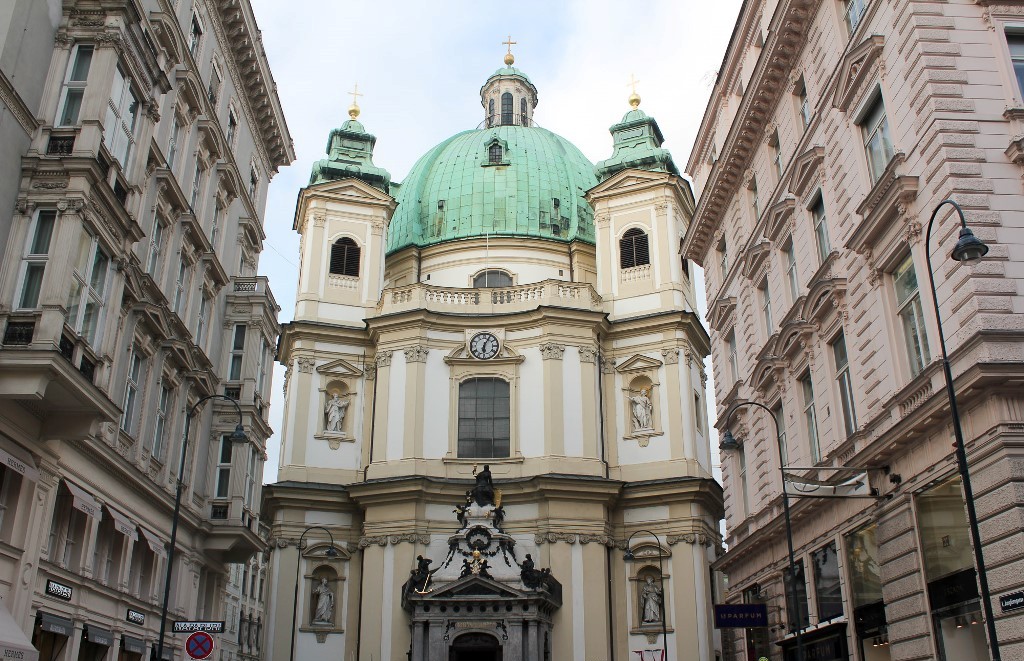
– Cathedral of St. Stephen. It is located in the most central point of Vienna and is the most important Gothic church in the country. Along with the main church, don't forget to go down to the catacombs, but also to climb the bell tower for a panoramic view of the city. If possible, prefer to do it just before sunset.
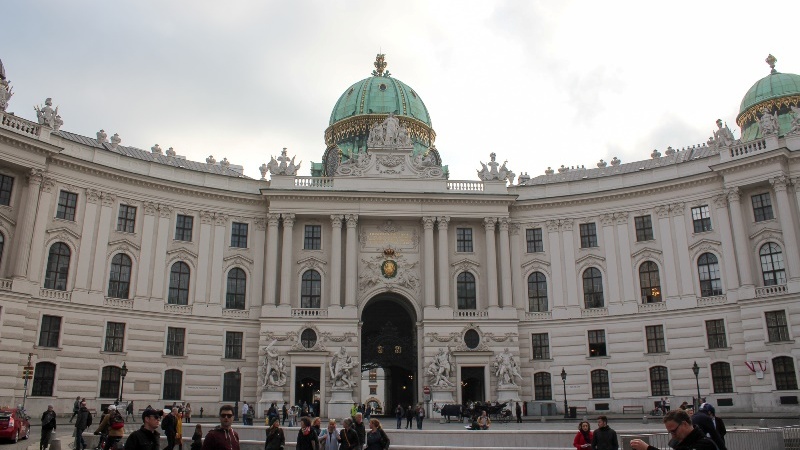
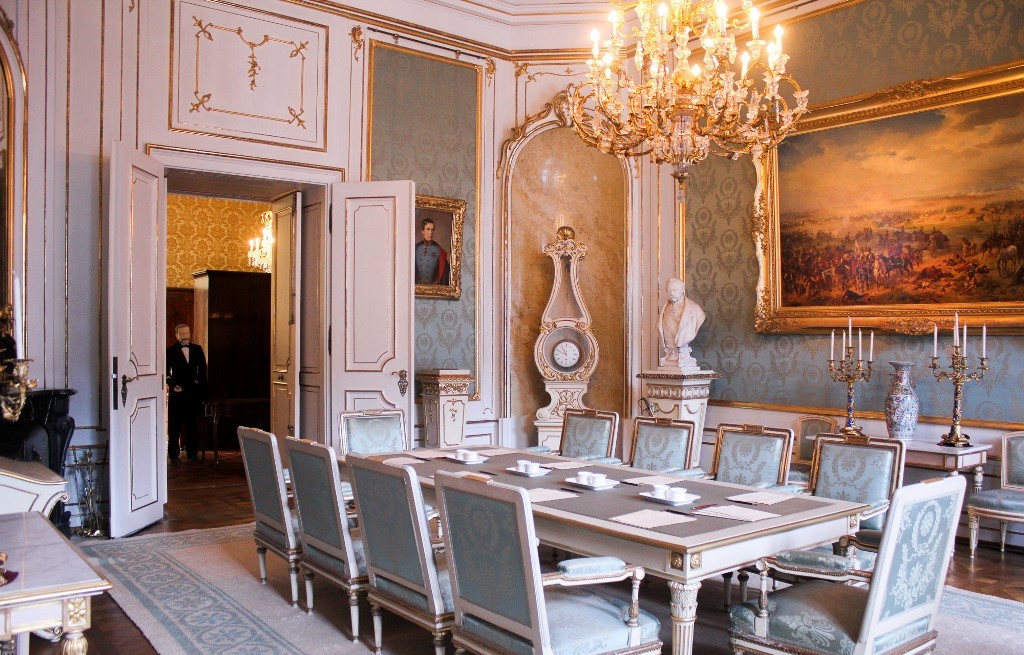
– Nearby is the palace of Hofburg. For over seven centuries, the Habsburg Empire was ruled from this Renaissance palace. Today, it houses a series of museums and galleries that will take you a long time to explore. We visited and recommend the museum of the famous princess Sissy, the imperial apartments, the famous art museum Albertina and the Imperial Museum Treasure.
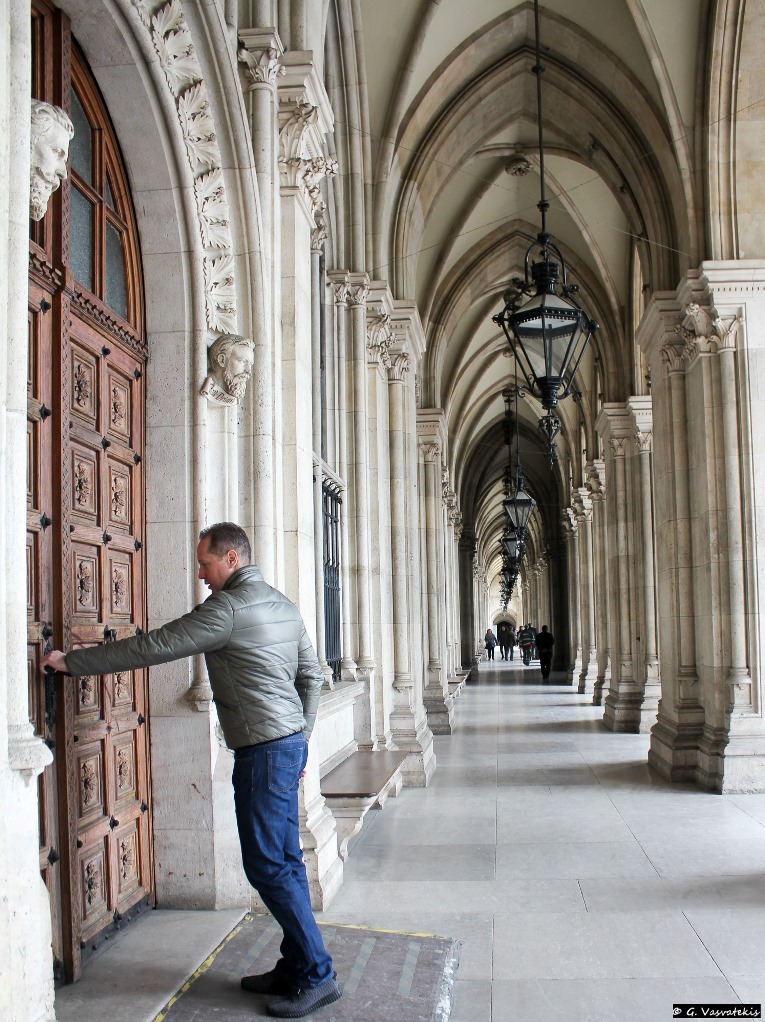
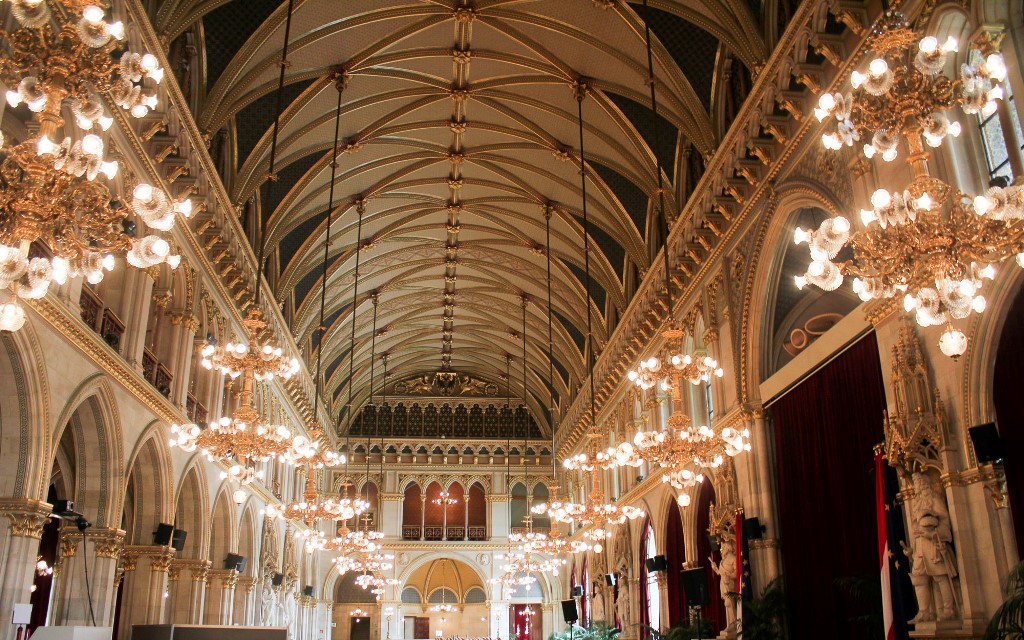
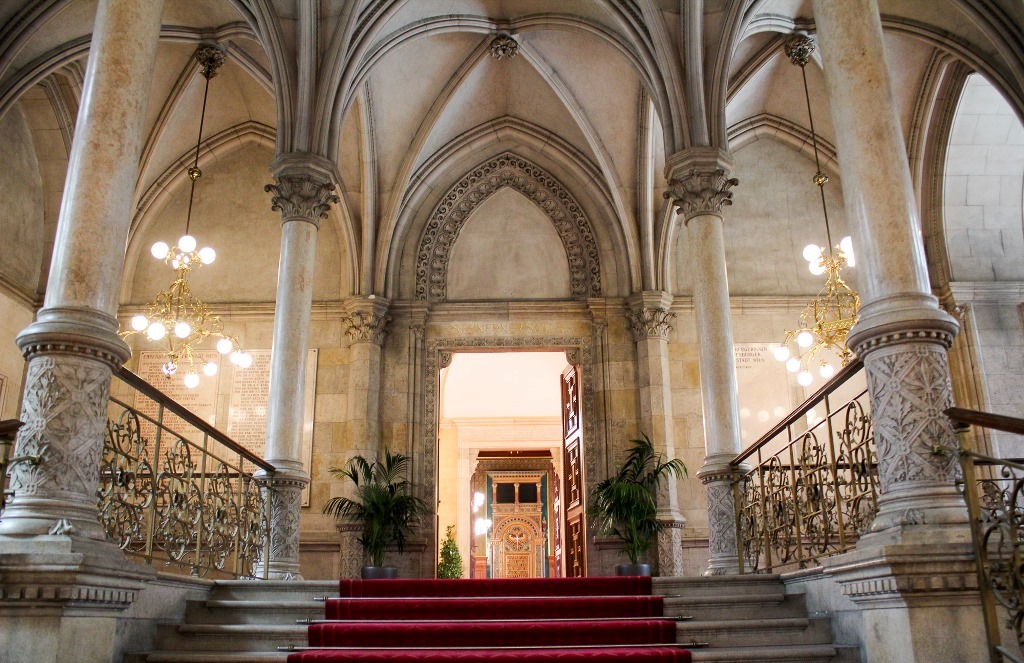
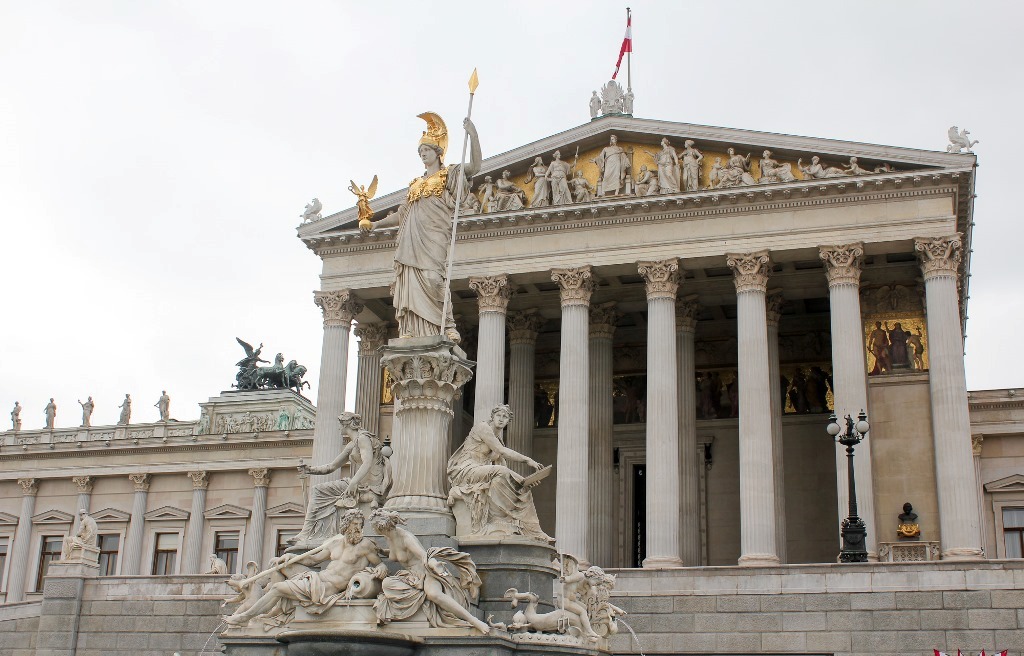
– Behind the Hofburg Palace are three impressive buildings that are worth seeing even from the outside. The first is the Austrian Parliament which was designed in the ancient Greek style by our well-known Theophilos Hansen. At the entrance of the building stands the statue of Athena Pallas, which symbolizes the wisdom that the state needs for its decisions. The second is the Town hall of the city an impressive neo-Gothic building and the third the University of Vienna built in 1884.
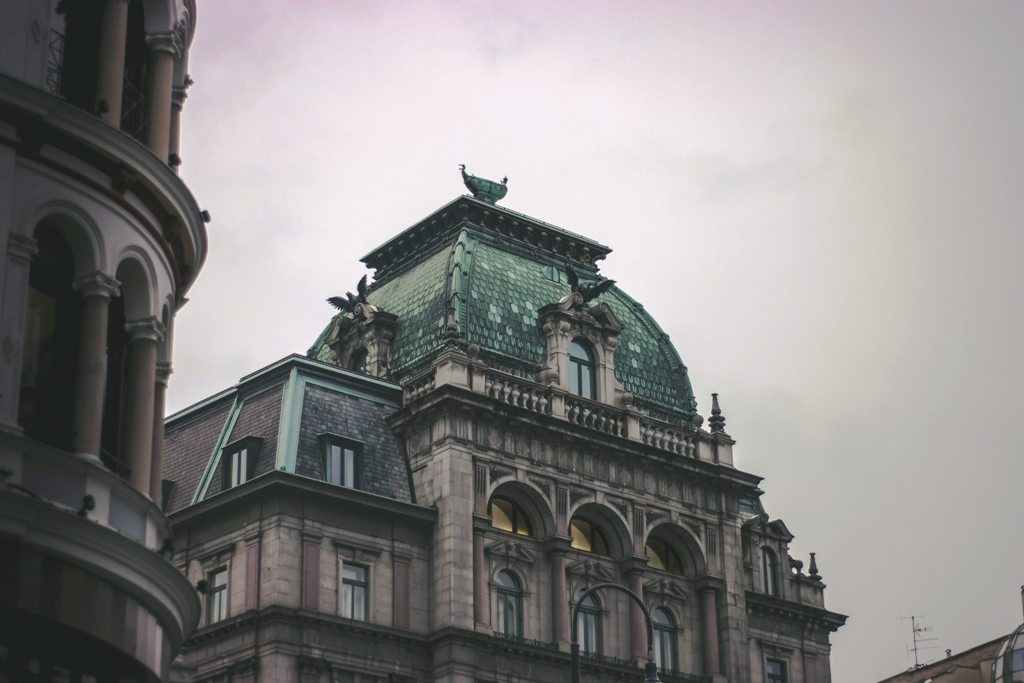
– A few dozen meters away is the museum square (Museum Quarter). Where the Habsburg stables once stood, now coexist the Center for Modern Art (Kunsthalle), the Leopold Museum (dedicated to the modernist and expressionist movements), the Museum of Modern Art (MUMOK), the ZOOM children's museum, the Center for Architecture, and Quartier 21 dedicated to the arts and culture of the 21st century.

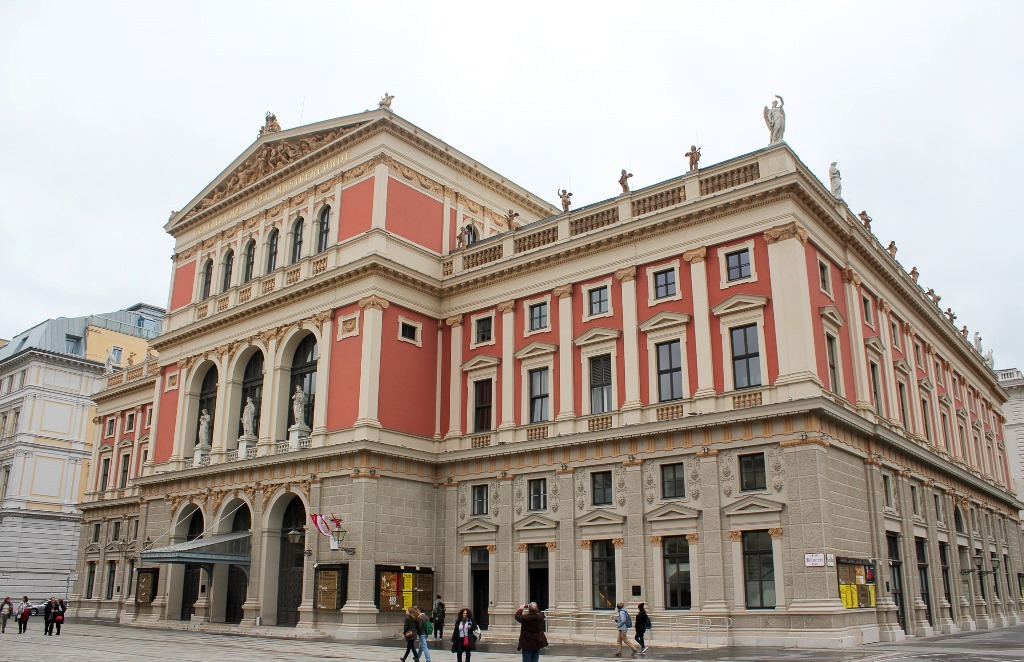
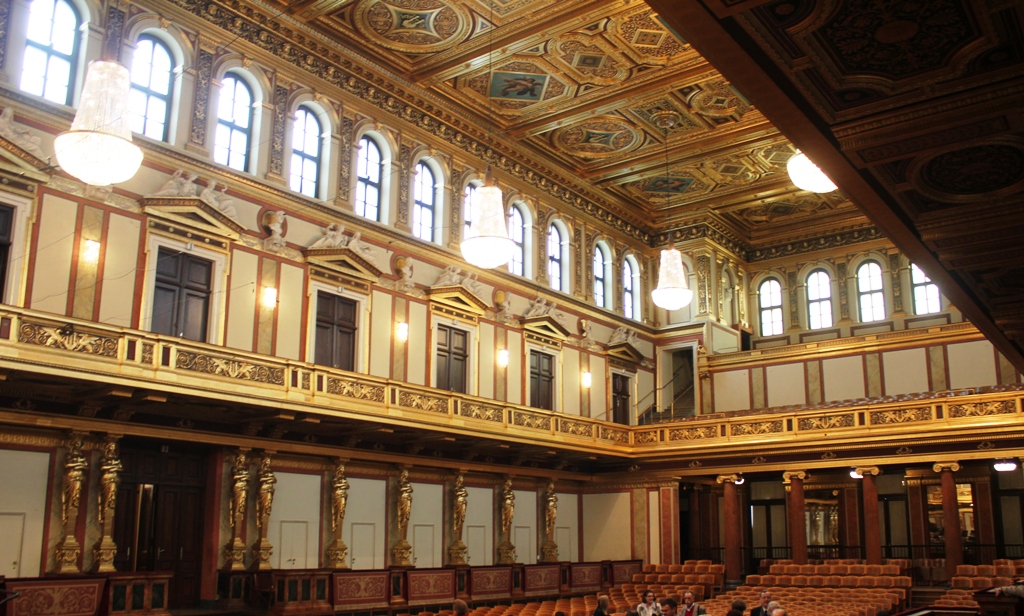
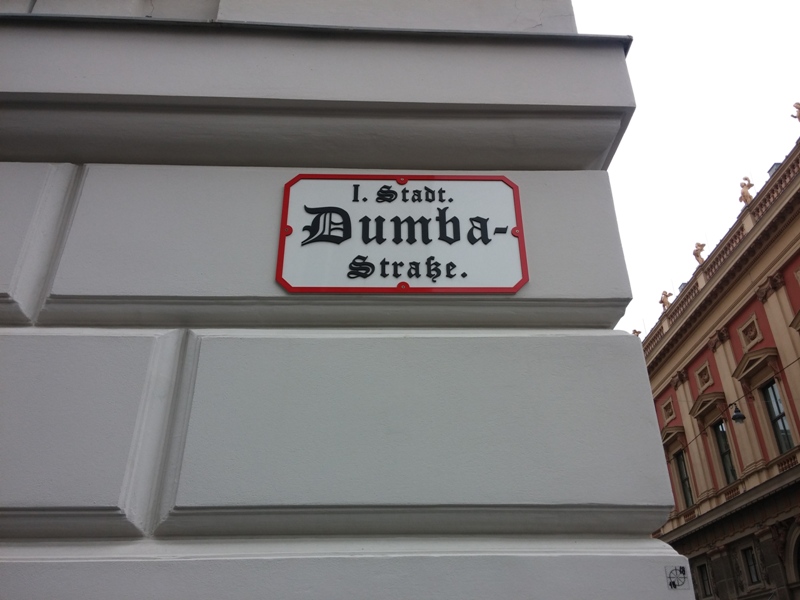
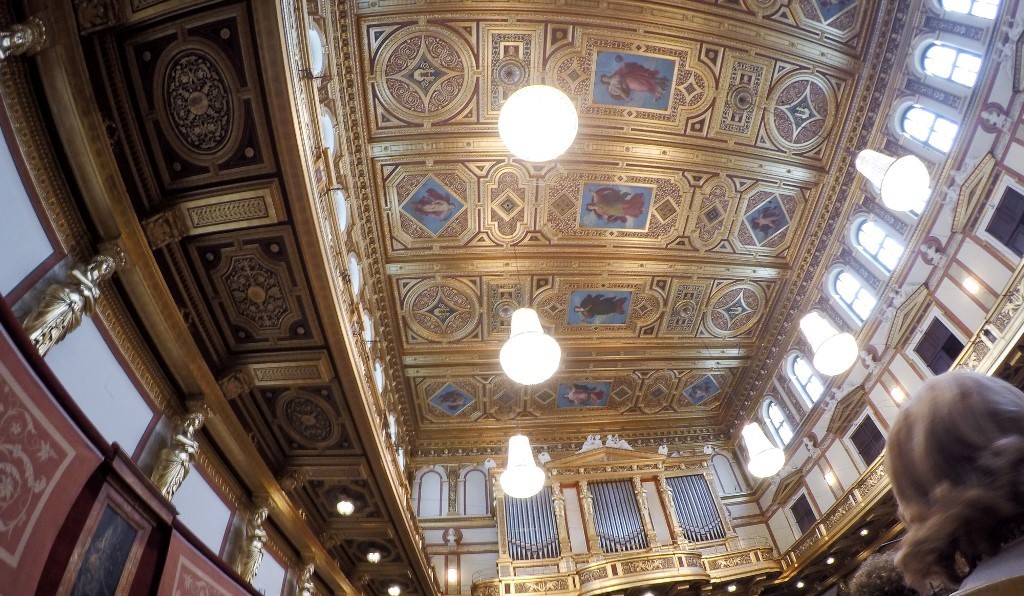
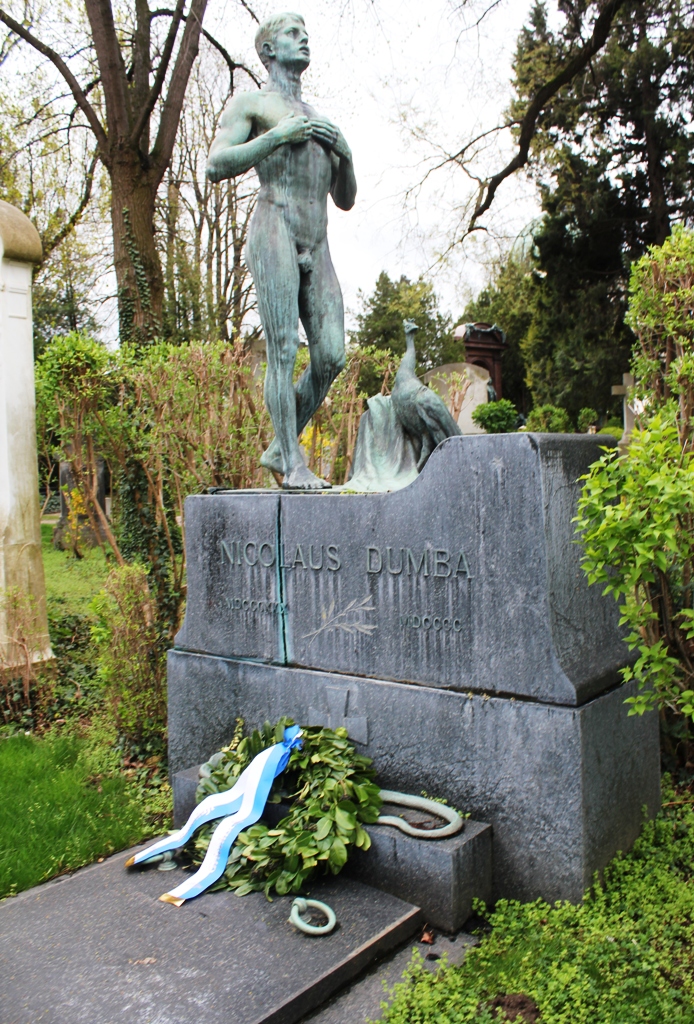
– You are in the well-known Ringstrasse which in a way "circles" the center. On it are imposing buildings and museums. Here you will also find the famous opera of Vienna with numerous performances on a daily basis. A few dozen meters below is a building with a special meaning. It is the Music club with the gold-plated hall that we know from the New Year's concert that is broadcast every year on ERT. This building was constructed with donations from the Greek Nikolaos Doumbas, who was a personal friend of Strauss and Wagner! The street in front of the historic mansion is named Dumbastraße (Doumba Street) in his honor.
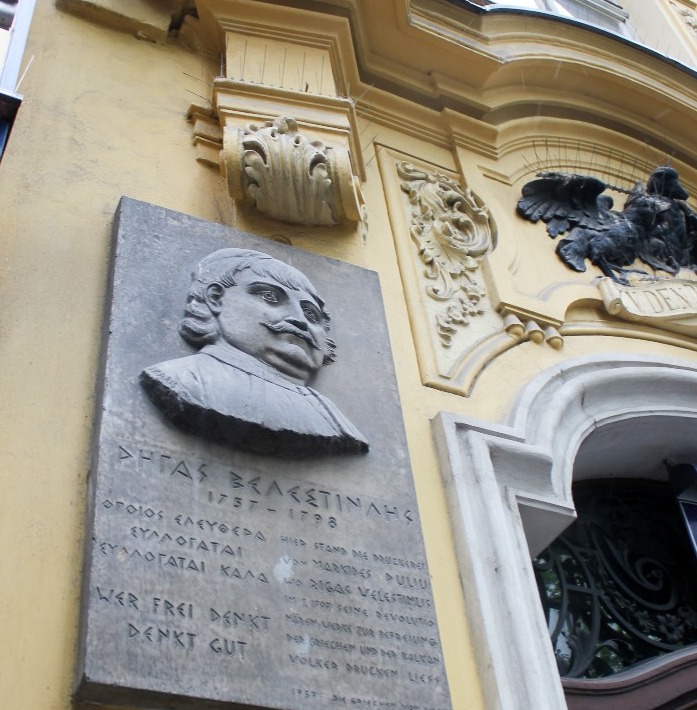
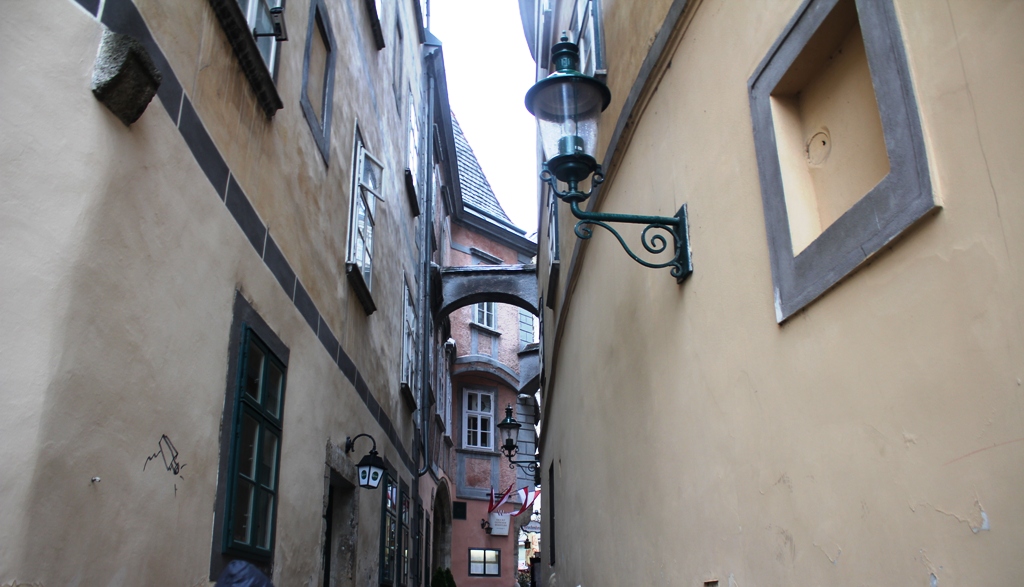
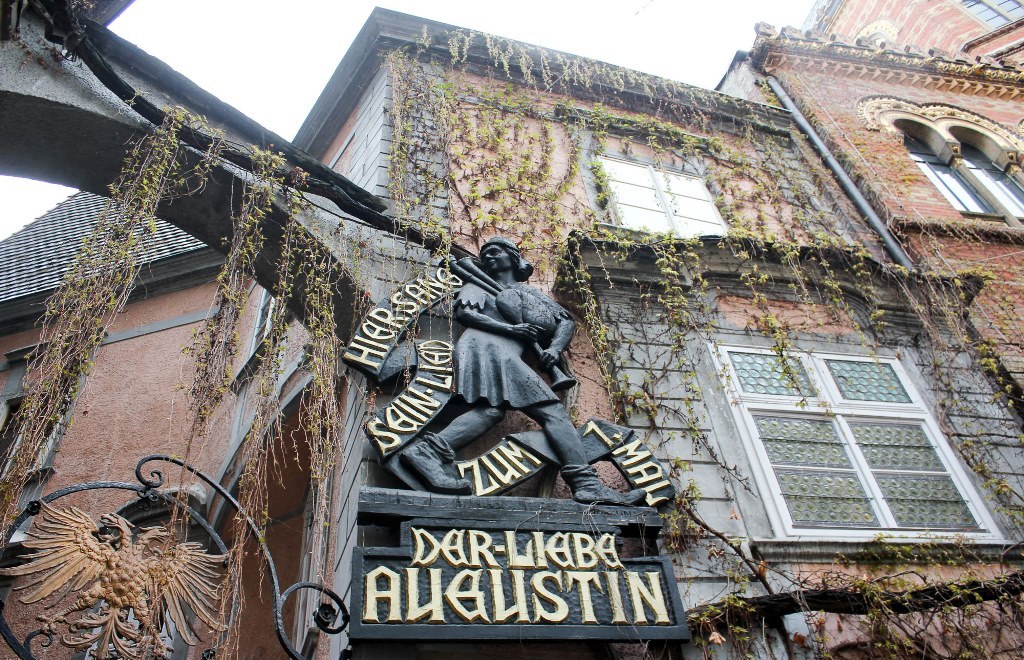
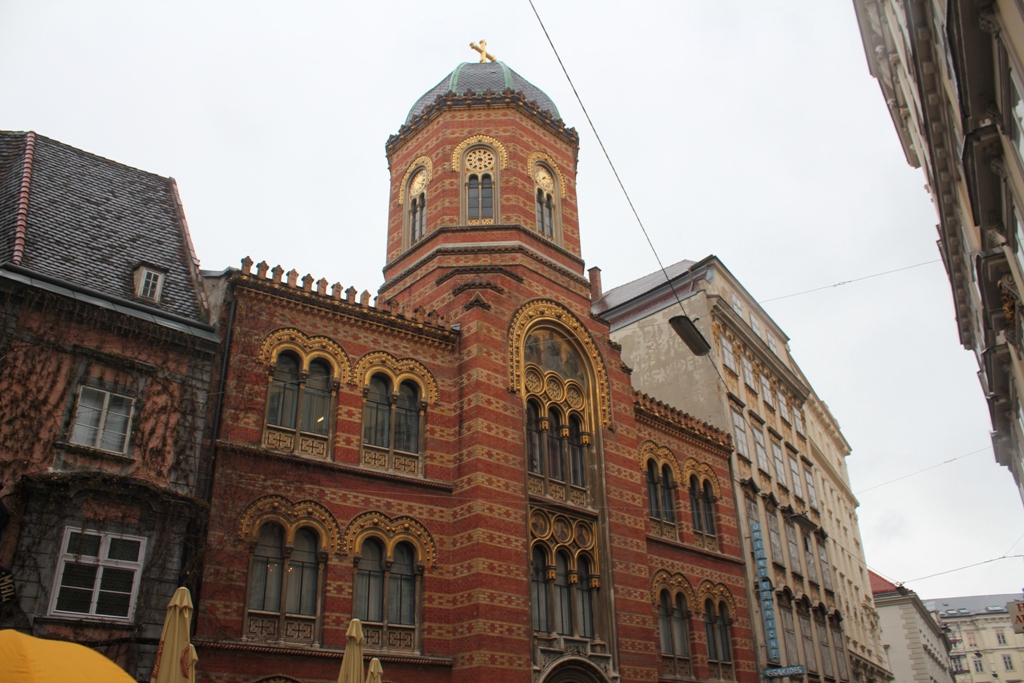
– Greek Quarter (Griechengasse). It is located next to the Danube and a short distance from the center of Vienna. Many Greeks lived there from 1700 onwards, who were mainly active in trade. There is the building where Rigas Feraios was held, beer halls from that time, as well as the Greek Orthodox Church of St. George and the Holy Metropolis of Austria (Holy Trinity).
Outside the center are:
– Palace Schönbrunn. It is one of the most beautiful palaces in Europe, which was the summer residence of the Habsburgs and is today under the protection of UNESCO. Of the 1441 rooms, 45 are open to the public, some of which were used by Maria Theresa, Franz Joseph and Princess Sissi. There is also a fairly remarkable zoo, a plant labyrinth, etc.

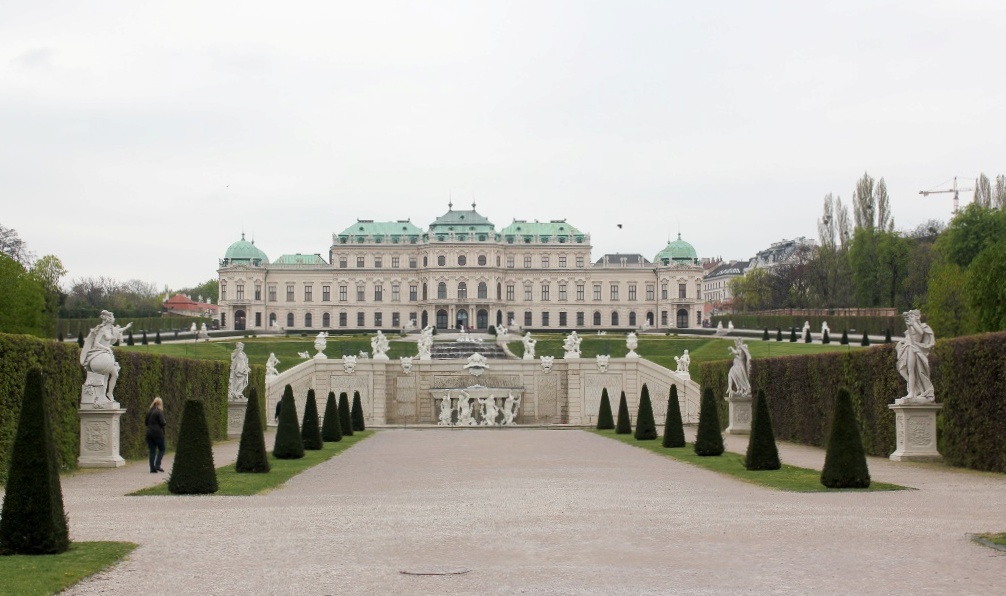
– Palaces Belvedere. Two uniquely beautiful baroque buildings which house the Baroque Museum and the Austrian Art Gallery Collections. Its gardens are beautiful and worth a stroll.

– A walk in the park is also necessary PraterA huge amusement park, an oasis of green and with the famous Big Wheel which is one of the most famous attractions in Vienna. The Prater operates from March to October, but the “Big Wheel”, and some of the other attractions are open all year round.

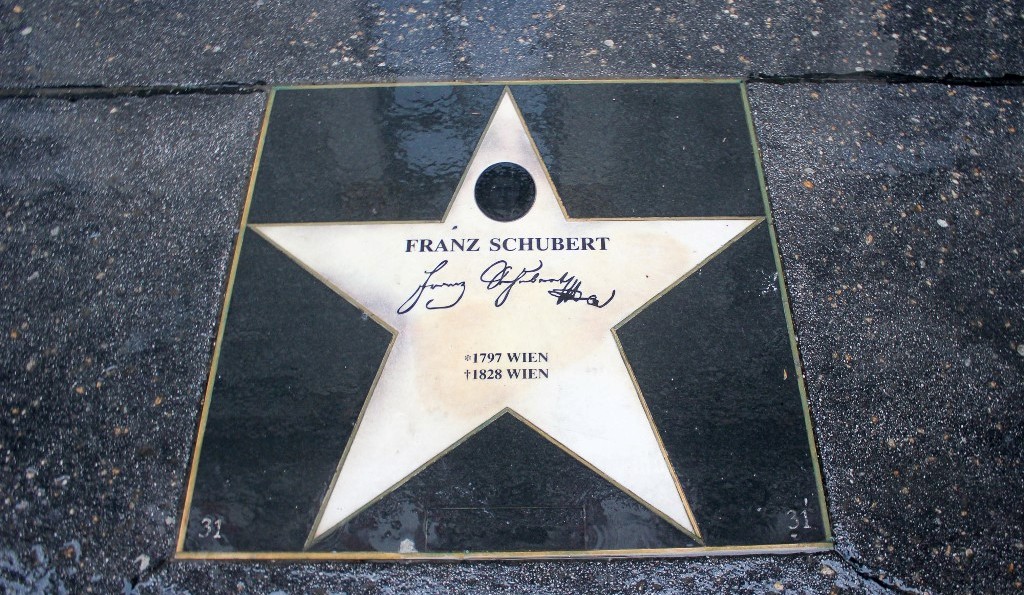
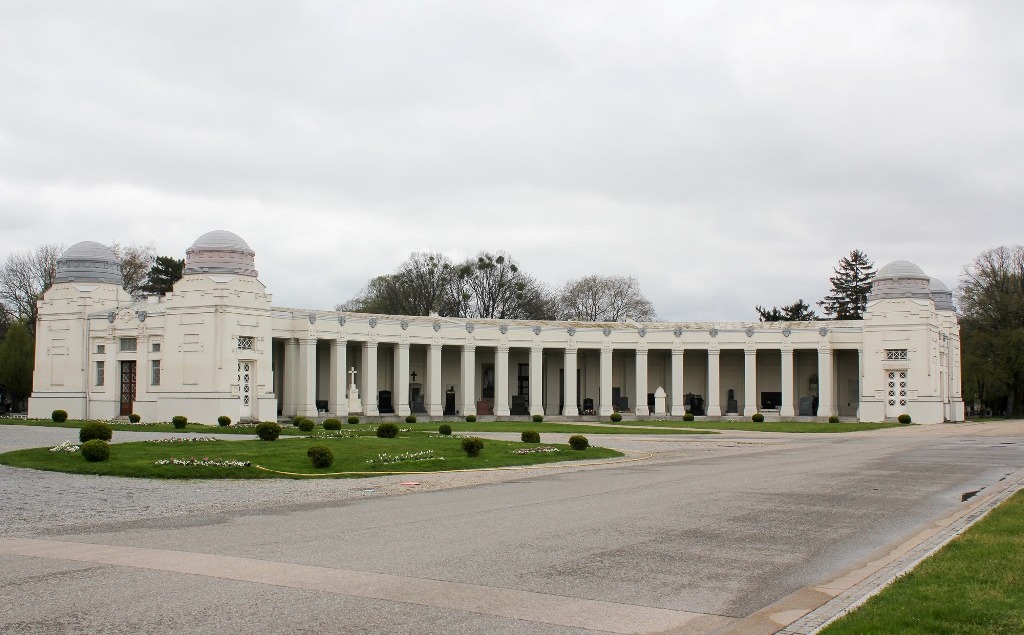
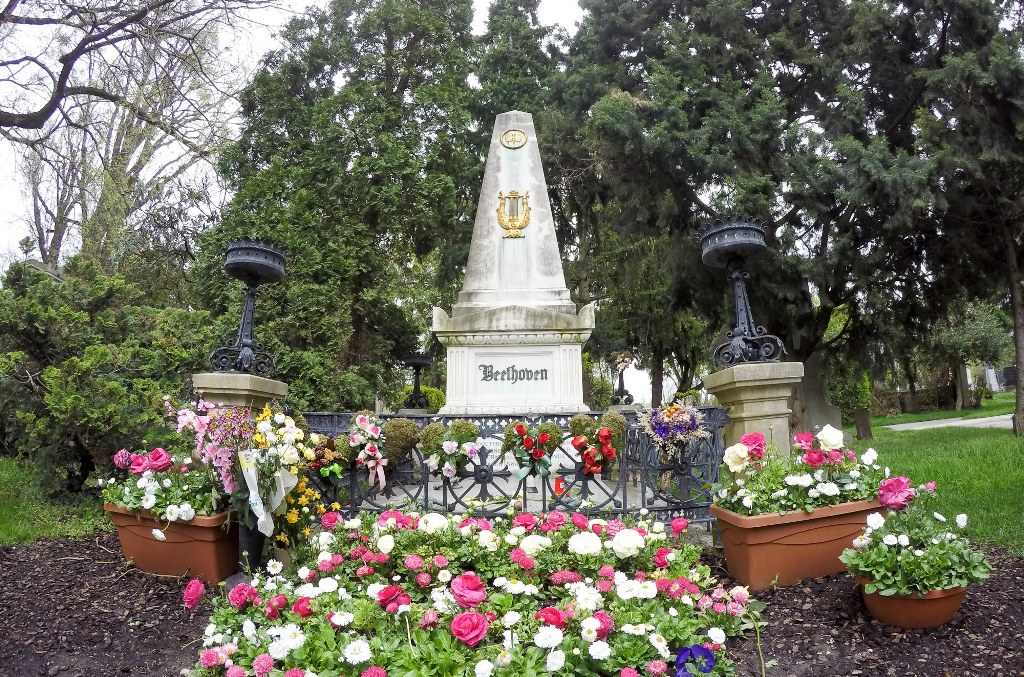
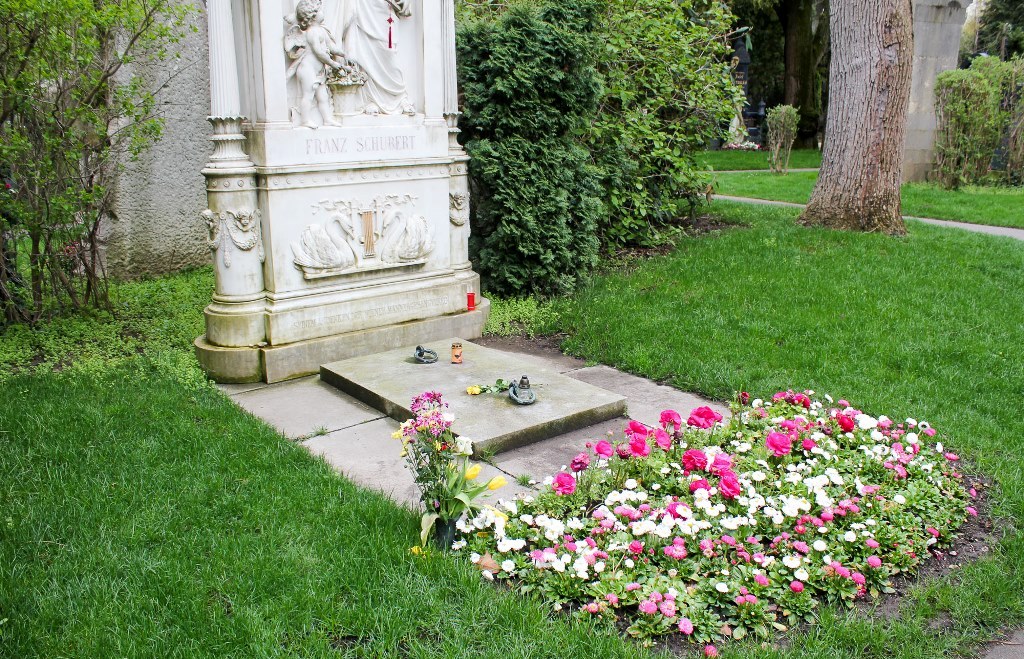
– The central cemetery (Vienna Central Cemetery). You will tell me, is it possible for a cemetery to be a tourist attraction? And yet! In a vast expanse of greenery (in some places it looks like a regular forest) are the elaborately decorated graves of some famous Austrian composers. Beethoven, Brahms, Strauss, Schubert and among them Nikolaos Doumbas. There you will also meet several Viennese people running or cycling!
Coffee – food – fun
No trip to Austria is complete without trying the local cuisine! The country's most famous dessert is the Sachertorte. This is a classic Viennese chocolate cake with jam and hard chocolate glaze. Equally delicious is the apple strudel (Apple strudel) and the caramelized pancake (Kaiserschmarrn) You will taste them accompanied by coffee or Viennese chocolate in the historic cafes Central, Museum, Sachertorte and Mozart which are also the oldest in Vienna.

In Viennese cuisine, soups dominate the appetizers. Even if you're not a fan of it (like us), don't miss out on trying it. Goulash (meat soup) and Potato soup (potato soup). On the main menu, Austrians love Viennese schnitzel, the Tablespitz (beef fillet), while pork cooked in many variations also plays a dominant role in their cuisine. An excellent restaurant-beer house that will take you on a journey back to Vienna's past is the Salm Bräu, and the Bitzinger's Augustine cellarWe encountered a very beautiful courtyard with Viennese cuisine in Glacis Beisl, while we tasted gourmet flavors at the award-winning Konstantine Fillipou in the Greek quarter.

Vienna's nightlife is particularly intense, but you won't find it concentrated in any one area, unless you're in the city in the summer when the banks of the Danube are bustling with people! Bar Onyx you will taste excellent cocktails with a view of Stephanplatz and the cathedral. At The Bank Brasserie & Bar you will be transported to an impressive atmosphere, while the 1873 – Halle SalonThe new trend on the banks of the Danube (if you go in summer) is Motto at the river, while in The Loft and at Aurora you will have your drink while enjoying the view from above.
Closing
The capital of Austria is beautiful and inexhaustible! No matter how many days you decide to spend there, you will need a good plan to make the most of your time. If you have more days at your disposal and want to see another city, we recommend a trip to the picturesque Salzburg! See you later…