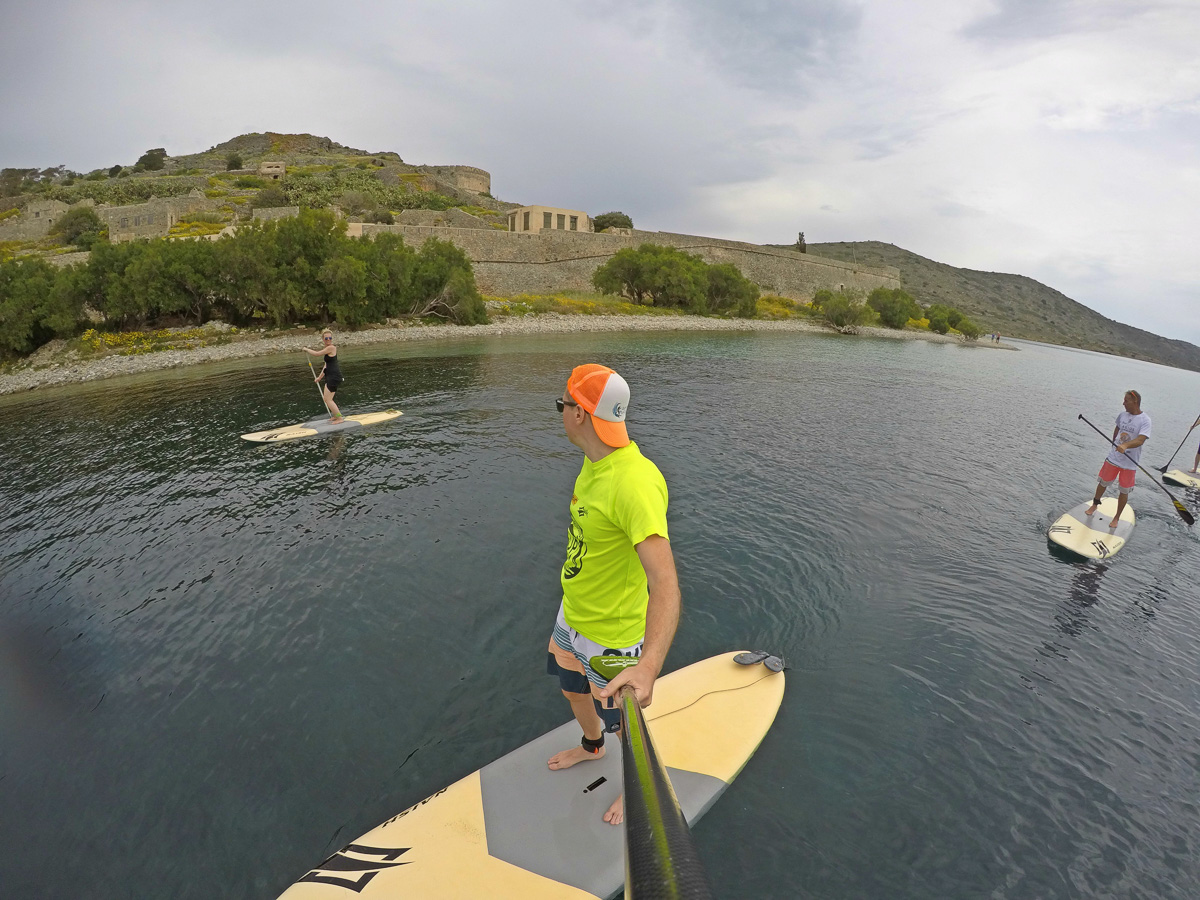
During our tour of the Crete and Heraklion We decided to visit the island of Spinalonga. Having read and heard so much, we wanted to see firsthand the place where all these stories of pain and hope took place.
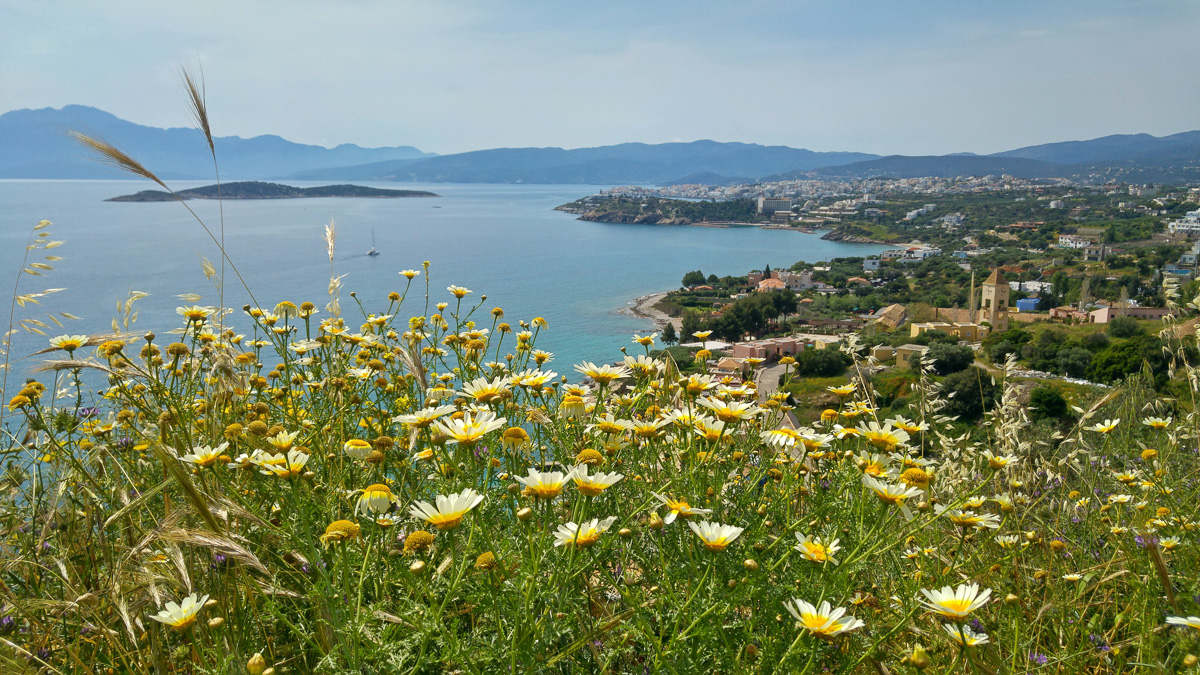
Spinalonga is located in the bay of Elounda in Lasithi. There are three ways to get there. Either from Agios Nikolaos (longer route) or from the port of Elounda (both options include a dive at the islet of Kolokytha) or from the port of Plaka (shorter route).

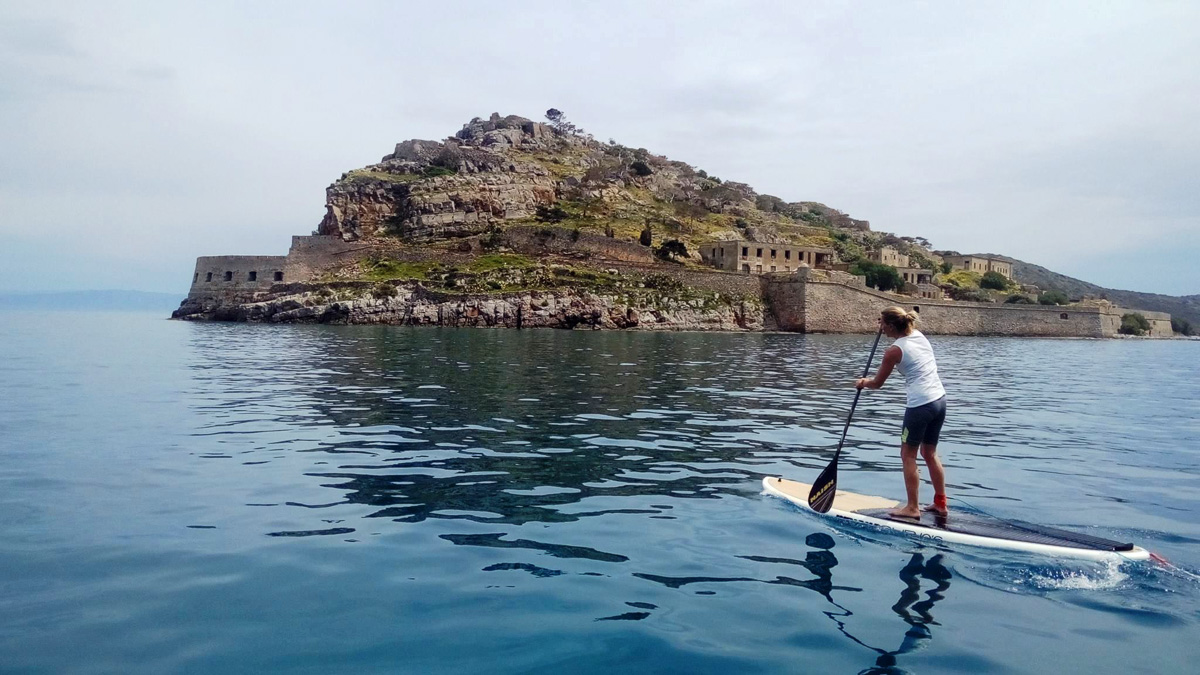
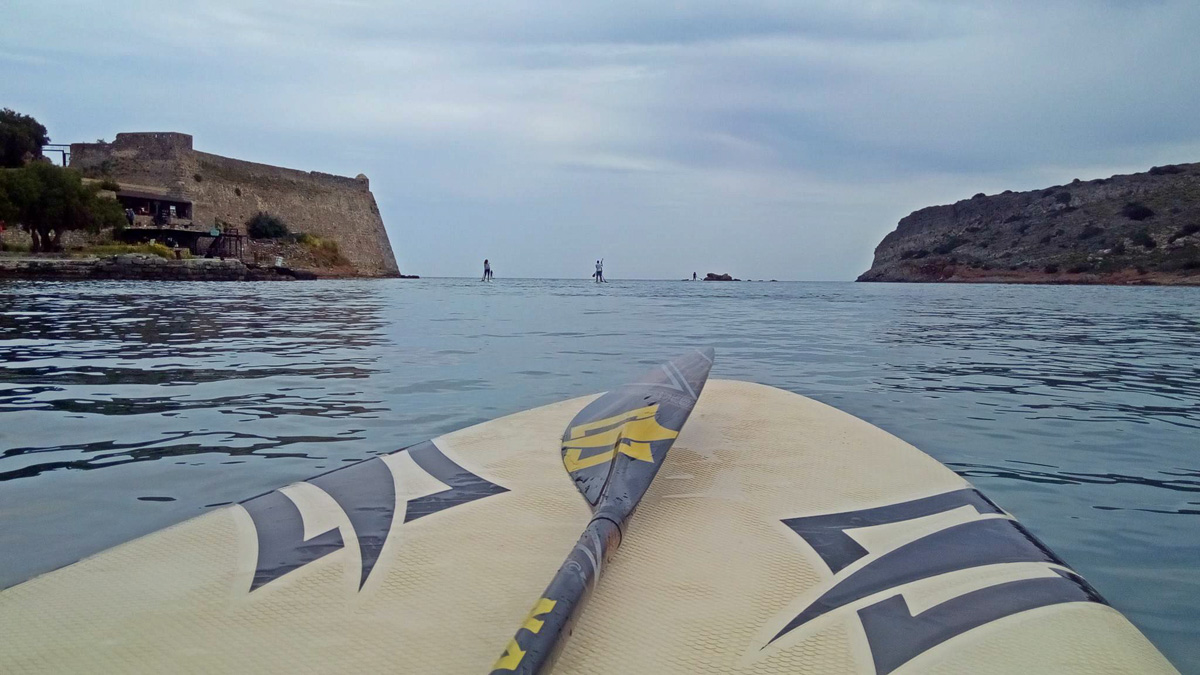
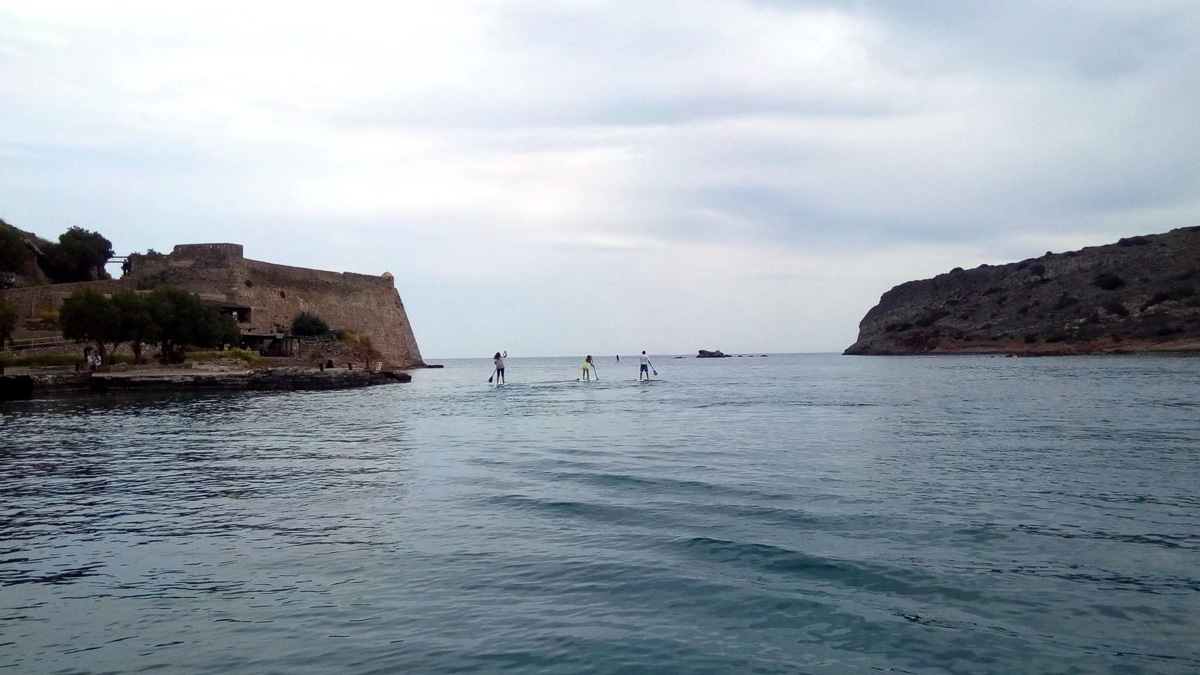
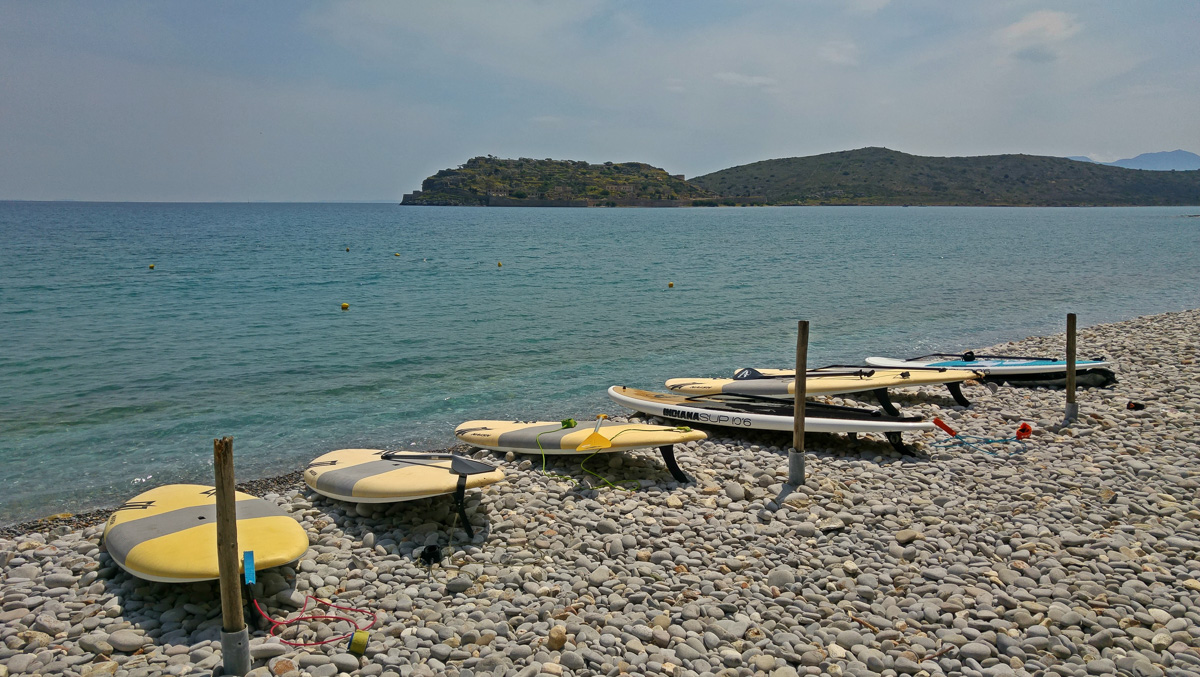
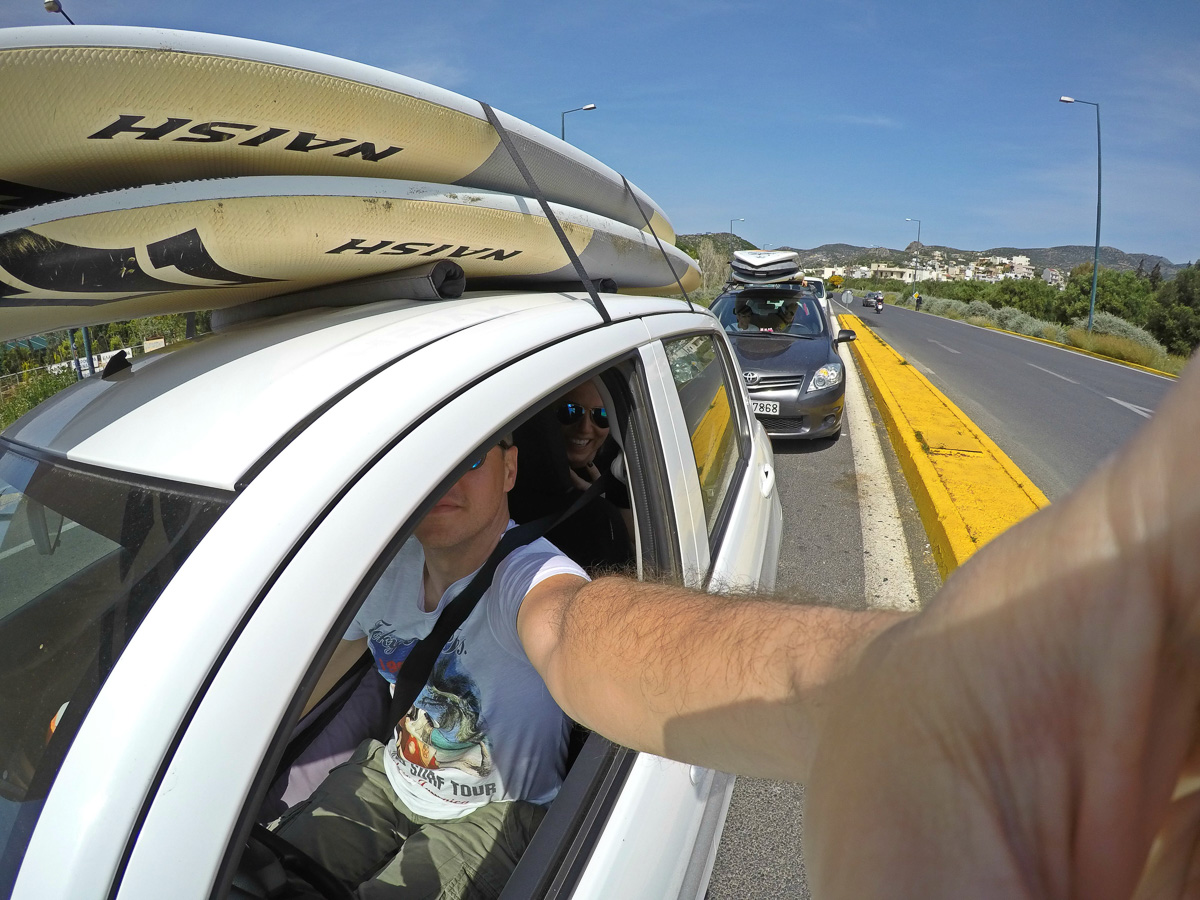
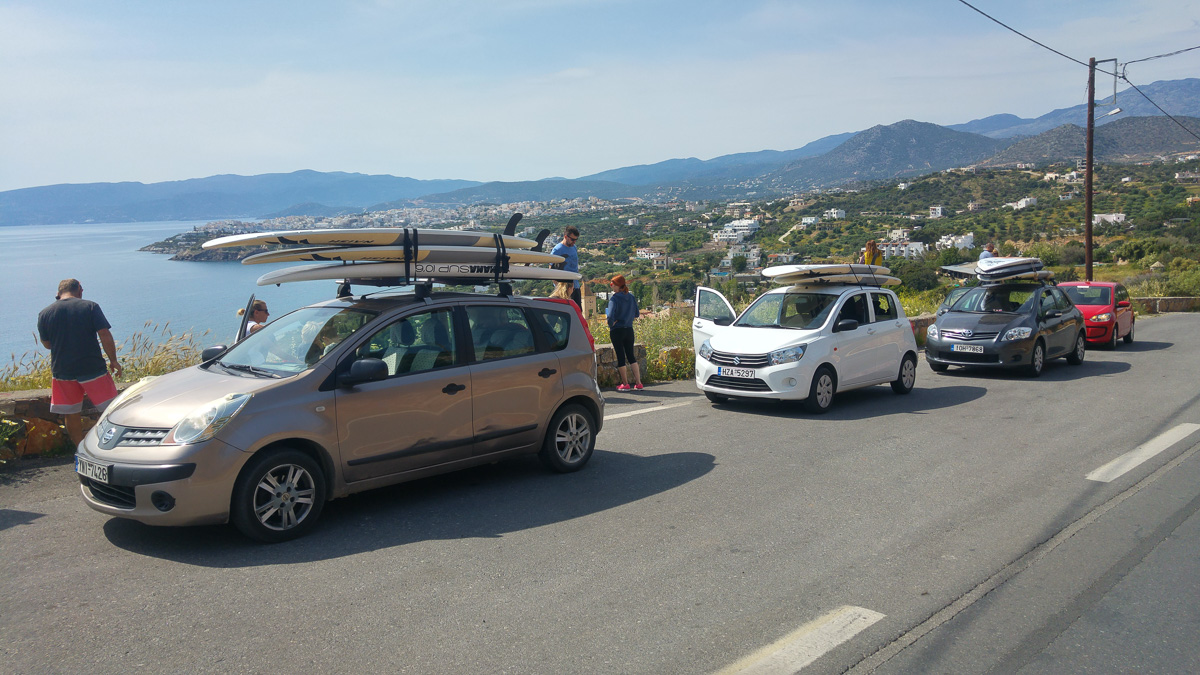
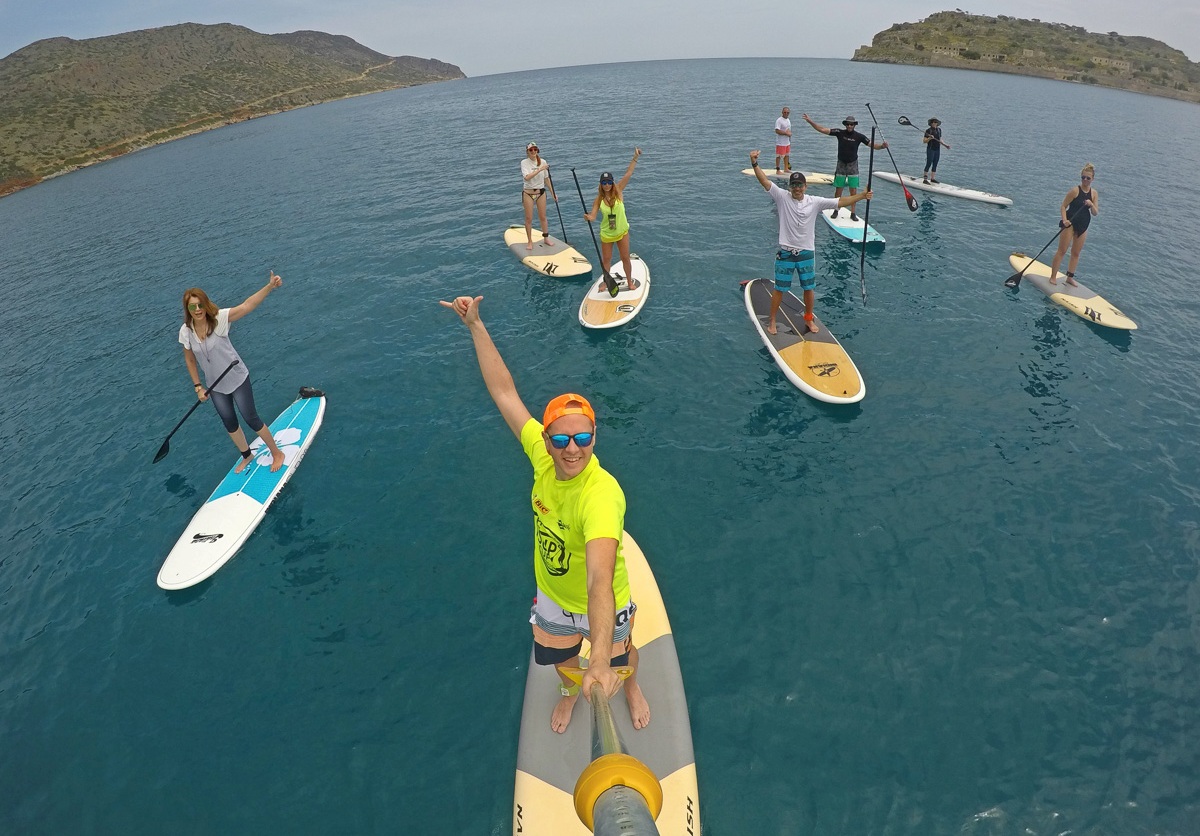
However, because we try to do something different on every trip, we decided to go with SUP! So, with the help of our SUP (or stand-up paddleboarding) instructor friend Thanos Karaiskou and his team went to the village of Plaka, which is located opposite Spinalonga, unloaded the boards from our cars and approached the island from the sea. The distance is close (only 800 meters) and the tranquility of the enclosed bay gave us moments of incredible peace. The only thing that could be heard was the sound of our oars and the seabirds that accompanied us on the way.
As we approached the island, we felt a sense of awe. The initial image of the Venetian fortification gives you an idea of the strategic position it held in the past.

History
In 1579, the Venetians began major fortification works, which made Spinalonga an impregnable fortress until 1715, when it was captured by the Ottomans. From then on, the fortress was marginalized and used as a place of exile. However, from the mid-19th century onwardsth In the 18th century, Spinalonga came back to life as merchants and sailors moved to the island and exploited the sea trade routes of the Eastern Mediterranean. Political developments and the flight of the Ottomans in 1898 also meant the abandonment of Spinalonga.

In 1903, the Cretan State decided to transfer all lepers of Crete to the island, while after the union with Greece in 1913, patients from all over Greece were transferred there. Later, it functioned as an international leper colony, as it also accepted patients from other countries.

The conditions of everyday life on Spinalonga, as described by testimonies, were conditions of poverty and pain. Especially in the early years there was no care for the people there, no organization and no medication. Things gradually improved, but the difficulties did not cease. On the “island” people fell in love, got married, had children who grew up with the lepers without ever getting sick. Life continued at its own pace and with the hope for a better tomorrow.

In 1957, with the discovery of suitable antibiotics and the cure of leprosy, the island was abandoned again. However, in the 1970s, it was declared a protected archaeological site and some restoration work began, which continues to this day.

What will you see in Spinalonga?
Walking through the cobblestone streets of the island will give you a glimpse of life there in the past. Among the restored buildings you will see the areas where a school, a cafe, a grocery store, a barber shop, a pharmacy, the areas where patients were accommodated, as well as a small museum with interesting elements from the everyday life of the people. It is worth walking along the perimeter road, which is about a kilometer long, where you will see the impressive fortifications of the Venetians.

What to look out for during your visit there
Spinalonga is the second most visited archaeological site in Crete after Knossos. The successful novel by B. Hislop “The Island” and the series of the same name that was transferred to the small screen have increased the interest of tourists. In 2017 alone, over 300,000 people visited the island. So when you go, expect to meet a lot of people. However, prefer to go early in the morning as there is no shade and during the summer months the temperatures are quite high. In the area where the boat leaves you, there is a cafeteria to enjoy your coffee with a view of the bay of Elounda or to buy water and soft drinks.

Cost
The entrance to Spinalonga costs 8 euros, while the transfer price varies depending on the starting point. On the island there are guides who, for a symbolic fee, will show you around the area, giving you information about the history of the island.

Closing
This martyred place and the heavy past it carries fills the visitor with thoughts and emotions. A tour there is a tribute to the greatness of the human soul. For us, our transition in the special way it happened is something we will never forget! Thanos, thank you!