🔶 Belgrade
A crossroads of civilizations, Belgrade has navigated its way through conquerors and empires throughout its history. Celts, Romans, Byzantines, Ottomans, and Habsburgs have left their mark over the centuries, with this chaotic past also reflected in its architecture. Art Nouveau masterpieces stand out among Soviet-style blocks, remnants of the former Yugoslavia. The White City, as it is called, at the confluence of the Sava and Danube rivers is full of contrasts and a familiar nostalgia…
No, Belgrade is not picturesque in its entirety. But it is proud, mysterious, welcoming, and waiting for you to discover it!
What to see
The heart of Belgrade beats in the old town, Stari Grad, which is surrounded by the pedestrian zone. Prince Mihajlova, Republic Square and Terazije Street. Knez Mihailova is considered one of the most beautiful pedestrian streets in Eastern Europe. It is filled with designer shops, bookstores, restaurants, cafes, as well as important buildings such as the Serbian Academy of Sciences and Arts (SANU) and the National Library.

Το Hotel Moscow is the most iconic hotel in Belgrade and the meeting point for the city's residents. It is worth going in and trying a dessert with chestnut puree.

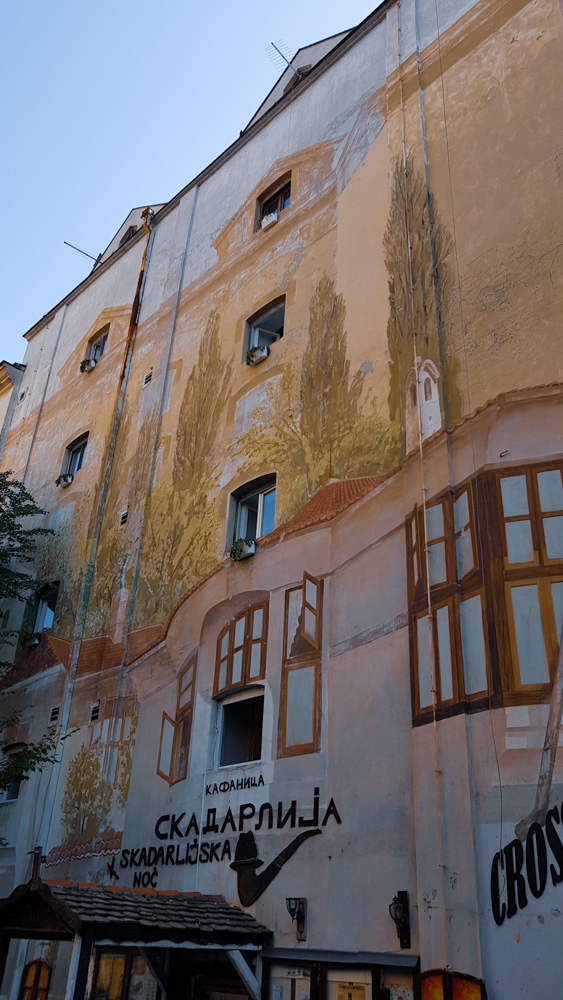
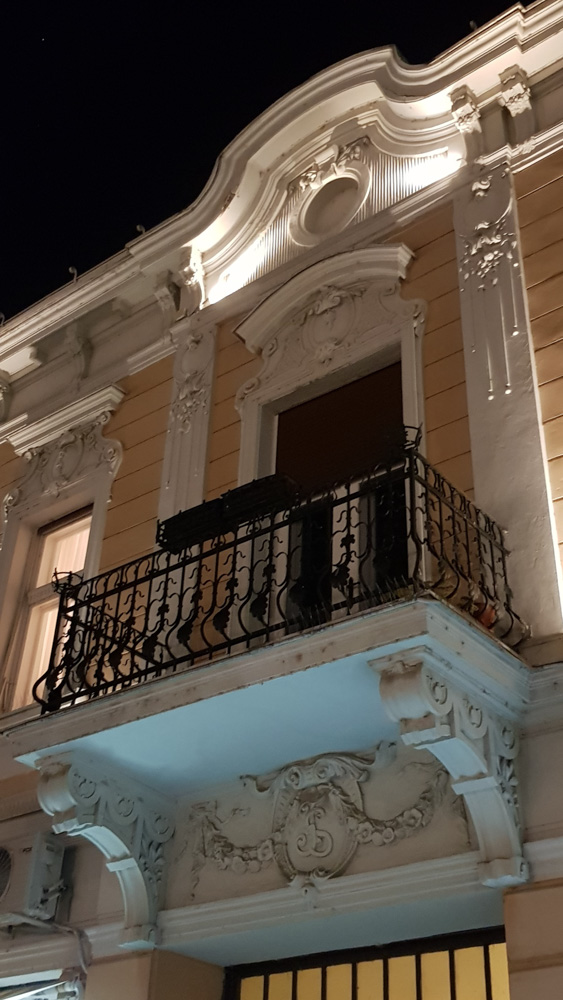
The bohemian neighborhood Skadarlija It was the meeting point for artists in the 19th century, and it still retains the spirit of that era, with art galleries and kafane (traditional taverns) with traditional music. Don't miss walking along the famous street Strahinjica Bana with the neat shops and coffee bars frequented by the area's hipsters, as well as the street Cara Dusana with its ornate baroque buildings.
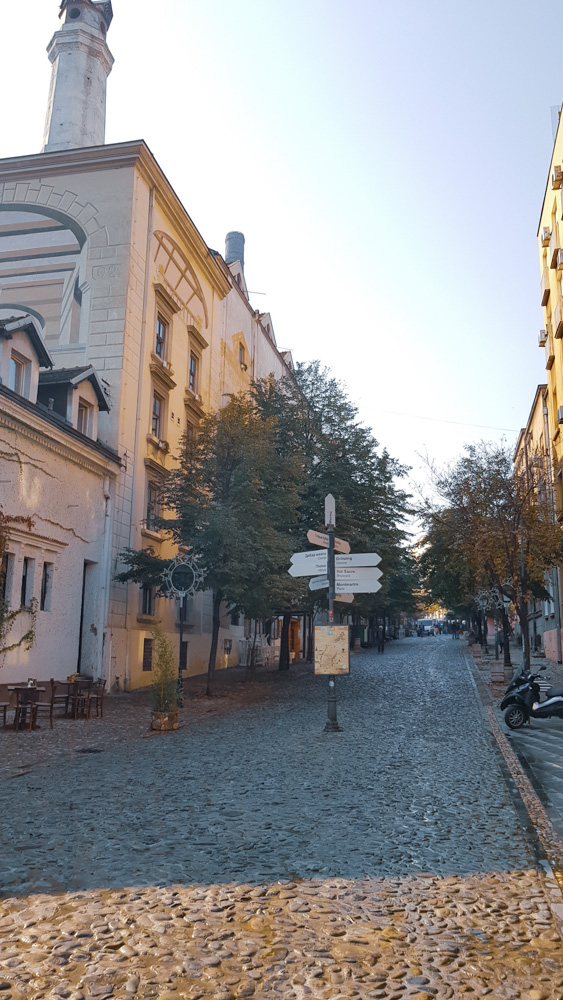
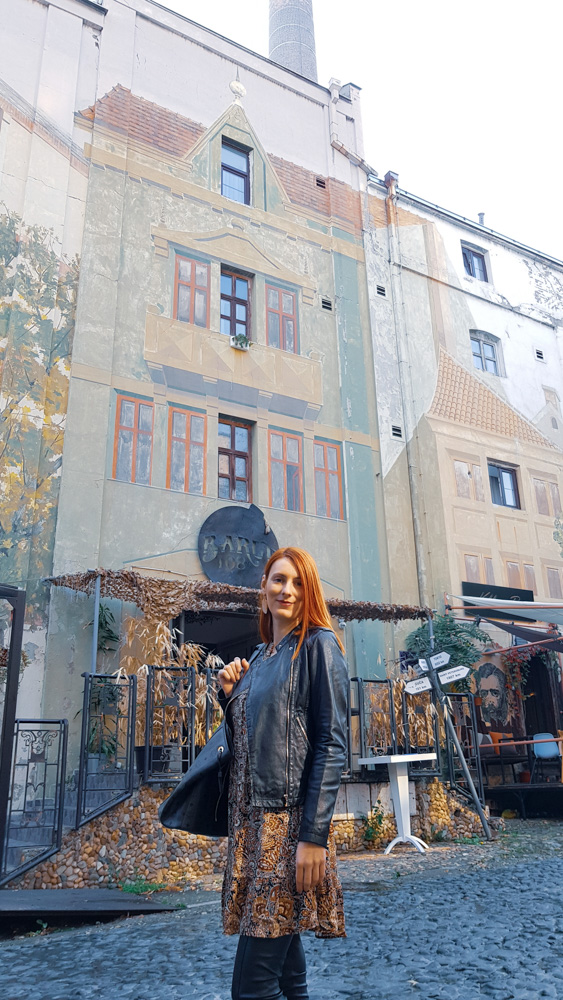
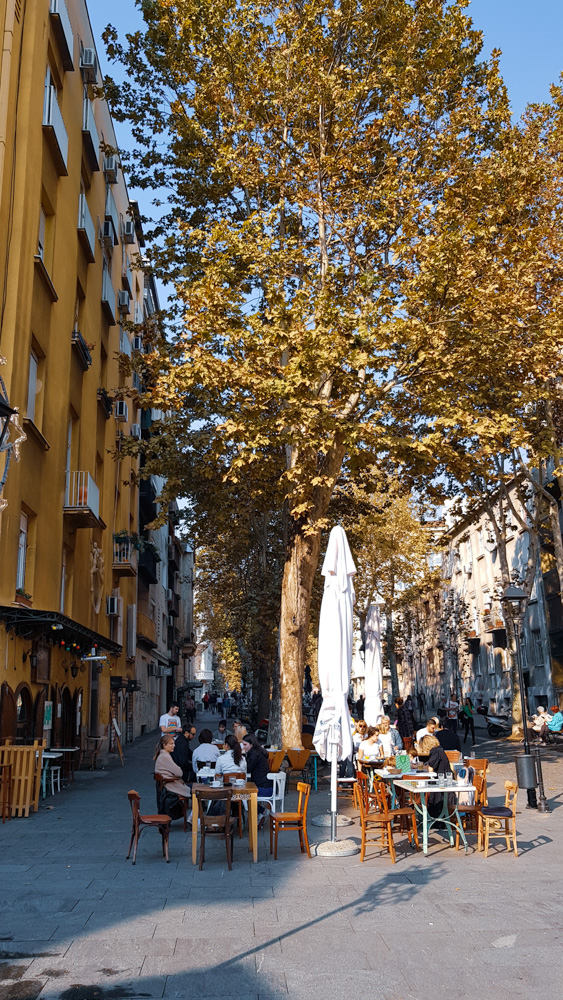
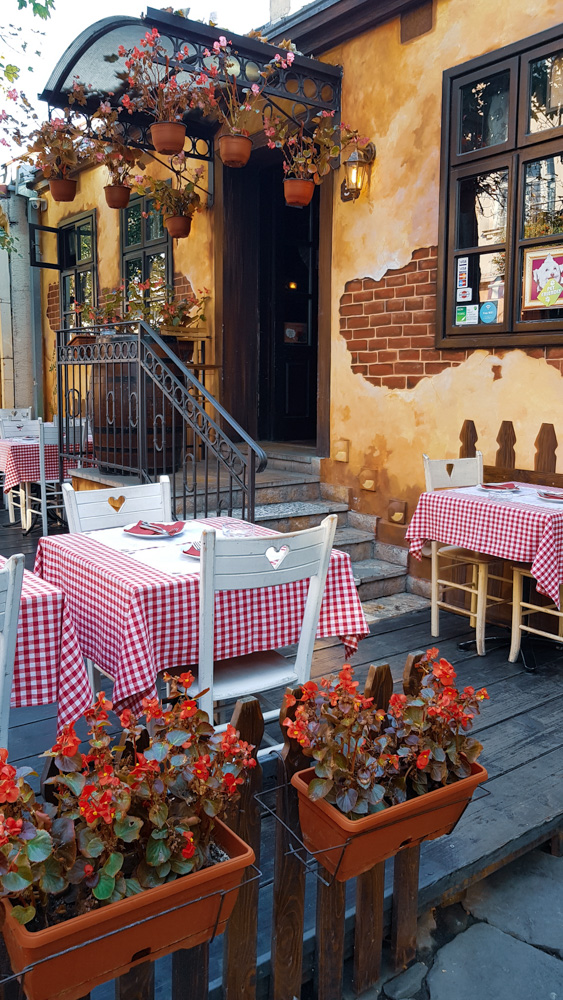
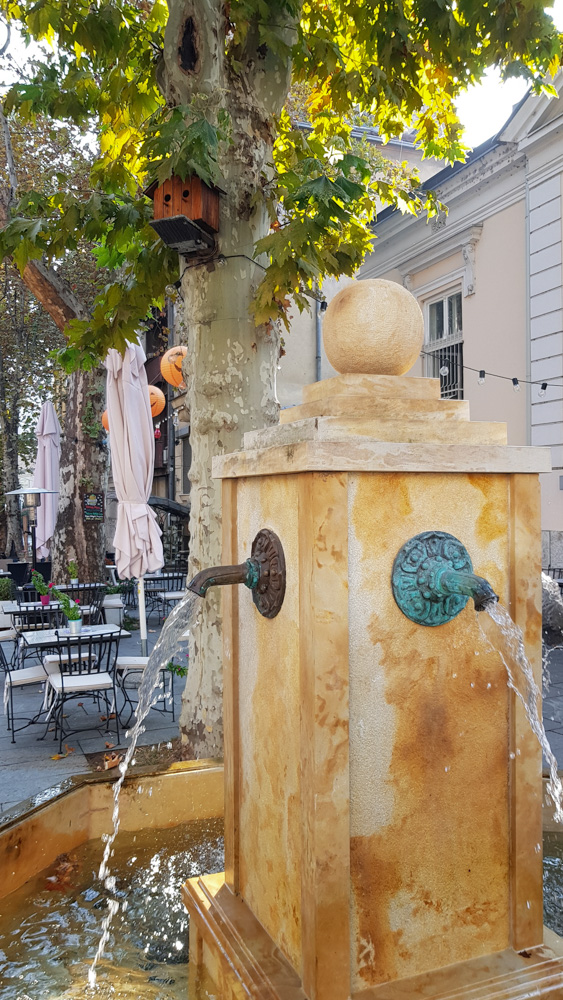
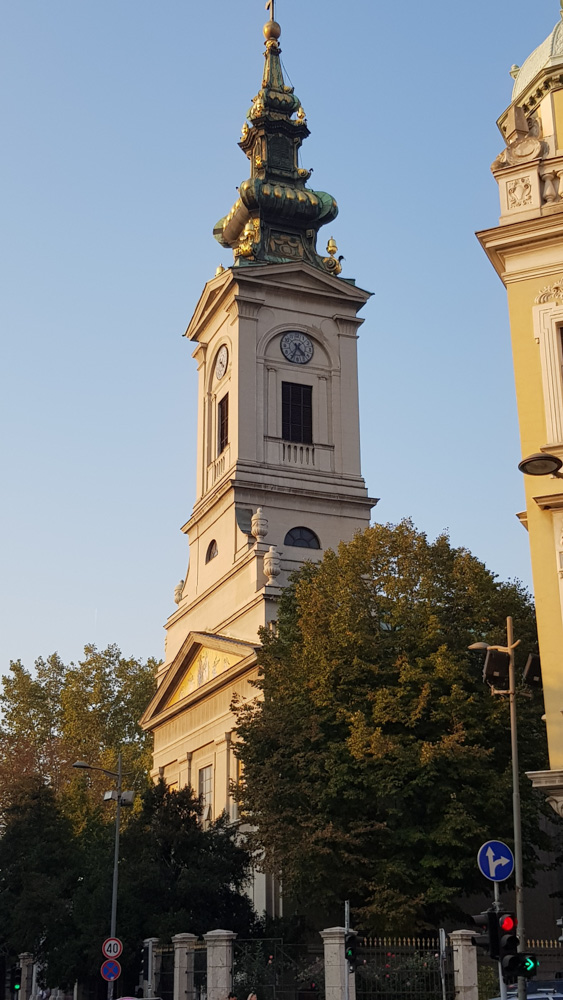
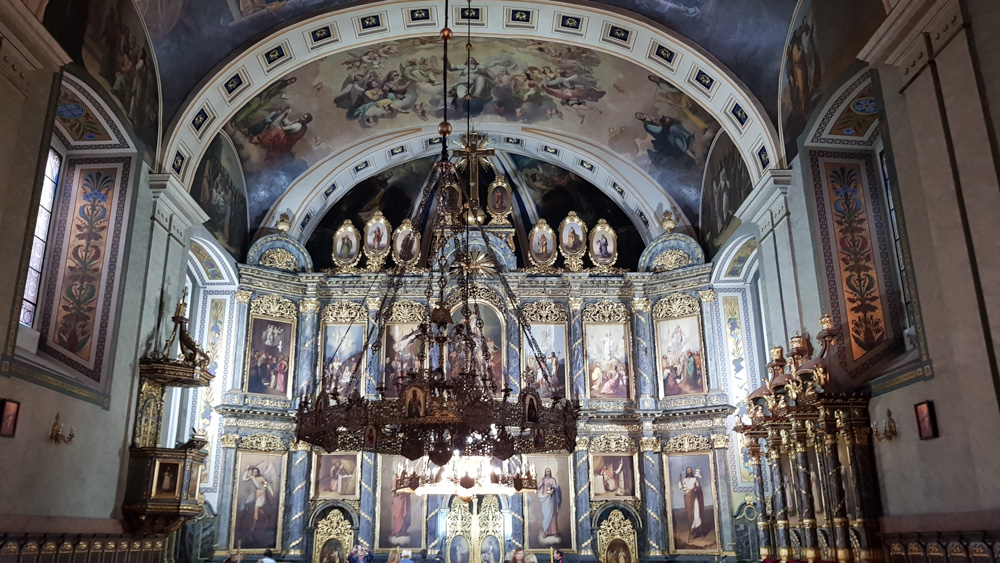
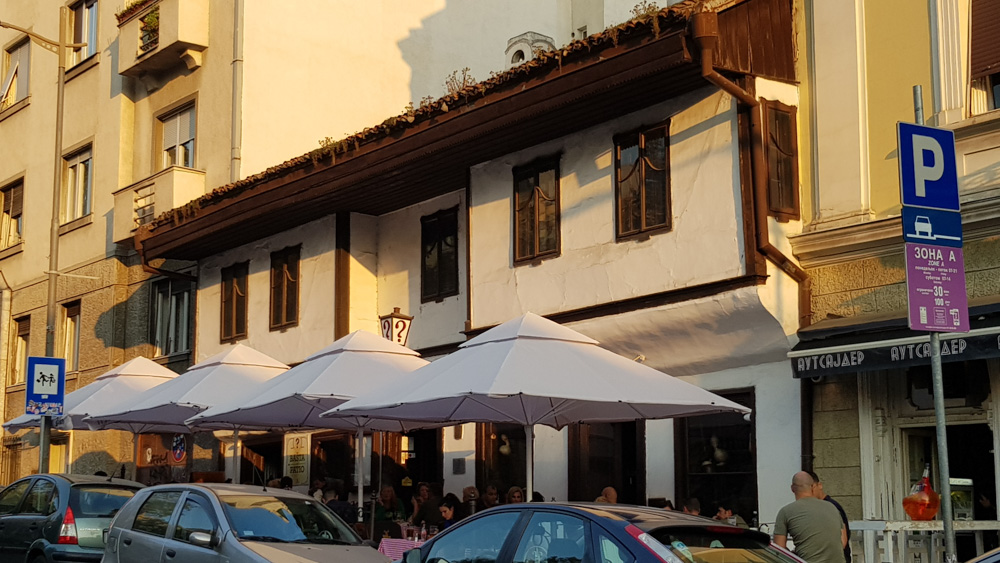
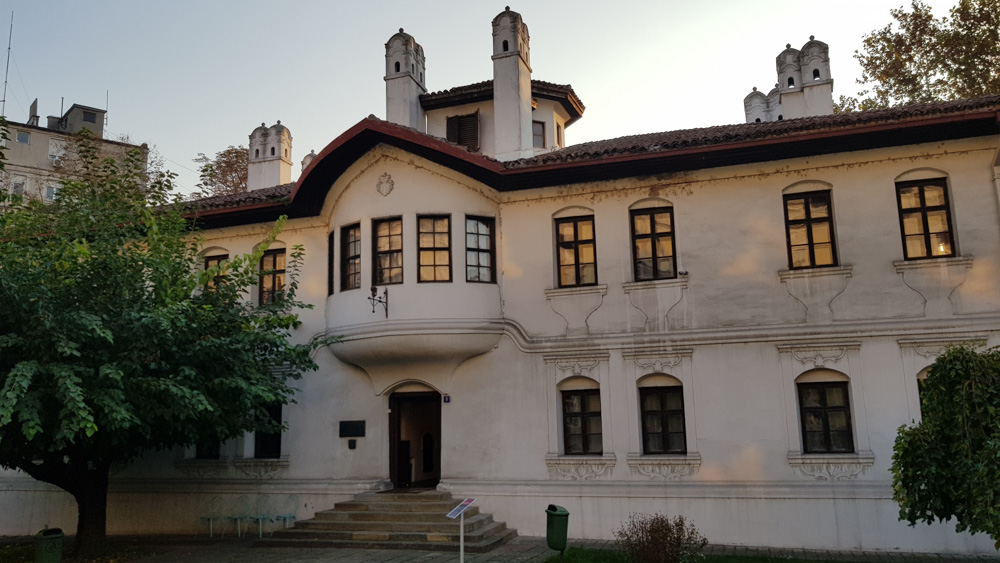
On Kralja Petra Street there is the famous kafana “?” which is considered the oldest tavern in Belgrade, has a picturesque courtyard and was built in 1823. A few meters below is the St. Michael's Cathedral and opposite it the historic residence of Princess Ljubica.
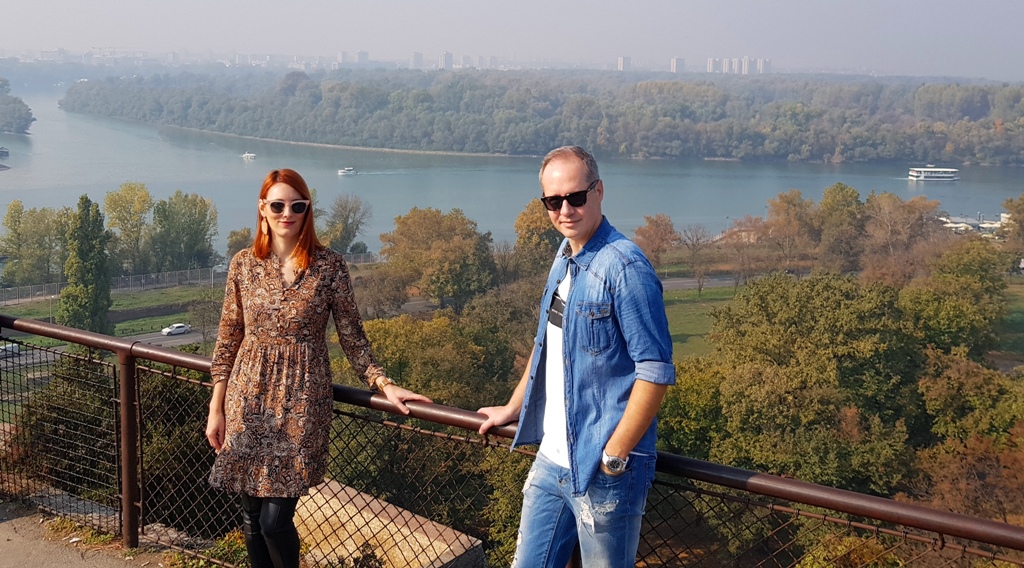
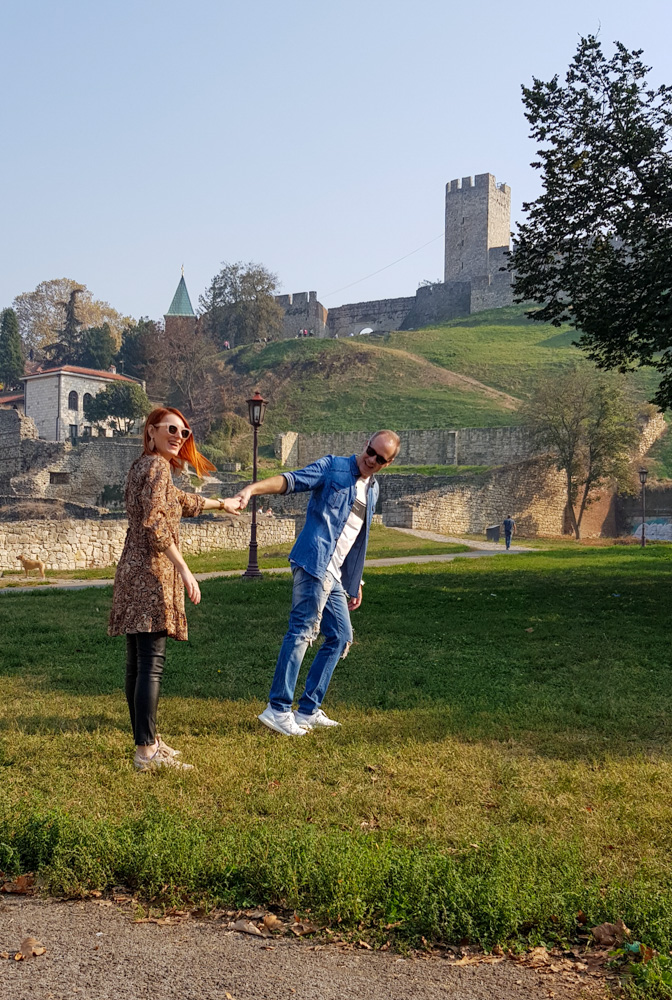
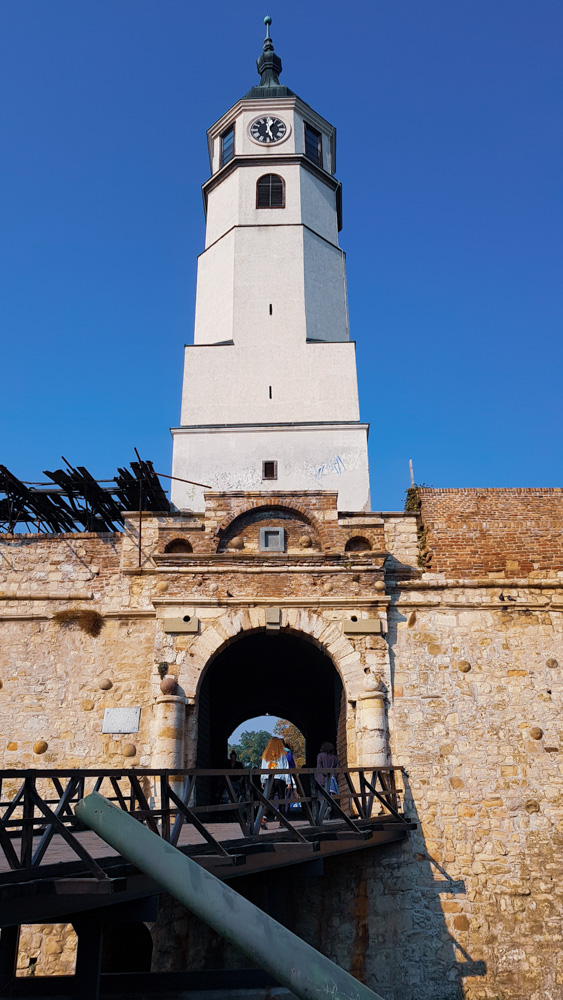
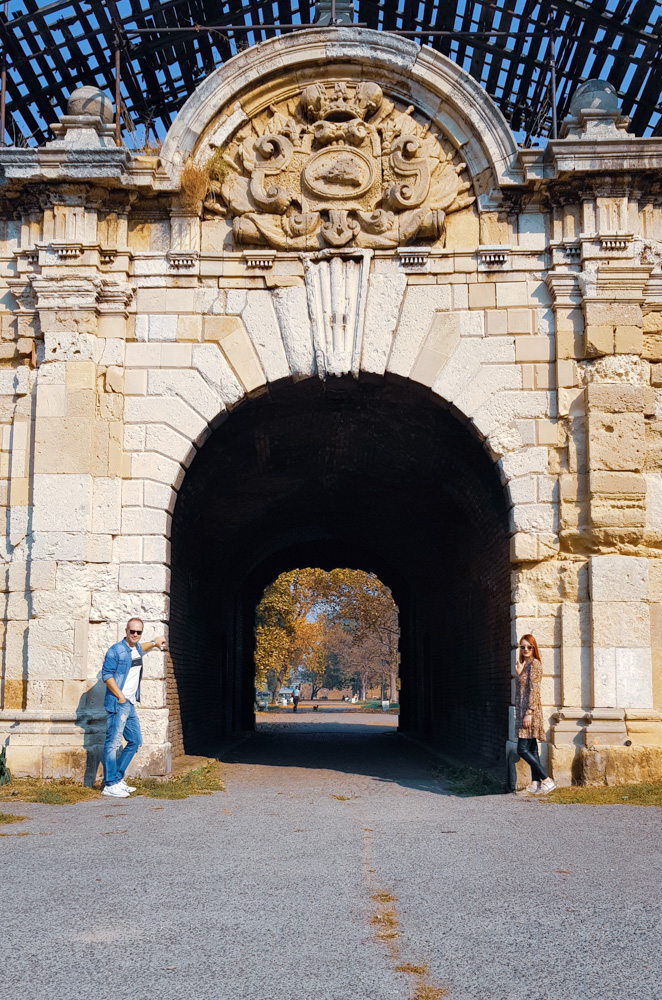
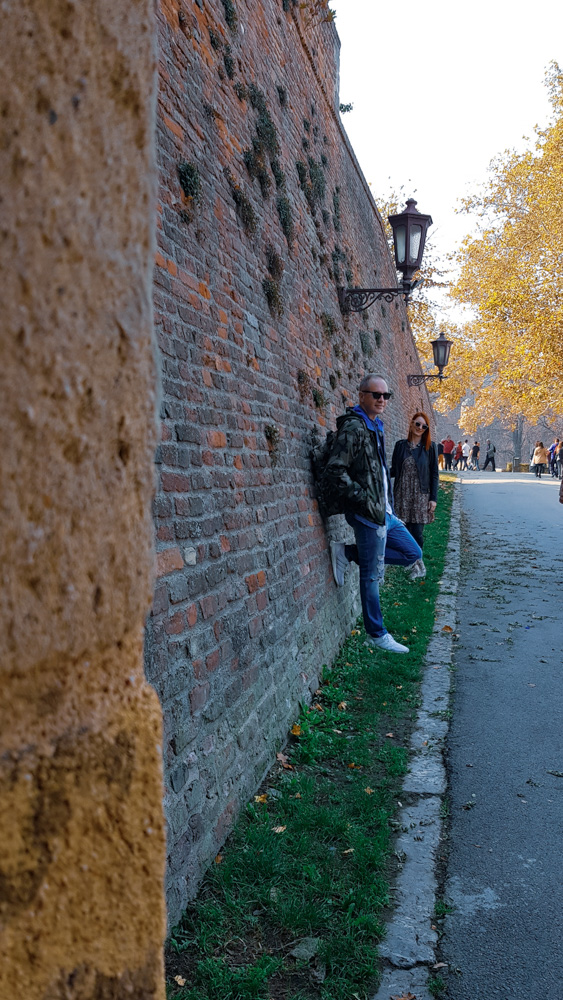
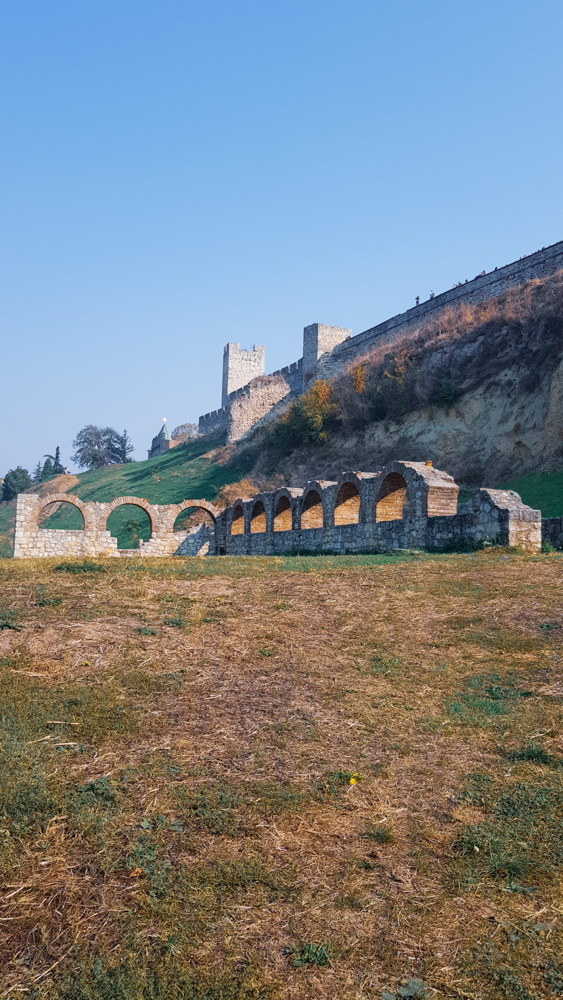
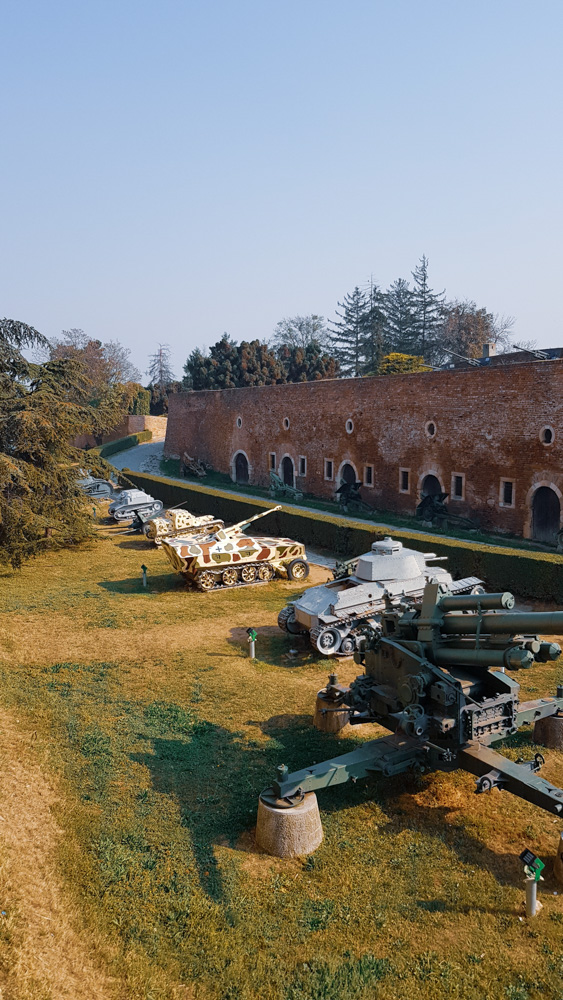
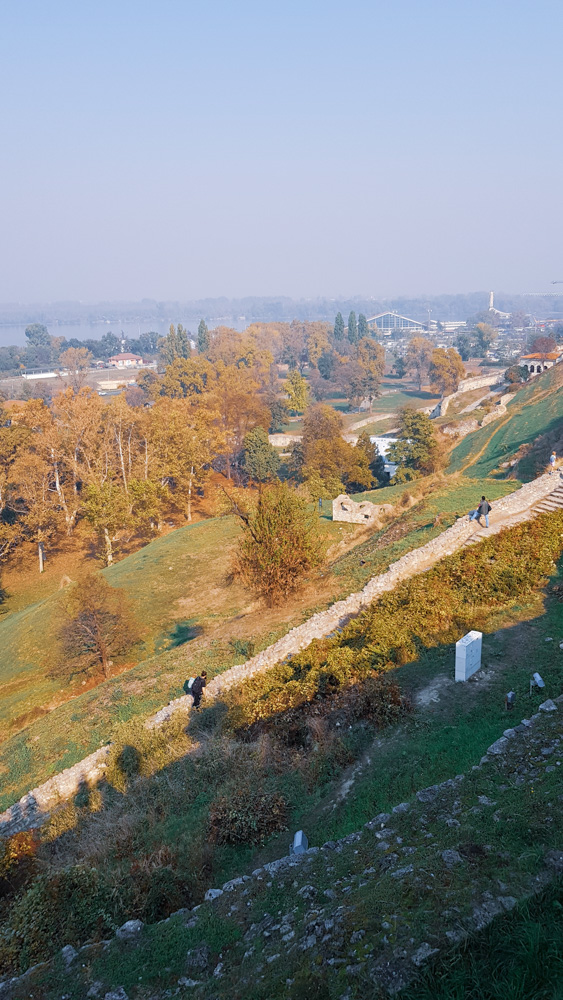
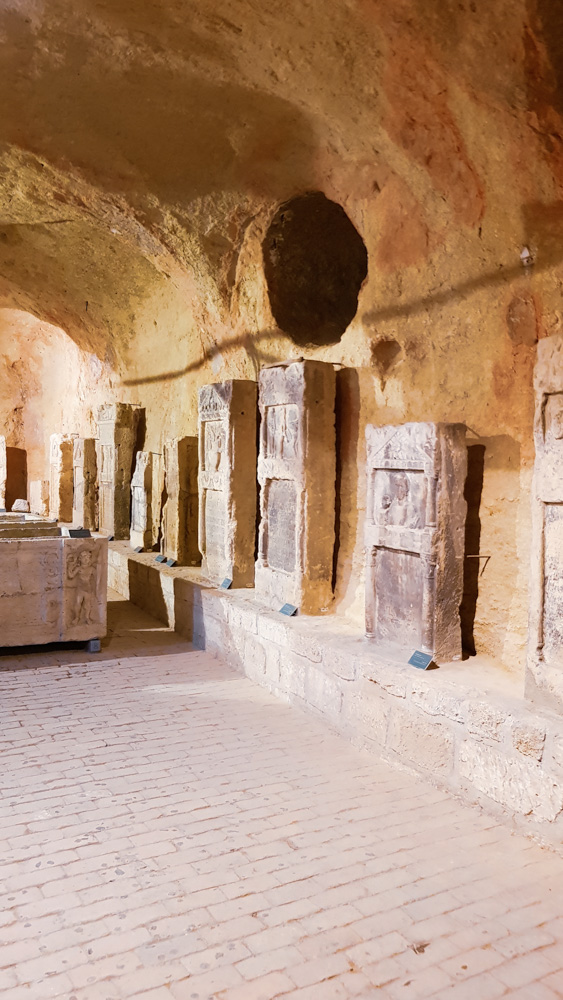
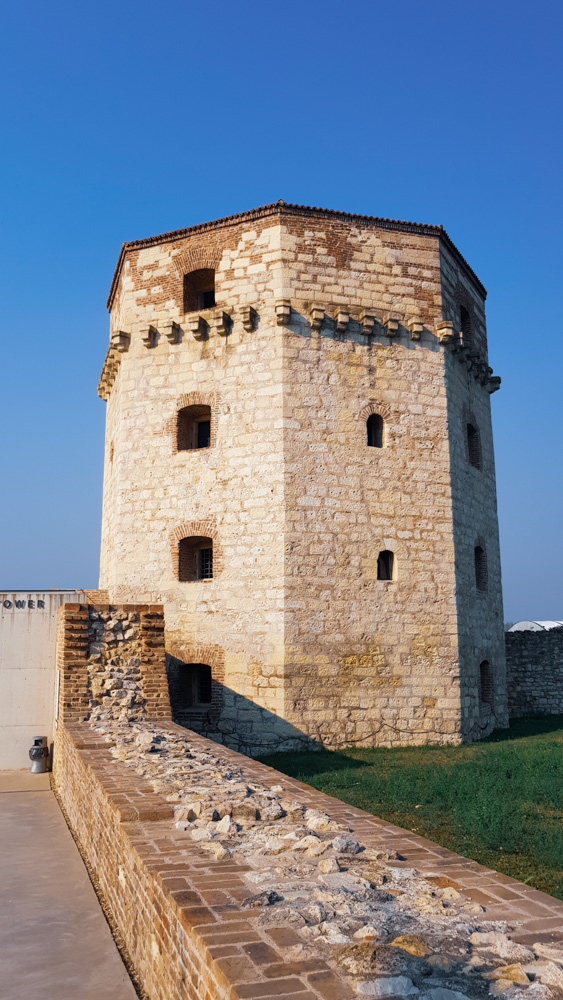
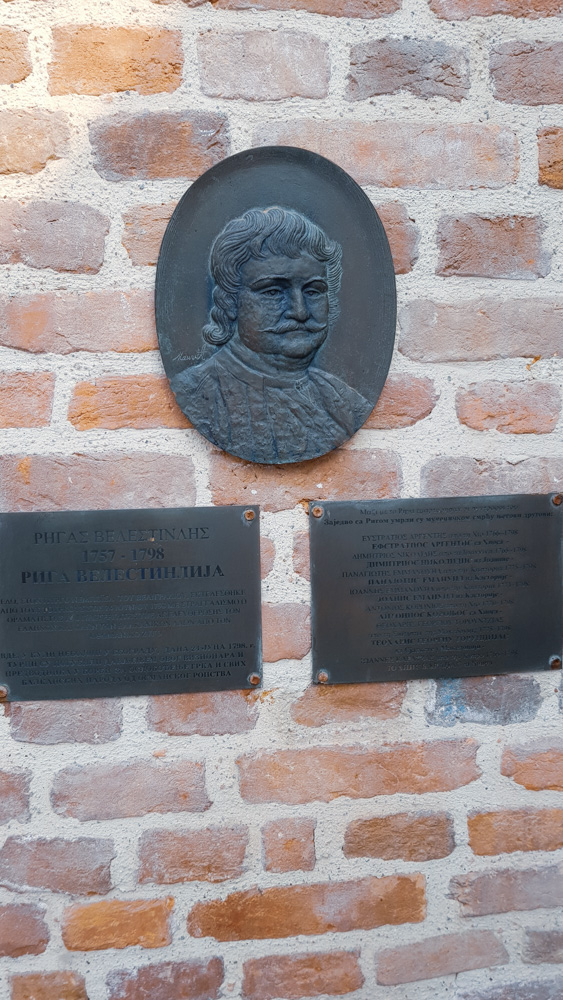
The Belgrade Fortress Kalemegdan is the oldest part of the city and for centuries the population lived in it. It is a beautiful area that combines historical monuments, museums, parks, restaurants and cafes. Of particular interest to Greeks is the Neboisa tower in which Rigas Feraios was imprisoned and tortured. This tower operates as a museum with a section dedicated to the life and work of the great visionary.
Το Tesla museum is undoubtedly the most popular attraction in the Serbian capital. It exhibits personal belongings of the great Serbian inventor, provides information about his life and work, and also gives visitors the opportunity to participate in interactive experiments on the production of wireless electricity!

The former industrial area on the riverbank Savamala is in a stage of regeneration, where abandoned buildings are being converted into cafes, restaurants and clubs. It is worth sitting down for a coffee or a meal while gazing at the Savo River.

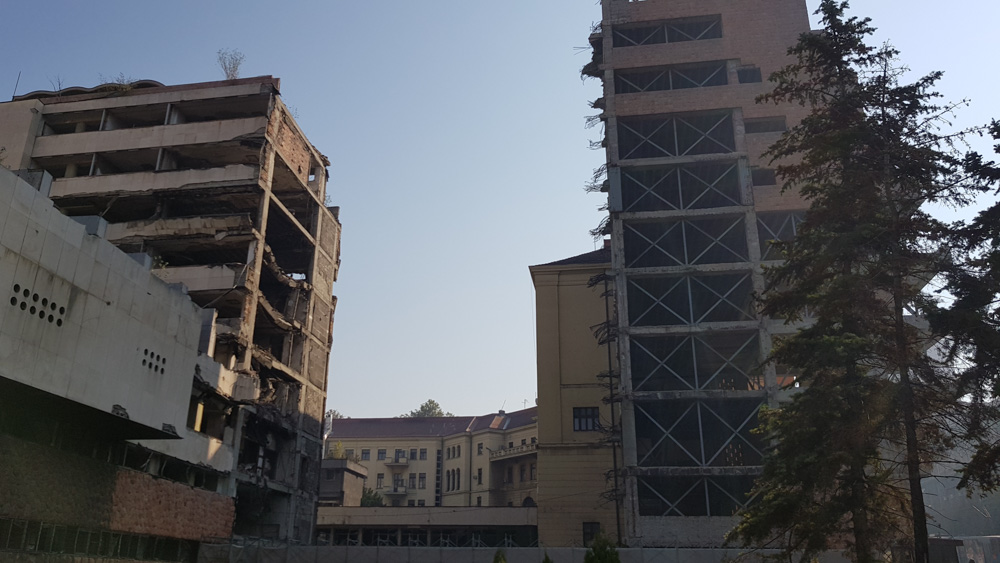
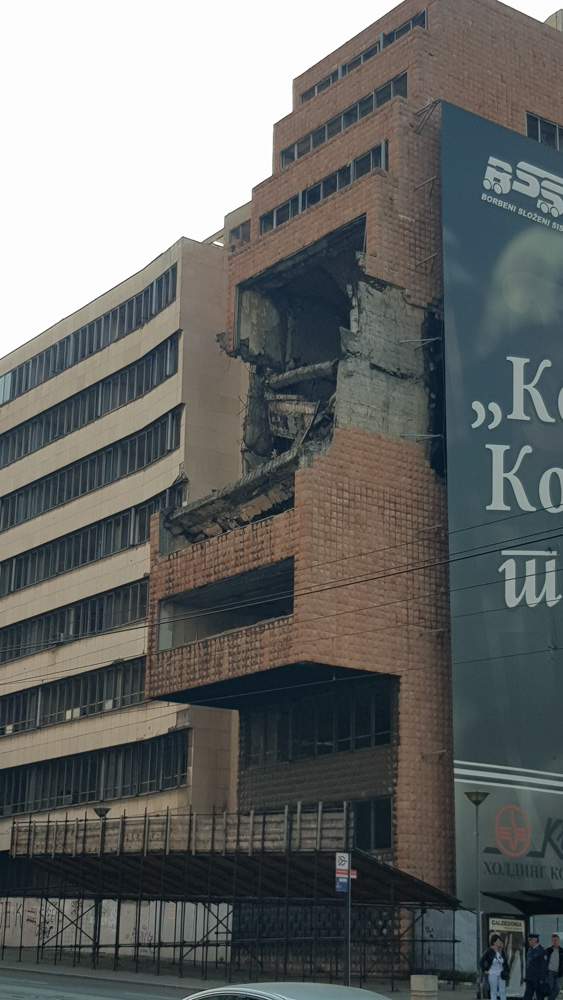
The carcasses of buildings from the NATO bombings of 1999 remain intact at the intersection of Kneza Miloša and Nemaninja streets to commemorate some of the darkest moments in the city's history.
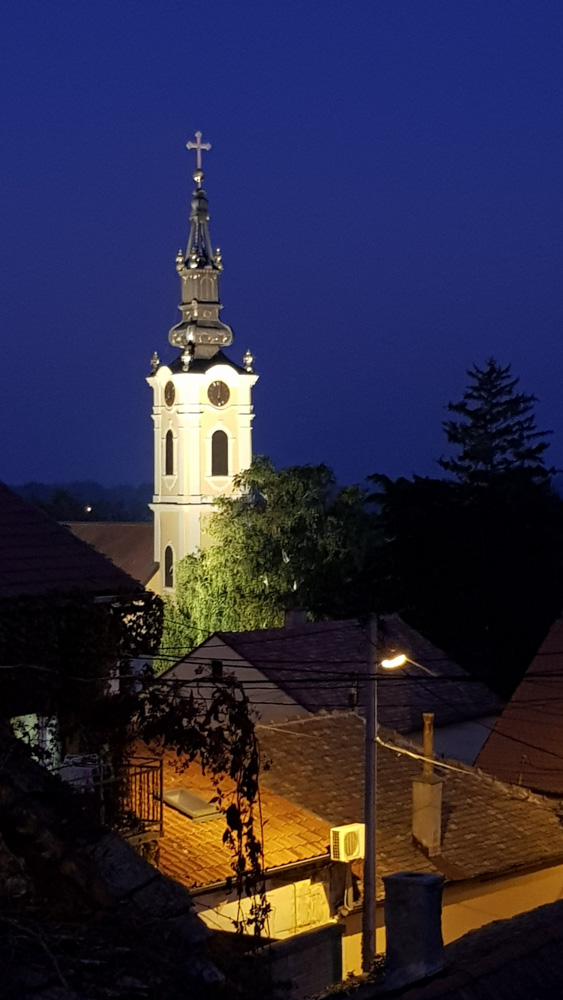
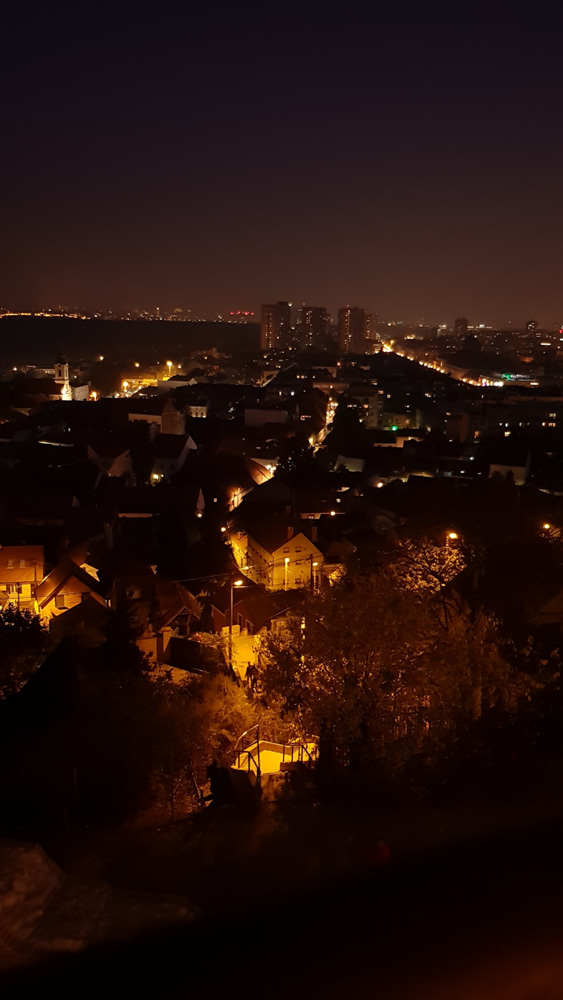
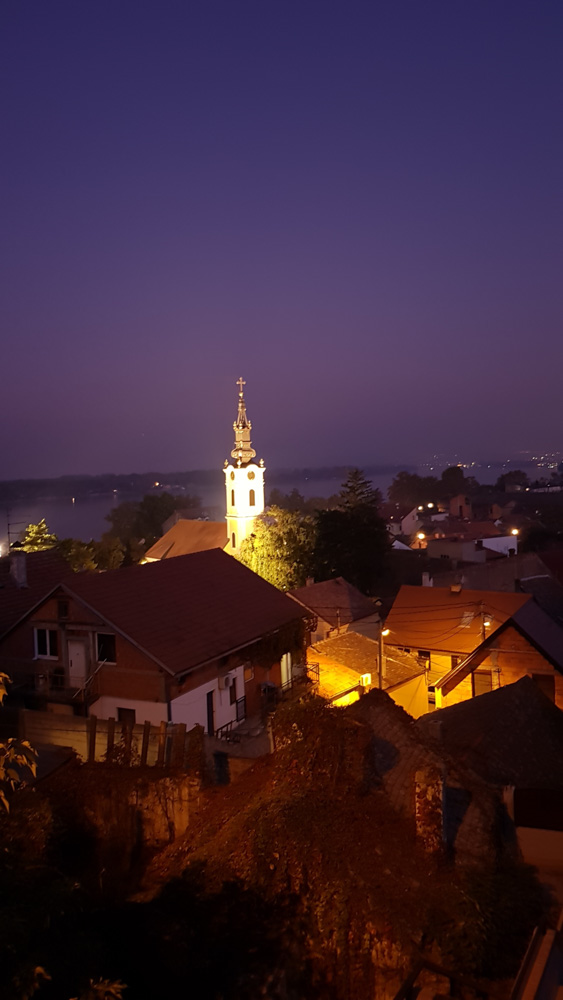
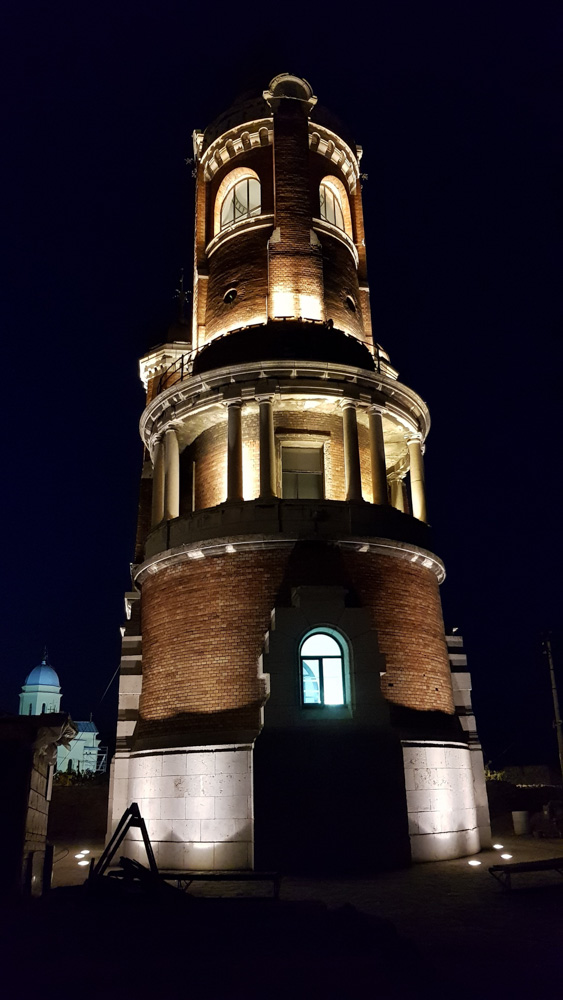
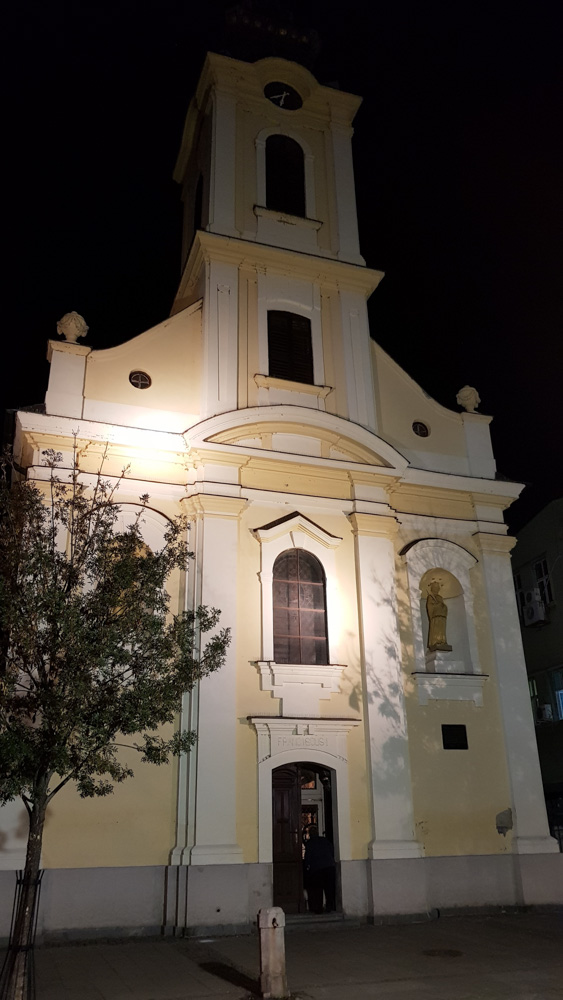
Το Zemun, once the southernmost border town of Austria-Hungary until the end of World War I, is now another neighborhood of Belgrade. Here you can wander through the maze of picturesque, narrow streets and enjoy the view of the Danube from the Gardos Tower. At the foot of the hill is Veliki trg, the square that was the center of trade in the past. From there, you will descend to the Danube for a beautiful walk along the banks of the river.
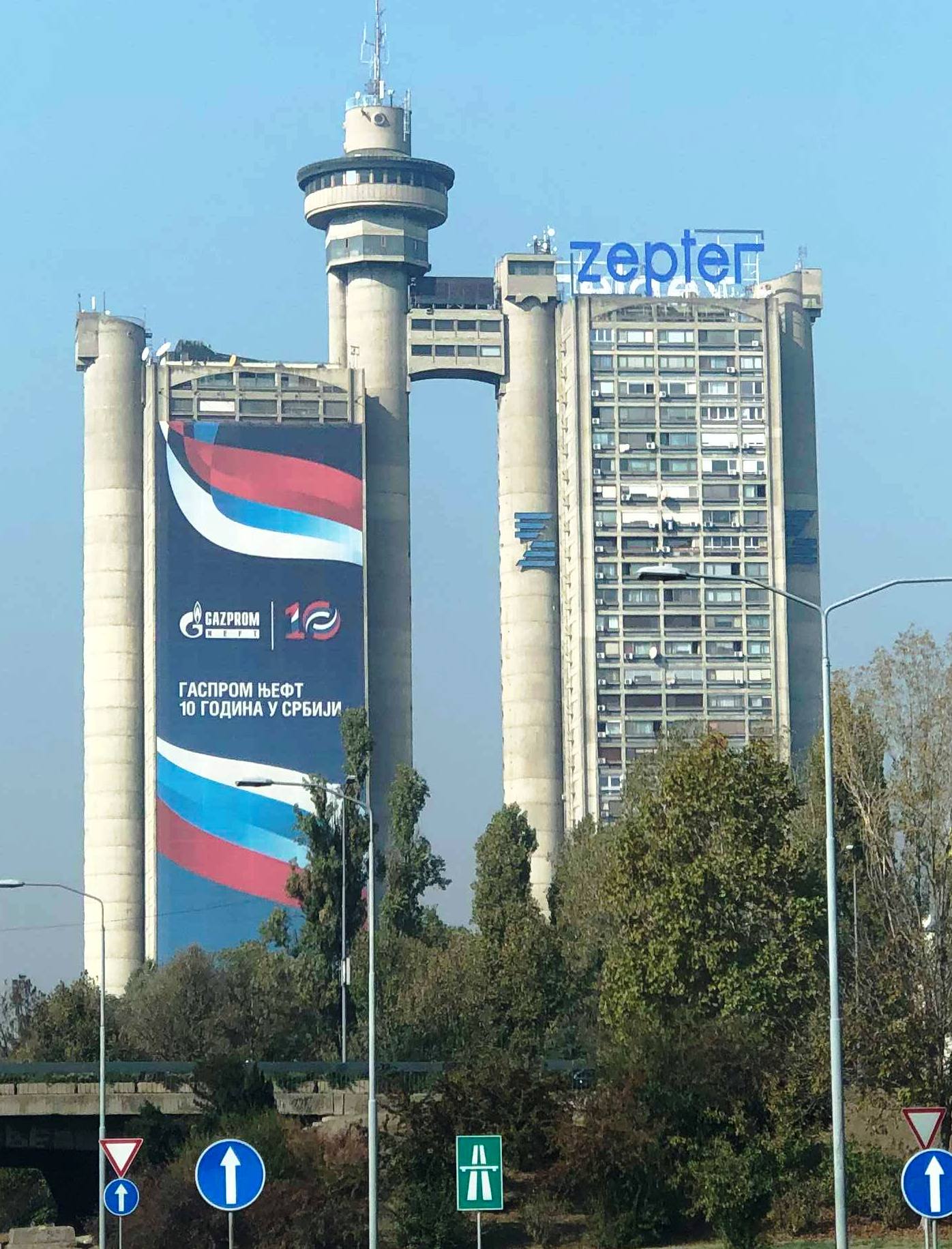
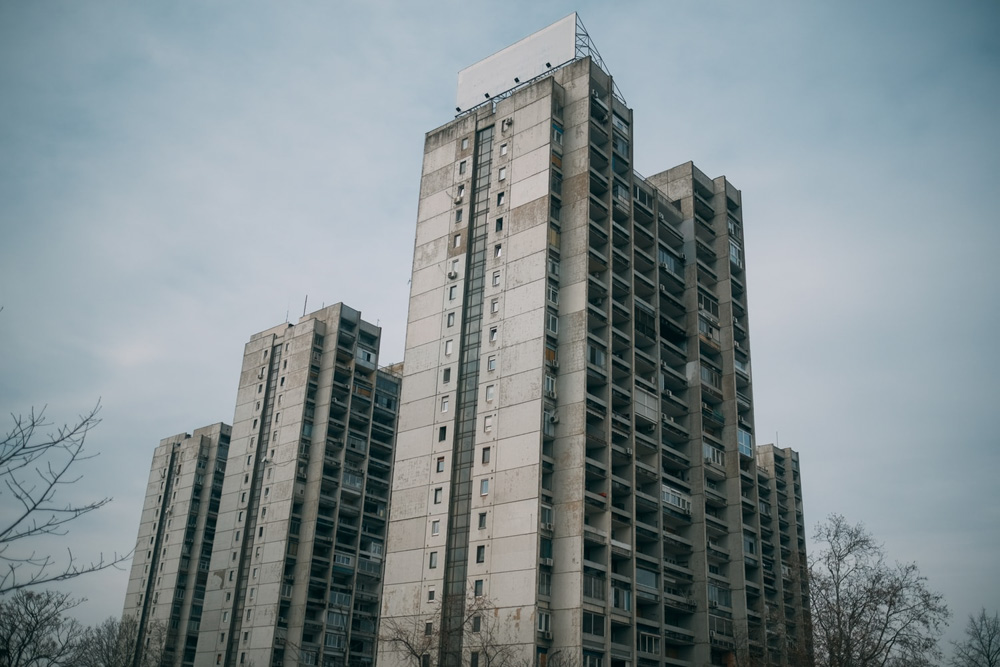
In New Belgrade (Novi Beograd) you will encounter behemoths of the so-called "Brutalist" architecture, most notably the Tower Genex of 35 floors, but also the well-known blocks that one finds throughout Eastern Europe.
The nightlife in Belgrade is particularly intense, with the main feature being the clubs and pubs on barges (slavs), which are spread out over the banks of the Sava and the Danube.
The metropolitan church of Saint Savvas It is ranked among the 5 largest church buildings in the world. It is so large that it can accommodate approximately 10,000 people! Its interior is not accessible as work is still underway.

Το Ada Ciganlija is a small island in the Sava River that has been turned into an artificial peninsula. During the summer, it attracts the attention of the city's residents as the beaches created on it make the Serbs call it "the Belgrade sea".
🔶 Novi Sad
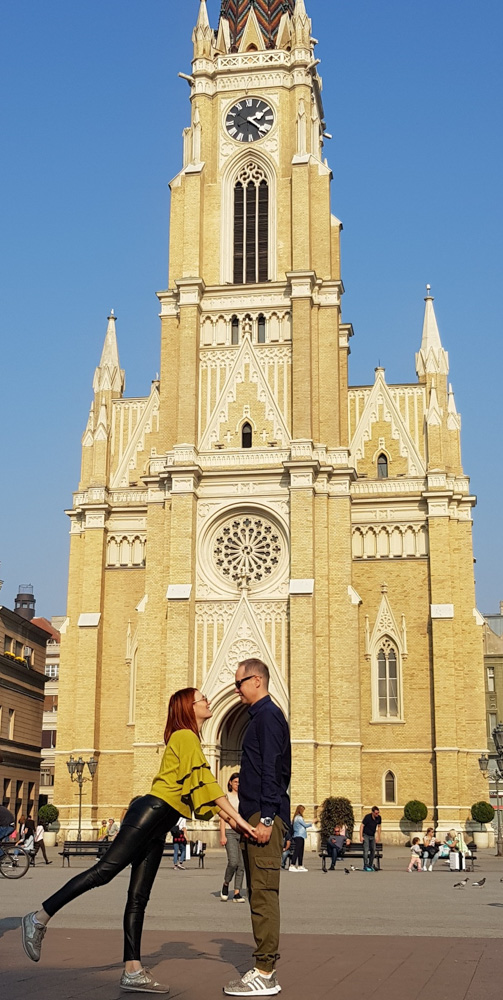
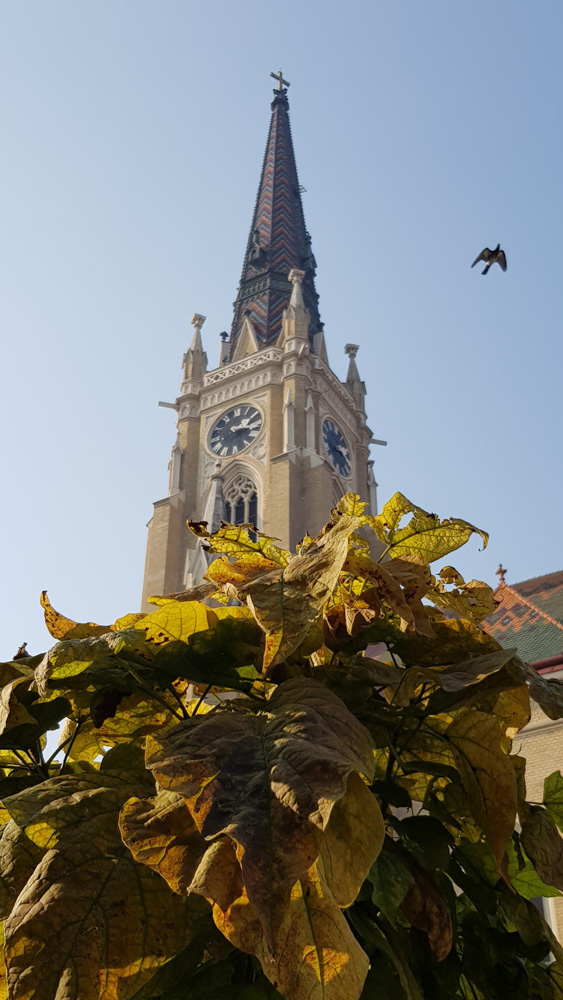
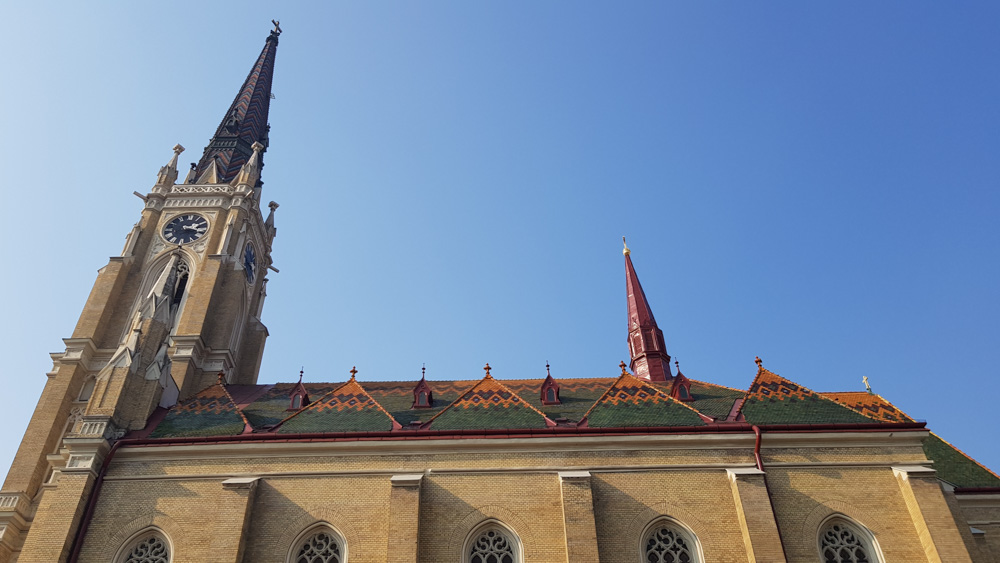
No trip to Serbia is complete without a visit to the picturesque Novi Sad. Here you will feel like you have left Serbia and are in Central Europe. The heart of the city is located in the square Freedom Square which is adorned with architectural masterpieces of the Austro-Hungarian period: the aristocratic neo-Renaissance town hall (Gradevska Kuca), the Bank of Vojvodina and the Hotel Vojvodina, while on the western side of the square dominates the imposing neo-Gothic Roman Catholic Church of the Virgin Mary, with its 76-meter tower. In its center is a monument dedicated to Svetozar Miletic, one of the prominent politicians of Serbia of the 19th century.
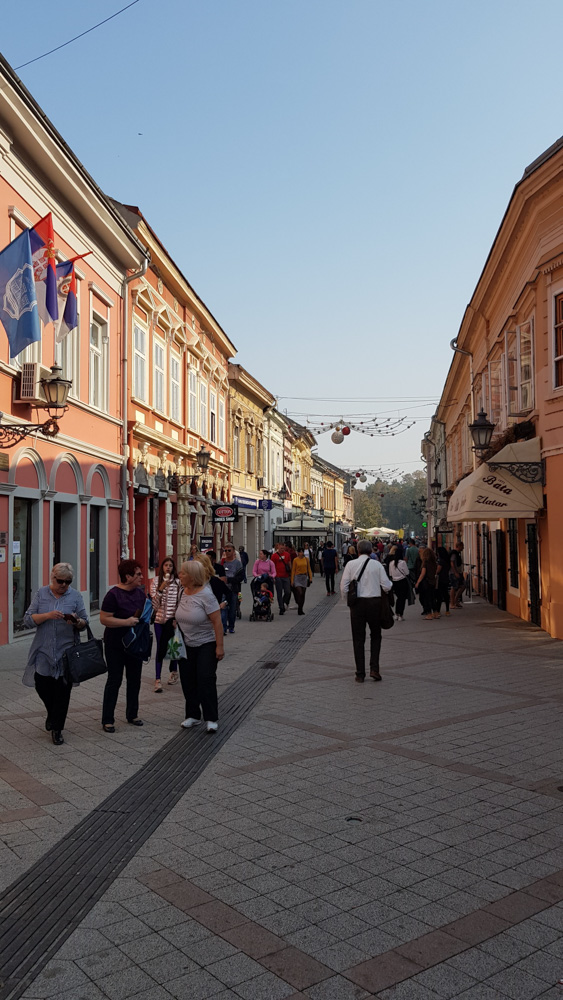
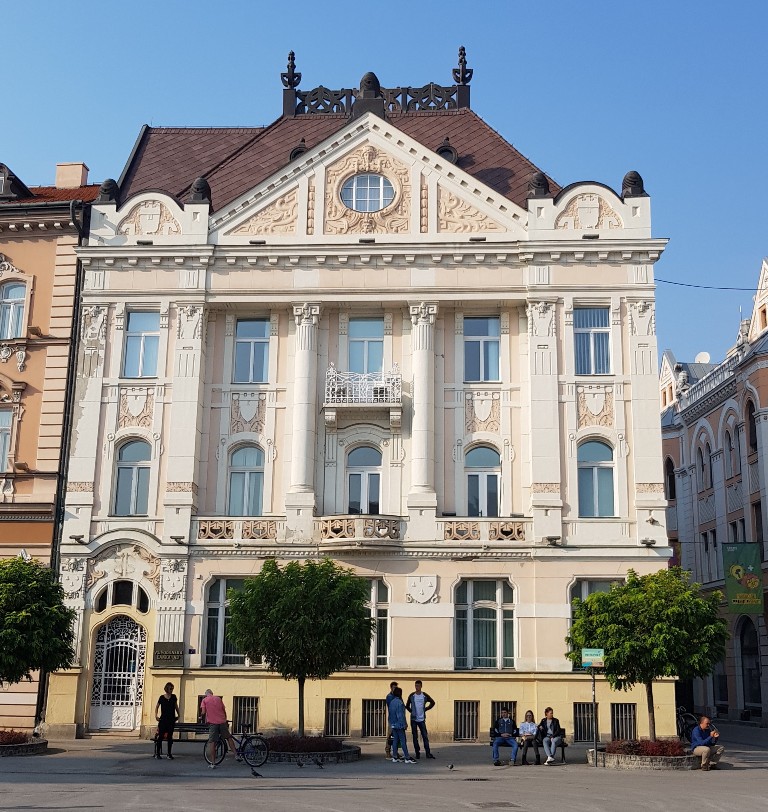
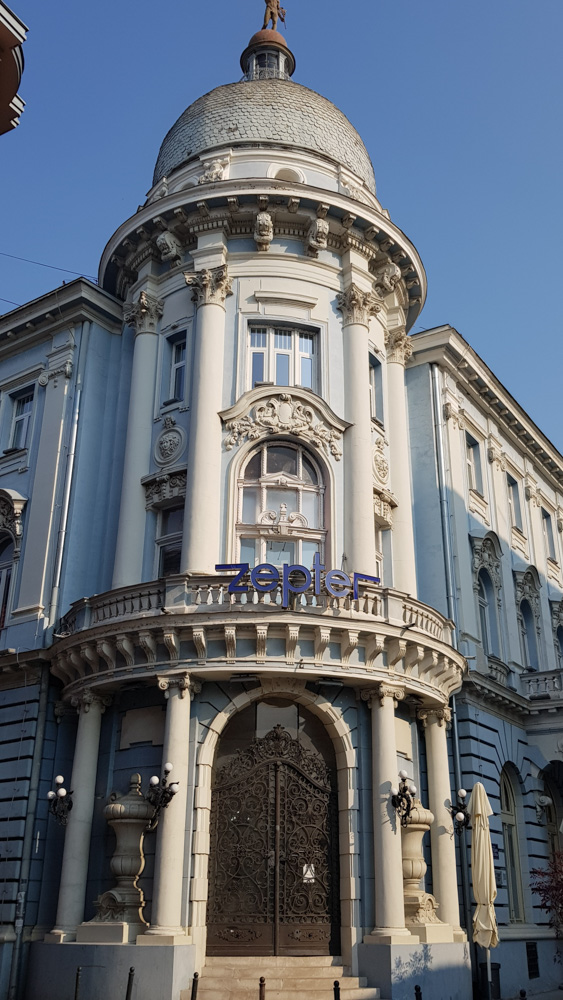
The street Dragon Jovina is one of the oldest streets in Novi Sad that ends at Vladicanski dvor, the palace of the Serbian Orthodox Bishop.

The street is also beautiful. Danube with beautiful 18th and 19th century buildings housing cafes and restaurants, which ends in Dunavski Park and finally the Danube River.

A very picturesque area is also Petrovaradin on the opposite bank of the Danube with the fortress dominating the top of the hill. The old buildings, the cobblestone streets and the atmosphere of the area "travel" you back many centuries... The fortress, built by the Austro-Hungarians in the 18th century and including 18 km of underground galleries, barracks, prisons and ammunition depots, today houses art galleries, cafes and restaurants.
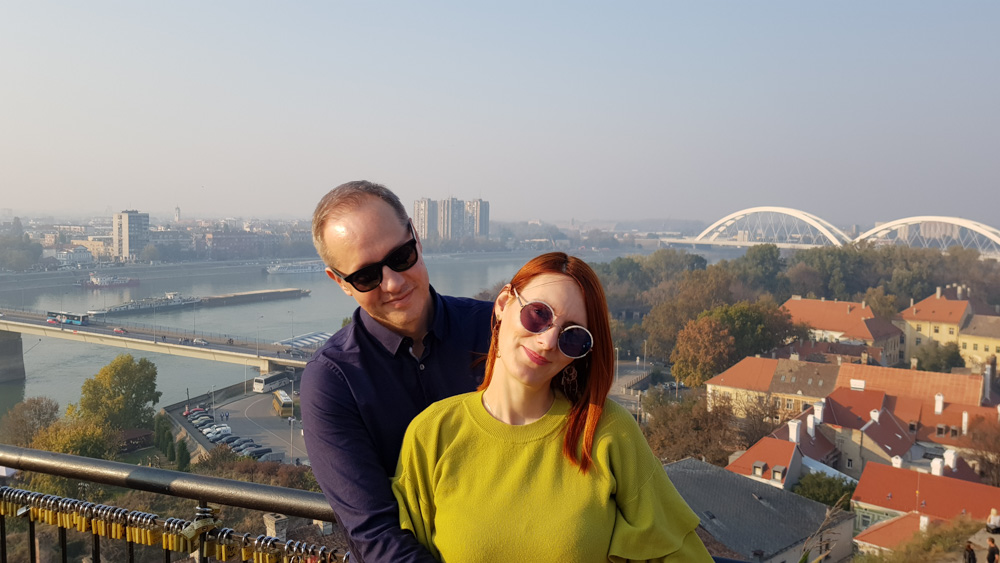
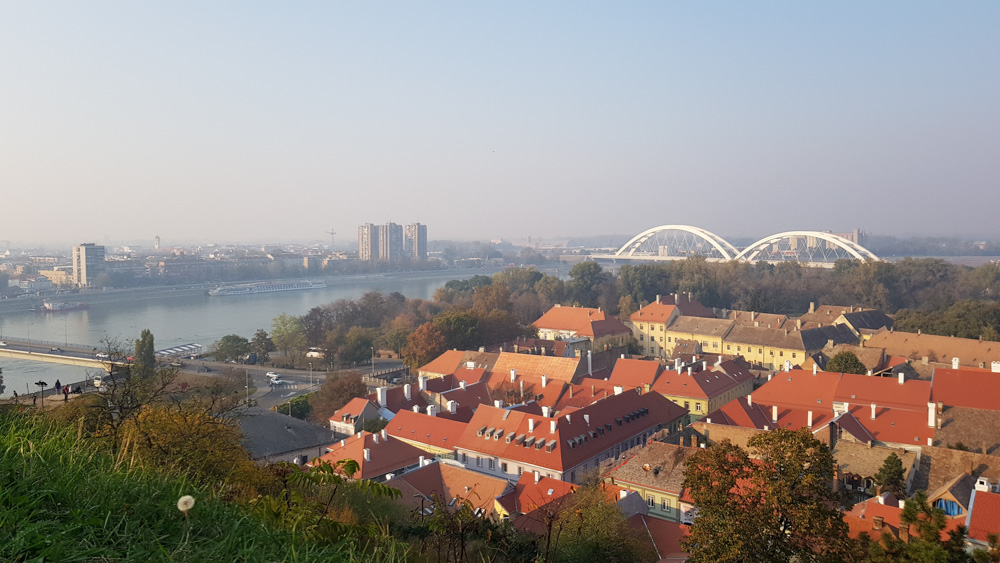
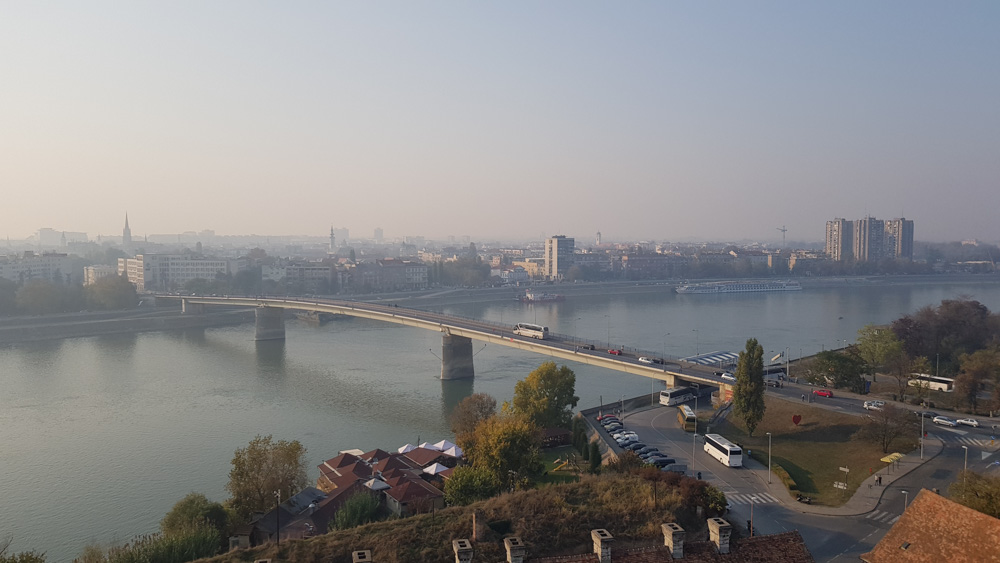
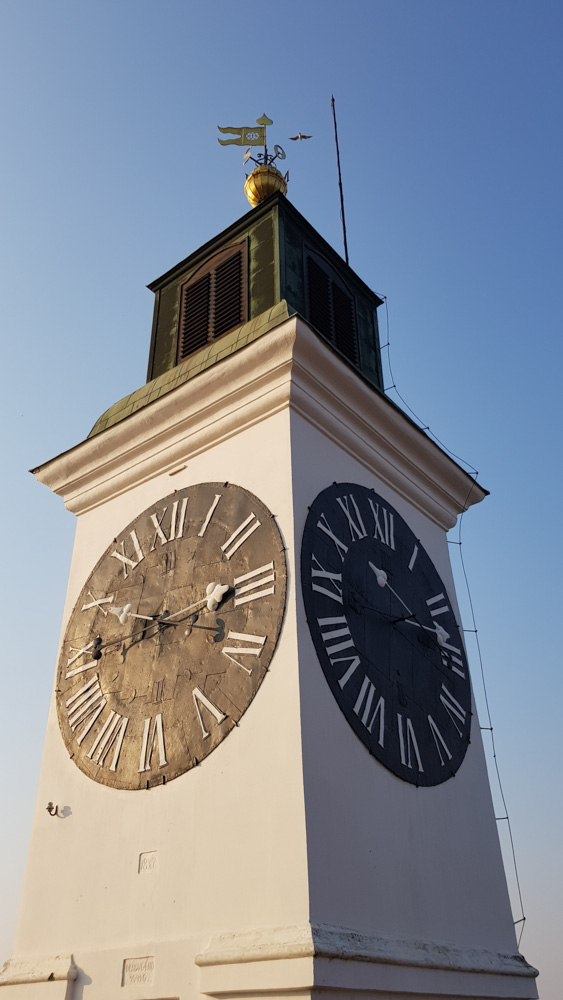
Novi Sad has become particularly well-known in recent years (specifically since 2000) because of its Exit Festival, of the annual music festival held at its fortress every summer.
Where to eat
Food is something that you won't have any problems with in Serbia as its cuisine is very similar to ours and there are many choices. On the banks of the Sava River, in the Savamala district, the Amber offers an unlimited menu with Serbian cuisine and only 16 euros per person. In the center of Belgrade the Supermarket offers a quirky, pleasant concept with international cuisine. An excellent choice is also the Little bay in a space that reminds you of… an opera! Outside the center, a special shop with incredible decor and excellent cuisine is Lorenzo & Kakalamba while in Zemun the Balkan Express will give you the feeling that you are eating in a train carriage! Tip: If you choose to visit them in the evening it is better to make a reservation by phone or online. In Novi Sad the best options are Stanica bar & food and Project 72 Wine & Deli.

What to try
– Pljeskavica. It is the Serbian version of the burger.
– Cevapi: Sausages in a pita
– Karajorjeva: The Serbian version of schnitzel with pork or beef and cheese inside
– Τοπικό βούτυρο “Kajmak”
– Drink Rakija, a type of brandy made mainly from plum or grape

Closing
Serbia has been a favorite destination for Greeks for centuries. Economical, hospitable and close to the north of Greece, it is why travel agencies organize many three-day trips. We traveled in our own vehicle and we suggest you do the same. Gather your friends and travel in your car, as the road is now two-way in its entirety and all you will need is an ID card and a green card for the car. You will not be delayed at the border for more than ten minutes, while the toll booths also accept euros. So don't think about it!
Watch the video from our trip: