Let's face it. There are times when you set out to go to a destination without having high expectations for it. But when you get there, all that can change in an unexpected way! This happened to us during our visit to the capital of Poland. While it is not a city with the reputation of, for example, Vienna or of Budapest, proved to be an excellent low budget destination and an ideal city break that can be combined with other cities in Poland.

In Warsaw, we encountered a beautiful and clean city with several attractions, large parks, a modern road network, convenient means of transportation and a quite interesting historical center! And because unlike the Krakow or Wroclaw, the capital of Poland is not considered a tourist destination, if you go there you will get a real picture of the everyday life of Poles and you will be able to understand their way of life.

The city has a special energy, exudes romance and in a magical way manages to balance between the multiple faces it displays. The medieval period, the Baroque of the Renaissance, the two World Wars, the communist past and the modern present.

What to see
Krasinski Palace
The Krasinski Palace, also known as the Commonwealth Palace, is a Baroque building erected between 1677 and 1683 for the powerful Krasinski family. It was severely damaged during World War II and repaired in the mid-20th century.

Behind it is the Supreme Court of Poland and the Warsaw Uprising MonumentNearby distance the boundaries of the road are visible Warsaw Ghetto, which was the largest created by the Nazis in an occupied city in 1940. It imprisoned 460,000 Jews in an area of 34 square kilometers with an average of 9.2 people per room.

Warsaw Observatory (Warsaw Barbican)
It is a historic fortification, built in the 16th century and consisting of a semicircular wall with three towers. It was once part of a larger fortification system that surrounded Warsaw, but is the only part that survives to this day.

Old Town
This is where the Old Town of Warsaw, also known as Stare Miasto, begins, and it's a dollhouse! Founded in the 13th century, it was the residence of Polish kings and nobles for centuries. It was completely destroyed during World War II, but was methodically rebuilt and is now a UNESCO World Heritage Site.

Old Town Market (Old Town Market Square)
It is the “heart” of the area and is surrounded by monuments and medieval buildings where wealthy merchants once lived. It is usually bustling with life and you can shop for souvenirs or sit down for coffee and food in one of its shops.

Nearby is the Cathedral dedicated to Saint John the Baptist and although it was completely destroyed, it was reconstructed in its original form.
Don't forget to go around the wishing bell 3 times (Wishing Bell), which is located there near, so that your wish may come true, but also so that you may see back one of the narrowest houses in Europe!

Royal Castle
Located on Zamkowy Square is the Royal Castle of Warsaw. It was the official residence of Polish monarchs for over 400 years. It dates back to the 13th century and has been rebuilt many times throughout its history. Like the entire Old Town, it was destroyed during World War II and rebuilt in its original form. It houses a large collection of artwork and artifacts, including paintings, sculptures, tapestries, and weapons.
Tip: On Wednesdays, admission is free!

Church of Saint Anna
Next to the castle is the Roman Catholic Church of St. Anne, built in the late 15th century. The interior of the church is beautifully decorated with many paintings and sculptures and is a mixture of Gothic and Renaissance styles. It is worth a small fee to climb the bell tower and enjoy a panoramic view of the old city. It is not recommended for claustrophobics and those who are unable to climb many stairs.

Vasiliki Street (Royal Route)
The Royal Route dates back to the 14th century. It was the main road leading from the Royal Castle to the Wilanów Palace. It includes Krakowskie Przedmieście, Nowy Świat, etc. It is worth walking along some of it and admiring the Art Nouveau buildings and luxurious mansions of the past. Along the road you will find the so-called “music benches”, where you can sit and enjoy Chopin’s compositions.

Copernicus Science Center
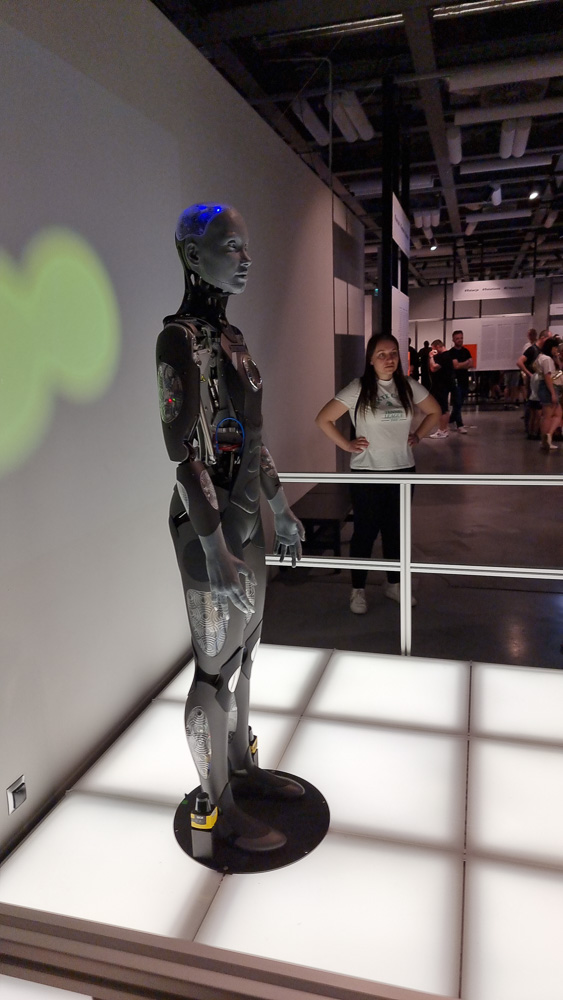
It is a futuristic building named after Nicolaus Copernicus, a Polish astronomer who formulated the heliocentric theory. It houses over 450 interactive exhibits, allowing visitors to experiment and discover the laws of science. Kids will love it! Our tour of it certainly showed us that it is a fun and educational place for people of all ages. Tip: Book your tickets a few days before the official date. website.
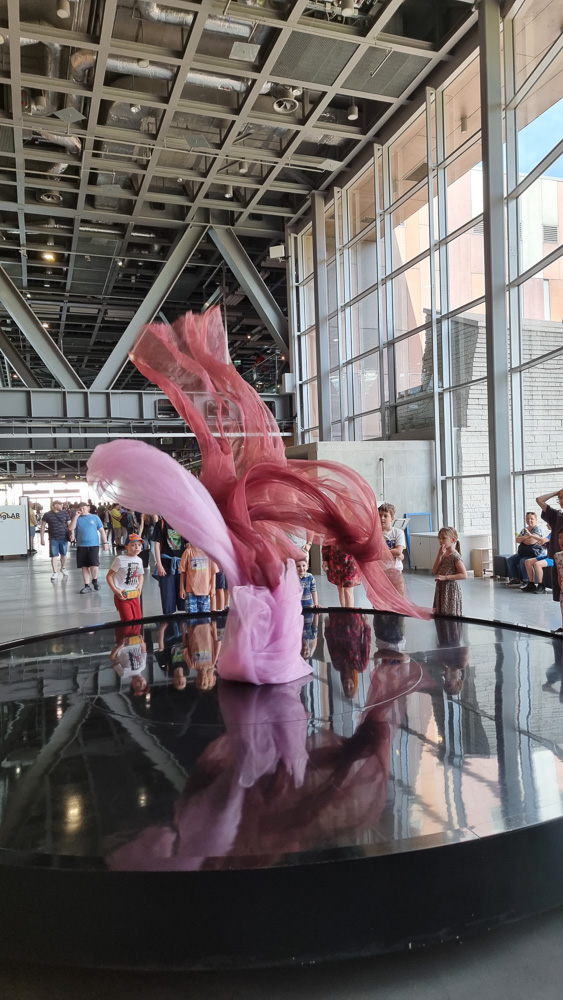
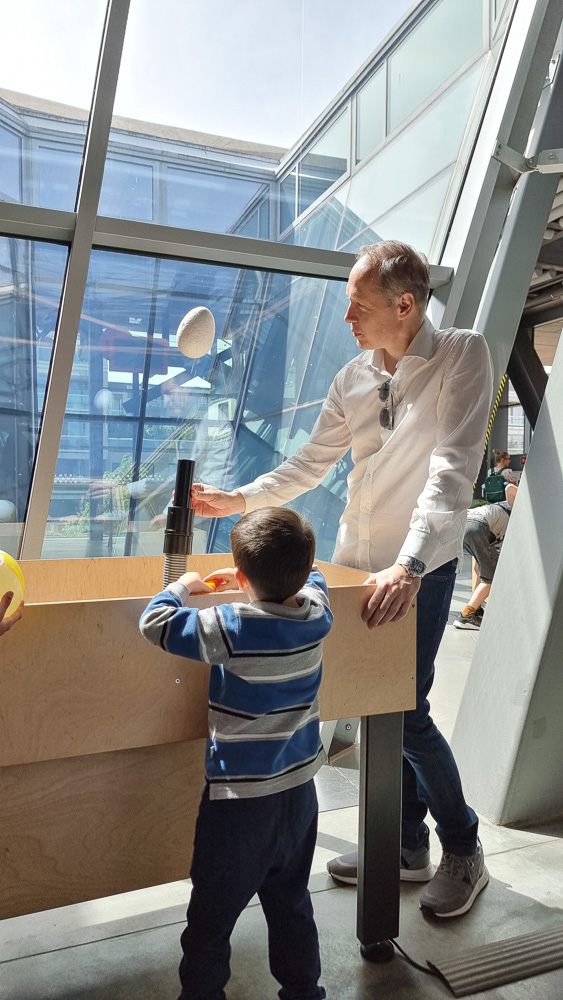
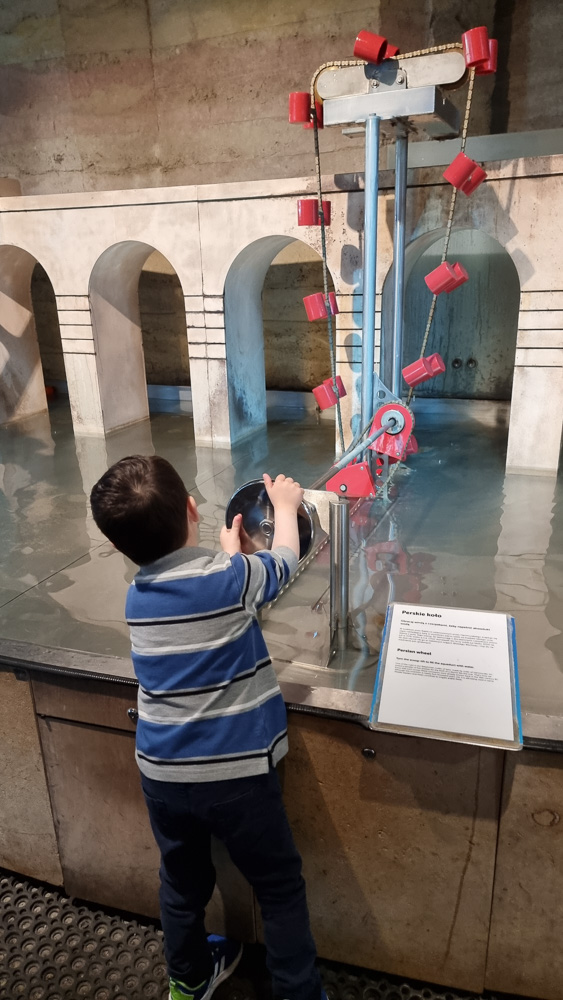
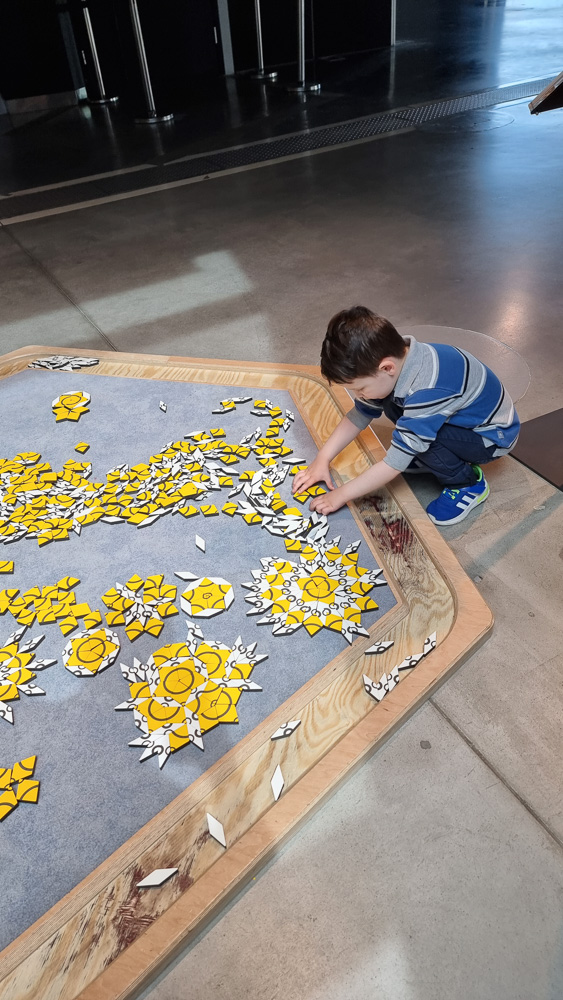
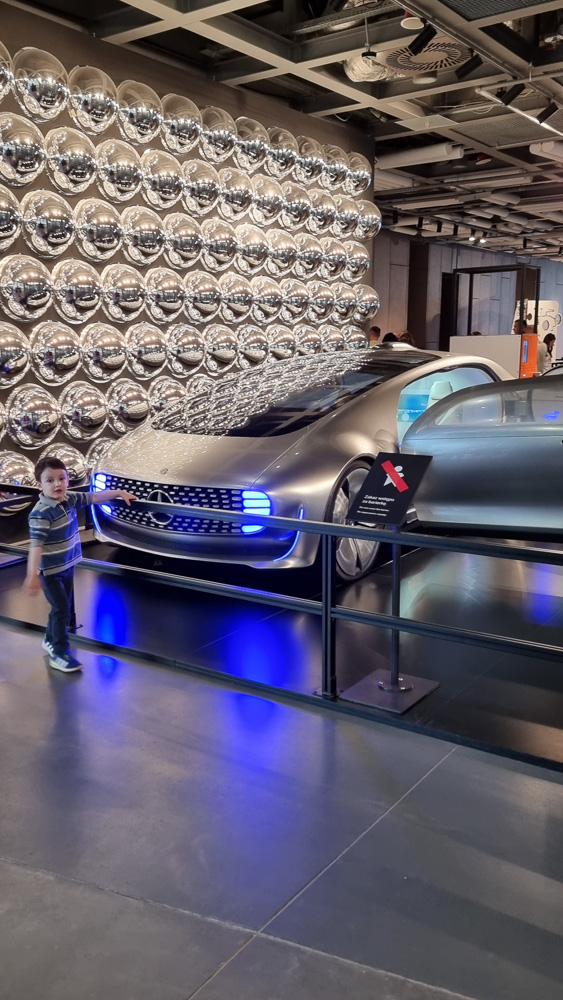
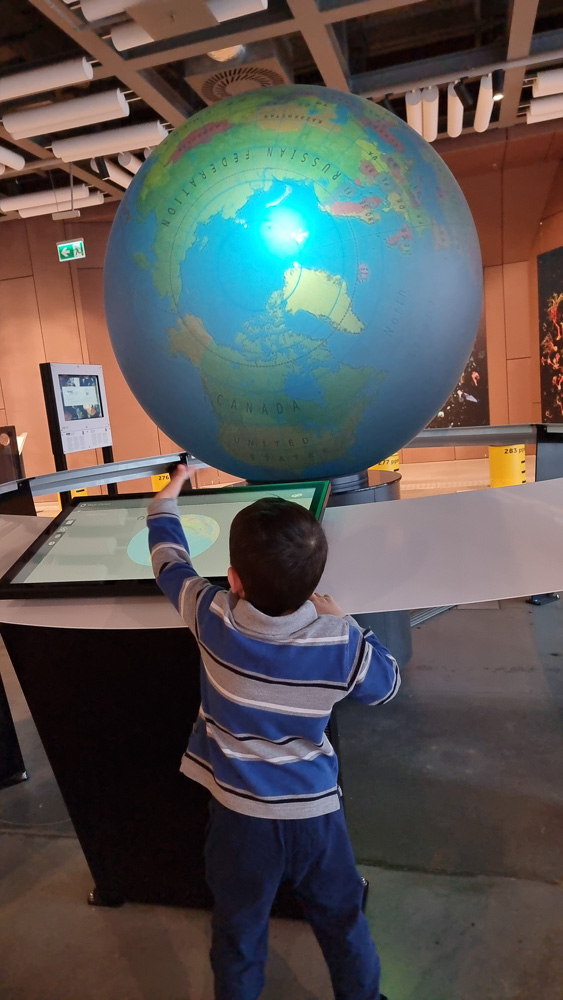
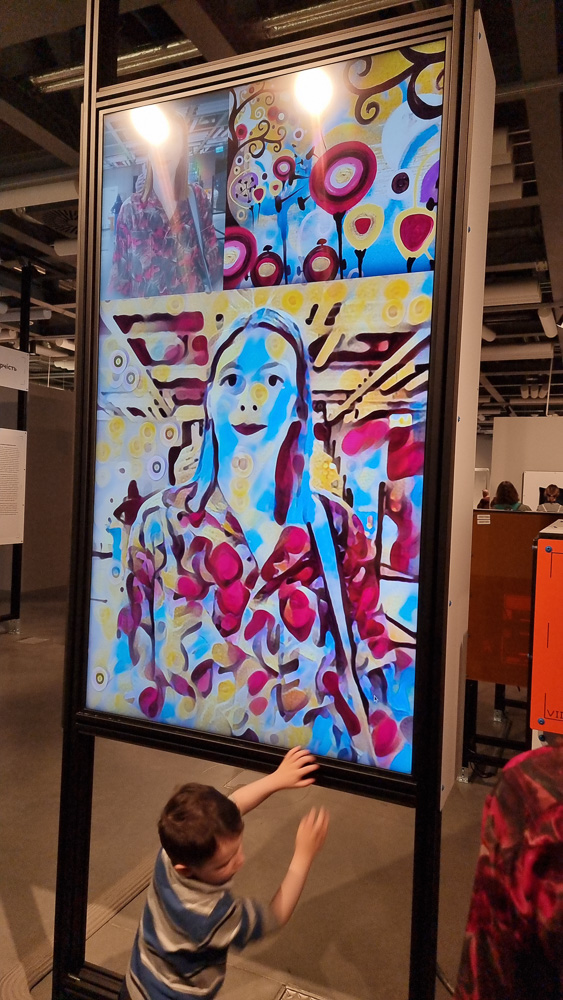
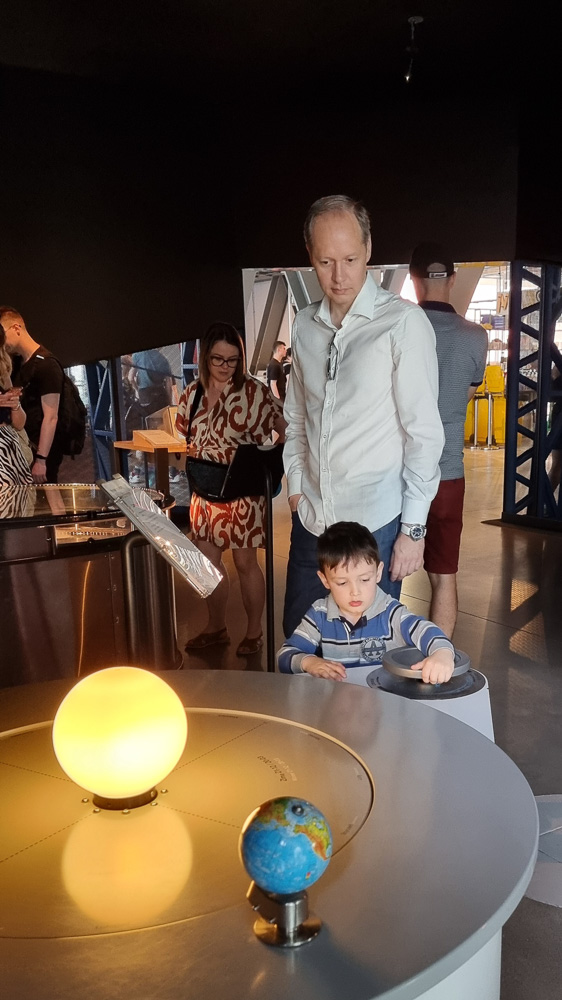
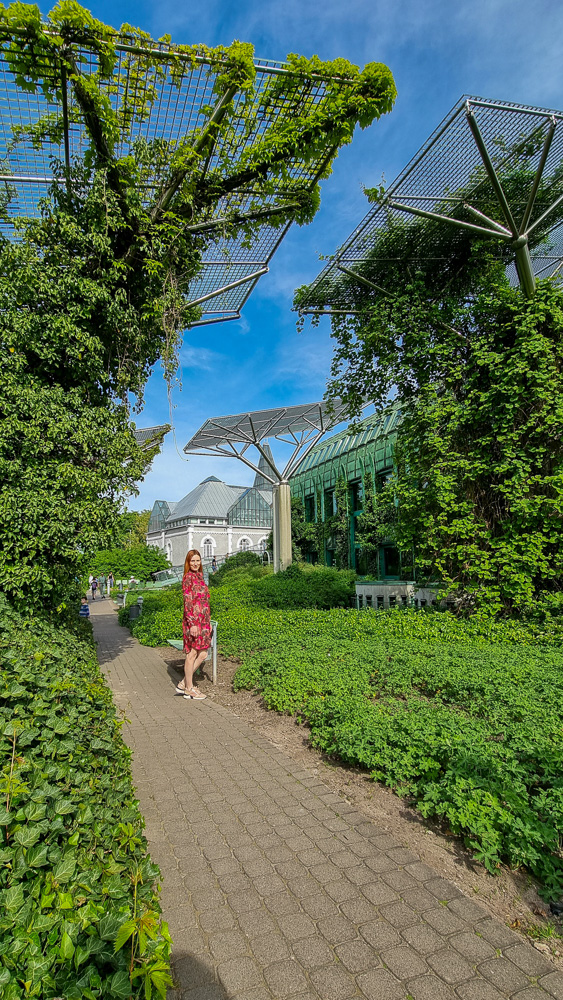
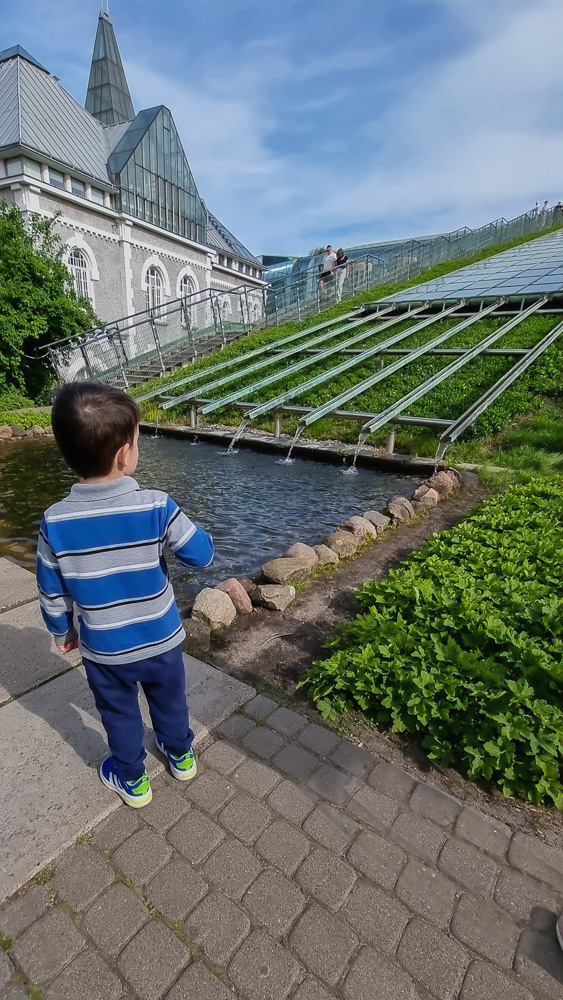
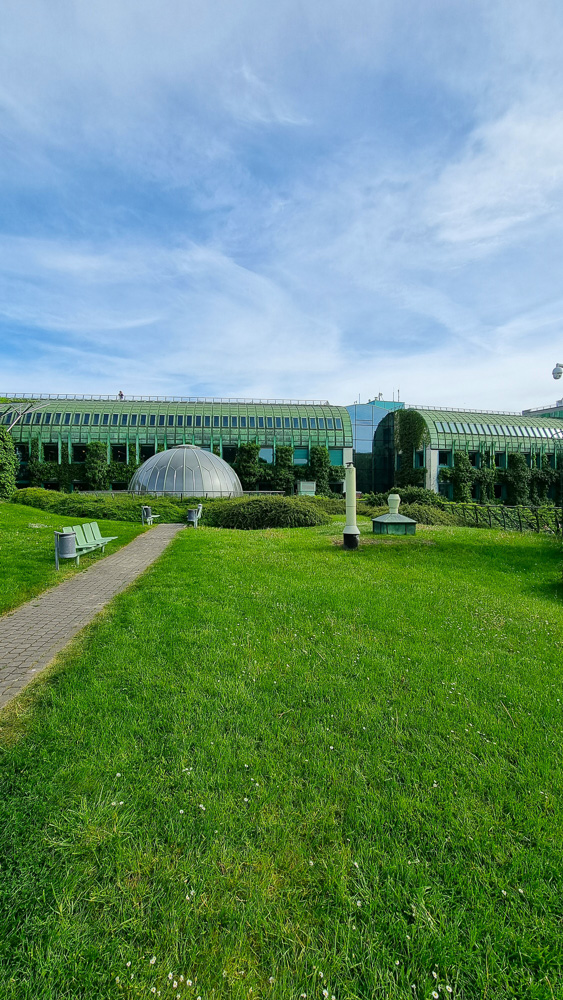
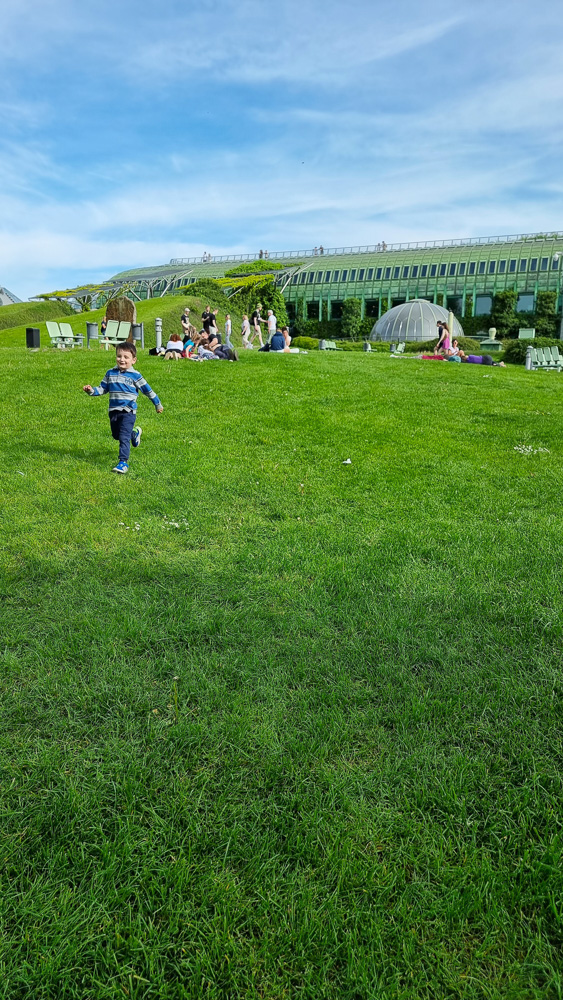
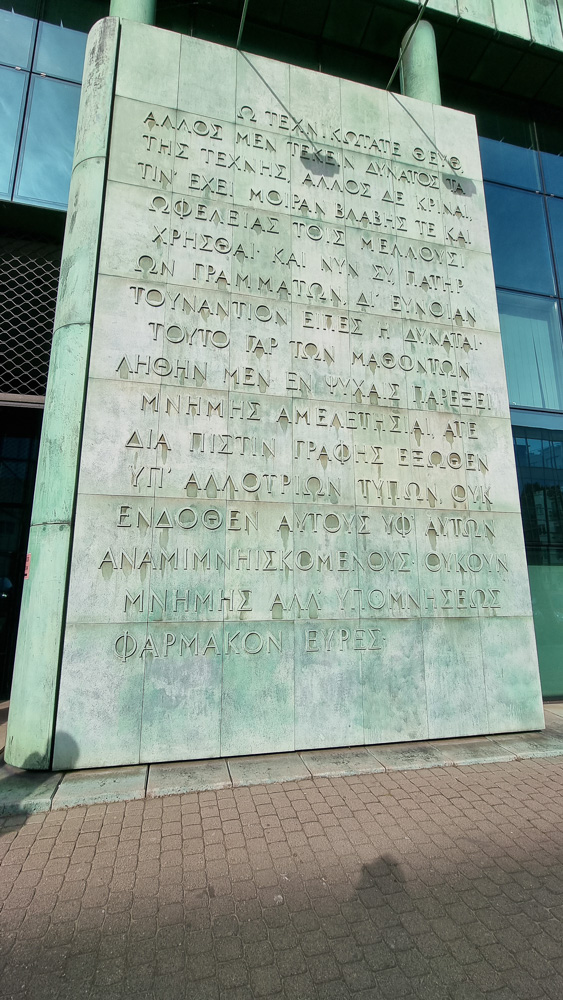
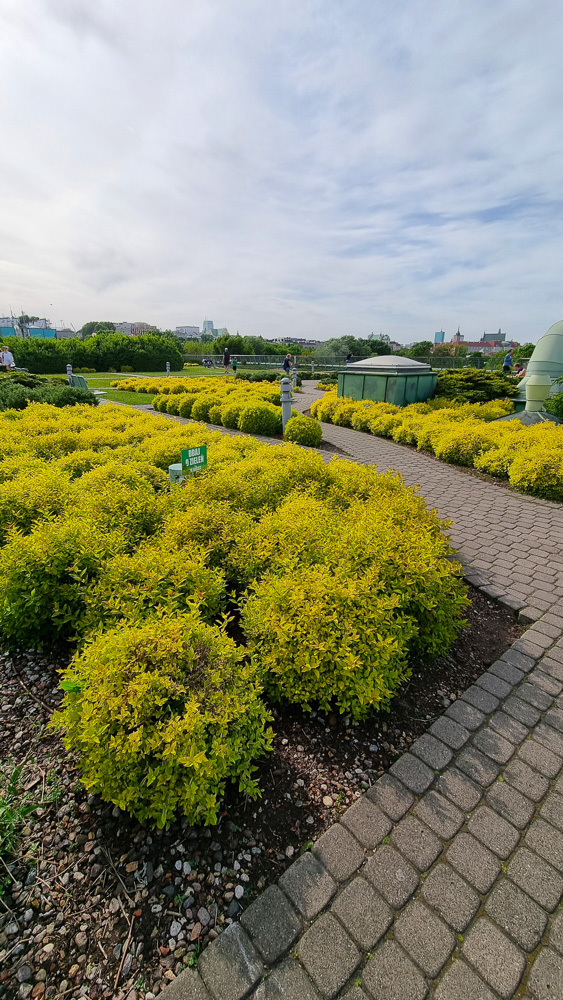
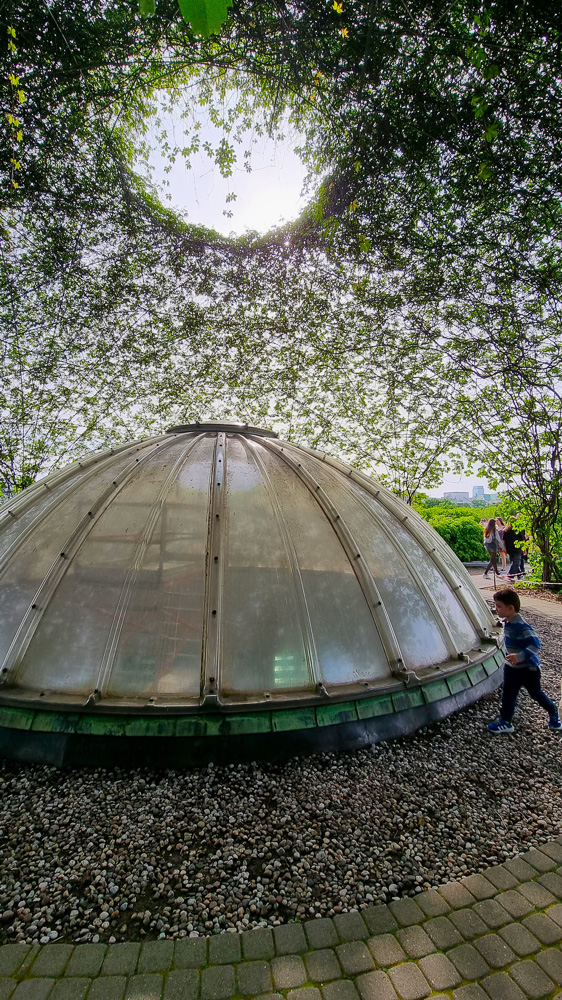
Garden Library University (Warsaw University Library Garden).
Near the Copernicus Science Center is a beautiful green space that combines functionality, aesthetics and harmony with the surrounding landscape. It is the largest green roof in Europe with panoramic views of Warsaw and the Vistula River.
Vistula Boulevards
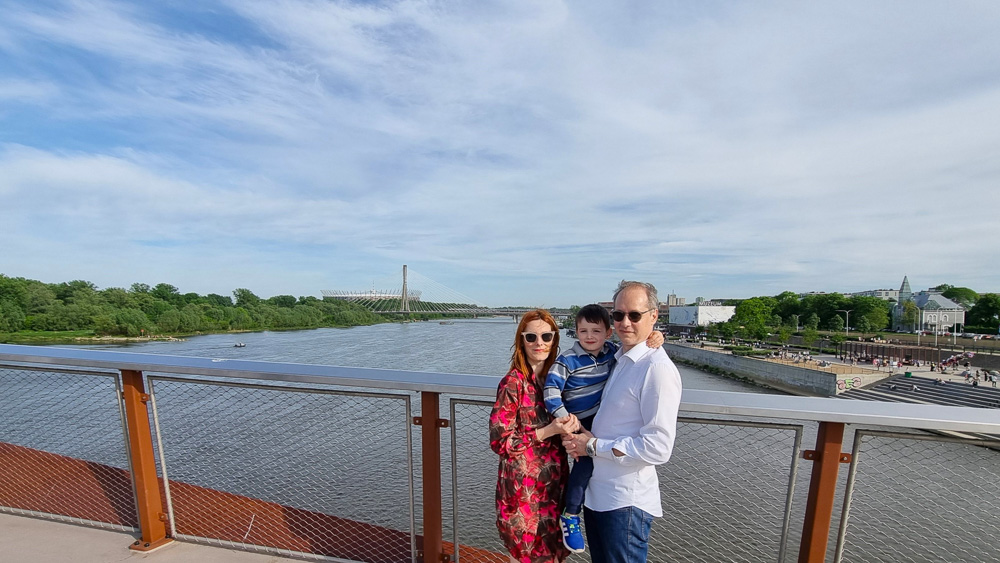
An area that was completely undeveloped a decade ago has become a magnet for residents and visitors of Warsaw. The Vistula River promenade is an excellent opportunity for a bike ride, tasting in restaurants or simply to sit and enjoy local beers in one of the numerous bars. There you will also meet the famous mermaid, the statue that is also the symbol of the city.

Multimedia Park Fontan
Near the banks of the Vistula River, every evening the musical fountains create a show of water, light and sound, which is a major tourist attraction. For show times, see here.

Hello Baskets
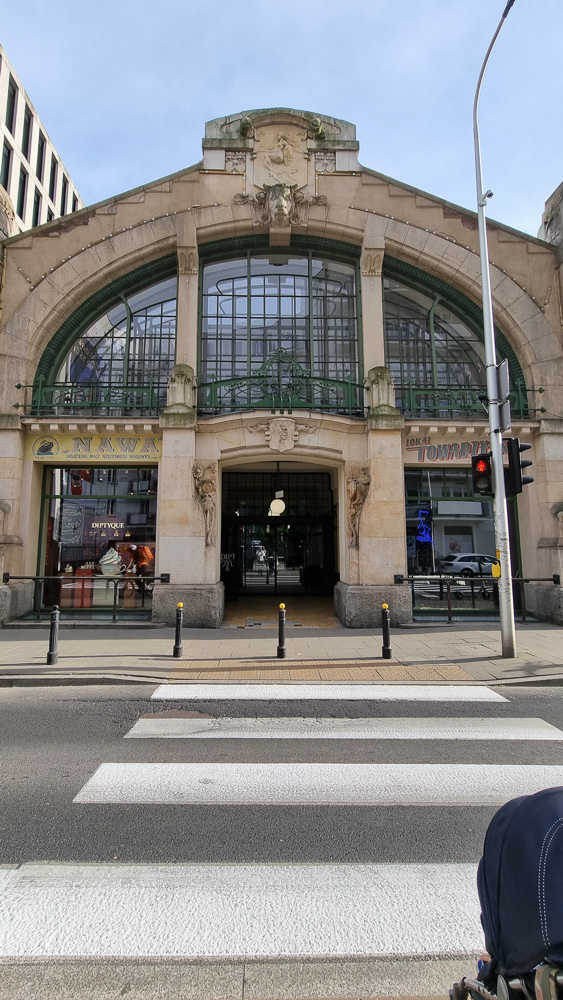
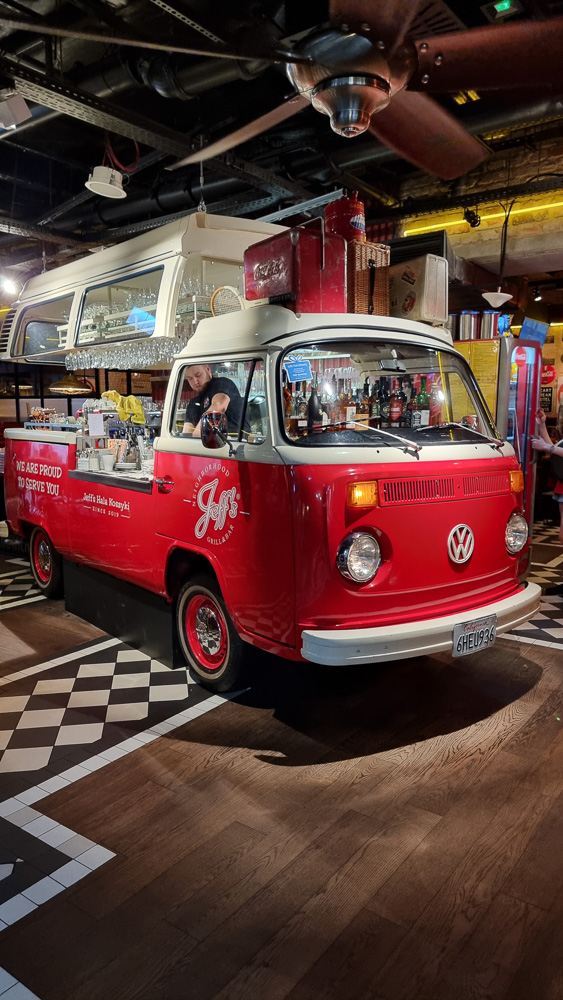
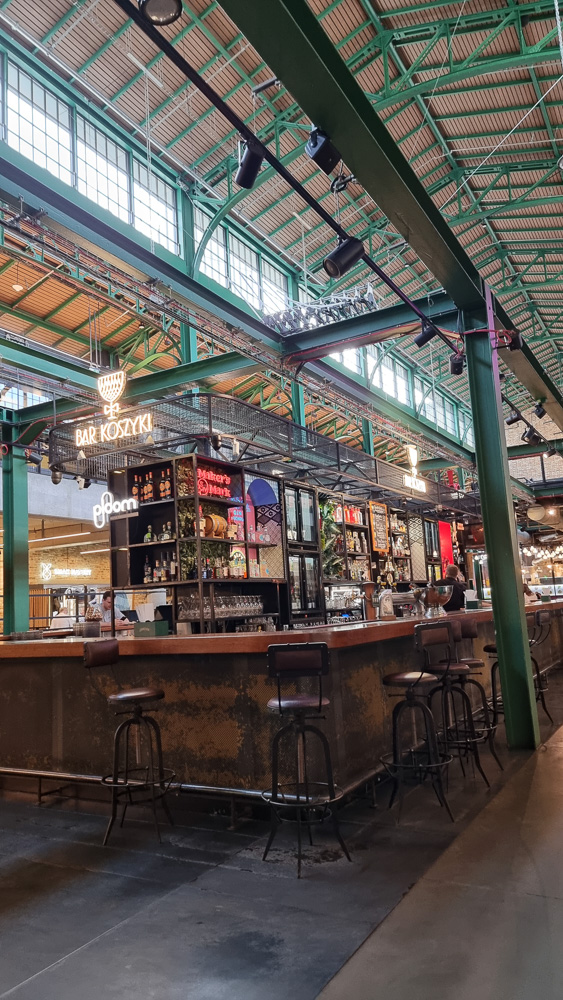
A foodie's paradise! In this renovated market that has been operating since 1906, you will find restaurants, cafes and shops, as well as a cultural center that hosts events and exhibitions. It is reminiscent of La Boqueria in Barcelona or the Mercado da Ribeira in Lisbon and it's worth trying something there.
Palace of Culture and Science
Built as a gift from the Soviet Union to the Polish people in 1955, it still evokes mixed feelings among Poles today. Its floors house museums, theaters, cinemas, business offices, a large swimming pool and cafes, with many going up to the 30th floor.the floor to see the city panoramically.

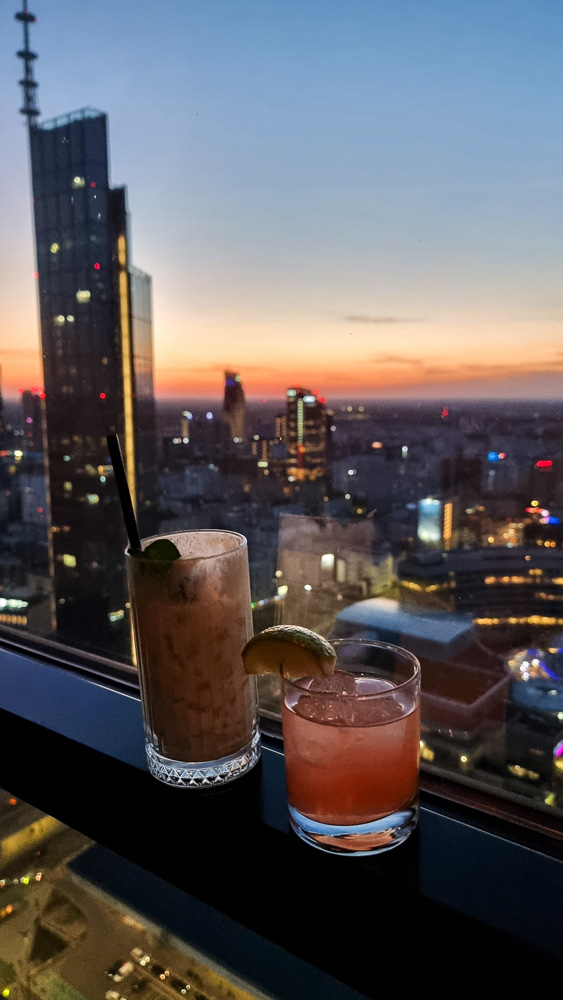
Tip: Because an iron grid has been installed for safety reasons, the view is not that good and we do not recommend going up there. For a better view accompanied by an aperitif, head to Panorama Sky bar of the Warsaw Presidential Hotel directly opposite.
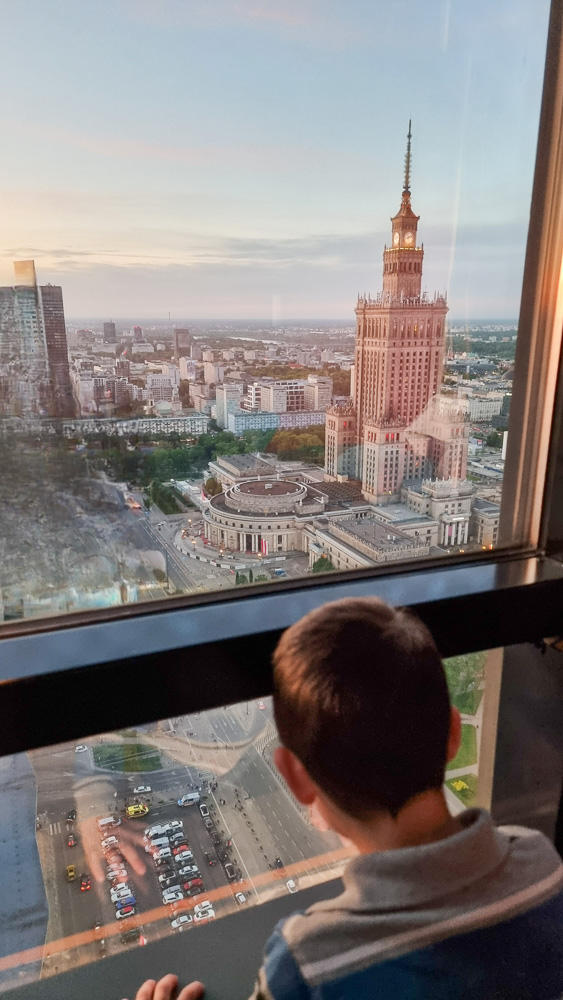
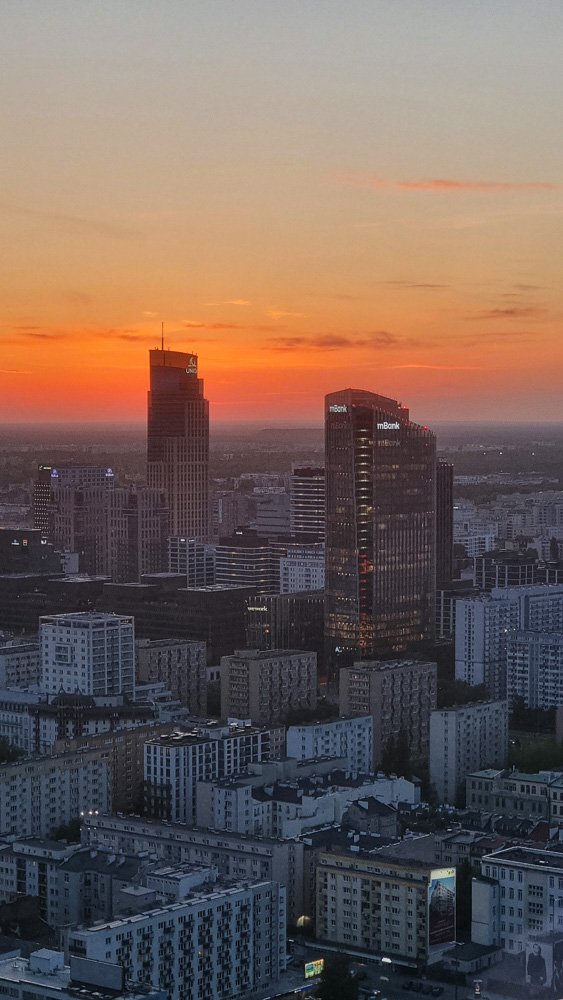
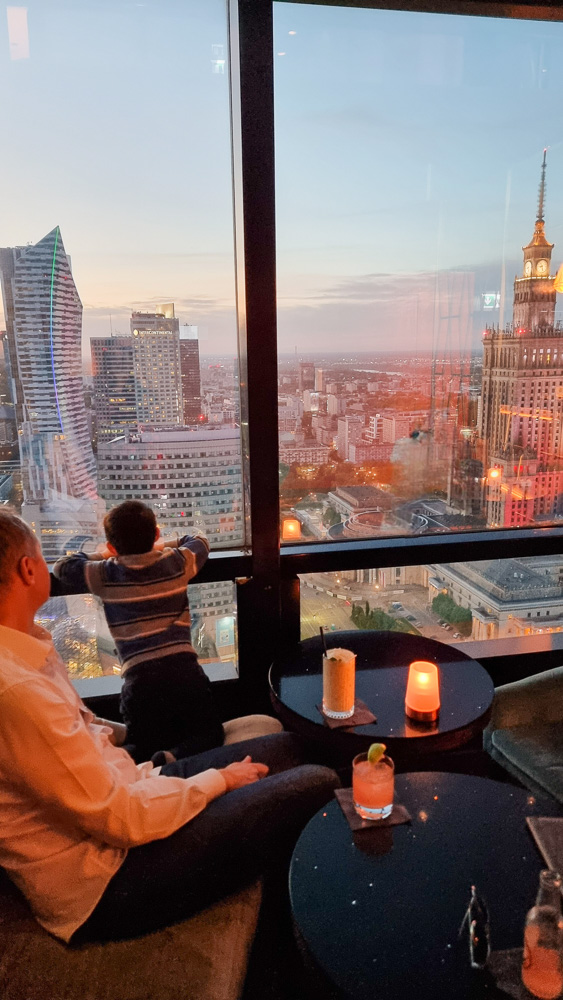
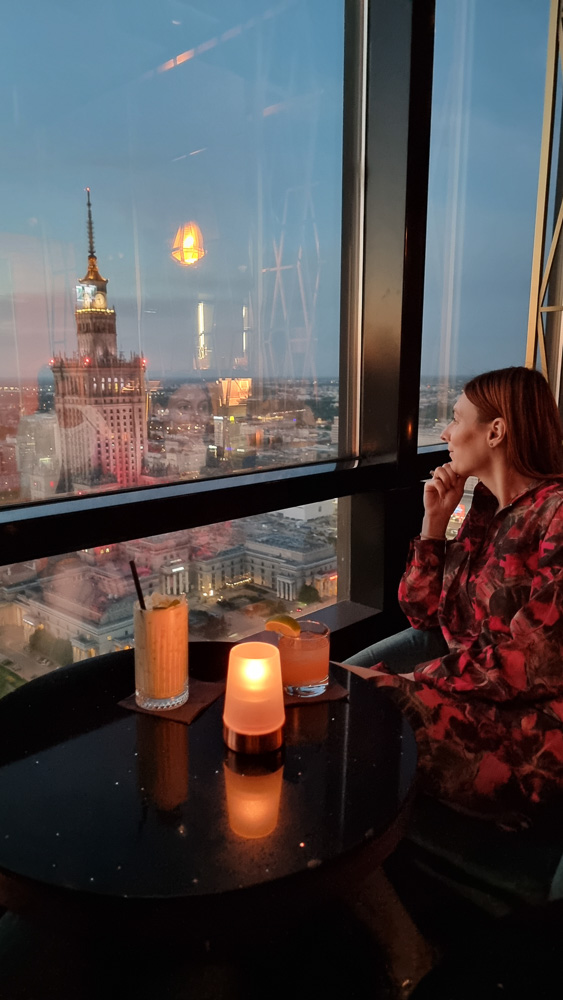
Once you are in the area, don't forget to see a piece of the wall. ghetto of Warsaw that is preserved (Złota Street 62).

Warsaw Uprising Museum
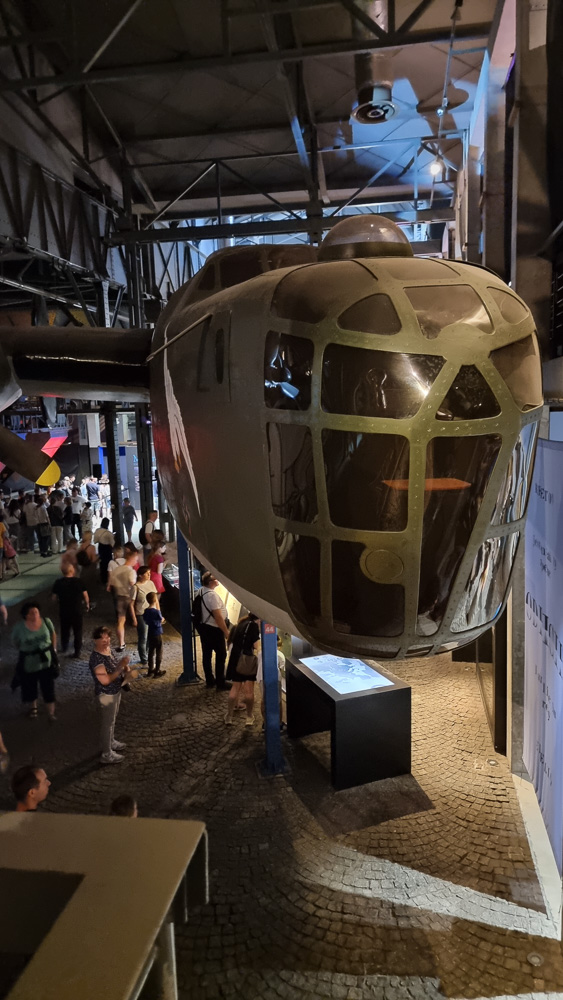
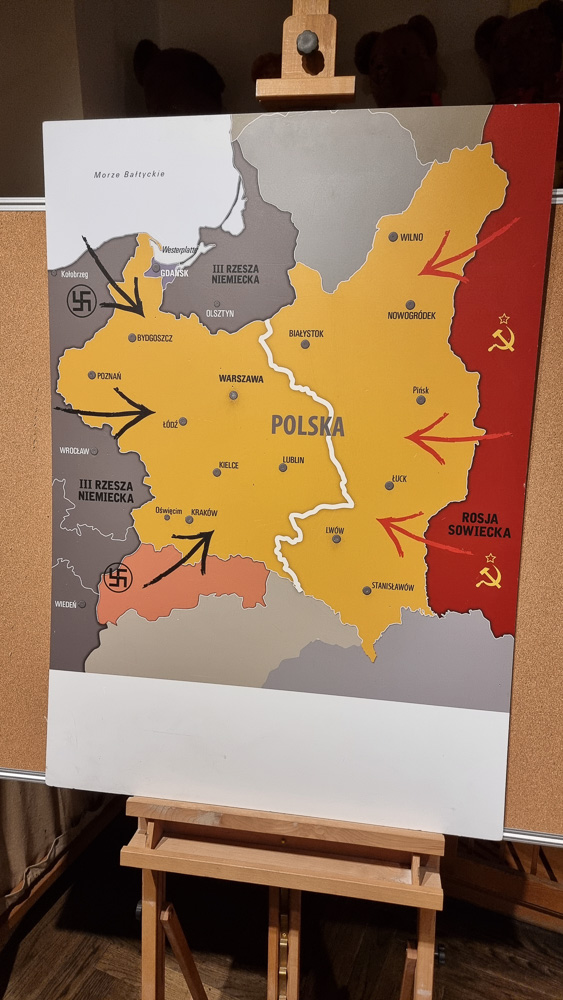
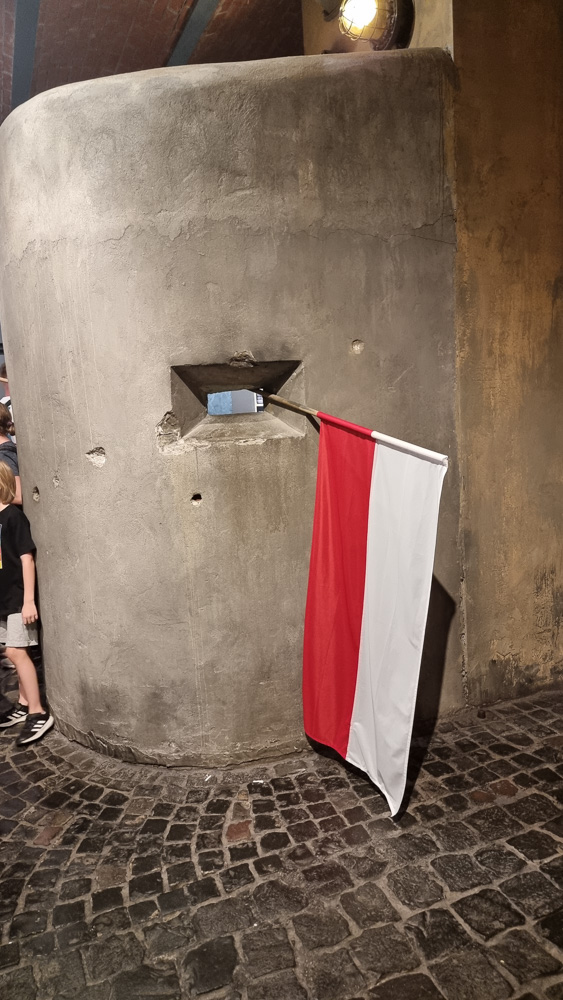
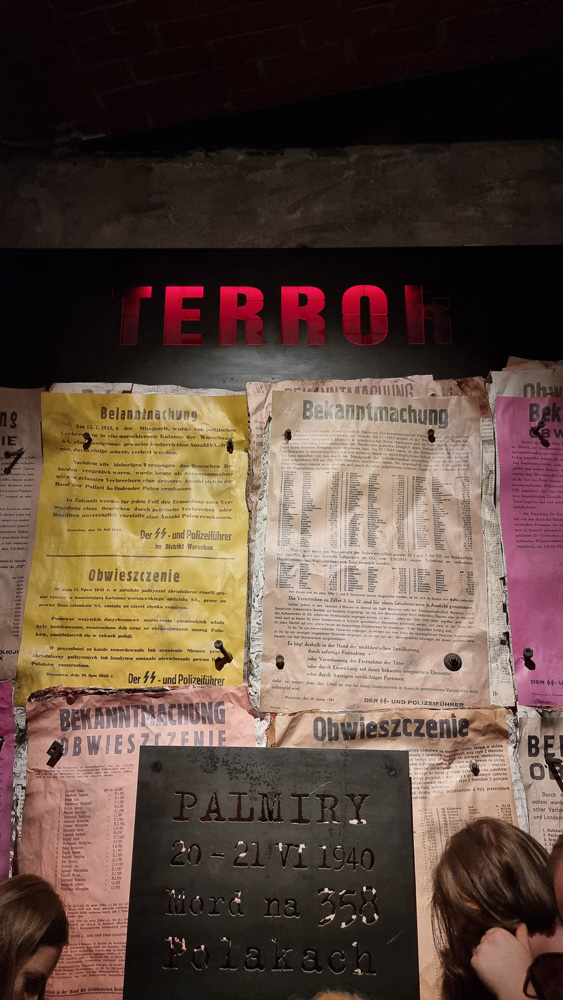
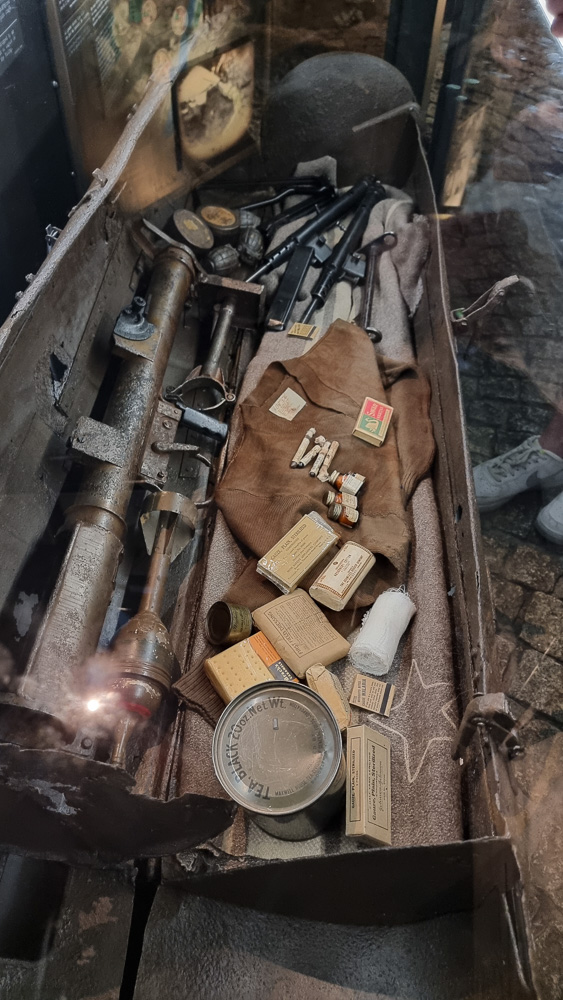
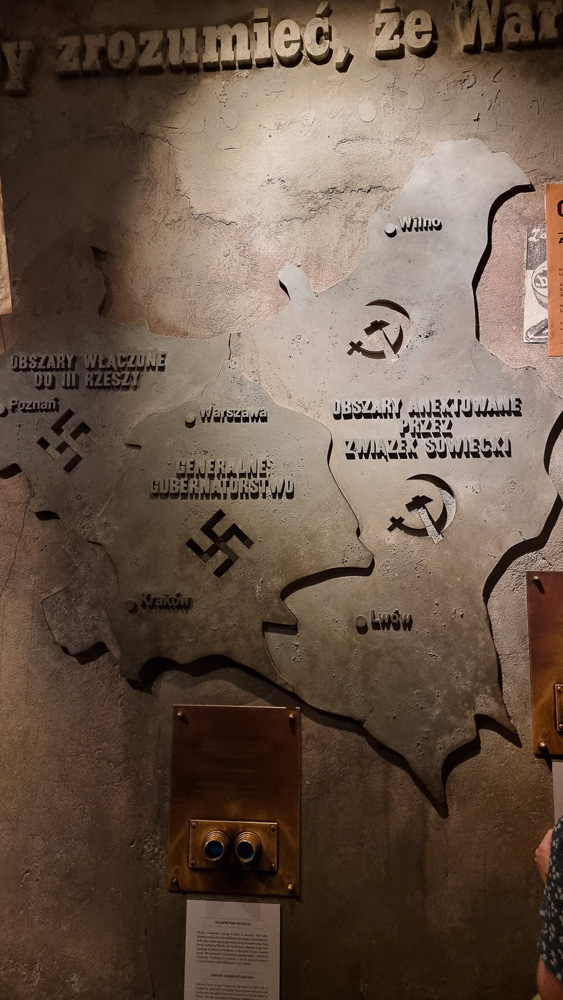
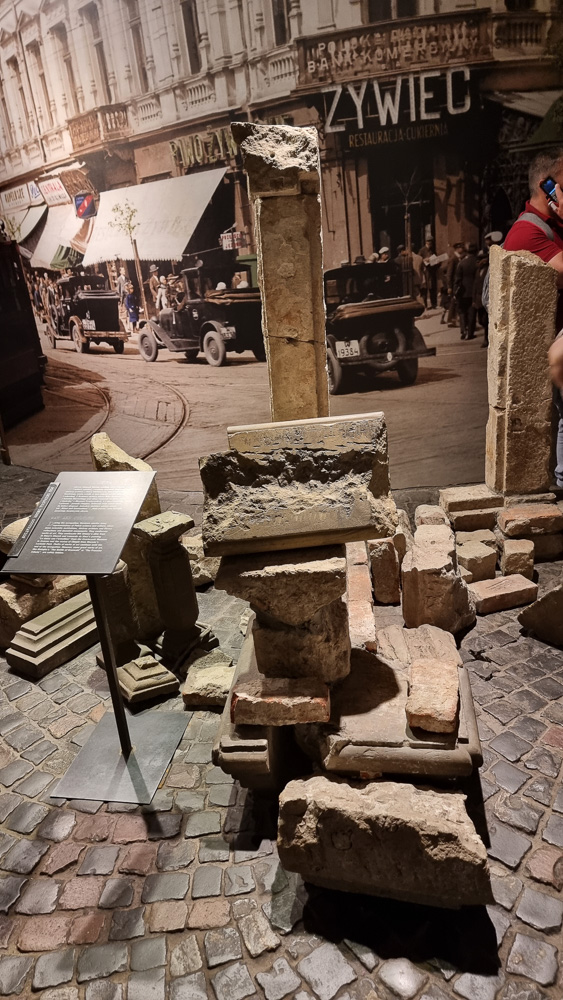
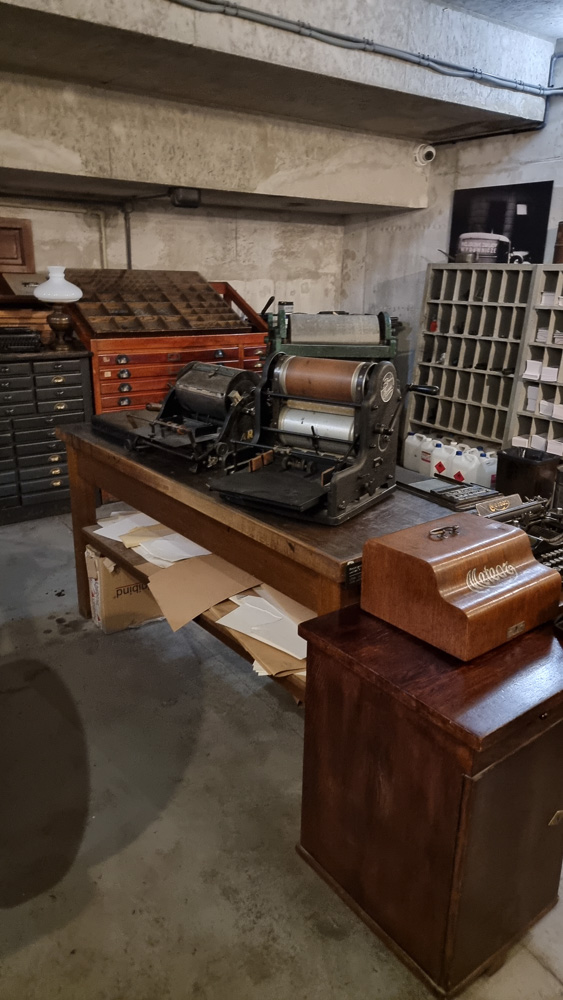
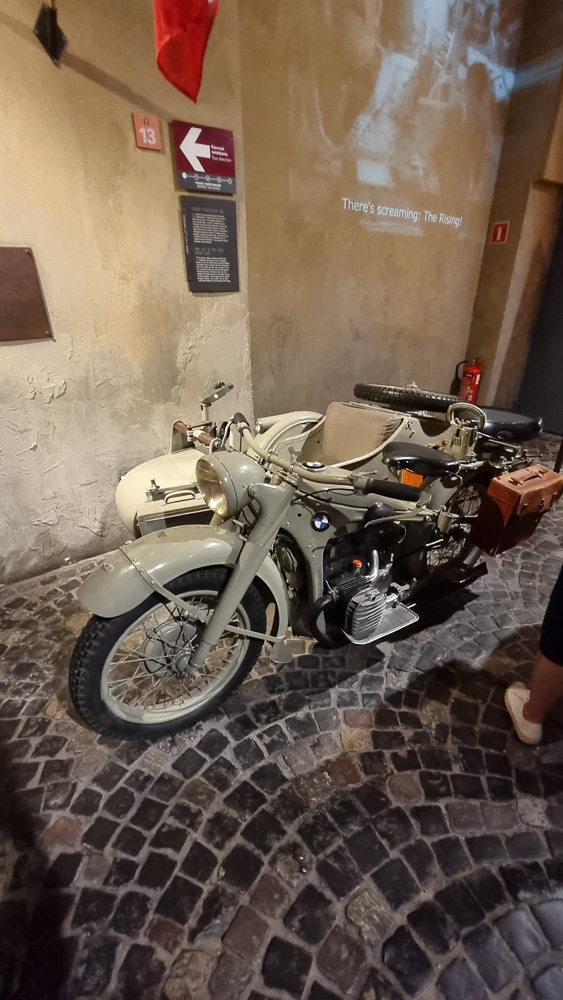
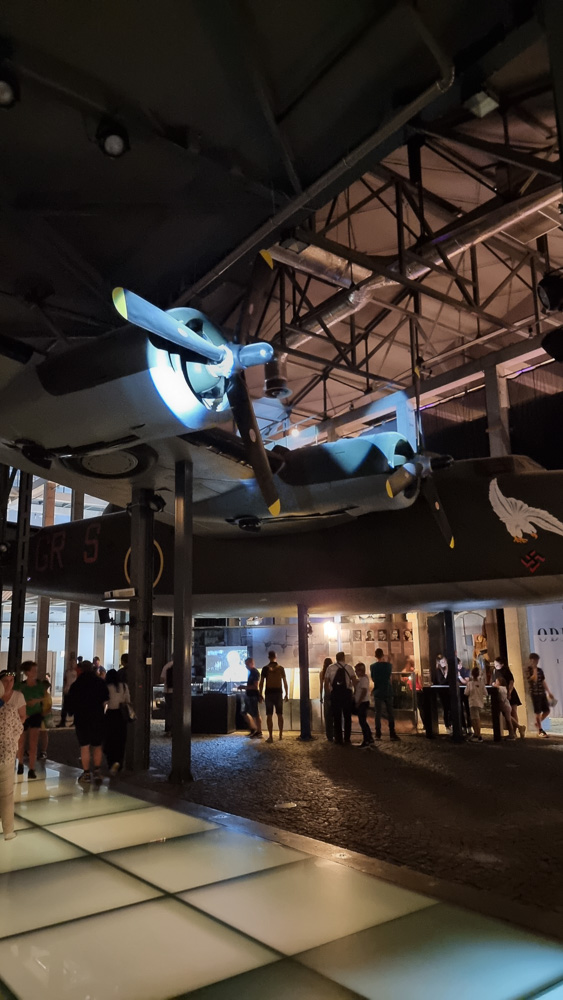
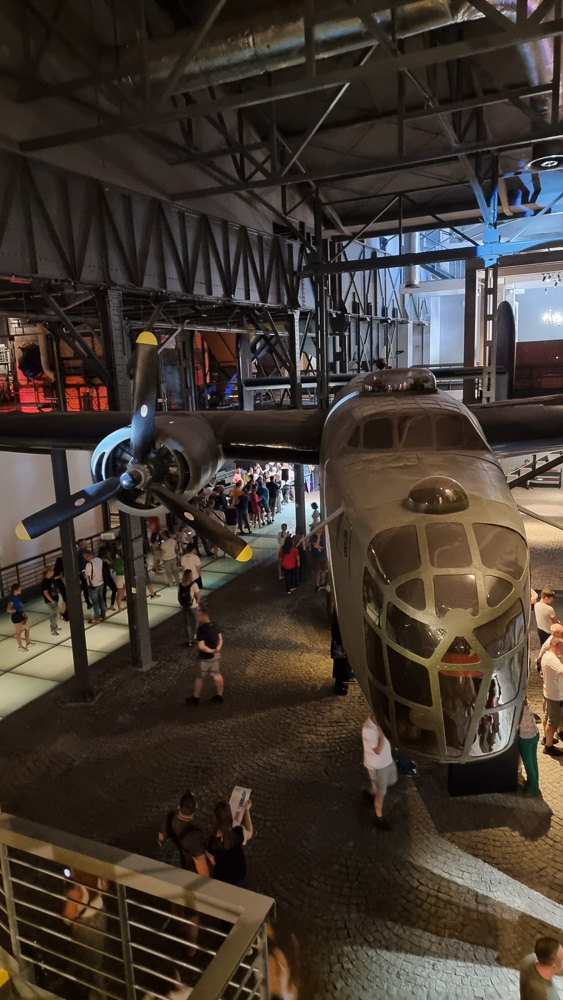
A very interesting museum, recently inaugurated and dedicated to the uprising of the Polish resistance against the Nazis in August 1944 and the "dirty" role of the Red Army. With material, testimonies, documentaries and photographs, the visitor is transported to the events of that period and gets a picture of the complete destruction of the city by the Nazis. The main exhibits include a replica of the B-24 bomber, an armored vehicle, weapons, motorcycles, as well as part of the Palladium Cinema, where the Polish partisans gathered and made screenings.
Lazienski Park
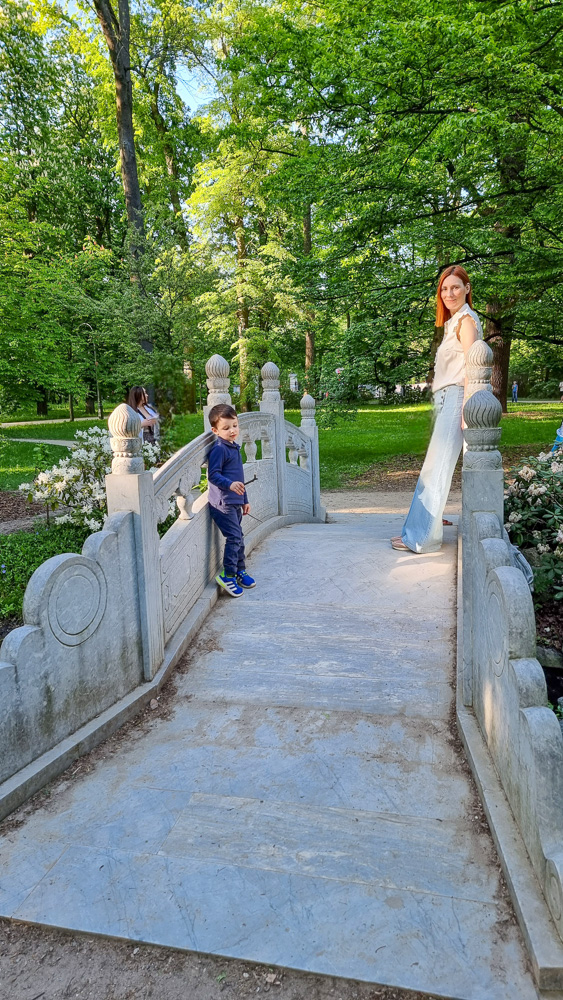
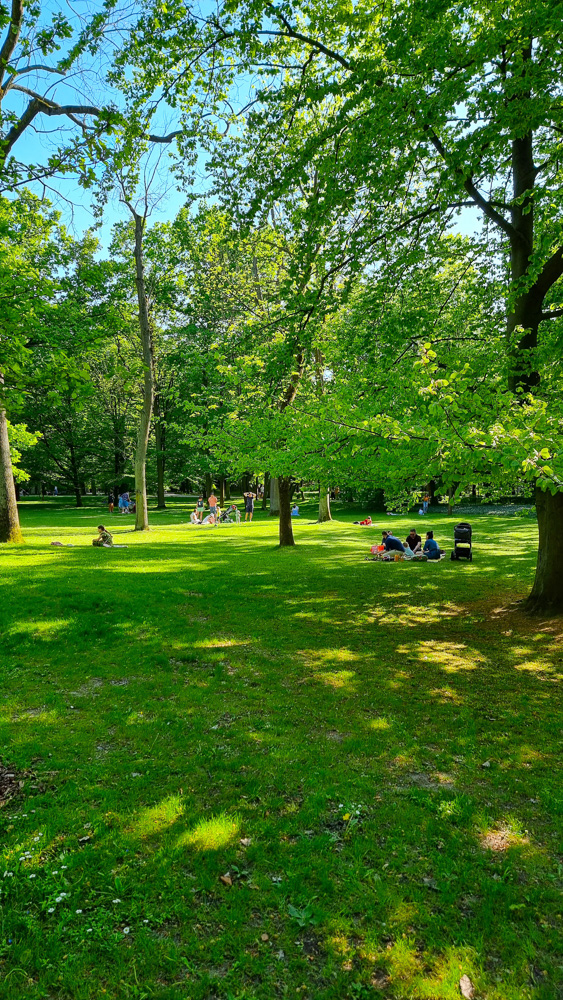
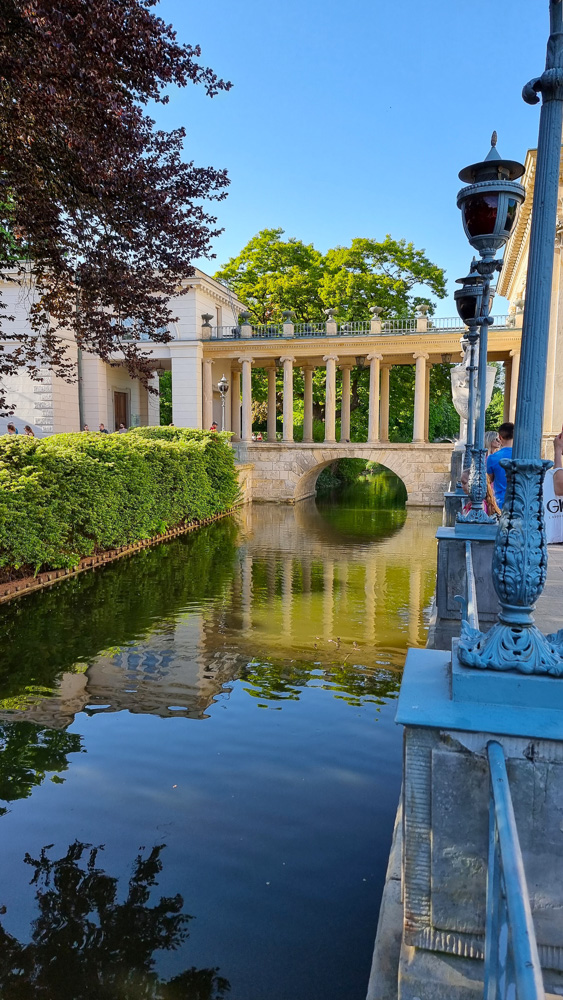
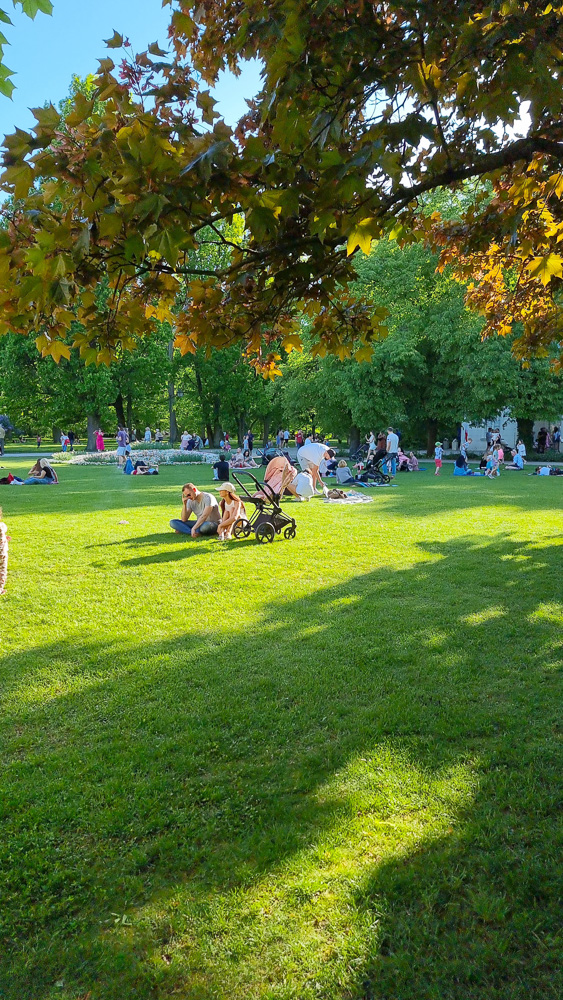
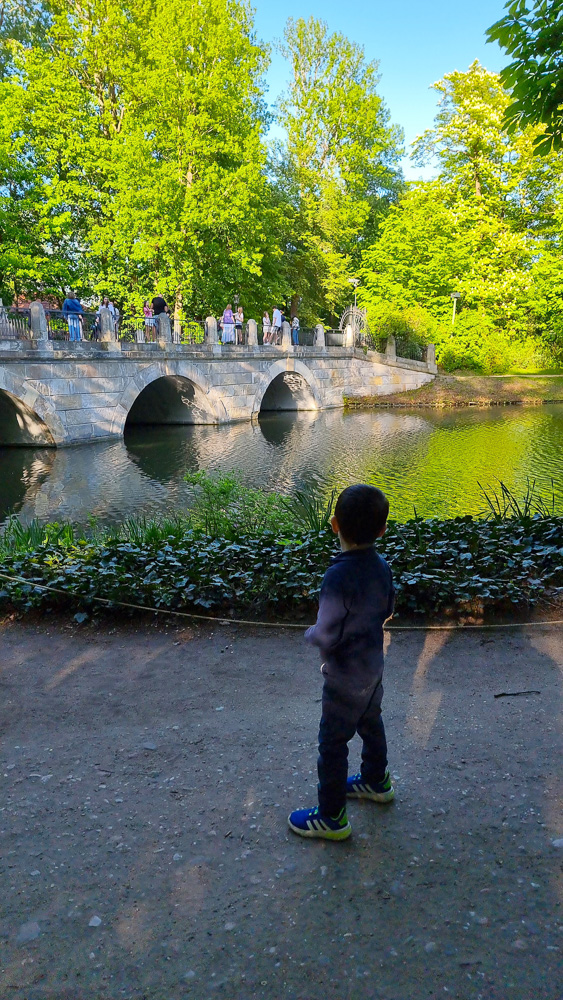
Łazienski Park is the largest park in Warsaw. It is an oasis of green in the heart of the city, and a visit to it will make you jealous that there is nothing like it in your city. Apart from the tranquility and positivity it brings, the park is a good opportunity for Poles to have a picnic, exercise and relax. It hosts many attractions, such as:

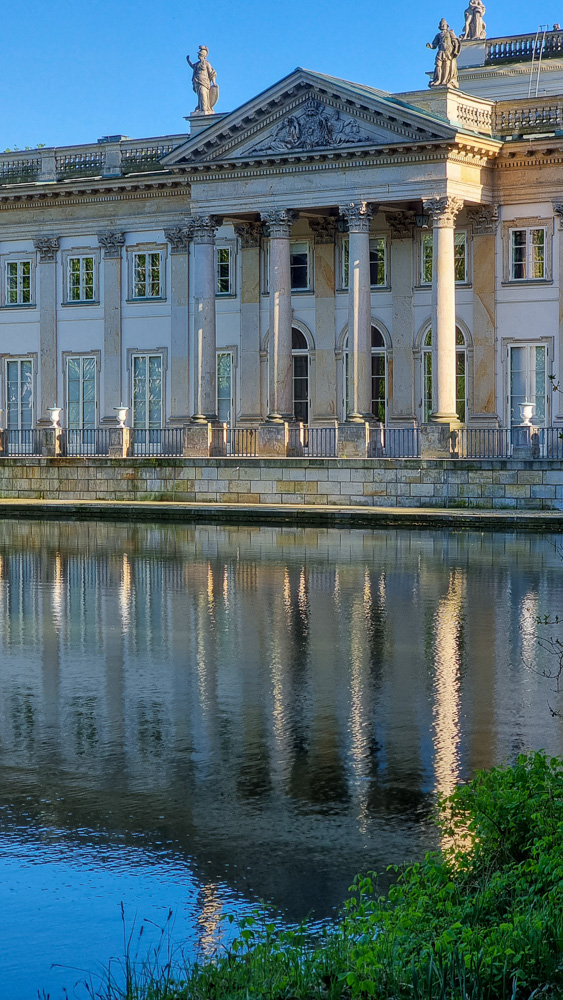
– The Baths Palace: a rococo palace built in the 18th century and served as the summer residence of the King of Poland, Stanisław August Poniatowski.
– The Amphitheater: a classicist amphitheater used for concerts and theatrical performances.
– The White House: an 18th-century villa that served as the residence of Poniatowski's son.

– The Frederic Chopin Monument: a bronze statue of the famous Polish composer.
– The Egyptian Temple: a pyramid-shaped temple built in the 18th century.
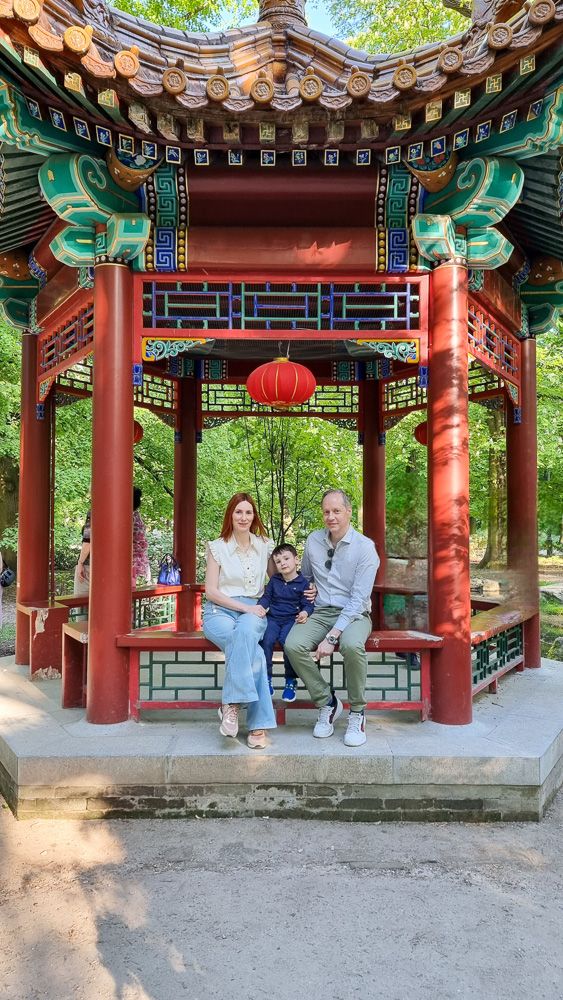
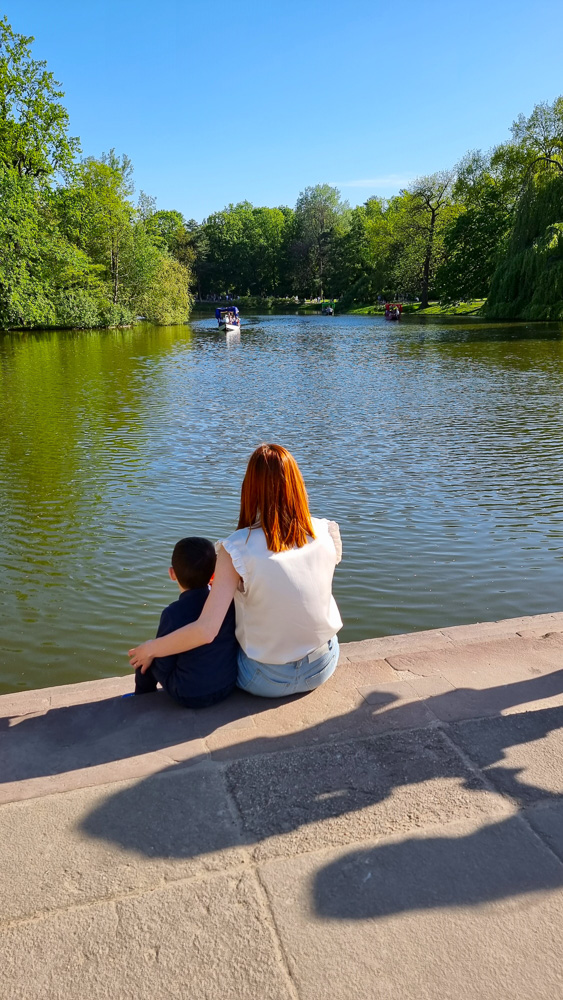
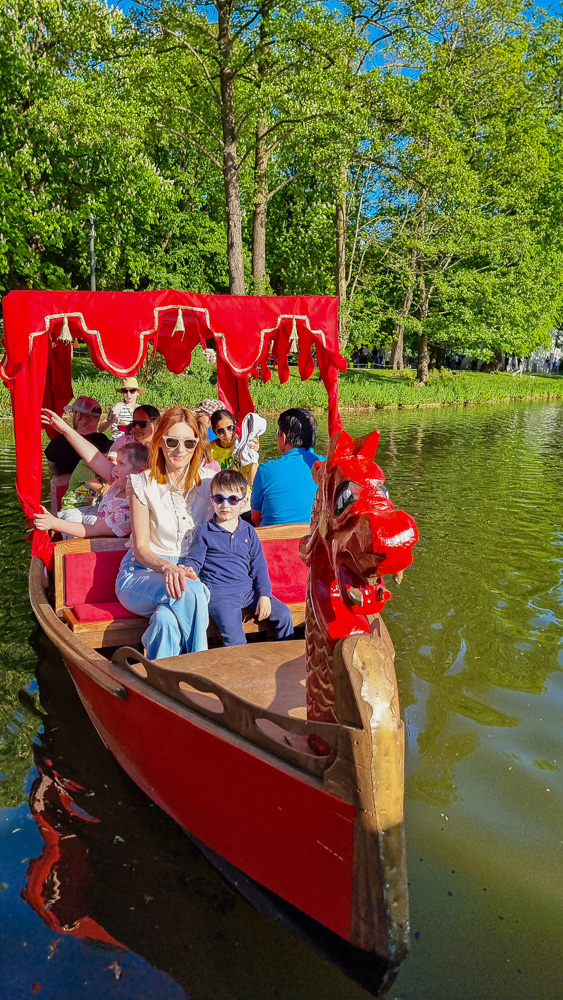
Don't forget to go boating on the lake and visit the Chinese garden!
Where to stay?
Choose to stay close to the Old Town, as that is where the main attractions of Warsaw are located. But even if you stay further away, public transport will take you everywhere. If you want to wake up in a beautiful central apartment with a wonderful view of Krasiński Park, check out this one which we chose!

Closing
Warsaw is a city that pleasantly surprises you. Walking through the cobblestone streets of the Old Town, you feel like you are traveling back in time. But, as soon as you turn into a side street, you find yourself in a modern neighborhood with newly built buildings and a youthful atmosphere. It is a city that you feel embraces you with its history, fascinates you with its rebirth and inspires you with its dynamic spirit. Leaving Warsaw, we felt a deep connection and respect for this city that managed to rise from its ashes and become a living organism, full of dreams and a will to live.