Some will tell you that it is the most beautiful city in Poland! Others will tell you about its sights and museums. Many will tell you about its “heavy” history and the memories that a visit to it awakens. In any case, Krakow is a city that leaves no one unmoved and in our opinion it should be your priority when you want to visit Poland.

Unlike the capital Warsaw, which was razed to the ground during World War II, the city has preserved its historic buildings and medieval corners, making it romantic and attractive to visitors. Full of UNESCO World Heritage sites, Renaissance architectural treasures and a rich cultural heritage, it is undoubtedly a destination that is constantly high on travelers' lists.

When to go – Where to stay
The best times to enjoy a trip to Poland are spring and autumn. In winter, the cold and snow will make your daily life difficult, while in summer, increased humidity is a common phenomenon. The city has a very good network of public transport, so wherever you stay, you will be close to its historic center in a few minutes. However, if you want to stay outside the center, we liked the districts of Ludwinów, Dębniki and Nowy Świat. But also see this one the newly built accommodation we stayed in, which was very convenient as it was where the city buses start and end. Even the bus from the airport drops you off right outside the door! Also across the street from the accommodation there was a beautiful amusement park where our little one was kept busy for a few hours!

How will you get around?
The center of Krakow and the surrounding areas are very pedestrian-friendly, so you will enjoy walking here! Besides, in the old town you will rarely encounter cars and other means of transport. If you stay outside the center, trams and buses will take you everywhere, while with the app Jakdojade, you can get your ticket from your mobile phone and check the times and schedules online. If you need a taxi with the apps Bolt and Freenow, you will find cheaper prices than if you stop someone on the street. The Uber app also works, but compared to the other two, it seemed more expensive to us.

What to see
Old town
The old town of Krakow is beautiful and you won't get enough of it! It is surrounded by the suburban Planty grove and in its northern part is the Barbican, a historic fortification with a circular structure. It was built in the 15th century for protection against attacks and is one of the best-preserved fortifications in Europe.

The old entrance to the city was the St. Florian's Gate, built around the 14th centurythe century and was part of the fortifications against the Ottoman attack. Once this point was elevated and there was a moat with water.

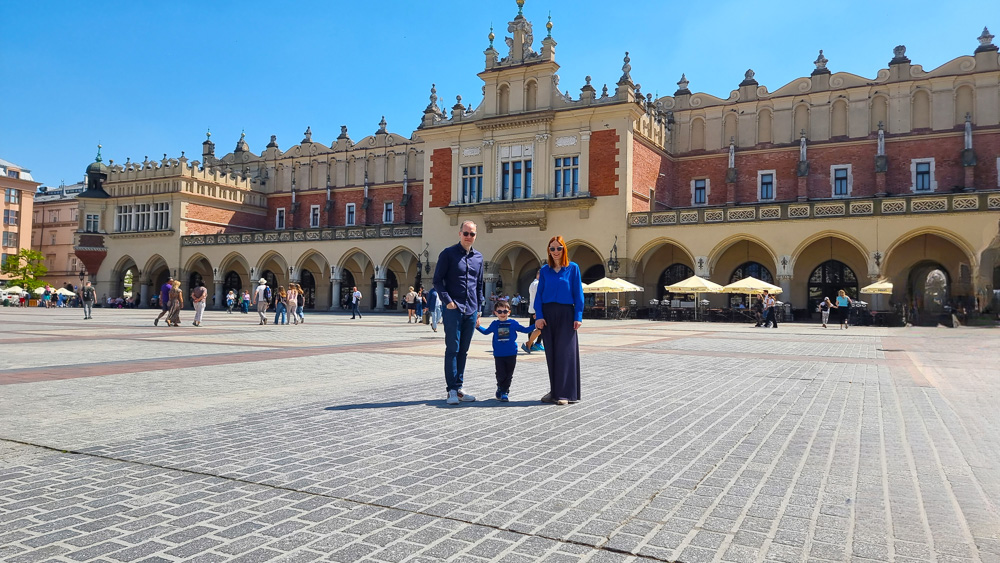
Through Florianska Street you will reach Main Market Square, which is the largest medieval town square in Europe and includes the central market, the Sukiennice (Cloth Hall) in its center, the Market Underground Museum (city history museum), the Town Hall Tower and the Monument to Adam Mickiewicz, considered the national poet of Poland.

There is also the Basilica of the Virgin MaryAn impressive Gothic church from the 14th centuryth century and the burial place of many prominent Poles. It stands out for its two different bell towers from which the sound of the trumpet is heard every hour. The march that sounds is abruptly interrupted in honor of the trumpeter who was killed by a Mongol arrow while warning the residents of the impending danger.

It's worth walking the historic streets Grodzka and Canonical, with its Renaissance and Baroque buildings, were once part of the Okół settlement, which was annexed to Kraków in 1401. In the past, these buildings housed prominent members of the Catholic church and are preserved in very good condition to this day.

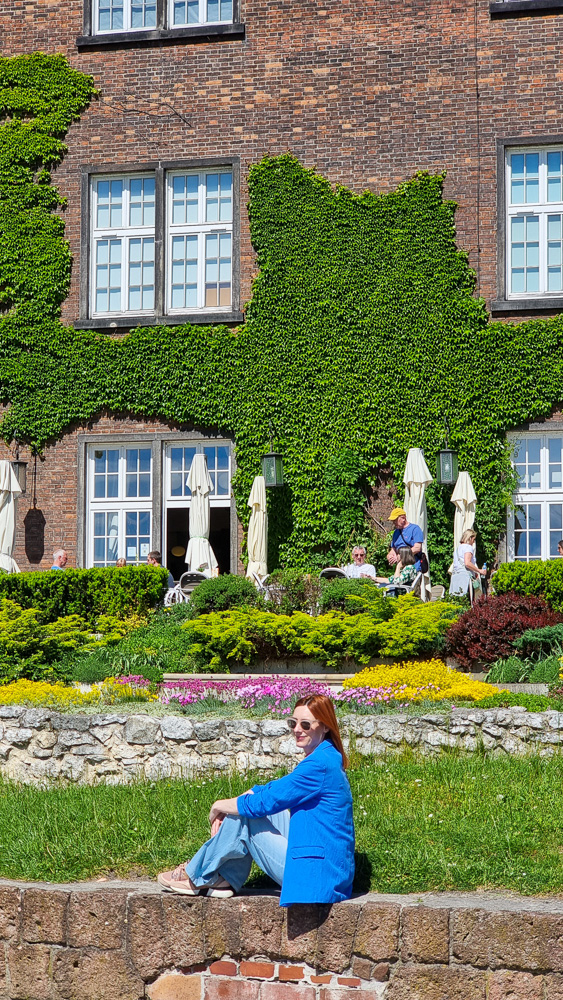
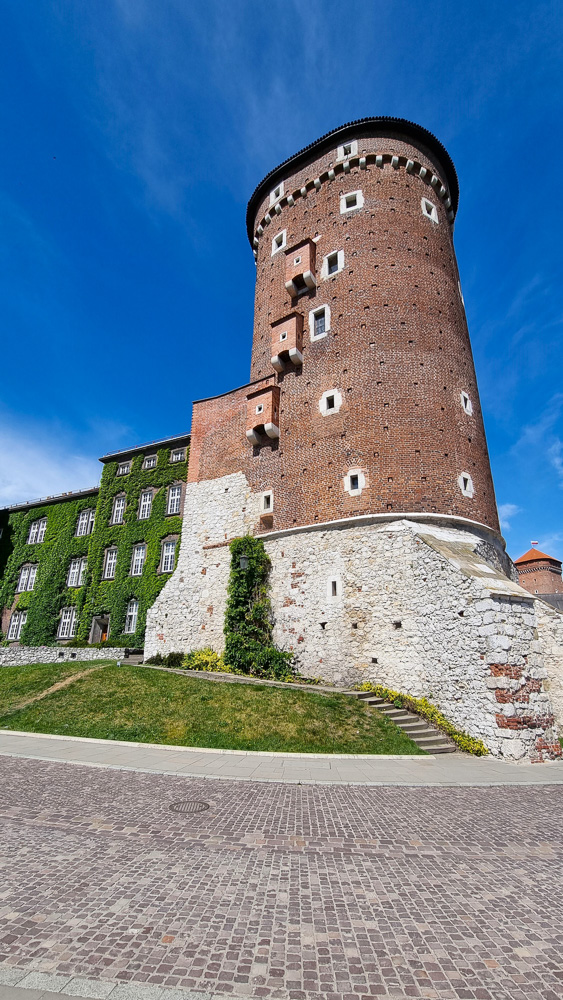
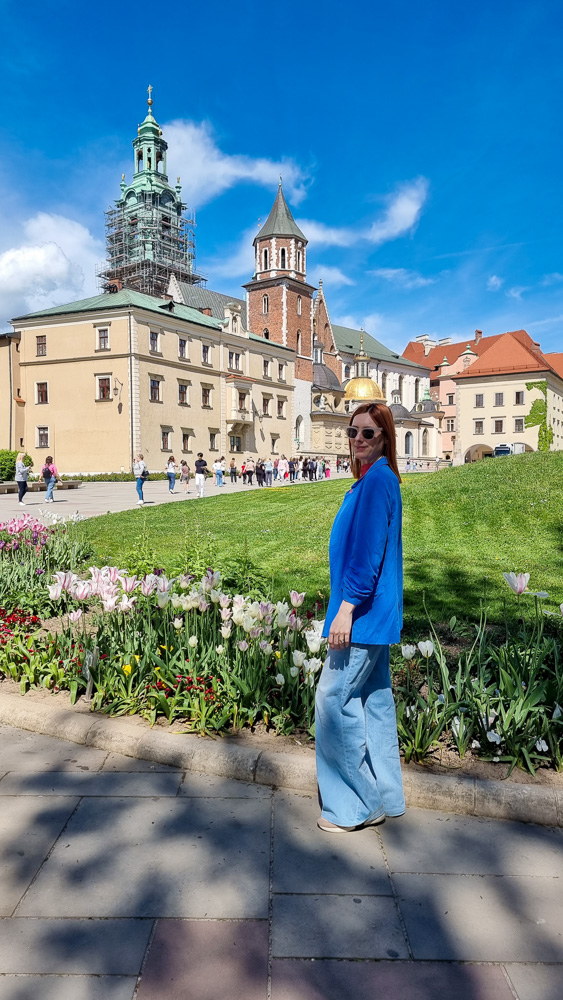
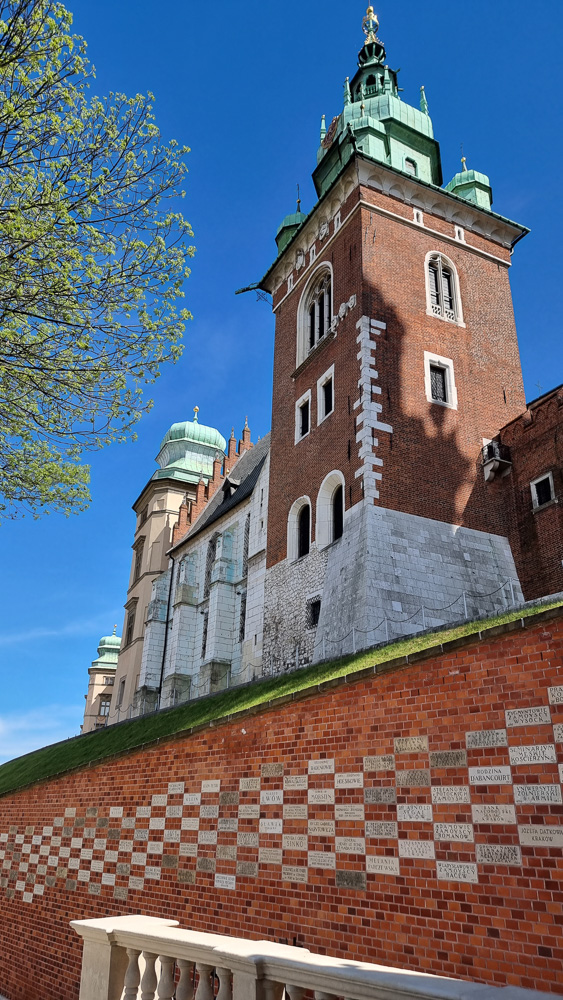
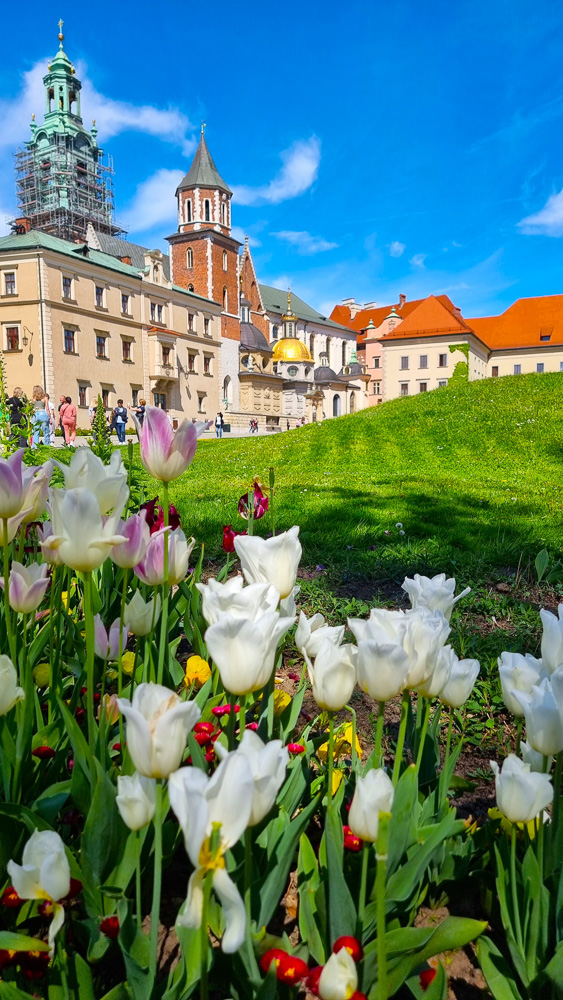
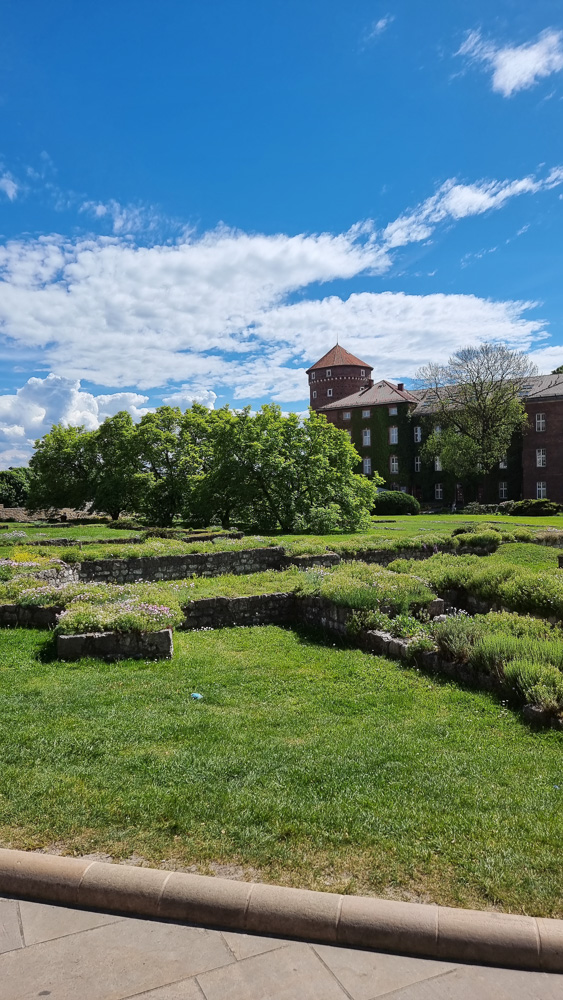
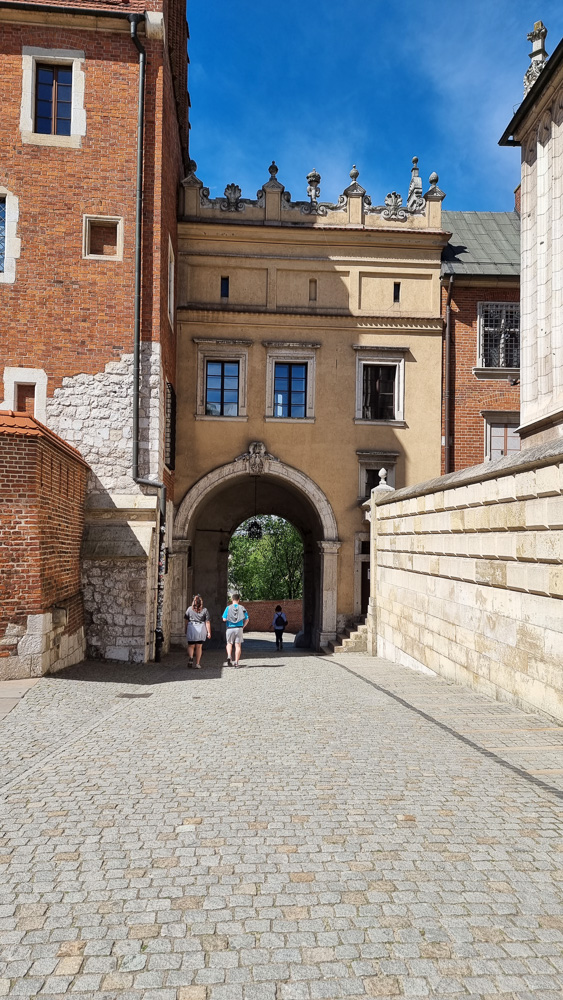
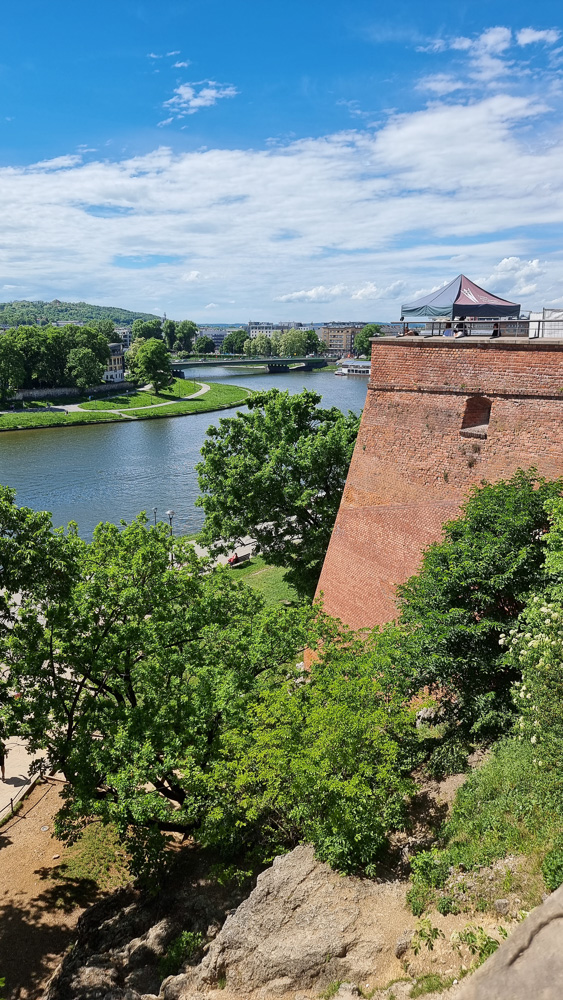
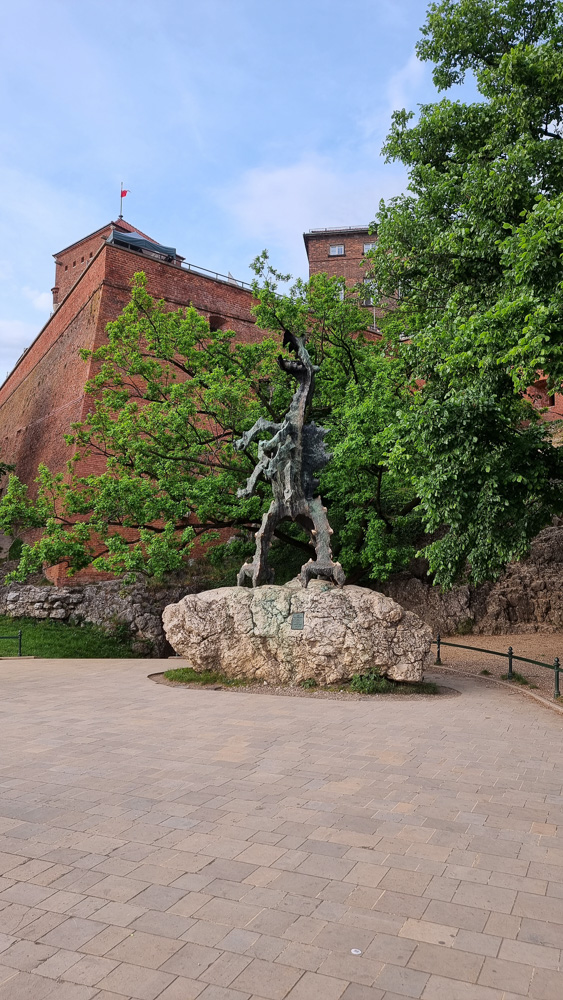
At the highest point of the city, above the Vistula River, is the Wawel CastleFrom the 11ththe until the 16ththe century, while Krakow was the capital of the country, it was the royal castle of Poland and the residence of the kings. Today it hosts various collections of works of art, weapons and other important items of that era. The cathedral is also located there, the place of coronation and burial of the Polish Kings. At the end of the walk, don't miss the dragon's cave and its statue that shoots flames every 10 minutes. Tickets can be found at here.
Kazimierz, the Jewish Quarter
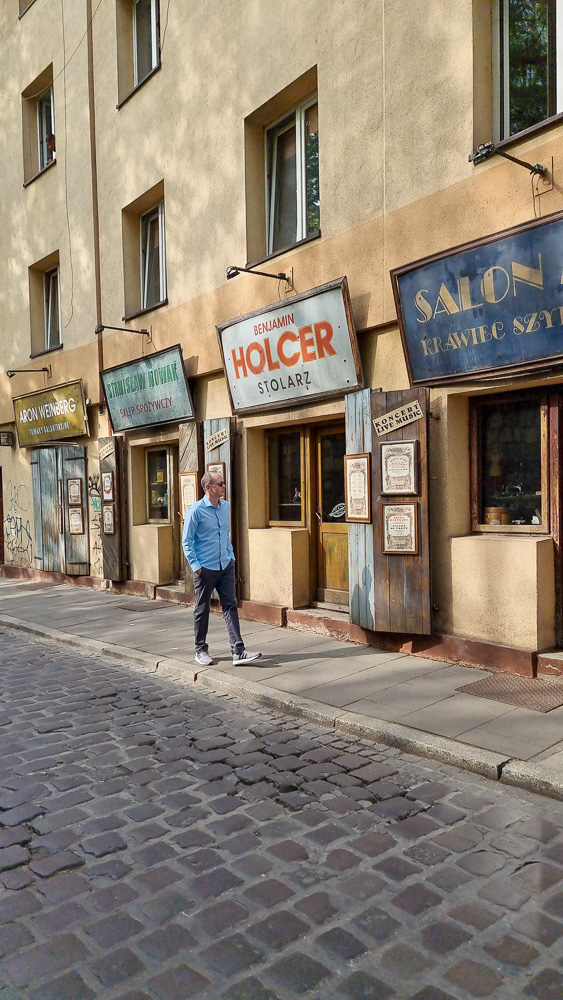
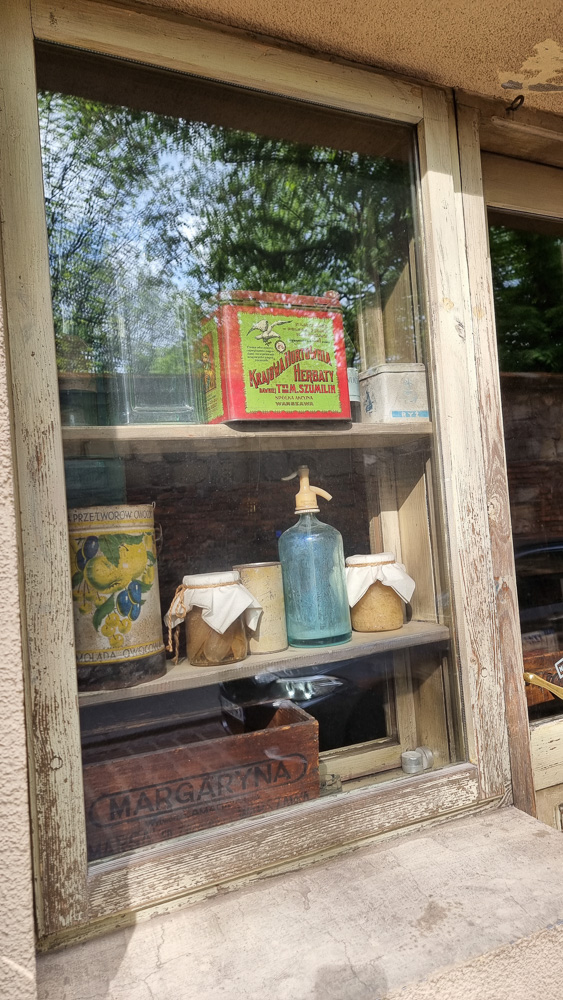
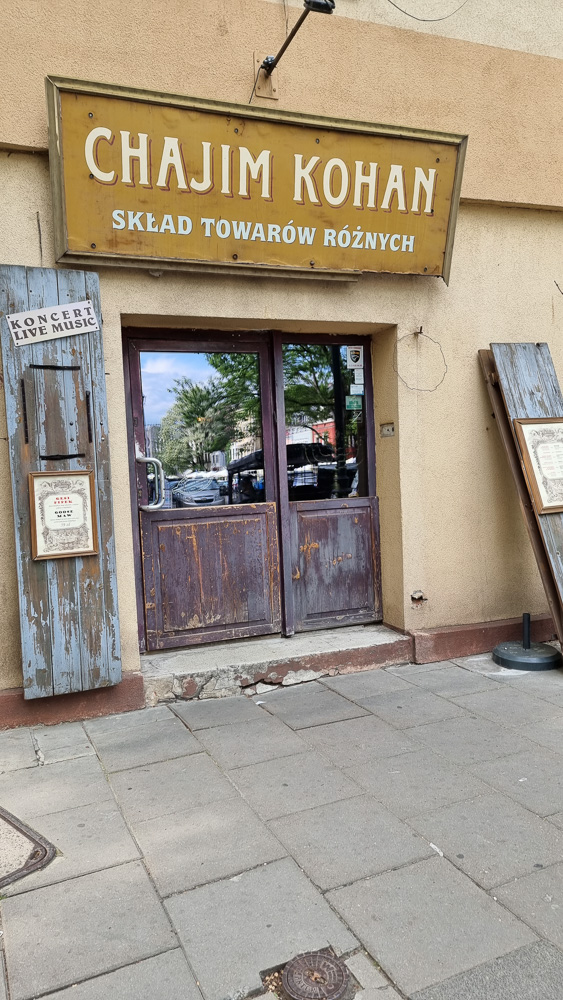
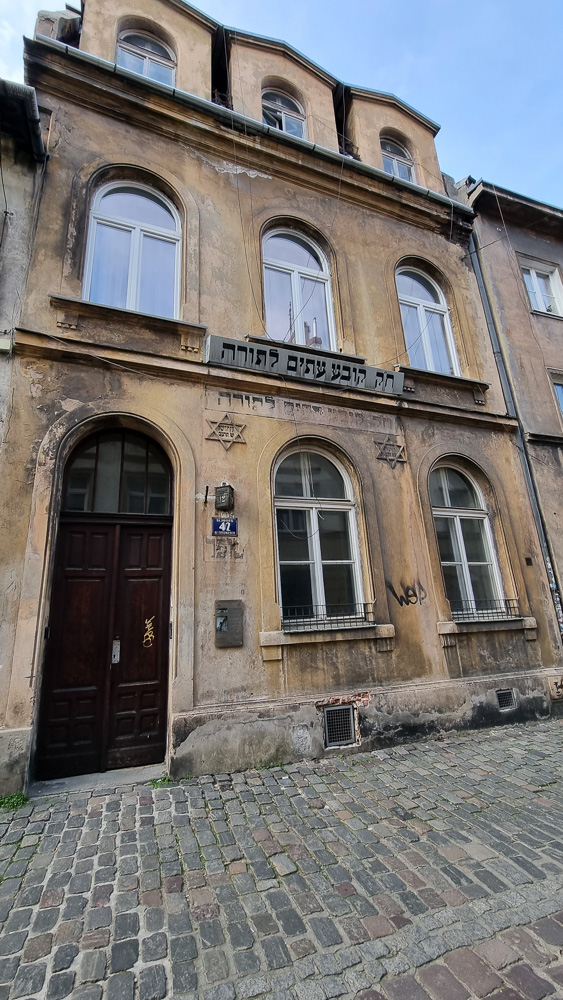
This area was almost abandoned until a few decades ago. After the amazing success of the film “Schindler’s List”, it was transformed into one of the most vibrant parts of the city. Filled with gourmet restaurants, cozy pubs, bustling local markets, but also remnants of a tragically turbulent past, a walk through Kazimierz is a special experience. On the street Large The renovated storefronts in the style of the interwar period represent the thriving community that once lived here. Jews settled in this area from the 15th century.the century building crafts, shops and about 120 synagogues!

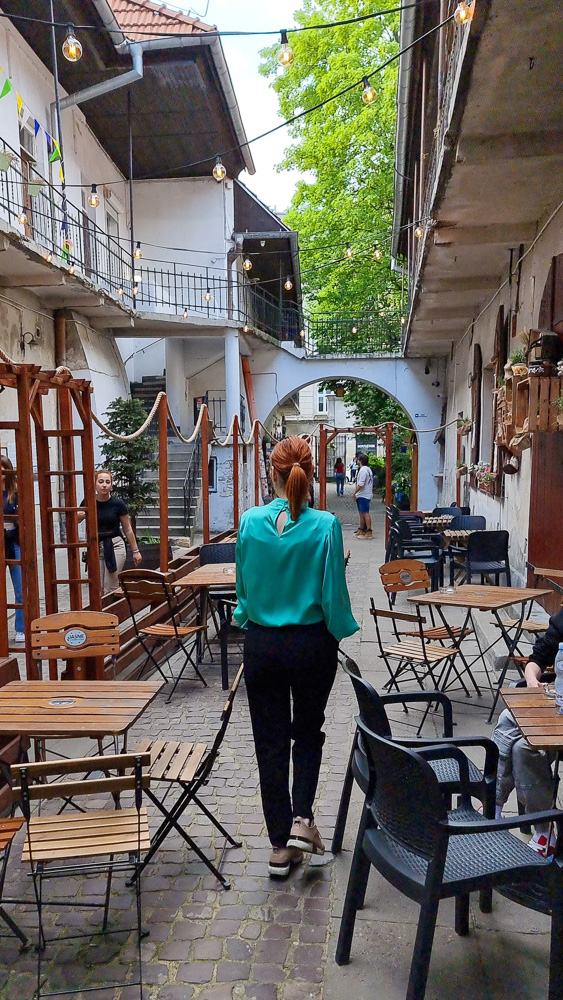
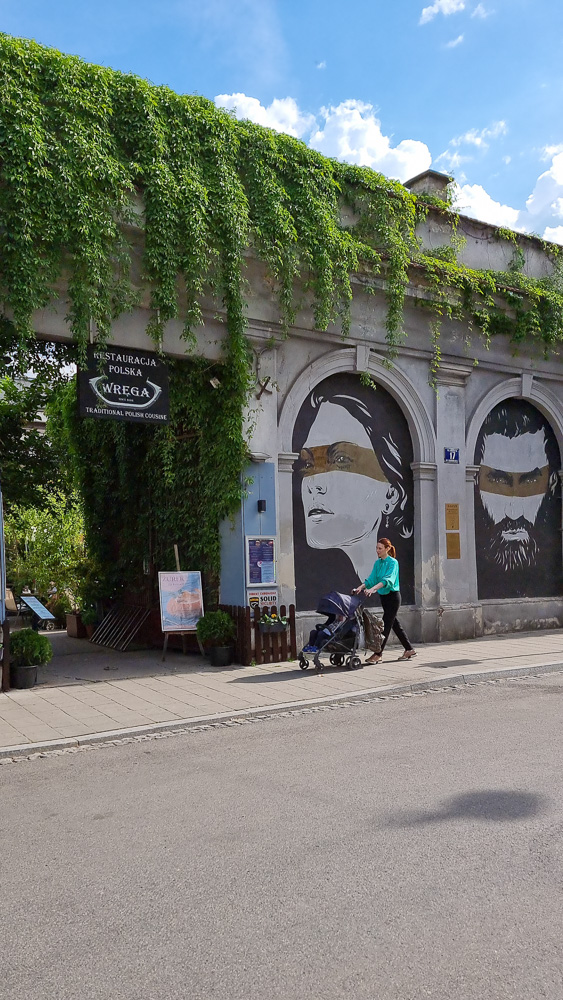
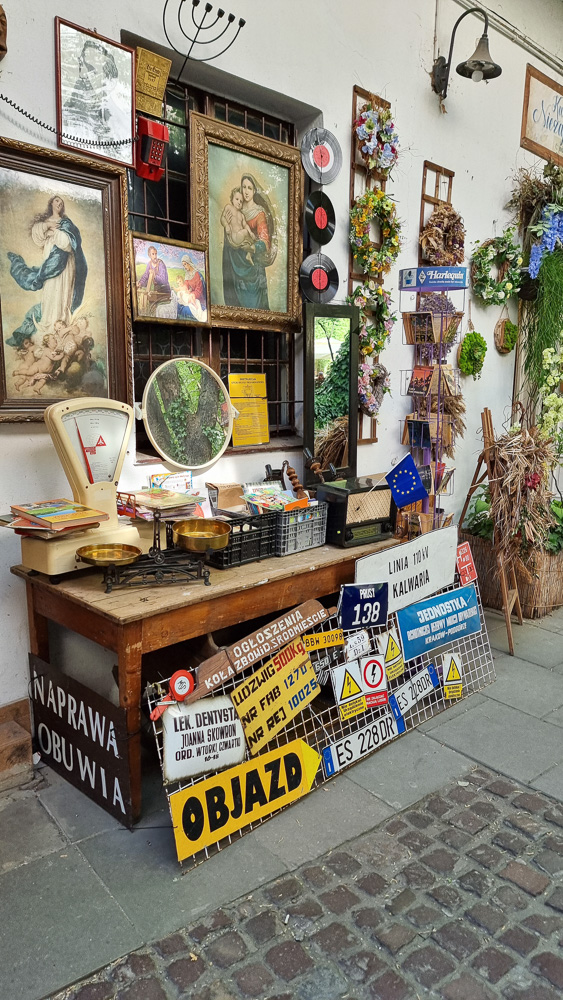
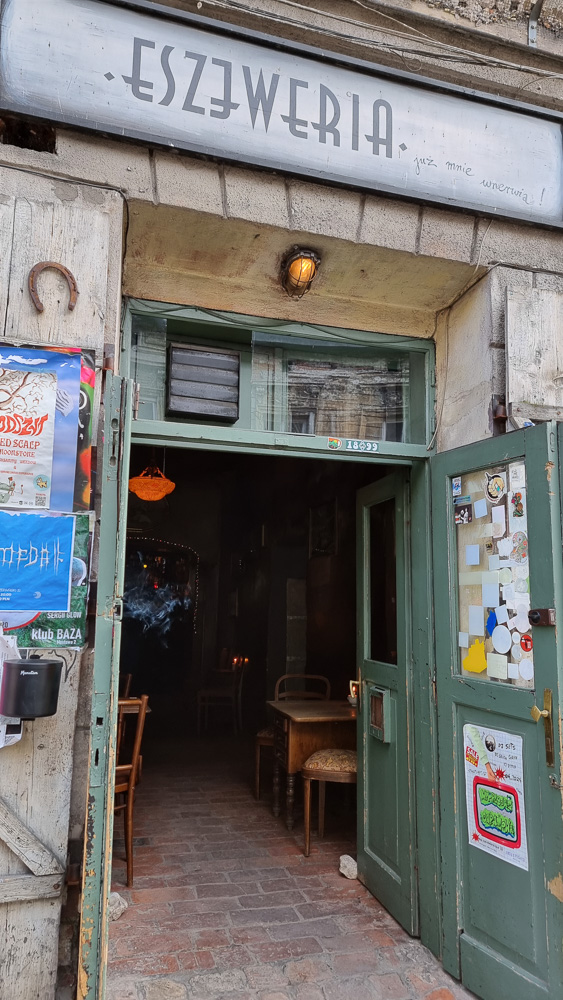
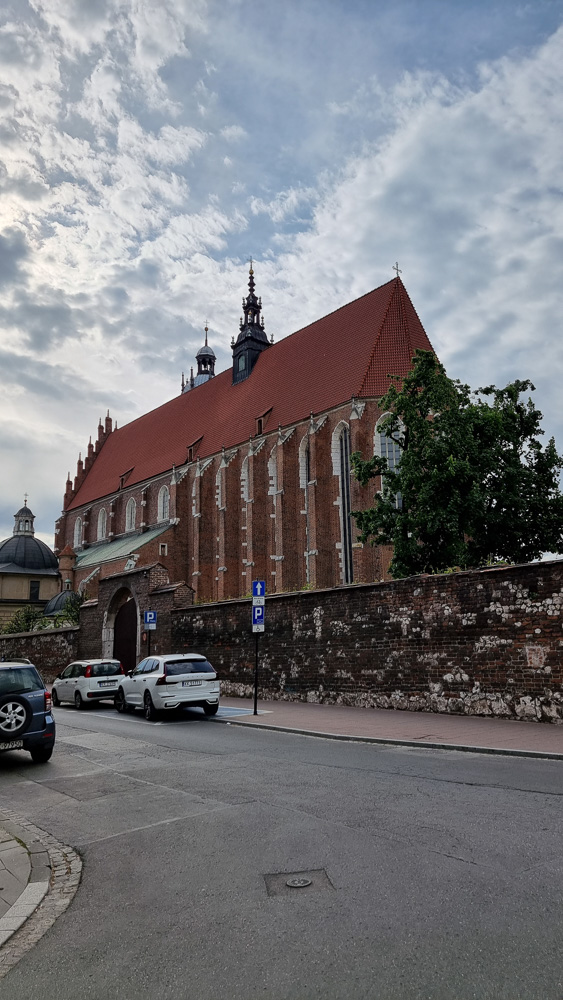
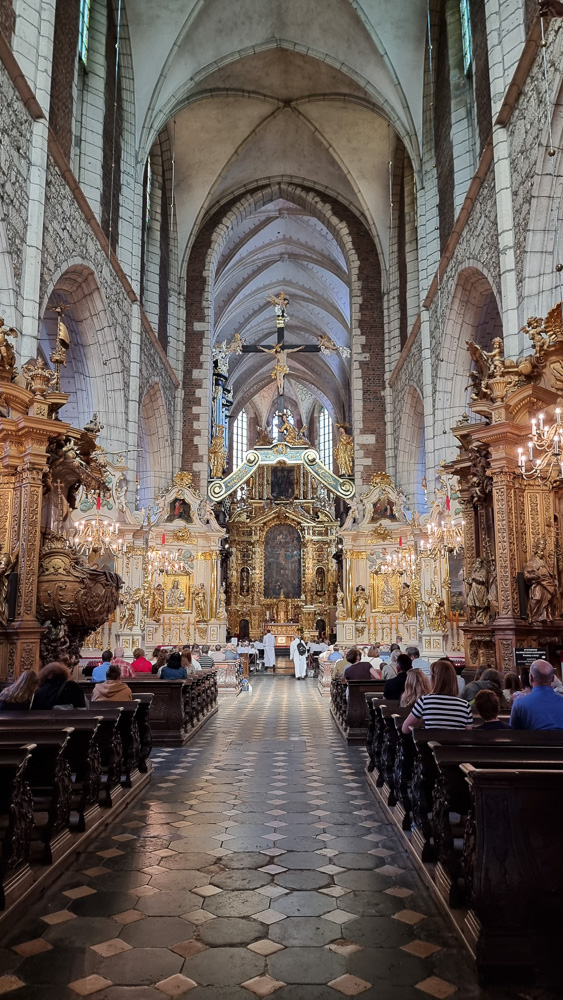
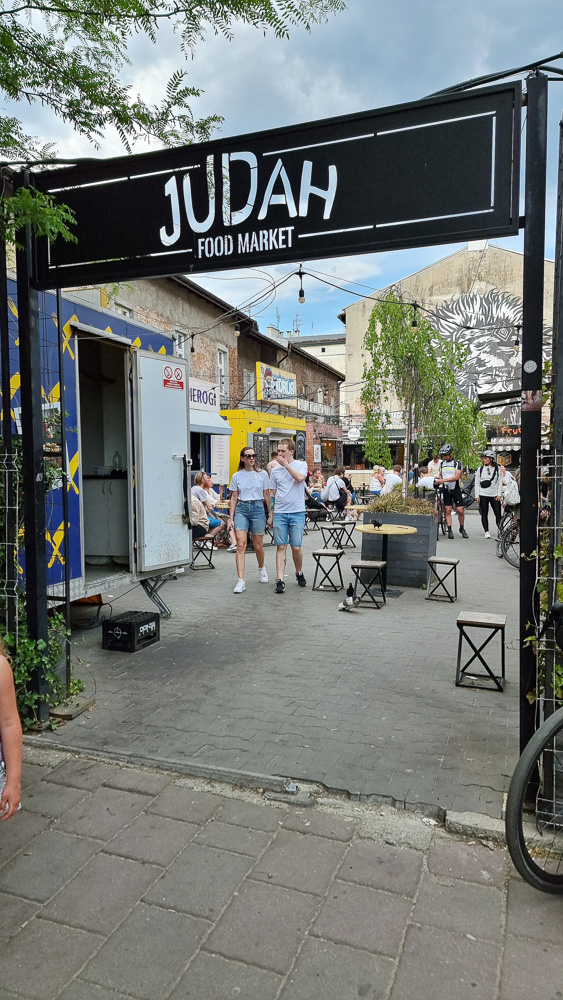
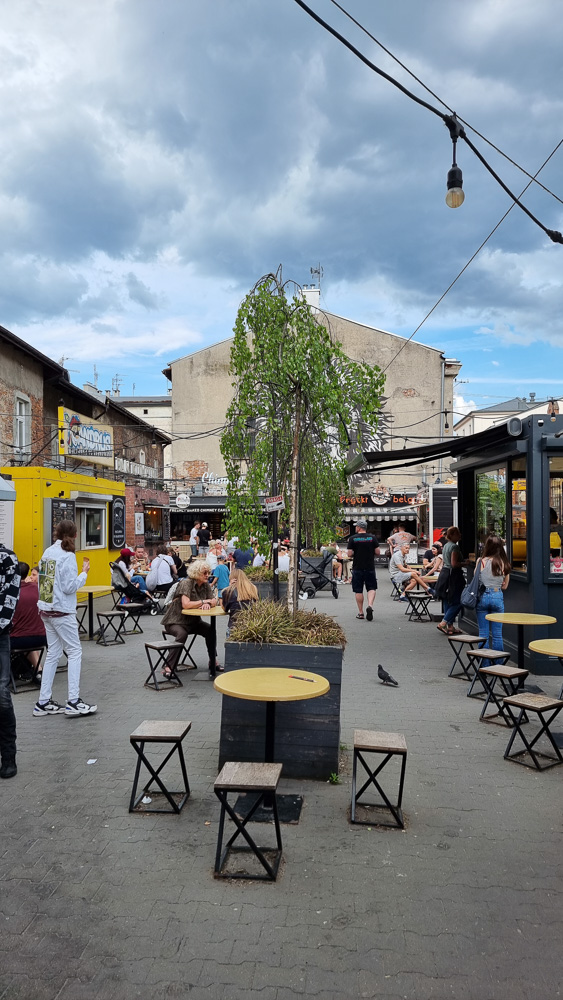
In Kazimierz you will find several photogenic spots, such as the Holcer bar with its old signs, the entrance to the Wręga restaurant and the Schindler's List Passage (where some of the film was filmed), while it is worth seeing the interior of the Corpus Christi Basilica and eating street food at the Judah Food Market.
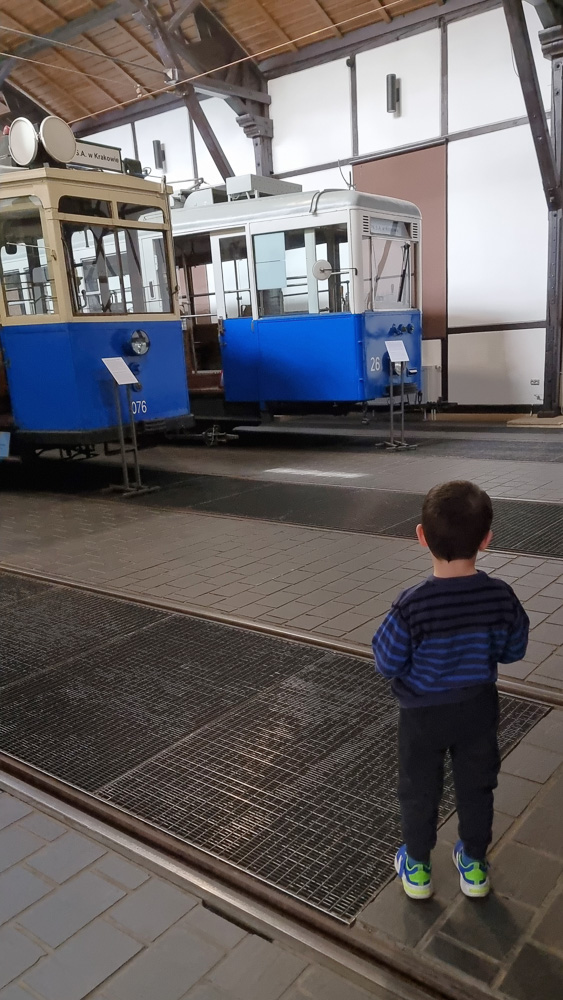
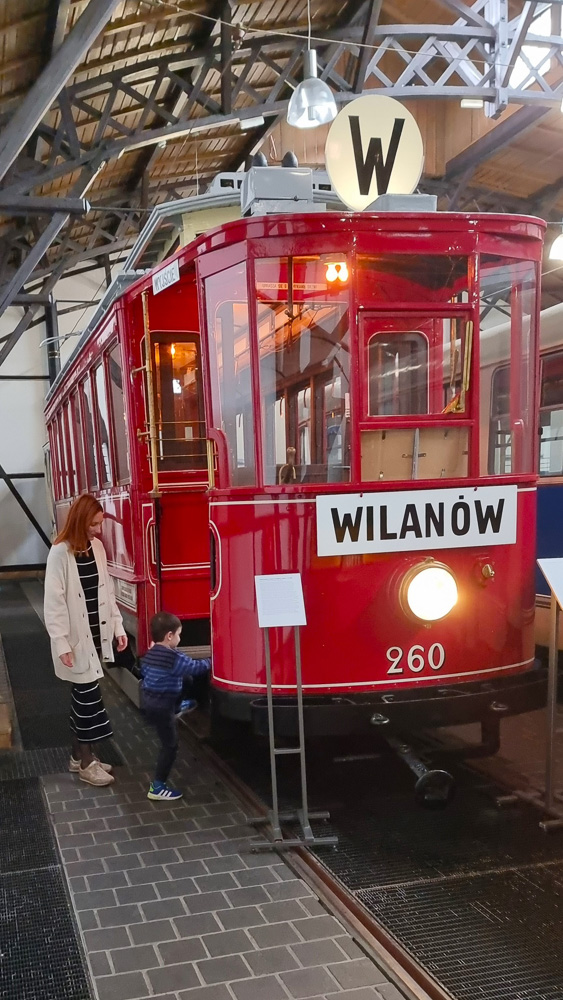
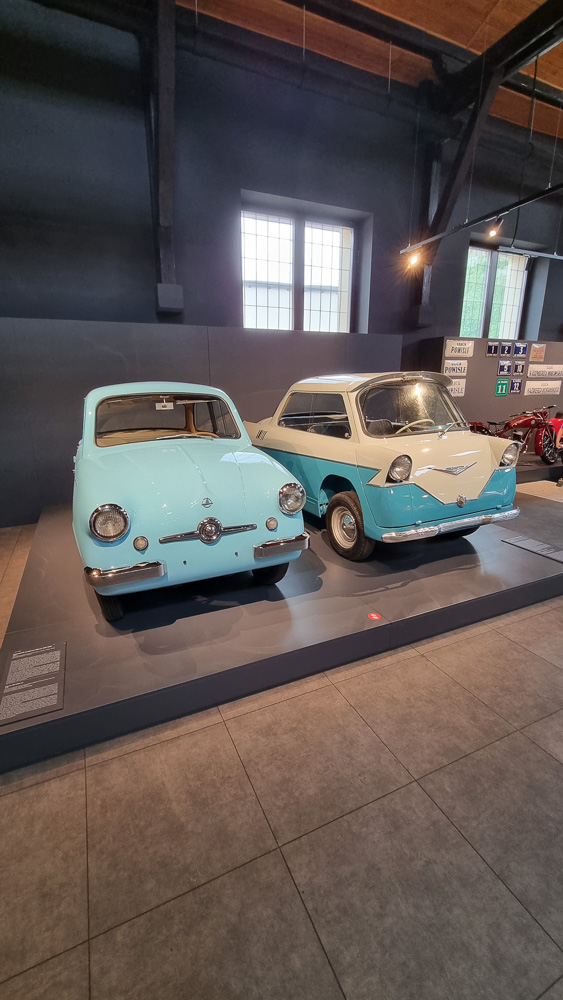
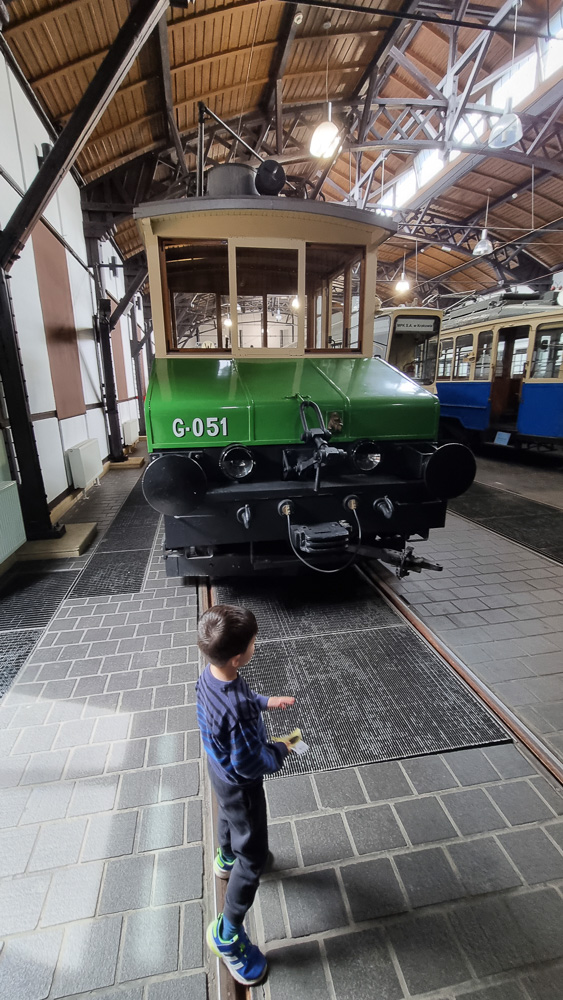
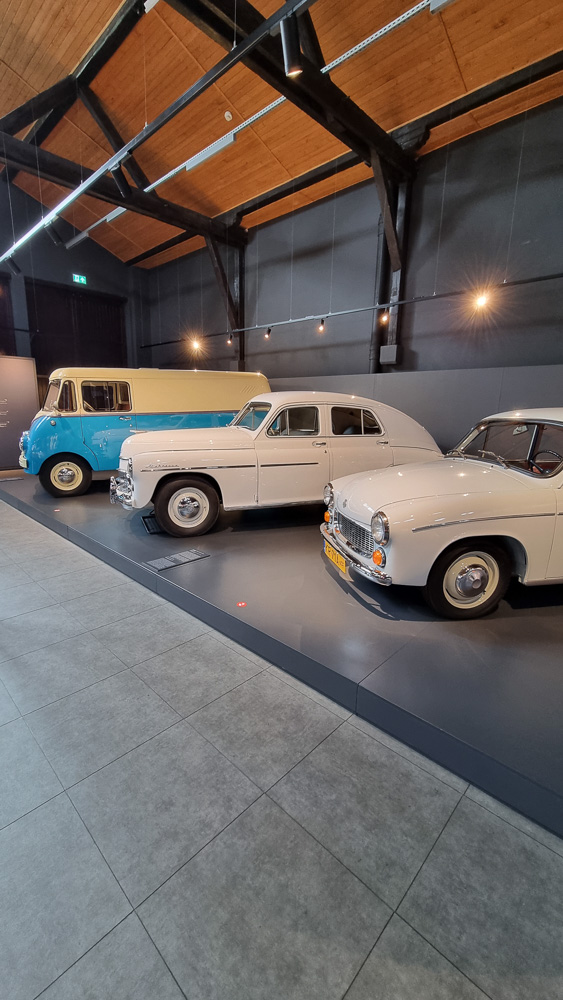
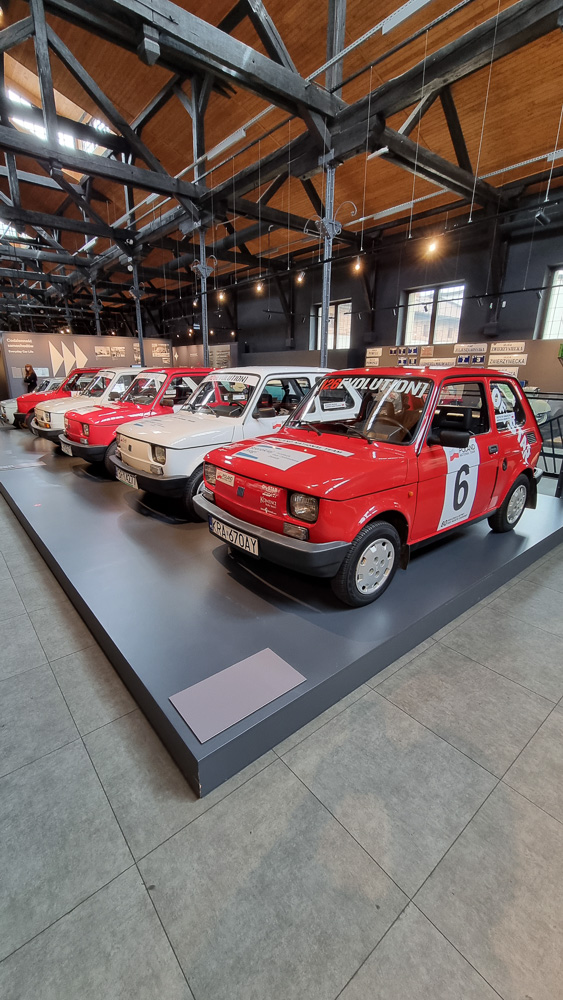
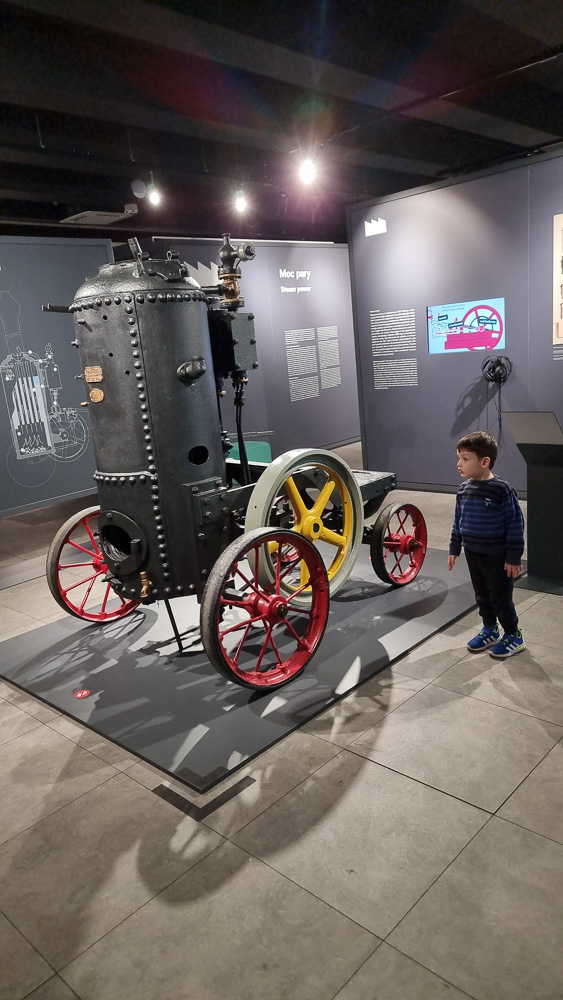
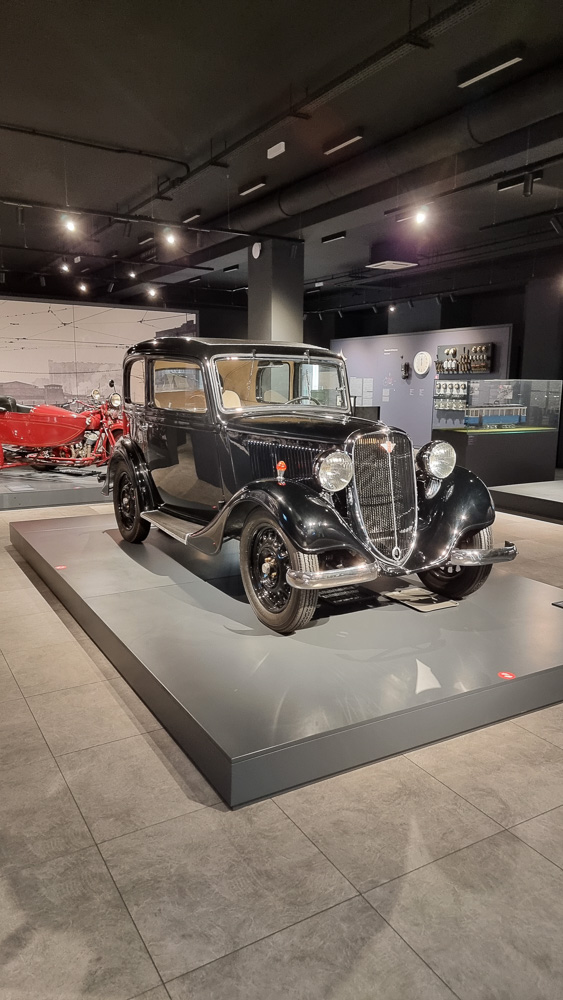
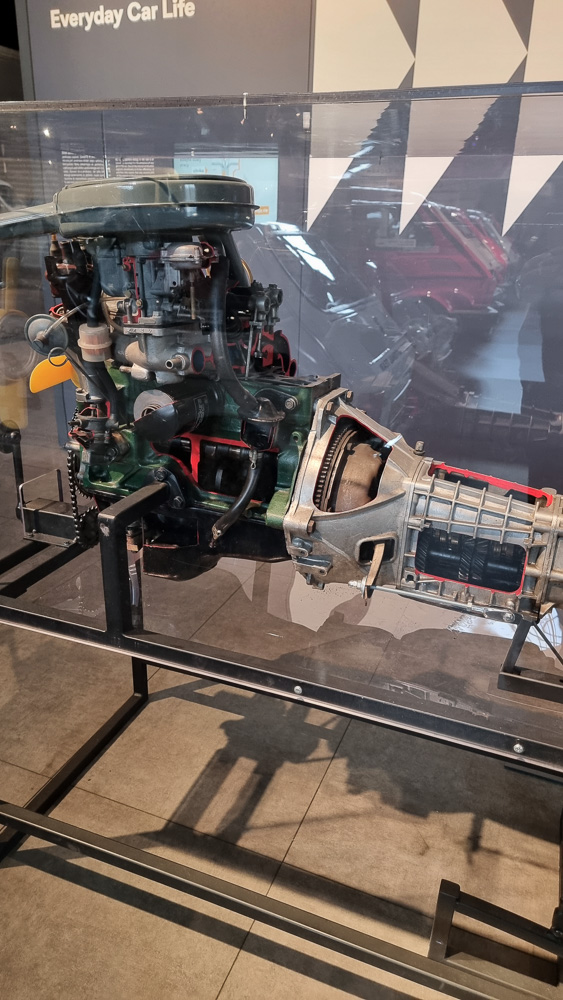
Particularly noteworthy is also the Museum of Municipal Technology, which hosts pieces of the history of public transportation in the region. You can admire old trams, cars and other vehicles, while about 600 remarkable technological objects will introduce you to the world of mechanical thinking. Replicas, models, mock-ups, audiovisual content and images complement the overall narrative. Young children will be thrilled! Tickets here.
Stare Podgorze
Crossing the Bernatek Footbridge (Kładka Ojca Bernatka), with the installation “Acrobats” by Polish artist Jerzy Kędziora, you pass through the Stare Podgórze district, a beautiful riverside area with some points that you should not miss:

The first is the Jewish Ghetto Memorial. 70 empty cast-concrete chairs, placed in the once bustling Plac Bohaterów, symbolize the abandoned belongings of the Jewish residents of the Ghetto when they were transported to concentration camps by the Nazis. A little further down, remains of walls of the ghetto are reminiscent of the tragedy of the people of that era.

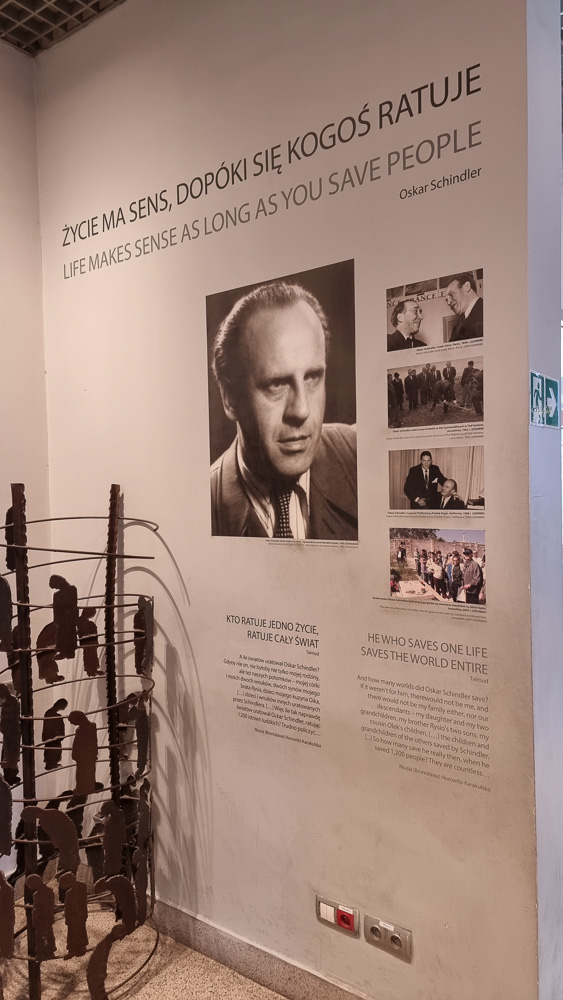
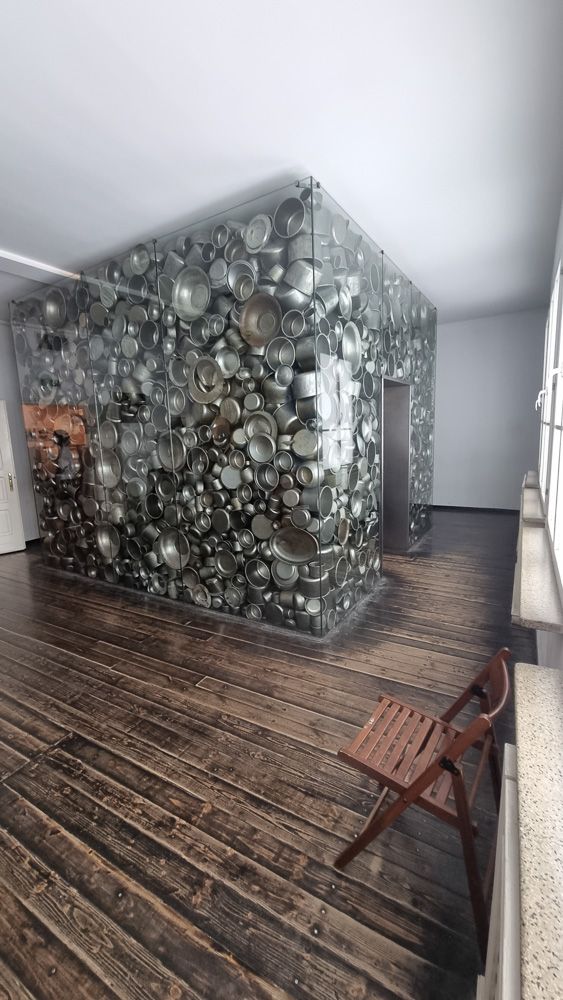
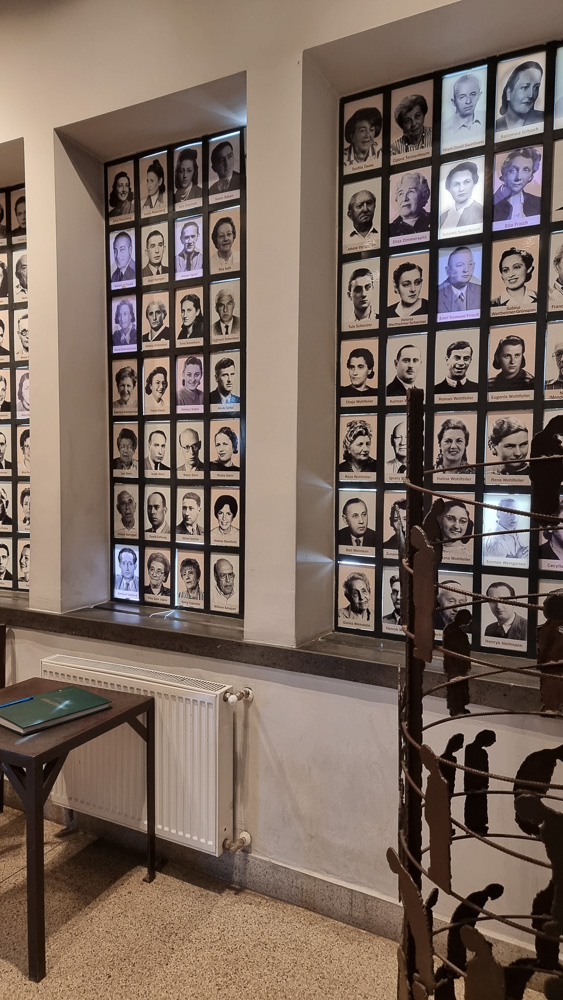
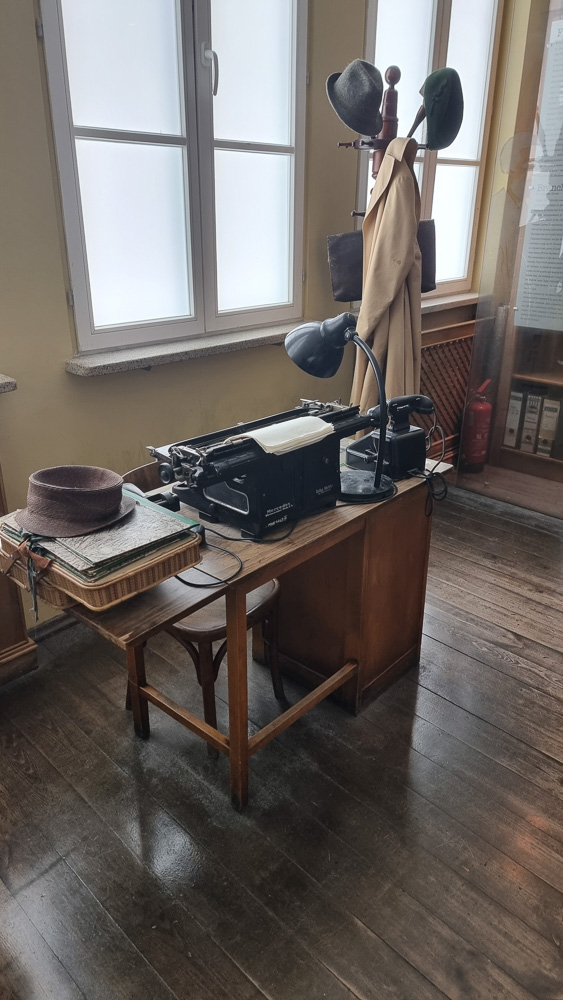
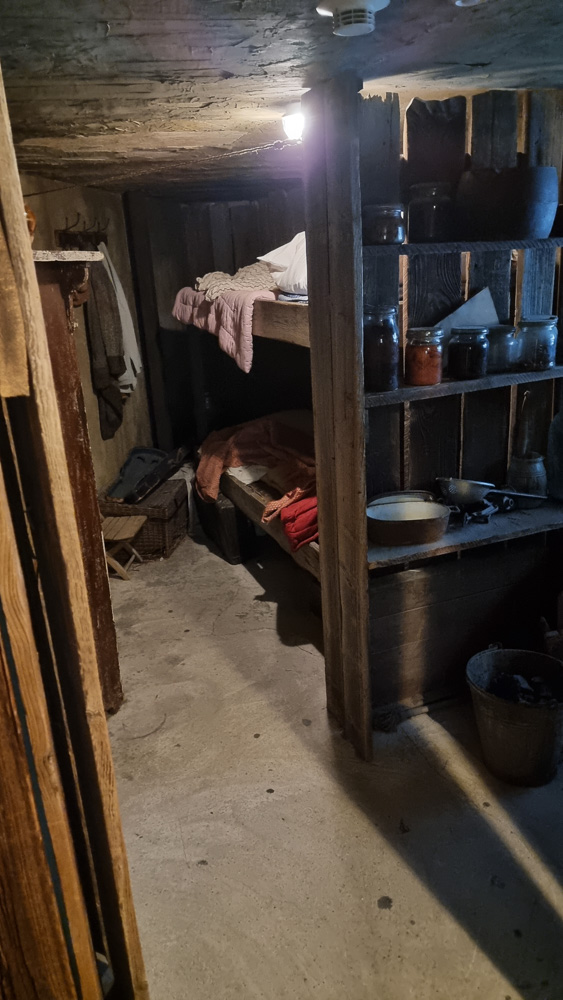
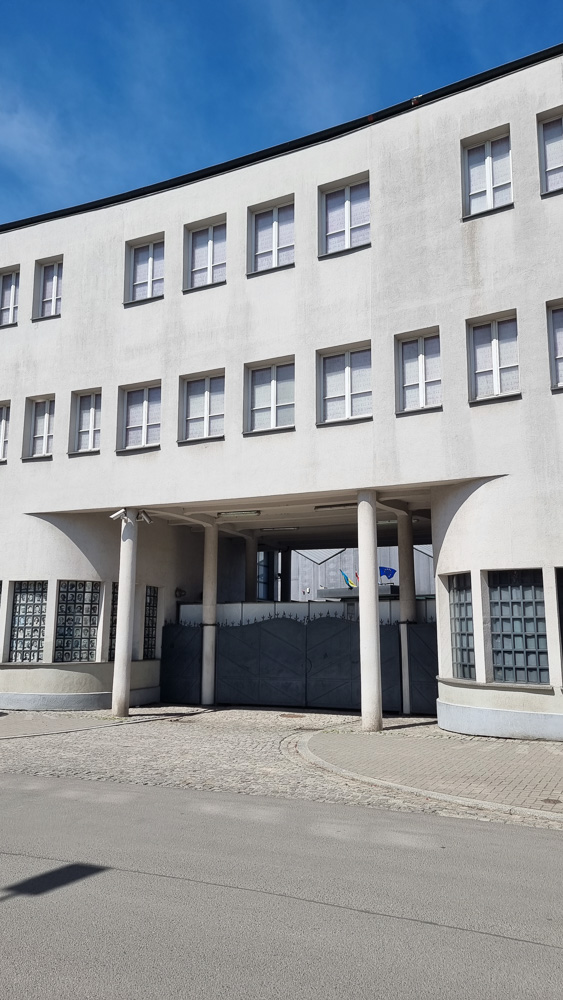
The second is the Schindler factory. In 1939, German businessman Oskar Schindler founded a factory that manufactured metal household items. With the outbreak of war, the Nazis forced him to manufacture war material. Oskar Schindler, constantly bribing them, protected approximately 1,200 Polish Jews in his factory. By hiring them for work, Schindler allowed them to stay alive and not end up being exterminated in Nazi concentration camps.
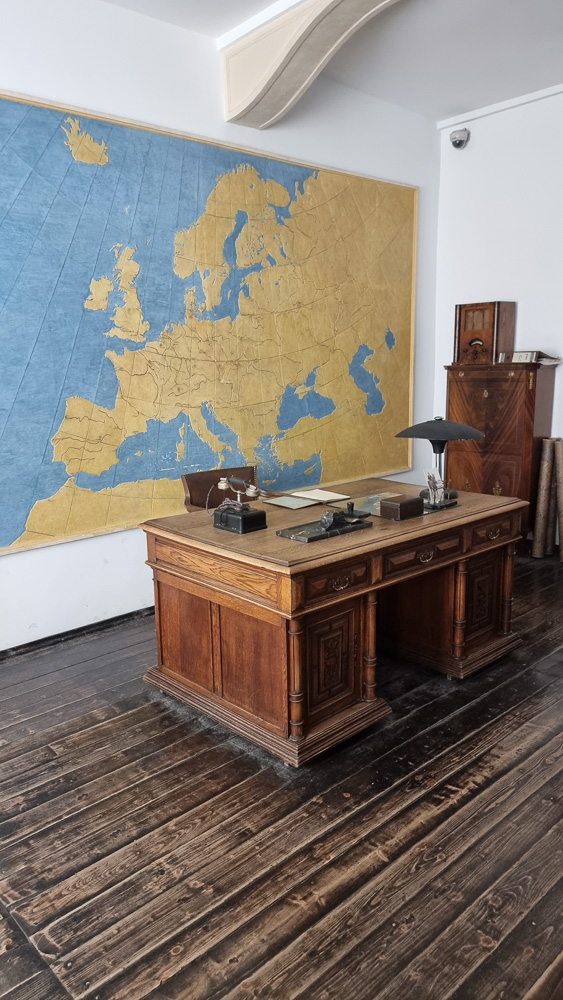
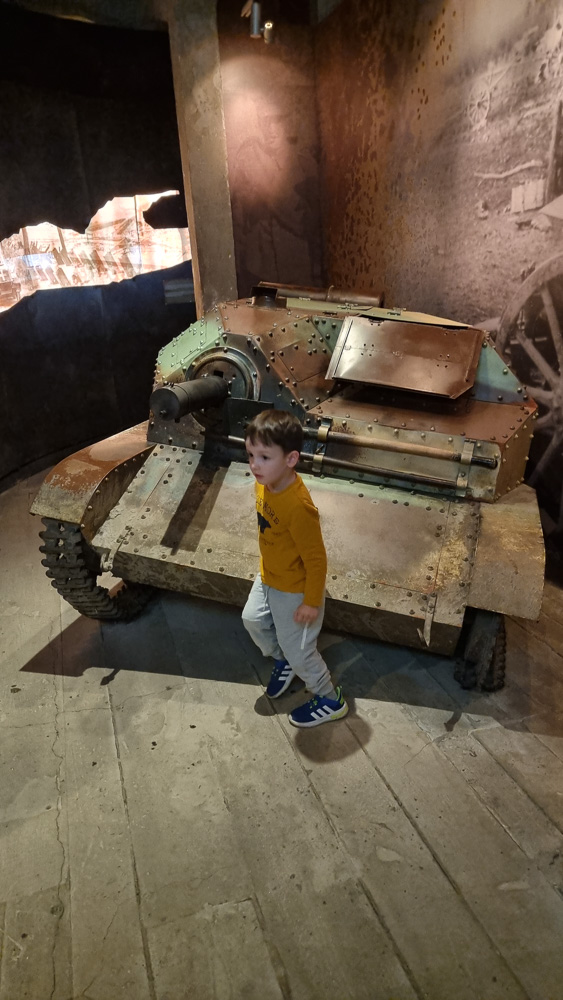
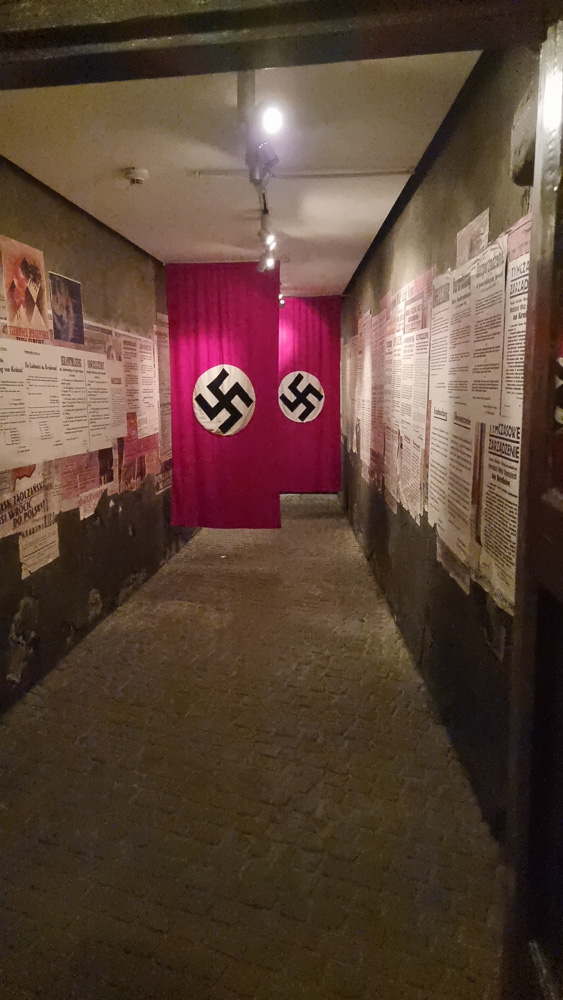
Today the factory houses a museum, truly worth seeing, dedicated to the history of the Nazi occupation of Krakow and the heroic act of Oskar Schindler. Due to high demand, book your tickets in advance of website .
Wieliczka Salt Mines
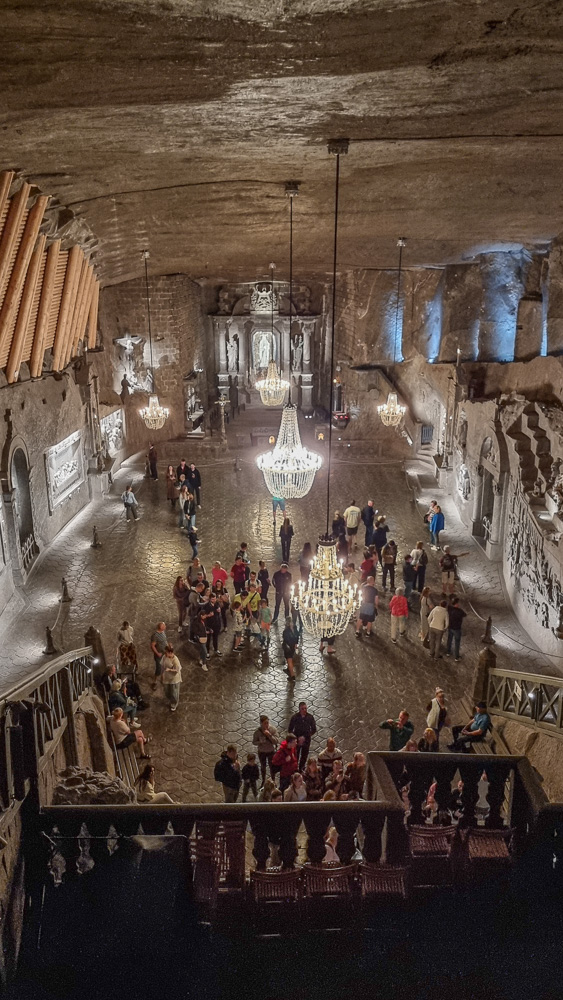
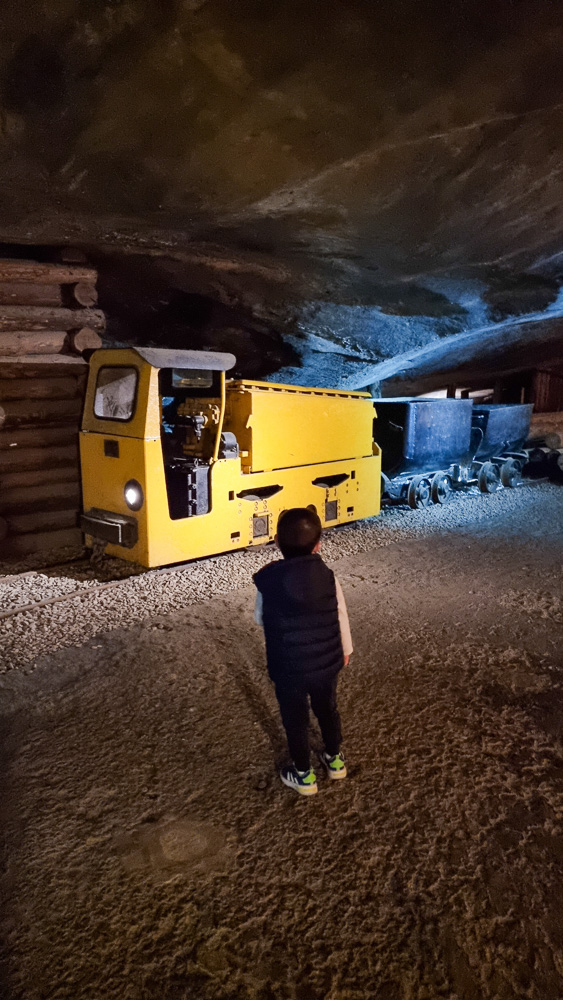
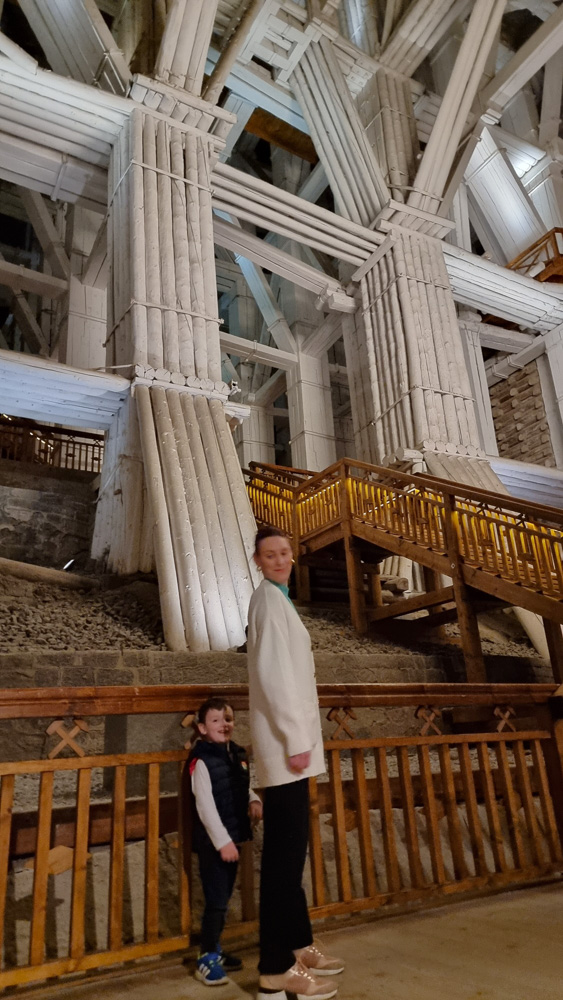
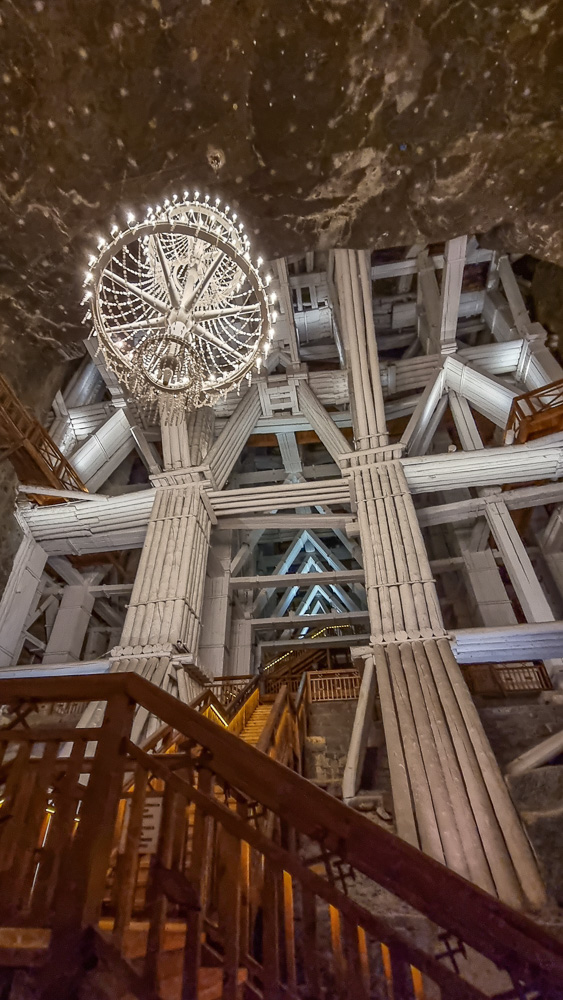
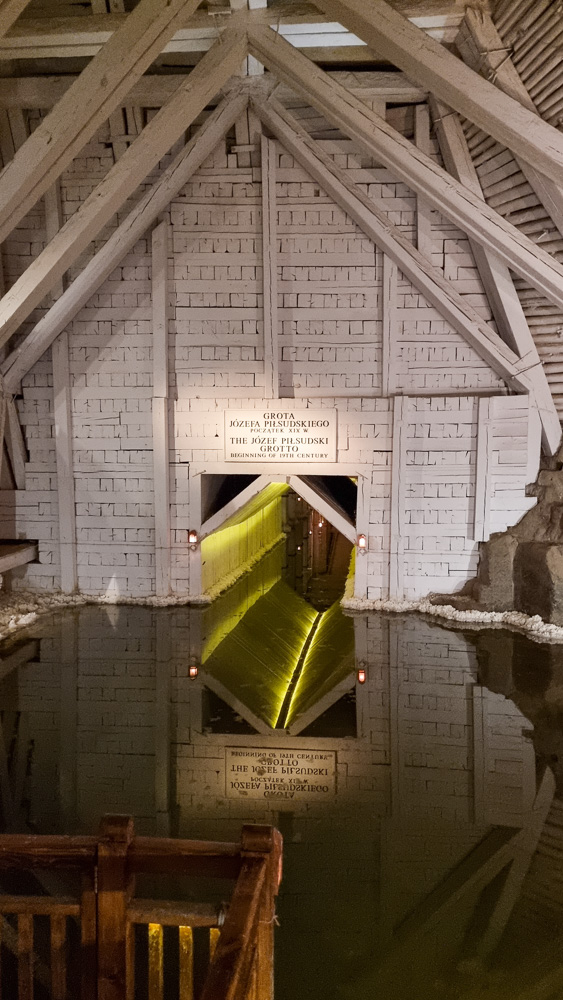
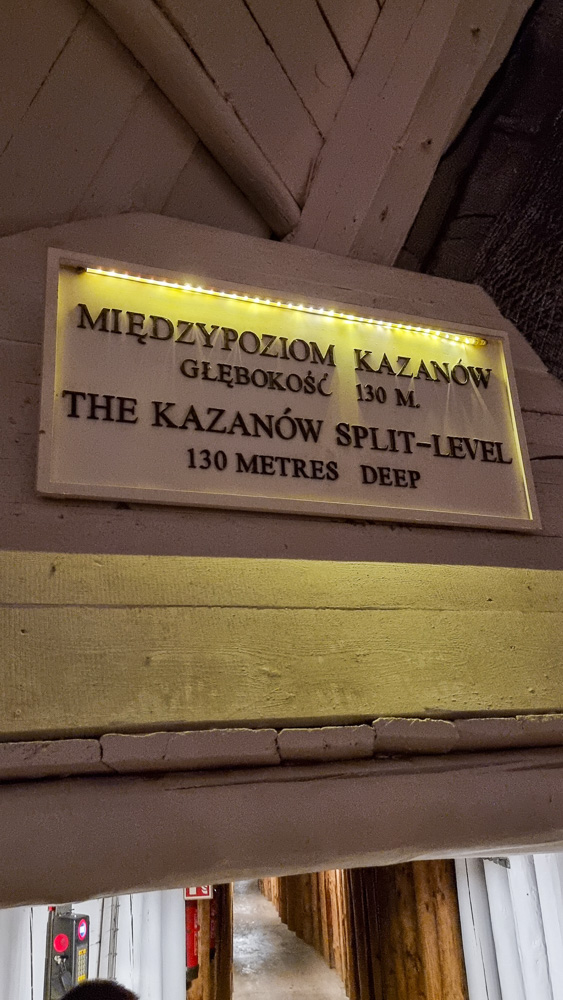
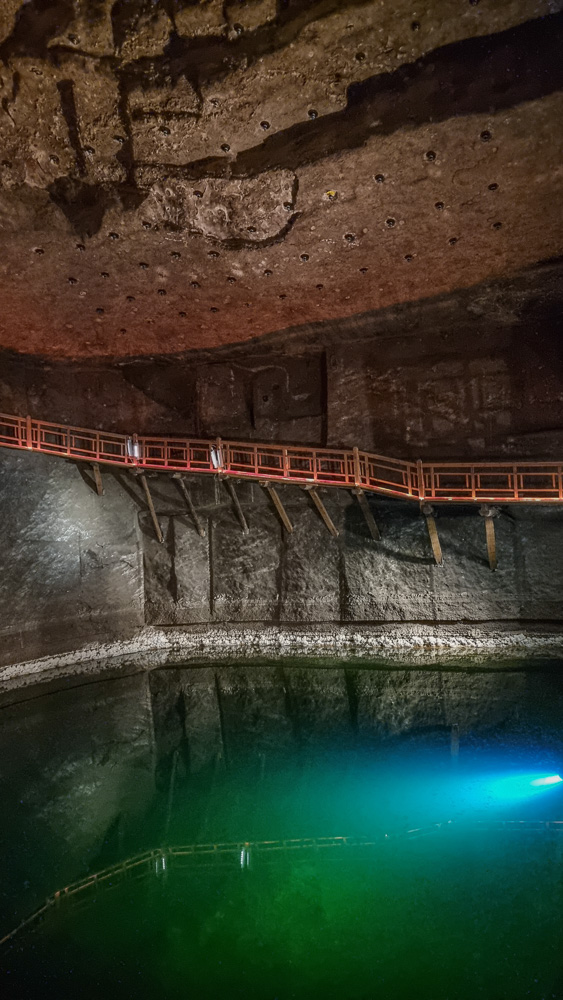
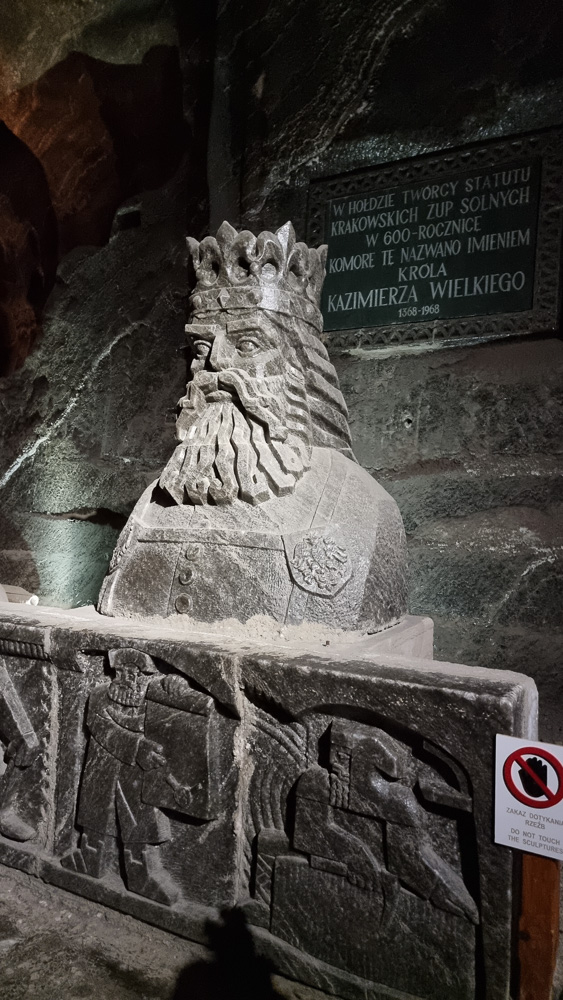
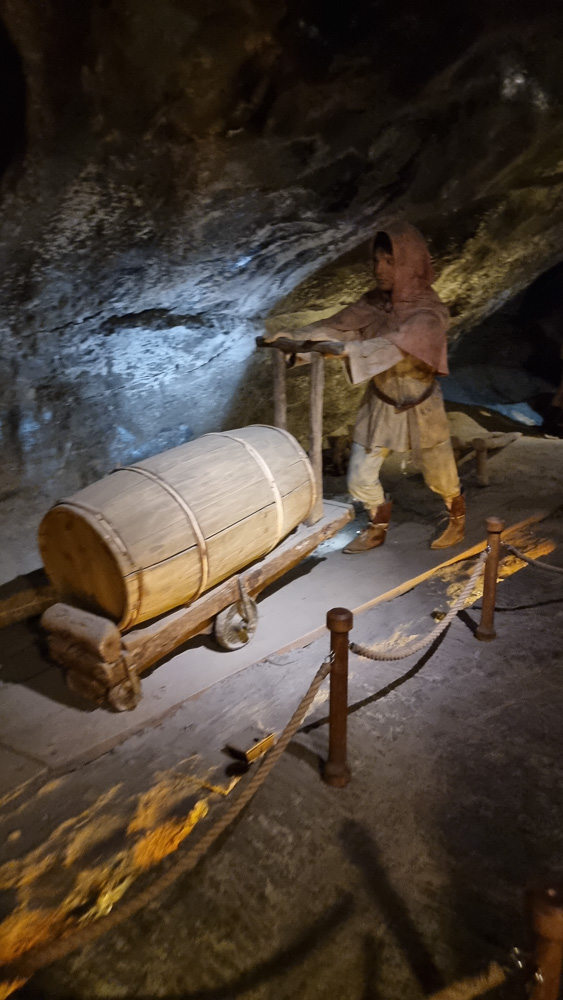
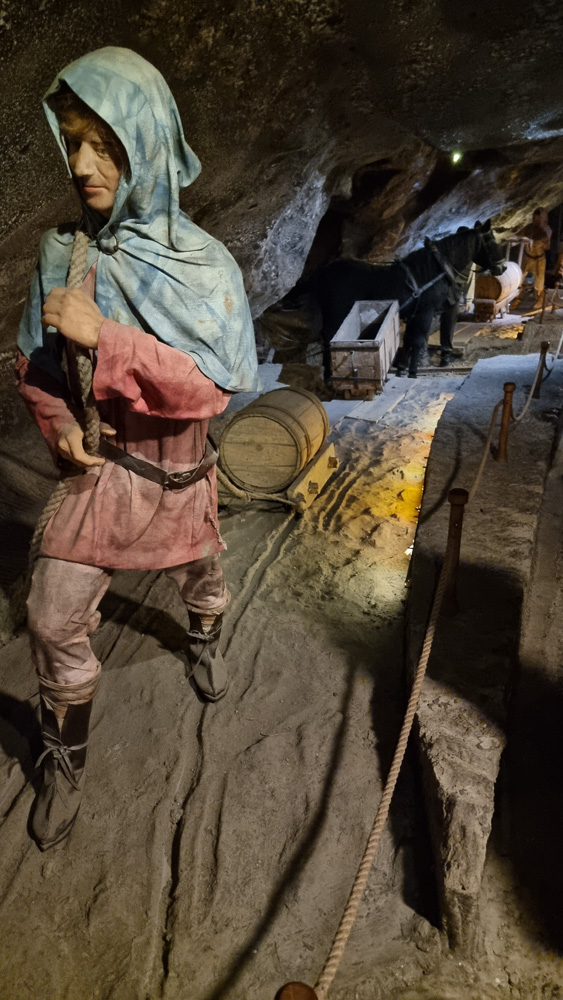
About 15 kilometers southeast of Krakow are the Wieliczka Salt Mines. From the Middle Ages until 1996 (when their operation was deemed unprofitable), salt was continuously mined. Today, the mine operates as a museum and tourist attraction and is a UNESCO World Heritage Site. Visitors can tour various parts of the mine, admire the salt-carved halls, the statues and reliefs created by the workers, as well as the underground lakes. The mine also houses a sanatorium for the rehabilitation of patients with respiratory problems.

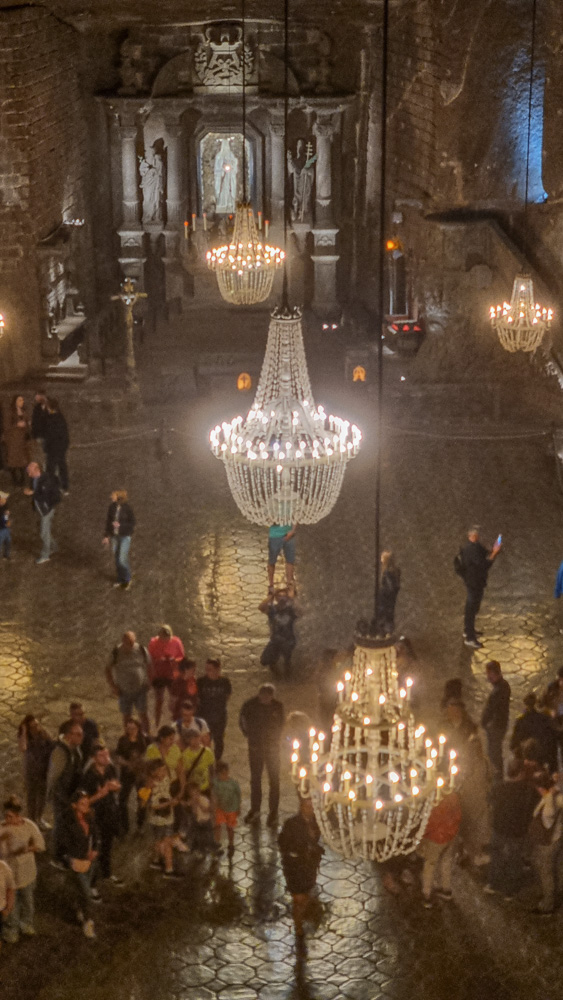
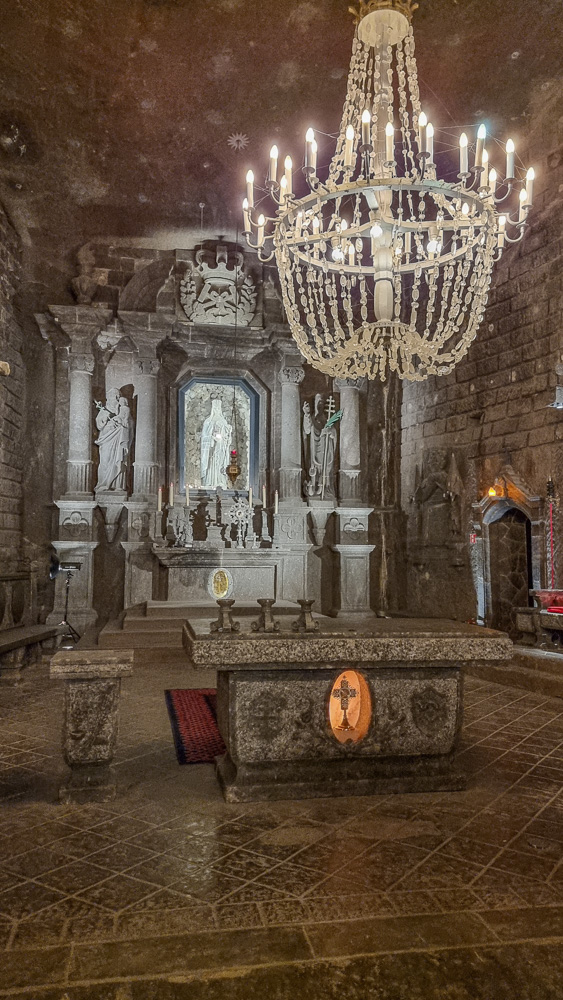
The most spectacular point of the mines is the Chapel of Agia Kinga, adorned with elaborate sculptures and crystal chandeliers, all naturally made of salt! The spaces are extremely impressive and the guided tour of the two-kilometer section, which is available to the public, lasts about two hours. Due to the high salt content, there is a pervasive sense of well-being! Book your tickets here.
Auschwitz
Krakow is a springboard for a visit to the largest concentration and extermination camp created by the Nazis. See everything you need to know about Auschwitz at article which we wrote.

Gastronomy
A visit to Poland is not complete without trying the local cuisine! You will undoubtedly find many restaurants, but it is worth trying the experience of one Milk bar (mleczny). The exact translation would be dairy, but in essence these are restaurants that flourished during the communist period and served cheap food and dairy products, as meat was rare at the time. A few still remain reminiscent of that era and there are many who still prefer them.

What do we suggest? try in Poland:
Zapiekanka: The favorite street food of Poles. A baguette with cheese, mushrooms, ham, ketchup, etc.
Obwarzanek: popular snack that looks like a bun but tastes like a bagel
Pierogi: Stuffed dumplings, with various ingredients, such as meat, cheese, cabbage
Zurek: Savory soup with meat, sausages, potatoes and sauerkraut. Usually served inside a loaf of bread.
Kotlet schabowy: The famous schnitzel
Naleśniki: Polish crepes
Sernik: A special cheesecake with raisins
Faworki: Long, crispy dough bars served with powdered sugar
Pączki: Polish doughnuts with icing or icing and jam filling

Don't forget to try the local vodka too! It is the national drink of Poland and you will find many different brands. Many bars also offer tastings, serving different flavors in small glasses. Also a place worth visiting is the Hala ForumA brutalist former Soviet-era hotel that was converted into a multi-purpose space, with restaurants, bars, galleries and shops.

Closing
Krakow is a beautiful city that should definitely be on your list of priorities when visiting Poland. A city with a long history and vibrant culture, it offers visitors a unique experience, combining the past with the present. In our next article, we will talk about the country's capital, Warsaw which also has its own special character.