There is no living creature that breathes or crawls on the earth that is more wretched than man! Homer
It is often contradictory to want to visit a place where so many people were killed because you were touched by the movies. The Oscar-winning “Schindler’s List” and “Life is Beautiful” had created for years the desire to see the Auschwitz camps up close and pay tribute to the victims of the Holocaust. We cannot even imagine the emotions experienced by the people who were imprisoned and martyred there. However, what is also written on a wall of the camp is very significant: “Those who cannot remember the past are condemned to repeat it.”

So, being in the Krakow We took the train and found ourselves in the town of Oświęcim, as the Poles call it. At the end of this article there is all the information to organize a visit to Auschwitz. But first we will give you some facts about its history that are good to know.
Monument – museum – Research and information center
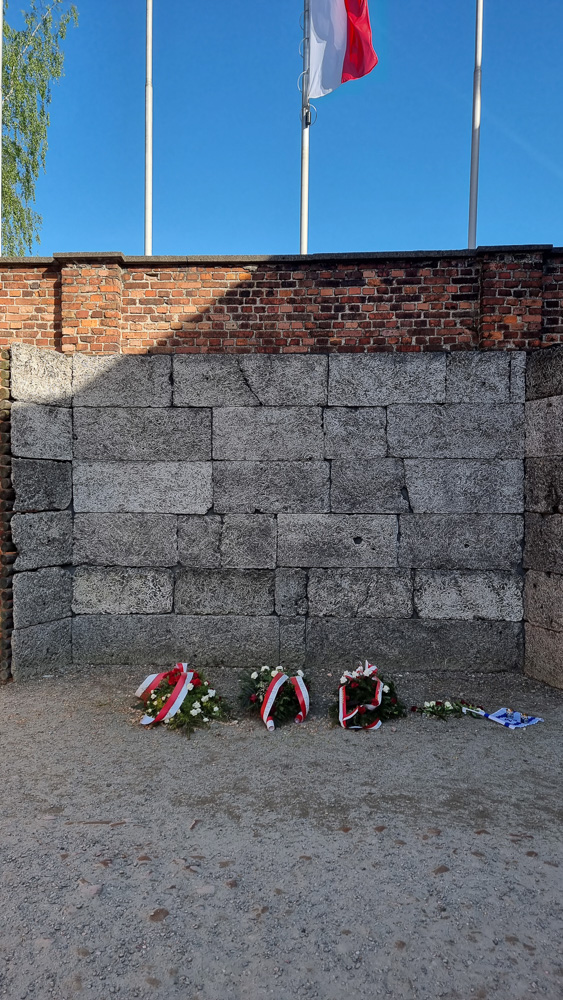
The Auschwitz Museum was founded in 1947 to preserve and commemorate the victims of Nazi crimes and to inform the public about the Holocaust. Approximately 1.1 million people were killed in the Auschwitz I and Auschwitz II-Birkenau concentration camps, most of whom were Jews, but also included Roma, Poles, Russians, Jehovah's Witnesses, dissidents, prisoners of war, and homosexuals.

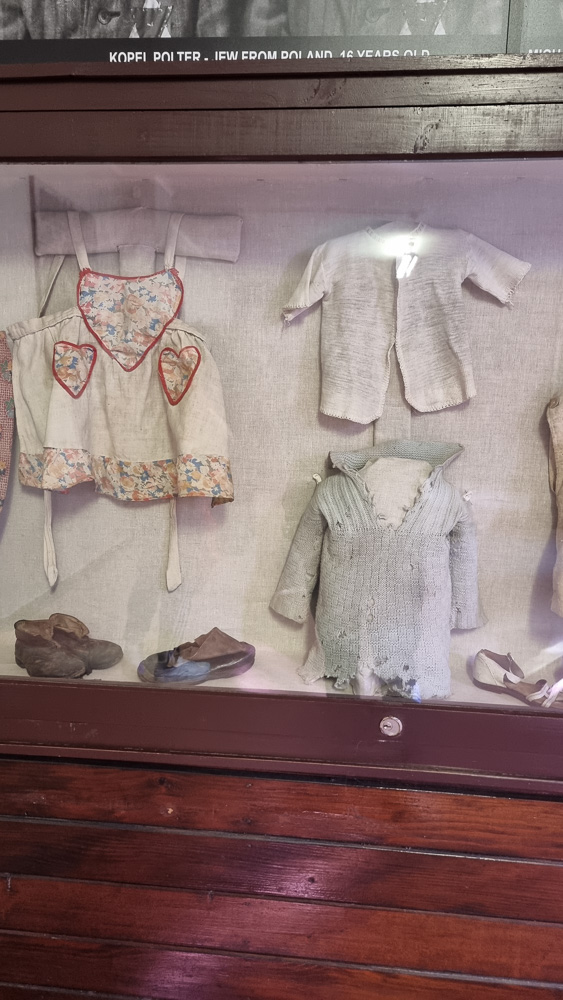
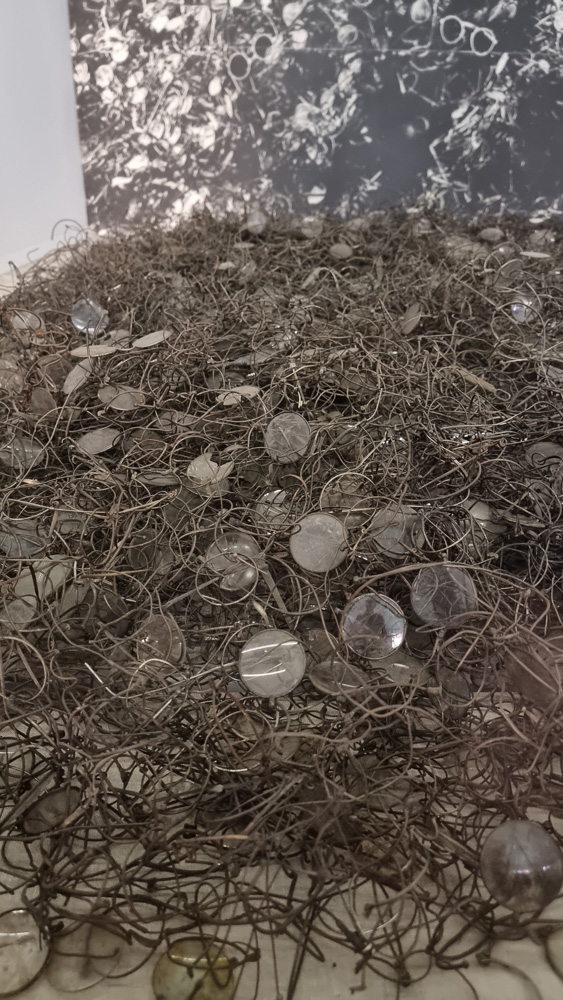
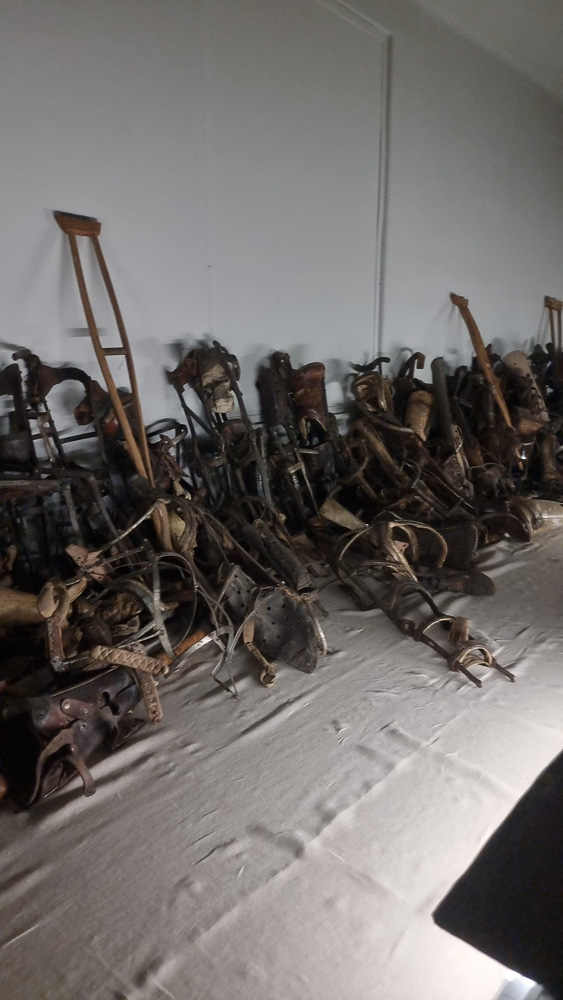
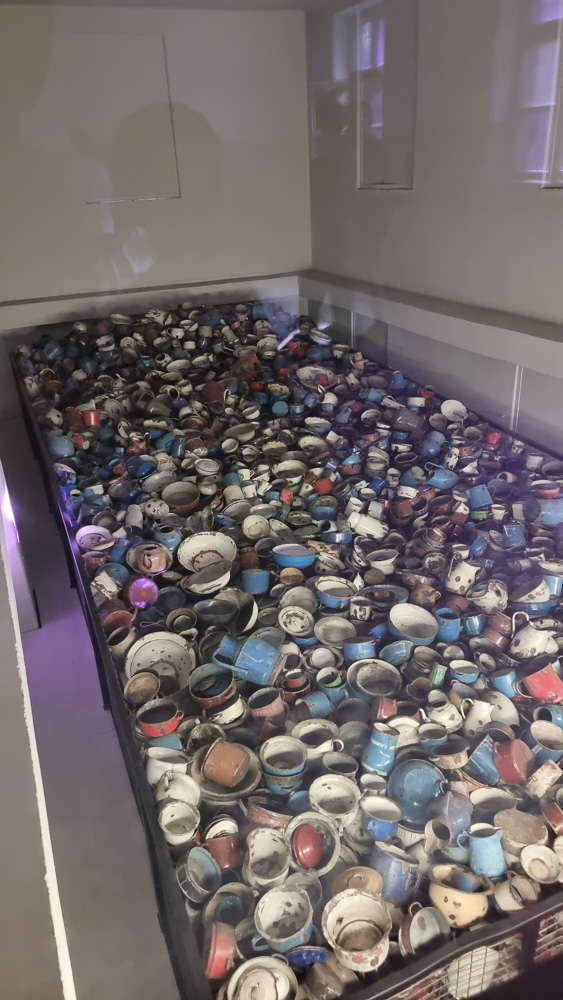
In the museum there are intact remains, as they were found during the liberation of the camps, 2 tons of human hair, over 80 thousand shoes, approximately 3.8 thousand suitcases, 40 kilos of glasses, 460 artificial limbs, etc.... Horror.
The concentration camps
Το Auschwitz I was the original concentration camp built by the Nazis on the site of pre-war Polish army barracks. It also served as the administrative center for the entire Auschwitz camp complex and was expanded by the Nazis as needed. It included administrative buildings, prisoner living quarters, storage facilities, a rudimentary infirmary, gas chambers, and crematoriums.

At the camp gate stands the famous Nazi iron sign "Arbeit Macht Frei" (Work Sets You Free), a cynical slogan that concealed the humiliation, exploitation, and killing of the people there. Thousands of prisoners passed through it every day on their way to long, hard labor. Many of them never returned.

The notorious SS doctor Josef Mengele also operated in this camp, conducting pseudoscientific research and experiments on humans.

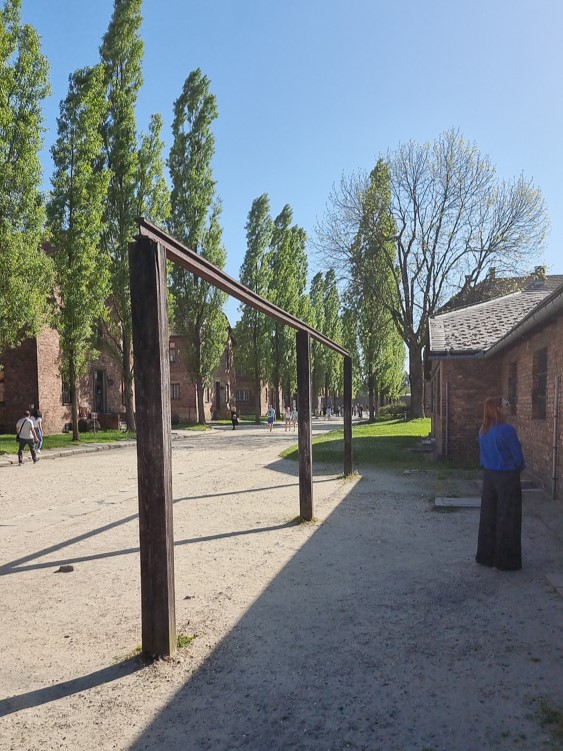
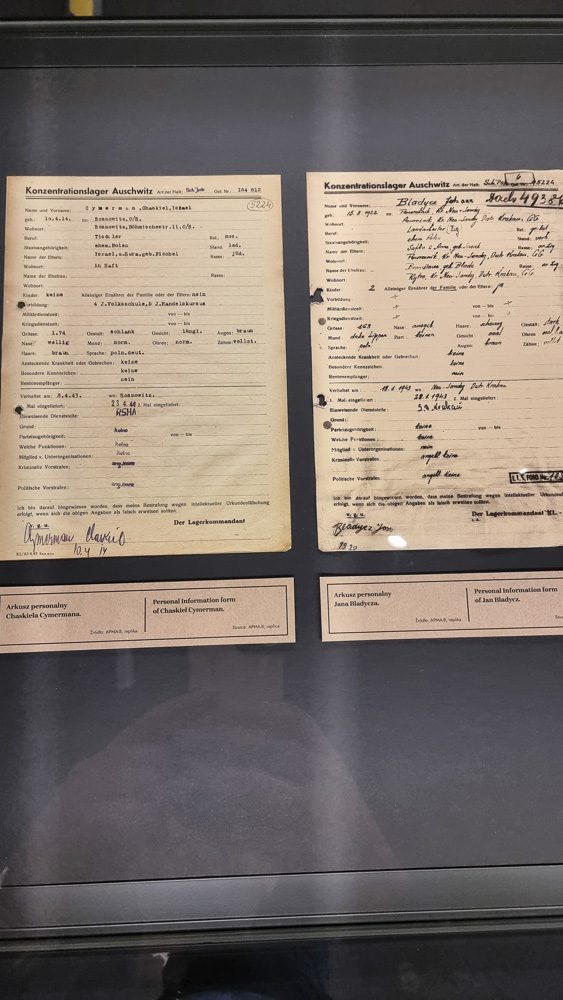
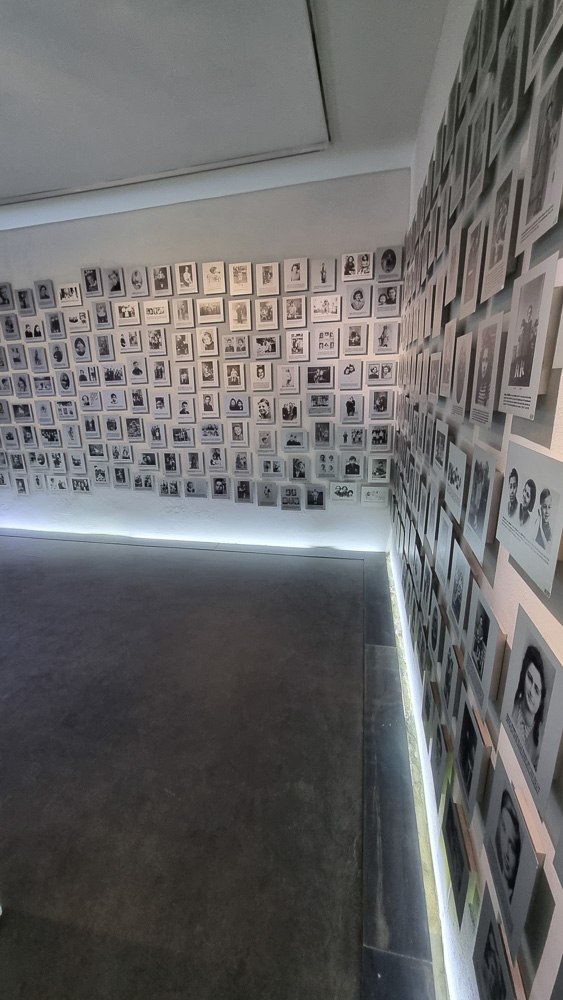
Touring the buildings currently in Auschwitz I is a shocking experience, as many of them have been organized as museums and provide evidence and data about the Nazi crimes, lists and photographs of prisoners, information about how these people ended up there, and stories from their lives before, after, and during their incarceration in the camps.
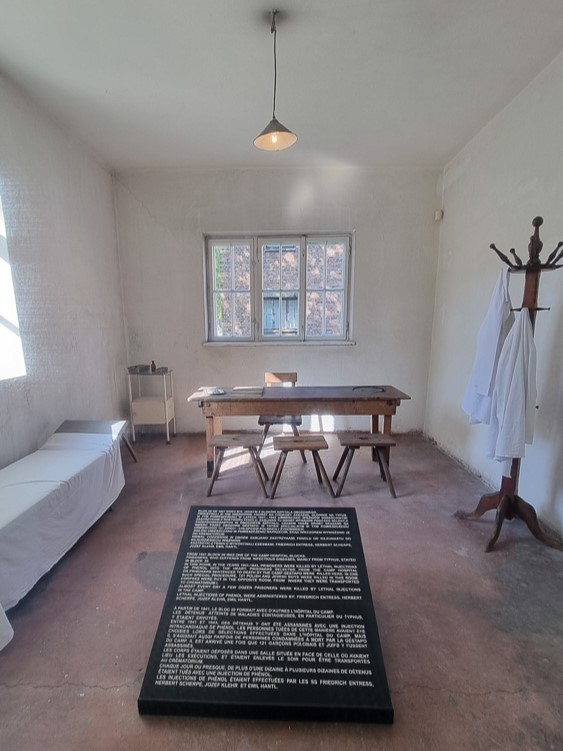
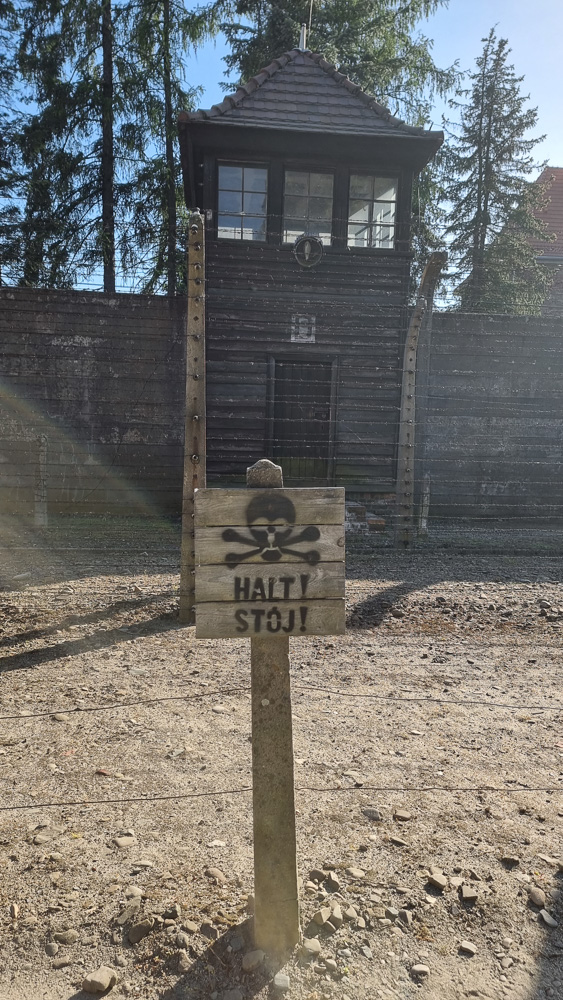
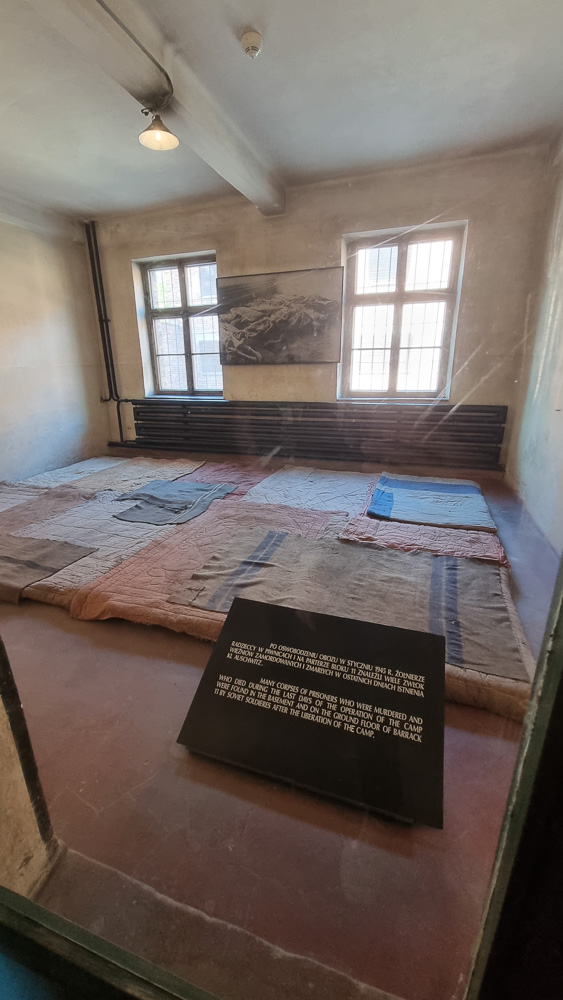
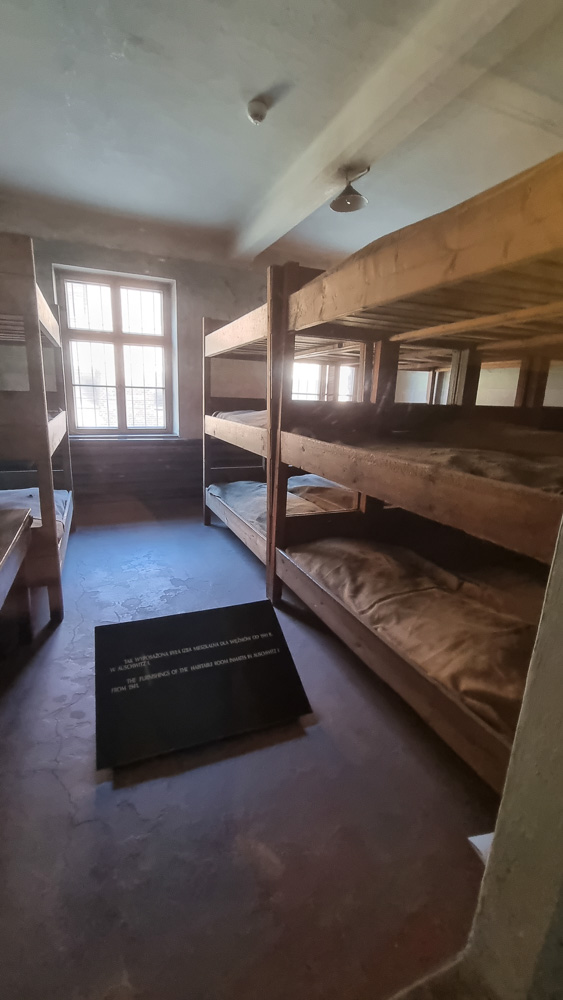
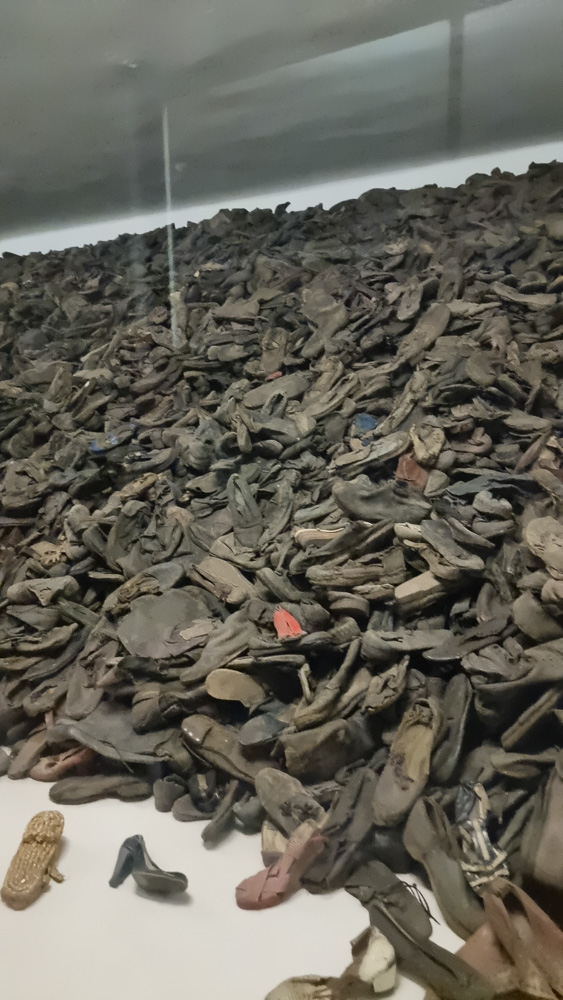
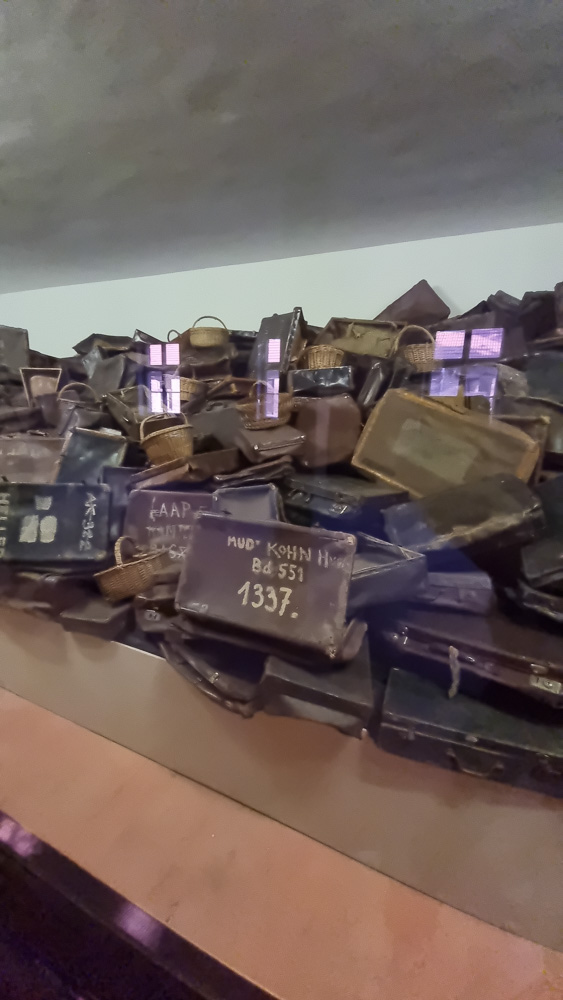
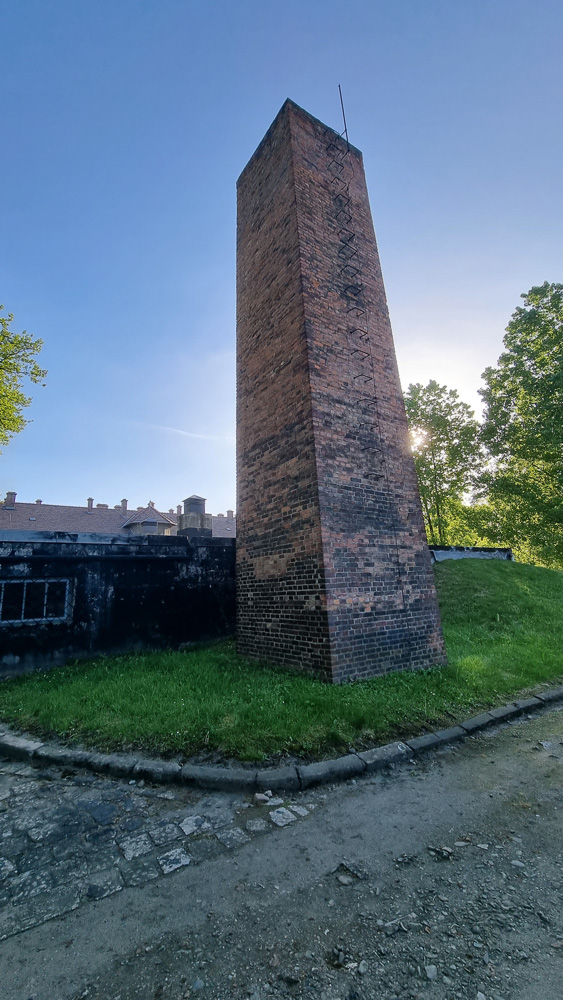
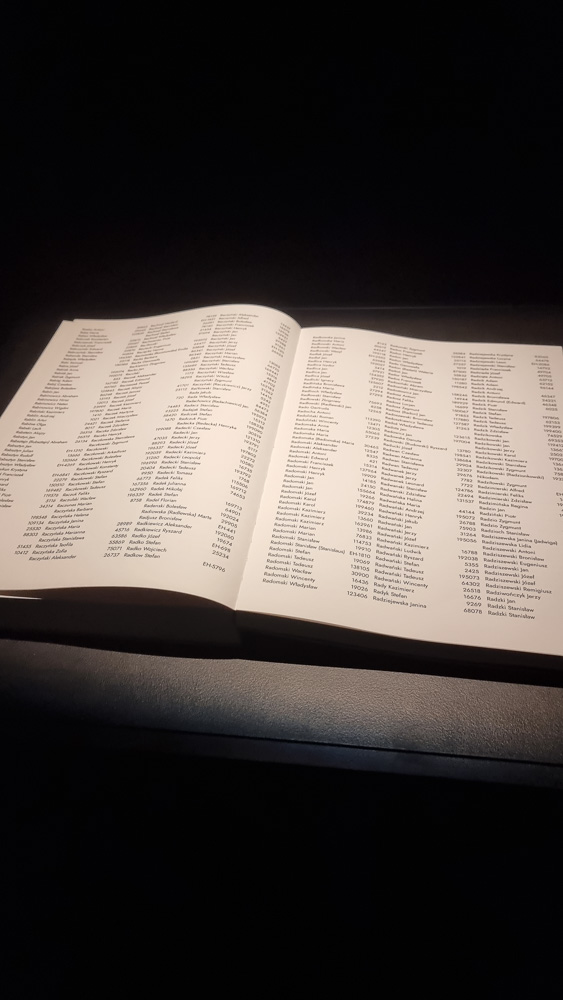
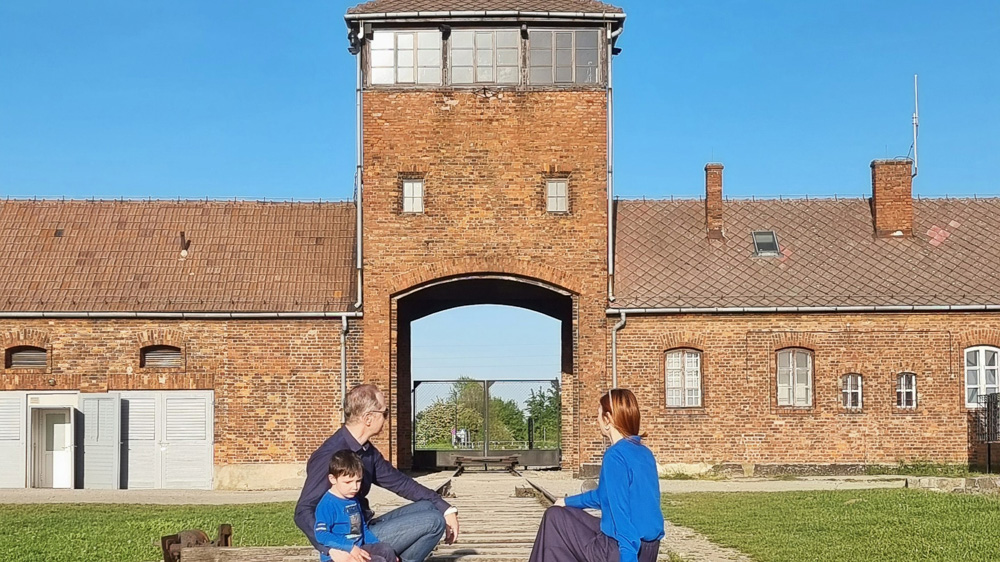
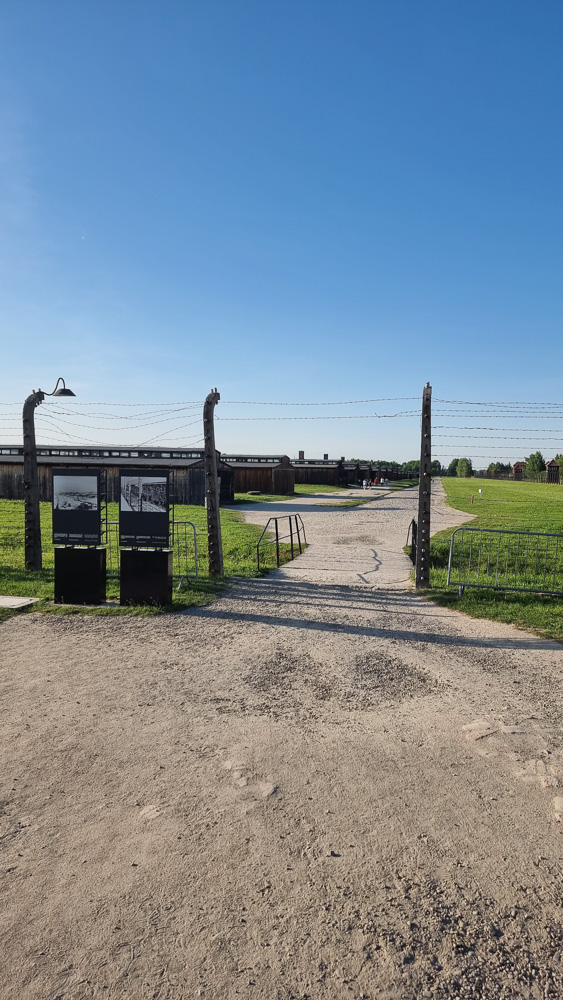
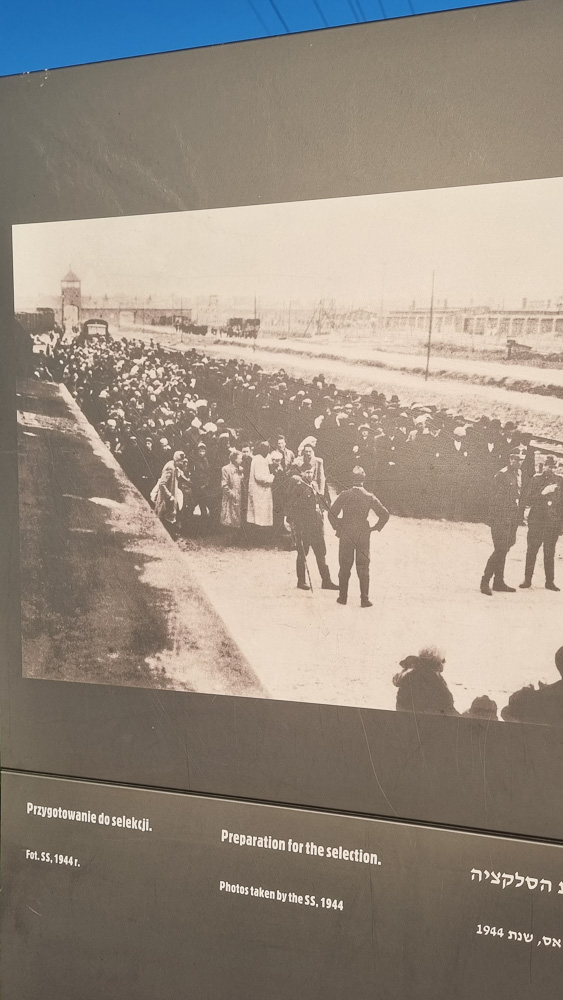
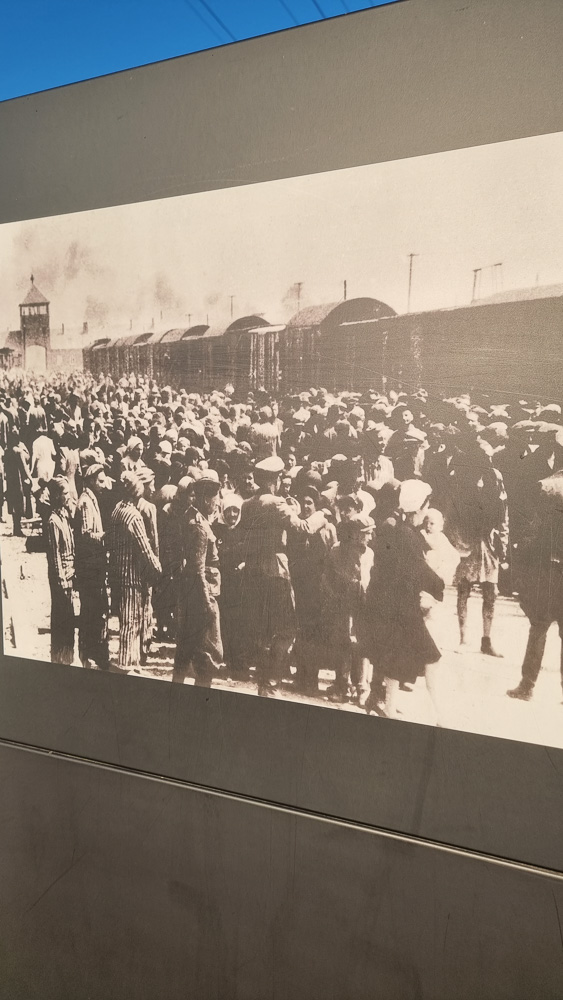
Το Auschwitz II-Birkenau It was the second camp in the area and we are no longer talking about a concentration camp but an extermination camp. Life expectancy here was from a few minutes to a few days. As soon as you visit it and see its size, you understand that you are in a real “death factory”. The gate through which the trains carrying prisoners passed was the beginning of the horror.

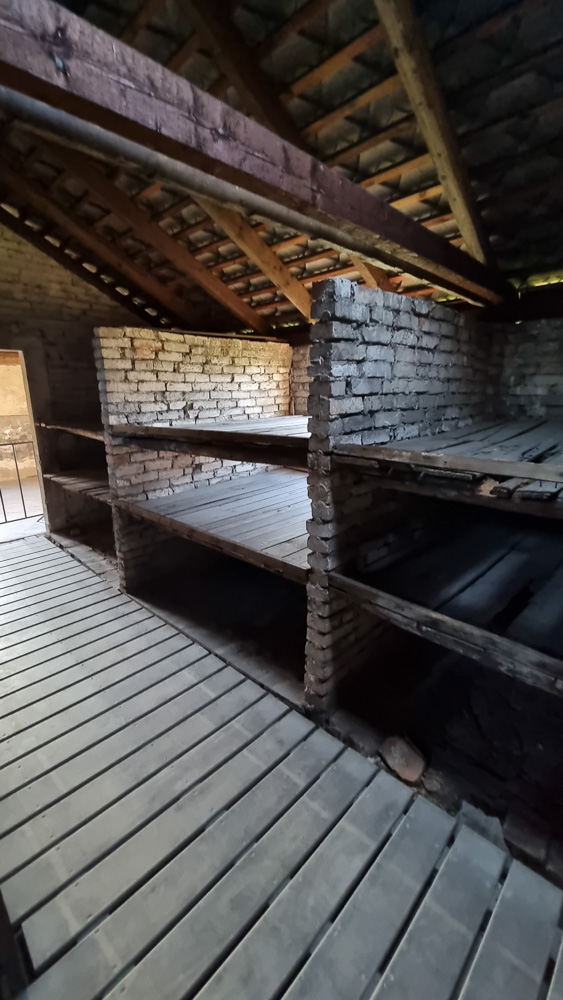
Living conditions were miserable and food was inadequate. Gas chambers, firing squads, phenol injections, heavy forced labor, hunger and disease were a daily occurrence…
Approximately 200,000 people were crammed into the camp's 340 buildings in miserable conditions, on an area of 175 acres, which was fenced with 17 kilometers of electric cables.

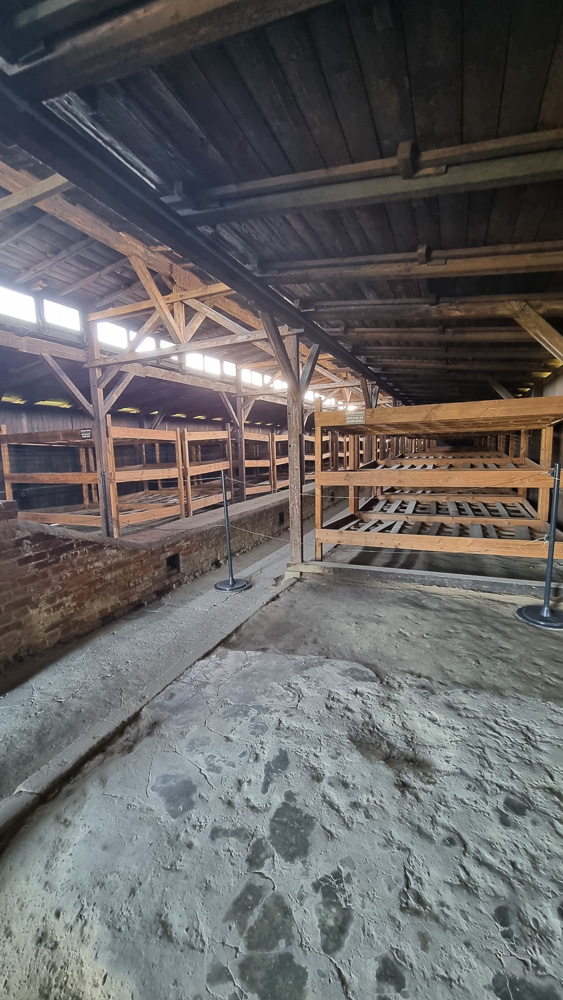
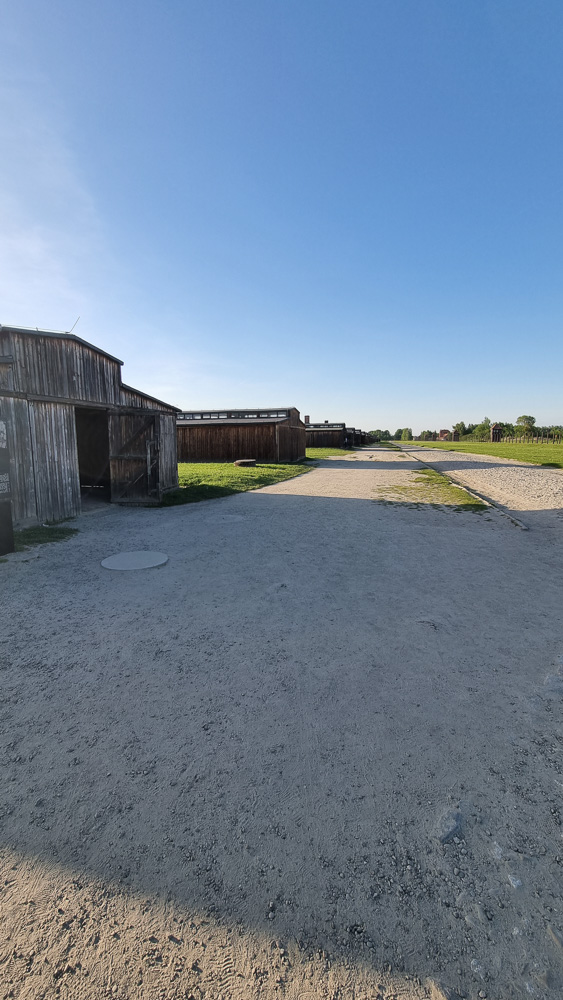
There are now very few remaining prisoner buildings in Auschwitz II, as their specifications were stable-type, constructed of wood, and only the chimney was brick-built, and this was of course insufficient for heating the dormitories.

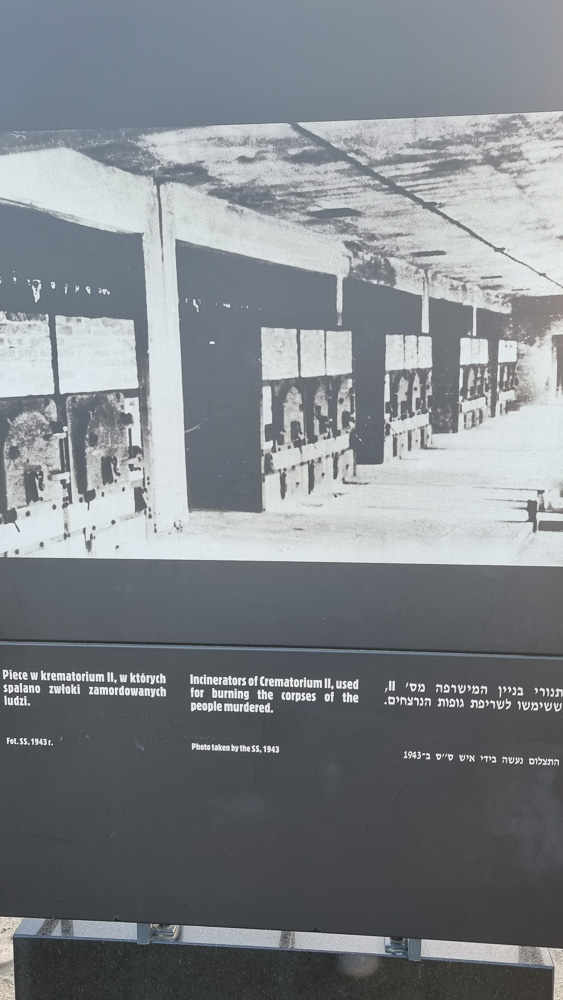
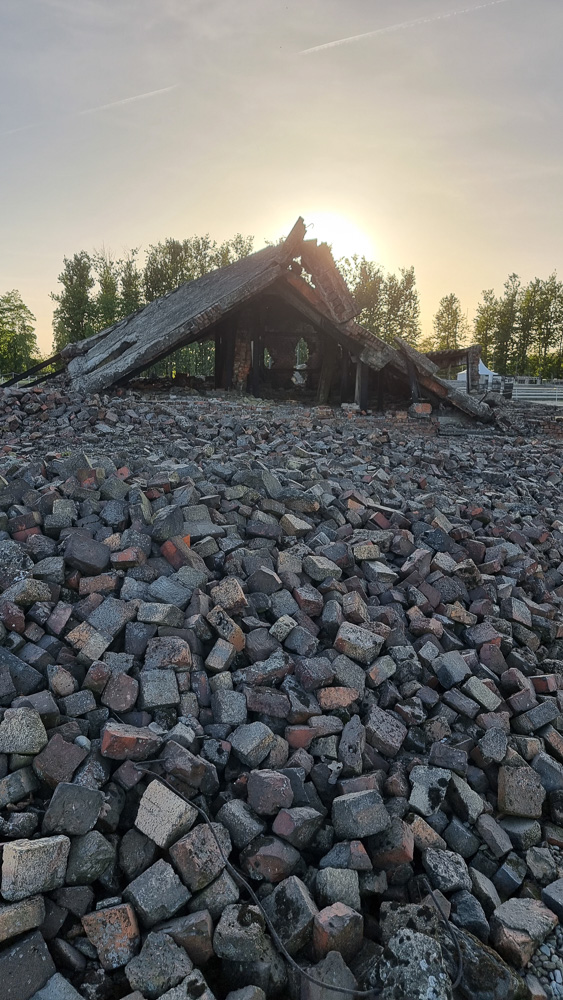
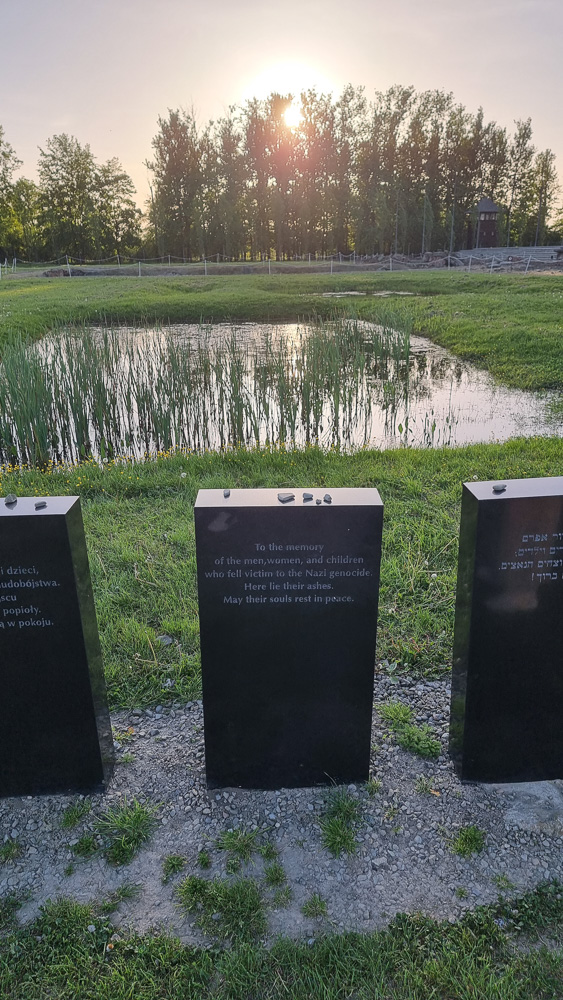
At the same time, the Nazis' desire to eliminate evidence in the last days before the liberation of the camps led them to destroy the gas chambers, crematoria, and many buildings. Nevertheless, photographs, documents, and archival material were saved and exist to testify to the atrocity that was committed.

There is a third camp in the area, Auschwitz III – Monowitz, which was used for forced labor in Nazi industry and from which not much has survived.
After the war
The Polish government decided in 1947 to spend a considerable amount of money to save and maintain these camps, so that the memory would be kept alive. Germany, in its attempt to face the dark aspects of its past, funded the maintenance of the facilities with a very large amount.

How to organize your visit there
Visiting the former concentration camps is not a simple walk through any museum and requires special organization. First of all, Auschwitz (Oświęcim) is located about an hour away from Krakow and if you want to go by public transport, check the train schedules here and buses hereOf course you can go with your own vehicle or with Uber.
The camps are quite large and your tour of them can take several hours (we would say at least three). The transfer from Auschwitz I to Auschwitz II – Birgenau (five kilometers away) is done by buses that stop outside the entrance of the Museum (Auschwitz I), free of charge.

Tickets
You can book tickets from the official website. website and there are two types. Free and paid ones that offer guided tours. The free ones (they sell out quickly) allow you to enter from noon onwards (their time changes depending on the season), while those with guided tours start early in the morning and cost around 100 zlotys (23.5 euros).
To enter the space, you must have an ID or passport with you, you will go through airport-style security, and if you have a bag with you, it must not exceed the dimensions of 35x25x15 cm. However, there are lockers where you can leave anything larger.

Strollers are allowed in the areas of the former camps, but not inside the buildings - museum areas. Also, in case you encounter rain or snow, moving the stroller will be quite difficult. The museum website states that a visit there is not recommended for children under 14 years old. We will add that up to three - four years old they will fortunately not understand anything of what happened there.
The space you will visit is a place of remembrance and information. Therefore, please behave respectfully and follow the instructions given by the museum staff and the information signs.

What we recommend
Because all of the above may seem a bit complicated and it takes a little research to organize everything on your own, we recommend that you book a package that includes a tour and transportation, so that you can learn as much as possible and not have the stress of the trip. You will find Greek tour and transportation here (highly recommended), and if you don't find it there, check the Get your Guide which will offer you a ticket, transportation and tour without you having to search for them yourself. If you have any other questions, do not hesitate to contact us.