A very useful article for those of you who want to travel during the holidays
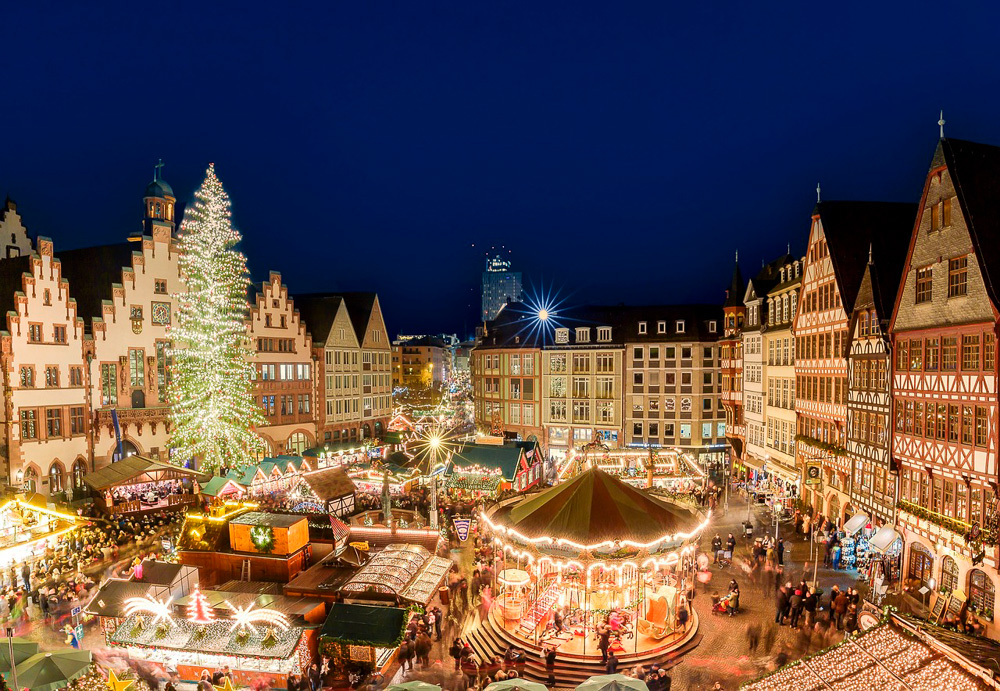
A trip to the Christmas markets of Europe is a lifelong dream for many! And who wouldn't want to find themselves at least once in these beautifully decorated squares with wooden houses, which come to life every year at this time of year and are a magnet for locals and tourists alike. Unique decorations, the smell of mulled wine and steaming street food create a magical festive atmosphere, while towering fir trees, thousands of lights, carousels, ice rinks and other games keep the interest of young and old undiminished! If even a little snow falls, everything becomes even more beautiful and festive.

However, to go prepared and enjoy this famous festive magic as much as possible, you need to do some good preparation so that you don't find yourself in the middle of surprises! There are quite a few people who have returned from such trips, and when telling us their impressions, we realized that they didn't have a good time because they weren't properly informed about what they would encounter.
So, with the experience we gained from living abroad for a few years and visiting the so-called Christmas markets many times, we have created the ultimate guide with everything you need to know before booking your next holiday trip. Grab a glass of Glühwein or Glogg (red mulled wine with spices) and let's take a look at all the tips we have prepared one by one.

- Shopping period
The A and Z of your trip! Don't expect the Christmas markets to be open every day! There is an operating period that you will find on the websites of each Municipality or on corresponding sites. Most likely (especially in Germany and Austria) they will be closed on December 25 and 26, as most markets operate from early November and the workers in them need rest and time with their families. So, if your leave starts on Christmas Eve and you are thinking of leaving on the same day, search the internet for their operating period, which is usually announced in September and does not differ much from last year.

- They are not cheap at all.
As you can imagine, if you want to travel during the holidays, even if you find flights at reasonable prices, the residence It won't be yours under any circumstances. Especially for these days and if you haven't already booked for the summer, the best thing to do is to look at travel agencies, as we have discovered that some offer attractive packages because they reserve seats in advance.

- Food – activities
Another issue that many travelers face during Christmas in European destinations is the issue of food. The delicacies in the wooden houses in the squares may beckon you, but you can't just rely on them! You'll also look for restaurants. Most, however, do not operate at all hours and days and as expected their prices are particularly steep during the holidays. The best advice we have to give you is to book an Airbnb with a kitchen, so you can cook something, or if you end up staying in a hotel, ask if they offer meals for the residents. In any case, download the app OpenTable on your mobile to know which restaurants are open, what their prices are and to book a table because otherwise you will have a hard time finding one. water is also expensive, but tap water is usually drinkable and of good quality. You will need a thermos in your backpack so that it does not get cold! Also, keep in mind that the museums and possibly commercial ones shops They will be closed on some days. If you plan to visit them, check their websites for opening times.

- Appropriate clothing
This item will make the difference in your trip! The cold is quite bitter and when you spend hours outdoors it becomes unbearable. So, you need good clothing (the so-called layers, which you can add and remove), gloves, a hat, a scarf, thermals, an umbrella and a raincoat. As for shoes, forget heels and sneakers. You need waterproof, comfortable, non-slip boots that will keep you warm and won't get soaked with the first rain or snow.

- What will you find to buy?
At the Christmas markets you will find a lot of goodies, both decorative, in the spirit of Christmas, as well as food and drink! As for the drink the beers are local and worth a try. The Glühwein (mulled wine with spices) is an absolute must! For the little ones, warm non-alcoholic drinks (with mulled wine or hot chocolate) are usually served. About food, Sausage dominates in many versions (bratwurst, currywurst, weisswurst, bockwurst) while schnitzel and potatoes with bacon and onion (Kartoffeln) are also preferred. Crepes, pretzels, cheeses, waffles, gingerbread cookies, sweets also have their place on the stalls, while everywhere you will find Christmas decorations, toys and clothes to buy.

- Have cash with you.
Although we have occasionally seen Christmas markets accepting cards, most of the time you will need cash. So, make sure to always have some with you somewhere, but well hidden, as crowds always bring various tricksters waiting for the right opportunity. Also, always set a meeting point in case you lose your company or your cell phone turns off. The cold quickly drains your battery, so have another alternative ready.

- Be prepared for the worst-case scenario.
No matter how well you have prepared, no matter how much you have paid attention to all the parameters, the unexpected can always happen. Keep in mind that you are traveling during the highest season period together with thousands of people from all over the planet. Delays, lost luggage, flight cancellations, bad weather, crowds can ruin your plans for good. Don't be discouraged though! Arm yourself with patience, think quickly, think outside the box and always have a travel insurance. insurance.

- Ignore the various articles on the internet
Really, every year at this time the internet is flooded with articles like “The best Christmas markets in Europe” or “Where will you spend your Christmas this year best?” We really see them and laugh because they are just Clickbait articles and offer absolutely nothing. There are no better or worse markets. From year to year, things change and evolve so much that there is no longer any question of comparison. Cities that until now were not Christmas destinations are realizing the tourist flow that such activities create and are also getting into the game. The point is what are you looking to find where you are going.

So what would we recommend to you:
1.If you can go before Christmas would be ideal! That is, until December 18, the crowds are significantly smaller, all markets are open, prices are at by air tickets, accommodations etc. are lower and museums will operate normally.
2. If you can get permission only during the holiday season (25/12 – 31/12), forget Germany (except Berlin), Austria (except Salzburg), the France (except Colmar), the Switzerland and the Netherlands. Prefer Brussels, London, Tallinn, Riga, Vilnius, Warsaw, Krakow, Copenhagen, Budapest, Prague, where the markets and decorations remain until the 1stor January (in some cases later).

3. If you can't take it anymore cold of northern and central Europe, but you want to feel some of the magic of Christmas, don't snub the south! Barcelona, Madrid, Malaga, Seville, Bilbao, Milan, Rome, Florence etc. offer a similar festive atmosphere with milder conditions.
4. This is a personal opinion and if you want you can listen to it, if you want you can ignore it. You are not going to a destination. only for Christmas shopping. It should combine other things. So see what other activities there are (amusement park, carriage rides, sleigh rides) and museums. Besides, it's winter and in the cold it's difficult to walk around for hours, especially if you have small children.

Closing
Visiting the Christmas markets of Europe once in your life is truly a trip of a lifetime sprinkled with stardust and childhood memories! The fairy-tale holiday atmosphere, the decorations and the magical atmosphere will create feelings that you will remember forever! However, this, like any other trip, requires good preparation, study and preparation to make it happen just as you dream!